China 300kW DC Charging Manufacturers & Factories

Pioneering high-power megawatt transit infrastructure, V2G bi-directional grids, and customizable BESS-integrated fast charging solutions for global C&I operations.

Industrial 300kW DC Ultra-Fast Charging: Global Paradigm & Analysis

An authoritative exploration of dynamic load optimization, grid integration, and core power module technologies defining modern charging depots.

Global Fleet Electrification & Megawatt Demands

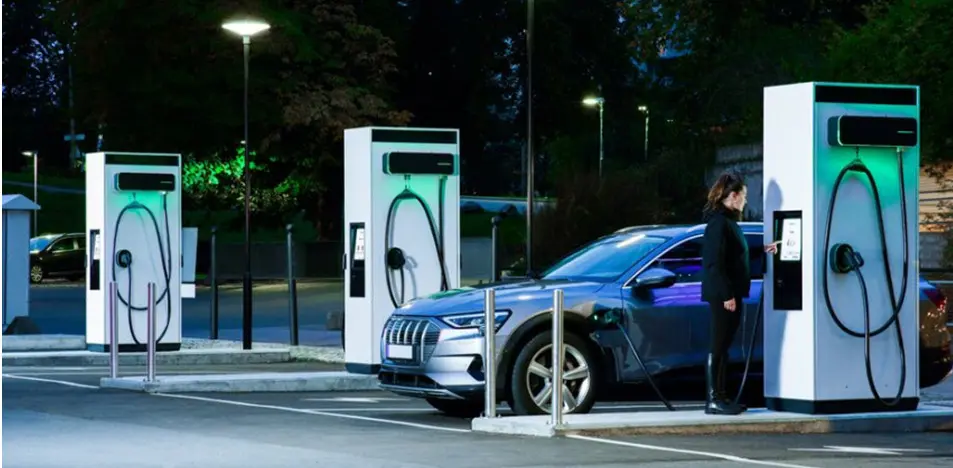
The global heavy transit and logistics sectors are driving an unprecedented transition from standard AC trickle units to high-voltage DC architectures. A 300kW DC charging system represents the modern benchmark for minimizing dwell times, allowing commercial trucks, municipal transit buses, and high-capacity passenger vehicles to replenish 80% range in under 20 minutes. Modern operators prioritize systems compliant with NACS, CCS1, CCS2, and GB/T standards to facilitate cross-border compatibility.

Silicon Carbide (SiC) Power Module Roadmaps

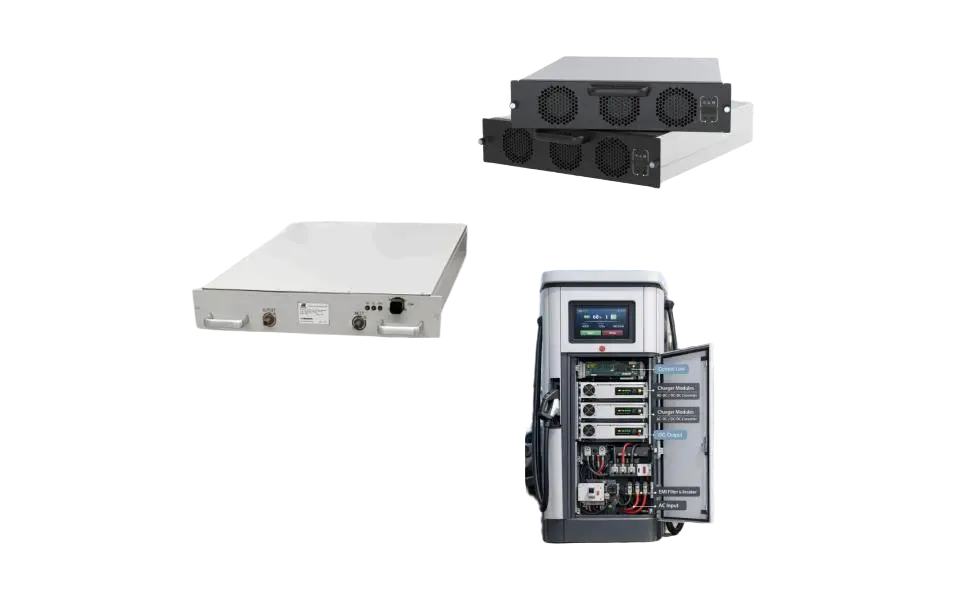
Power density and thermal dissipation are the key engineering metrics governing modern DC charger factories. Transitioning from legacy silicon IGBT topologies to high-frequency Silicon Carbide (SiC) MOSFET switch modules dramatically minimizes switching losses, pushing electrical conversion efficiencies beyond 96.5%. MIDA New Energy’s integration of 40kW to 125kW liquid-cooled modules ensures stable heat dissipation and low acoustic profiles in dense commercial districts.

Grid Resilience via Co-Located BESS Units

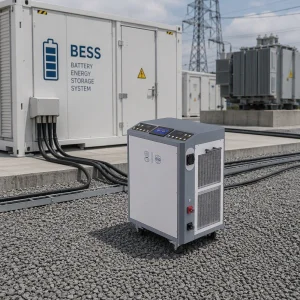
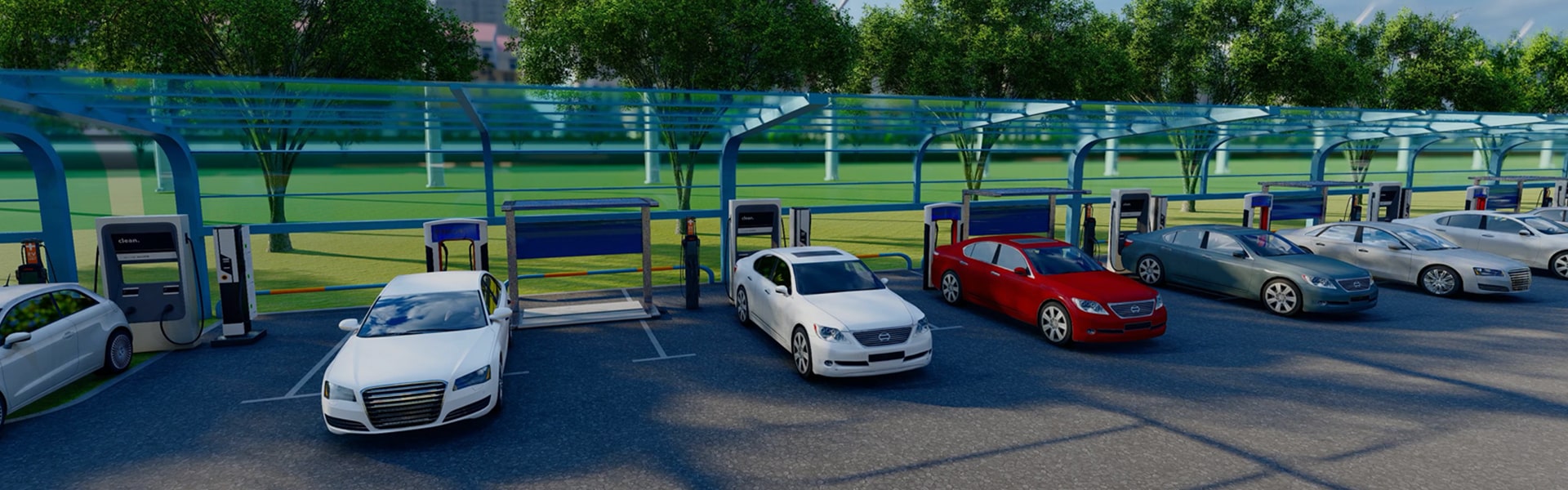
Deploying multi-megawatt charger hubs creates massive peak-load stresses on local distribution grids. To avoid costly distribution network upgrades and severe demand-charge tariffs, modern infrastructure planners are pairing 300kW+ fast chargers with localized Battery Energy Storage Systems (BESS). By combining 200kWh to 2MWh battery enclosures, operators can implement Peak Shaving, Solar-Assisted Charging, and V2G (Vehicle-to-Grid) load redistribution.

Technology Standard Compliance Note (ISO 15118-20 & OCPP 2.0.1)

To ensure reliable communication, security, and smart charging control, high-power DC terminals must align with the ISO 15118-20 standard for Plug & Charge convenience and advanced vehicle-to-grid telemetry. Fully integrating OCPP 2.0.1 and securing local compliance certificates like PTB/MID are foundational steps for public monetization of charging infrastructure.

WELCOME TO MIDA GROUP

Shanghai Mida Cable Group Ltd. operates through its wholly owned subsidiaries: Shanghai Mida EV Power Co., Ltd., Shenzhen Mida EV Power Co., Ltd., and Shanghai Mida New Energy Co., Ltd.

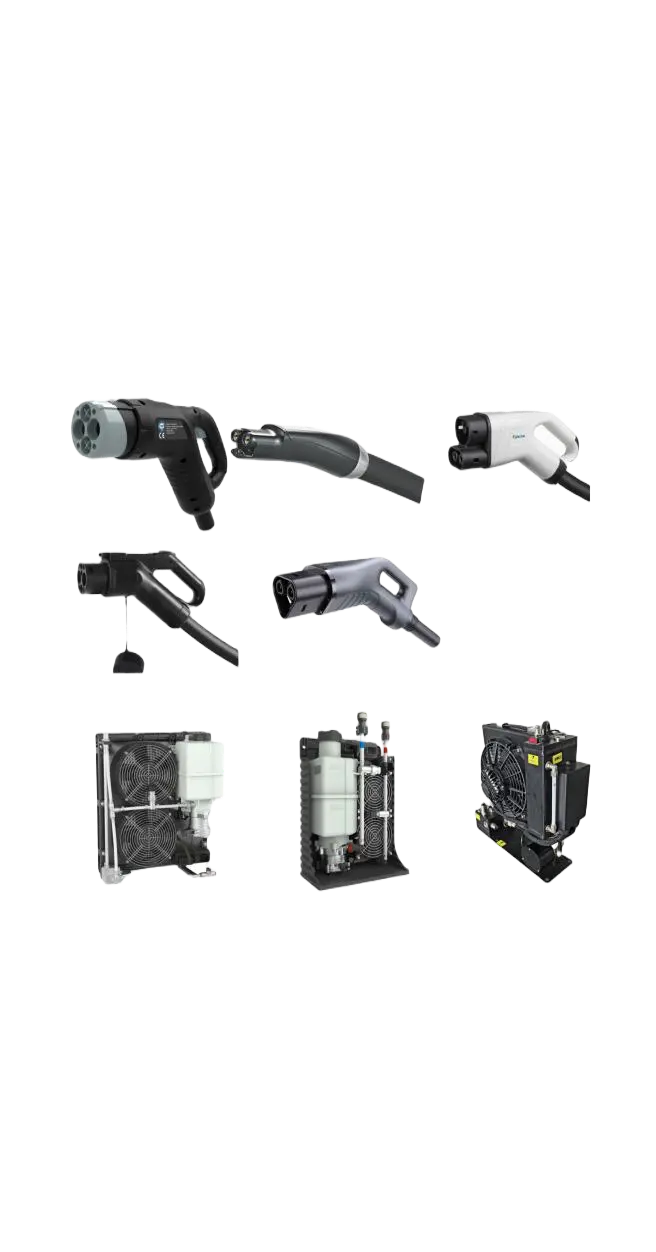
Mida Cable manufactures a comprehensive range of EV charging cables, including 16A–80A J1772 cables, 16A–63A IEC 62196-2 Type 2 cables, and DC fast charging cables: CCS1 (80A–500A), CCS2 (125A–1000A), CHAdeMO (125A–300A), GBT (200A–1000A), and NACS connectors (250A–600A).

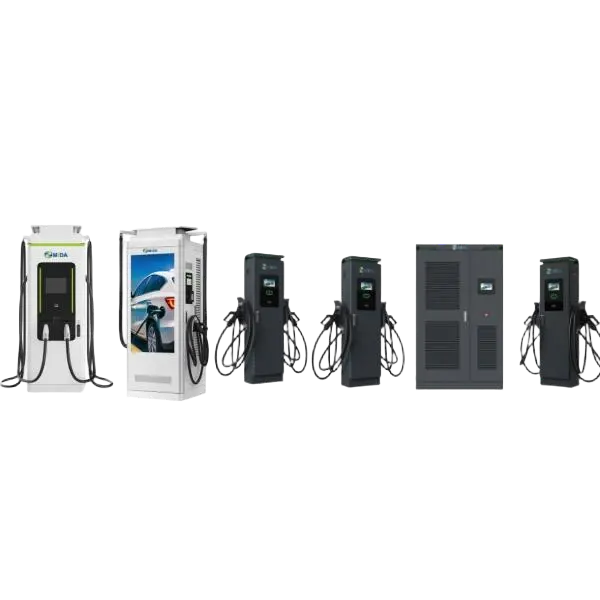
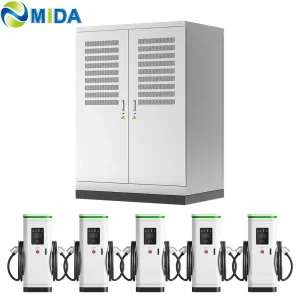
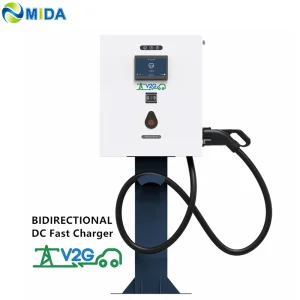
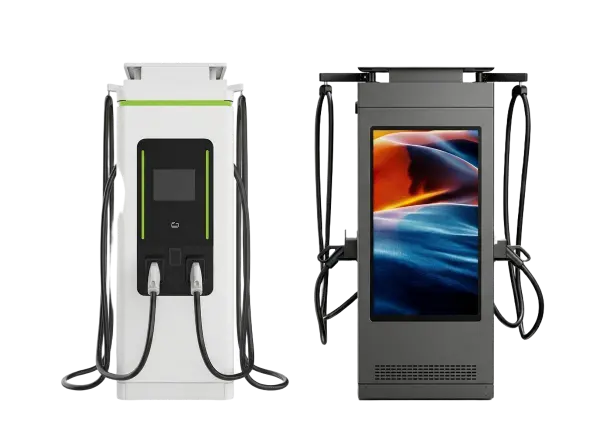
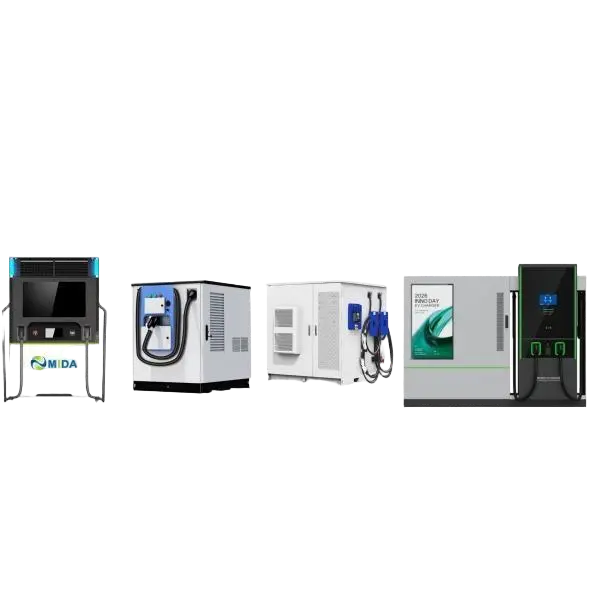
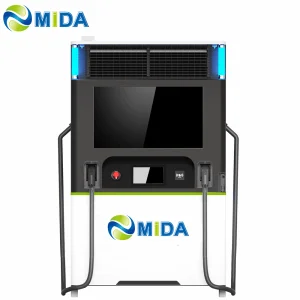
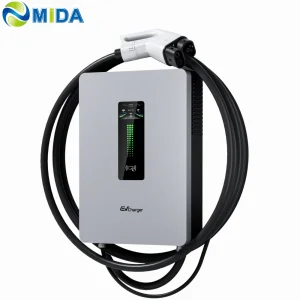
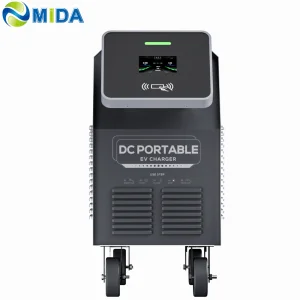
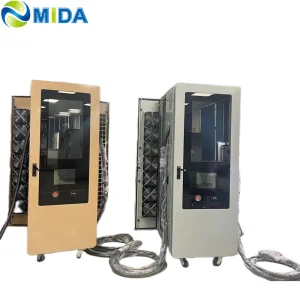
MIDA EV Power produces a full lineup of EV charging stations, such as 7kW–50kW mobile chargers, 3.6kW–7.2kW portable DC chargers, 360kW–1440kW split-type DC fast chargers, 20kW–50kW wall-mounted DC chargers, and 60kW–480kW floor-standing DC fast charging stations.

MIDA New Energy specializes in EV charger power modules, offering 20kW–60kW standard modules, 40kW–125kW liquid-cooled modules, 30kW–62.5kW bidirectional modules, and 20kW–45kW V2G charging modules.

MIDA Logo
1000A
CCS2 Connector Capacity
125kW
Liquid Cooled Power Module
1440kW
Split-type DC Output
2MWh
BESS Energy Station limit

Global Charging Infrastructure Product Lines

Versatile, certified hardware divisions ranging from domestic wall chargers to heavy-duty megawatt battery-buffered hubs.
AC EV Charger
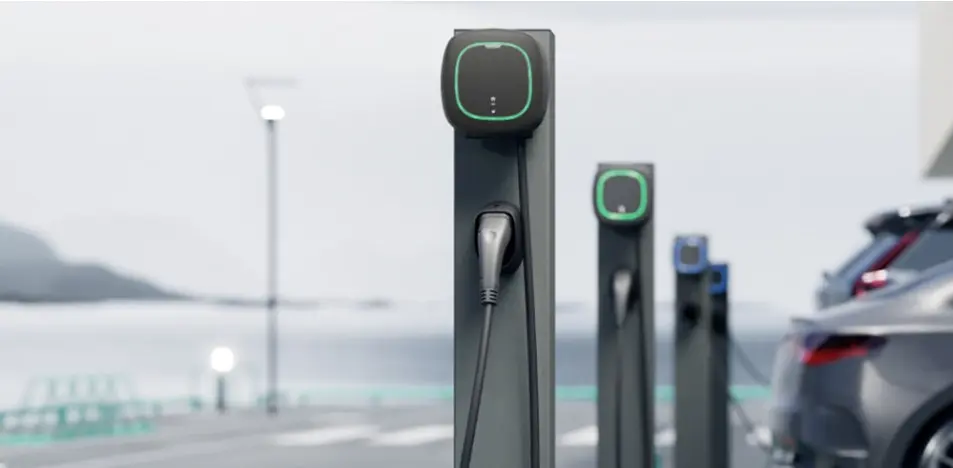
High-reliability smart residential and light commercial AC wallboxes.
AC EV Charger
View Category
MIDA Brand
Wall-Mounted/Mobile EV Charger
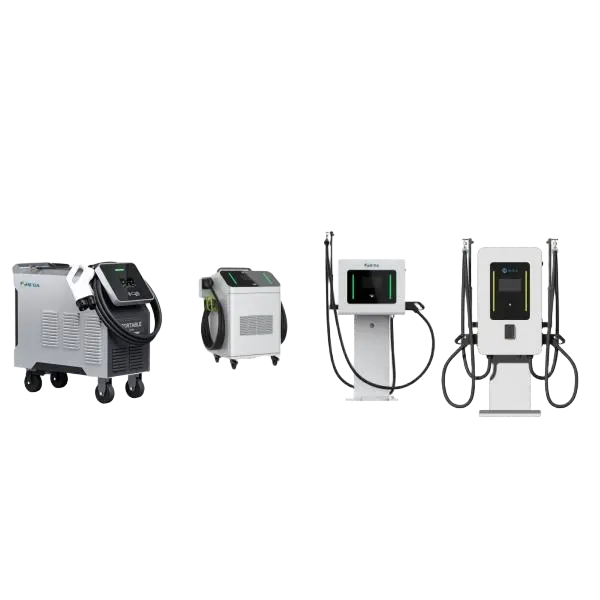
Flexible road rescue and commercial wall solutions: 7kW to 80kW range.
Wall-Mounted/Mobile EV Charger
View Category
7kW - 80kW
DC Charger Station
High-power depot charging stacks with broad output spectrums: 60kW to 1440kW.
DC Charger Station
View Category
60kW - 1440kW
BESS Charging Station
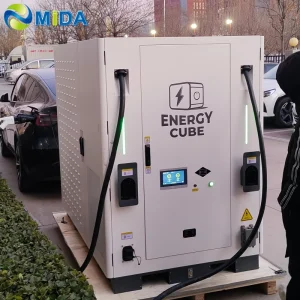
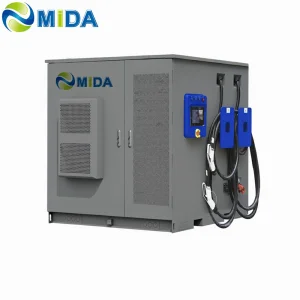
Next-gen energy-storage integrated systems providing peak load mitigation from 60kWh to 2MWh capacities.
BESS Charging Station
BESS Station Preview
BESS Charging Station High Capacity Peak Shaving System
View Category

MAIN PRODUCTS MATRIX

Select and evaluate our modular components and custom high-power configurations designed to meet specific engineering criteria.

EV Charging Power Module
  • 30kW-80kW AC DC EV Charger Module
  • 30kW-60kW DC DC EV Charger Module
  • 40kW-125kW Liquid Cooled Power Module
  • 20kW-45kW V2G Power Module
  • 30kW-60kW MPPT Power Module
  • 20kW-62.5kW Bidirectional AC DC Module
DC Charging Connector & Cooling Unit
  • 500A 600A CCS1 & CCS2 & GBT Connector
  • 125A 250A 300A 350A NACS & CHAdeMO Connector
  • 1500A MCS Connector & CHAOJI Connector
  • 3.5kW 4.5kW 6kW 9kW Integrated Liquid Cooling Unit
  • 2.4kW 3.5kW Split Type Cooling Unit
  • 25kW ~72kW Cooling Unit for HPC Charging
DC Fast Charger Station
  • 7kW~ 60kW Mobile DC Charging Station
  • 20kW ~80kW Wall Mounted DC Charging Station
  • 60kW ~480kW Floor Mounted Charging Station
  • 60kW~240kW Advertising Charging Station (43/55")
  • 600kW ~1080kW Liquid Cooled Charging Station
  • 360kW ~ 1680kW Split Type DC Charging Station
Energy Storage Charging Station
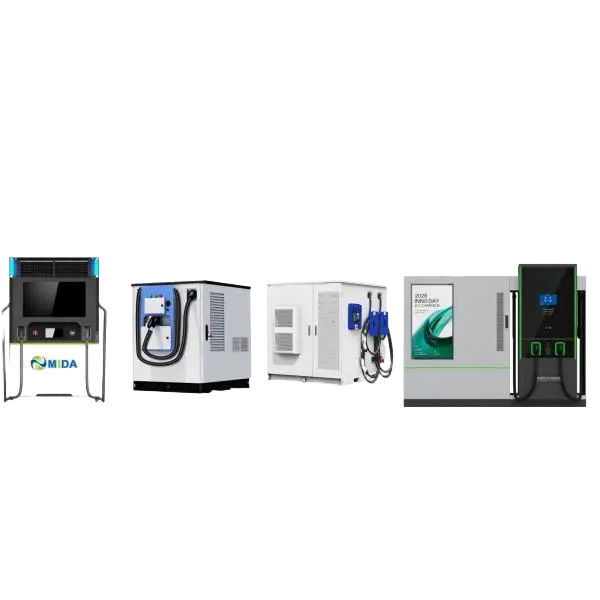
  • 15kW~480kW Mobile ESS Charging Station
  • 60kW ~ 400kW Integrated ESS Charging Piles
  • 65kWh~200kWh Emergency Rescue Charging Station
  • 165kwh Automatic Charging Robot
  • 800kwh~2000kwh Solar Energy Charging System

Corporate Engineering News

Stay informed with the latest insights, implementation guides, and technical explanations from our active laboratory operations.

News Image 1
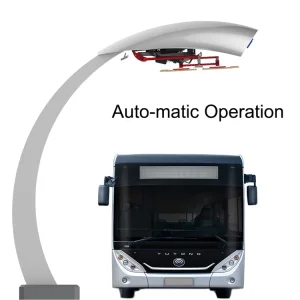
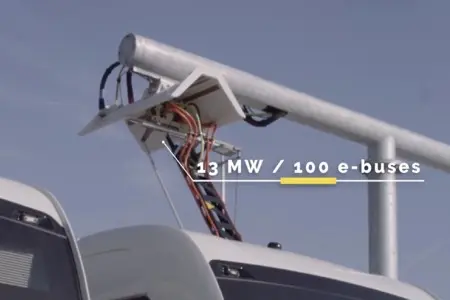
What are the advantages of an e-bus pantograph dome? In contrast to classic plug-in charging systems, e-bus pantograph systems offer automated connection capability, high-voltage operation safety, and minimized overhead cabling requirements at heavy mass transit depots.
Date: 2026-07-12 View More
News Image 2
How long does it take to charge with an e-bus pantograph? The charging time depends on the battery capacity and the station's configuration. With split-type systems pushing 600kW to 1000kW, standard transit buses achieve top-ups within 5 to 10 minutes during schedule handovers.
Date: 2026-07-12 View More
News Image 3
How to Install the Pantograph Up Charger System Dome for Electric Bus. Installing a “Pantograph Up” system dome requires meticulous overhead clearance calibration, structural support validation, and high-frequency power feed integration with the main depot sub-station.
Date: 2026-07-12 View More
MIDA Engineering Plant

Engineering Q&A: In-Depth Technical Insights

Answers to complex logistical and mechanical queries regarding 300kW and high-power charging depot implementations.
Q
Why is liquid cooling preferred over standard air cooling for 300kW+ systems?
At currents exceeding 350A, air-cooled systems encounter severe thermal bottlenecks, causing cables to overheat and requiring output curtailment. Liquid-cooled power modules and connectors circulate specialized synthetic coolants, allowing continuous 500A+ current delivery. This maintains thin, flexible cable diameters for convenient operation while preserving module life.
Q
How does dynamic power allocation optimize efficiency in split charger configurations?
Our split-type chargers (360kW to 1440kW) leverage intelligent, modular power matrices. Rather than routing fixed capacities to each terminal, the system dynamically redistributes power based on the real-time State of Charge (SoC) of connected vehicles. A vehicle in its peak charging phase receives high power, while another in its taper phase receives reduced energy, maximizing total station throughput.
Q
What standards are critical for deployment across European and North American C&I sites?
In European networks, CCS2 compliance, OCPP 1.6J/2.0.1 capabilities, and CE/PTB/MID certifications are mandatory for commercial monetization. For North American deployments, UL 2202 and NACS (SAE J3400) connector integration are necessary to support compatibility with newer electric vehicle lineups.
Q
What role does localized BESS play in lowering operational overhead at logistics depots?
Co-located Battery Energy Storage Systems (BESS) charge during low-tariff hours and discharge during high-demand periods. This helps operators avoid peak demand charges, provides temporary backup power during local grid outages, and allows for high-power DC fast charging setups without requiring an expensive utility transformer upgrade.
Q
Can bidirectional power modules support grid stabilization services?
Yes. Our 20kW to 62.5kW bidirectional AC-DC power modules enable vehicle-to-grid (V2G) and vehicle-to-building (V2B) capabilities. When integrated with compatible smart charging management platforms, they allow electric fleets to feed stored energy back to the grid during peak periods, opening up potential new revenue streams for operators.