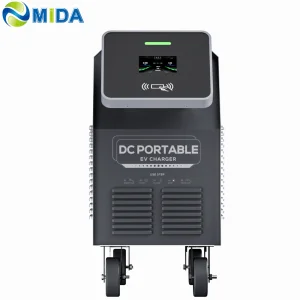
A comprehensive analysis of megawatt-capable ecosystems, high-efficiency power modules, and intelligent load balancing technologies tailored for global infrastructure procurement.
The global transition to medium and heavy-duty electric vehicle transit has accelerated the demand for high-power DC infrastructure. The 240kW DC Fast Charger represents the optimal technical sweet-spot for fleet operators, highway service stations, and commercial logistics hubs. By balancing grid connection restrictions with ultra-fast charging capabilities, it delivers high efficiency without demanding cost-prohibitive grid expansions. As leading tier-1 factories and suppliers in China, we leverage integrated manufacturing matrices to provide reliable, scalable, and fully compliant EVSE configurations globally.
Modern charging hubs require more than raw output. Utilizing state-of-the-art power distribution topologies, dynamic load balancing (DLB), and native OCPP 2.0.1 integrations, our infrastructure designs protect grid stability while delivering up to 240kW of sustained power. Our advanced product ecosystem features smart EV chargers ranging from 150kW to 420kW, split liquid-cooled architectures reaching up to 1440kW, and specialized bidirectional V2G solutions designed to integrate with modern microgrids.

Engineered by Shanghai Mida Cable Group, delivering certified systems built to withstand harsh operating environments.
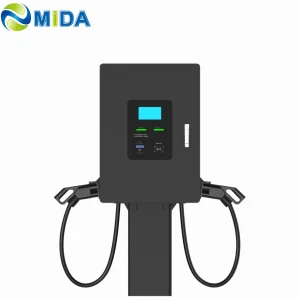
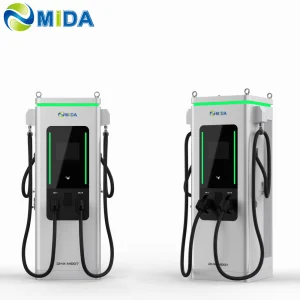
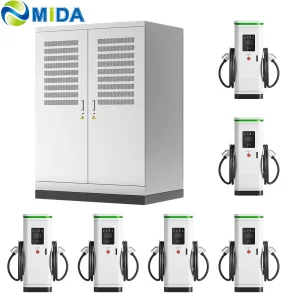
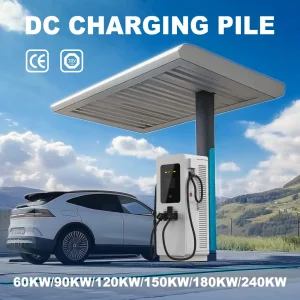
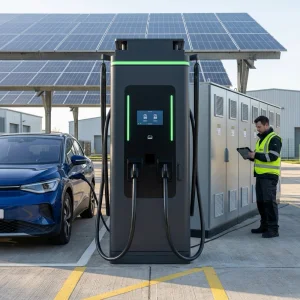
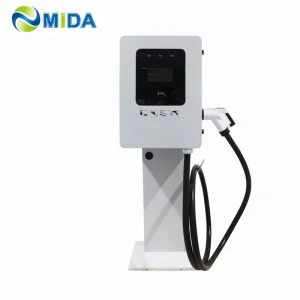
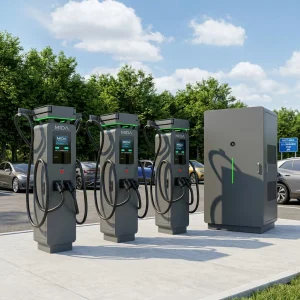
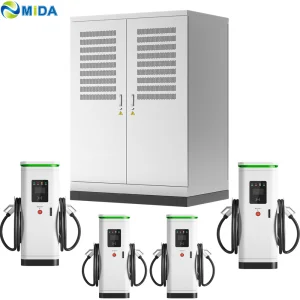
Explore our highly integrated systems, ranging from medium wall-mounted fast units to ultra-high-power liquid-cooled splits.

How state-of-the-art production integration, supply-chain control, and stringent testing methodologies create unbeatable value.
China's Tier-1 EVSE factories consolidate design, tooling, molding, SMT board manufacturing, and final electrical testing into one seamless operation. By manufacturing everything in-house—from modular power converters to liquid-cooled cables—we ensure complete quality control, faster turnarounds, and robust customization capabilities for global clients.
With immediate access to cutting-edge Silicon Carbide (SiC) MOSFET components and thermal materials, China factories produce power conversion modules that achieve efficiencies above 96%. This concentration of supply-chain capacity reduces raw material lead times and enables rapid integration of the latest charging technologies.
Quality control protocols in specialized Chinese facilities include rigorous multi-stage testing. Every charger goes through full-load thermal imaging, environmental chamber tests simulating extreme weather (-30°C to +50°C), and insulation resistance testing. This ensures full compliance with CE, TUV, UL, CB, and UKCA international requirements.
Shanghai Mida Cable Group Ltd. operates through its wholly owned subsidiaries: Shanghai Mida EV Power Co., Ltd., Shenzhen Mida EV Power Co., Ltd., and Shanghai Mida New Energy Co., Ltd.
Reliable commercial and domestic AC systems. Engineered for multi-family residential complexes, office depots, and workplace parking lots.
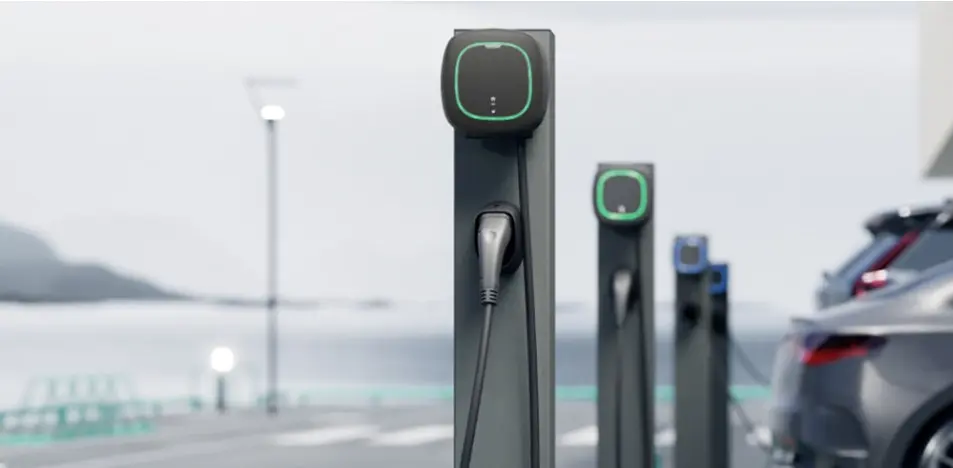
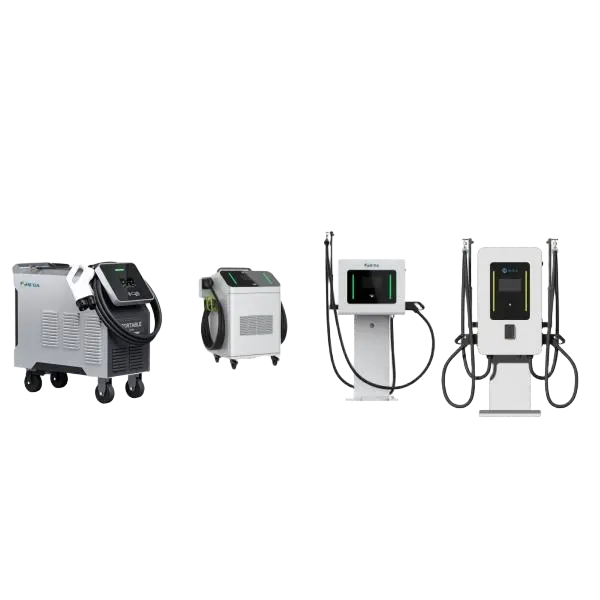
Versatile form factors supporting 7kW, 20kW, 30kW, 40kW, 60kW, and 80kW. Perfect for dynamic fleets and compact commercial parking layouts.
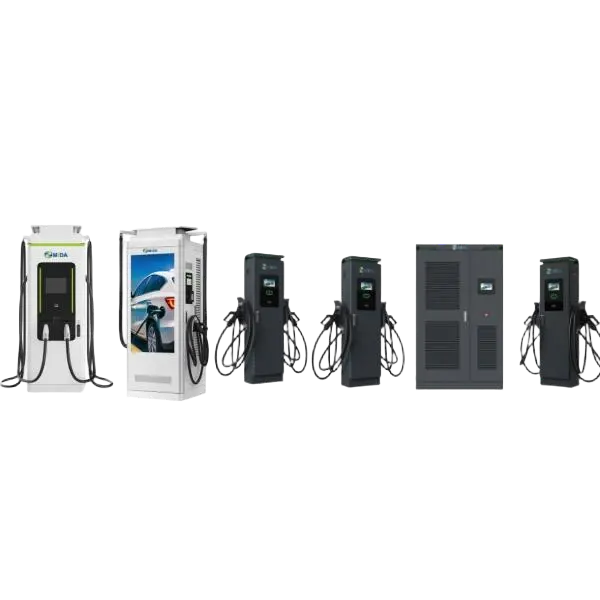
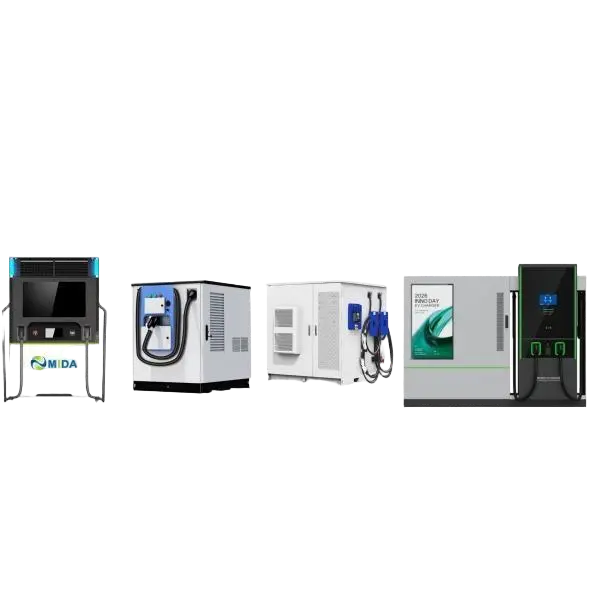
Heavy-duty charging architectures spanning 60kW-480kW and 360kW-1440kW. Built for rapid fleet turnaround times and public charging corridors.
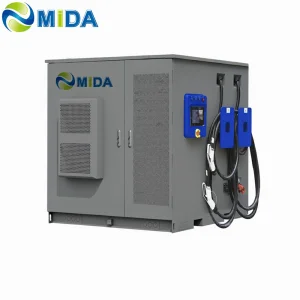
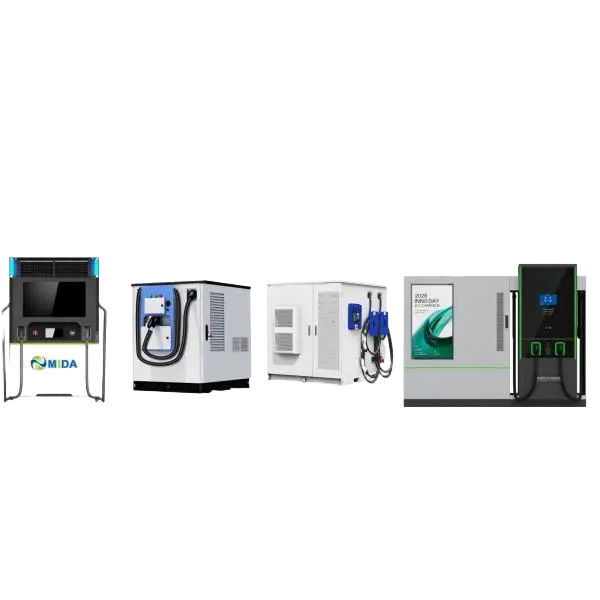
Integrated BESS solutions spanning 60kWh, 261kWh, 418kWh, 625kWh, and 2MkWh. Essential for microgrid buffering, peak shaving, and high-power demand sites.
Deep-dive into the architectural deployment, protocol capabilities, and changing commercial profiles of high-power EVSE networks.
Global procurement agencies, charging point operators (CPOs), and fleet directors are increasingly prioritizing reliability, scalability, and grid optimization. Sourcing a 240kW DC Fast Charger involves specifying dynamic load allocation topologies. Modern stations rarely allocate static power to a single outlet. Instead, smart EV chargers feature dual-port outlets that allocate power dynamically (e.g., splitting into 120kW+120kW or shifting to a single 240kW output based on the vehicle's real-time battery management system (BMS) requests).
Additionally, compatibility across protocols is essential. Sourcing agencies need connectors that comply with CCS1, CCS2, GBT, and NACS standards. As dynamic charging requirements change, factories like MIDA group must offer flexible plug-and-play charging module configurations. This allows CPOs to easily swap out power components or change cabling systems without replacing the entire physical charger chassis.
1. Urban Transit & Logistics Depots: Heavy commercial fleets, such as e-buses and logistics delivery trucks, operate on tight schedules. Integrating 240kW fast chargers allows fleet managers to rapidly charge vehicles during short driver shifts or scheduled breaks. High-power charging minimizes vehicle downtime, keeps fleets moving, and optimizes total cost of ownership (TCO).
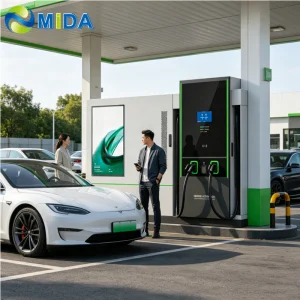
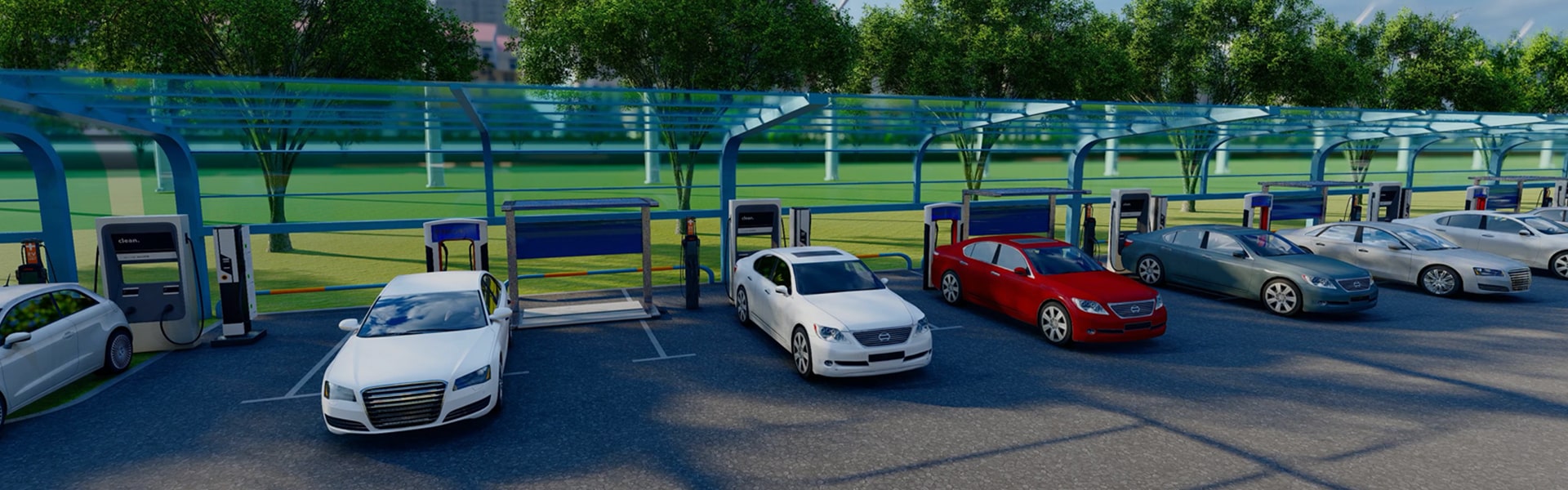
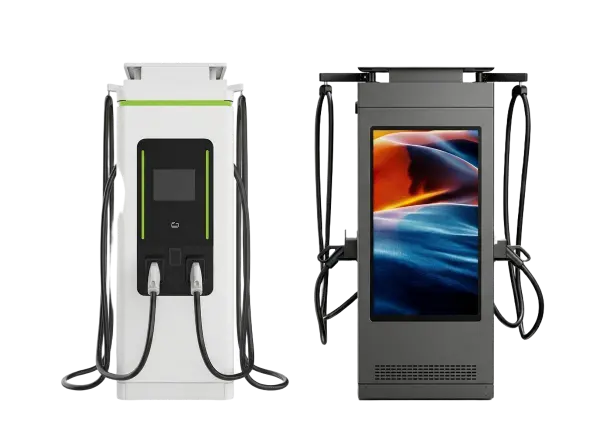
2. Public Fast-Charging Hubs: Placed at highway service centers, hotels, or shopping plazas, a 240kW dual-gun charger supports both rapid single-vehicle charging and efficient dual-vehicle charging. Integrating payment gateways, POS terminals, and customizable advertising displays adds extra revenue streams for operators.
3. Battery Energy Storage System (BESS) Microgrids: In remote regions or areas with limited grid capacity, high-power DC chargers can strain local grids. Pairing 240kW systems with integrated BESS setups allows operators to store energy during off-peak times and discharge it during peak demand. This design prevents expensive demand charges and avoids costly utility grid upgrades.
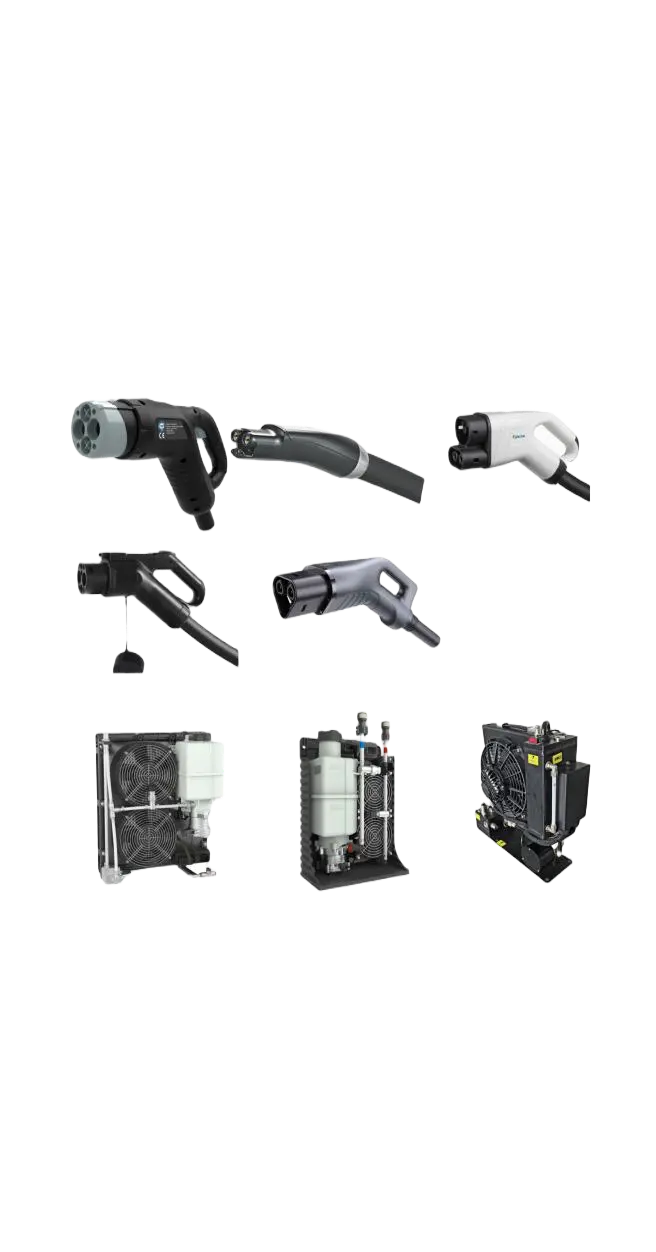
The EVSE industry is transitioning toward liquid-cooled charging cables and power modules. As battery voltages rise to 800V and 1000V architectures, traditional air-cooled cables become too heavy and stiff to handle. Liquid cooling allows cables to stay light and flexible while safely handling high currents, reducing heat buildup and wear on the charging connectors.
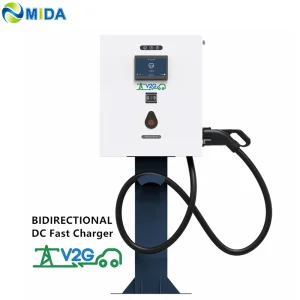
Additionally, Bidirectional Charging (V2G - Vehicle-to-Grid) is changing how we look at energy. Instead of just drawing power, parked EVs can act as virtual power plants, feeding electricity back into the grid when demand peaks. Shanghai Mida Cable Group leads this space by manufacturing dedicated V2G power modules and bidirectional chargers. These systems give operators new ways to manage energy, balance loads, and generate revenue.
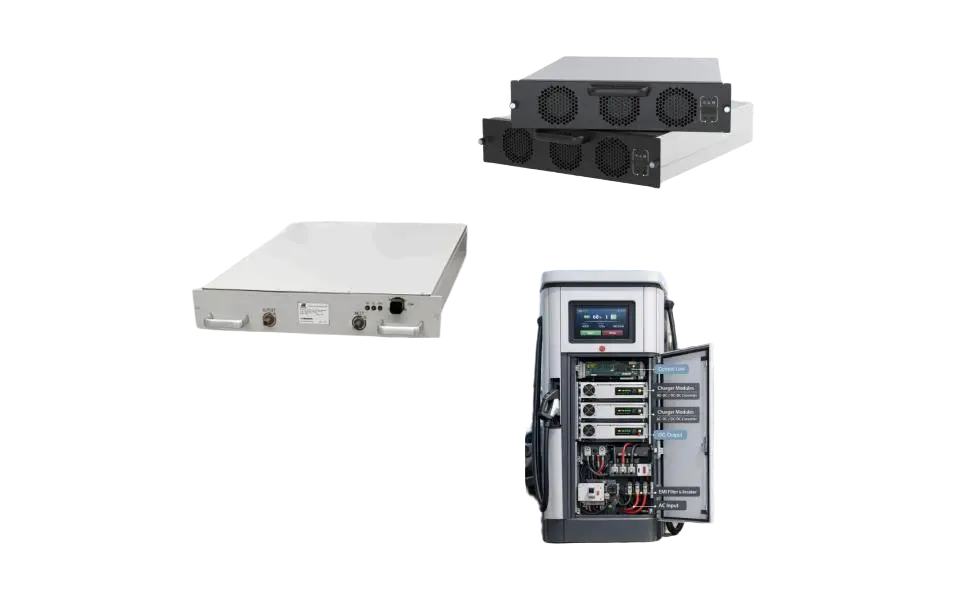
Explore our main component series, featuring high-efficiency power modules, heavy-duty liquid cooling systems, and robust charging stations.
Stay informed with the latest insights from Mida Group's R&D engineering divisions, focusing on high-power automated transit systems.
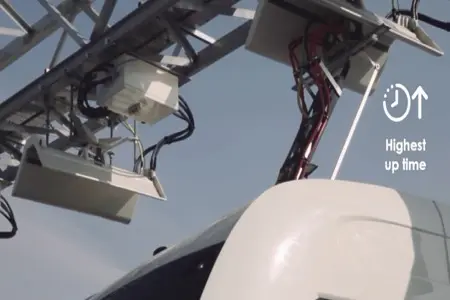
What are the advantages of an e-bus pantograph dome? In contrast to classic plug-in charging systems, e-bus pantograph networks offer completely automated charging, reducing wear and optimizing city transit schedules.
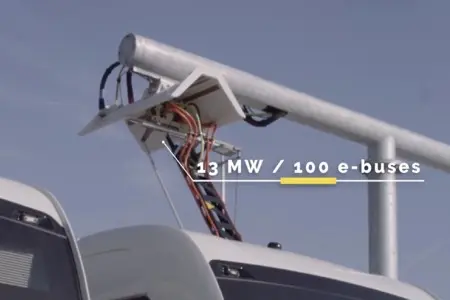
How long does it take to charge with an e-bus pantograph? The charging time depends on the battery capacity and the overall station power output. Megawatt-level connections can charge standard buses in under 15 minutes.
How to Install the Pantograph Up Charger System Dome for Electric Bus. This technical guide outlines the civil engineering, grid-tie connection, and clearance guidelines required for safe overhead transit depot installations.
Essential technical clarifications regarding 240kW DC chargers, safety integration, and structural parameters.
A: Dynamic Load Balancing continuously monitors the power request from each vehicle's BMS and adjusts the power modules accordingly. When two vehicles connect to a dual-port 240kW charger, the system dynamically allocates power based on real-time demand (e.g., 120kW to each, or 180kW and 60kW). When one vehicle finishes charging, the full 240kW is redirected to the remaining vehicle, optimizing charging speeds and protecting grid stability.
A: Air-cooled cables use thicker copper conductors to manage heat generation, making high-current cables stiff and heavy. Liquid-cooled systems run coolant through internal channels, allowing for thinner, lighter, and more flexible cables. While air cooling works well up to 250A, liquid-cooled cables are essential for handling 500A+ currents safely and efficiently.
A: Yes. All modern MIDA charging stations feature OCPP 1.6J out-of-the-box and are upgradable to OCPP 2.0.1 via firmware. They also support ISO 15118, enabling "Plug & Charge" functionality. This allows for automated vehicle authentication, secure transactions, and smart load management without requiring physical cards or mobile apps.
A: Quality manufacturers build units with multi-level protections, including over-voltage, under-voltage, short-circuit, over-temperature, and surge protection (Type 2 SPD). In addition, integrated residual current monitors (RCD Type B equivalents) instantly cut power in the event of ground faults, meeting CE, TUV, and UL safety standards.
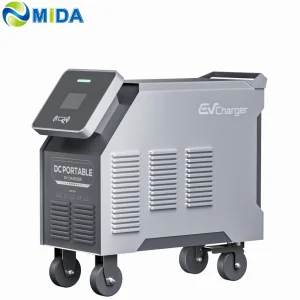
Explore our complete range of smart mobile units, high-capacity storage chargers, and bidirectional systems.