High-power modular EV charging solutions optimized for public infrastructure, highway networks, and logistics hubs.
An Industry Leader in EV Infrastructure Engineering, Cable Manufacturing, and Bidirectional Energy Transfer Systems
Shanghai Mida Cable Group Ltd., through its dedicated subsidiaries—Shanghai Mida EV Power Co., Ltd., Shenzhen Mida EV Power Co., Ltd., and Shanghai Mida New Energy Co., Ltd.—stands at the forefront of global electric vehicle infrastructure engineering. We manufacture a comprehensive range of premium-tier EV charging cables, connectors, modules, and full-stack charging station systems.
Our manufacturing capabilities span EV charging cables (16A–80A J1772, 16A–63A IEC 62196-2 Type 2) and heavy-duty DC fast charging cables including CCS1 (80A–500A), CCS2 (125A–1000A), CHAdeMO (125A–300A), GB/T (200A–1000A), and NACS connectors (250A–600A).
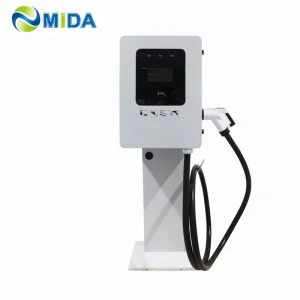
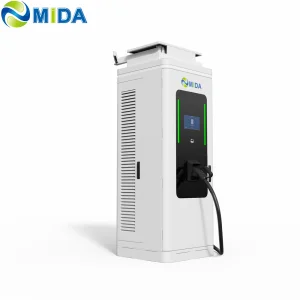
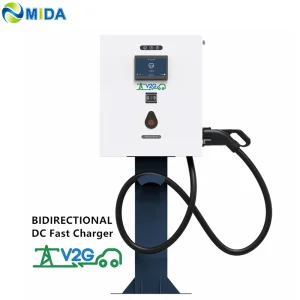
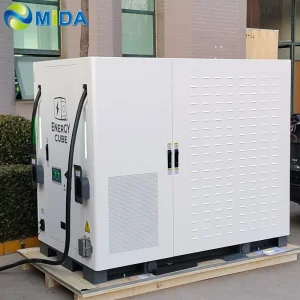
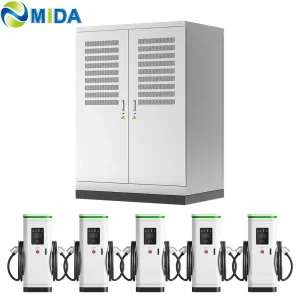
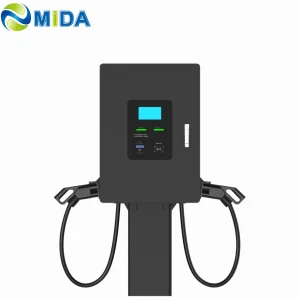
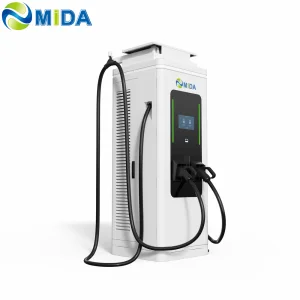
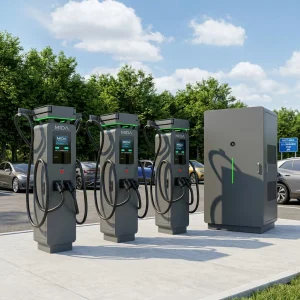
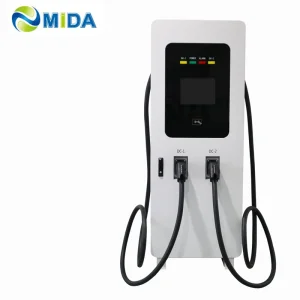
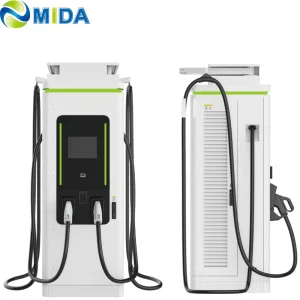
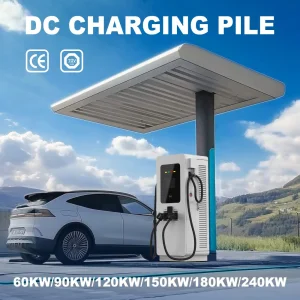
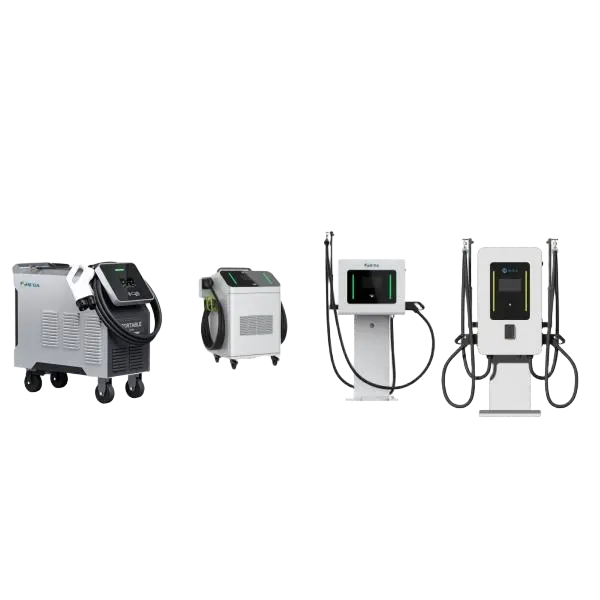
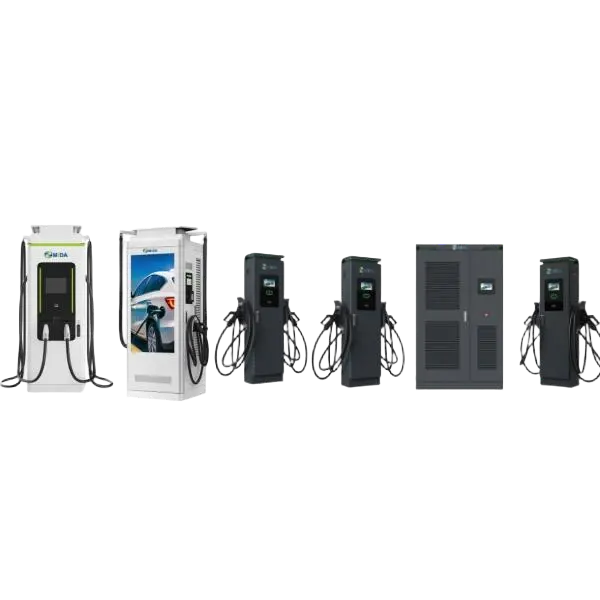
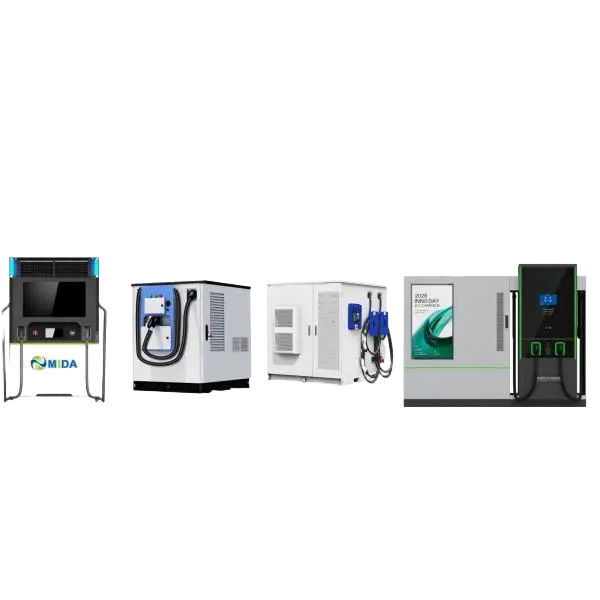
Under the MIDA EV Power flag, we assemble state-of-the-art charging units ranging from 7kW–50kW mobile chargers and 3.6kW–7.2kW portable DC chargers up to industrial-class 360kW–1440kW split-type DC superchargers. For standardized fleet installations, our 20kW–50kW wall-mounted DC and 60kW–480kW floor-standing stations, including our flagship 120kW series, offer unparalleled grid efficiency and operational lifespan.
Furthermore, MIDA New Energy focuses on the technology that drives conversion efficiency: EV charger power modules, offering 20kW–60kW standard modules, 40kW–125kW liquid-cooled modules, and 30kW–62.5kW bidirectional modules capable of delivering V2G (Vehicle-to-Grid) solutions.

A Technical Whitepaper on Commercial Charging Topologies, Procurement Demands, and Integration Roadmaps
A 120kW DC fast charger operates by converting three-phase Alternating Current (AC) from the electrical grid directly into High-Voltage Direct Current (DC) configured to charge electric vehicle traction batteries. This process relies on a modular matrix inside the cabinet. Most modern 120kW configurations use three 40kW or four 30kW hot-swappable power conversion modules. This parallel arrangement offers outstanding redundancy; if one module experiences an anomaly, the unit continues operating at a reduced capacity, preserving site uptime.
Efficiency is key. By utilising Silicon Carbide (SiC) semiconductor technology in the switching rectifiers, the conversion efficiency exceeds 96.5%. This reduces thermal energy losses, which minimizes the reliance on active air conditioning and allows the unit to use compact forced-air cooling systems. The power flow is continuously monitored by a central controller that communicates with the vehicle BMS (Battery Management System) using CAN bus protocols, DIN 70121, and ISO 15118 standards, ensuring dynamic voltage (typically 150V to 1000V DC) and current adjustment based on the state-of-charge (SoC).
As commercial real estate, logistics operators, and municipal entities transition away from fossil fuels, the 120kW power node has emerged as the global industry benchmark. Unlike lower-tier 22kW or 50kW chargers, which require extended dwell times, a 120kW station can restore 150-200 km of driving range in approximately 15 to 20 minutes. This fits perfectly with the typical rest cycles of fleet drivers and delivery vans.
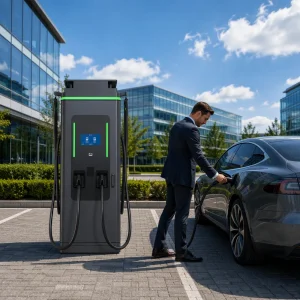
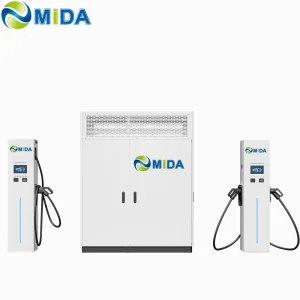
Corporate buyers must evaluate Total Cost of Ownership (TCO) rather than focusing solely on initial capital expenditure (CAPEX). A 120kW unit offers the ideal economic compromise: it delivers rapid charging speeds without requiring the expensive grid upgrades (such as dedicated high-voltage substations) associated with ultra-fast 350kW systems. The demand is growing for split-gun chargers that share load dynamically (e.g., 60kW+60kW). This approach allows a single installation site to service two vehicles simultaneously, maximizing utilization rates and boosting return on investment (ROI).
EV charging infrastructure technology is evolving rapidly. While the 120kW charger is currently the ideal choice for depot charging and retail locations, manufacturers are designing systems with future upgrades in mind. Mida Group's modular approach ensures that cabinets purchased today can be upgraded with next-generation power modules, allowing an upgrade from 120kW to 180kW or 240kW without needing to replace the structural casing or grid cabling.
The next major milestone is the widespread adoption of 800V and 1000V EV architectures, which are designed to support extremely fast charging. The industry is moving away from traditional air-cooled cables and toward liquid-cooled systems for currents exceeding 300A. Liquid-cooled setups utilize a dielectric fluid mixture to manage cable temperatures, enabling the use of lighter, more flexible cables that improve user handling. Our engineering team is also paving the way for Megawatt Charging Systems (MCS), designed to deliver up to 1500A to heavy-duty industrial vehicles.
To succeed in international markets, charging systems must comply with local grid codes and safety regulations. Across Europe, compliance with the CE mark, TUV standards, and the EU's Alternative Fuels Infrastructure Regulation (AFIR) is essential. This includes support for dynamic ad-hoc payment interfaces and direct credit card integration. In the North American market, UL 2202 and UL 2231 certifications are mandatory, alongside compliance with the National Electric Vehicle Infrastructure (NEVI) program, which requires 97% uptime.
Mida Group ensures international compliance by engineering multi-standard configurations. Our cabinets support CCS1, CCS2, GB/T, NACS, and CHAdeMO connectors natively. In addition, our chargers feature built-in electrical safety measures, such as overcurrent protection, overvoltage protection, short-circuit protection, ground fault detection, and Residual Current Device (RCD) Type B protection. This helps shield the charging station and the vehicle's battery pack from grid disturbances.
High-performance charging modules, connectors, cabinets, and storage-integrated solutions.
A comprehensive overview of our power electronics, liquid-cooling systems, and connectors.
Our lineup includes standard 30kW–80kW AC/DC conversion modules, bidirectional V2G units (20kW–45kW), and 40kW–125kW liquid-cooled modules designed for high-density, low-noise deployments.
We supply high-efficiency liquid-cooling systems from 3.5kW up to 72kW capacity, engineered to dissipate heat from ultra-high-power liquid-cooled CCS2 and NACS charging assemblies.
Our connector catalog covers standard 250A NACS, 500A CCS1/CCS2, 1000A liquid-cooled GB/T plugs, and up to 1500A MCS plugs designed for electric marine vessels and heavy commercial aircraft.
Keep pace with our latest technical breakthroughs, installation guides, and product releases.

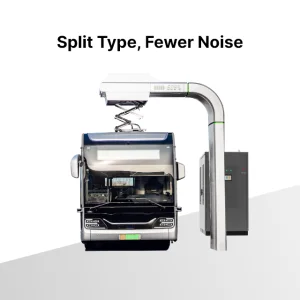
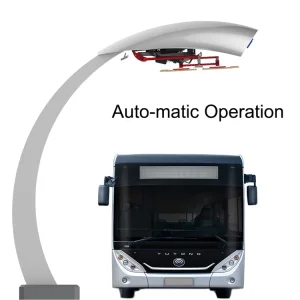
What are the advantages of an e-bus pantograph dome? In contrast to classic plug-in charging systems, e-bus pantograph solutions allow for high-power hands-free charging during route layovers...
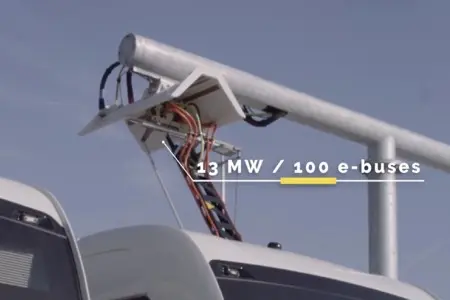
How long does it take to charge with an e-bus pantograph? The charging time depends on the battery capacity and the grid capacity, but high-power depots can fast-charge a city bus in 10-15 minutes...
How to Install the Pantograph Up Charger System Dome for Electric Bus: Installing a "Pantograph Up" system requires precise alignment, electrical grid validation, structural dome anchorage, and testing...
Addressing critical technical, regulatory, and procurement questions from fleet operators and CPOs.
High-power superchargers, specialized heavy fleet systems, and custom battery integration units.