Engineered for extreme reliability, multi-protocol integration, and smart utility configurations.
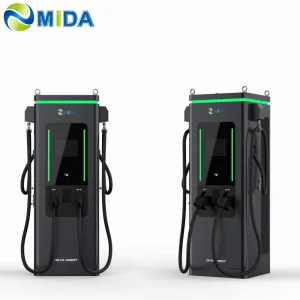
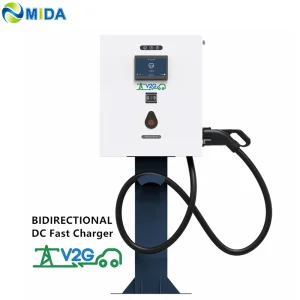
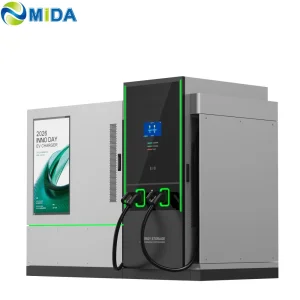
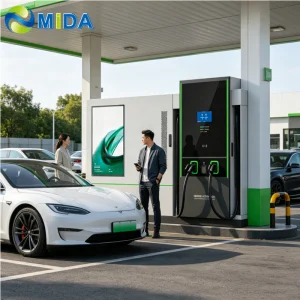
The global transition toward electric mobility is fundamentally reshaping the demands on residential and commercial grid networks. Once viewed as a simple utility peripheral, the home charging station (EVSE) has evolved into a sophisticated smart node within residential microgrids. Driven by stricter carbon mandates, dynamic electricity tariff systems, and the imperative for grid interaction, standard AC Level 2 chargers are rapidly being complemented by high-power wall-mounted DC units, Vehicle-to-Home (V2H/V2G) systems, and Battery Energy Storage System (BESS) integrations.
Today's procurement managers, housing developers, and utility operators require hardware solutions that go beyond basic charging functionality. The modern mandate demands standard compatibility, high thermodynamic tolerance, and seamless protocol integration—namely OCPP 1.6J and OCPP 2.0.1—to accommodate dynamic load balancing, real-time POS processing, and predictive maintenance protocols.
Sourcing home and light commercial charging systems requires managing a highly fragmented landscape of regional electrical codes and connector form factors. While Europe relies heavily on 3-phase Type 2 AC charging (up to 22 kW) and CCS2 DC profiles, North America's transition to the North American Charging Standard (NACS - SAE J3400) alongside traditional CCS1 demands highly adaptable hardware architectures. MIDA Group supports this global matrix with engineered connectors and chargers supporting up to 1000A liquid-cooled outputs across all primary platforms.
Deployments require compliance with UL 2231, ETL listing, CE, CB, and regional Grid Codes. Hardware must offer comprehensive protection modules: RCD Type A + 6mA DC leakage sensors, dynamic ground-fault monitoring, and over-current prevention.
Advanced residential charging relies on dynamic load management (DLM). Through RS485 or Wi-Fi, chargers communicate with the home energy management system (HEMS) to balance EV draws against local photovoltaic output and household demands.
Bidirectional power modules enable vehicles to feed energy back to the home (V2H) or the grid (V2G). MIDA Group's 20kW-45kW bidirectional and V2G charger series provide utility-grade energy arbitration capabilities.
As one of the world's primary hubs for electric vehicle supply equipment (EVSE) manufacturing, China provides distinct engineering and supply chain advantages. Our factories deliver optimal price-to-performance metrics, robust structural customization, and shortened design-to-production cycles. Vertically integrated companies like MIDA Group control every phase of production, from raw cable extrusion to the micro-soldering of high-performance charger power modules.
The engineering edge is driven by three main factors:
Shanghai Mida Cable Group Ltd. operates through its wholly owned subsidiaries: Shanghai Mida EV Power Co., Ltd., Shenzhen Mida EV Power Co., Ltd., and Shanghai Mida New Energy Co., Ltd.
We are dedicated to providing end-to-end solutions for the global EVSE market. Our manufacturing footprint spans critical industrial parks in Shanghai and Shenzhen, positioning us to deliver top-tier cables, connectors, power modules, and complete charging stations to automotive OEMs, utilities, and infrastructure distributors worldwide.
Produces a comprehensive range of EV charging cables, including 16A–80A J1772 cables, 16A–63A IEC 62196-2 Type 2 cables, and DC fast charging cables: CCS1 (80A–500A), CCS2 (125A–1000A), CHAdeMO (125A–300A), GBT (200A–1000A), and NACS connectors (250A–600A).
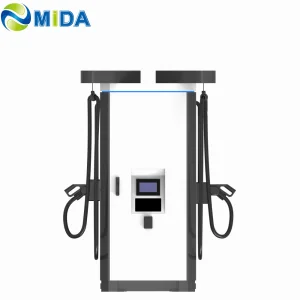
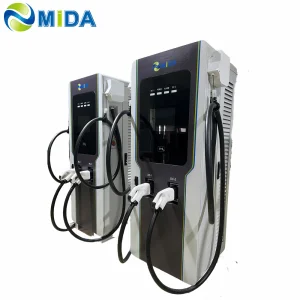
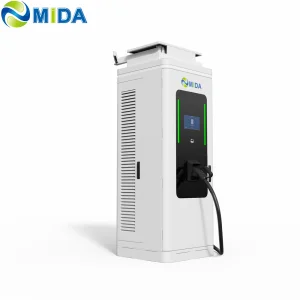
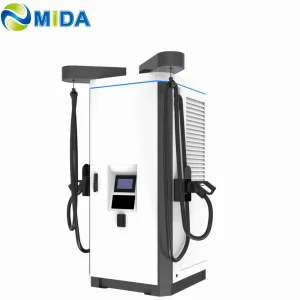
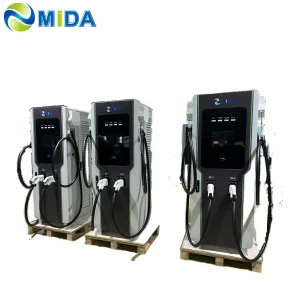
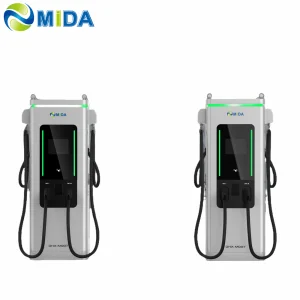
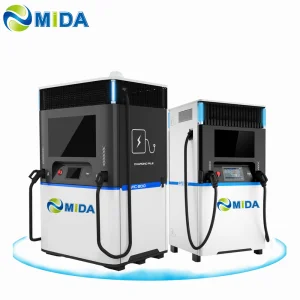
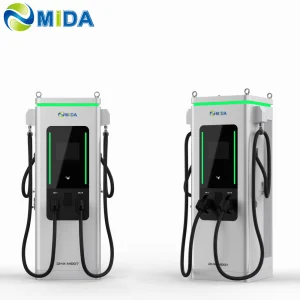
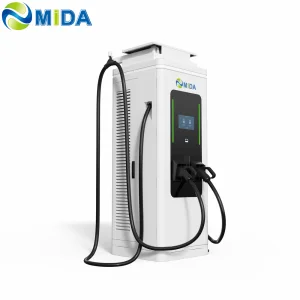
Produces a full lineup of EV charging stations, such as 7kW–50kW mobile chargers, 3.6kW–7.2kW portable DC chargers, 360kW–1440kW split-type DC fast chargers, 20kW–50kW wall-mounted DC chargers, and 60kW–480kW floor-standing DC fast charging stations.
Specializes in EV charger power modules, offering 20kW–60kW standard modules, 40kW–125kW liquid-cooled modules, 30kW–62.5kW bidirectional modules, and 20kW–45kW V2G charging modules.
Explore our specialized technologies tailored for residential, commercial, and utility infrastructure developers.
High-efficiency conversion modules designed for integrating into proprietary charger assemblies. Featuring low standby power draws and superior power factor values.
Rugged connectors built to withstand continuous use. Supported by dedicated liquid-cooling units designed for High-Power Charging (HPC) environments.
Robust DC fast chargers engineered for retail, commercial fleets, public transit hubs, and high-performance residential properties.
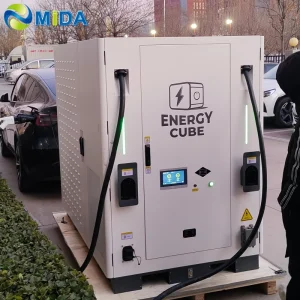
Integrated energy storage solutions that bridge the gap between grid constraints and high-demand charging spikes.
Modern procurement decisions depend heavily on the specific environments where charging stations are deployed. Our engineers design systems tailored to the distinct operational conditions and electrical standards of each target application.
In single-family setups, the priority is integration with household solar PV arrays and home battery storage. Level 2 AC chargers (typically 7kW to 22kW) are optimized to charge using surplus solar generation, avoiding peak utility rates. In grid-constrained areas, V2H/V2G systems allow the EV battery to act as emergency backup power for the home during outages.
Charging in multi-family apartments requires dynamic load management (DLM). If twenty EVs plug in simultaneously, charging speeds must be balanced to prevent overloading the building's main breaker. Using OCPP 1.6J/2.0.1 commands, our wall-mounted DC and AC stations dynamically allocate available power based on priority, state-of-charge, and tenant billing arrangements.
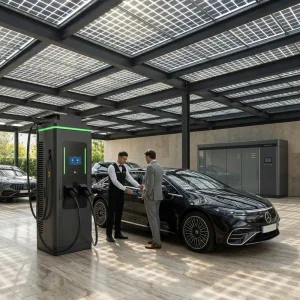
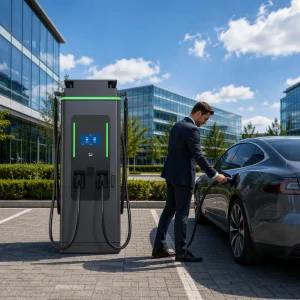
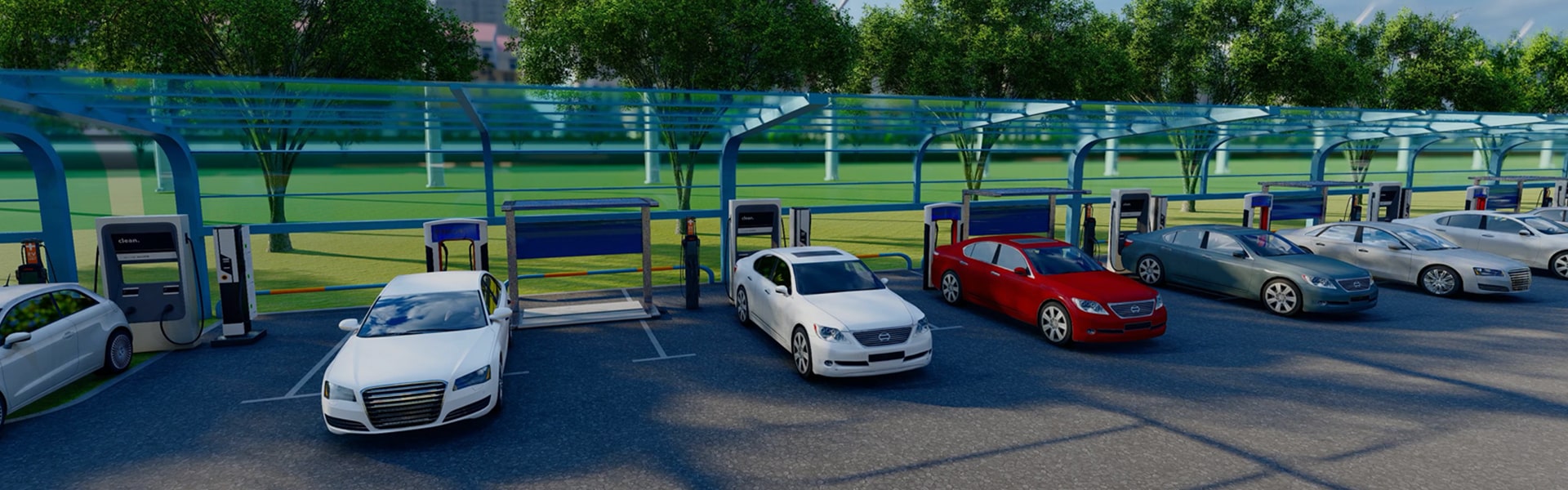
For commercial operators, uptime is the key performance metric. Floor-standing DC Fast Chargers (60kW to 240kW) with integrated dual CCS2/NACS connectors, built-in POS systems, and RFID card scanners allow retail centers to generate revenue while offering high-speed charging to customers and delivery fleets.
Before confirming an order with an EVSE manufacturer, global procurement teams should evaluate suppliers against these key performance and engineering benchmarks:
| Evaluation Criterion | Required Standard | MIDA Group Specifications |
|---|---|---|
| Thermal Management | Derating curve starting only at >50°C | Advanced heat pipe dissipation + 125kW liquid-cooled modular units. |
| Communication Protocol | Native OCPP 1.6J or OCPP 2.0.1 | Complete JSON implementation allowing seamless CSMS integrations. |
| Leakage Protection | RCD Type A + 6mA DC current sensor | Built-in digital detection module with automatic trip reset. |
| Connector Durability | >10,000 insertion cycles | Silver-plated copper alloy pins with self-cleaning terminal architecture. |
The latest advancements in high-power pantograph deployments, heavy commercial EV fleets, and automated charging integrations.
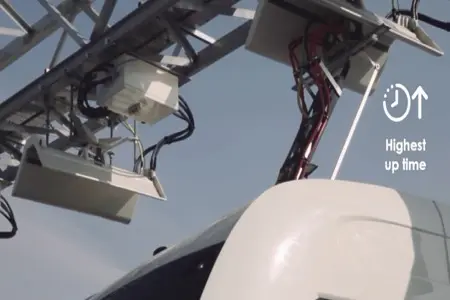
What are the advantages of an e-bus pantograph dome? In contrast to classic plug-in charging systems, e-bus pantograph systems offer automated connection and high-power delivery, making them ideal for heavy transit fleets.
View Article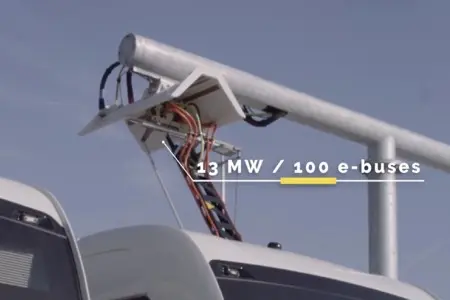
How long does it take to charge with an e-bus pantograph? Charging times depend on battery capacity and utility configurations. We analyze how high-kilowatt overhead linkages optimize fleet charging windows.
View Article
How to Install the Pantograph Up Charger System Dome for Electric Bus: A comprehensive installation walkthrough, detailing grid interface requirements, alignment configurations, and safety clearances.
View ArticleExpert technical answers to common queries regarding EVSE architecture, sourcing, and deployment.
OCPP 2.0.1 offers significant security upgrades over 1.6J, including support for TLS encryption, device management, and advanced diagnostic options. It also supports ISO 15118 (Plug & Charge) integrations and complex dynamic load balancing scenarios natively, which helps grid operators manage multi-family and depot-level charging setups more efficiently.
A BESS-integrated station (using battery energy storage) buffers power from the local grid during low-demand periods. When an EV requests high-power charging, the station draws energy from the battery rather than pulling directly from the grid, preventing peak demand charges and allowing high-speed charging without expensive utility infrastructure upgrades.
Liquid-cooled modules (such as our 40kW–125kW units) use closed-loop coolant systems to manage heat. By eliminating air vents, they prevent dust, moisture, and corrosive particles from entering the electronics, which extends component lifespan and allows continuous operation at high power levels in demanding environments.
The North American Charging Standard (NACS) consolidates AC charging and high-power DC charging into a single connector, eliminating the need for separate CCS1 and J1772 physical ports. Offering NACS-compatible systems ensures direct compatibility with major vehicle fleets in North America without requiring external adapters.
Our charging stations include built-in protection against over-voltage, under-voltage, overload, short circuits, earth leakage, lightning strikes, and over-temperature. We also integrate Type A + 6mA DC residual current devices (RCD) to protect users and connected vehicle systems.
Global compliance standards including CHAdeMO, GBT, CCS1, CCS2, and NACS interfaces.