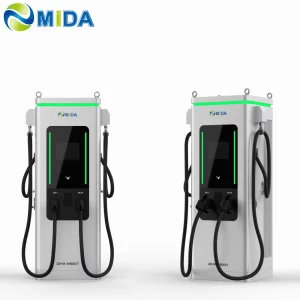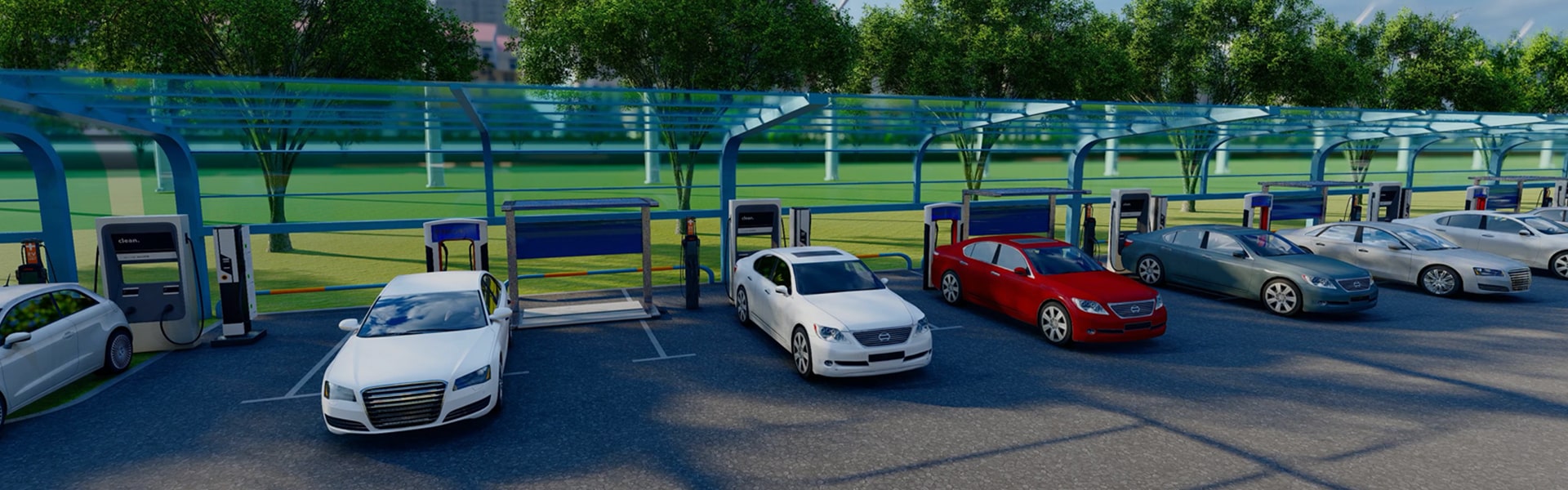
Next-generation high-capacity charging modules for commercial bus depots, highways, and public charge operator networks.

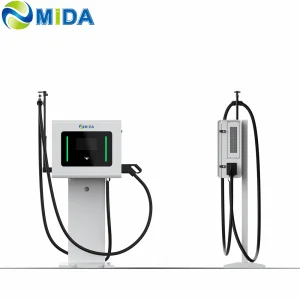
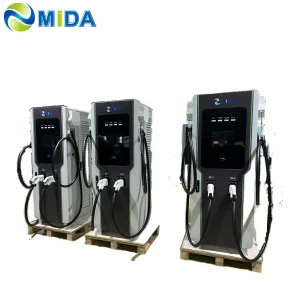
A vertically integrated global leader in new energy cable systems, fast-charging hardware, and power modules.
Shanghai Mida Cable Group Ltd. operates dynamically through its dedicated, wholly owned subsidiaries: Shanghai Mida EV Power Co., Ltd., Shenzhen Mida EV Power Co., Ltd., and Shanghai Mida New Energy Co., Ltd. This tripartite structure enables us to maintain absolute quality control across every layer of the electric vehicle infrastructure value chain.
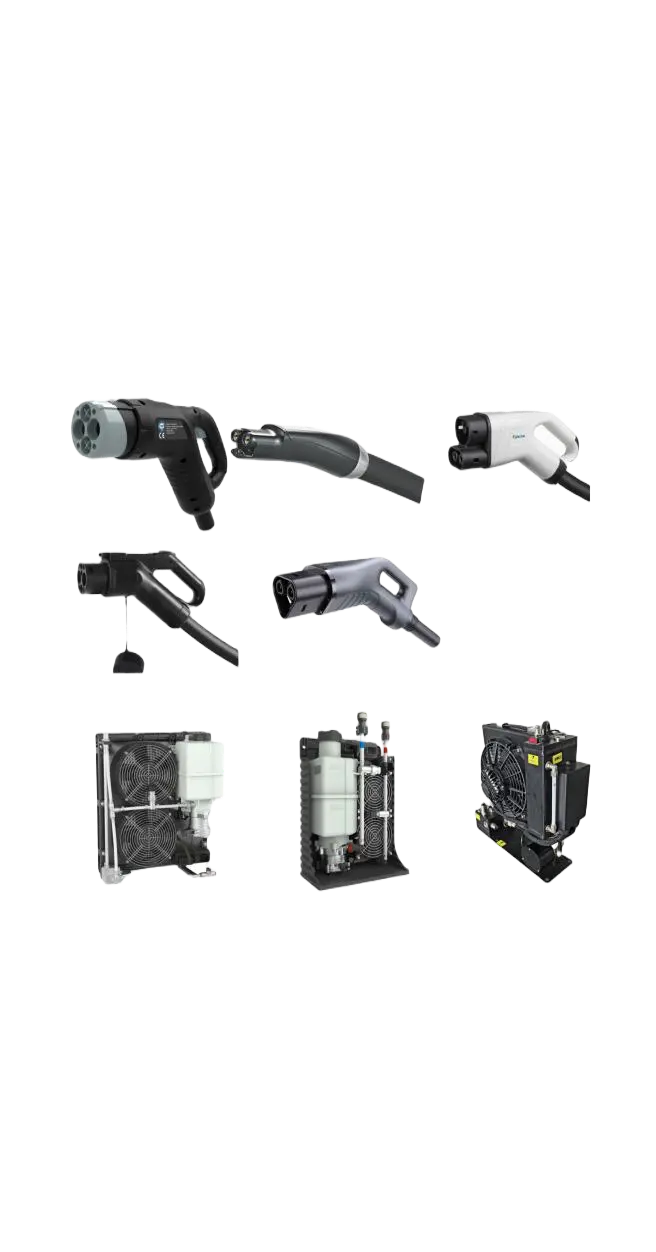
Mida Cable manufactures an exhaustive portfolio of high-durability EV charging cables. This includes robust 16A–80A J1772 (Type 1) cables, highly conductive 16A–63A IEC 62196-2 Type 2 cables, and liquid-cooled DC fast charging cables built to handle harsh outdoor environments: CCS1 (80A–500A), CCS2 (125A–1000A), CHAdeMO (125A–300A), GBT (200A–1000A), and NACS connectors (250A–600A).
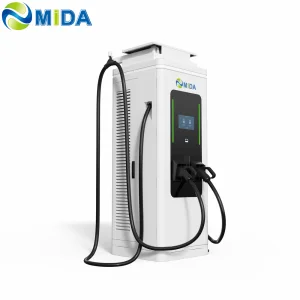
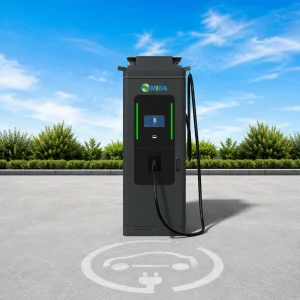
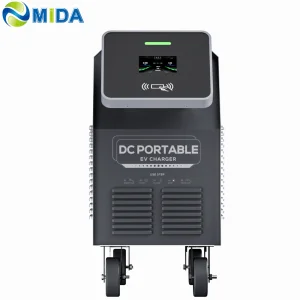
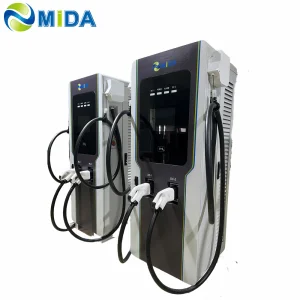
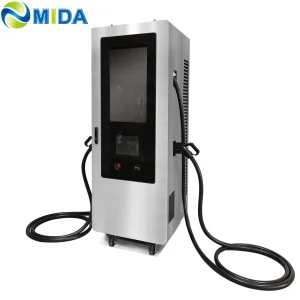
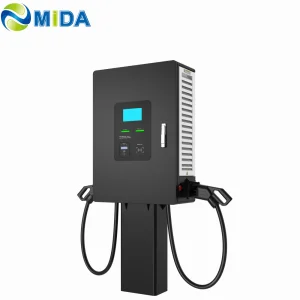
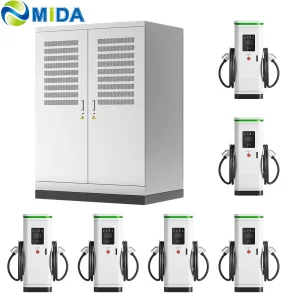
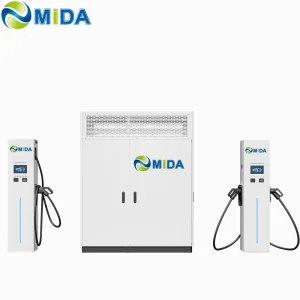
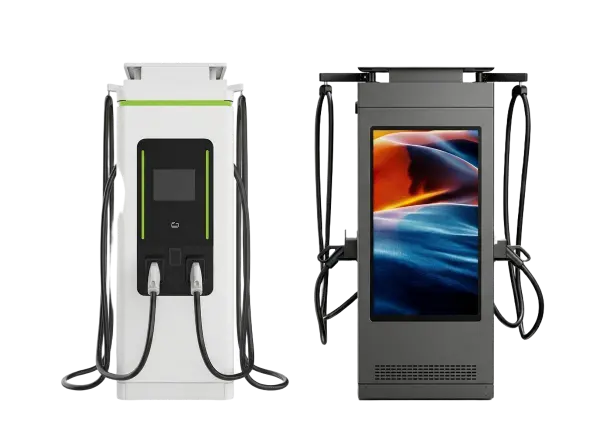
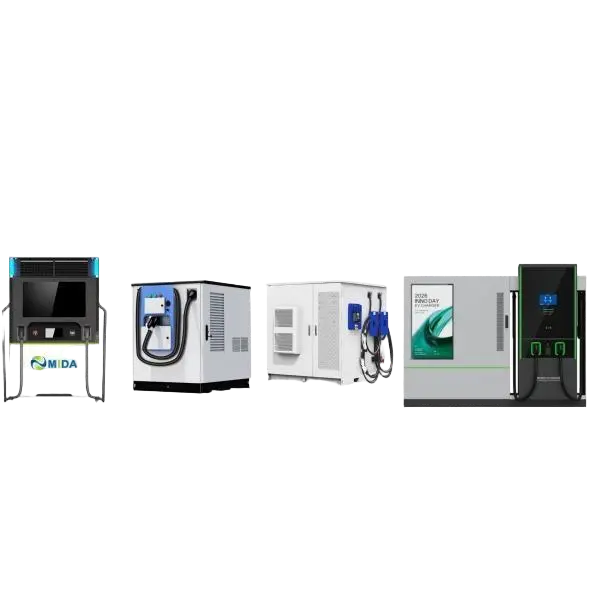
MIDA EV Power focus on structural design and integration, yielding a versatile lineup of charging systems. Our offerings range from 7kW–50kW mobile chargers for emergency recovery to 3.6kW–7.2kW portable DC fast units, 20kW–50kW wall-mounted DC chargers, 60kW–480kW floor-standing stations, and industrial-scale 360kW–1440kW split-type DC fast charging architectures.
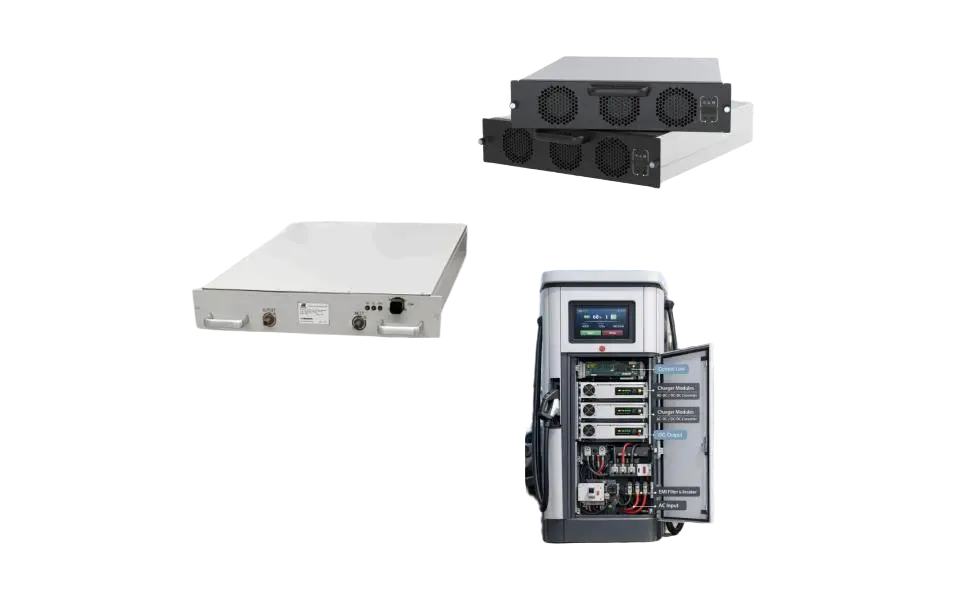
MIDA New Energy sits at the heart of our technical R&D, specializing in modular power units. We produce 20kW–60kW standard air-cooled modules, 40kW–125kW liquid-cooled modules with exceptional thermal efficiency, 30kW–62.5kW bidirectional charging modules, and advanced 20kW–45kW V2G (Vehicle-to-Grid) power modules that support intelligent grid balancing.

Engineered to exceed Tier-1 CPO standards, our product divisions cover the entire EV charging ecosystem.
Wall-mounted and mobile AC systems ranging from 7kW to 80kW, certified for private residential and commercial destination operations.
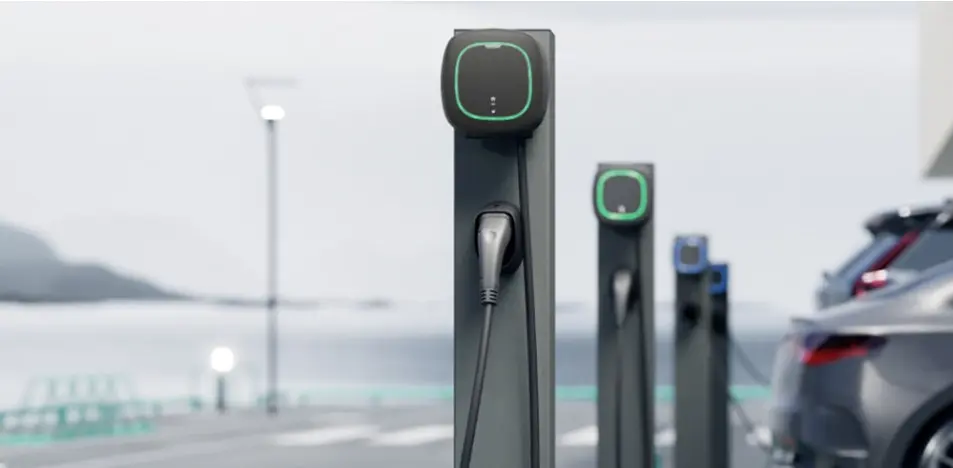
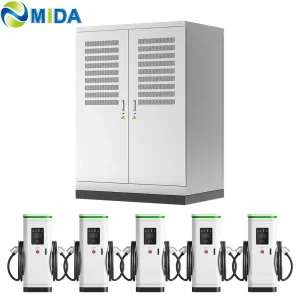
Ultra-fast high-capacity charging cabinets equipped with dynamic power routing, low noise, and active liquid cooling systems.
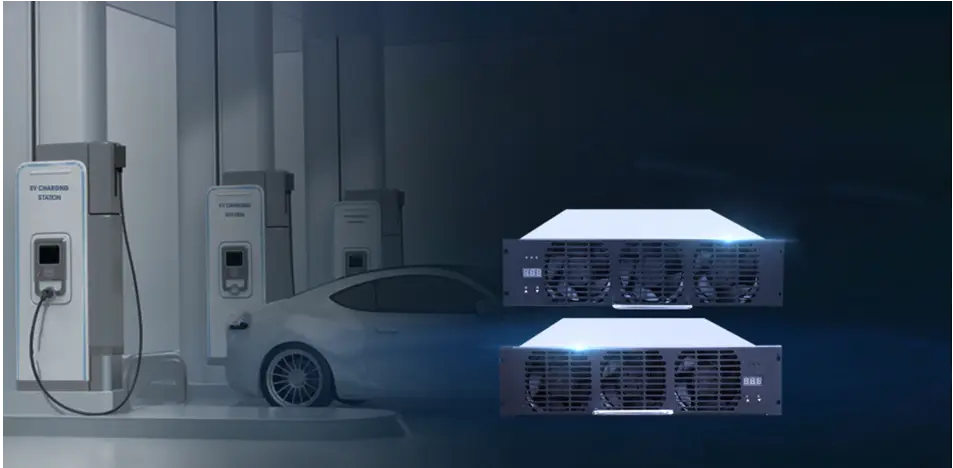
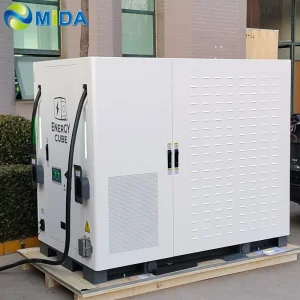
Battery Energy Storage Systems configured with integrated EV chargers, designed to deliver high-current charging off-grid or in grid-limited locations.
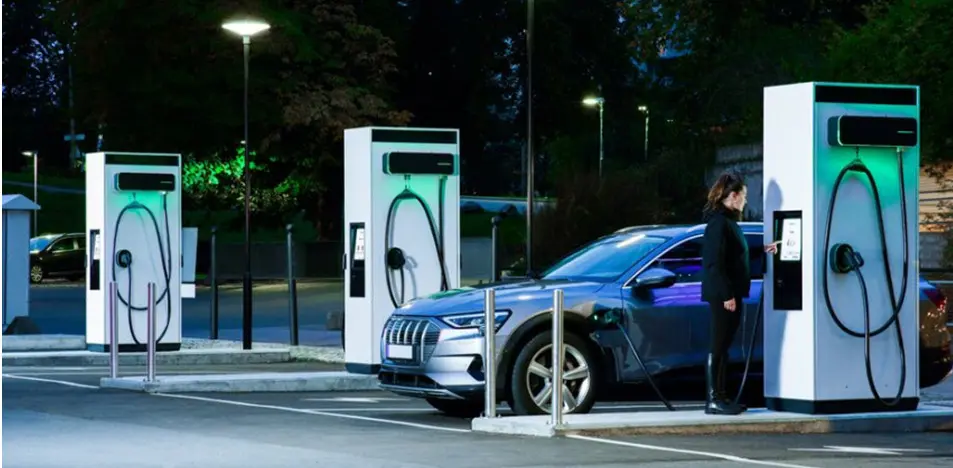
Our industrial scaling delivers reliability, low lifecycle costs, and high performance across major international markets.
The global electric vehicle charging ecosystem is transitioning from slow, overnight AC replenishment models to ultra-fast, megawatt-class DC architectures. Key technological developments include:
CPOs, municipal authorities, logistics corporations, and commercial real estate buyers evaluate EV station suppliers based on four key operational pillars:
Operating out of major technical hubs like Shenzhen and Shanghai, MIDA GROUP leverages China’s highly integrated industrial ecosystem to secure distinct supply chain advantages:
Through vertical integration, we process raw materials directly into finished units, handling copper cable drawing, polymer insulation extrusion, SMT PCB printing, structural steel cabinet fabrication, and high-load factory testing under one QA framework. This eliminates third-party component bottlenecks, reduces transit times, and allows us to quickly adapt to evolving international standards like NACS or CCS2.
Furthermore, our automated assembly facilities utilize advanced testing protocols to guarantee consistent calibration across high-load operations. Automated testing chambers simulate environmental extremes from -35°C to +55°C, ensuring that every shipped unit delivers stable performance right out of the box.
EV charging equipment must perform reliably under varying geographic and environmental conditions:
Detailed sub-component options, power configurations, and structural classifications.
Technical analyses, fleet electrification strategies, and charging infrastructure reports.
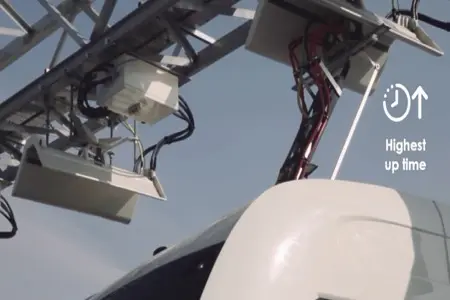
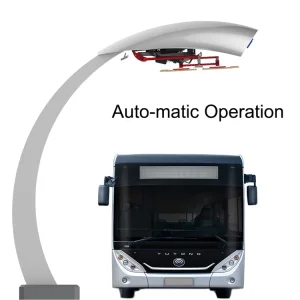
Unlike traditional manual cable configurations, automatic pantograph structures support higher currents, reduce station foot-print, and ensure touch-free charging safety for municipal transit hubs.
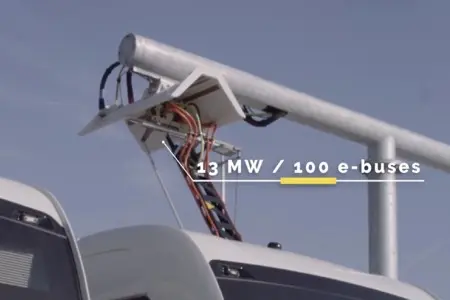
By delivering charge currents up to 1000A, pantographs can replenish transit bus batteries from 20% to 80% SoC within 10 to 20 minutes, maximizing route run-times.
An in-depth look at civil engineering, structural steel framing, communications interfaces, and grid safety steps involved in installing bus pantographs.
Answers to common technical, compliance, and integration questions from commercial buyers and charging operators.
Specialized fast-chargers, advertising units, and portable systems optimized for various business models.