Explore our highly efficient, multi-standard DC charging stations designed for public transport networks, highway service stations, and commercial hubs.
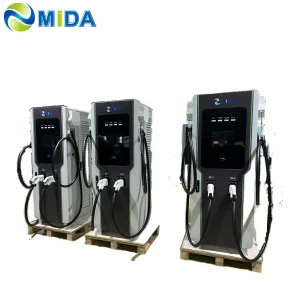
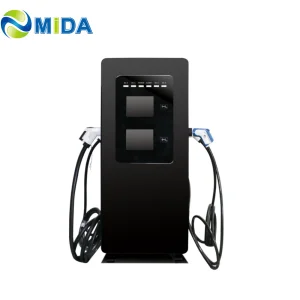
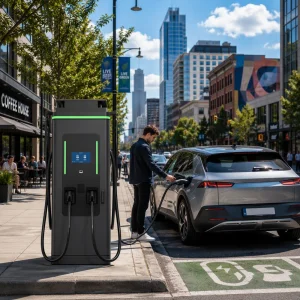
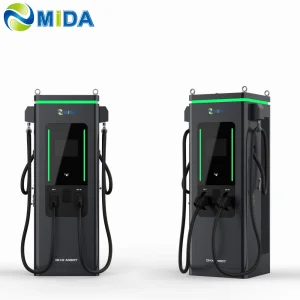
The commercial transport, logistics, and public transit landscapes are undergoing a massive transition. Global legislative mandates—such as the European Union's Alternative Fuels Infrastructure Regulation (AFIR) and the United States' National Electric Vehicle Infrastructure (NEVI) formula program—are setting rigorous benchmarks. Charging operators can no longer rely on low-power Alternating Current (AC) stations to service modern electric vehicles. Today's commercial infrastructure demands high-power DC Quick Chargers capable of delivering multi-megawatt outputs to slash charging times from hours to minutes.
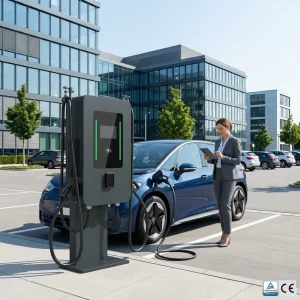
While AC charging is sufficient for overnight residential depots, industrial sites, logistic fleets, and highway charging corridors require DC energy transfer. By bypassing the vehicle's restrictive on-board charger (OBC), a DC Quick Charger supplies regulated, high-voltage electrical energy directly to the traction battery. This enables current thresholds to scale beyond 500A and voltages to surpass 1000V, supporting the rapid deployment of high-capacity EV fleets.
However, deploying global infrastructure comes with complex challenges: varied regional standards (CCS1 in North America, CCS2 in Europe, GB/T in China, NACS globally, and CHAdeMO legacy networks) require modular, future-proof equipment. Furthermore, high-power hubs place significant stress on local electrical grids. Consequently, the industry is shifting toward smart power distribution, liquid-cooled high-power charging (HPC) assemblies, and battery-buffered DC charging configurations.
China has built the world's most robust ecosystem for electric vehicle supply equipment (EVSE). In the heart of this manufacturing hub, MIDA Group operates through dedicated, vertically integrated subsidiaries: Shanghai Mida EV Power Co., Ltd., Shenzhen Mida EV Power Co., Ltd., and Shanghai Mida New Energy Co., Ltd. By controlling the entire manufacturing process—from basic copper cabling to high-frequency power switching modules—MIDA delivers premium technology at a highly competitive Total Cost of Ownership (TCO).
MIDA's engineering teams can customize DC cabinets, charging gun systems, and software interfaces in days rather than months. We provide fast adaptions for local grid codes and customized OEM brand guidelines.
Our facilities are fully certified under ISO9001, ISO14001, and IATF 16949 automotive standards. Products are certified to meet CE, TUV, UL, RoHS, and FCC compliance rules, ensuring seamless market entry globally.
By producing our own specialized EV charging cables—ranging from 16A AC cables to heavy-duty liquid-cooled 1000A DC cables—we eliminate standard supplier markups and enforce strict quality control at the source.
Shanghai Mida Cable Group Ltd. operates through its wholly owned subsidiaries: Shanghai Mida EV Power Co., Ltd., Shenzhen Mida EV Power Co., Ltd., and Shanghai Mida New Energy Co., Ltd. We are dedicated to providing state-of-the-art charging solutions to global commercial operators, OEMs, and network managers.
Mida Cable manufactures a comprehensive range of EV charging cables, including 16A–80A J1772 cables, 16A–63A IEC 62196-2 Type 2 cables, and DC fast charging cables: CCS1 (80A–500A), CCS2 (125A–1000A), CHAdeMO (125A–300A), GBT (200A–1000A), and NACS connectors (250A–600A).
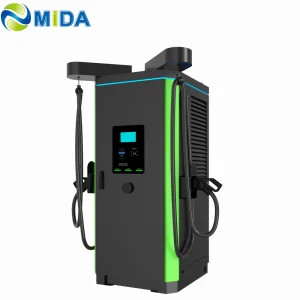
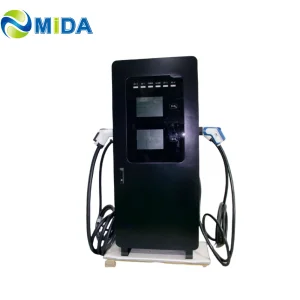
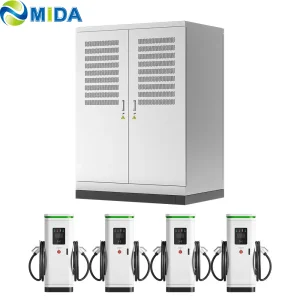
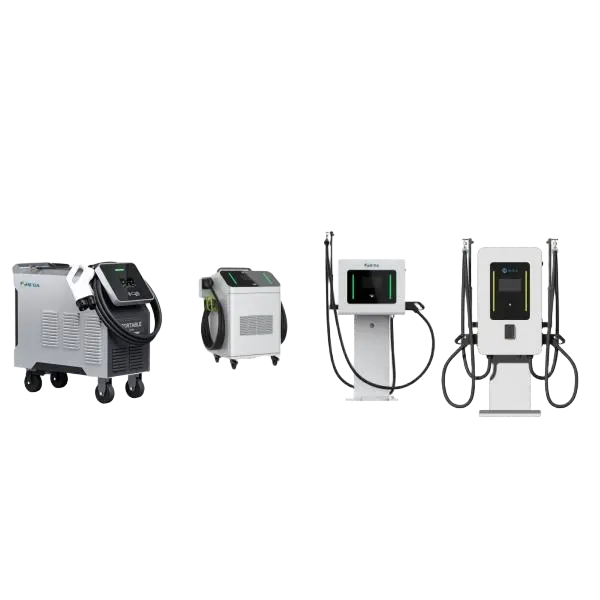
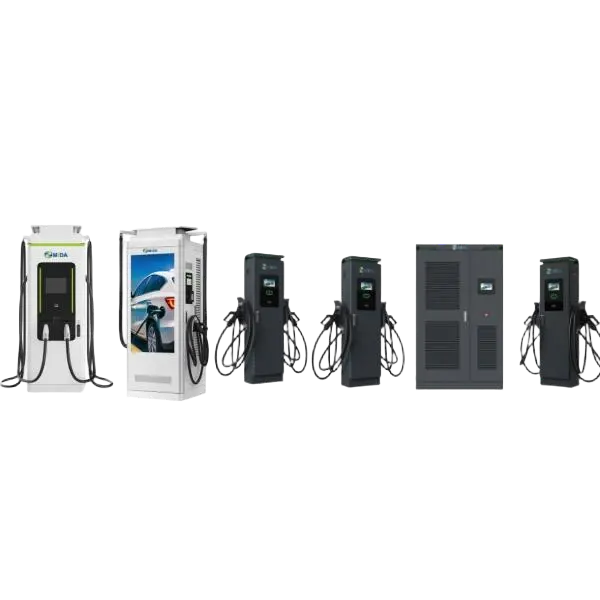
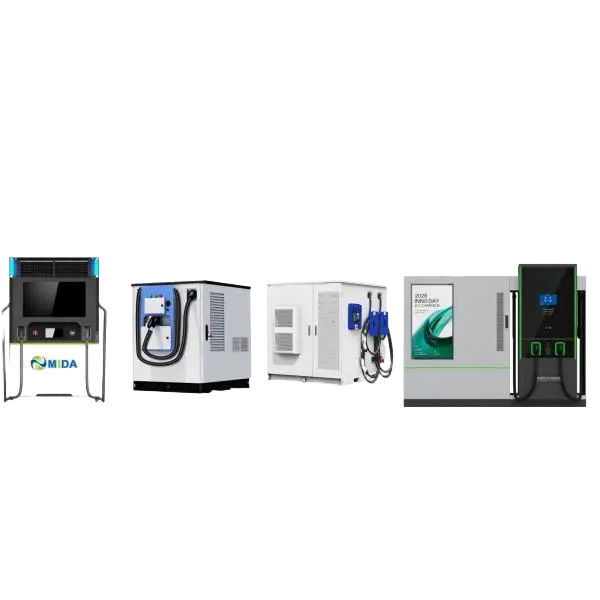
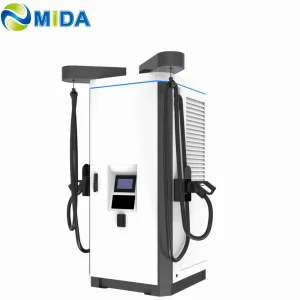
MIDA EV Power produces a full lineup of EV charging stations, such as 7kW–50kW mobile chargers, 3.6kW–7.2kW portable DC chargers, 360kW–1440kW split-type DC fast chargers, 20kW–50kW wall-mounted DC chargers, and 60kW–480kW floor-standing DC fast charging stations.
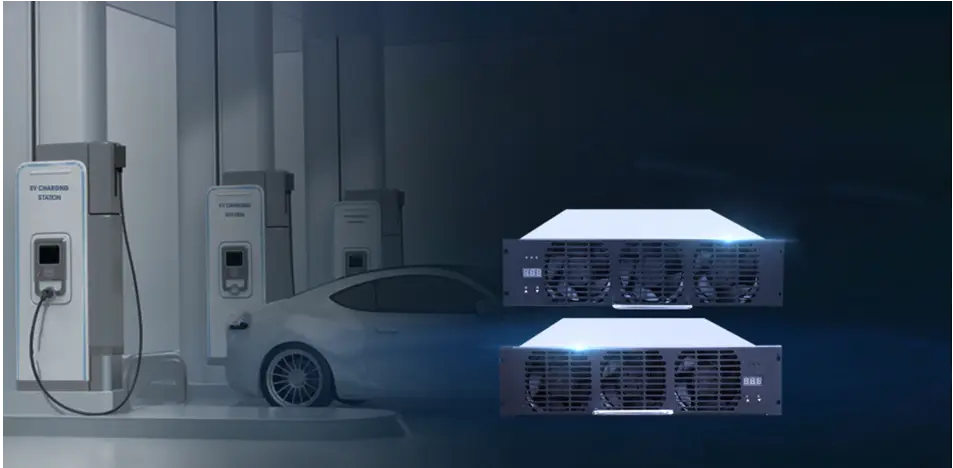
MIDA New Energy specializes in EV charger power modules, offering 20kW–60kW standard modules, 40kW–125kW liquid-cooled modules, 30kW–62.5kW bidirectional modules, and 20kW–45kW V2G charging modules.

Our structured ecosystem spans components, fully integrated high-power chargers, and energy storage units, serving as a one-stop-shop for EVSE distributors.
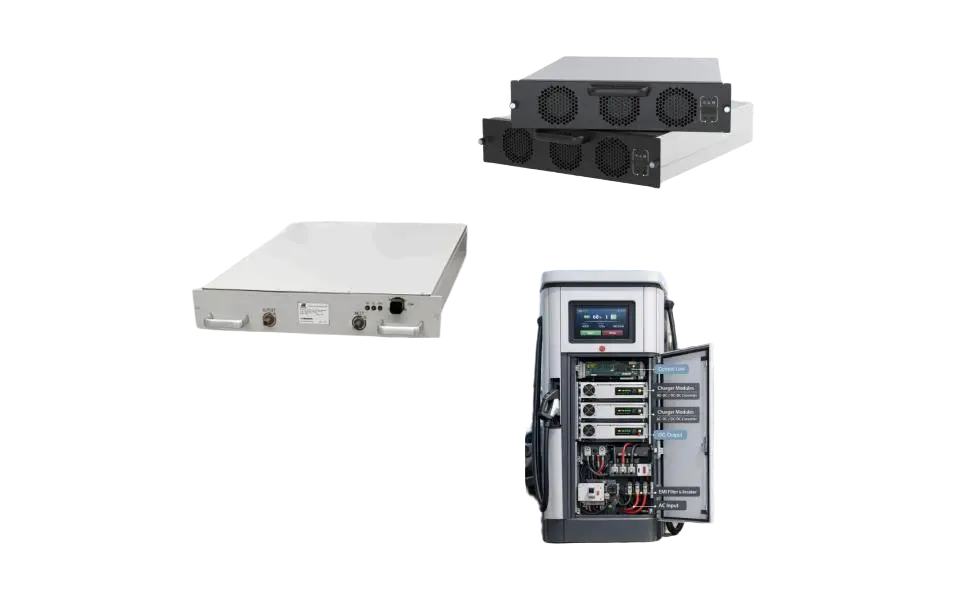
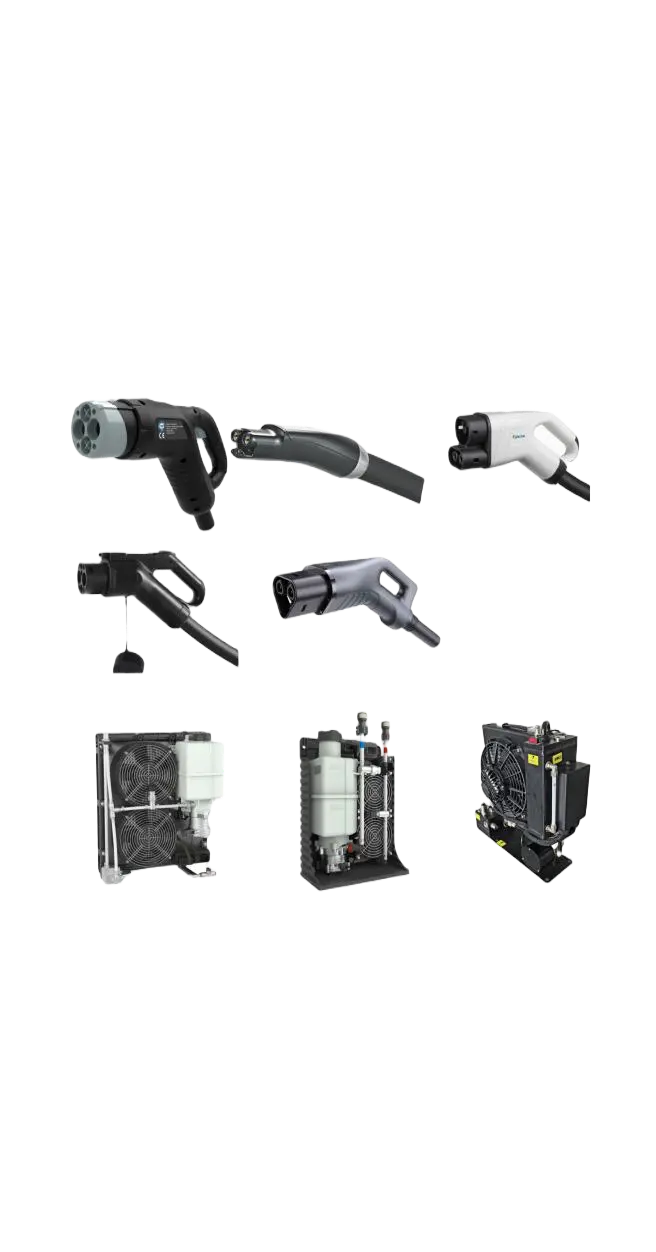
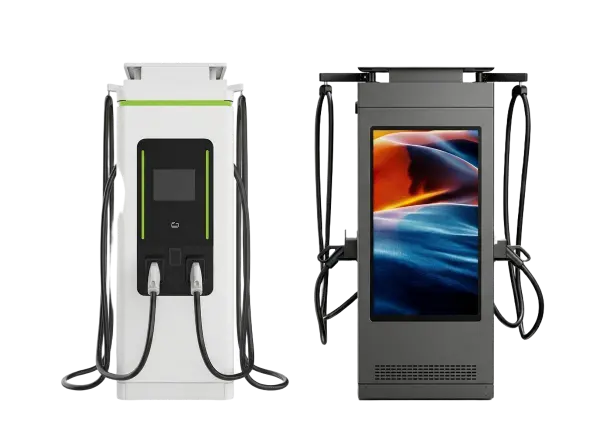
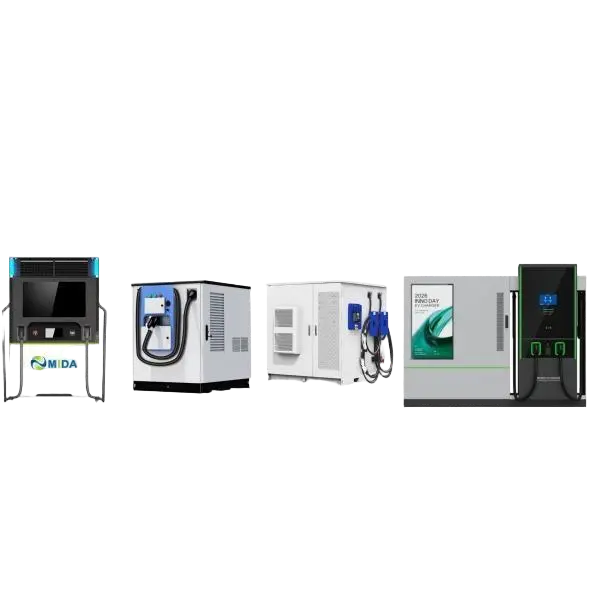
Our core product lines meet international standards, delivering scalable AC, DC, and Battery-integrated solutions.
The commercial charging industry is rapidly evolving toward higher power levels and bidirectional grid support. Systems exceeding 350kW generate substantial heat in the charging cable and connector. Traditional air-cooled systems are too bulky and heavy to handle easily. Consequently, liquid-cooled charging cables and active cooling units are essential for safe high-power charging (HPC).
Modern procurement protocols require compatibility with ISO 15118-20 ("Plug & Charge") and OCPP 2.0.1. These software and communication protocols enable secure, encrypted interactions between the EV and the charger, allowing instant vehicle authentication and automated billing. Additionally, bidirectional charging capabilities (Vehicle-to-Grid or V2G) enable fleet operators to discharge vehicle energy back to the grid during peak pricing, turning EV fleets into decentralized virtual power plants (VPPs).
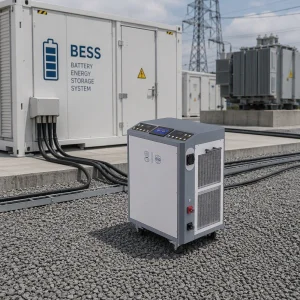
Additionally, the integration of solar power (PV) and Battery Energy Storage Systems (BESS) at the charging site is crucial. By buffering energy locally in high-capacity lithium iron phosphate (LFP) packs, site hosts can deliver peak charging power of 400kW or more, even when connected to a standard 50kW grid hookup.
From heavy-duty city transit depots to urban commercial parking structures, here is how MIDA solutions solve real-world installation challenges.
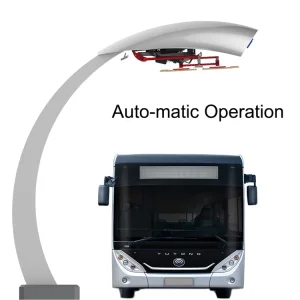
Public transit networks require high uptime and automated connectivity. Deploying 300kW to 600kW split-type charging systems with automated pantograph-up domes allows buses to charge rapidly during scheduled layovers. This system eliminates manual cable handling and ensures reliable connection alignment.
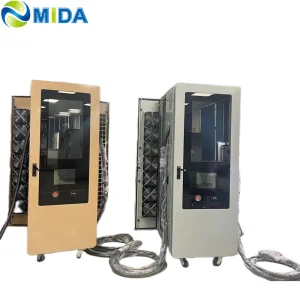
Long-haul transit corridors require maximum energy throughput. Utilizing split DC charging systems (360kW-1440kW) with dynamic power allocation allows the central cabinet to allocate power modules to individual charging points based on each vehicle's real-time battery requirements.
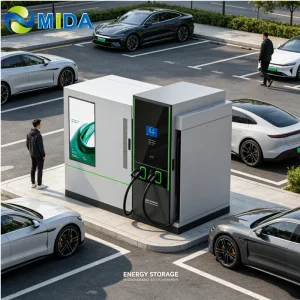
Adding high-power chargers in historical urban areas or remote highway sites often requires expensive grid upgrades. BESS Integrated EV charging stations buffer power during low-demand periods and discharge it rapidly at up to 200kW during active vehicle charging sessions.
Stay updated on our latest technical announcements, product releases, and industrial best practices.
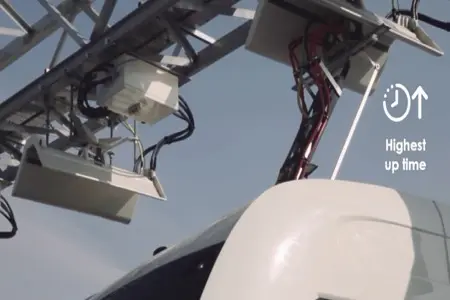
What are the advantages of an e-bus pantograph dome? In contrast to classic plug-in charging systems, e-bus pantographs offer automated charging, high power delivery, and increased safety for heavy transport fleets.
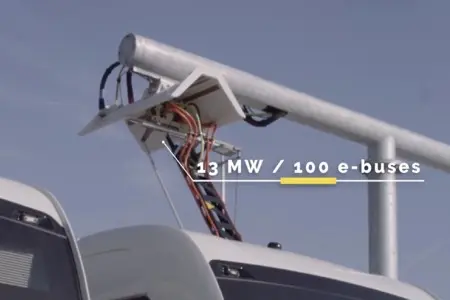
How long does it take to charge with an e-bus pantograph? The charging time depends on the battery capacity, the charger configuration, and the connection system, typically ranging between 10 to 30 minutes.
How to Install the Pantograph Up Charger System Dome for Electric Bus. Installing a "Pantograph Up" system requires precise positioning and structural planning to ensure secure alignment with the vehicle contacts.
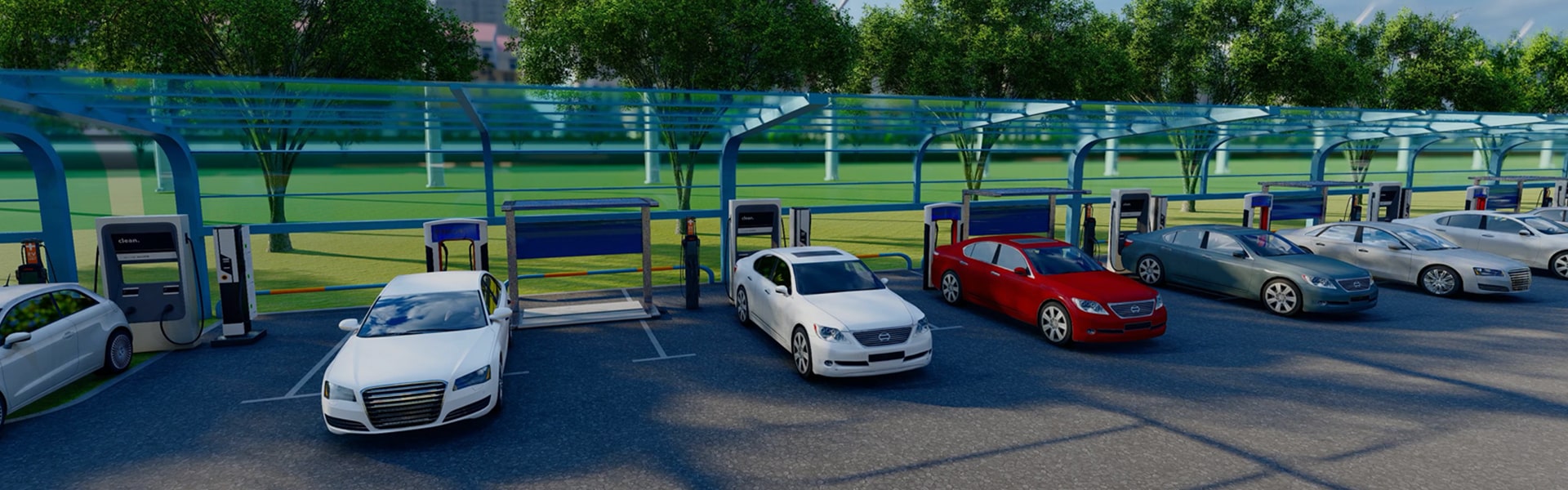
Answers to common technical, logistics, and compliance questions from procurement officers and network operators.
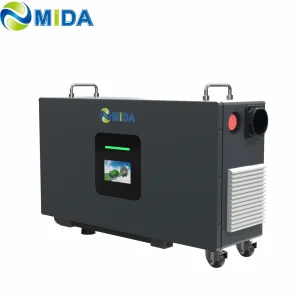
Expand your charging infrastructure with high-voltage test units, BESS-coupled chargers, and megawatt split systems.