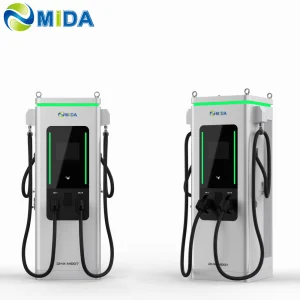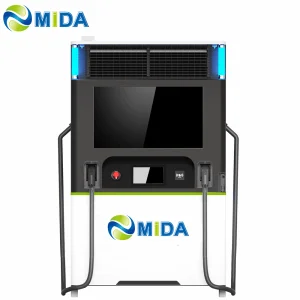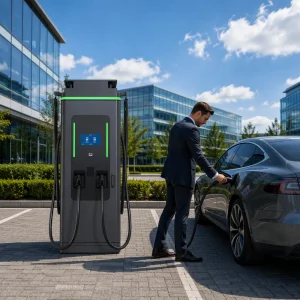
Engineered to deliver high power density, continuous high-current performance, and active thermal intelligence. Discover our top-tier catalog for global deployments.

Analyzing key structural shifts in fleet electrification, megawatt energy integration, and grid constraints.
As logistics complexes, public transit authorities, and highway charging networks move toward zero-emission targets, standard low-voltage AC infrastructure is no longer sufficient. Achieving rapid charging turnaround times for long-range commercial transport and large passenger vehicles requires a minimum threshold of 300kW DC output capacity. This scale of charging infrastructure requires careful grid balancing, high-efficiency power conversion modules, and robust safety mechanisms.
For industrial procurement teams and EV fleet operators, selecting the right partner is not just about comparing equipment hardware prices. It requires a detailed evaluation of compliance standards, dynamic load management algorithms, and manufacturing reliability. High-power DC fast chargers (HP-DCFC) running at 300kW and above handle intense thermal cycles, high input currents, and strict communication requirements with vehicle batteries. An experienced manufacturer must deliver integrated power electronics that manage these demands reliably over a typical 10-to-15-year lifecycle.
A global manufacturer specializing in EV connection components, high-power DC fast-charging systems, and integrated energy storage solutions.
Shanghai Mida Cable Group Ltd. operates through its wholly owned subsidiaries: Shanghai Mida EV Power Co., Ltd., Shenzhen Mida EV Power Co., Ltd., and Shanghai Mida New Energy Co., Ltd. Our integrated business model supports everything from raw copper processing to finished electrical components, ensuring consistent quality control and pricing advantages.
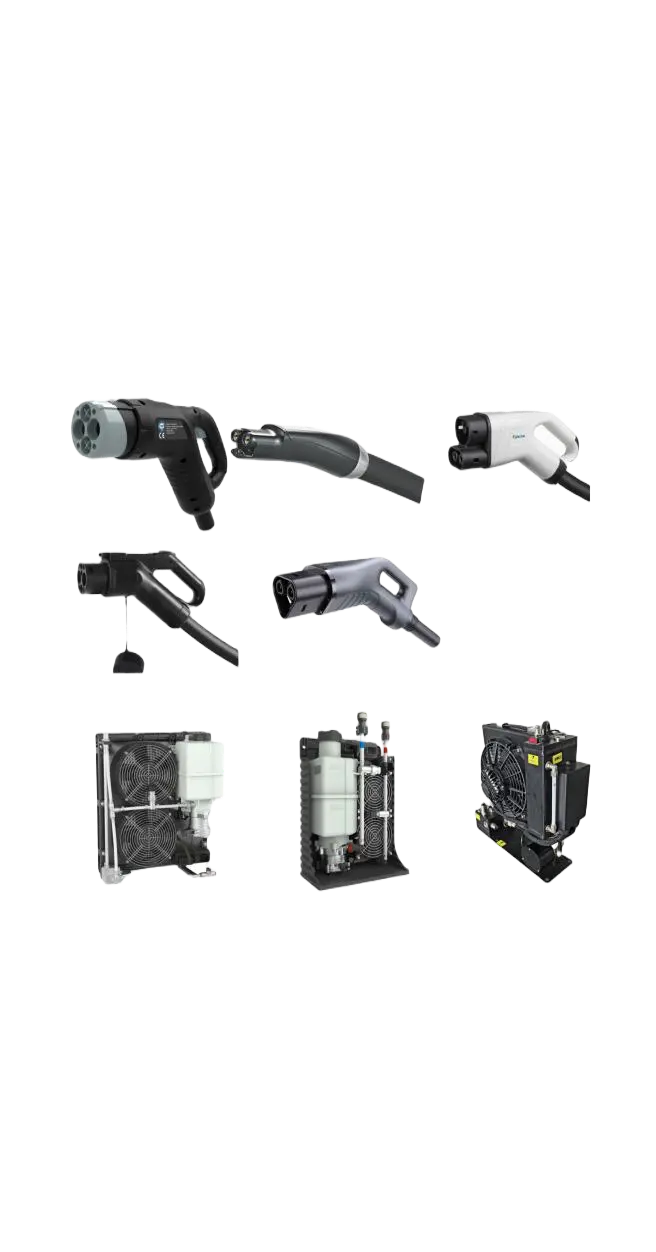
Mida Cable manufactures a comprehensive range of EV charging cables, including 16A–80A J1772 cables, 16A–63A IEC 62196-2 Type 2 cables, and DC fast charging cables: CCS1 (80A–500A), CCS2 (125A–1000A), CHAdeMO (125A–300A), GBT (200A–1000A), and NACS connectors (250A–600A).
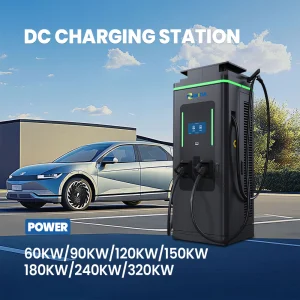
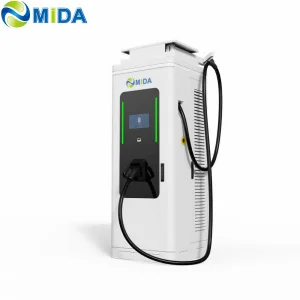
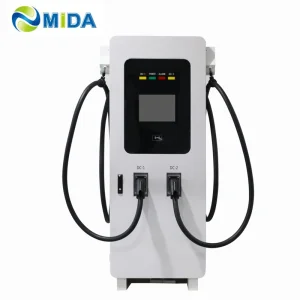
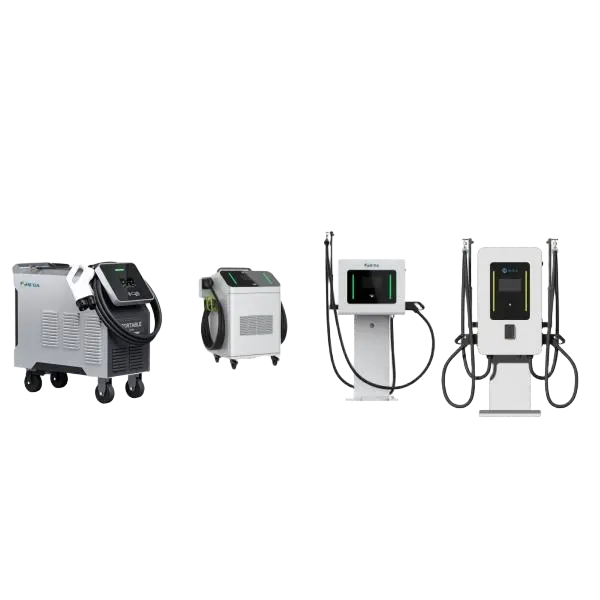
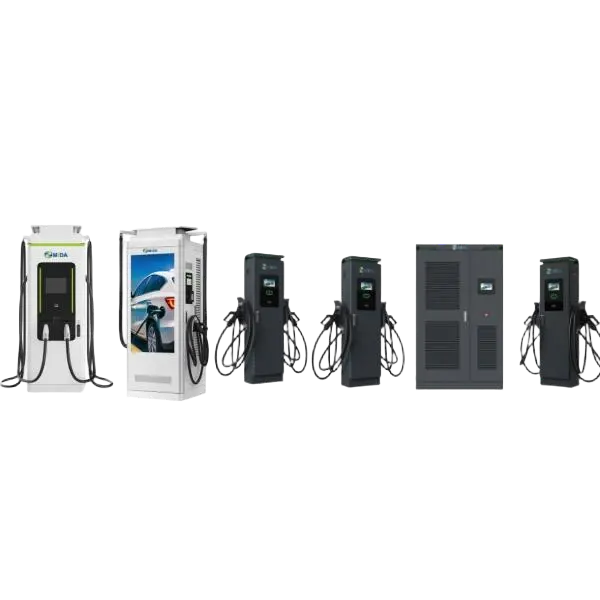
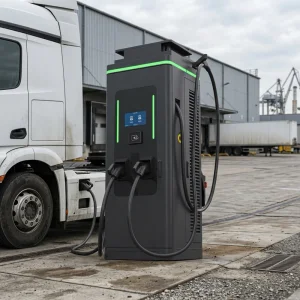
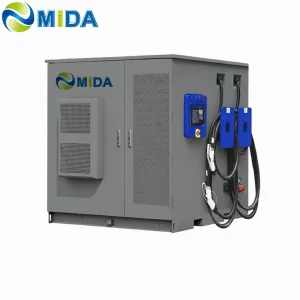
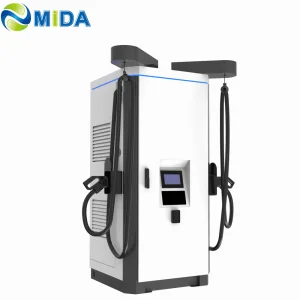
MIDA EV Power produces a full lineup of EV charging stations, such as 7kW–50kW mobile chargers, 3.6kW–7.2kW portable DC chargers, 360kW–1440kW split-type DC fast chargers, 20kW–50kW wall-mounted DC chargers, and 60kW–480kW floor-standing DC fast charging stations.
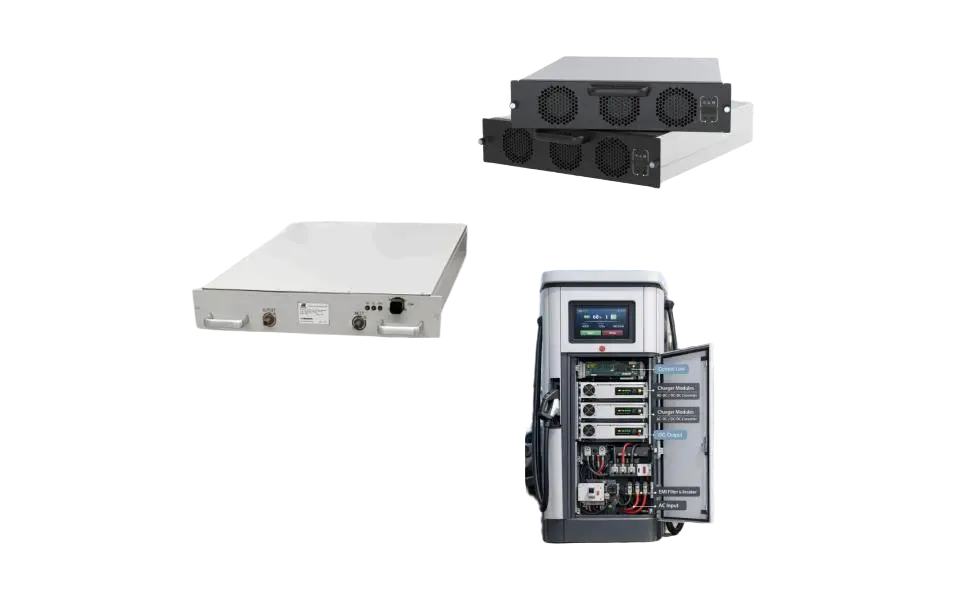
MIDA New Energy specializes in EV charger power modules, offering 20kW–60kW standard modules, 40kW–125kW liquid-cooled modules, 30kW–62.5kW bidirectional modules, and 20kW–45kW V2G charging modules.

A detailed view of Mida Group's core product segments, supporting next-generation charging infrastructure.
Wall-Mounted / Mobile Solutions
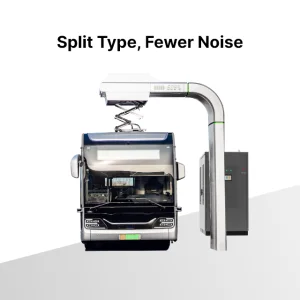
High-Power Split Charging Systems
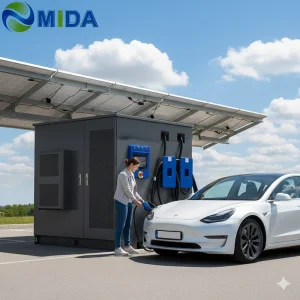
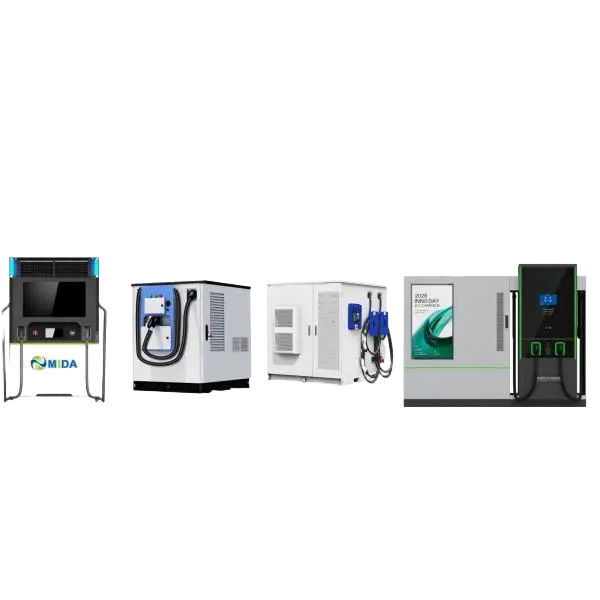
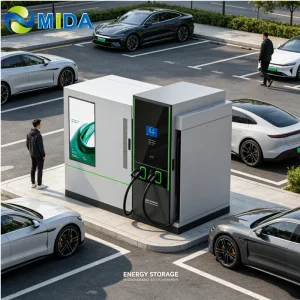
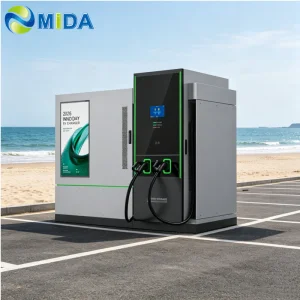
Battery-Integrated Fast Chargers
A breakdown of the component technologies powering Mida's high-reliability charging infrastructure.
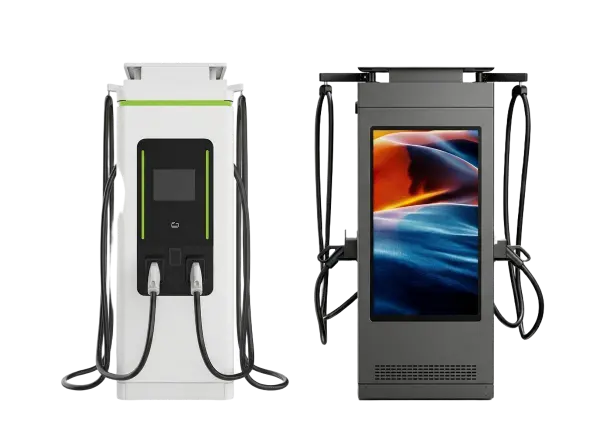
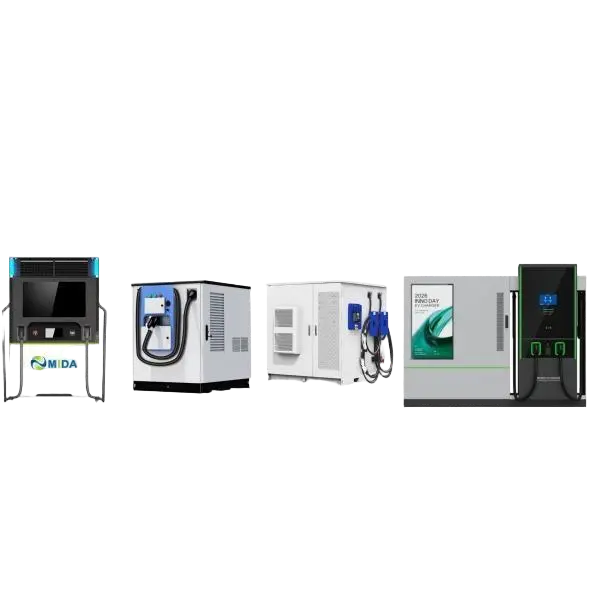
Essential design factors to minimize Total Cost of Ownership (TCO) and maximize uptime at the depot level.
At 300kW power levels, even minor efficiency losses generate significant heat and waste electricity. A system operating at 92% efficiency dissipates 24kW as heat. Upgrading to a 96.5% efficient system using Silicon Carbide (SiC) switching devices reduces this loss to 10.5kW. This 13.5kW savings lowers cooling requirements, increases component lifespan, and reduces operational energy costs over the charger's lifetime.
Standard forced-air cooling works well up to 150kW. However, continuous 300kW charging at 300A-500A requires either bulky, heavy air-cooled cables or lightweight, liquid-cooled cables. Integrated cooling units circulate dielectric coolant through the cable and connector, maintaining temperatures below 50°C. This active cooling allows for thinner, more flexible cables that are easier for drivers to handle.
A dual-dispenser 300kW system should dynamically distribute power based on the vehicle's state of charge (SoC). Instead of splitting power to a static 150kW/150kW, the system should adjust dynamically (e.g., delivering 220kW to a low-battery vehicle and 80kW to a nearly full one). This dynamic load management improves vehicle turnaround times and maximizes station utilization.
News from MIDA Group on transit infrastructure, automatic pantograph systems, and fleet maintenance.

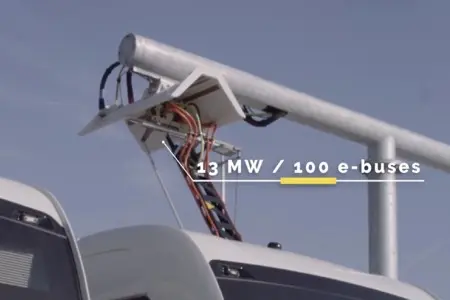
Detailed answers to key engineering, integration, and operational questions for 300kW+ fast-charging systems.
Explore our full range of public fast chargers, energy-storage integrated piles, and compliant charging options.