Empowering Uzbekistan’s Transit Corridors and Commercial Fleet Infrastructure with Advanced Multi-Protocol High-Power EV Charging Technology
High-efficiency, heavy-duty DC fast chargers optimized for Uzbekistan's industrial hubs, commercial depots, and highway corridors.
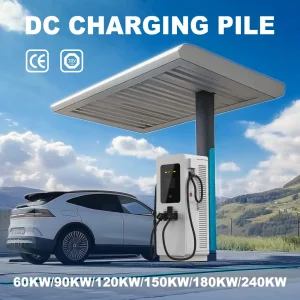
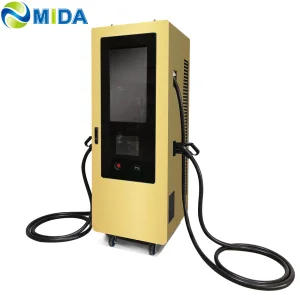
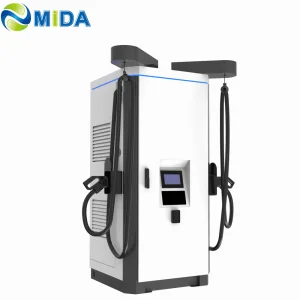
Shanghai Mida Cable Group Ltd. coordinates technical execution and industrial manufacturing through its specialized operational entities: Shanghai Mida EV Power Co., Ltd., Shenzhen Mida EV Power Co., Ltd., and Shanghai Mida New Energy Co., Ltd.
Our cable manufacturing lines engineer standard and custom-specification EV charging cables ranging from 16A to 80A J1772, and 16A to 63A IEC 62196-2 Type 2 configurations. In the DC high-capacity segment, we provide liquid-cooled and traditional cables covering CCS1 (80A–500A), CCS2 (125A–1000A), CHAdeMO (125A–300A), GB/T (200A–1000A), and NACS standards (250A–600A).
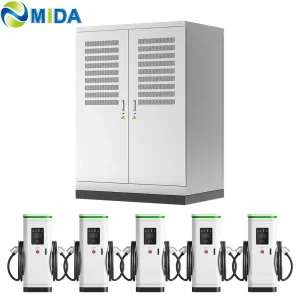
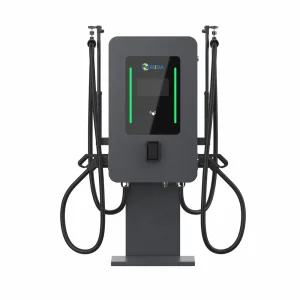
Under MIDA EV Power, we design, manufacture, and distribute integrated and modular EV charging solutions. Our catalog ranges from 7kW–50kW mobile testing and service stations to 360kW–1440kW split-architecture high-power dispensers, custom wall-mounted DC units, and multi-cabinet logistics charging complexes. MIDA New Energy develops the underlying hardware, including high-frequency power conversion modules from 20kW to 125kW, liquid-cooled power blocks, and bidirectional vehicle-to-grid (V2G) systems.
Connect with an Infrastructure SpecialistAnalyzing localized deployment challenges, governmental policies, and operational design parameters in Central Asia.
Uzbekistan is executing a comprehensive transformation of its transport sector, driven by a series of presidential decrees aimed at modernizing urban public transit, reducing municipal emissions, and reducing dependency on imported fossil fuels. In major administrative centers such as Tashkent, Samarkand, and Bukhara, municipal authorities are replacing internal combustion engine buses with electric buses. This fleet modernization requires a massive deployment of high-voltage DC fast charging infrastructure.
Deploying high-power charging equipment in Uzbekistan presents distinct engineering challenges due to the extreme continental climate. In regions bordering the Kyzylkum Desert, summer temperatures frequently exceed +45°C, while winter cold waves can drop temperatures below -25°C. To maintain constant power output without thermal derating, DC fast chargers must be designed with intelligent thermal management, including dust-tight air corridors, high-efficiency liquid-cooling systems, and IP55 or IP66 enclosures to protect delicate power electronics from fine desert sand and dust.
Furthermore, the local electrical distribution grids in secondary cities and transit highway links require grid-stabilizing charging hardware. Integrating Battery Energy Storage Systems (BESS) directly into DC charging hubs helps mitigate grid strain during peak hours. In addition, supporting dual-protocol configurations (typically GB/T for imported fleet vehicles and CCS2 for international transit models) ensures future-proof infrastructure compatibility across the Silk Road trade routes.
Dynamically distributes power between vehicle connections and integrated battery arrays to minimize grid demand peaks and protect local substation transformers.
Operates reliably from -30°C to +50°C. Fully sealed internal cooling loops prevent micro-particles and desert dust from contaminating power modules.
Seamlessly integrates with third-party billing engines, smart grid scheduling, and remote management systems via encrypted cellular telemetry.
Where local deployment meets world-class engineering standards.
The global EV charging industry is rapidly transitioning from standard DC fast chargers (50kW to 150kW) to ultra-high-power megawatt systems (MCS) capable of delivering up to 1500kW. This evolution is driven by the commercial transport sector, where minimization of turnaround times is critical for economic viability. MIDA is at the forefront of this shift, designing split-type architecture systems and liquid-cooled technologies that support high-power, multi-vehicle charging.
At the same time, grid operators are adopting smart integration standards like ISO 15118-20 to support Vehicle-to-Grid (V2G) bidirectional power flow. This allows electric vehicle fleets to act as mobile energy storage systems, feeding power back to the grid during peak loads. Our advanced bidirectional modules and integrated storage solutions (BESS) are designed to make high-density EV depots an asset to the local power grid, rather than a point of grid strain.
Max Output Power Capacity
Advanced Management Protocol
Environmental Protection Rating
Peak Power Conversion Efficiency
Explore our engineering capabilities and product lines designed for modern fleet electrification.
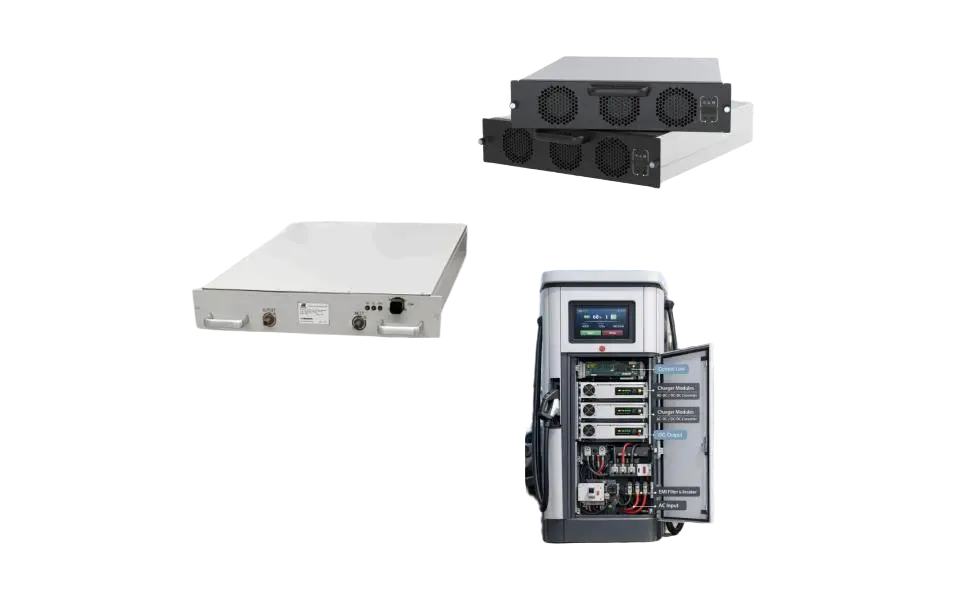
High-frequency conversion components for charging station integrators.
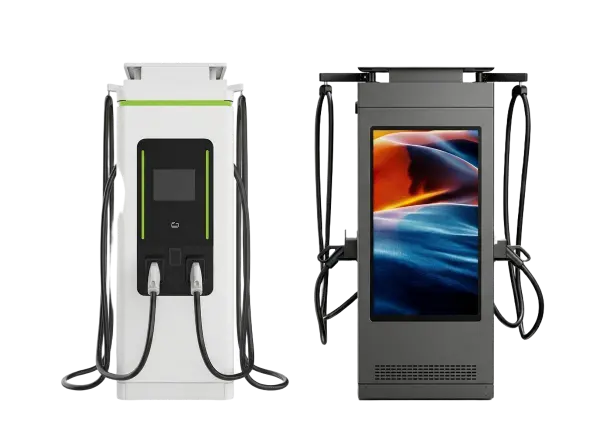
Integrated and split-architecture highway and fleet charging systems.
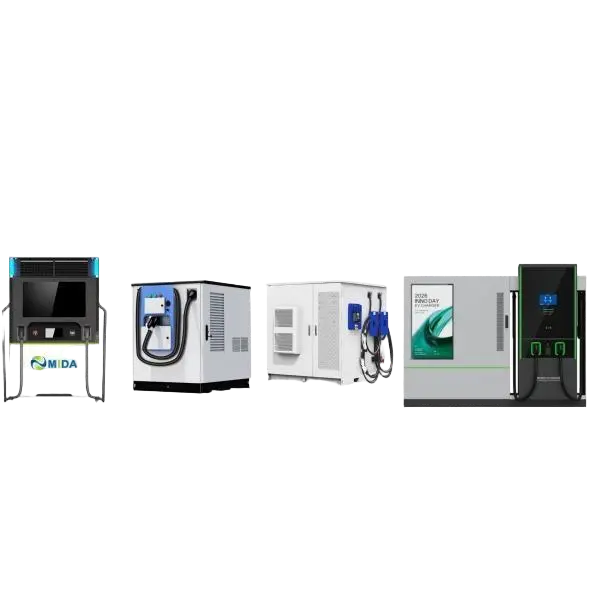
Battery-integrated configurations designed for grid-constrained areas.
Tailored high-power installations addressing practical commercial transport requirements.
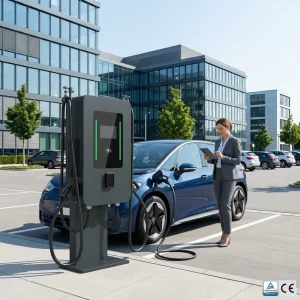
Long-haul transit corridors connect Uzbekistan’s industrial zones to regional trade hubs in Kazakhstan, Kyrgyzstan, and Tajikistan. Installing 350kW to 600kW DC fast charging stations along major highway links (such as the M39 highway corridor) allows freight vehicles and long-distance passenger buses to fast charge, maintaining freight throughput while supporting decarbonization targets.
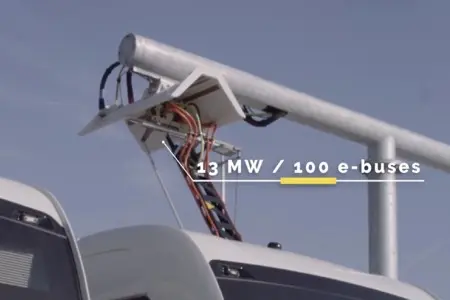
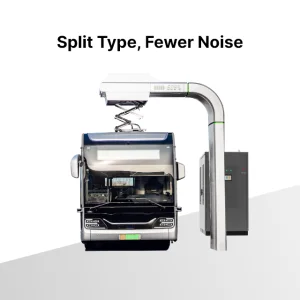
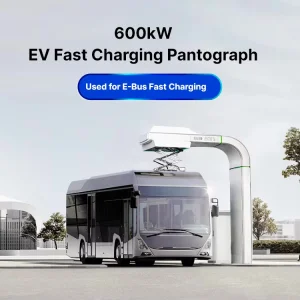
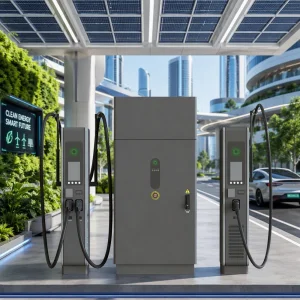
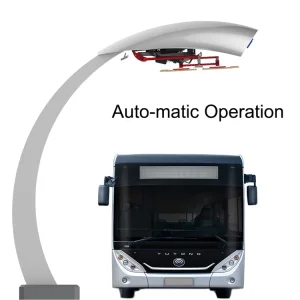
Public transport systems in Uzbekistan are incorporating large numbers of battery-electric buses. To keep these vehicles running efficiently, depots need robust high-power charging infrastructure. Our split-cabinet DC systems, combined with overhead pantographs or liquid-cooled dual-nozzle dispensers, allow quick charging between shifts or overnight, maximizing fleet uptime and utilization.
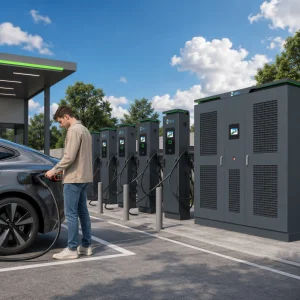
In mining regions like Navoiy and Zarafshan, heavy mining and extraction fleets operate in harsh environments. To handle the large battery packs of off-road mining trucks, MIDA provides heavy-duty liquid-cooled charging systems and megawatt-level charging cabinets, ensuring reliable performance under continuous heavy workloads and dust.
Common technical and operational questions regarding charging infrastructure deployment.
High-capacity systems designed for transit agencies, highway rest areas, and heavy machinery charging terminals.
Latest industry news and project updates from MIDA Group's global projects.