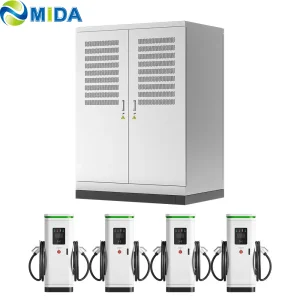
Shanghai Mida Cable Group Ltd. represents the peak of electric vehicle transmission and high-power charging technology engineering. The group operates cohesively through three specialized wholly owned subsidiaries: Shanghai Mida EV Power Co., Ltd., Shenzhen Mida EV Power Co., Ltd., and Shanghai Mida New Energy Co., Ltd. Together, we build the power infrastructure enabling clean global transit networks.
Mida Cable specializes in the R&D and automated manufacture of robust EV charging cables. Our comprehensive portfolio includes J1772 standard cables (16A to 80A), IEC 62196-2 Type 2 cables (16A to 63A), and ultra-rugged DC fast charging cables matching CSS1 (80A to 500A), CCS2 (125A to 1000A), CHAdeMO (125A to 300A), GBT (200A to 1000A), and NACS standards (250A to 600A).
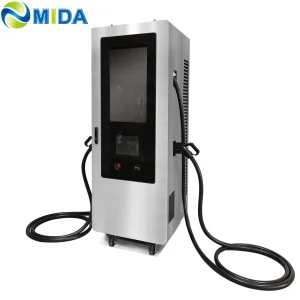
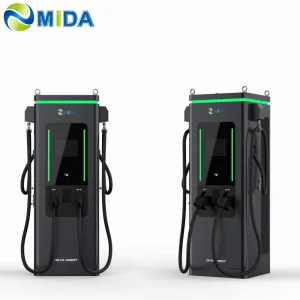
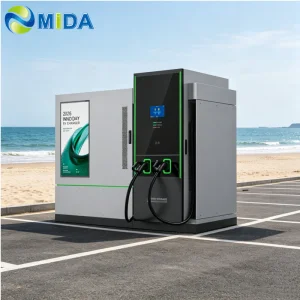
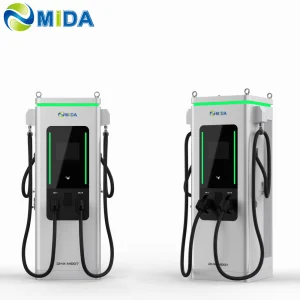
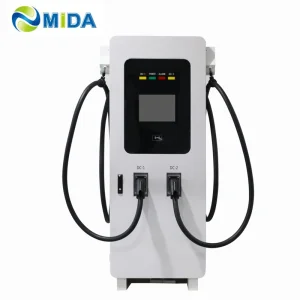
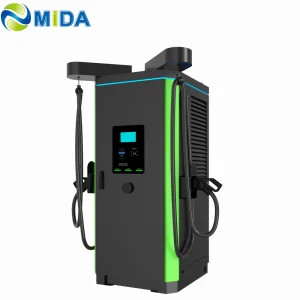
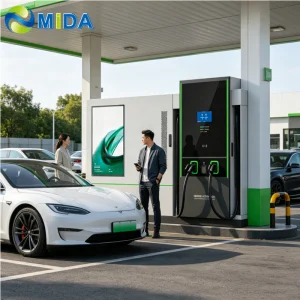
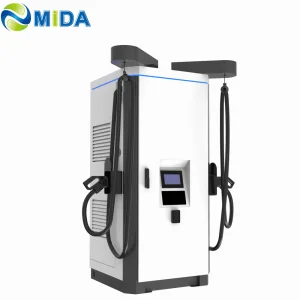
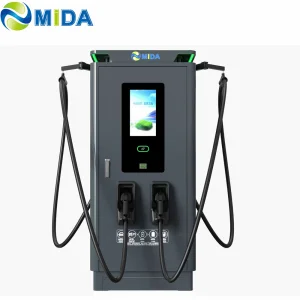
MIDA EV Power and MIDA New Energy deliver full-scale systems. We design, manufacture, and integrate complete EV charging stations and core dynamic power modules. From smart 7kW portable chargers to massive 1440kW split-architecture liquid-cooled charging units, our products run on advanced bidirectional silicon carbide topologies capable of V2G operation.

The global commercial fleet and public transit sectors face unprecedented pressures to transition from internal combustion engines (ICE) to zero-emission battery electric vehicles (BEVs). According to international energy analyses, heavy-duty road transport and urban light-duty delivery fleets require multi-megawatt public charging hubs that must operate with 99.9% uptime. Achieving this standard requires charging equipment engineered for harsh thermal cycles, high-frequency continuous operations, and complex grid interactions.
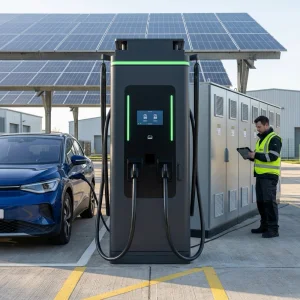
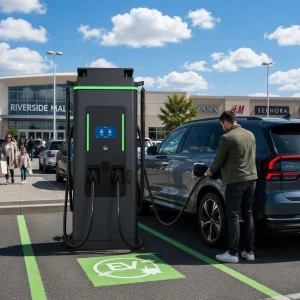
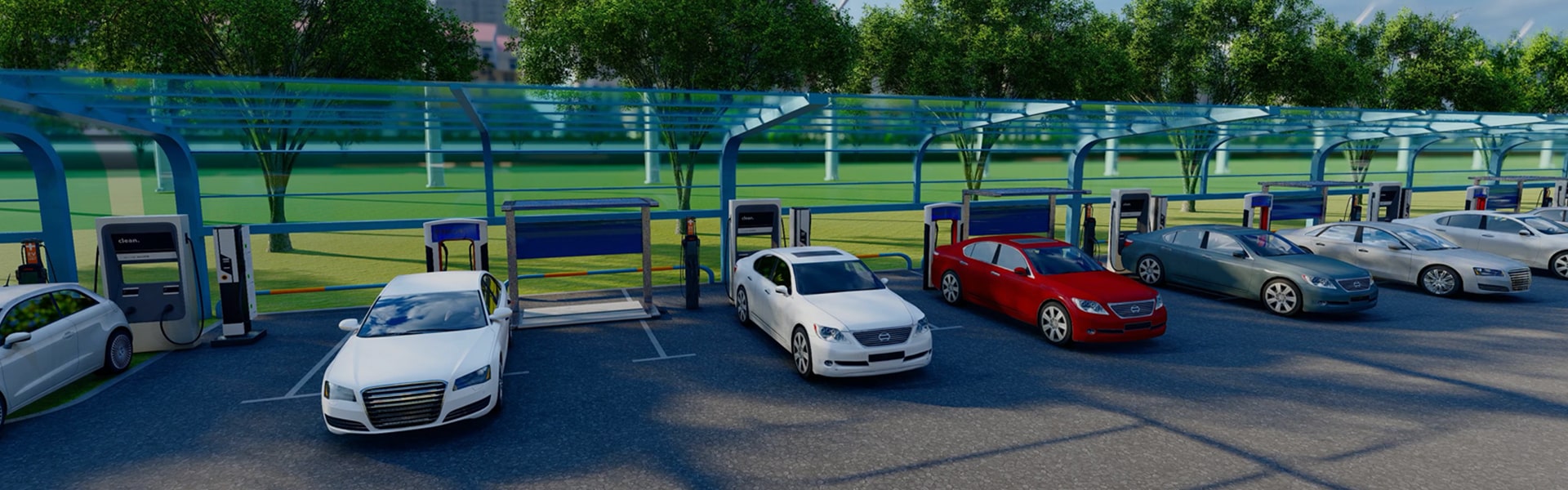
For public EV charging operators (CPOs), the challenge has shifted from basic hardware availability to grid capacity constraints and peak demand charges. High-power DC fast-charging stations (HPC) drawing several megawatts can strain local distribution grids, driving the need for integrated energy storage systems (BESS) and smart power management. As a leading China Public EV Charging Station Factory, Mida Group has designed its architectures to address these exact problems, integrating localized smart microgrids, vehicle-to-grid (V2G) capabilities, and dynamic power distribution.
Mida Group's BESS-integrated EV charging piles present a significant technological leap. By pairing high-capacity batteries (ranging from 60kWh to over 2MWh) directly with DC power converters, our systems decouple peak vehicle charging demands from the local utility grid. During periods of low electricity rates, the integrated battery banks store energy. When a vehicle initiates a supercharging cycle (e.g., 360kW-480kW split charging), the station supplies power concurrently from the grid and the BESS, minimizing peak demand penalties and preventing grid drops.
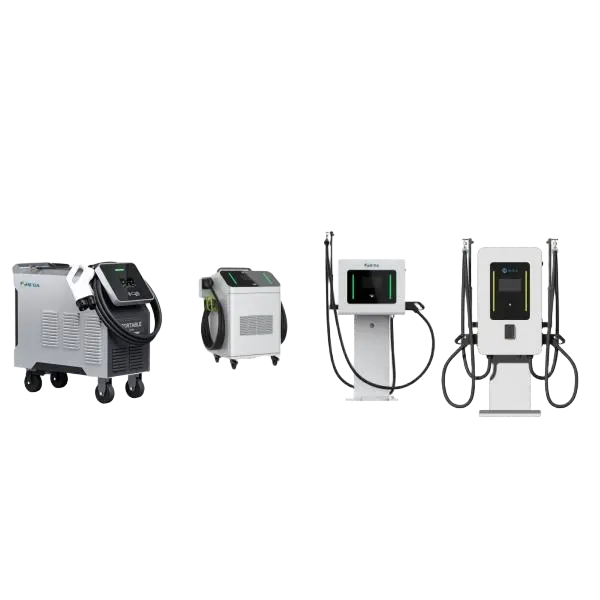
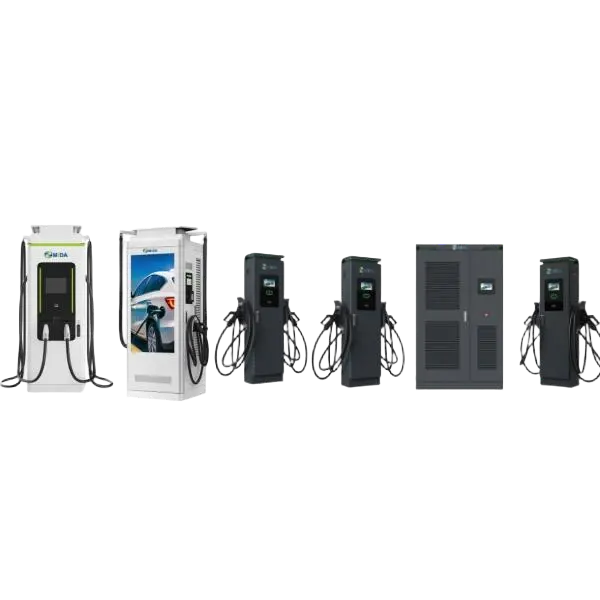
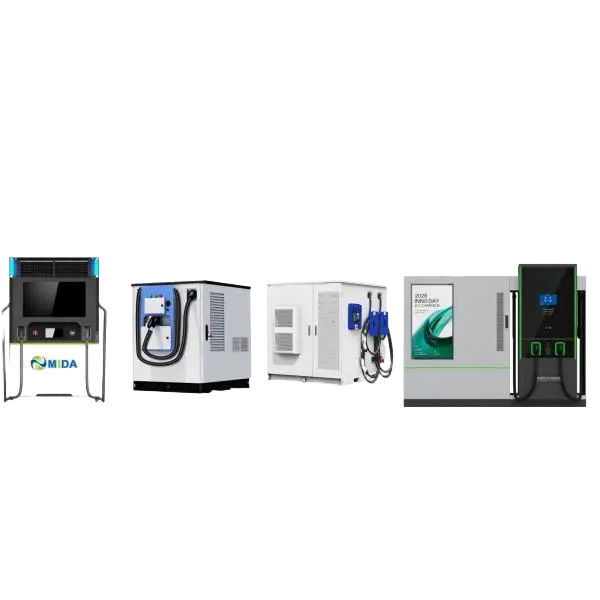
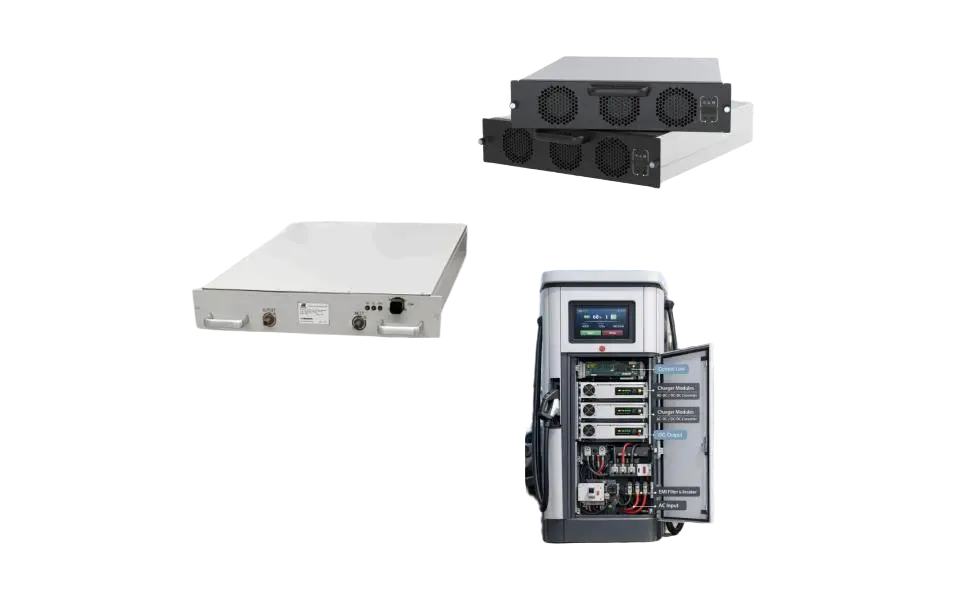
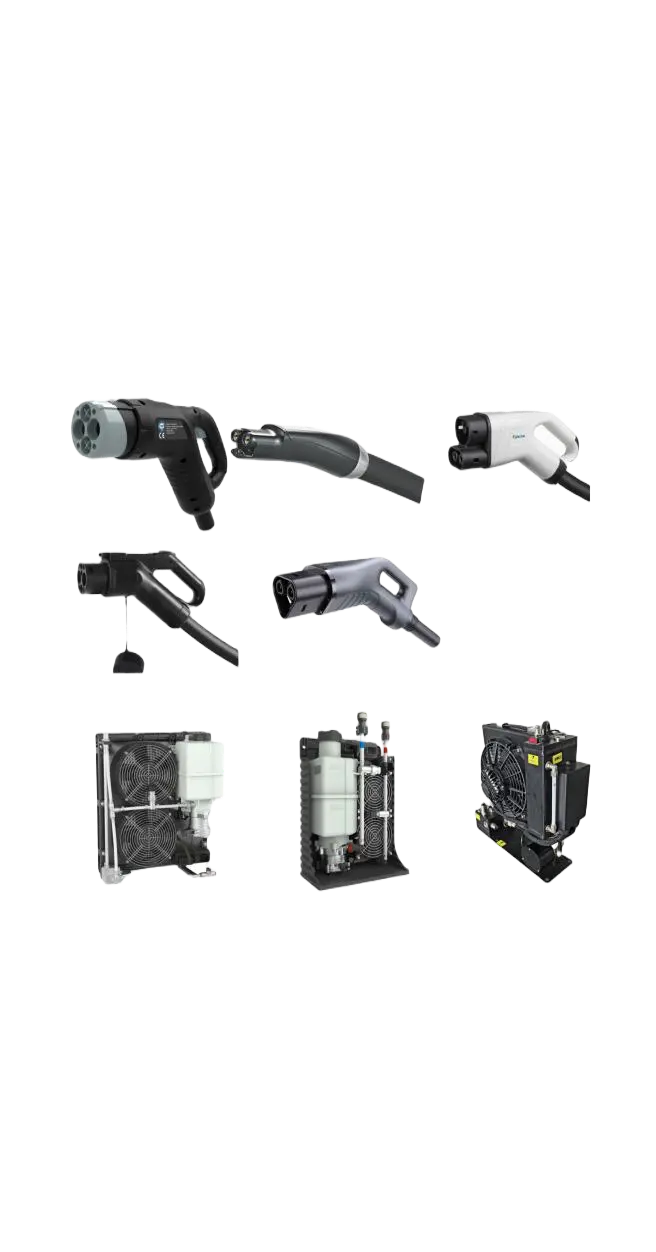
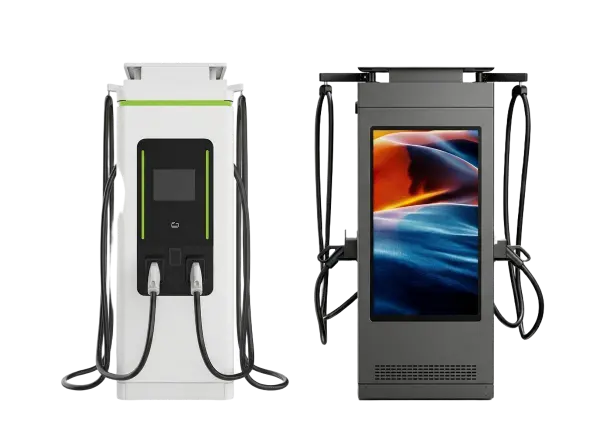
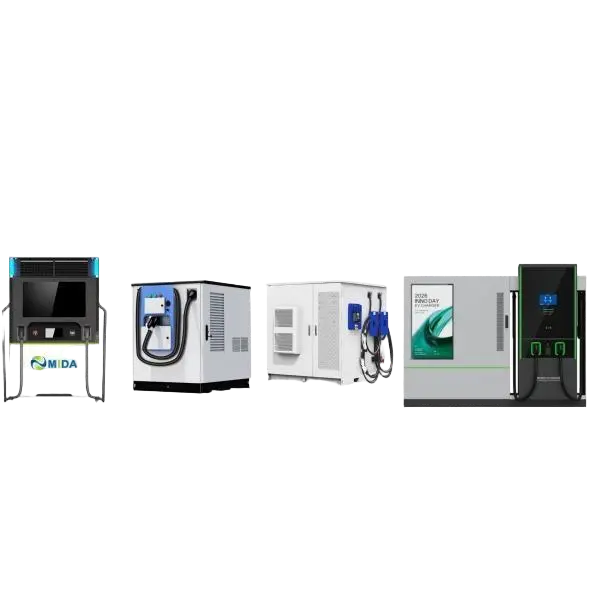
Exporting EV charging infrastructure internationally demands deep compliance. Mida Group's systems are built to meet the legal, structural, and electrical grid requirements of each jurisdiction. We develop bespoke charging systems tailored to the safety codes of North America, the European Union, the United Kingdom, and the Asia-Pacific region.
Our manufacturing facility strictly complies with ISO 9001:2015 Quality Management Systems, ISO 14001:2015 Environmental Management Systems, and ISO 45001:2018 Occupational Health and Safety standard codes. In addition, Mida Group's hardware undergoes exhaustive validation at accredited international testing labs.
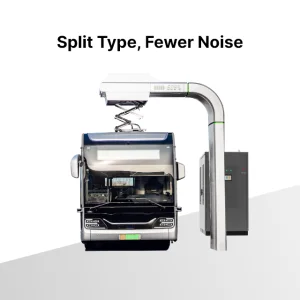
In municipal bus depots, charge windows are often compressed into tight off-peak night cycles. To support these operations, Mida Group supplies advanced high-power automated contact systems, including e-bus pantograph systems (ranging from 300kW to 600kW). By charging via top-down contact systems, transit networks can replenish bus fleets rapidly without manual connector operations, ensuring safety and efficiency.
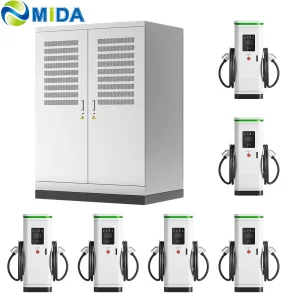
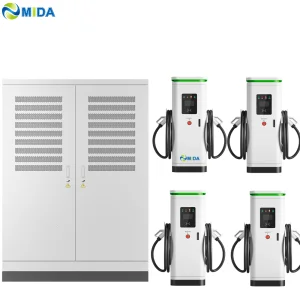
For heavy-duty trucking hubs, our 360kW-480kW split chargers utilize dynamic power sharing. An intelligent power cabinet routes energy dynamically across multiple dispensers. If one vehicle's state-of-charge (SoC) allows higher power ingestion, the system channels energy to it; as its intake declines, excess capacity transitions to neighboring dispensers. This dynamic load balancing maximizes throughput and significantly lowers the Total Cost of Ownership (TCO).
The EV infrastructure sector is evolving rapidly toward the Megawatt Charging System (MCS) standard, which can deliver up to 3.75 Megawatts of electrical energy per vehicle. This high throughput generates massive thermal energy in cables and connectors. Mida Group's engineering team is actively researching next-generation liquid-cooling units utilizing non-conductive synthetic fluids to dissipate heat safely.
Furthermore, our development division is optimizing V2G bidirectional modules. As electric vehicles act as mobile grid storage units, bidirectional charging stations will soon allow CPOs to feed power back into the grid, creating virtual power plants (VPPs) and unlocking new streams of revenue.
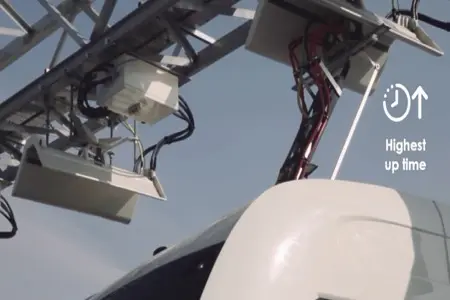
What are the advantages of an e-bus pantograph dome? In contrast to classic plug-in charging systems, e-bus pantograph dome designs offer automated connections and higher safety levels.
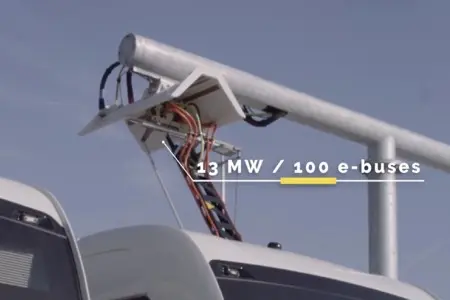
How long does it take to charge with an e-bus pantograph? The charging time depends on the battery capacity and the station's max power delivery, typically completing in minutes.
How to Install the Pantograph Up Charger System Dome for Electric Bus. Installing a “Pantograph Up” system requires careful site evaluation, structural support, and grid connection.