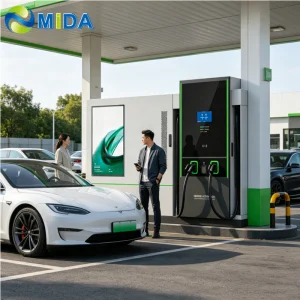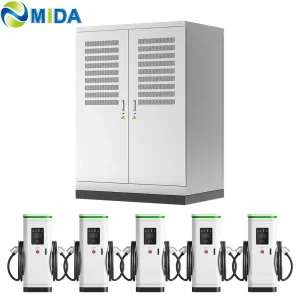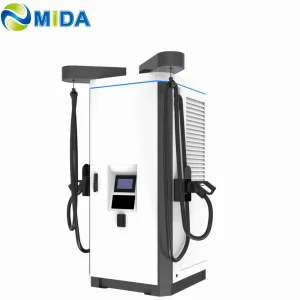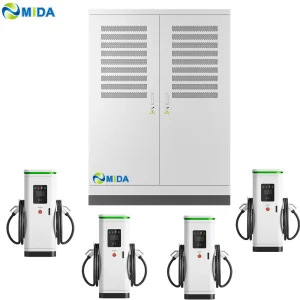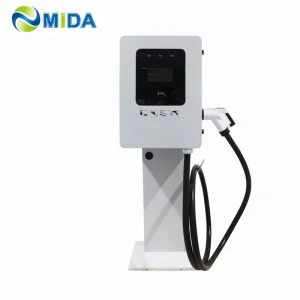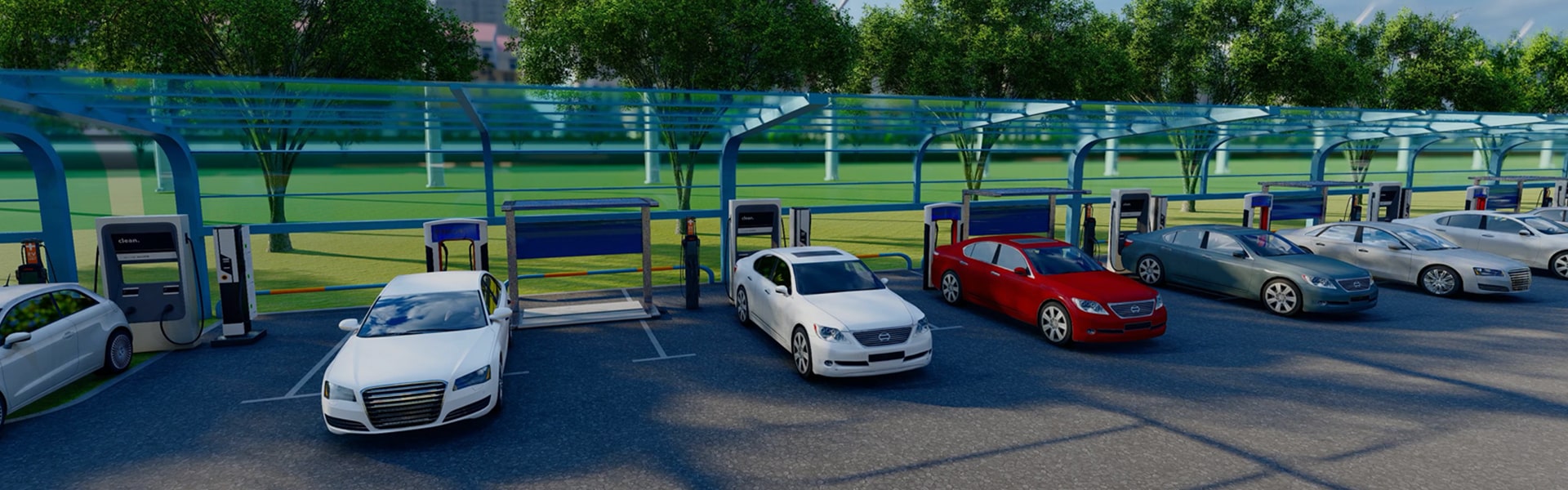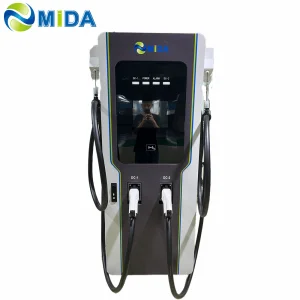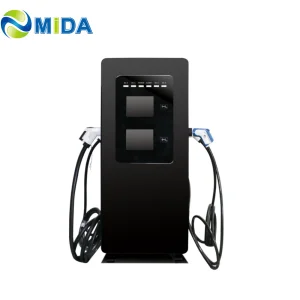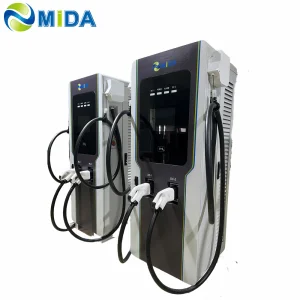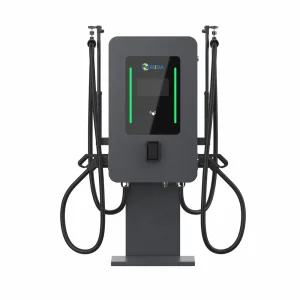
Explore our cutting-edge, high-efficiency DC fast chargers, engineered to support CHAdeMO, CCS, and NACS configurations globally.
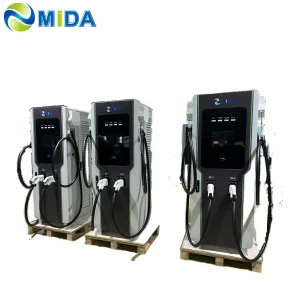
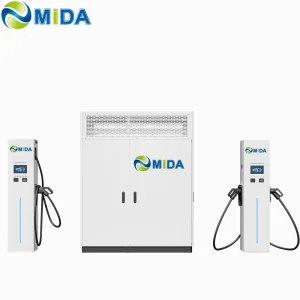
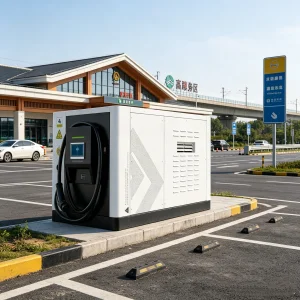
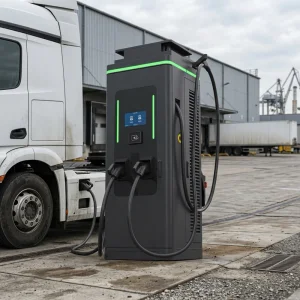
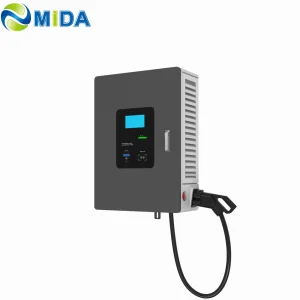
Shanghai Mida Cable Group Ltd. operates at the global frontier of electric vehicle charging technology through its wholly owned, highly specialized subsidiaries: Shanghai Mida EV Power Co., Ltd., Shenzhen Mida EV Power Co., Ltd., and Shanghai Mida New Energy Co., Ltd.
By integrating advanced materials science with state-of-the-art power electronics, Mida Group has established a vertically integrated manufacturing ecosystem. From internal cable extrusion and patented contact geometry designs to ultra-reliable bidirectional charging software and high-density liquid-cooled modules, we supply global charging networks with infrastructure components that withstand harsh conditions.
"Our engineering DNA guarantees that every portable CHAdeMO and CCS system we manufacture delivers maximum uptime, uncompromised thermal safety, and total compliance with European, American, and Asian grid regulations."
 Global Leader
A comprehensive white paper on grid independence, compliance, and core engineering paradigms for B2B procurement officers.
As the electrification of transportation accelerates globally, heavy-duty logistics fleets, municipal utility fleets, and roadside emergency networks face a critical challenge: grid flexibility. Fixed DC fast-charging stations require complex permitting, high civil engineering costs, and extensive lead times. Portable CHAdeMO chargers and dual-protocol (CCS & CHAdeMO) mobile systems have emerged as the premier solution for flexible, on-demand charging infrastructure.
Although standard CCS and NACS interfaces dominate new passenger vehicle rollouts in North America and Europe, the CHAdeMO protocol remains indispensable. Millions of legacy vehicles, commercial electric vans, and specialty industrial vehicles globally rely on CHAdeMO's robust bidirectional communication protocol. By maintaining high-power portable CHAdeMO compatibility, fleet operators and charging service providers protect their investments and ensure complete coverage for all incoming electric vehicles.
B2B procurement managers must evaluate several technical criteria when sourcing mobile charging equipment. Key requirements include:
China's Yangtze River Delta and Pearl River Delta house the world's most advanced EV battery and power electronics supply chain. By sourcing from Shanghai Mida Cable Group, global buyers leverage distinct industrial advantages:
| Strategic Indicator | MIDA Group Standards | Industry Standard Average |
|---|---|---|
| Vertical Integration Level | In-house Cable, Connector, Power Module, and Assembly manufacturing | Outsourced component assembly (Higher cost markup) |
| Response Time (R&D changes) | 2 to 3 weeks for customized hardware modifications | 8 to 12 weeks standard lead time |
| Certification Benchmarks | ETL, UL2231, CE (TUV), RoHS, CB, CHAdeMO certified | Limited certification profiles |
| Thermal Overload Fail-Safes | Liquid-cooled module capabilities + Pt100 temperature sensors | Basic air cooling with passive shutoffs |
Our complete ownership of raw cable production, terminal pin gold-plating technologies, and digital controller board manufacturing enables us to offer tier-1 pricing while matching or exceeding the reliability of premium European and American brands.
Explore our core business divisions catering to distinct sectors of the global clean energy economy.
Compact, durable AC systems for home and depot applications.
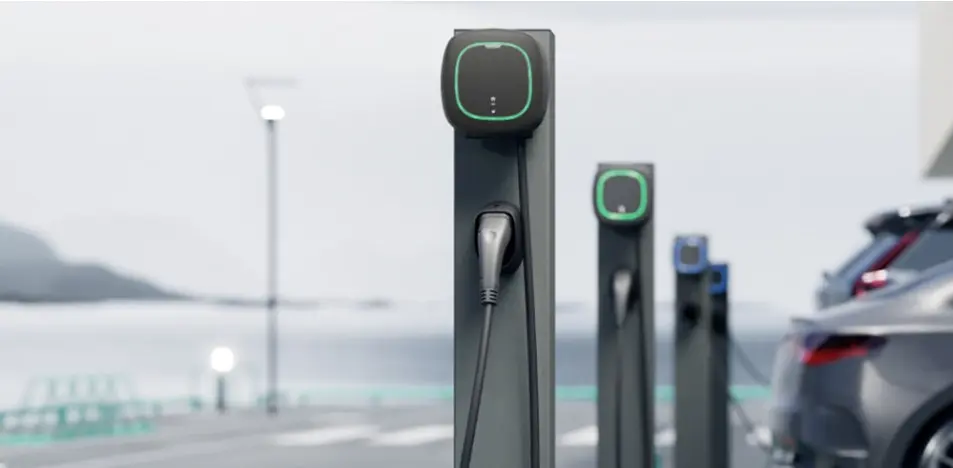
Highly efficient, smart residential and commercial AC stations designed to withstand severe weather conditions.
Explore AC Series →7kW | 20kW | 30kW | 40kW | 60kW | 80kW
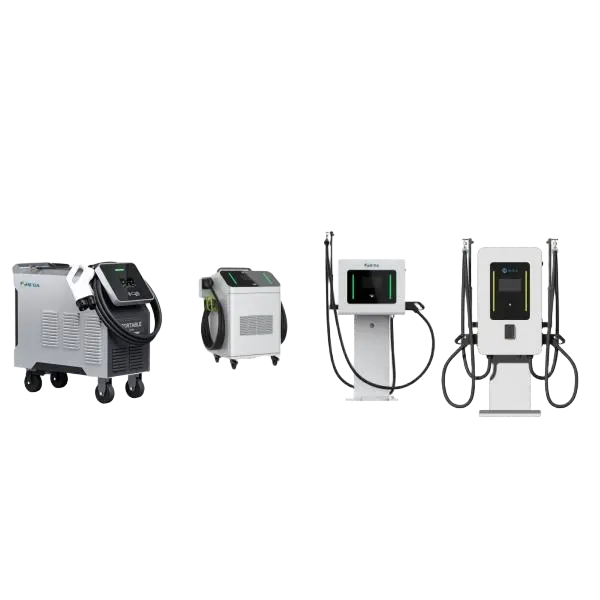
Flexible DC solutions featuring quick wall installation or wheel-based mobility for mechanics, fleets, and depots.
Explore Mobiles →60kW-480kW | 360kW-1440kW Ultra Fast
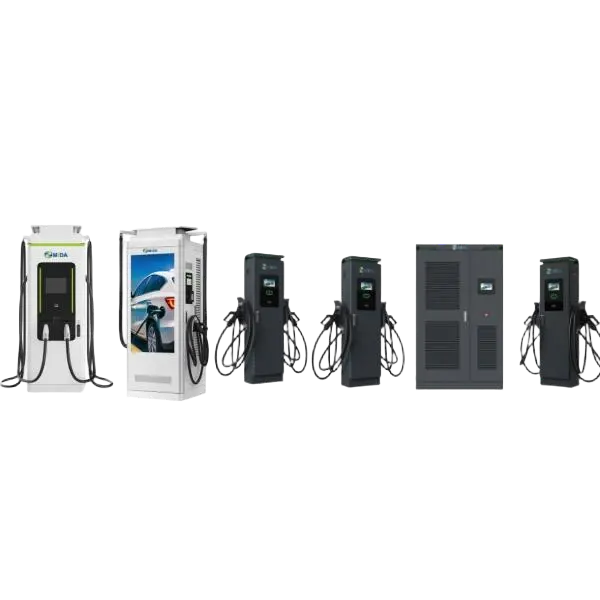
High-power, split-type flexible public charging piles engineered for high-frequency usage in urban centers.
Explore Stations →60kWh | 261kWh | 418kWh | 2MkWh Grid Buffer
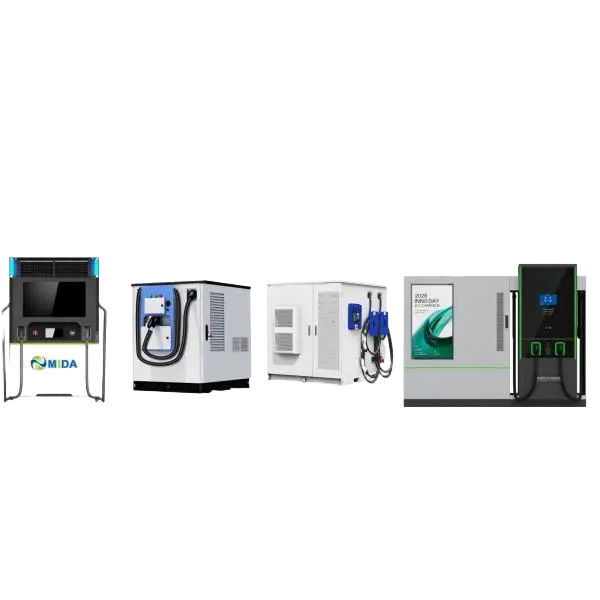
Grid-independent fast charging powered by integrated lithium battery energy storage systems.
Explore BESS →We supply every element of the EV charging chain—from discrete power modules to heavy duty megawatt pantographs.
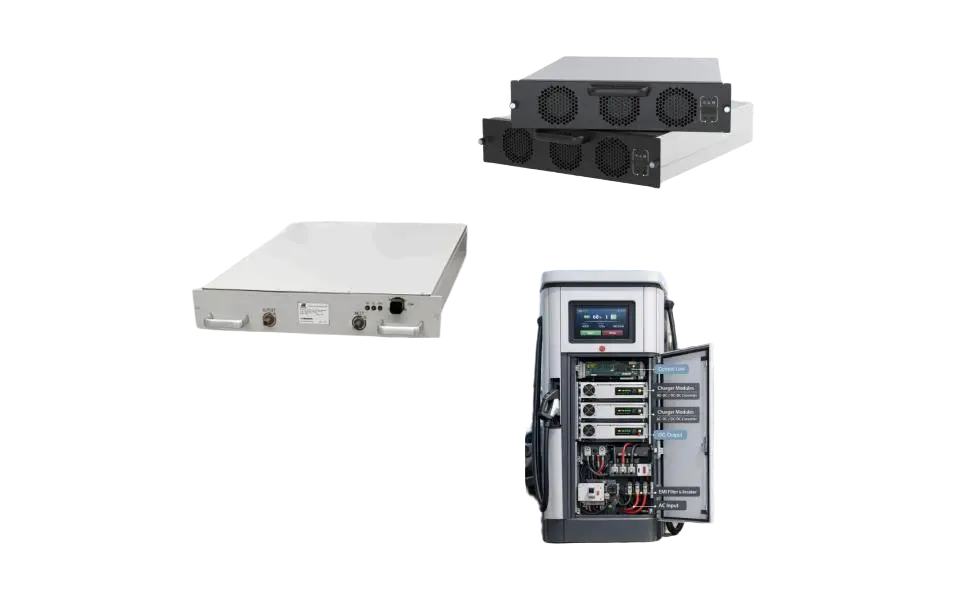
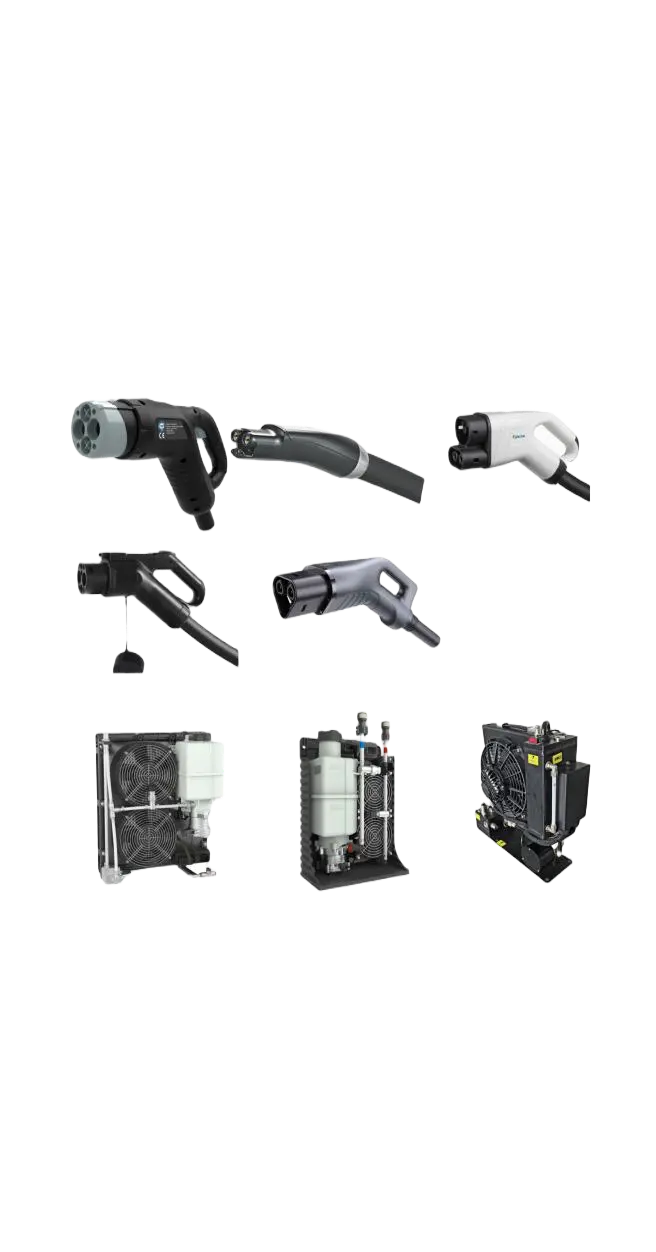
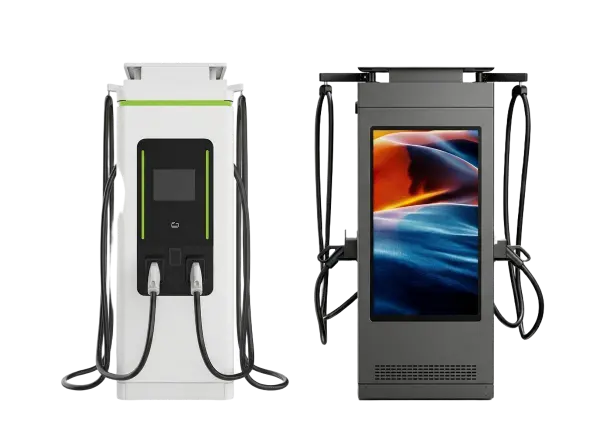
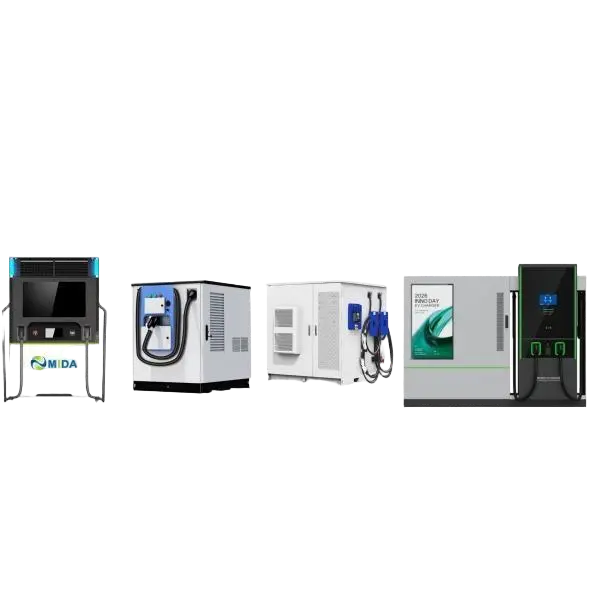
Ensuring grid safety, regulatory compliance, and system lifetime value in North American, European, and Asian jurisdictions.
For high-voltage mobile applications, ground safety is paramount. Mida Group incorporates state-of-the-art Insulation Monitoring Devices (IMD) inside our portable CHAdeMO and CCS chargers. If the device detects impedance between the high-voltage DC bus and the vehicle frame/earth ground drop below the critical limit (typically less than 100 ohms per volt), our solid-state relay array disconnects the charging circuit in under 10 milliseconds.
This levels up protection against electrocution risks in rainy, snowy, or muddy roadside conditions. Additionally, our dual-processor architecture runs safety-critical subroutines entirely isolated from the communications layer, guaranteeing that software updates do not affect core protection profiles.
Deploying high-power portable chargers on weak commercial grids or mobile diesel generators can cause severe harmonic distortion. Mida's internal 30kW - 80kW power modules utilize an advanced active Power Factor Correction (PFC) stage, bringing the total harmonic distortion (THD) of input currents below 5% at full load, with a power factor exceeding 0.99.
This prevents grid overheating, eliminates nuisance tripping of local distribution transformers, and enables smooth operations when drawing power from diesel generator sets during emergency highway rescues.
We supply products with authentic certifications verified by global testing bodies:
Where mobile fast-charging units deliver immediate ROI and operational flexibility.
Equip highway assistance fleets with battery-buffered mobile units to rescue stranded EVs with 30-50 miles of range in less than 15 minutes, avoiding flatbeds.
Optimize operations when grid infrastructure upgrades are delayed. Shift portable chargers across fleet bays to support overnight charging of delivery vans.
Easily run diagnostic test cycles and fast-charge customer vehicles directly in service bays without installing permanent floor-anchored pylons.
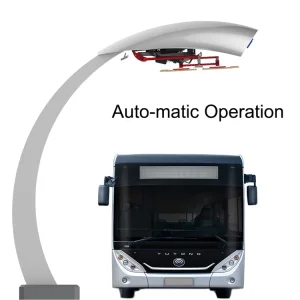
Explore the engineering behind pantograph-up charging configurations and high-power transit fleet charging.
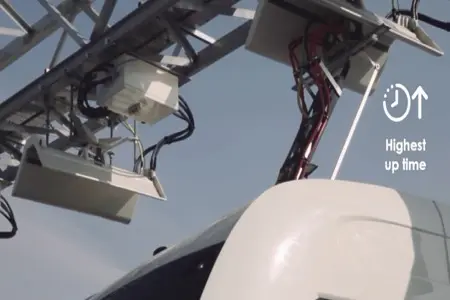
What are the advantages of an e-bus pantograph dome? In contrast to classic plug-in charging systems, e-bus pantograph domes enable hands-free high-power charging for commercial urban bus lines.
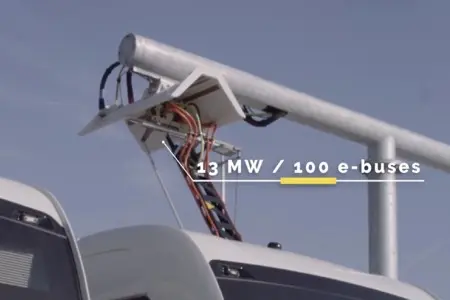
How long does it take to charge with an e-bus pantograph? Charging time depends on the battery pack chemistry and the output power, but high-power megawatts can charge a standard bus to 80% in 5-10 minutes.
How to Install the Pantograph Up Charger System Dome for Electric Bus: A comprehensive overview of mounting structures, high-voltage cabling routing, alignment calibration sensors, and commissioning procedures.
Direct answers from our senior engineering team on product compliance, deployment, and customization.
Explore our high-voltage, multi-standard DC charging stations designed for municipal bus systems, commercial fleet hubs, and highways.