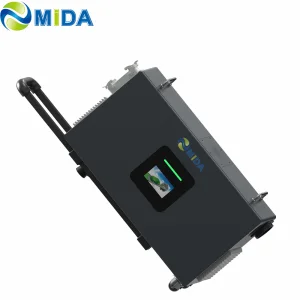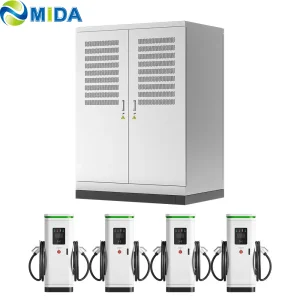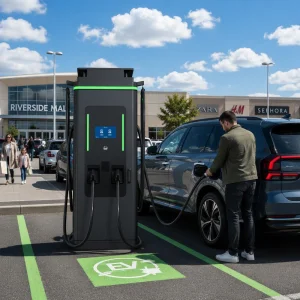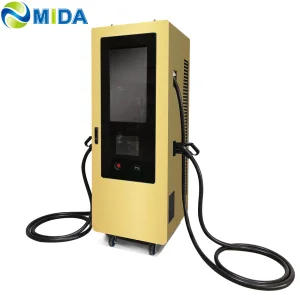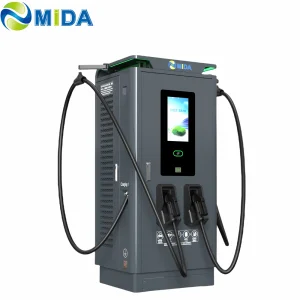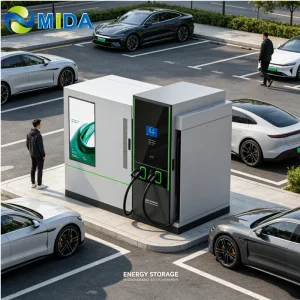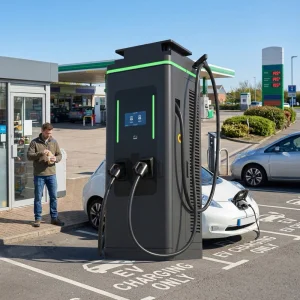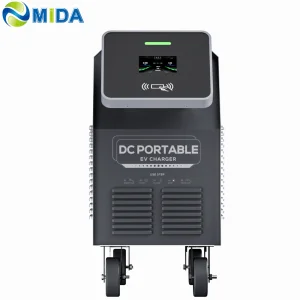
Engineered for high availability, public corridors, and fleet electrification infrastructures.
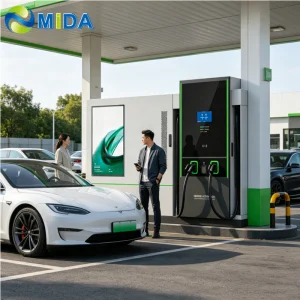
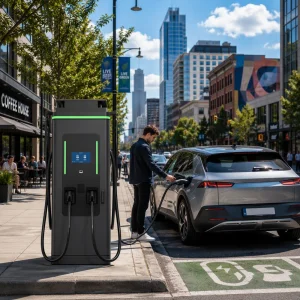
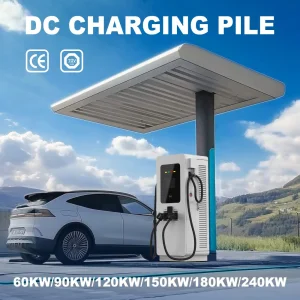
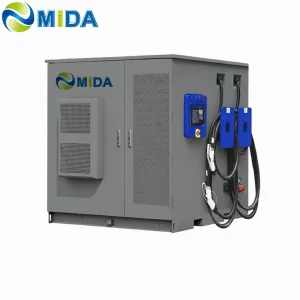
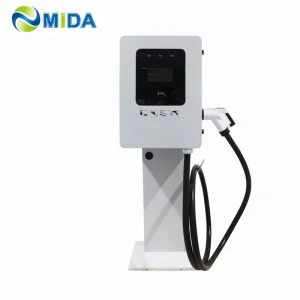
As transportation agencies, municipal authorities, and commercial fleet operators accelerate transition protocols to zero-emission configurations, the demand for Level 3 350kW charging systems has escalated. A 350kW system, typically operating at 800V to 1000V DC, addresses range anxiety by adding up to 300 kilometers (approx. 186 miles) of driving range in under 10 minutes. This makes them critical assets for highway service plazas, high-frequency transit corridors, and heavy-duty logistics yards.
In Europe and North America, purchasing specifications are governed by regulatory compliance mandates. In the United States, the National Electric Vehicle Infrastructure (NEVI) program mandates at least four 150kW+ CCS1 or NACS ports per station, with a strong tilt towards 350kW high-power dispensers. Meanwhile, Europe's Alternative Fuels Infrastructure Regulation (AFIR) mandates minimum power requirements along the Trans-European Transport Network (TEN-T). Procurement entities require manufacturers in China to provide robust local compliance documentation, verified component sourcing, and modular power unit designs that guarantee 99% uptime.


Shanghai Mida Cable Group Ltd. operates through its wholly owned subsidiaries: Shanghai Mida EV Power Co., Ltd., Shenzhen Mida EV Power Co., Ltd., and Shanghai Mida New Energy Co., Ltd.
Mida Group integrates advanced materials science with heavy power electronics manufacturing to serve the entire EV infrastructure value chain. By developing and manufacturing core components in-house—such as liquid-cooled high-power connectors, power converter modules, and high-performance DC cables—we ensure complete hardware integration, lower costs, and superior Quality Control (QC).
An overview of technical paradigms, modularity, and interconnectivity protocols designed by MIDA.
Operating continuously at 500A generates thermal challenges that standard air-cooled lines cannot resolve. MIDA utilizes direct liquid-cooling technologies inside the cable assembly, permitting lightweight, highly flexible conductors to deliver 350kW without thermal cutout risk.
Mida New Energy designs standard and custom EV charger power modules utilizing Silicon Carbide (SiC) semiconductor architectures. This improves module power conversion efficiency to >97%, reduces heat output, and minimizes footprint.
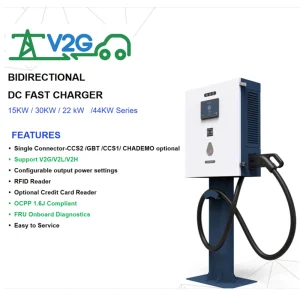
Our fast chargers support Plug & Charge, bidirectional data flows, and complex certificate handling required by the ISO 15118 standard. This matches with OCPP 2.0.1, enabling remote diagnostics, grid stability features, and smart billing APIs.
Explore our diverse catalog of high-power charging assets, sub-assemblies, and localized solutions.
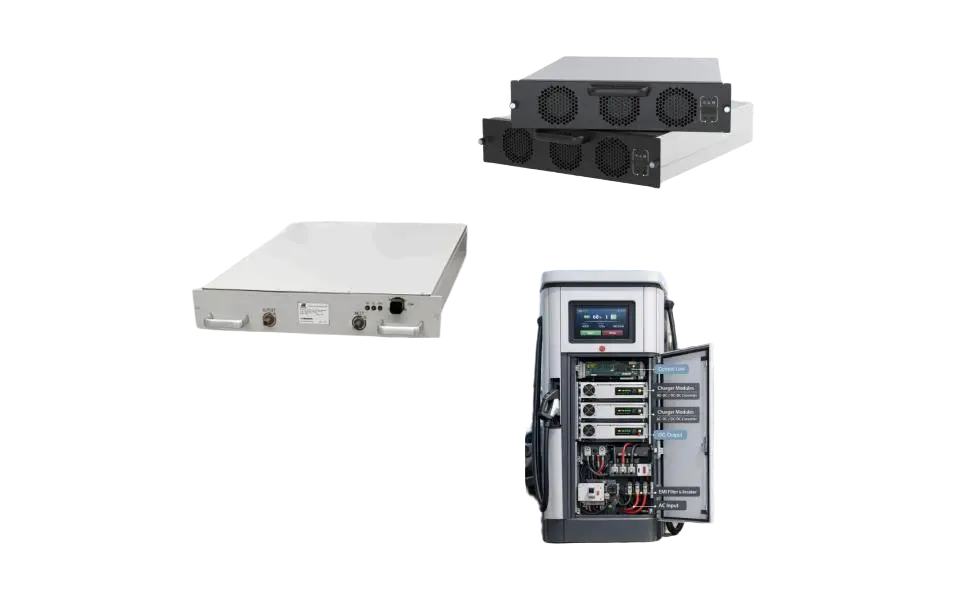
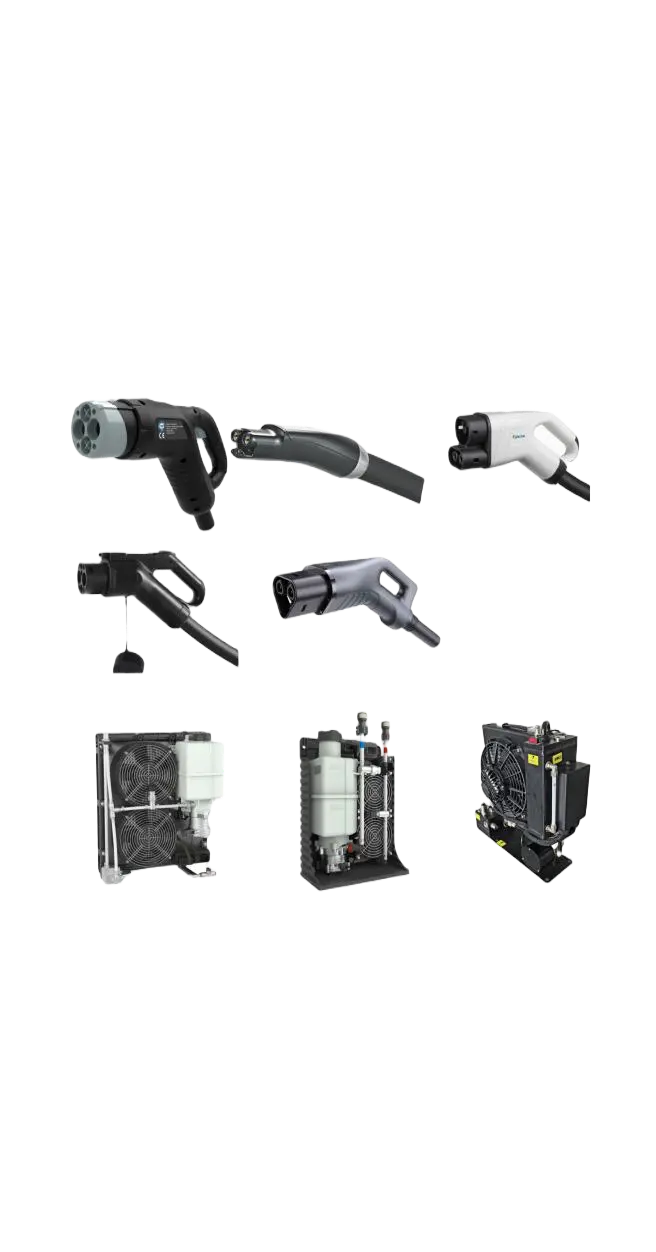
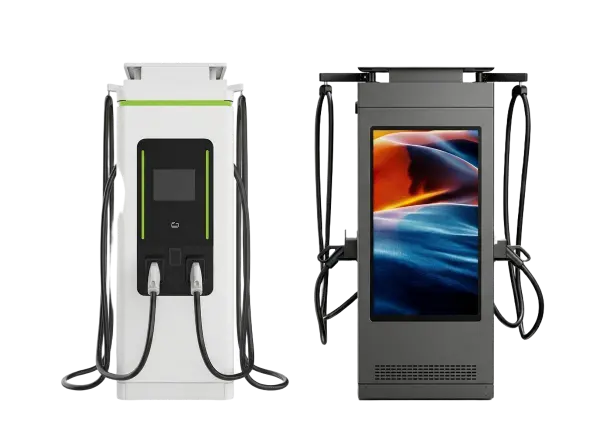
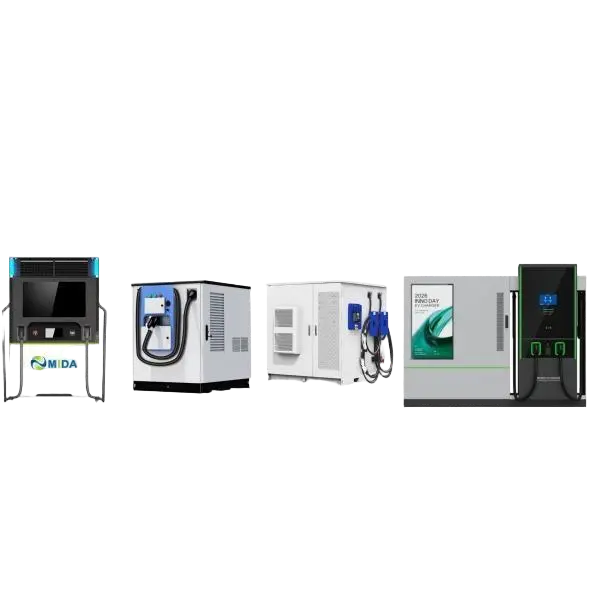
Discover how MIDA organizes its core divisions to support specific field deployments.
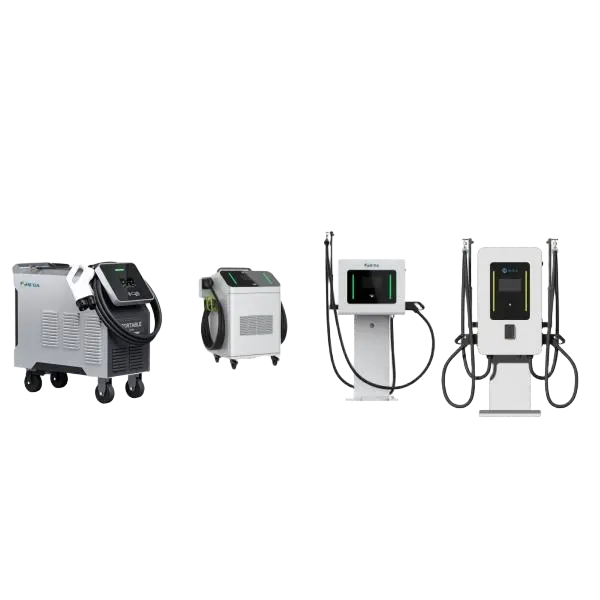

Ideal for workplace and depot fleets.
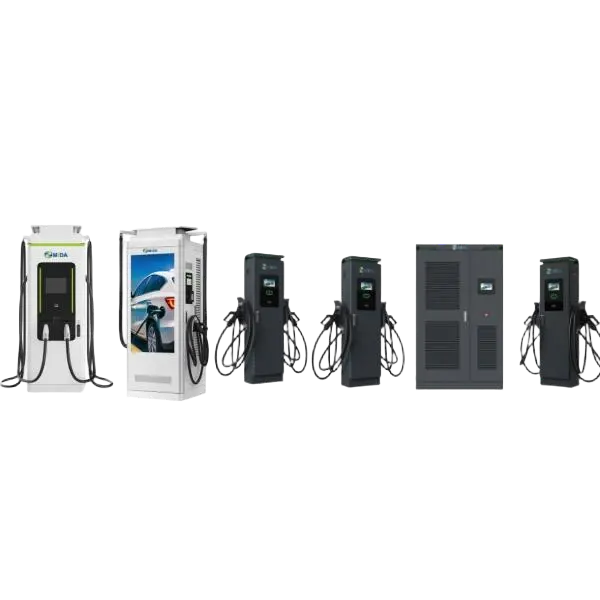
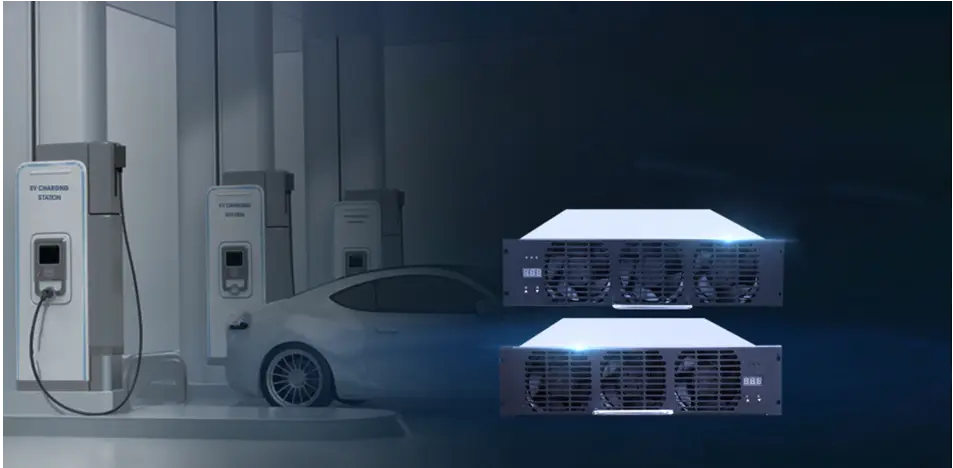
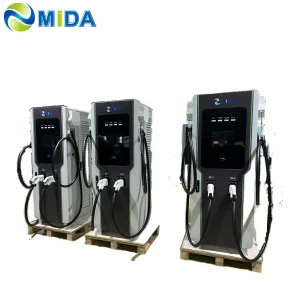
Multi-standard dispensers with dynamic power allocation.
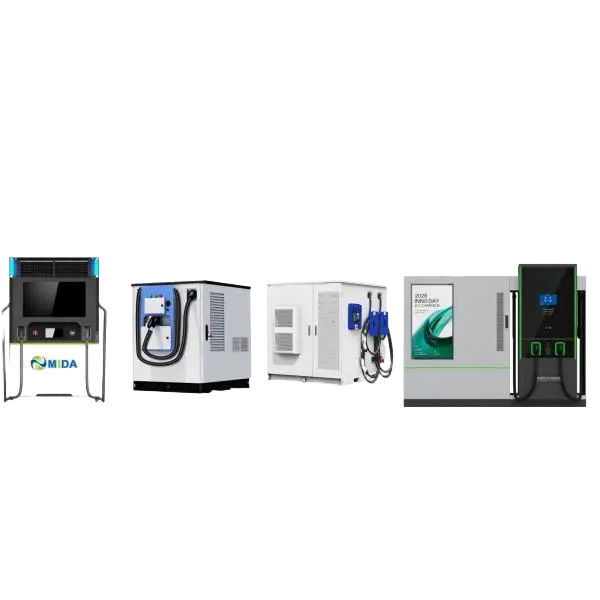
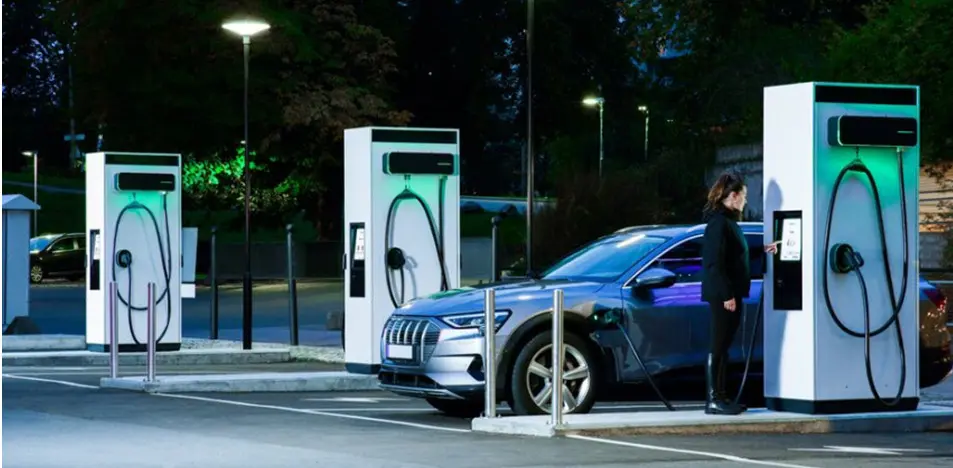
Mitigates grid fees and enables off-grid deployment.
How MIDA addresses grid constraints and heavy transport requirements.
Deploying multiple 350kW charging ports poses significant grid capacity challenges. For instance, a four-port station operating at peak capacity demands 1.4MW. This often requires costly grid upgrades, sub-station installs, and long utility lead times.
To address this, MIDA provides integrated Battery Energy Storage Systems (BESS). By pairing our 350kW Level 3 charging cabinets with modular BESS (ranging from 241kWh up to 2MWh), station operators can pull power from the grid at a constant, lower rate, storing it in localized lithium batteries. During charging peaks, the BESS discharges to support the 350kW ultra-fast delivery, eliminating demand charge spikes and optimizing operational costs.
Read our latest research and design analysis on pantograph solutions and high-power operations.

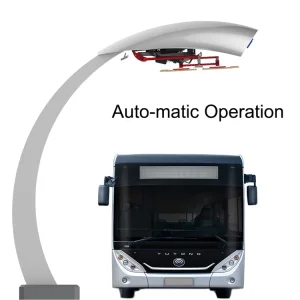
In contrast to classic plug-in charging systems, e-bus pantograph systems provide hands-free automated connection, higher transfer rates up to 1000A, and faster turnaround times at transit stations.
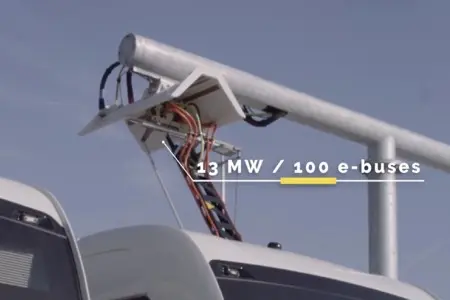
The charging time depends on the battery capacity and the power supply. With 600kW output, transit buses can regain 80% charge within 6 to 15 minutes during route pauses.
Installing a “Pantograph Up” system requires structural alignment, heavy power hookups, and OCPP telemetry integration. Review our installation guide for site planning tips.
Direct answers from our engineering division to key questions from CPOs, electrical engineers, and fleet operators.
High-power modular hardware designed for reliability and demanding duty cycles.