UL-Listed, Compliant, and Built for Harsh Environments: Showcase of MIDA's Leading EV Infrastructure Products
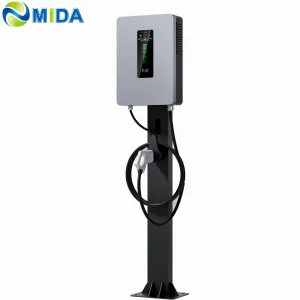
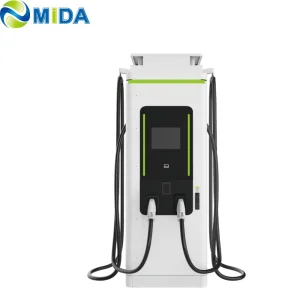
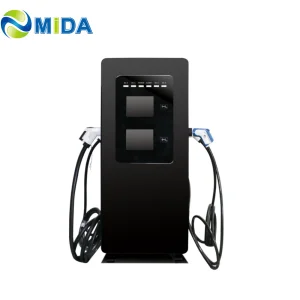
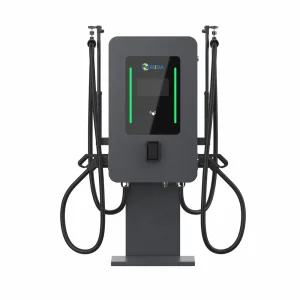
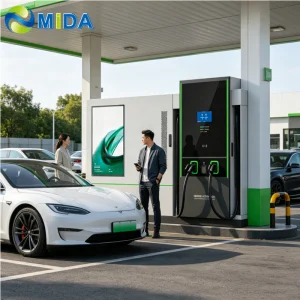
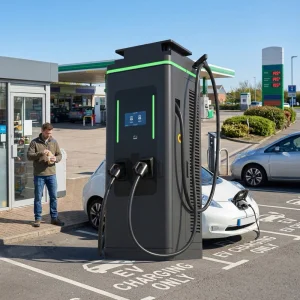
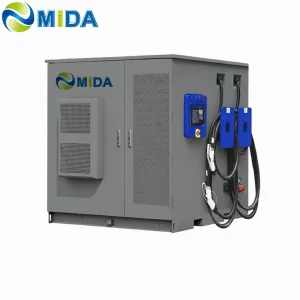
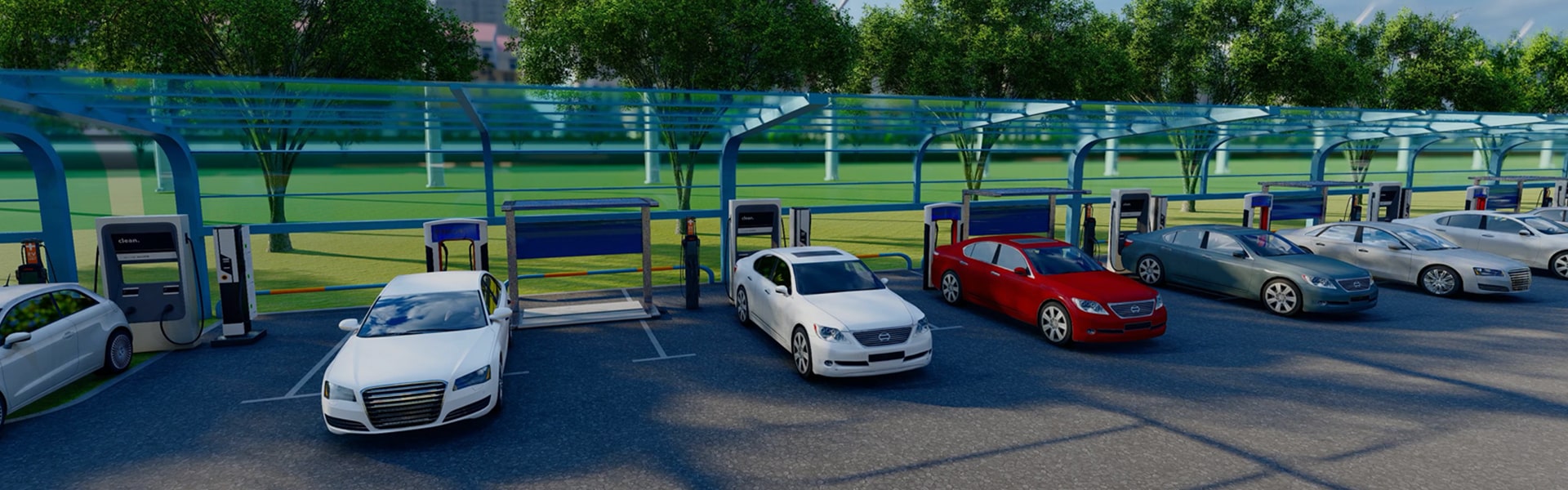
Optimized systems covering the entire value chain from AC Level 2 to High-Power Megawatt BESS systems
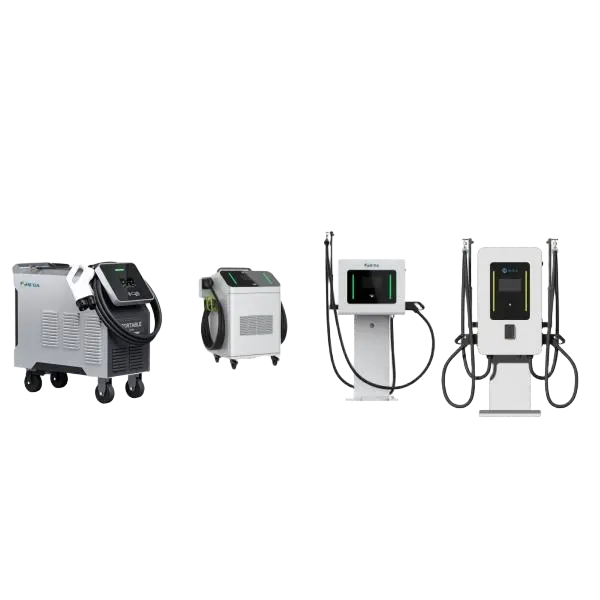
Compact, high-efficiency systems for commercial, fleet, and public deployments in compact spaces.
Explore AC & Mobile Range >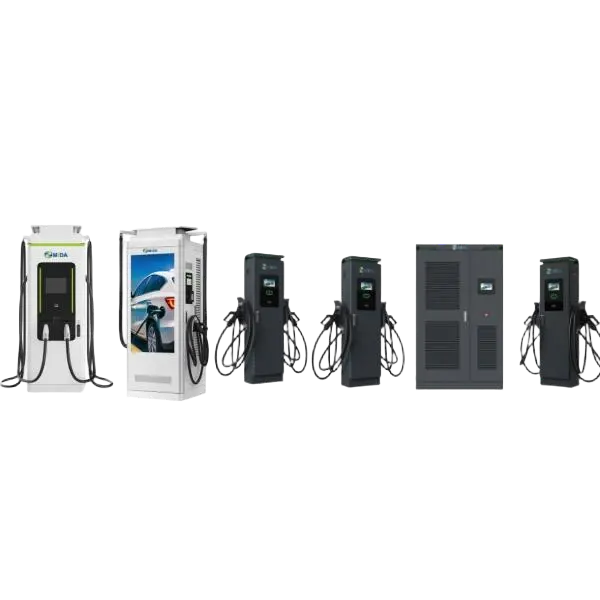
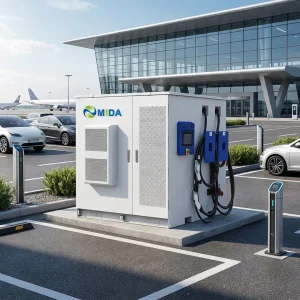
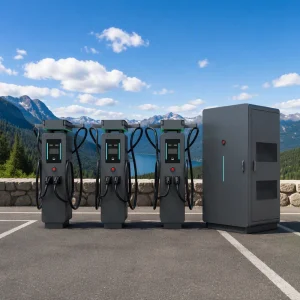
High-capacity public charging corridors and heavy-duty electric truck/bus depot charging piles.
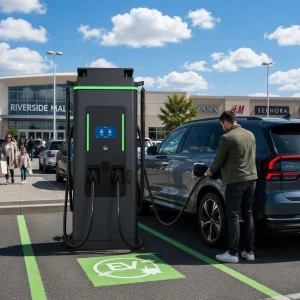
Explore DC fast chargers >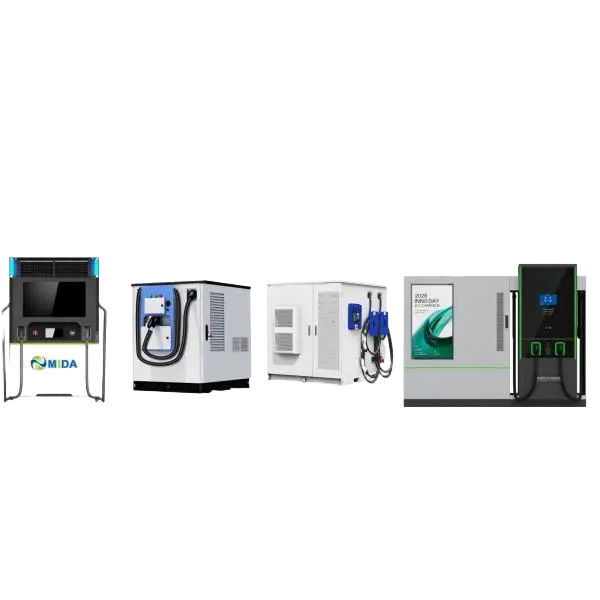
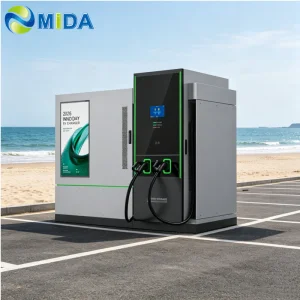
Energy storage combined with rapid EV dispensing, reducing local grid upgrade requirements.
Explore Smart BESS solutions >Canada is experiencing an unprecedented acceleration in electric vehicle (EV) adoption, driven by bold federal mandates and provincial incentives aiming for 100% zero-emission passenger vehicle sales by 2035. Achieving these goals requires robust, high-performance EV charging infrastructure capable of operating flawlessly under Canada's uniquely demanding environmental and regulatory conditions. Operating high-power charging networks in cities like Toronto, Vancouver, Montreal, or remote industrial zones requires sourcing equipment that achieves the perfect equilibrium between advanced electrical engineering, financial feasibility, and extreme climate endurance.
For fleet operators, public utility networks, real estate developers, and commercial procurement departments across Canada, sourcing directly from high-tier Chinese EV charging station factories offers a clear competitive edge. China dominates the global EV supply chain, boasting unparalleled advantages in research and development, raw material access, and manufacturing scale. However, importing and deploying these advanced systems in Canada requires deep expertise in local electrical standards, utility grid integration, and localized support protocols.
Deploying EV charging hardware in Canada is strictly governed by national and provincial regulatory boards. Equipment safety, billing transparency, and grid harmony are non-negotiable. Sourcing partners must guarantee compliance with the following critical regulatory frameworks:
In Canada, all commercial electrical equipment must bear a certification mark from an accredited testing laboratory (such as Underwriters Laboratories or the Canadian Standards Association) showing compliance with Canadian electrical safety standards. Under the Canadian Electrical Code (CSA C22.1), DC fast chargers must comply with CSA C22.2 No. 346 and carry the cULus or CSA mark. MIDA Group's UL-listed DC charging systems are tested and certified to meet the demanding requirements of UL 2202 (for DC Fast Charging Equipment) and UL 2594 (for AC EVSE), ensuring smooth municipal inspections and local utility permissions.
Unlike many global markets where commercial charging can be billed on flat rates or session lengths, Canada enforces strict regulations regarding electricity sales based on energy consumed (kWh). Measurement Canada has established clear guidelines for EV charging stations (EVSE) utilized in commercial transactions. Manufacturers must ensure their internal energy meters are calibrated and approved to Measurement Canada standards, preventing disputes and guaranteeing high billing accuracy across public networks.
Canadian winters subject hardware to extreme stress. Our stations feature dynamic heating protocols, rugged NEMA 3R/4X enclosures, and low-temperature rated internal cabling to maintain flexibility and conductivity down to -40°C. Additionally, integrations with local utility grids (such as Hydro-Québec, BC Hydro, and Hydro One) require power factor correction (>0.99) and low total harmonic distortion (THD < 5%) to protect localized distribution transformers from high-power load spikes.
Procuring EVSE directly from specialized Chinese manufacturing hubs like MIDA Group provides Canadian developers with distinct commercial advantages:
Different Canadian operating environments dictate specialized EVSE configurations:
Inside MIDA Group's state-of-the-art manufacturing facilities and advanced R&D divisions
Shanghai Mida Cable Group Ltd. operates through its wholly owned subsidiaries: Shanghai Mida EV Power Co., Ltd., Shenzhen Mida EV Power Co., Ltd., and Shanghai Mida New Energy Co., Ltd.
Mida Cable manufactures a comprehensive range of EV charging cables, including 16A–80A J1772 cables, 16A–63A IEC 62196-2 Type 2 cables, and heavy-duty DC fast charging cables: CCS1 (80A–500A), CCS2 (125A–1000A), CHAdeMO (125A–300A), GBT (200A–1000A), and NACS connectors (250A–600A).
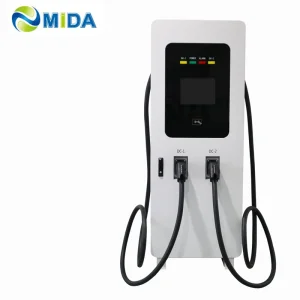
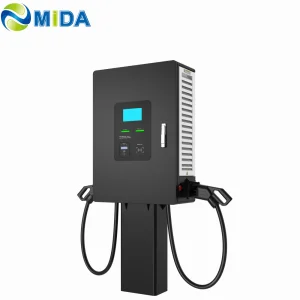
MIDA EV Power produces a full lineup of EV charging stations, such as 7kW–50kW mobile chargers, 3.6kW–7.2kW portable DC chargers, 360kW–1440kW split-type DC fast chargers, 20kW–50kW wall-mounted DC chargers, and 60kW–480kW floor-standing DC fast charging stations.
MIDA New Energy specializes in EV charger power modules, offering 20kW–60kW standard modules, 40kW–125kW liquid-cooled modules, 30kW–62.5kW bidirectional modules, and 20kW–45kW V2G charging modules.
A high-quality EV charging station is only as reliable as its internal component architecture. In contrast to simple assembly shops, MIDA Group's vertically integrated R&D produces specialized subsystems engineered to withstand extreme voltage fluctuations, thermal shifts, and heavy physical wear:
UL Listed, OCPP Compliant Fast Chargers Designed for Enterprise Procurement
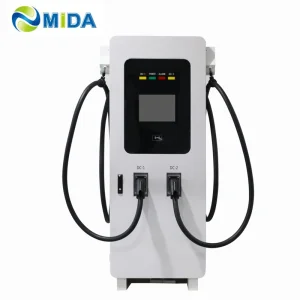
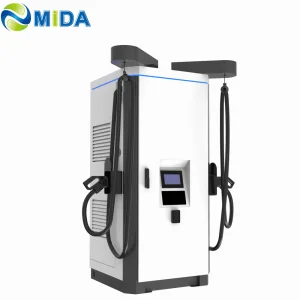
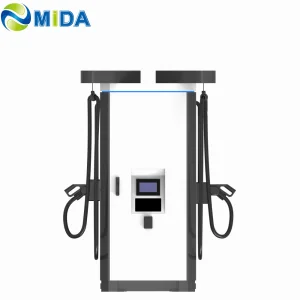
Discover how pantographs and dynamic charging structures are reshaping commercial fleet integration
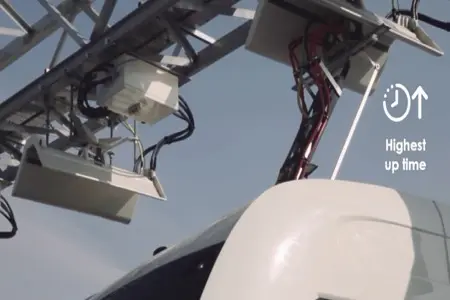
What are the advantages of an e-bus pantograph dome? In contrast to classic plug-in charging systems, e-bus pantograph systems allow automated, high-power hands-free connections during brief scheduled passenger stops...
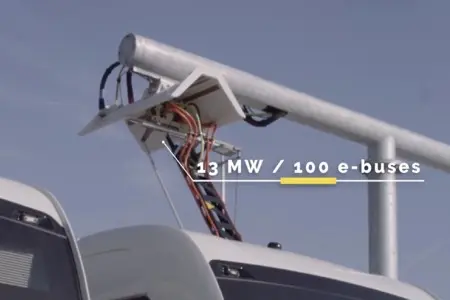
How long does it take to charge with an e-bus pantograph? The charging time depends heavily on the battery pack capacity and the grid supply capability, but megawatt-level pantographs can restore substantial range in under 10 minutes...
How to Install the Pantograph Up Charger System Dome for Electric Bus: Installing a "Pantograph Up" dome involves structural alignment, high-voltage utility connection safety, and setting up communication nodes between the vehicle and charging stack...
Critical engineering and commercial answers for Canadian importers and infrastructure developers