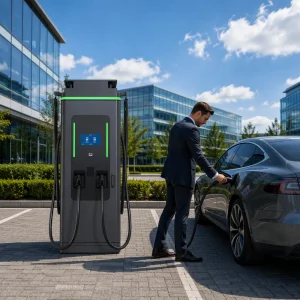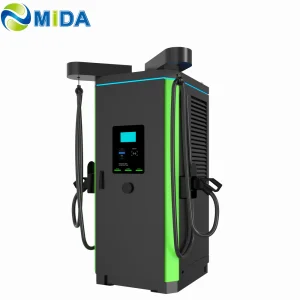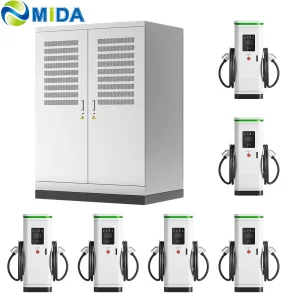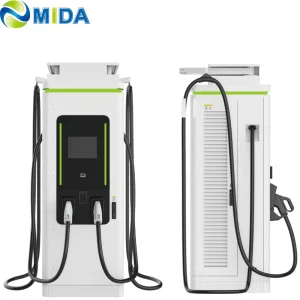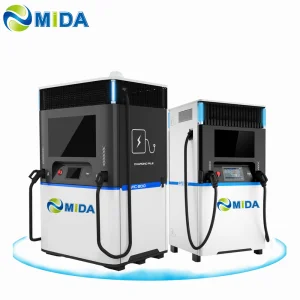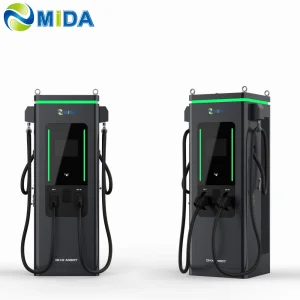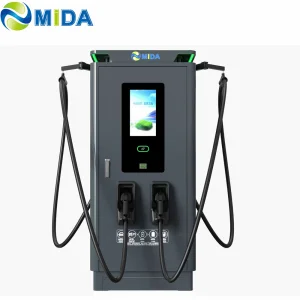
Explore our premium grade High-Power Charging (HPC) piles and Integrated Smart EVSE solutions manufactured directly from our state-of-the-art facilities.

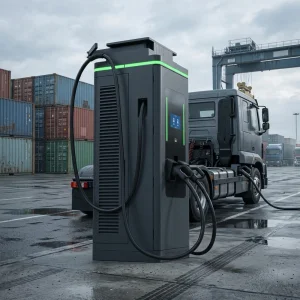
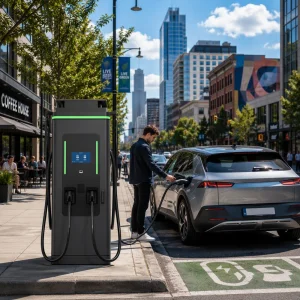
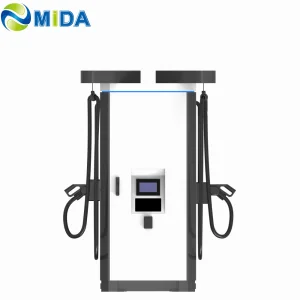
An authoritative analysis of how low-cost deployment, commercial monetization, and manufacturer ecosystems drive global decarbonization.
Within global energy markets, the search intent surrounding "Free EV Charging Stations" addresses two major industrial priorities. First, fleet operators and commercial entities search for factory-direct, royalty-free software, and open-access hardware structures that eliminate recurring subscription fees. Second, retail, hospitality, and corporate offices use "free charging" as a customer-magnet strategy, monetized through foot traffic, extended dwelling times, or brand loyalty programs.
By purchasing hardware directly from leading Chinese manufacturers, C&I operators secure high-performance, OCPP-compliant chargers without locking themselves into expensive, restrictive proprietary software agreements. This open ecosystem facilitates cost-efficient scalability, enabling operators to manage billing, firmware, and load distribution with zero-licensing platforms.
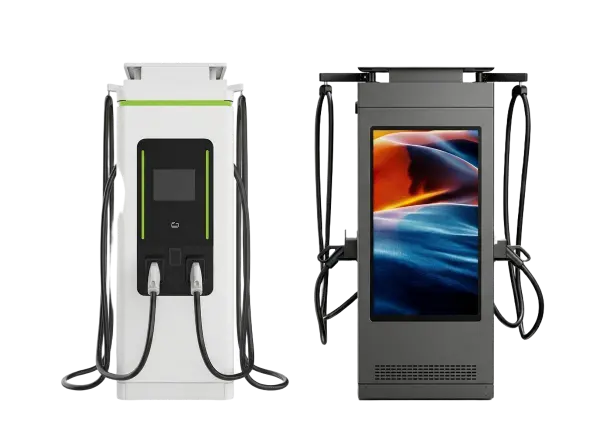
Integrating high-definition media displays (43" or 55" panels) with DC fast charging allows municipalities and retail hubs to offer zero-cost energy to end-users. The operational expenditure is fully offset by continuous programmatic digital out-of-home (DOOH) advertising revenue.
Sourcing from top-tier Chinese factories unlocks structural value including custom hardware modifications, local certification assistance, and integration-ready hardware that prevents vendor lock-in.
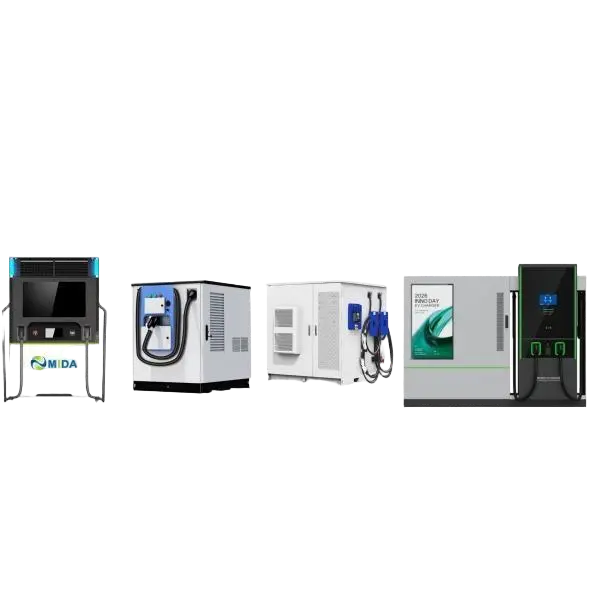
Wall-Mounted / Mobile: 7kW | 20kW | 30kW | 40kW | 60kW | 80kW
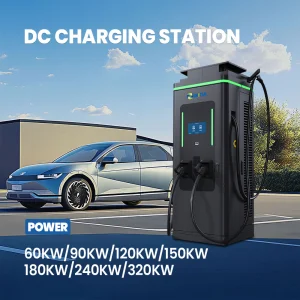
Floor-Standing Units: 60kW–480kW | 360kW–1440kW
Solar/Grid Storage: 60kWh | 261kWh | 418kWh | 625kWh | 2MkWh
A trusted global supplier specializing in cable production, high-power DC station integration, and custom V2G and liquid-cooled power modules.
Shanghai Mida Cable Group Ltd. operates through its wholly owned subsidiaries: Shanghai Mida EV Power Co., Ltd., Shenzhen Mida EV Power Co., Ltd., and Shanghai Mida New Energy Co., Ltd. This structure enables full vertical integration from base copper extrusion and smart cable manufacturing to advanced software and custom electronics assembly.
Our dedicated cable division produces a comprehensive range of EV charging cables, including 16A–80A J1772 cables, 16A–63A IEC 62196-2 Type 2 cables, and heavy-duty DC fast charging cables. We design and deliver connection interfaces across all global standards: CCS1 (80A–500A), CCS2 (125A–1000A), CHAdeMO (125A–300A), GBT (200A–1000A), and NACS connectors (250A–600A).
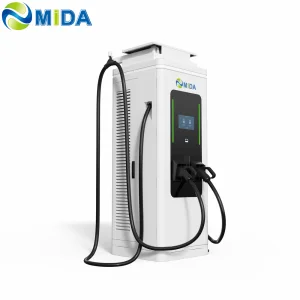
Through our dedicated divisions, MIDA EV Power builds robust, grid-friendly charging stations, from portable 3.6kW–7.2kW chargers and 20kW–50kW wall-mounted DC systems to 60kW–480kW standard stations and 360kW–1440kW ultra-high-speed split charging installations. Shanghai Mida New Energy focuses on power electronics, offering standard 20kW–60kW power modules, 40kW–125kW liquid-cooled power cores, bidirectional 30kW–62.5kW modules, and innovative 20kW–45kW V2G charging systems.
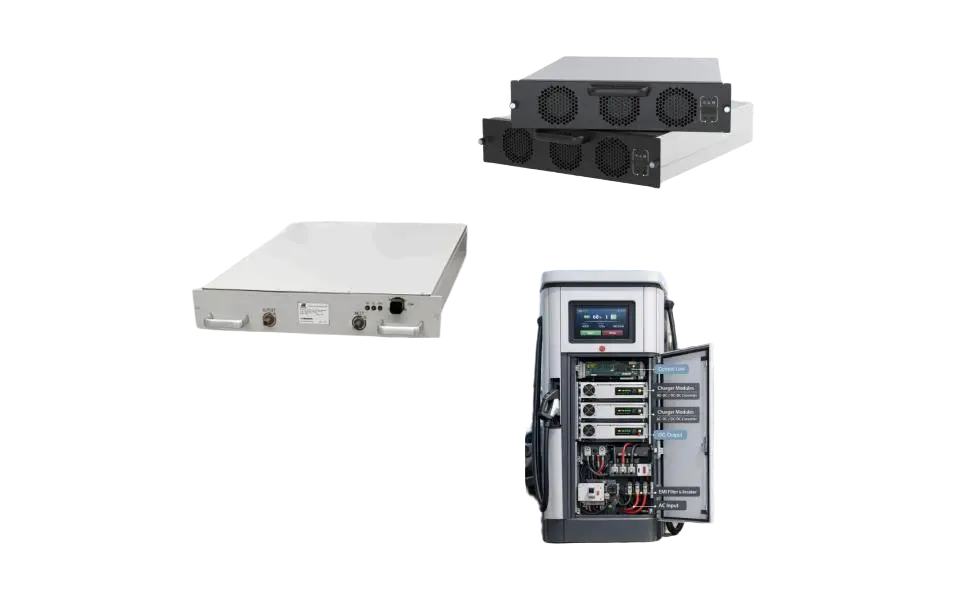
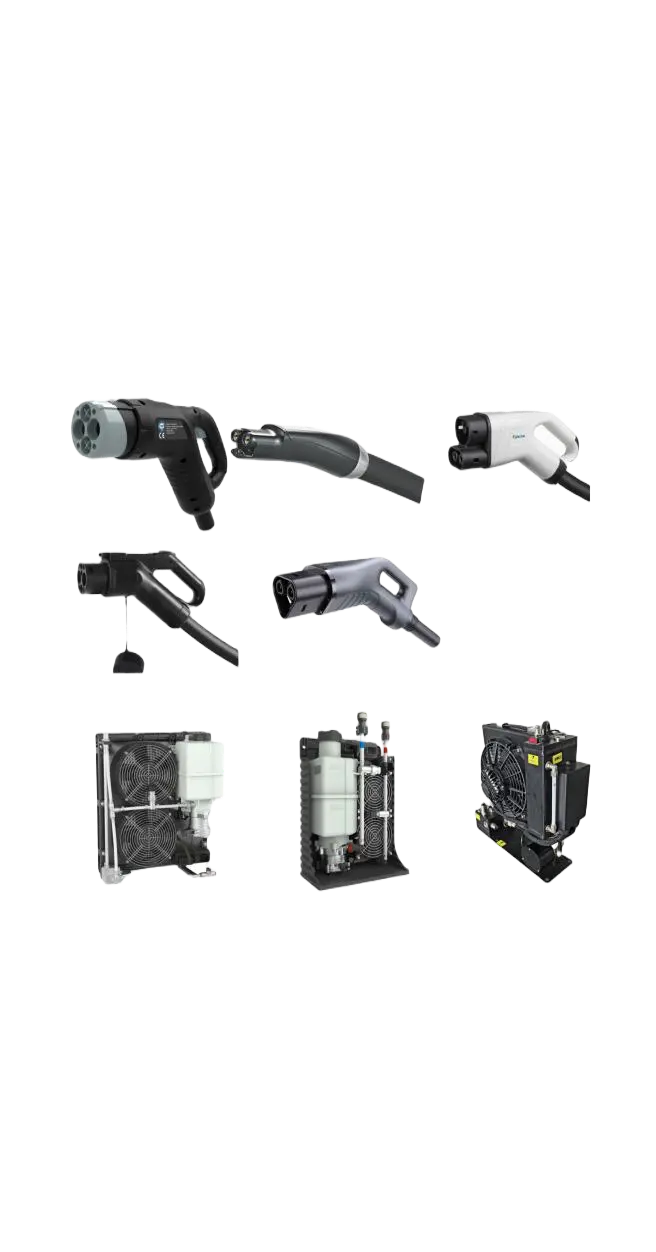
A closer look at our critical power modules, high-current connectors, split cooling systems, and microgrid BESS structures.
Evaluating multi-scenario deployment templates, thermal liquid-cooled systems, and local utility compliance rules.
As electric passenger vehicles and commercial heavy transport transition to 800V architectures, traditional air-cooled charging systems face thermal performance limits. Heat generation at the connector pins increases exponentially at currents above 250A. This requires liquid-cooled thermal management systems.
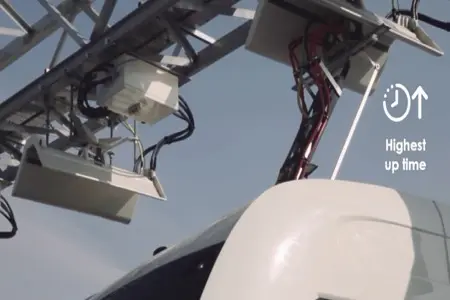
Mida's high-power liquid-cooled systems use a specialized cooling fluid routed directly through the charging cable to the connector contact points. This design maintains operating temperatures below 50°C even when delivering continuous currents up to 600A. As a result, commercial fleets can achieve full charge cycles in under 15 minutes, maximizing operational uptime.
Deploying megawatt-level charging networks often creates grid stability challenges, particularly in regions with limited local capacity. Upgrading utility connections can involve high capital costs and lengthy lead times. Integrated Battery Energy Storage System (BESS) charging piles address this by using local energy reservoirs to handle peak charging demands without impacting the utility grid.
Stay up to date with the latest innovations, deployment tips, and announcements in electric transport and public bus system charging.
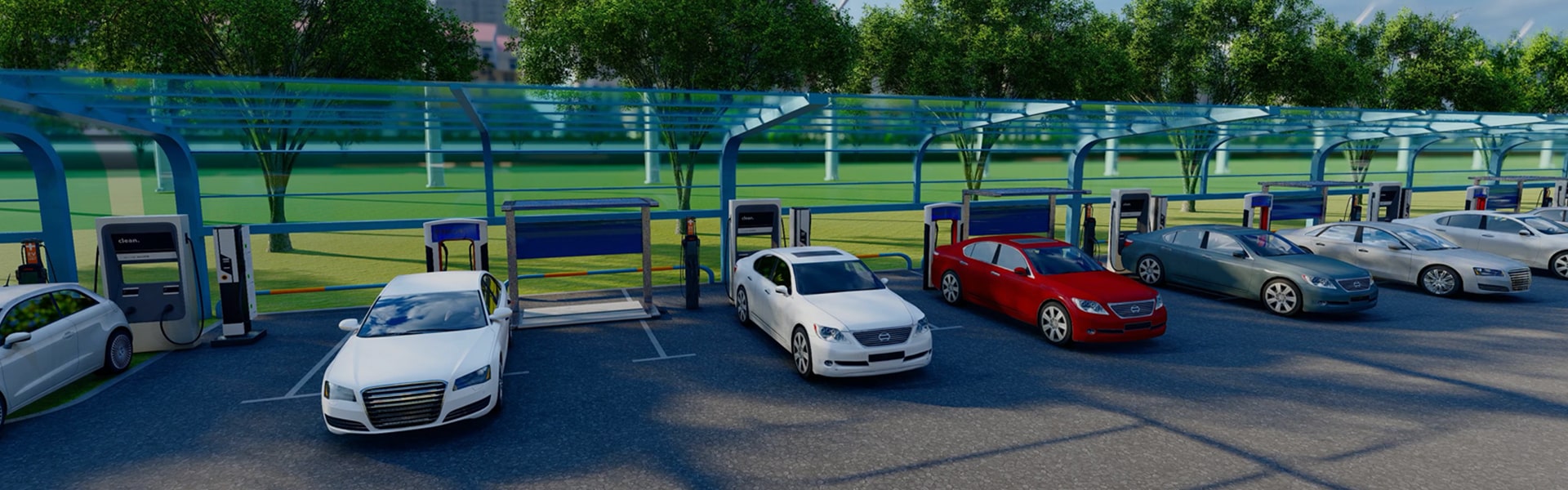
Get answers to common technical queries about public electric vehicle infrastructure, system integrations, and sourcing options.
From an OEM factory perspective, "Free" refers to open-access systems with no recurring licensing fees. It also applies to ad-supported charging terminals, where high-definition digital media screens display revenue-generating ads, offsetting energy costs and allowing operators to offer zero-cost charging to drivers.
Our stations are designed and tested to comply with international power and communication standards, including UL, ETL, CE, and CB. We support standard EV protocols such as OCPP 1.6J/2.0.1, ISO 15118 (Plug & Charge), and dynamic load management, ensuring seamless integration with local electrical grids.
Liquid-cooled systems use a circulating cooling fluid through the cable and connector to maintain low operating temperatures. This allows the system to support currents up to 600A continuously. It prevents thermal throttling, reduces wear, and allows for thinner, lighter cables that are easier for drivers to handle.
Yes. Mida designs microgrid systems that integrate solar generation, battery energy storage (BESS), and bidirectional EV chargers. Our MPPT modules and bidirectional AC/DC power platforms manage local energy distribution, storing excess solar power in battery buffers to reduce grid reliance and dynamic charging costs.
Mida EV charging hardware supports OCPP 1.6J and OCPP 2.0.1 (JSON format) over secure TLS connections. RFID/NFC readers facilitate access control, while hardware encryption chips secure communication between the station, vehicle, and central management software.
Explore our high-performance DC charging systems, designed for quick installation, reliable thermal management, and seamless integration with public charging networks.