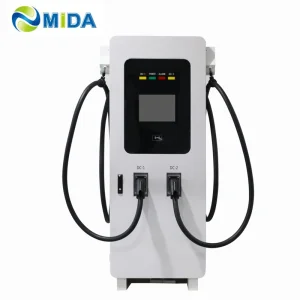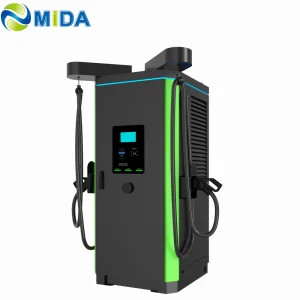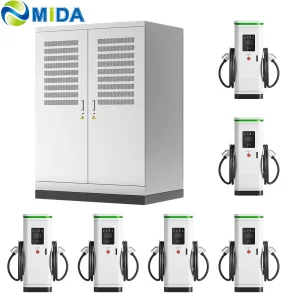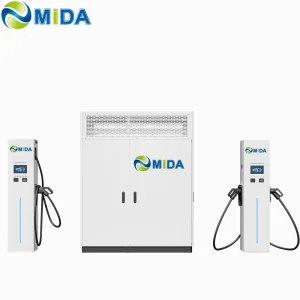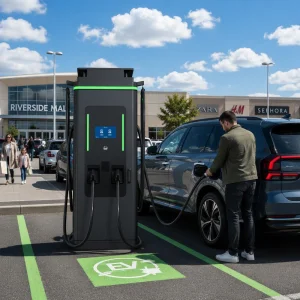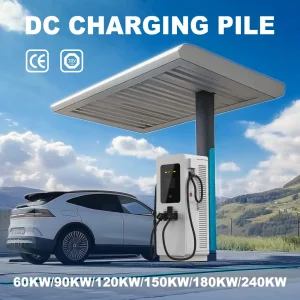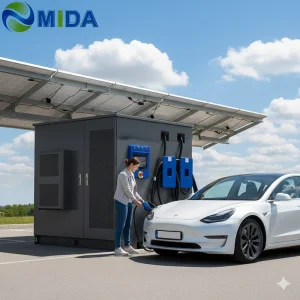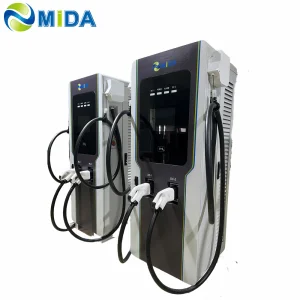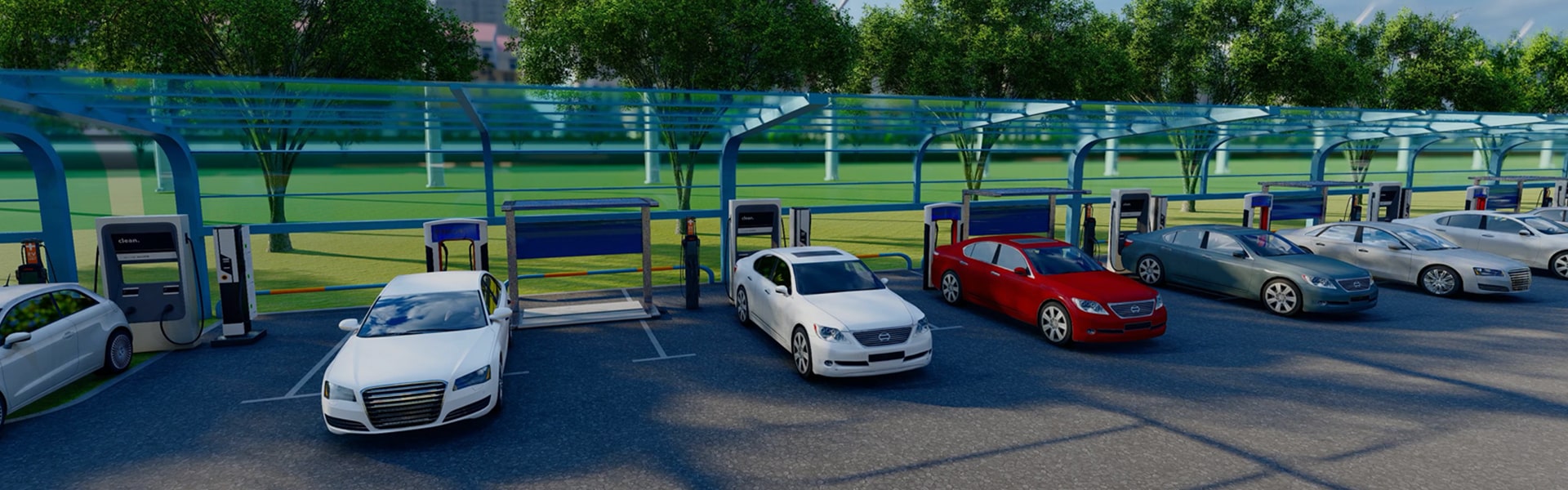
Explore our engineered range of high-efficiency ultra-fast DC chargers, built to power commercial operations, highway networks, and heavy-duty electric fleets.
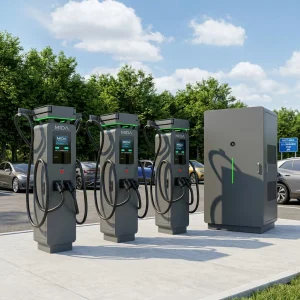
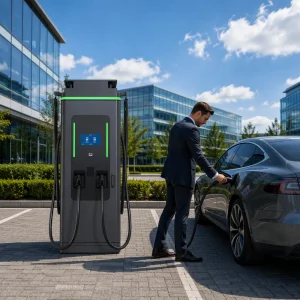
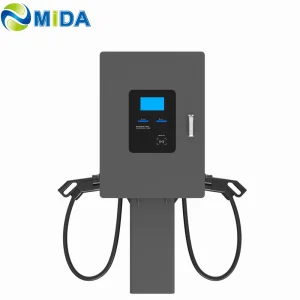
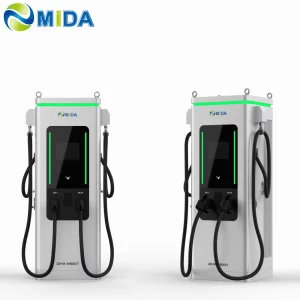
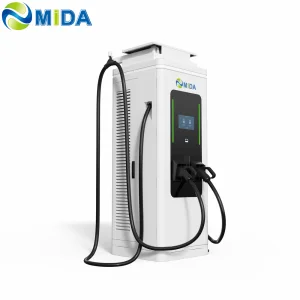
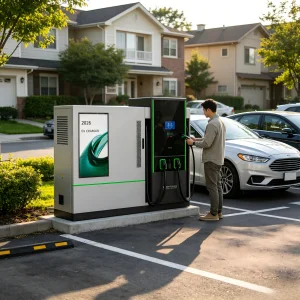
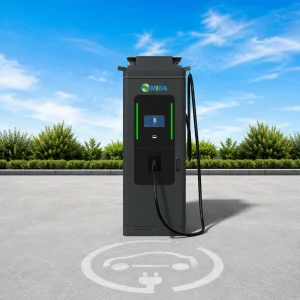
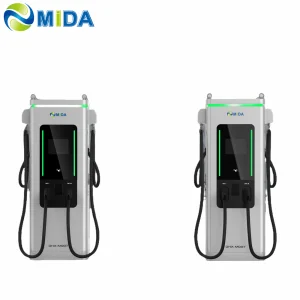
Analyzing the paradigm shift in global charging architecture from standard DC charging to High-Power Charging (HPC) networks.
The transition of global electric mobility from passenger vehicle adoption to utility, logistics, and long-haul transit networks has generated unprecedented demand for high-power electric vehicle supply equipment (EVSE). Within this shifting landscape, the 350kW DC fast charging station stands out as a critical operational baseline. Originally conceived to minimize the highway charging downtime of high-voltage passenger EV passenger vehicles (operating on 800V architectures like Porsche Taycan, Hyundai Ioniq 5, or Lucid Air), 350kW chargers are now playing a fundamental role in electrifying light-to-medium logistics fleets, airport ground support systems, and municipal transport networks.
At 350kW, a single charging session can replenish 200 kilometers of range in under 10 minutes, aligning the EV replenishment experience with fossil-fuel refueling paradigms. For Charge Point Operators (CPOs), integrating 350kW stations into their network layout optimizes asset yield and maximizes vehicle throughput. However, delivering 350kW of continuous power demands highly sophisticated engineering, specifically regarding thermal management, power conversion density, grid-level load balancing, and overall system safety.
Large-scale enterprise procurements are no longer looking for isolated chargers; instead, they seek fully integrated charging ecosystems capable of operating with minimal downtime. When fleet procurement managers evaluate China 350kW DC fast charging station manufacturers, the checklist extends far beyond unit costs. Key requirements include: (1) Total Cost of Ownership (TCO) optimization via power-sharing modular architectures, (2) native compatibility with localized grid constraints, (3) integration of local customer-facing payment terminals, and (4) compliance with regional structural standards. In addition, logistics and transit hubs require dynamic load sharing, allowing a 350kW station to dynamically split its output into dual 175kW lines, optimizing power delivery for multi-vehicle parking configurations.
Deploying multiple 350kW charging points at a single location poses substantial challenges for municipal grid infrastructures. A station with four 350kW outlets represents a potential peak load of 1.4 megawatts. To prevent expensive grid reinforcement costs, modern manufacturers must provide integrated, site-wide energy management solutions. This is where Battery Energy Storage Systems (BESS) and onsite photovoltaic (solar) arrays prove highly effective. By coupling a 350kW charger with a localized battery buffer, site operators can capture off-peak grid energy or solar power, and then release it during high-demand vehicle charges. This "shaving" of peak loads reduces utility capacity charges and ensures operational continuity even in grid-limited areas.
| System Parameter | Standard DC Charger (60-150kW) | Ultra-Fast HPC Station (350kW) | Liquid-Cooled Supercharger (600+kW) |
|---|---|---|---|
| Typical Application | Commercial retail, workplaces, depots | Highway corridors, heavy-duty logistics | Electric buses, specialized mining, mega-hubs |
| Cooling Technology | Forced Air Cooling | Active Liquid Cooling / Advanced Air | Full Closed-Loop Liquid Cooling |
| Cable Ergonomics | Thick, heavy copper (uncooled) | Thin, lightweight liquid-cooled | Specialized high-amp liquid-cooled |
| Peak Grid Impact | Low to Moderate | High (requires smart dynamic sharing) | Extremely High (requires integrated BESS) |
The core technology enabling efficient 350kW charging lies within the power conversion module. Conventional chargers rely on silicon-based IGBTs, which suffer from higher switching losses and lower thermal thresholds. The modern industry roadmap points directly toward Silicon Carbide (SiC) MOSFETs. SiC technology enables higher switching frequencies, reduces the physical volume of the power modules, and operates at higher conversion efficiencies (frequently exceeding 96.5%). By reducing internal heat generation, SiC modules reduce thermal stress, extending the Mean Time Between Failures (MTBF) of the charging station.
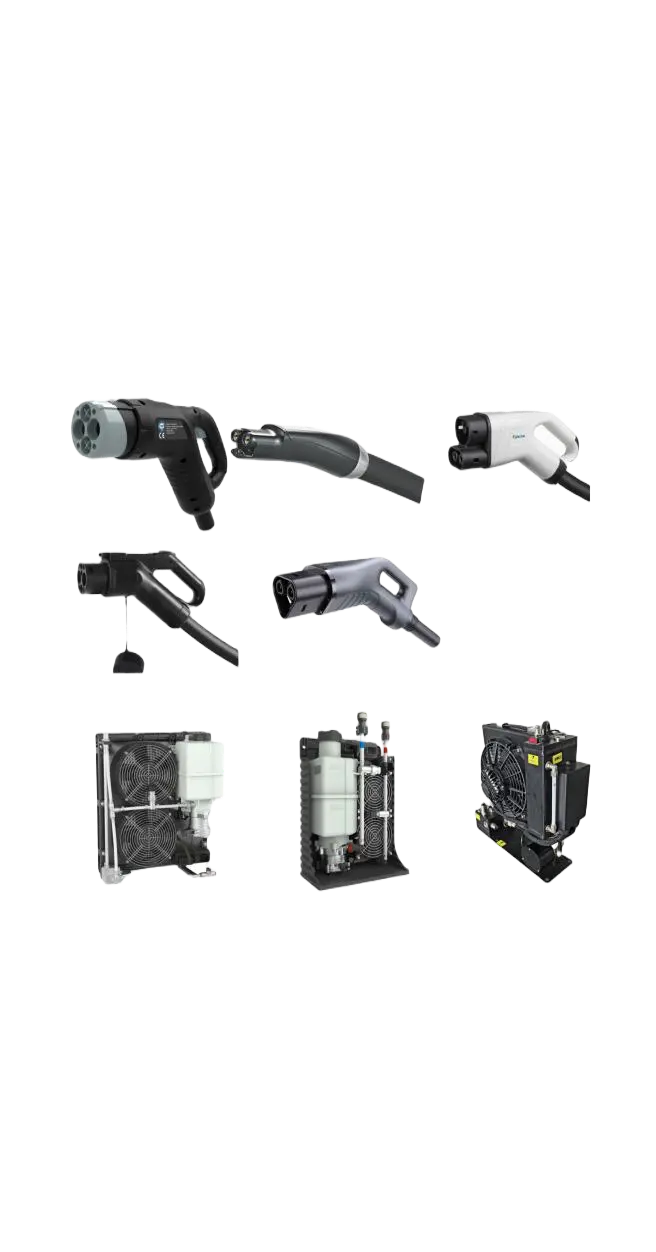
Simultaneously, handling currents up to 500A through a standard charging cable would result in excessive heat generation under normal conditions. This would require the copper conductors to be thick and heavy, making them difficult for typical users to handle. To address this, 350kW systems utilize active liquid-cooling units. These systems circulate a specialized, non-conductive coolant mixture directly through the cable and connector contacts. This design efficiently dissipates heat, allowing the cable diameter to remain thin and flexible for ergonomic, user-friendly operation.
Integrated coolant pumps continuously monitor cable temperatures, dynamically adjusting flow rate to maintain optimal operating temperatures under heavy charging loads.
Silicon Carbide power switches reduce thermal losses by up to 50% compared to standard silicon modules, delivering highly efficient, cost-effective power conversion.
Designed with Active Power Factor Correction (PFC) and less than 5% Total Harmonic Distortion (THD), preventing grid interference and meeting utility standards.
Shanghai Mida Cable Group Ltd. operates through its wholly owned subsidiaries: Shanghai Mida EV Power Co., Ltd., Shenzhen Mida EV Power Co., Ltd., and Shanghai Mida New Energy Co., Ltd.
Mida Cable manufactures a comprehensive range of EV charging cables, including 16A–80A J1772 cables, 16A–63A IEC 62196-2 Type 2 cables, and DC fast charging cables: CCS1 (80A–500A), CCS2 (125A–1000A), CHAdeMO (125A–300A), GBT (200A–1000A), and NACS connectors (250A–600A).
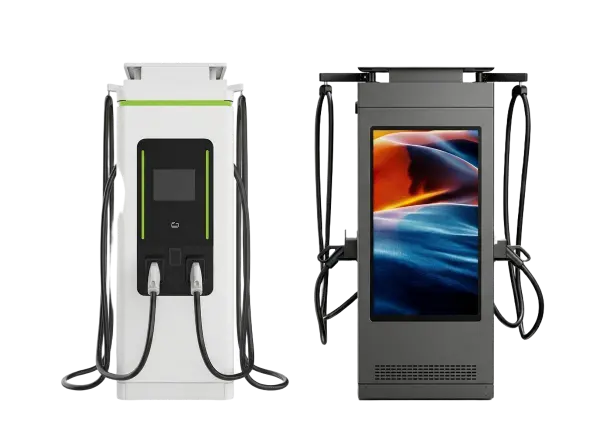
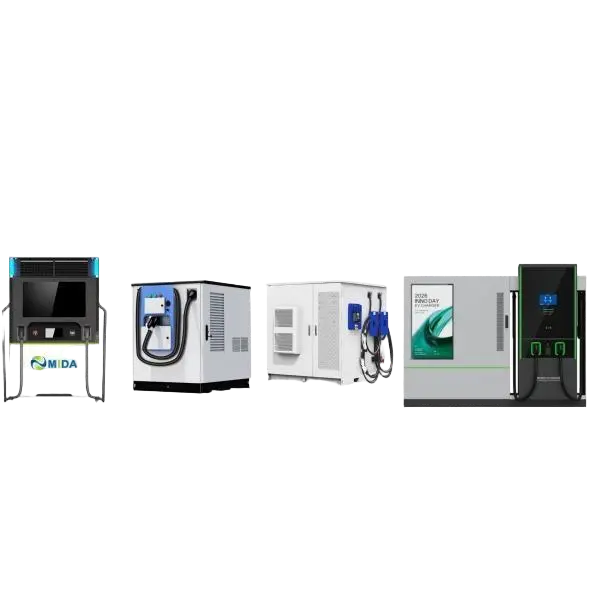
MIDA EV Power produces a full lineup of EV charging stations, such as 7kW–50kW mobile chargers, 3.6kW–7.2kW portable DC chargers, 360kW–1440kW split-type DC fast chargers, 20kW–50kW wall-mounted DC chargers, and 60kW–480kW floor-standing DC fast charging stations.
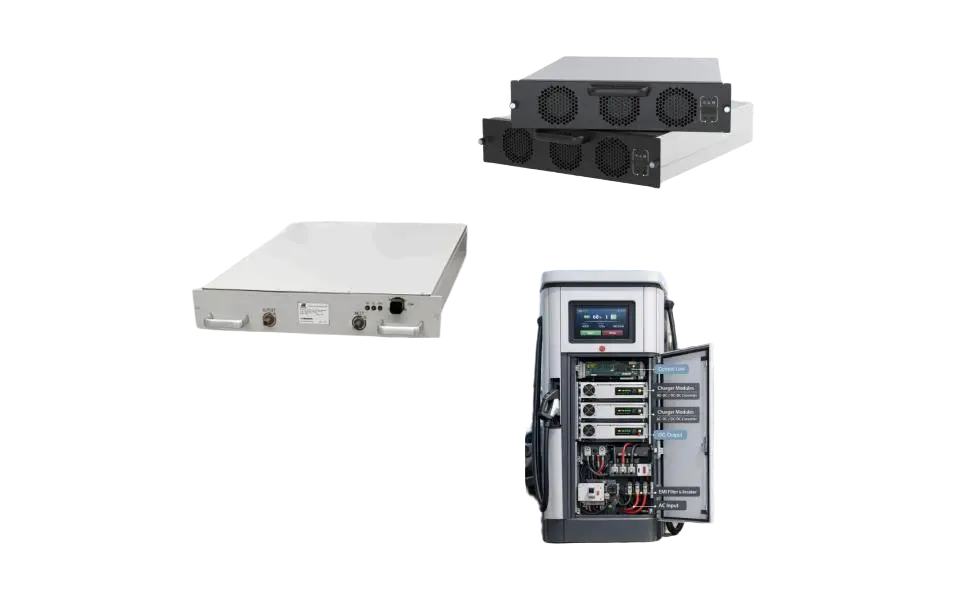
MIDA New Energy specializes in EV charger power modules, offering 20kW–60kW standard modules, 40kW–125kW liquid-cooled modules, 30kW–62.5kW bidirectional modules, and 20kW–45kW V2G charging modules.

Discover our versatile charging systems, designed for light vehicle commuters, logistics hubs, and grid-scale storage operations.
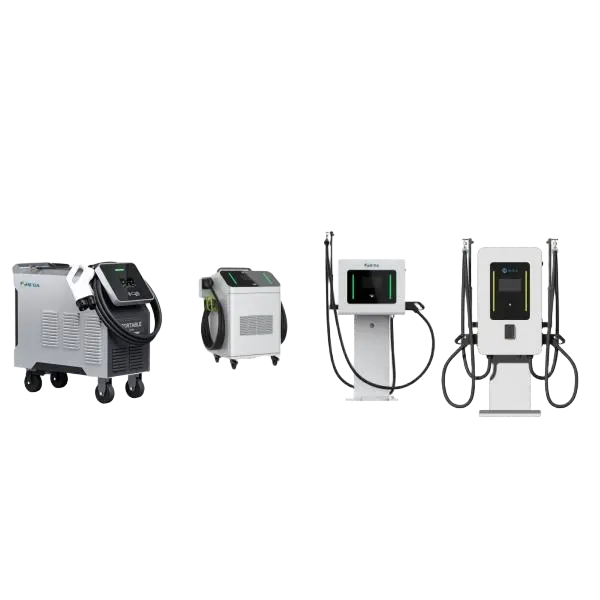
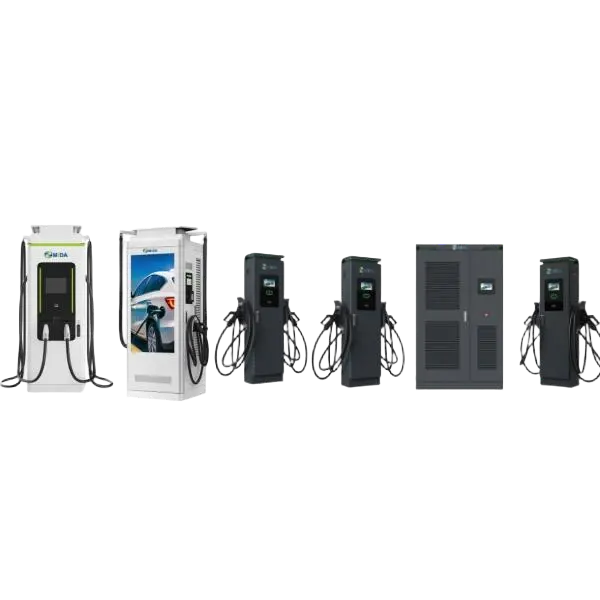
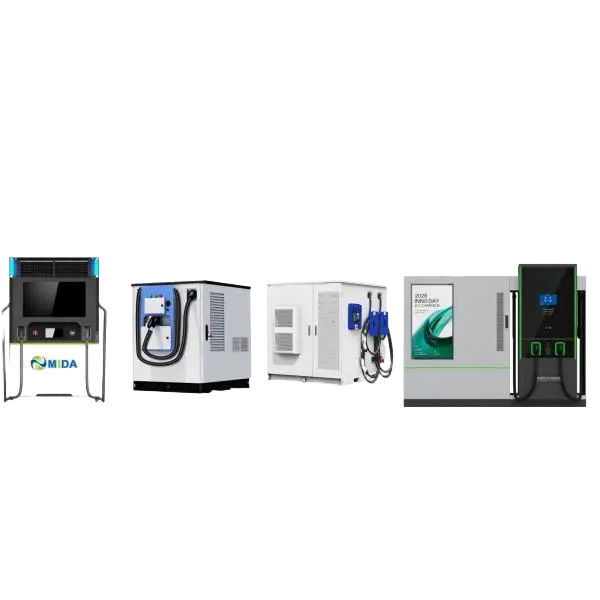
Explore Mida Group's core product ecosystem, engineered for precision, high reliability, and long-term durability.
For global operators, deploying 350kW infrastructure requires meeting strict local regulations and industry standards. A standard 350kW DC fast charging station must comply with several key regulatory frameworks: CE marking for the European Economic Area, UL listing for North American deployment, and various regional grid codes. Without these certifications, operators face insurance issues and project delays.
Furthermore, interoperability remains a key factor in ensuring successful deployments. In addition to hardware standardizations (such as CCS1, CCS2, GBT, and NACS), the software interface must dynamically communicate with back-office networks using OCPP 1.6J or OCPP 2.0.1. This capability enables remote system updates, simplifies billing configurations, improves safety monitoring, and provides real-time error reports to technical teams. Selecting a Chinese manufacturer with proven experience in international certifications ensures smooth integration and reliable long-term operations.
Stay up to date with Mida Group's latest innovations, technological breakthroughs, and insights in the commercial EV space.

Expert insights on the engineering, safety, and logistical dimensions of ultra-fast charging infrastructures.
A1: 350kW systems utilize internal closed-loop liquid-to-air heat exchangers. The system continuously pumps liquid coolant through the charging cable and connector pins, maintaining optimal operational temperatures even in environments up to 50°C. For extreme ambient conditions, manufacturers offer split-system chillers to prevent thermal throttling.
A2: Standard low-voltage networks are typically insufficient for 350kW peak loads. These stations require a direct medium-voltage grid connection (typically 10kV to 20kV in Europe/Asia or 480V/4160V service in North America) via a dedicated step-down transformer. This ensures stable power delivery and prevents local grid voltage fluctuations.
A3: Air-cooled cables struggle to manage high thermal loads above 200A without using thick copper conductors, which are stiff and difficult to handle. Liquid-cooled systems handle up to 500A continuously using lightweight cables. Furthermore, liquid-cooled power modules feature fully sealed designs that protect critical electronics from dust, moisture, and salt mist, extending overall system life.
A4: Dynamic power allocation allows a charging station to split its output based on demand. For example, if a vehicle with a low charging limit plugs in alongside a high-voltage vehicle, the charger dynamically adjusts output (e.g., splitting power 100kW and 250kW) rather than locking both to preset limits. This approach maximizes station utilization, lowers peak energy demand charges, and improves ROI.
A5: Ultra-fast charging relies on DIN 70121 and ISO 15118 protocols for vehicle-to-charger communication. These standards support secure, high-voltage handshake sequences, dynamic power negotiation, and features like Plug & Charge. System management and back-office integration are handled via OCPP 1.6J or 2.0.1 protocols.
Explore our specialized range of high-capacity DC fast chargers, designed for optimal fleet efficiency and commercial scalability.