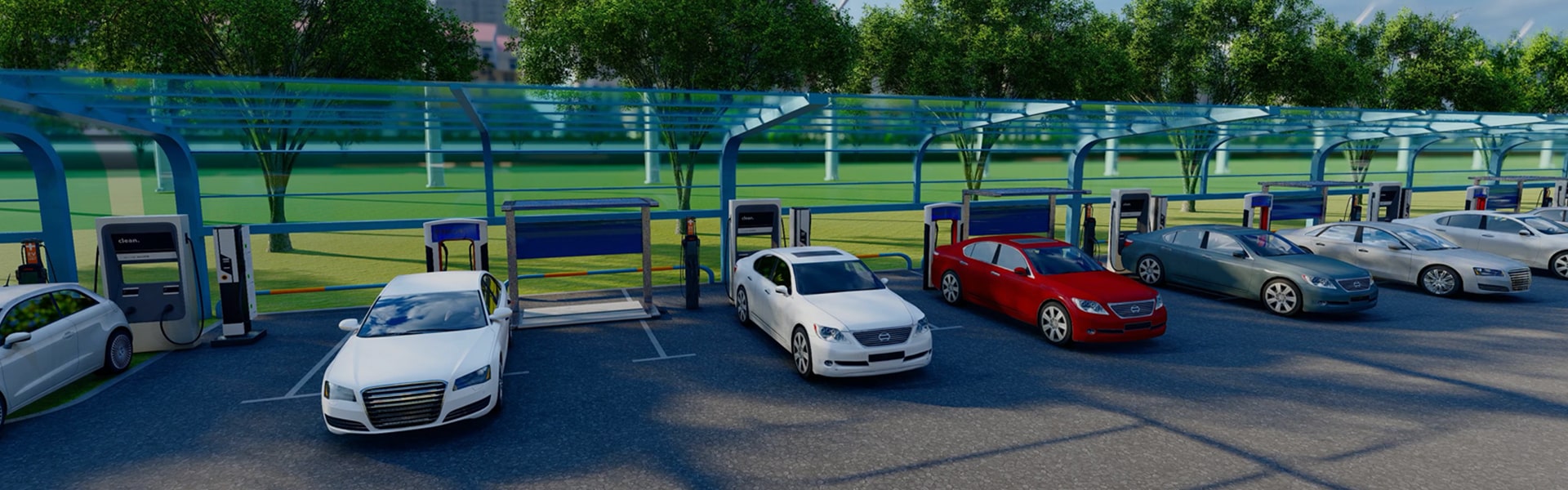
High-Density, High-Efficiency Modular Power Electronics Driving Global Fleet Electrification and Industrial EV Charging Station Infrastructure.
Discover our highly rated industrial EV chargers, battery energy storage systems, and specialized testing hardware manufactured for export globally.
A Tier-1 Pioneer in Cable Extrusion, Power Conversion, and Integrated Charging Infrastructure.
Shanghai Mida Cable Group Ltd. serves as a flagship manufacturer in the global electric vehicle infrastructure supply chain. Operating through its specialized, wholly-owned subsidiaries—Shanghai Mida EV Power Co., Ltd., Shenzhen Mida EV Power Co., Ltd., and Shanghai Mida New Energy Co., Ltd.—the group handles the entire value chain from fundamental material science to complex power conversion electronics.
Mida Cable manufactures an exhaustive array of EV charging cables designed to withstand harsh environments. Our cable catalog includes 16A–80A J1772 (Type 1) cables, 16A–63A IEC 62196-2 Type 2 cables, and liquid-cooled DC fast-charging cables designed for ultra-high output: CCS1 (80A–500A), CCS2 (125A–1000A), CHAdeMO (125A–300A), GB/T (200A–1000A), and North American NACS connectors (250A–600A).
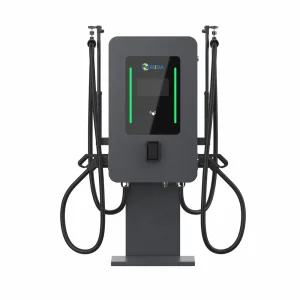
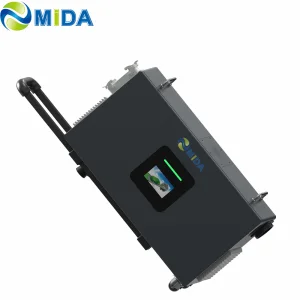
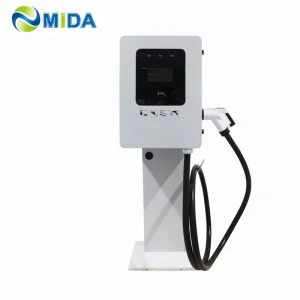
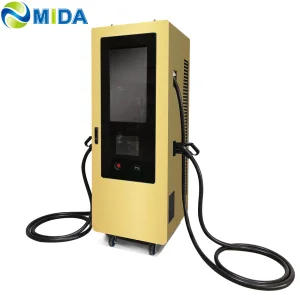
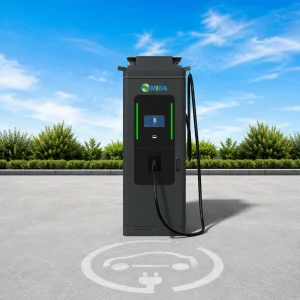
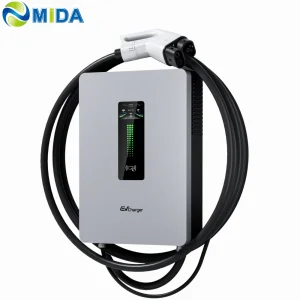
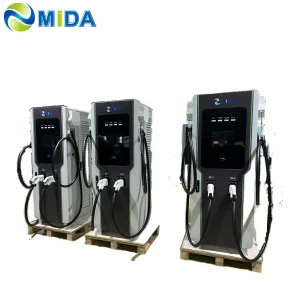
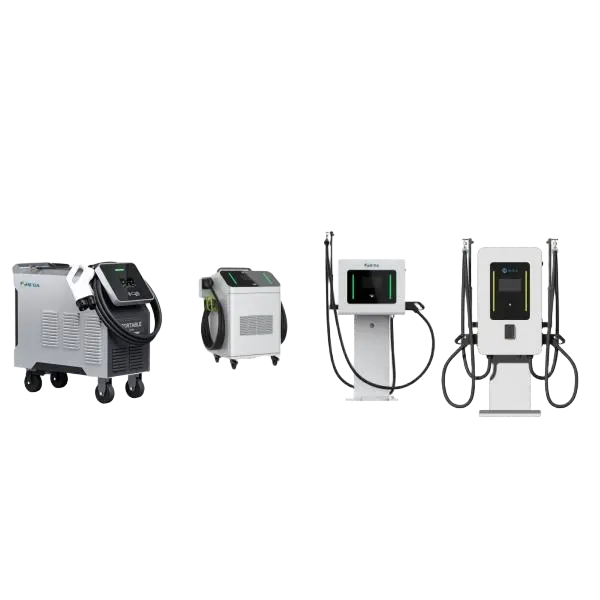
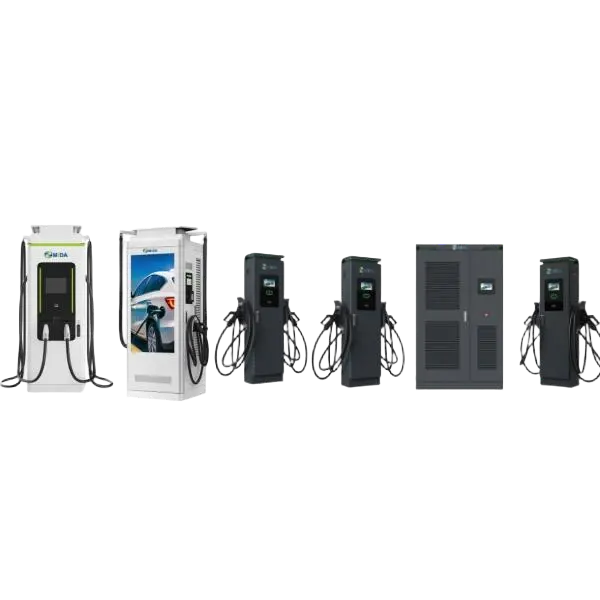
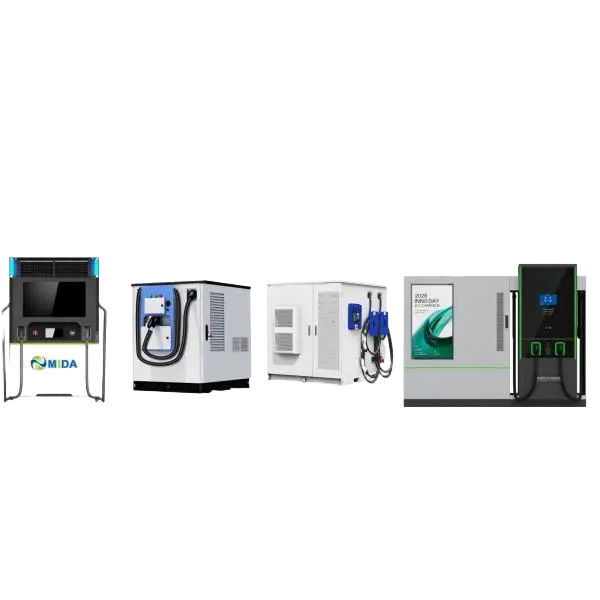
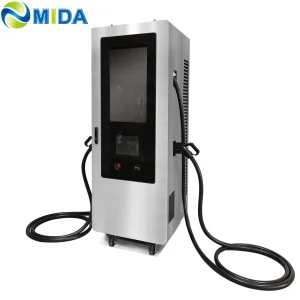
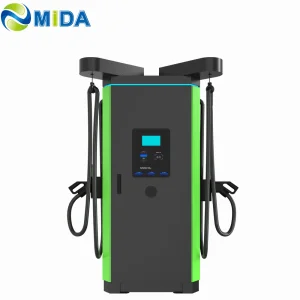
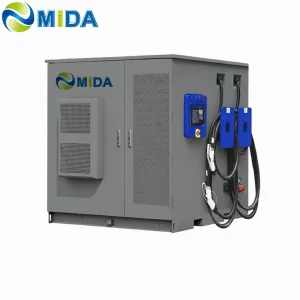
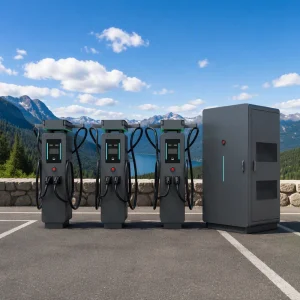
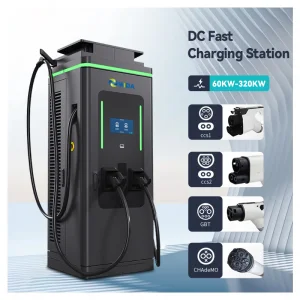
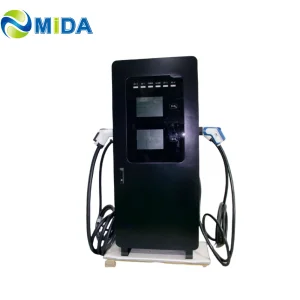
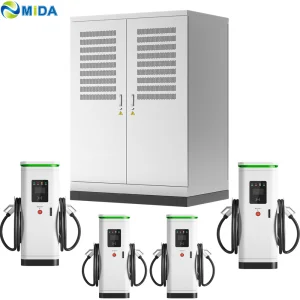
MIDA EV Power designs and assembles a wide range of charging hardware. Our systems span 7kW–50kW mobile DC units, 3.6kW–7.2kW compact portable DC chargers, 20kW–50kW wall-mounted DC fast chargers, 60kW–480kW standard floor-standing stations, and scalable 360kW–1440kW split-type megawatt-level systems.
MIDA New Energy focuses on high-frequency power electronics and energy conversion modules. Our team develops 20kW–60kW standard air-cooled rectifier modules, 40kW–125kW active liquid-cooled modules, 30kW–62.5kW bidirectional vehicle-to-grid (V2G) modules, and specialized 20kW–45kW V2G charging sub-assemblies.
The structural backbone of modern high-power DC fast-charging systems worldwide.
The global electric vehicle infrastructure is transitioning from low-power AC destination charging to high-power DC fast charging (DCFC) networks. Within this market shift, the 30kW EV charger module has emerged as the industry's modular building block. Power electronics designers prefer this power density increment because it strikes an ideal balance between thermal management, manufacturing cost, and system-level redundancy.
Historically, fast chargers relied on 15kW or 20kW modules. However, the rise of large-battery passenger cars, commercial delivery fleets, and electric buses has pushed voltage demands from 400V to 800V and above. The 30kW module, engineered with advanced silicon carbide (SiC) MOSFETs, handles wide output voltage ranges (typically from 150V DC to 1000V DC). This allows a single charger stack to service older passenger vehicles and modern high-voltage heavy-duty platforms.
In industrial applications, modularity is essential for maintaining high uptime. If a monolithic charger fails, the entire station goes offline. In contrast, by using ten 30kW modules in parallel to create a 300kW charging stack, a single module failure only drops system capacity by 10%. The system can isolate the faulty module and continue operating, which minimizes down-time for charge point operators (CPOs).
Explore MIDA's manufacturing capabilities across four core categories of power delivery and thermal regulation.
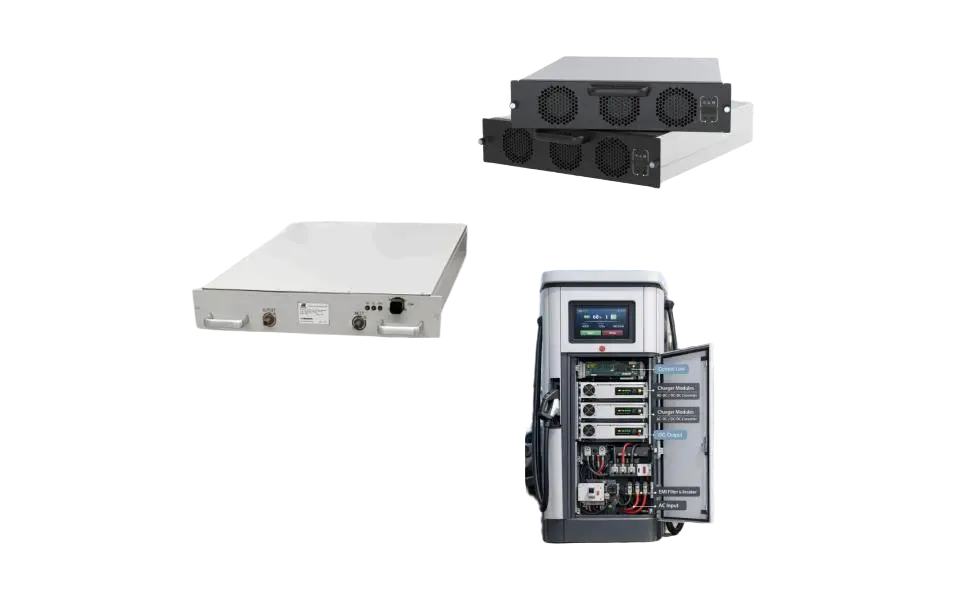
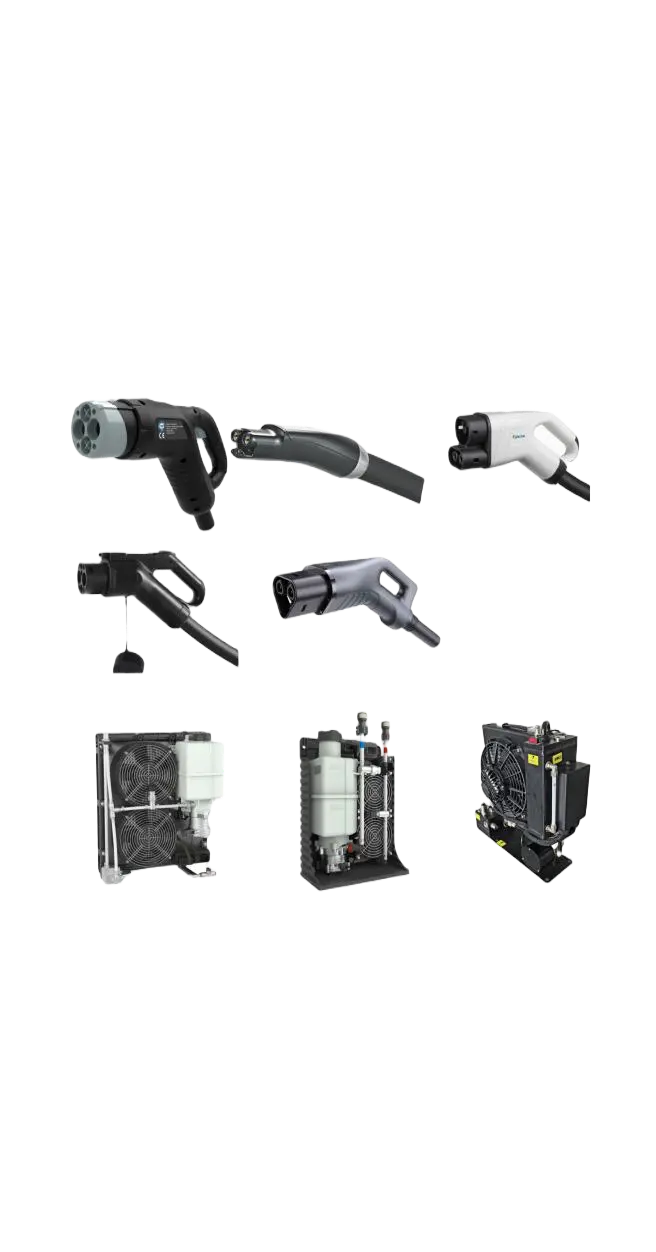
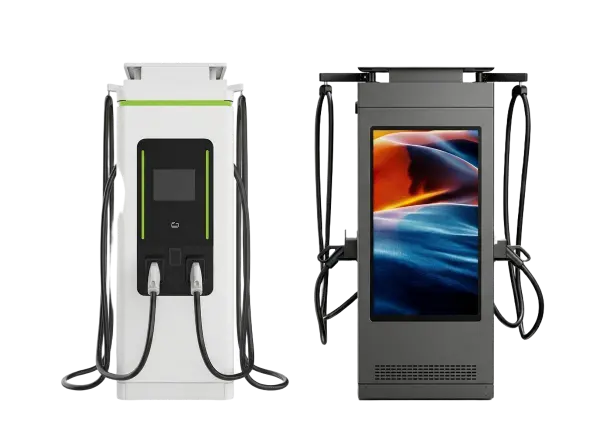
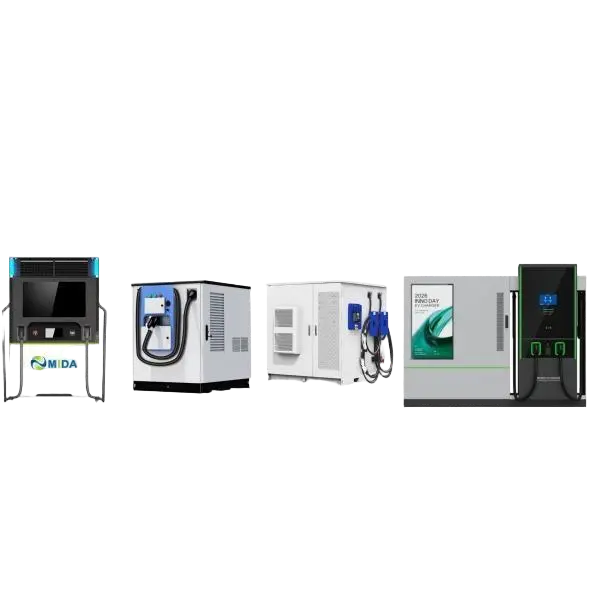
How MIDA leverages regional industry clusters to lower the total cost of ownership (TCO) for global buyers.
China manufactures a significant portion of the world's EV charging power electronics. This dominance stems from deep integration across the domestic supply chain. In regions like Shenzhen and the Yangtze River Delta, MIDA operates manufacturing facilities located close to major raw material refineries, semiconductor packaging plants, magnetic component winding centers, and metal fabrication shops.
This geographic proximity streamlines logistics and shortens product development cycles. Our production floors use high-speed, automated Surface Mount Technology (SMT) lines. Optical inspection systems, automatic wave soldering, and automated thermal-chamber testing run continuously, minimizing defects and keeping yield rates above 99.2%.
When specifying modules for your station design, select the thermal dissipation method that matches your target operating environment. Below is a comparison of standard and advanced configurations:
Custom solutions designed for municipal transit networks, commercial properties, and remote off-grid locations.
Enables delivery companies to install 30kW, 60kW, or 90kW DC fast-chargers to replenish vehicles between shifts.
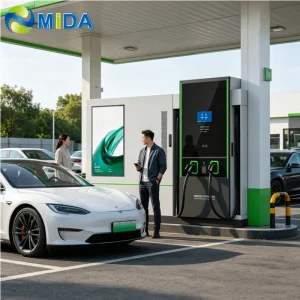
Combines ten or more 30kW modules into ultra-fast charging points (300kW+) for rapid highway charging.
Bidirectional 30kW modules allow parked EVs to feed power back into commercial building microgrids during peak demand.
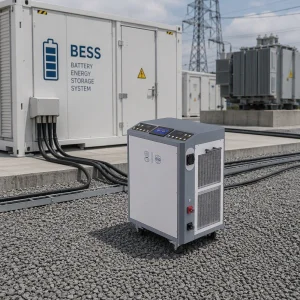
Pairs 30kW DC-DC power converters with local battery arrays to charge vehicles without overload risks.
Active liquid cooling, high-power-density topology, and bidirectional vehicle-to-grid integration.
The EV charger module industry is evolving rapidly to improve efficiency, reliability, and power density. A major trend is the shift from standard silicon switches to Silicon Carbide (SiC) and Gallium Nitride (GaN) wide-bandgap semiconductors. These materials allow higher switching frequencies, which reduces the size of passive components like inductors and transformers. The result is more compact 30kW designs with efficiencies exceeding 97%.
Another key development is the growth of liquid-cooled power modules. Traditional forced-air modules pull in dust, salt spray, and moisture, which can degrade internal components over time. Liquid-cooled modules isolate the electronics in a sealed IP67 compartment, using a liquid glycol mixture to transfer heat. This design protects the system in harsh environments, such as coastal regions or industrial sites, and eliminates fan noise.
Additionally, bidirectional power flow is becoming standard for grid stabilization projects. Bidirectional 30kW modules allow electric vehicle fleets to operate as distributed energy storage. During peak demand, vehicles can feed energy back to the grid (V2G) or power local facility loads (V2B), turning charging systems into active grid assets.
Technical briefings, product guides, and installation methodologies from our engineering division.
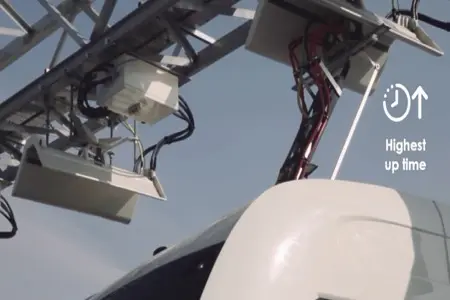
What are the advantages of an e-bus pantograph dome? In contrast to classic plug-in charging systems, e-bus pantograph systems offer automated connection and high-power delivery for public transit routes.
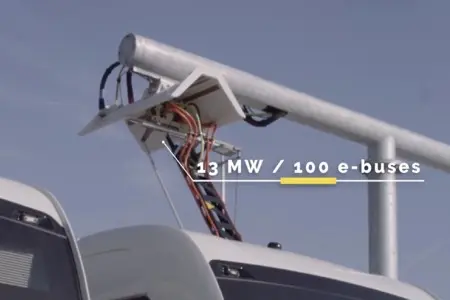
How long does it take to charge with an e-bus pantograph? The charging time depends on the battery capacity and the output power of the overhead charger stack, which often exceeds 450kW.
How to Install the Pantograph Up Charger System Dome for Electric Buses. A detailed guide covering civil engineering requirements, structural support alignments, and DC power distribution setup.
Key technical parameters to evaluate when sourcing EV charging components from Chinese manufacturers.
For engineering procurement companies (EPCs) and charging station manufacturers, choosing a module supplier involves more than comparing unit costs. The module directly impacts the system's long-term reliability and efficiency. To ensure compatibility with international standards, keep the following criteria in mind:
Answers to common technical questions from utility engineers, fleet operators, and hardware distributors.
Modularity provides redundancy and serviceability. If a single 300kW power stack fails, the entire station goes offline. By paralleling ten 30kW modules, a failure in one module simply reduces maximum output to 270kW, keeping the station operational. Additionally, modular units are light enough to be replaced by a single technician on site.
Modern 30kW modules reach a peak efficiency of 96% to 96.5% at around 50% to 70% load. High-quality modules maintain an efficiency curve above 95% down to 20% load, which prevents energy loss when a vehicle's charging rate slows down near full capacity.
Generally, mixing modules of different capacities or designs within the same parallel output bus is not recommended. Differences in internal control loops and switching behaviors can lead to uneven load sharing, causing some modules to run hotter and age faster. Stick to identical module models for stable parallel operation.
Liquid-cooled modules are fully sealed (often IP67), protecting internal electronics from dust, moisture, and salt air. This makes them ideal for marine or dusty industrial sites. Air-cooled modules are simpler and have lower upfront costs, but they require regular cabinet filter maintenance to prevent dust buildup and overheating.
Complete your installation with wall-mounted stations, mobile chargers, energy storage buffers, and high-amp cables.