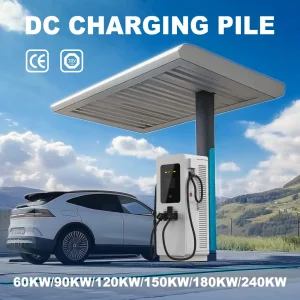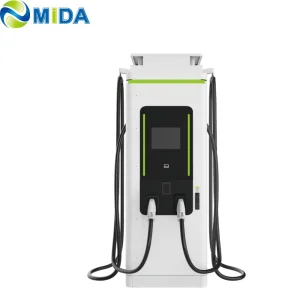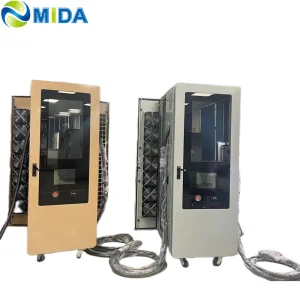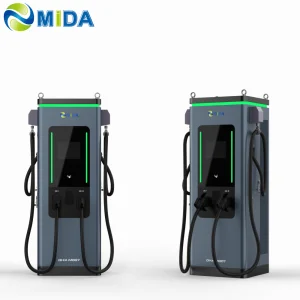
Deploy state-of-the-art power architectures engineered to CCS, CHAdeMO, and GB/T standards for global operational compatibility.
As the global market for electric passenger vehicles, heavy-duty logistics fleets, and urban transit systems experiences exponential growth, the demand for fast, reliable, and energy-dense refueling infrastructure has intensified. Among these, the 150kW CCS (Combined Charging System) configuration stands out as the optimal intersection between asset capital expenditures (CAPEX), grid connection capabilities, and charging velocity.
A 150kW CCS charging system can deliver up to 100-150 km of highway range in under 10 to 15 minutes of connection time. For public charging operators (CPOs) and fleet logistics coordinators, sourcing from direct manufacturers who possess integrated manufacturing pipelines is crucial. This whitepaper analyzes how advanced engineering in 150kW DC architectures, coupled with China's Industry 4.0 manufacturing eco-systems, provides robust, highly compliant, and scalable charging infrastructure globally.
Utilizes intelligent air duct separation and advanced liquid cooling topologies to preserve internal semiconductor lifespans and sustain continuous high output.
Mitigates harmonic distortion (THD < 5%) and achieves a power factor > 0.99, reducing installation hurdles and grid demand charges.
Native integration of OCPP 1.6J and OCPP 2.0.1, combined with secure boot configurations to protect transaction data and network access.
Shanghai Mida Cable Group Ltd. operates through its wholly owned subsidiaries: Shanghai Mida EV Power Co., Ltd., Shenzhen Mida EV Power Co., Ltd., and Shanghai Mida New Energy Co., Ltd. Our integrated group operations ensure that we manage the design, material formulation, and structural assembly of components in-house, creating an unmatched quality assurance cycle.
Mida Cable manufactures a comprehensive range of EV charging cables, including 16A–80A J1772 cables, 16A–63A IEC 62196-2 Type 2 cables, and DC fast charging cables: CCS1 (80A–500A), CCS2 (125A–1000A), CHAdeMO (125A–300A), GBT (200A–1000A), and NACS connectors (250A–600A).
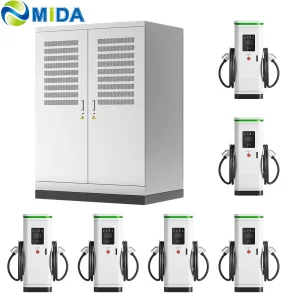
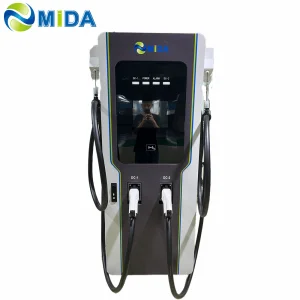
MIDA EV Power produces a full lineup of EV charging stations, such as 7kW–50kW mobile chargers, 3.6kW–7.2kW portable DC chargers, 360kW–1440kW split-type DC fast chargers, 20kW–50kW wall-mounted DC chargers, and 60kW–480kW floor-standing DC fast charging stations.
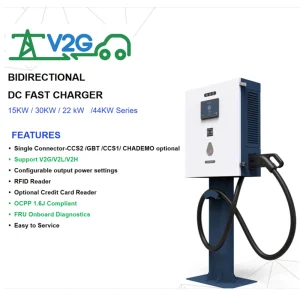
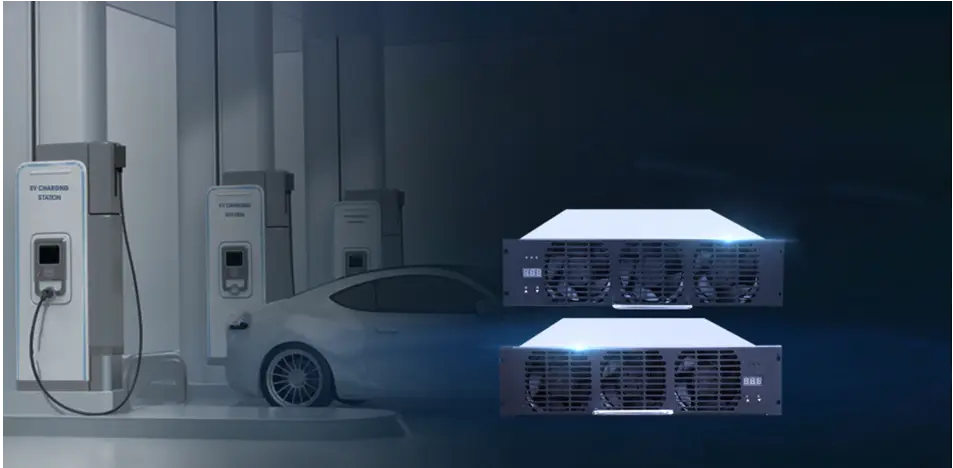
MIDA New Energy specializes in EV charger power modules, offering 20kW–60kW standard modules, 40kW–125kW liquid-cooled modules, 30kW–62.5kW bidirectional modules, and 20kW–45kW V2G charging modules.

At the center of a premium 150kW CCS charging stack is the power conversion system. Modern DC charging infrastructure relies heavily on modular architectures rather than monolithic units. Using multiple 30kW, 40kW, or 50kW power modules in parallel offers deep redundancy. If one module goes offline, the charger continues to operate at reduced capacity instead of failing entirely.
Furthermore, by embedding Bidirectional V2G (Vehicle-to-Grid) power modules, modern 150kW charging configurations act as grid balancing resources, allowing commercial vehicle fleets to discharge power back to the grid during peak pricing windows.
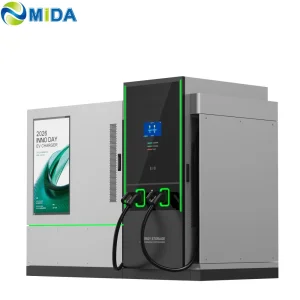
Comprehensive component integration from cables and power modules to turnkey, high-capacity charging platforms.
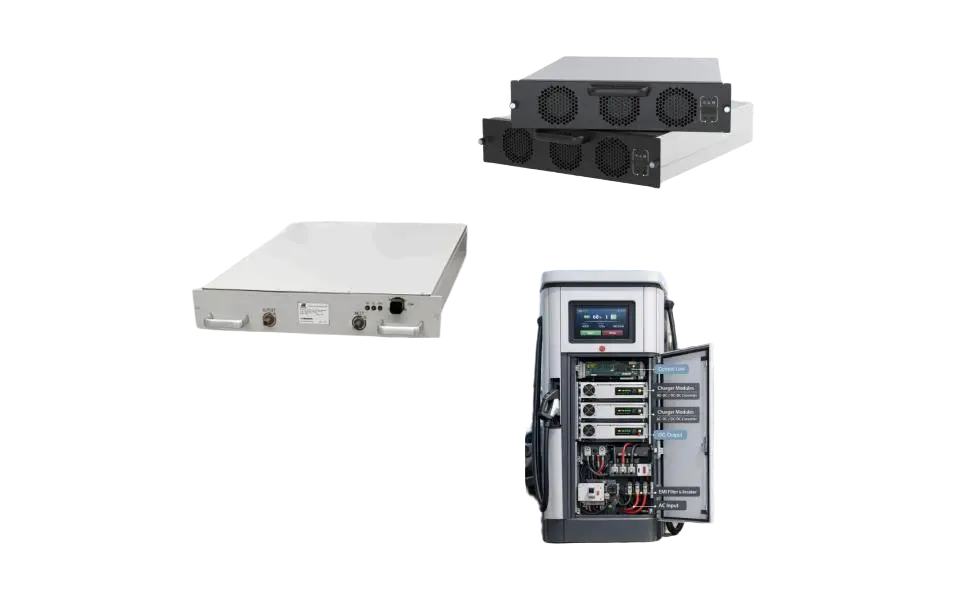
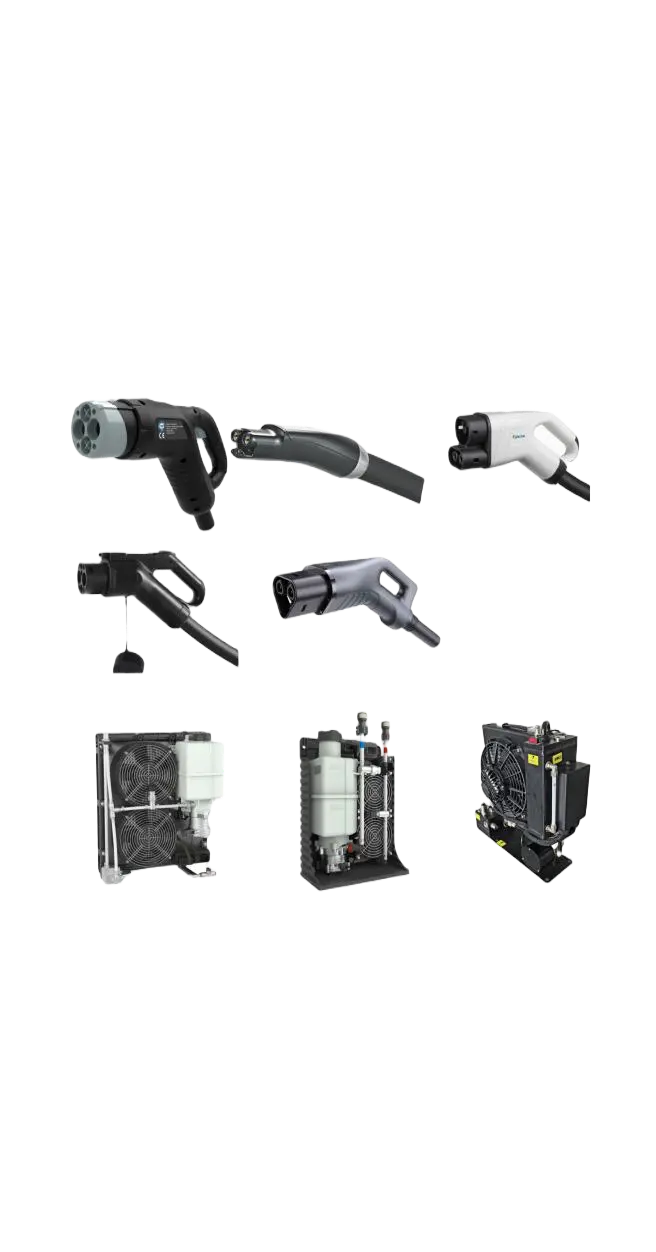
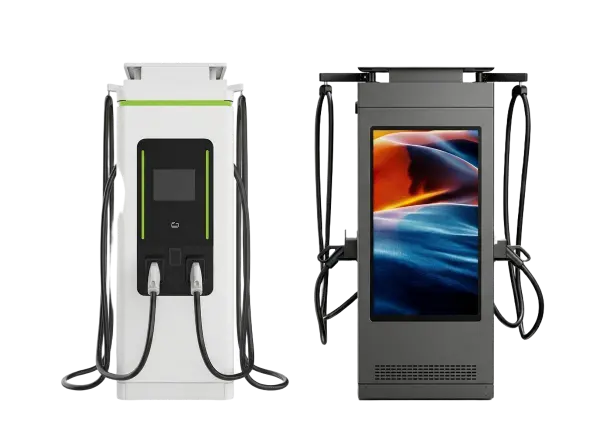
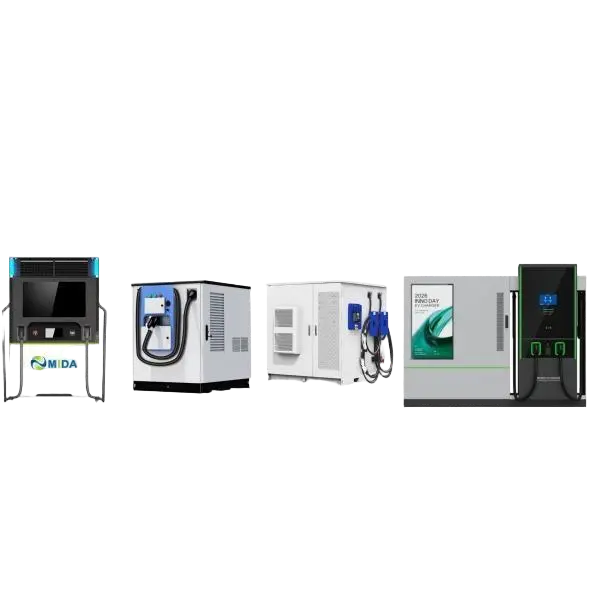
Sourcing 150kW CCS chargers from China offers strategic operational advantages, specifically regarding vertical supply chain integration and scaling capabilities. Because critical subcomponents—ranging from copper alloys used in liquid-cooled cables to precision power modules and digital controllers—are manufactured within the same industrial ecosystems, manufacturers can guarantee consistency and quality.
Furthermore, strict automation standards across assembly lines ensure every station is tested against thermal, electrical, and mechanical stresses before leaving the factory. This complete control over component design allows for agile adaptations, such as updating communication protocols to match newly introduced vehicle models or specific regional grid parameters.
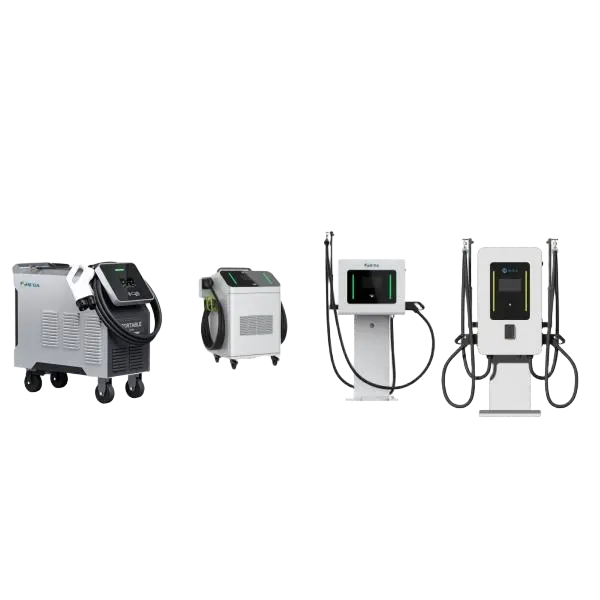
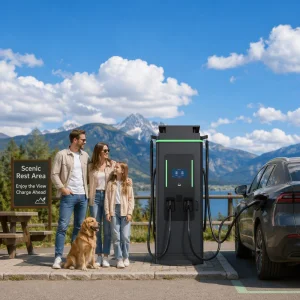
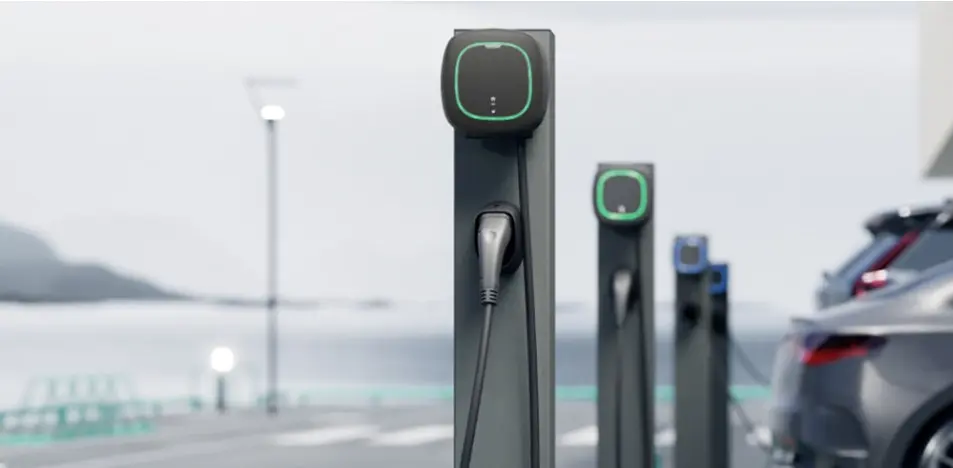
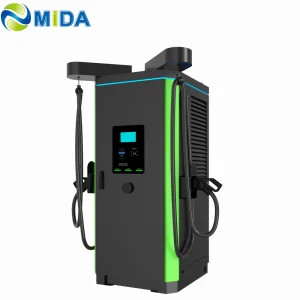
Space-optimized DC footprints ideal for residential complexes, workplaces, and rapid-deployment fleet depots.
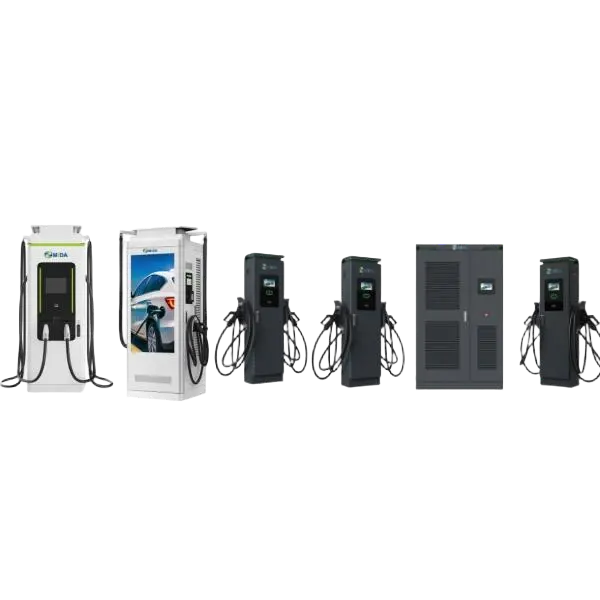
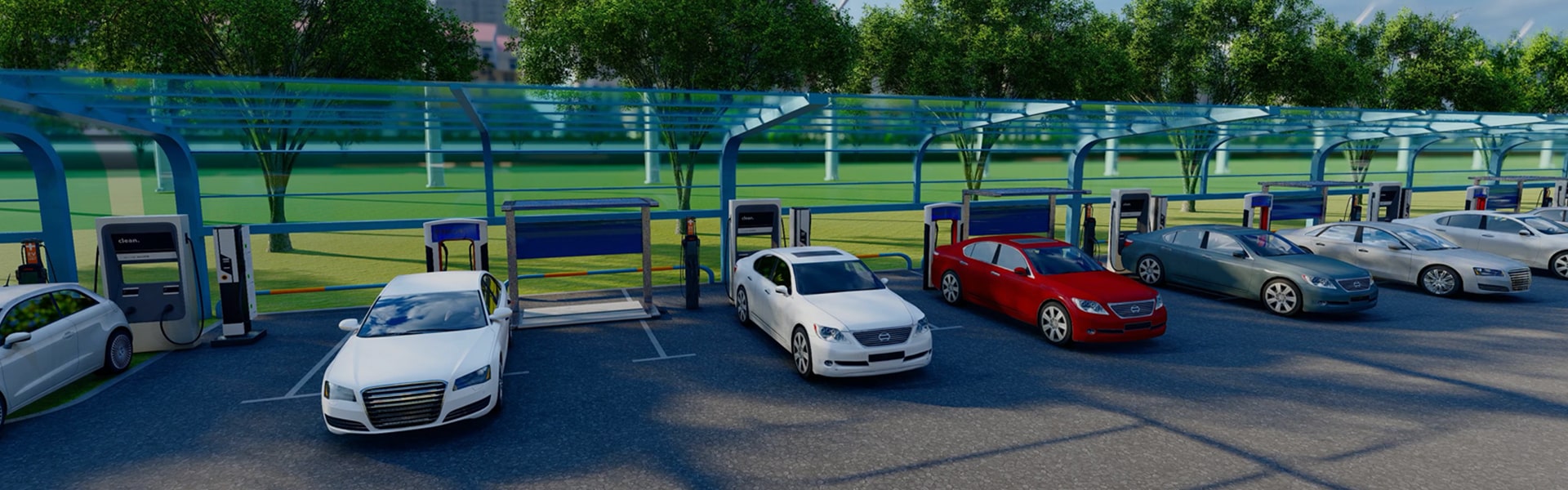
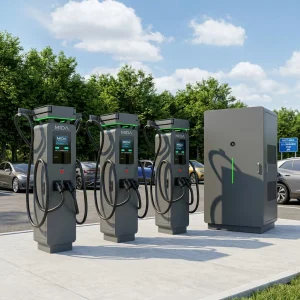
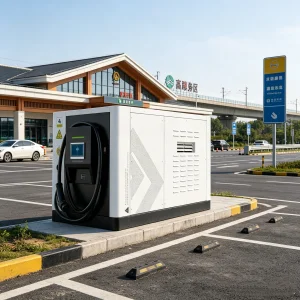
Designed for highway services, busy commercial centers, and fast-turnaround depot operations.
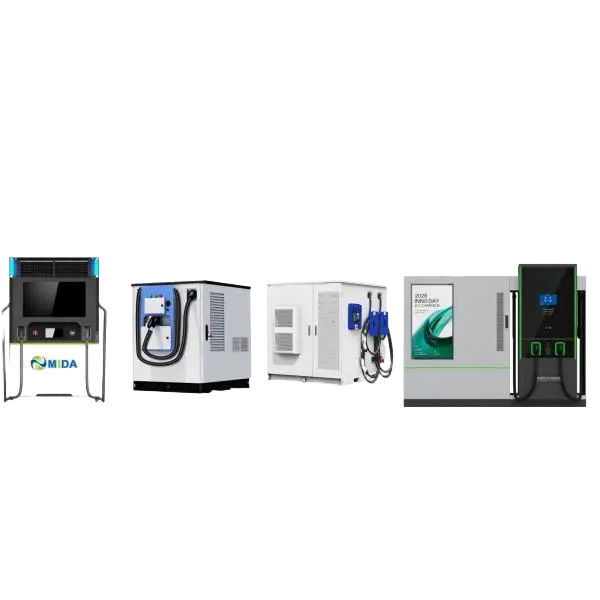
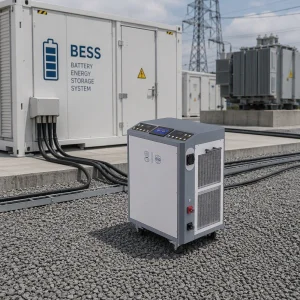
Integrated energy storage systems that mitigate grid demand peaks and optimize solar energy integration.
Integrating a network of 150kW CCS charging stations requires careful, long-term grid planning. Sourcing equipment with built-in smart grid capabilities, such as automated load management, allows operators to prevent localized transformer overloads. By coordinating power requirements in real time, operators can balance high demand across multiple dispensers, ensuring vehicles charge efficiently without exceeding utility thresholds.
Additionally, combining solar PV generation with Battery Energy Storage Systems (BESS) and high-power DC fast chargers provides a highly sustainable configuration. Known as "microgrid-buffered charging," this setup stores local solar generation or cheap off-peak power in batteries and discharges it during high-load charging windows. This approach reduces overall grid strain and lowers high demand charges from utility companies.
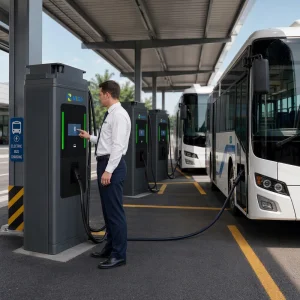
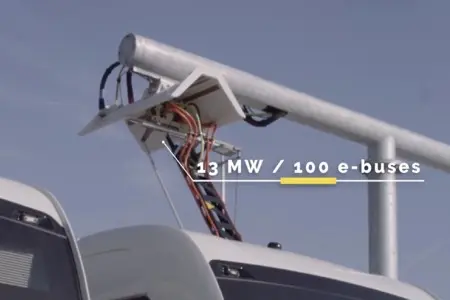
Enables municipal bus lines and delivery fleets to charge overnight using smart sequencing, reducing the total required utility service size.
High-density corridor stations designed for rapid turnover, supporting high-voltage passenger and heavy commercial vehicles.
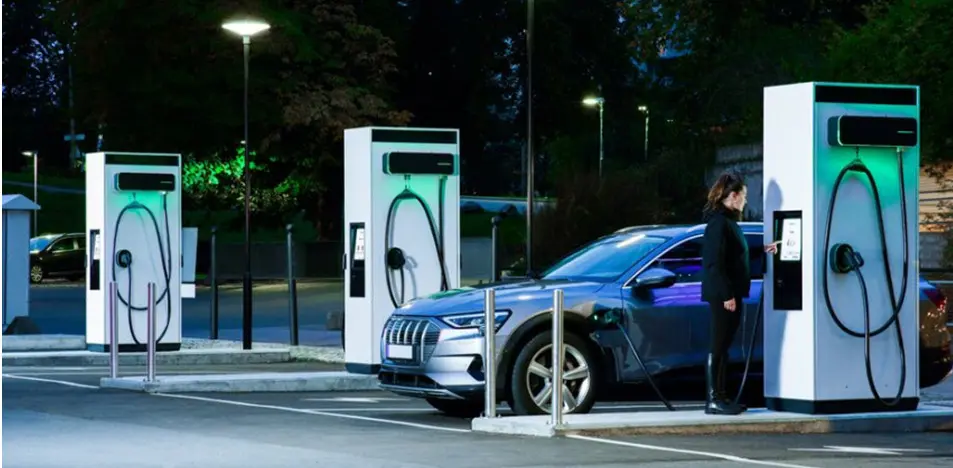
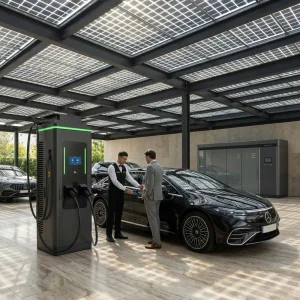
Value-added infrastructure designed for retail complexes and industrial properties, supporting dynamic load management and custom payment options.
Deploying charging stations globally requires navigating complex regulatory standards. To comply with local regulations, a 150kW CCS charger must hold relevant certifications for its target market, such as CE for Europe, UL for North America, and PSE for Japan. Compliance requires meeting strict safety criteria for electromagnetic compatibility (EMC), insulation resistance, and circuit protection.
Additionally, accurate billing requires compliance with local standards like Germany's Eichrecht or European MID (Measuring Instruments Directive) rules, ensuring transparent energy metering. Using open communications standards like OCPP 1.6J or 2.0.1 also protects investments, allowing charging stations to integrate with any management software without being locked into a single vendor.
For large public transit networks, automated connection devices (ACDs) like pantographs represent a significant advancement. By eliminating manual cable handling, pantographs allow buses to charge during scheduled dwell times at transit stops, extending operational range without requiring larger vehicle battery packs.
As heavy duty transport transitions to electric, charging standards are scaling to the Megawatt Charging System (MCS) level, targeting currents over 1000A. The structural and manufacturing systems developed for liquid-cooled CCS stations serve as the direct foundation for these ultra-high-power technologies.

Technical and logistics answers for procurement managers and infrastructure engineers.
CCS1 (Combined Charging System Type 1) is mainly used in North America and parts of Asia, based on single-phase AC pin architectures. CCS2 is the standard across Europe and other regions, featuring a three-phase AC connection system. Both configurations use PLC (Power Line Communication) for billing and safety handshakes.
The system uses intelligent cooling control. Up to 150A, air cooling with variable-speed fans is generally sufficient. For outputs up to 200A-500A, liquid-cooled cables and connectors are required to prevent overheating and maintain peak performance.
Yes, modern 150kW CCS chargers support wide output voltage ranges, typically from 150V to 1000V DC. This ensures compatibility with legacy 400V battery systems as well as high-voltage 800V vehicles, making the infrastructure compatible with future vehicle models.
OCPP 2.0.1 offers enhanced security, improved diagnostic reporting, and native support for ISO 15118 (Plug & Charge). This ensures secure communication between the charging station and the central system, simplifying operation and billing management.
BESS-integrated systems store energy in batteries during low-demand periods. When a vehicle initiates a high-power charging session, the battery provides the necessary power, reducing the direct demand on the grid and helping operators avoid high demand charges.
Advanced charging infrastructure designed for fleet, public, and heavy-duty logistics applications.