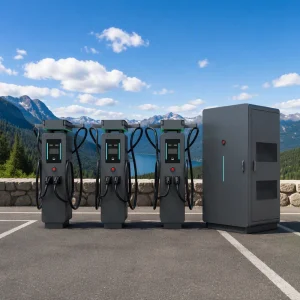
Explore our high-performance, enterprise-grade charging stacks, mobile units, and battery integrated systems optimized for municipal, commercial, and fleet deployment.
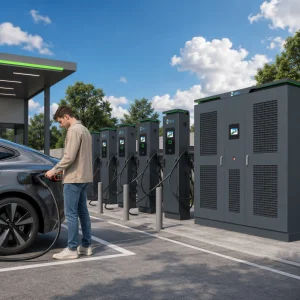
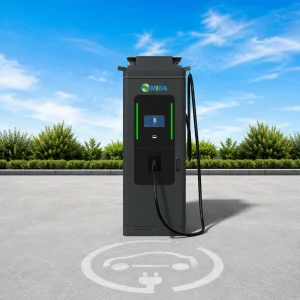
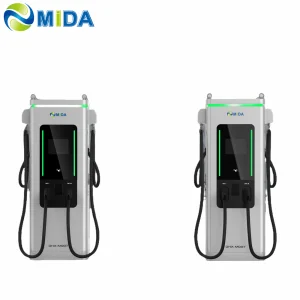
A global leader in electric vehicle charging infrastructure, manufacturing cables, connectors, power modules, and intelligent DC fast chargers.
Shanghai Mida Cable Group Ltd. operates through its wholly owned subsidiaries: Shanghai Mida EV Power Co., Ltd., Shenzhen Mida EV Power Co., Ltd., and Shanghai Mida New Energy Co., Ltd. We maintain a state-of-the-art industrial framework focused on providing end-to-end electrical vehicle supply equipment (EVSE) components and comprehensive hardware integration.
By controlling the entire process from raw copper cabling design to complete liquid-cooled high-power systems, Mida Group guarantees unmatched reliability, thermal performance, and compliance for public and private charging networks worldwide.

Manufactures a comprehensive range of EV charging cables, including 16A–80A J1772 cables, 16A–63A IEC 62196-2 Type 2 cables, and DC fast charging cables: CCS1 (80A–500A), CCS2 (125A–1000A), CHAdeMO (125A–300A), GBT (200A–1000A), and NACS connectors (250A–600A).
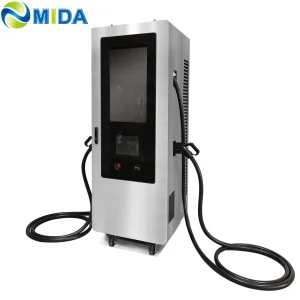
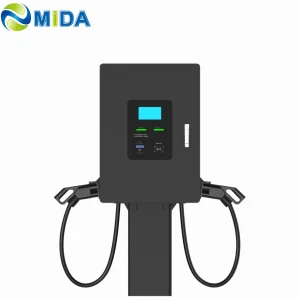
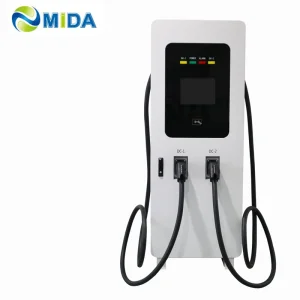
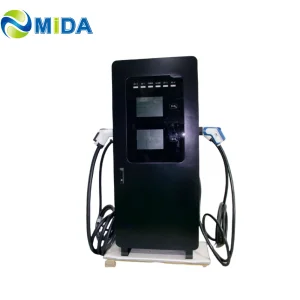
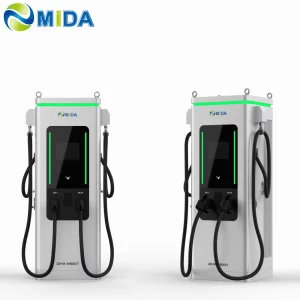
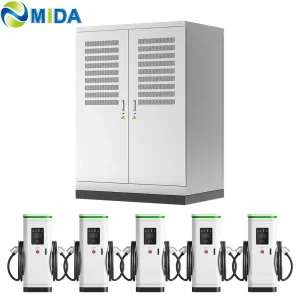
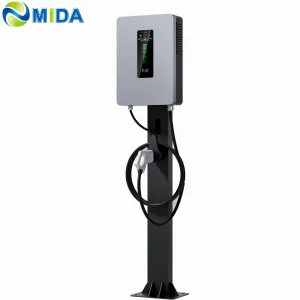
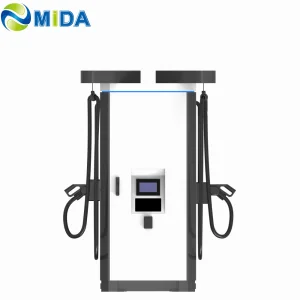
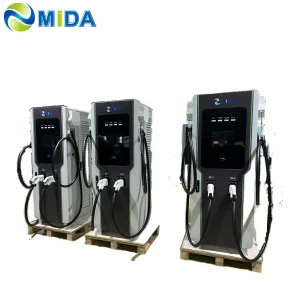
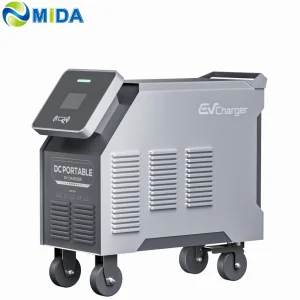
Produces a full lineup of EV charging stations, such as 7kW–50kW mobile chargers, 3.6kW–7.2kW portable DC chargers, 360kW–1440kW split-type DC fast chargers, 20kW–50kW wall-mounted DC chargers, and 60kW–480kW floor-standing DC fast charging stations.
Specializes in EV charger power modules, offering 20kW–60kW standard modules, 40kW–125kW liquid-cooled modules, 30kW–62.5kW bidirectional modules, and 20kW–45kW V2G charging modules.
Mida's scalable architectures allow charging networks to scale dynamically, supporting public monetization models, private logistics fleets, and multi-tenant residential grids.
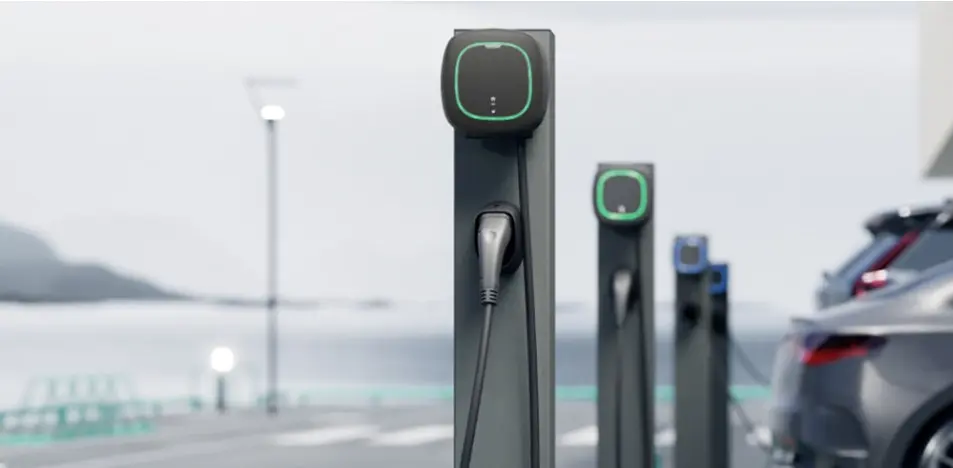
Smart, compact charging solutions for destination hubs, residential environments, and fleet depots requiring overnight AC distribution.
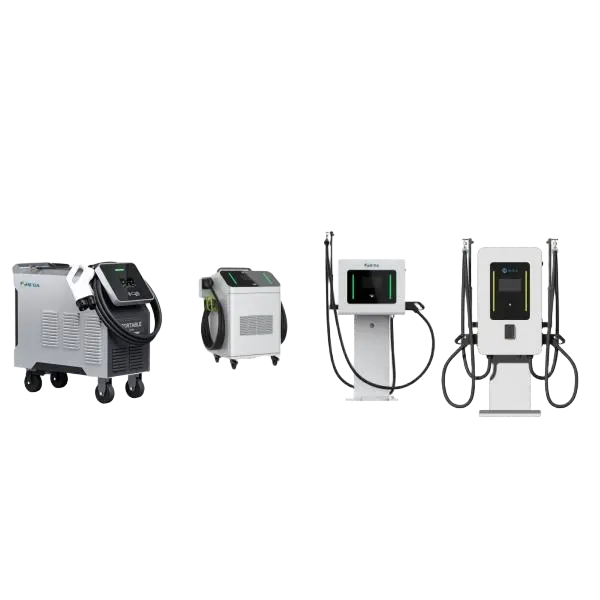
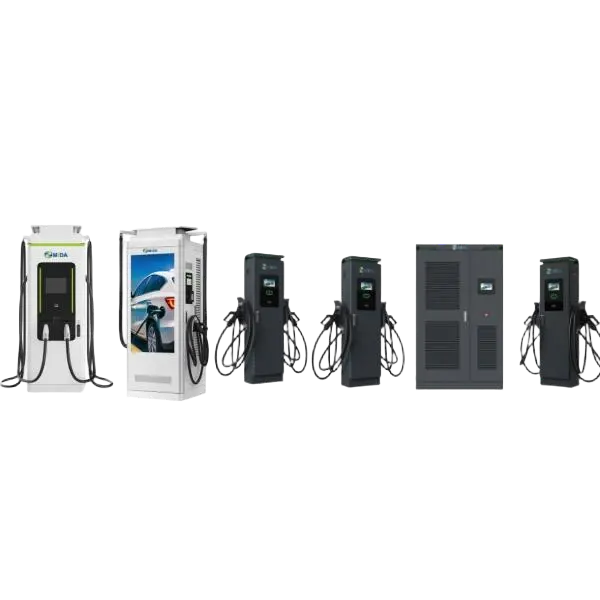
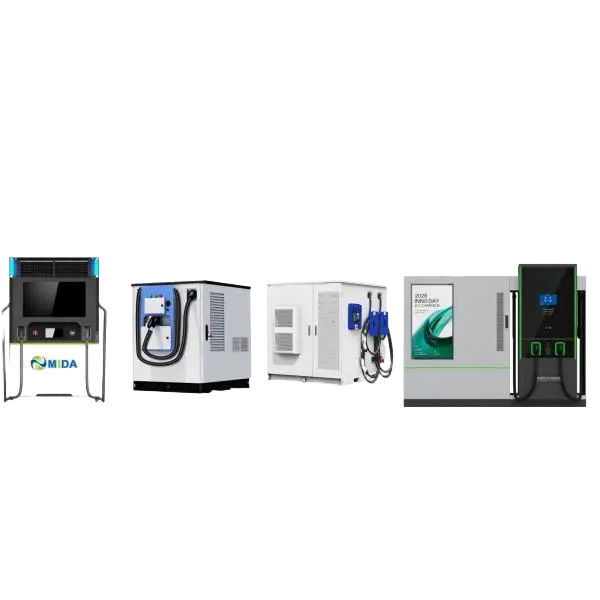
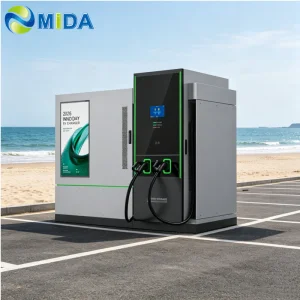
Providing "Free" EV charging stations is a tactical marketing and operational driver. Modern enterprises leverage advertising, retail partnerships, and energy arbitrage to fund hardware.
For shopping centers, hotels, and municipal parking networks, installing "free to use" EV chargers does not mean a loss of revenue. B2B operators structure these systems to drive secondary monetization channels:
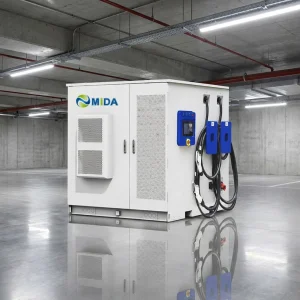
Deploying energy storage systems (BESS) alongside fast chargers solves localized grid constraint issues. Mida Group's 261kWh BESS systems store energy during off-peak periods when electricity tariffs are low, discharging it during peak demand intervals to provide ultra-fast charging to vehicles without stressing local substation limits. This "Peak Shaving" method drastically lowers demand charges from utility companies, making "free" or low-cost client charging financially sustainable.
Explore our core engineering catalog, designed to meet strict international grids, dynamic load sharing requirements, and harsh climate conditions.
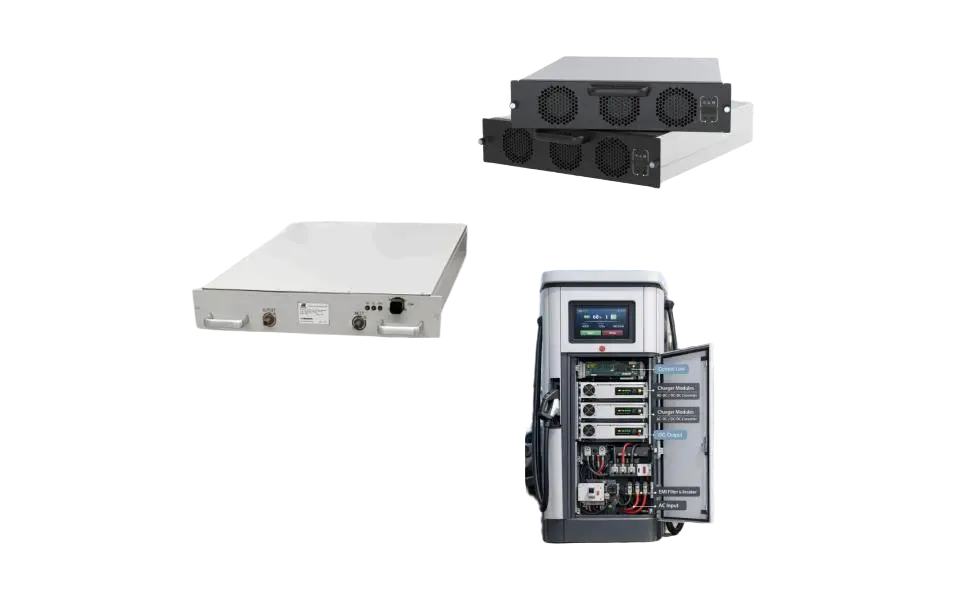
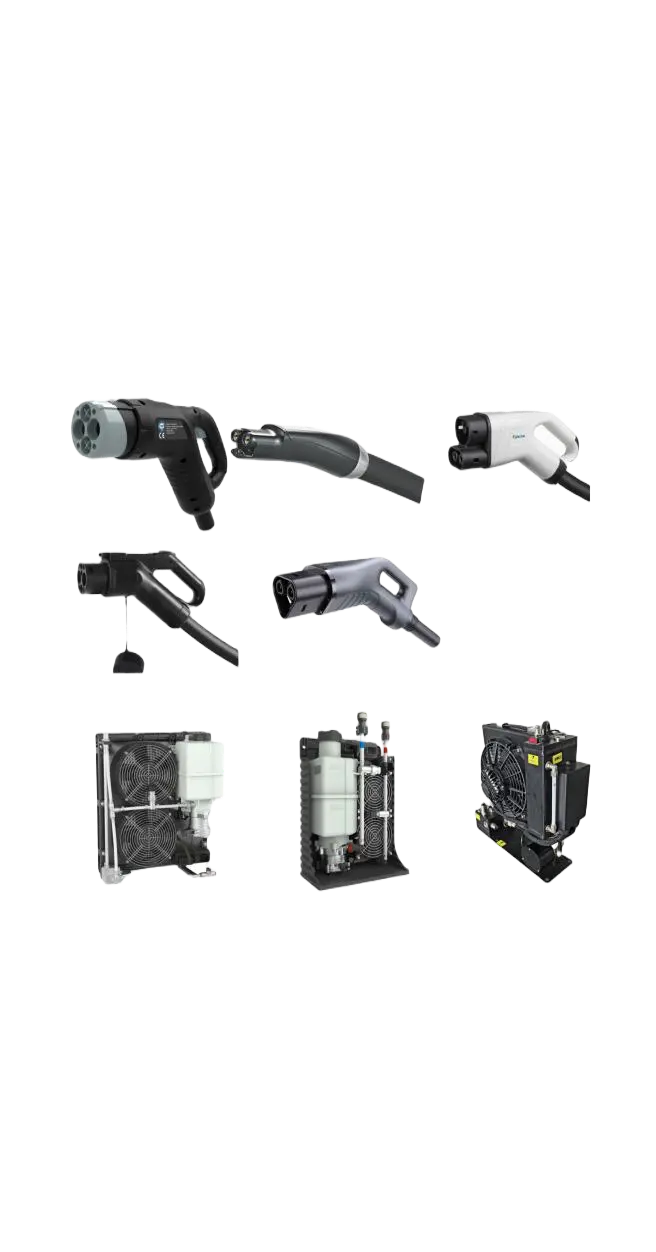
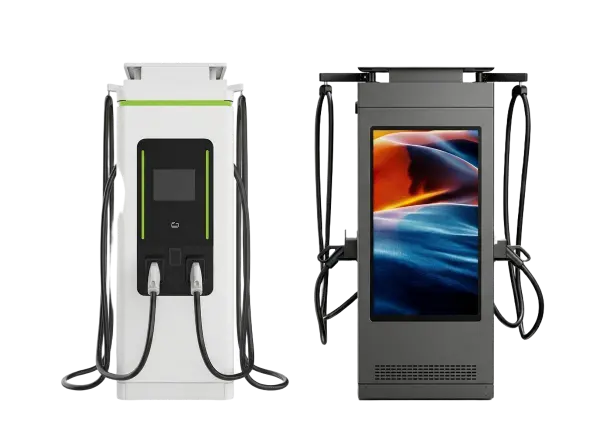
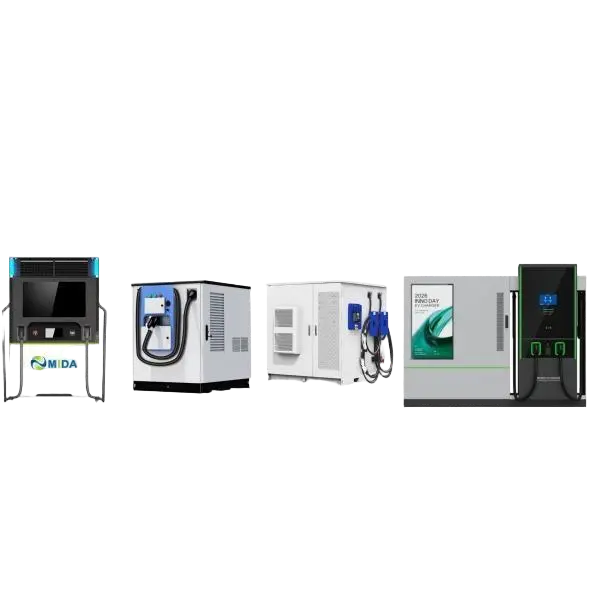
Remaining at the cutting-edge of vehicle electrification requires deep hardware engineering investments. MIDA is leading the transition across several high-power electrification frontiers:
Traditional forced-air cooling systems fail when current draws exceed 250A due to excessive thermal output in the cabling and connectors. Mida's liquid-cooling technology permits safe continuous draws of up to 1000A via integrated coolant routing directly to the terminal contacts. This enables true 1000kW+ fast charging rates, restoring 80% range to next-gen utility trucks and buses in under 8 minutes.
Vehicles are transforming into mobile grid assets. Mida's bidirectional 20kW-62.5kW AC/DC power modules utilize advanced Silicon Carbide (SiC) switches to allow fleets to feed power back into corporate buildings or regional distribution networks. V2G capability offsets electricity costs and supports municipal grids during sudden peak consumption surges.
Designed for long-haul maritime transport, logistics haulers, and commercial aviation, MCS is the next step in global standard charging. Working at voltages up to 1250V and currents up to 1500A, Mida's upcoming MCS connectors will significantly accelerate transition cycles for high-tonnage heavy-duty fleets worldwide.
MIDA Group's primary manufacturing facility leverages industrial automation and optimization to deliver hardware at scale, providing global supply chain resilience.
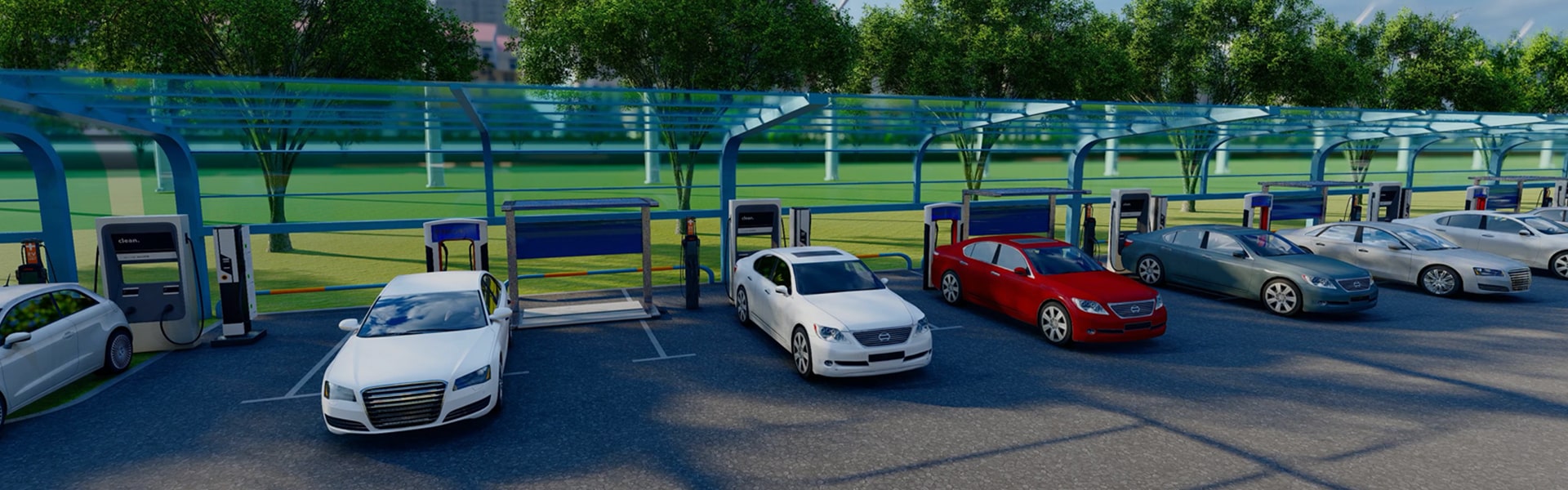
By keeping raw materials production, cable extrusion, connector molding, and PCB control-board assembly in-house, Mida minimizes the risk of international component shortages. Our ISO 9001 and IATF 16949-certified factories employ automated optical inspection (AOI), high-temperature aging chambers, and strict Helium leak testing systems for liquid-cooled lines. These extensive procedures guarantee that every station shipped to Europe, the Americas, or Asia-Pacific delivers reliable long-term service.
Connecting high-power electrical components to public grids requires adhering to rigorous national safety, environmental, and communications guidelines.
Our fast-charging piles hold complete regional approvals, including UL 2202, ETL, CE (EN 61851), and CB certificates. These assure regional distribution operators (DSOs) that the equipment will disconnect safely in the event of voltage spikes, thermal anomalies, or grounding disruptions.
Mida's public charging stations support OCPP 1.6J and OCPP 2.0.1 for real-time remote monitoring, network diagnostic routing, and billing integration. Built-in RFID readers and physical EMV-compliant POS credit-card terminals enable streamlined billing on site.
To optimize the client experience, our systems support ISO 15118 Plug & Charge protocols. The vehicle negotiates authentication, session starts, and billing directly with the charger via the control pilot line upon connector insertion, eliminating the need for external mobile applications or RFID cards.
Stay up to date with MIDA Group's latest developments, installation updates, and engineering initiatives in high-power heavy fleet electrification.
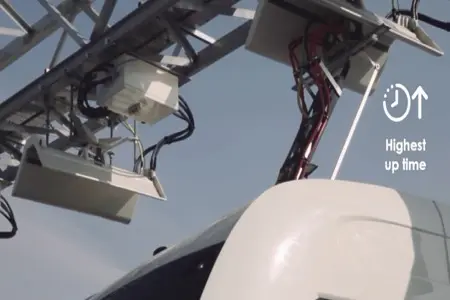
What are the advantages of an e-bus pantograph dome? In contrast to classic plug-in charging systems, e-bus pantograph solutions allow for ultra-fast, high-power automated energy transfer directly from overhead utility structures during brief transit stops.
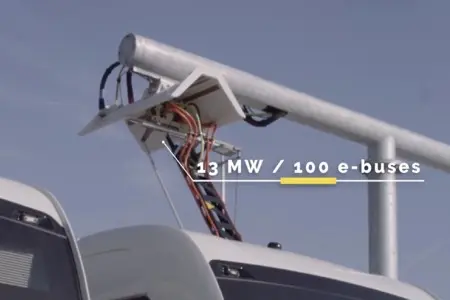
How long does it take to charge with an e-bus pantograph? The charging time depends on the battery capacity and the station's configuration, typically ranging from 3 to 8 minutes for typical route adjustments.
How to Install the Pantograph Up Charger System Dome for Electric Bus. Installing a "Pantograph Up" system requires precise positioning and structural engineering on existing overhead transit frameworks.
Providing the critical framework required by supply chain managers, EPC firms, and purchasing departments evaluating heavy EV charging infrastructure.
Procurement documents should specify requirements for power module modularity (e.g. 30kW/40kW increments) to prevent system downtime. If a module fails, the station should isolate the unit and continue charging at a reduced output.
Mida Group offers standard warranty extensions up to 5 years, along with guaranteed parts availability for 10 years, ensuring long-term fleet operational uptime.
Standard DC fast charging stations ship within 4-6 weeks from our automated factories. Custom OEM designs or large-scale split supercharger stacks (600kW+) typically ship in 8-12 weeks.
Expert answers addressing hardware configurations, grid integrations, and B2B pricing queries.
❓ Can Mida's DC charging stations operate under extreme sub-zero or high-temperature desert environments?
Yes. Our standard air-cooled systems are rated from -30°C to +50°C. For extreme temperature regions, our liquid-cooled split chargers maintain internal coolant temperatures within optimal ranges, preventing thermal derating and guaranteeing constant power output.
❓ How does the dynamic load balancing work in Mida's 360kW-1440kW split-type charging stacks?
Our intelligent power allocation algorithms monitor the real-time State of Charge (SoC) and voltage demand of connected vehicles. Power modules are dynamically routed to individual dispensers in 30kW or 40kW increments, optimizing energy utilization and avoiding grid capacity waste.
❓ What is the advantage of choosing a BESS-integrated charging pile for low-capacity sites?
BESS-integrated chargers allow operators to bypass expensive substation upgrades. A site with a limited grid capacity (e.g., only 50kW) can charge an internal battery at a steady rate throughout the day, then discharge the battery at up to 240kW to provide fast charging to arriving vehicles.
❓ Do your charging units support customization for localized payment and fleet telematics systems?
Yes. Our hardware is compatible with any OCPP-compliant back-end management system. We also provide integration support for local RFID card protocols, fleet telematics platforms, and major mobile payment systems.
❓ Are the charging connectors and cables supplied by Mida cross-compatible with other charger brands?
Absolutely. Mida Cable manufactures charging cables and connectors strictly conforming to global standards (IEC 62196, SAE J1772, GB/T, NACS, and CHAdeMO). These components are widely used by other leading charger manufacturers worldwide.
Review our extended portfolio of commercial-grade fast chargers, advertising stations, and split dispensers tailored for high-frequency public usage.