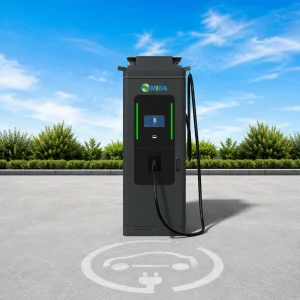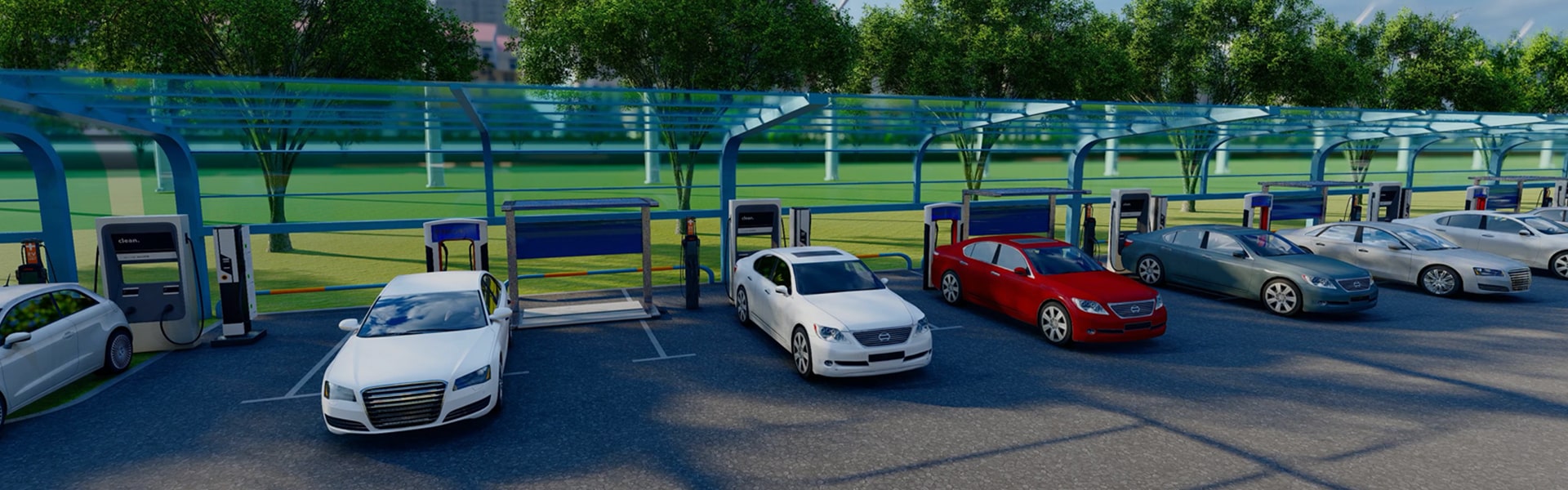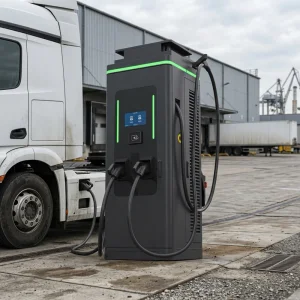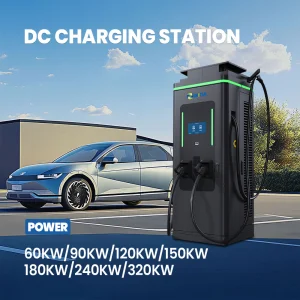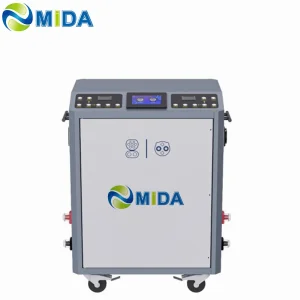
Engineered for commercial, fleet, and public charging networks. Fully compliant with international standards.
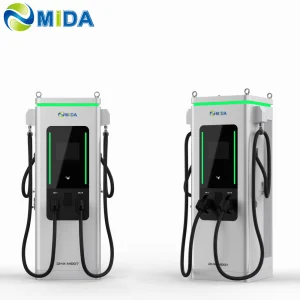
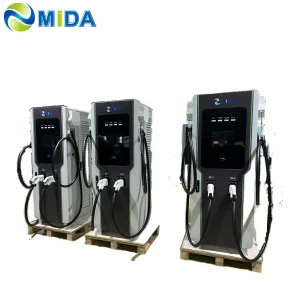
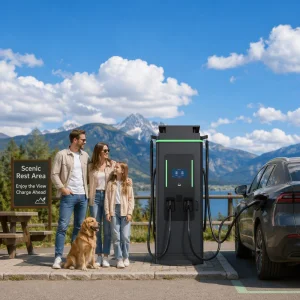
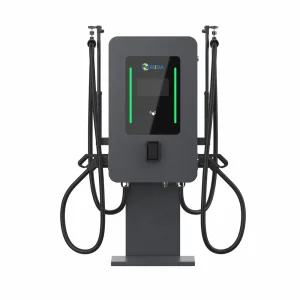
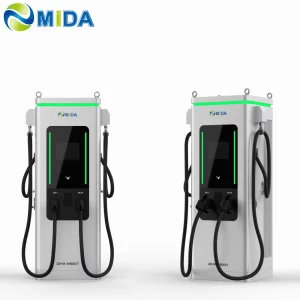
Providing industrial grade stability and efficiency to charging point operators (CPOs) worldwide.
Deploying ultra-fast megawatt-level charging infrastructure introduces massive grid loads. Our modular DC systems balance local grids using integrated power controls and battery reserves, preventing peak-demand grid overload.
All DC systems are OCPP 1.6J and OCPP 2.0.1 compliant. This allows developers and CPOs to manage load distributions dynamically, collect payment securely, monitor thermal health, and receive real-time fault telemetry.
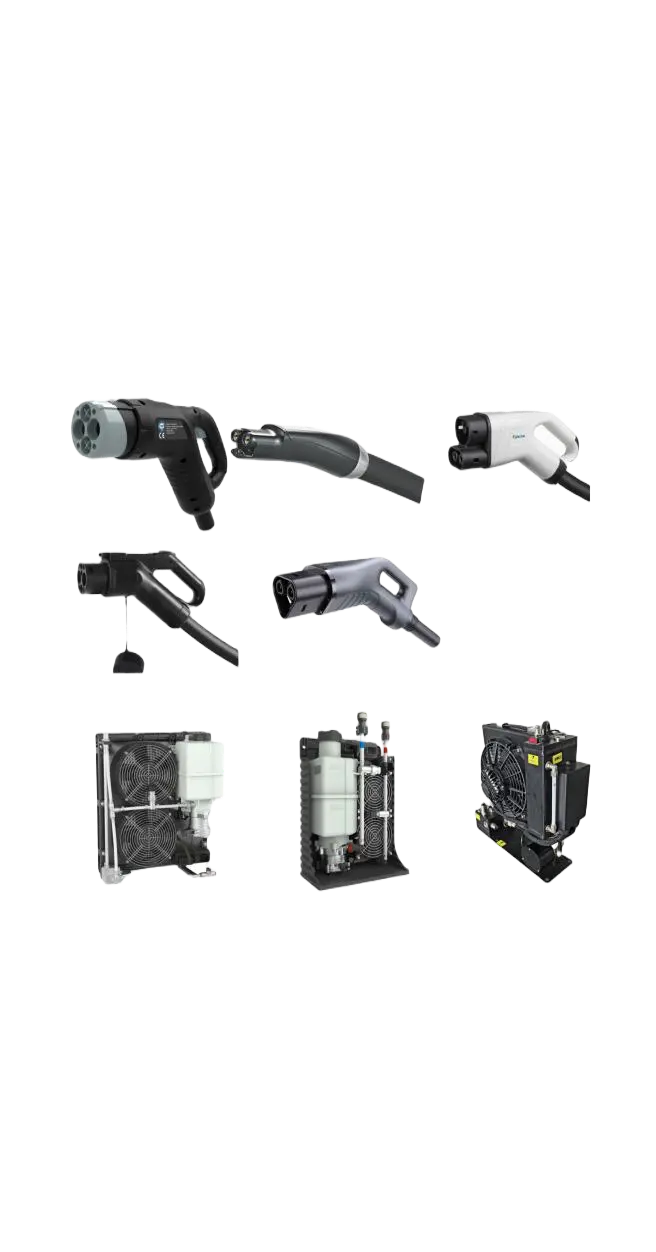
At powers exceeding 350kW, traditional forced-air cooling reaches thermal capacity limits. Our integrated liquid-cooled charging cables and power modules maintain optimal device temperatures under sustained 500A+ continuous loads.
As the global commercial vehicle landscape rapidly transitions toward zero-emission transportation, Fleet Operators and Municipalities face mounting technical challenges. The implementation of Mega-watt charging systems (MCS) requires deep integration between high-efficiency power electronics, sophisticated liquid-cooling infrastructure, and robust grid interaction strategies. From public bus depots utilizing automated overhead pantographs to highway charging hubs handling heavy-duty logistics trucks, MIDA Group delivers highly optimized hardware architectures that decrease Total Cost of Ownership (TCO) while maximizing energy throughput.
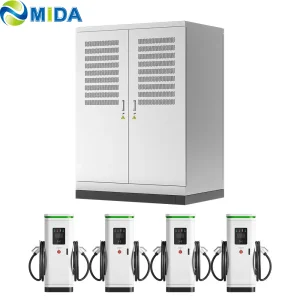
Our solutions provide the missing link between standard grid distribution and the extreme power requirements of modern EV battery chemistries. By implementing intelligent dynamic power allocation across multi-dispenser configurations, we ensure that every kilowatt from the grid is utilized at maximum efficiency. Our high-power split systems flexibly allocate power in 10kW or 20kW increments, responding dynamically to the vehicle's State of Charge (SoC) and thermal limitations.

Standardized equipment categories tailored to diverse commercial requirements.
Smart AC charging systems suitable for home, workplace, and depot dwell-time charging applications.
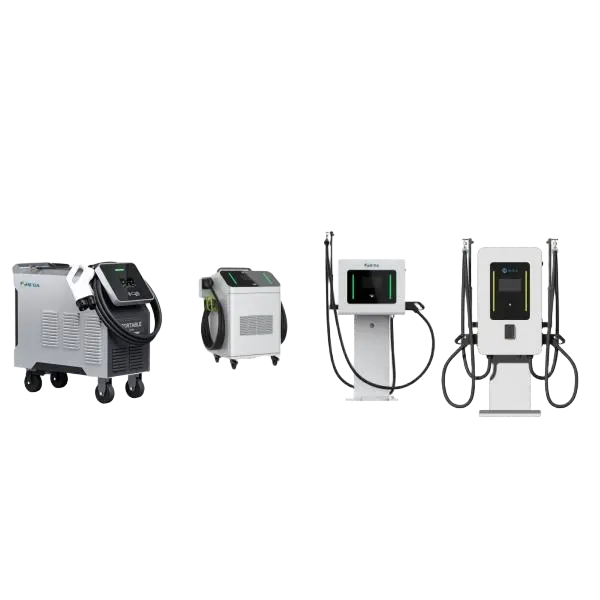
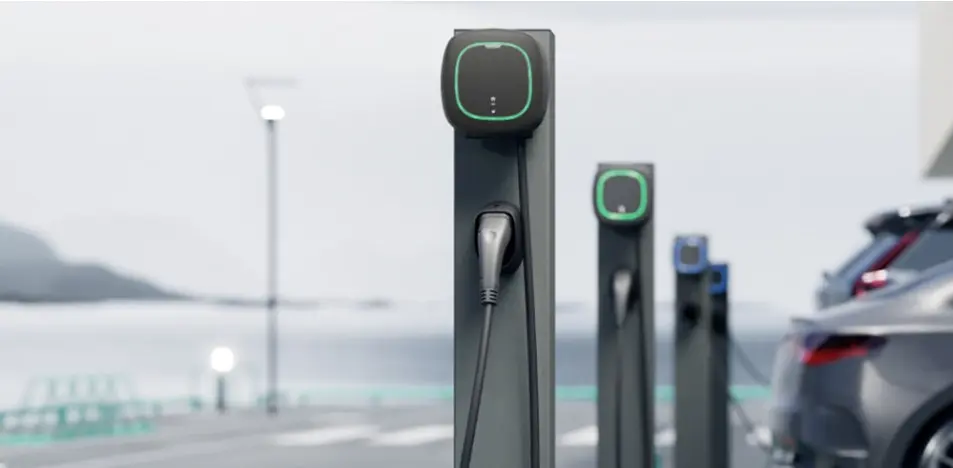
Wall-Mounted/Mobile EV Charger
7kW 20kW 30kW 40kW 60kW 80kW
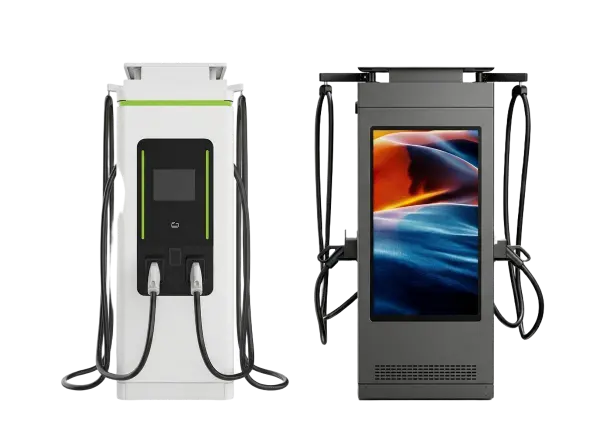
Rapid and Ultra-Fast DC charging stations optimized for commercial highways and fleet hubs.
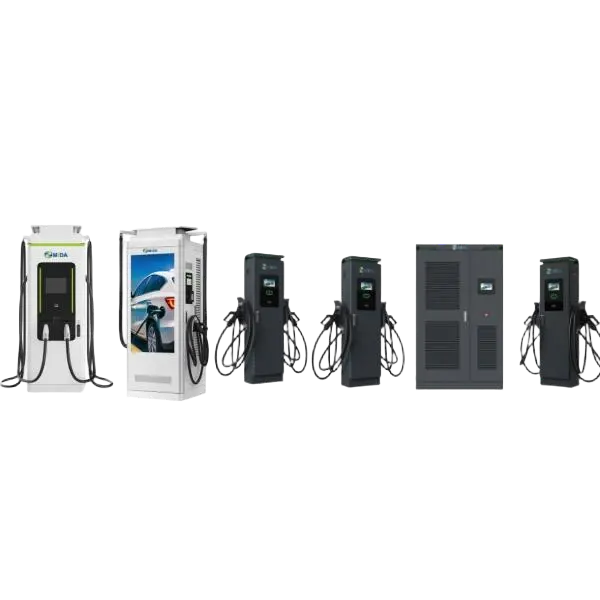
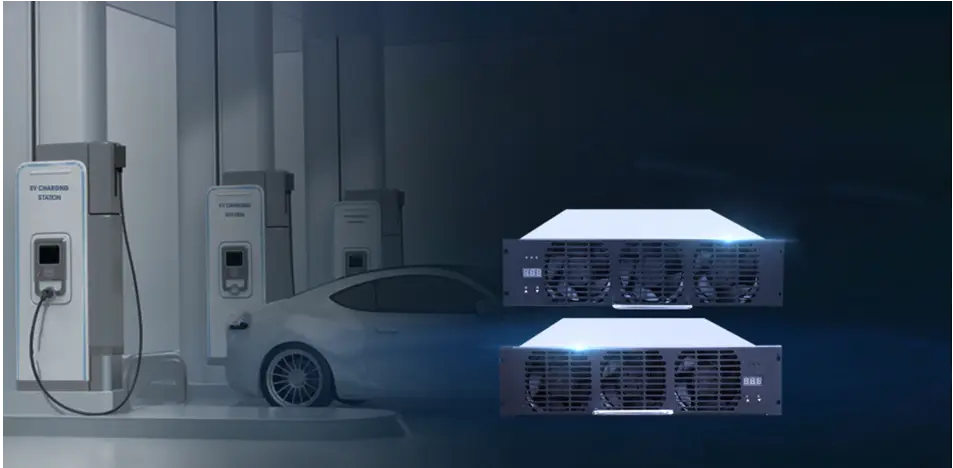
DC Charger Station
60kW-480kW 360kW-1440kW
Battery Energy Storage integrated fast charging, perfect for peak shaving and grid-independent operations.
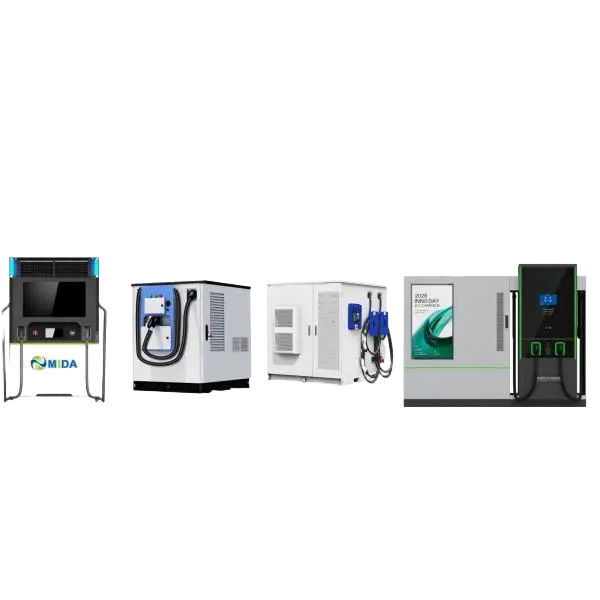
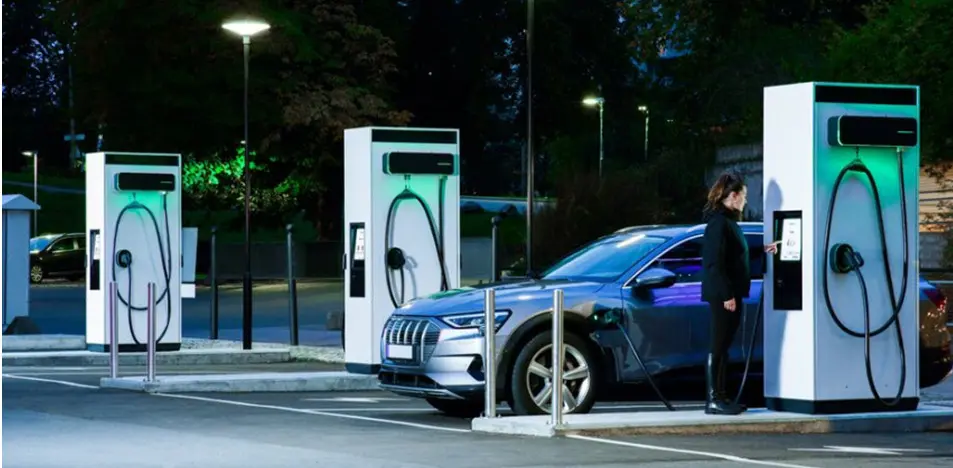
BESS Charging Station
60kWh 261kWh 418kWh 625kWh 2MkWh
Aligning charging hardware with local utility, calibration, and safety frameworks.
In Germany and several neighboring European countries, public EV chargers must adhere to strict calibration laws (Eichrecht). The legislation mandates that the consumer receives exactly the amount of energy displayed on the screen, verified by a secure, tamper-proof energy meter. Our PTB/MID-compliant DC fast chargers feature advanced hardware-based security modules that sign measurement data packages locally, ensuring absolute transparency for commercial billing networks.
To qualify for Federal Highway Administration funding in the United States, charging infrastructure must meet National Electric Vehicle Infrastructure (NEVI) standards. Key requirements include 97% uptime reliability, specific connector support (including NACS and CCS1), and Buy America compliance. Our manufacturing lines implement rigorous quality controls aligned with UL 2202 and UL 2231, guaranteeing structural safety and electrical isolation protection under extreme grid surges.
The Alternative Fuels Infrastructure Regulation (AFIR) mandates card-payment terminals and ad-hoc pricing transparency at high-power recharging stations along main European transport corridors. Our fast charging series features integrated POS systems supporting RFID, NFC, and credit card payments directly at the dispenser, simplifying access while guaranteeing compliant transaction handling.
Charging infrastructure must operate flawlessly across diverse climatic zones. With housing rated at IP55 / IP65 and NEMA 3R/4X, our dispensers are engineered to withstand sandstorms, coastal humidity, and sub-zero temperatures. Built-in intelligent dehumidification and precision liquid-to-air heat exchangers protect sensitive internal electronics from moisture condensation and dust buildup.
Learn about our primary system configurations and components to select the ideal option for your operations.
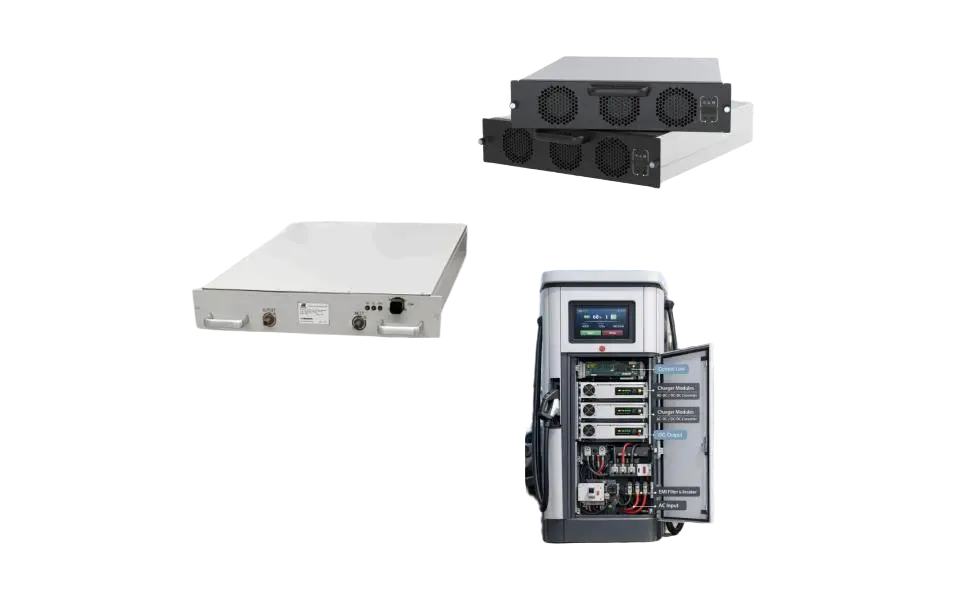
Reliable charging solutions engineered for specific operating environments.
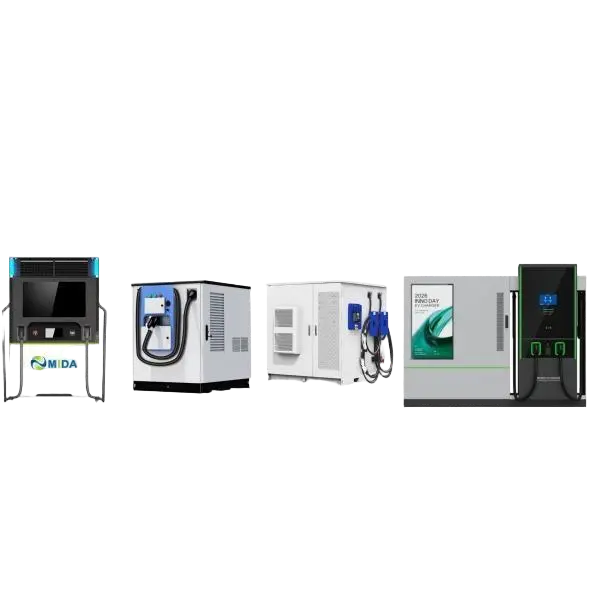
Fleet vehicles require predictable overnight or rapid top-up intervals. Our split systems utilize intelligent power-sharing matrices to allocate power to active dispensers, ensuring fleet readiness while minimizing peak demand charges.
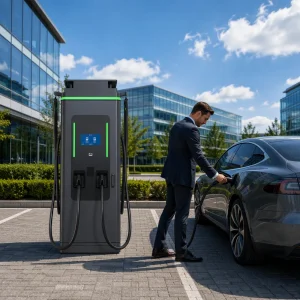
Designed for highway services, shopping centers, and urban hubs. Integrated advertising screens (up to 55-inch), user-friendly POS payment terminals, and multilingual interfaces optimize operator revenue streams.
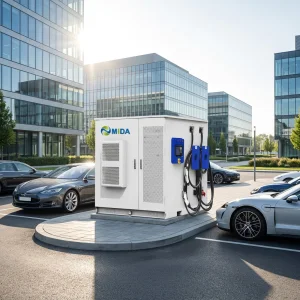
Perfect for locations with limited local grid capacity. By combining BESS (up to 2MWh), local photovoltaic arrays, and high-power DC charging, our systems deliver consistent fast-charging without local substation upgrades.
Developing the next generation of charging technologies to keep operators ahead of the curve.
Our engineering research focuses on three major structural shifts in the e-mobility industry:
Stay updated with the latest technological developments in e-bus pantograph systems and heavy transit charging.
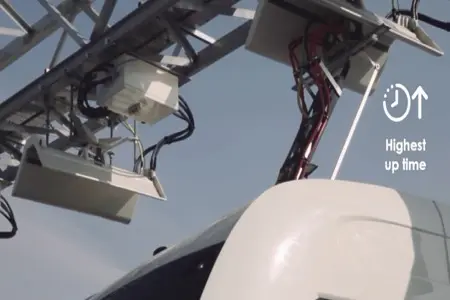
What are the advantages of an e-bus pantograph dome? In contrast to classic plug-in charging systems, e-bus pantograph setups offer rapid automated connection, hands-free operation, and extremely high energy transfer rates suitable for rapid municipal depot operations.
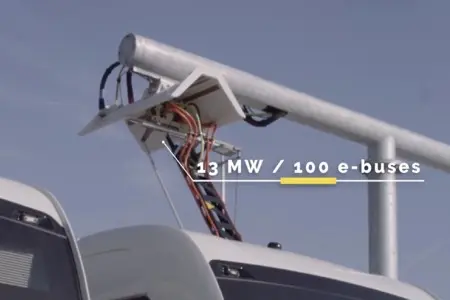
How long does it take to charge with an e-bus pantograph? The charging time depends on the battery capacity and the station output power. Utilizing high-voltage pantographs allows transit buses to recover up to 80% charge within 10 to 15 minutes.
How to Install the Pantograph Up Charger System Dome for Electric Bus. Installing a “Pantograph Up” system dome requires structural integration with depot structural beams, alignment verification, and grid power connection to ensure high safety margins.
Frequently asked technical questions regarding high-power EV charging infrastructure.
At outputs above 350kW, the current exceeds 350A to 500A. Standard copper charging cables would require extremely large, heavy diameters to handle the resulting heat (according to Joule's Law: P=I²R). Liquid-cooling systems circulate coolant through specialized channels within the cable and connector, dissipating heat effectively. This maintains lightweight, flexible cables and protects components from thermal degradation.
Battery Energy Storage Systems (BESS) function as a local power buffer. During low-demand periods, the BESS draws power from the grid at a lower rate. When an EV initiates high-power fast charging, the BESS discharges its stored energy alongside grid power. This peak shaving strategy prevents local grid overload and reduces high peak demand fees from the utility provider.
OCPP 2.0.1 introduces significant improvements over OCPP 1.6J, including enhanced security protocols (TLS encryption and secure firmware updates), advanced device management features for remote configuration, and native support for ISO 15118 (Plug & Charge). It also provides more detailed transaction reporting, enabling better integration with modern smart grids.
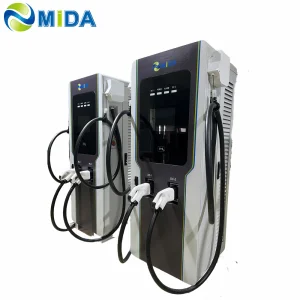
Yes. MIDA manufactures a comprehensive range of connectors including CCS1, CCS2, GB/T, and the North American Charging Standard (NACS). Our dispensers can be configured with dual-hose setups (e.g., CCS1 + NACS or CCS2 + NACS) with dynamic power sharing to support diverse EV fleets.
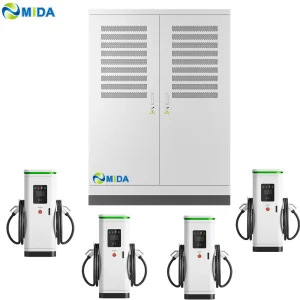
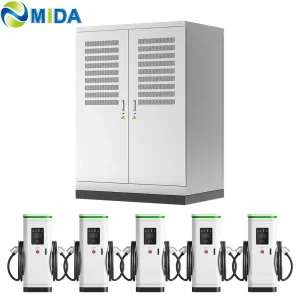
A split charging system separates the power electronics (housed in a central power cabinet) from the user-facing dispensers. This allows the central unit to dynamically allocate power to different dispensers based on each vehicle's State of Charge (SoC). Instead of allocating a fixed 120kW per dispenser, the system can allocate 180kW to a vehicle with a low SoC and 60kW to one nearing full charge, maximizing overall throughput.
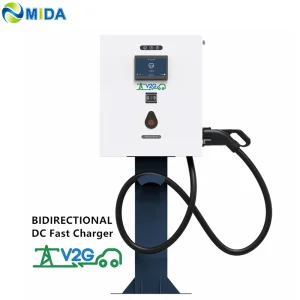
Specialized high-capacity chargers, testing equipment, and V2G bidirectional systems.