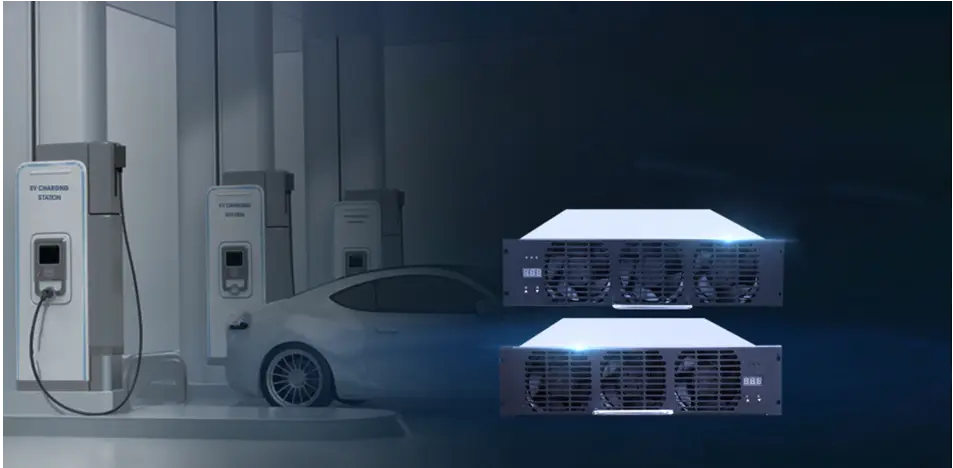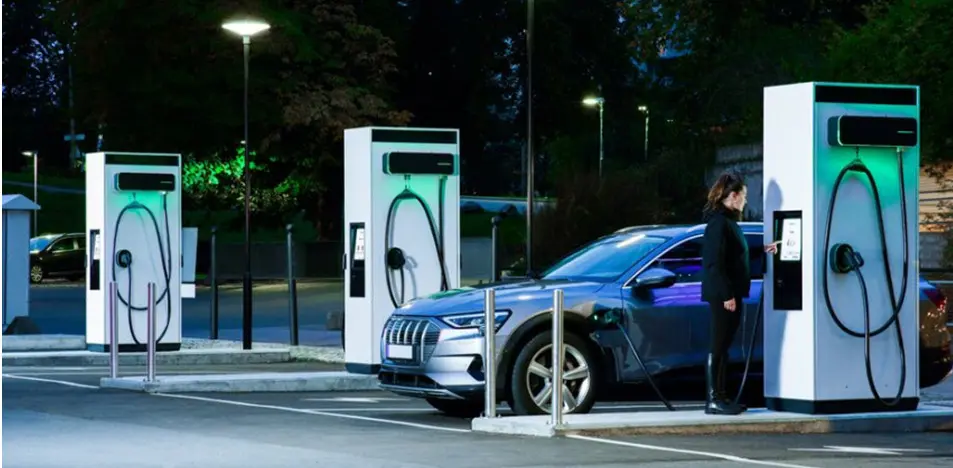
Engineered for high efficiency, compatibility, and severe-environment operation. Explore our core lineup of high-power DC systems.
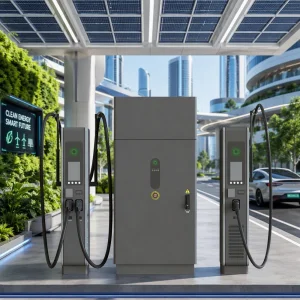
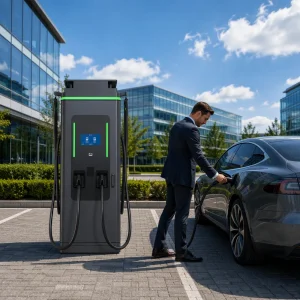
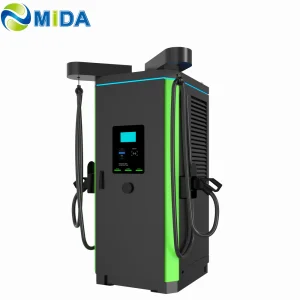
The transition toward electrified mobility is rapidly shifting from passenger-focused AC slow-charging networks to high-throughput, heavy-duty DC Fast Charging (DCFC) infrastructure. Across major economic corridors in North America, Europe, and the Asia-Pacific region, fleet managers, municipal transit authorities, and commercial charging point operators (CPOs) are recognizing that high-power DC systems are essential to minimize downtime and optimize asset utilization.
In Europe, regulatory frameworks such as the Alternative Fuels Infrastructure Regulation (AFIR) dictate strict parameters for public charging stations along the Trans-European Transport Network (TEN-T), forcing operators to upgrade to high-power, multi-standard DC hubs that offer interoperable charging speeds of at least 150 kW per charger. In North America, programs like the National Electric Vehicle Infrastructure (NEVI) formula program are injecting billions of dollars to build an interconnected network of fast chargers with mandatory CCS1 and NACS compatibility.
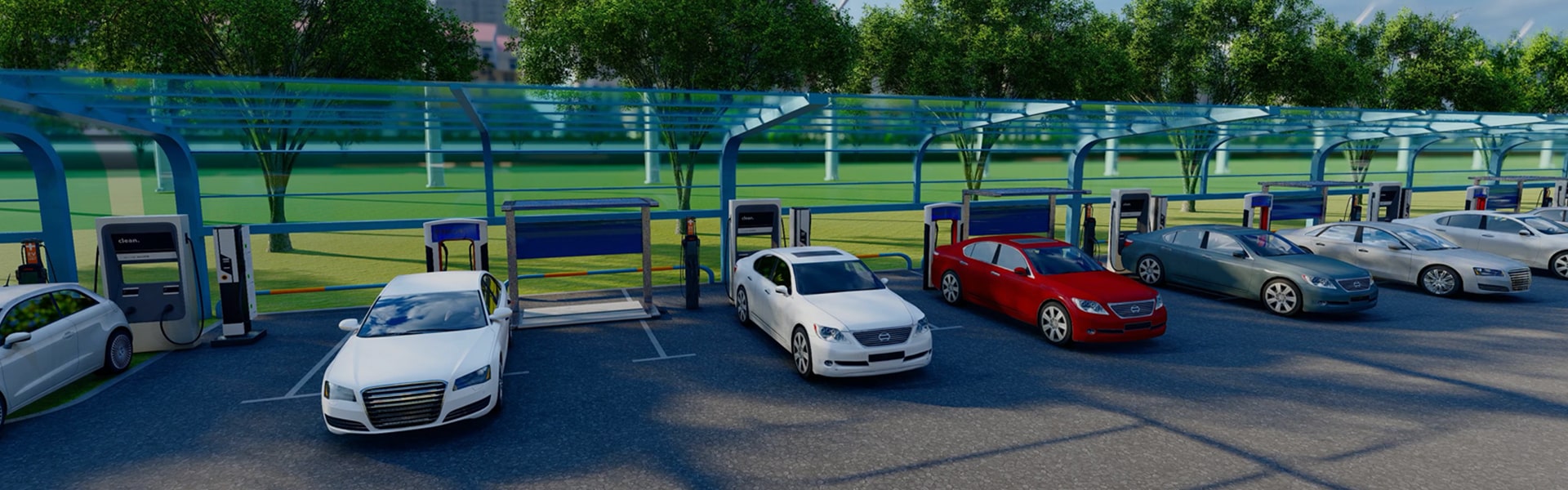
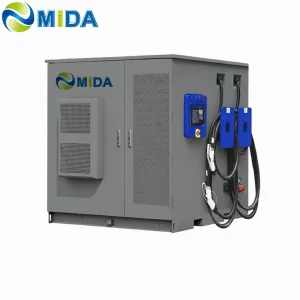
Industrially, the demand has shifted from standalone 60kW cabinets to modular, split-type charging topologies ranging from 360kW up to 1440kW. These systems allow dynamic, smart allocation of power modules, permitting a single installation to balance power delivery across multiple vehicles concurrently. This optimizes grid connections, reduces infrastructure capital expenditures, and ensures vehicles receive their peak charging rate safely.
China leads the world in EV infrastructure production capacity, driven by an end-to-end, mature supply chain ecosystem. At MIDA Group, our state-of-the-art facilities in Shanghai and Shenzhen exploit these localization advantages to offer unparalleled cost-performance ratios without compromising quality.
Our manufacturing paradigm is vertically integrated. Unlike assembly-only factories that source external components, MIDA develops and produces the core elements:
This vertical integration limits supply chain bottleneck risks, ensures tight tolerance control, and accelerates research-to-market cycles. Consequently, global buyers benefit from custom-configured EVSE stacks delivered with a shorter lead time, comprehensive certifications (CE, TUV, UL, ETL), and stable firmware integration out of the box.
Innovative, multi-environment architectures tailored for commercial, industrial, and urban transport requirements.
High-performance DC chargers are not one-size-fits-all solutions. Real-world applications demand unique feature integrations, dynamic power curves, and customized user interfaces to maximize efficiency.
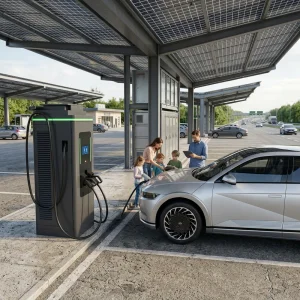
Drivers on long-distance journeys require rapid power replenishment. Here, split-type charging stacks ranging from 360kW to 1000kW are the industry standard. Utilizing liquid-cooled cables enables continuous high amperage (up to 600A) to support ultra-fast charging capabilities of high-voltage vehicle architectures. Incorporating credit card payment terminals, RFID access, and OCPP-compliant software platforms guarantees seamless billing integration across multi-operator networks.
For heavy-duty electric buses and commercial logistics vans, charging is scheduled, predictable, and high-volume. The transition to pantograph systems or megawatt charging systems (MCS) allows automated charging without driver intervention. In these setups, centralized DC power cabinets distribute energy to overhead pantographs or heavy-duty dispensers, optimizing spatial layout in dense urban depots while maintaining full grid load management.
Installing multiple 240kW fast chargers in areas with constrained utility capacity can destabilize local grids or trigger high demand charges. Battery Energy Storage System (BESS) integrated charging stations (ranging from 215kWh to 2MWh capacity) store power during low-rate hours and discharge it to vehicles during peak periods. This buffers the grid, mitigates peak fees, and enables DC fast charging in remote highway sections.
Shanghai Mida Cable Group Ltd. operates through its wholly owned subsidiaries: Shanghai Mida EV Power Co., Ltd., Shenzhen Mida EV Power Co., Ltd., and Shanghai Mida New Energy Co., Ltd.
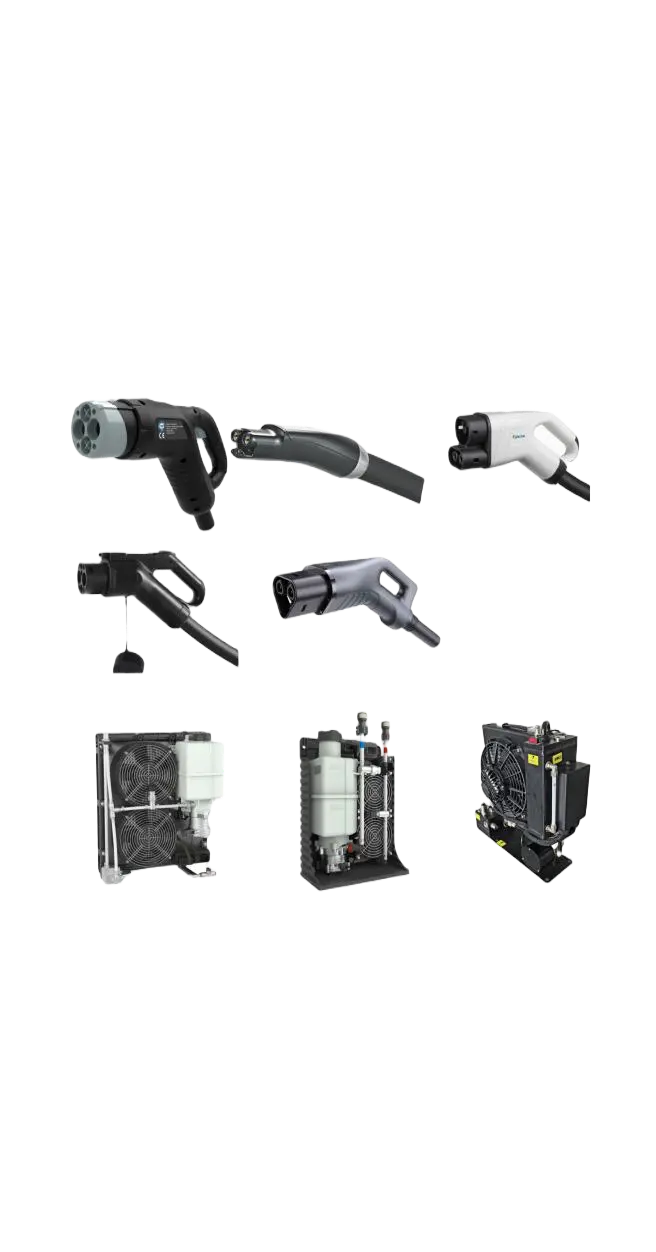
Mida Cable manufactures a comprehensive range of EV charging cables, including 16A–80A J1772 cables, 16A–63A IEC 62196-2 Type 2 cables, and DC fast charging cables: CCS1 (80A–500A), CCS2 (125A–1000A), CHAdeMO (125A–300A), GBT (200A–1000A), and NACS connectors (250A–600A).
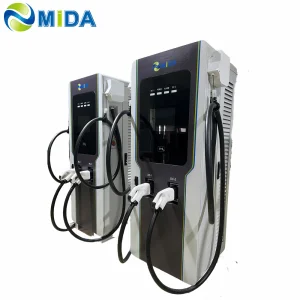
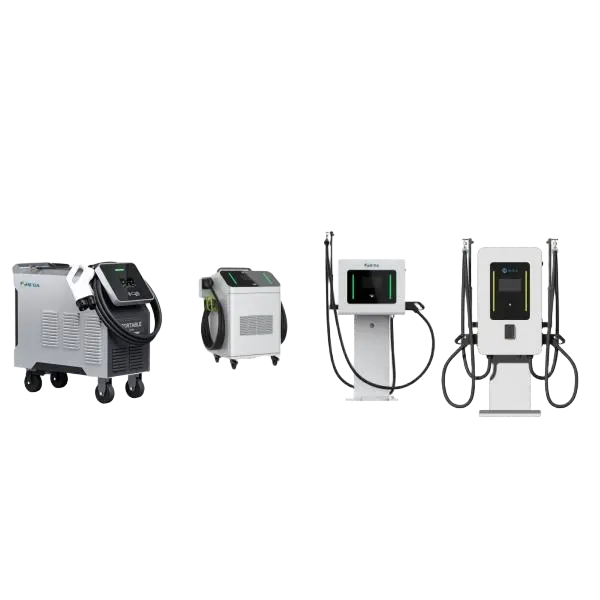
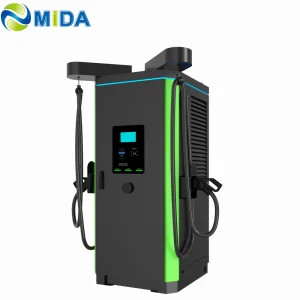
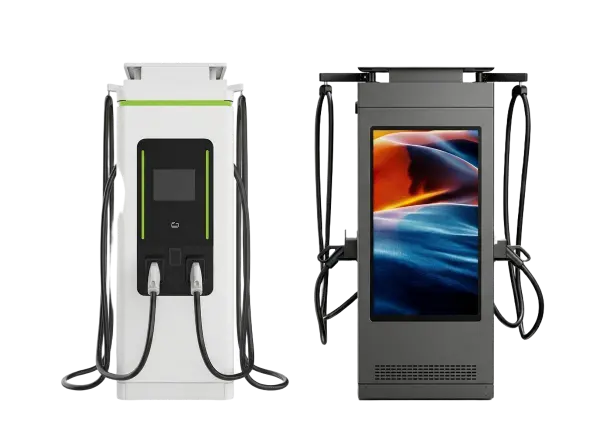
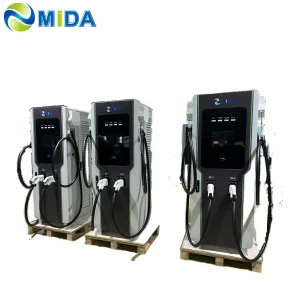
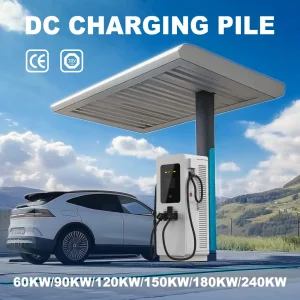
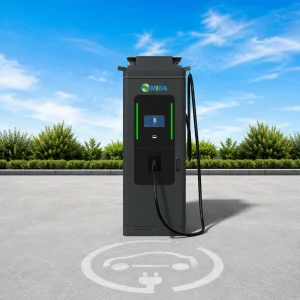
MIDA EV Power produces a full lineup of EV charging stations, such as 7kW–50kW mobile chargers, 3.6kW–7.2kW portable DC chargers, 360kW–1440kW split-type DC fast chargers, 20kW–50kW wall-mounted DC chargers, and 60kW–480kW floor-standing DC fast charging stations.
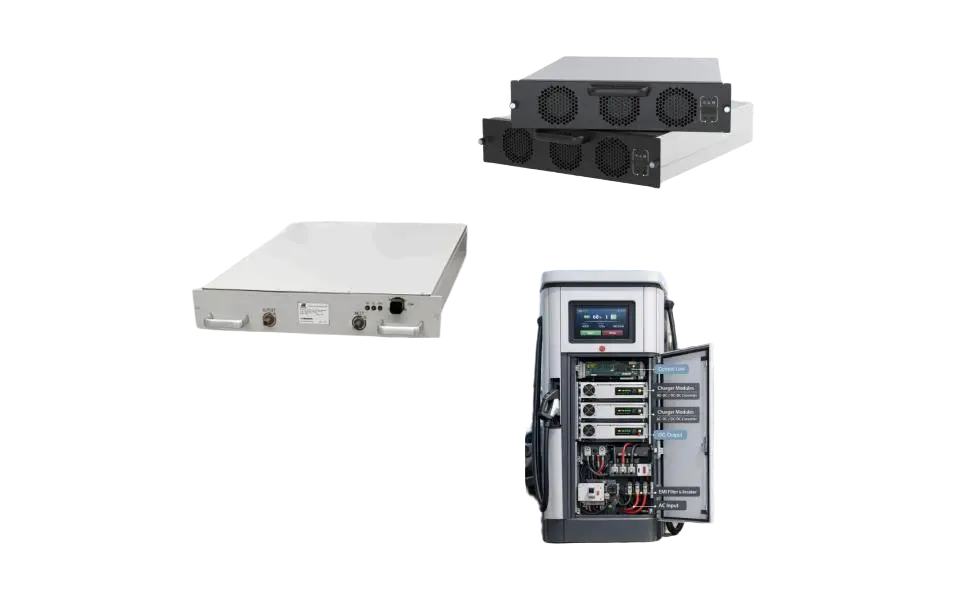
MIDA New Energy specializes in EV charger power modules, offering 20kW–60kW standard modules, 40kW–125kW liquid-cooled modules, 30kW–62.5kW bidirectional modules, and 20kW–45kW V2G charging modules.
Core building blocks that drive modern fast charging ecosystems worldwide.
 View More
 View More
 View More
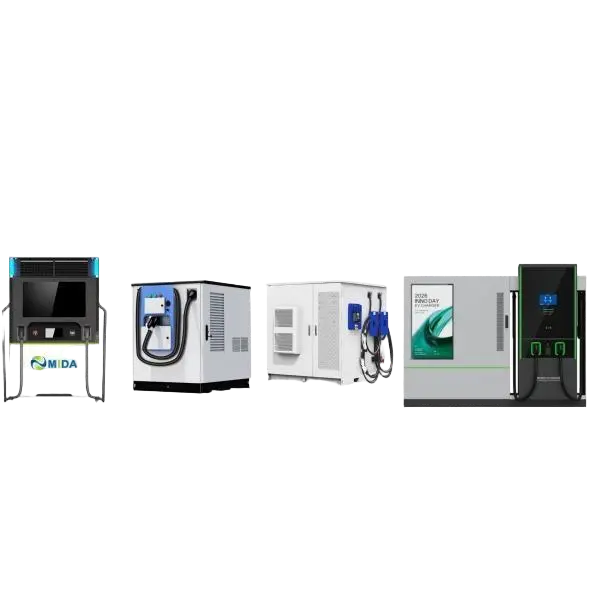 View More
The rapid pace of technological innovation is reshaping the electric vehicle supply equipment (EVSE) sector. Keep ahead of the market curves by analyzing key vectors:
Conventional air cooling imposes limits on the density and longevity of power modules. The shift toward liquid cooling at both the power module level (using closed-loop glycol circuits) and the connector cable level allows for continuous thermal management. Liquid cooling keeps internal module operating temperatures low and stable, extending the operational life of the silicon carbide (SiC) switches and reducing ambient fan noise, making them ideal for urban centers.
While standard passenger vehicles max out between 200kW and 350kW, heavy commercial trucks, marine vessels, and mining vehicles require power in the megawatt range. The Megawatt Charging System (MCS), supporting up to 3.75 MW at 1250V and 3000A, is set to revolutionize logistics corridors. Industry leaders are engineering split-cabinet, liquid-cooled MCS connectors to charge heavy transport systems within 15–20 minutes.
EVs are mobile energy storage reservoirs. By implementing bidirectional DC charging platforms using V2G (Vehicle-to-Grid) or V2H (Vehicle-to-Home) protocols, vehicles can discharge power back to the grid during emergency outages or peak price spikes. This integrates EV infrastructure into local microgrids, transforming fleet operators into virtual power plant (VPP) managers.
Stay up to date with the latest developments in transit charging systems, pantographs, and automated fleet installations.
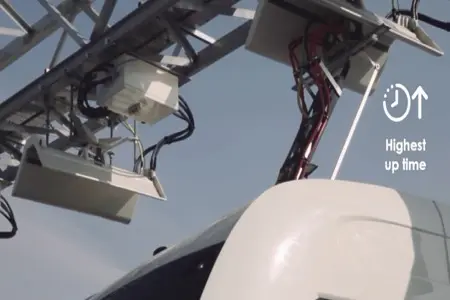
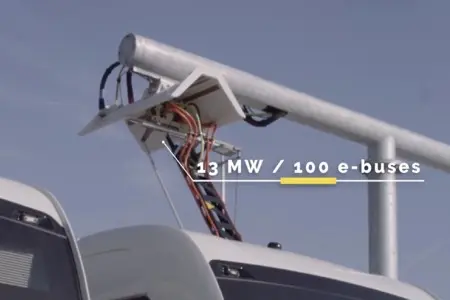
For industrial procurement directors, utility companies, and municipal project managers, sourcing EV DC Fast Chargers requires extensive due diligence. Bypassing potential compliance issues, integration failures, and installation delays requires clear benchmarks in the RFQ phase:
Chargers must feature global plug configurations—CCS1 (Americas), CCS2 (Europe), CHAdeMO (global legacy), GB/T (Asia), and NACS (Tesla standard). More importantly, the system's firmware must undergo rigorous interoperability testing against new and legacy vehicle controller area network (CAN) communication systems to prevent protocol handshake issues in the field.
Systems must operate under extreme ambient temperatures (-30°C to +50°C). Outdoor cabinets require NEMA 3R or IP54 / IP55 ratings to protect internal electronics against dust, heavy rain, and coastal saline humidity. Additionally, the design must incorporate over-voltage, under-voltage, short-circuit, and leakage protection circuitry.
CPOs must ensure hardware compliance with OCPP 1.6J or OCPP 2.0.1, enabling backend flexibility for user billing, remote firmware updates (OTA), and diagnostics. Support for ISO 15118 (Plug & Charge protocol) is vital to offer driver-friendly payment handshakes. Crucially, the capability for local dynamic load balancing ensures chargers can adjust output dynamically to prevent grid overloads.
Critical answers to complex design, installation, and deployment queries for enterprise-level buyers.
High-voltage, multi-plug configurations engineered for heavy transport and commercial hubs.
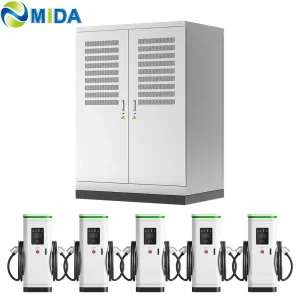
Integrating global expertise with precision manufacturing to deliver advanced EVSE products.