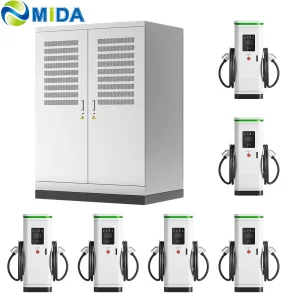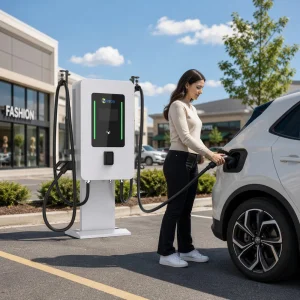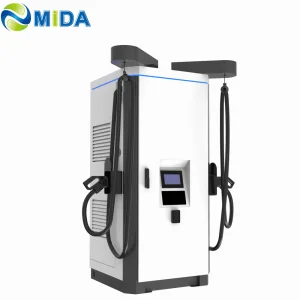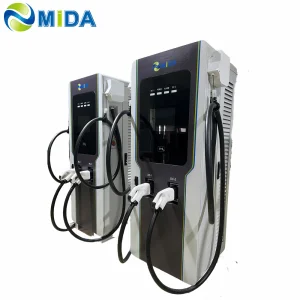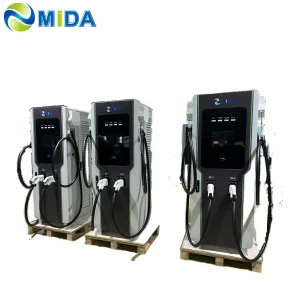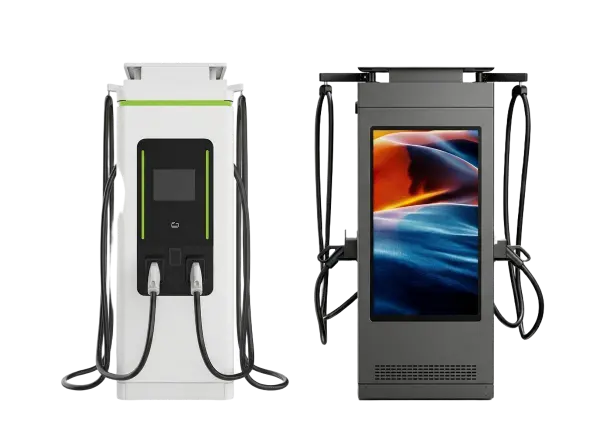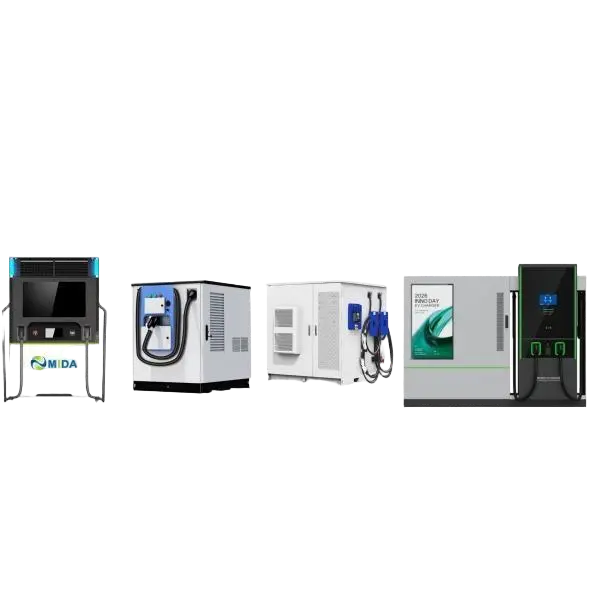
Ultra-Fast Split Output
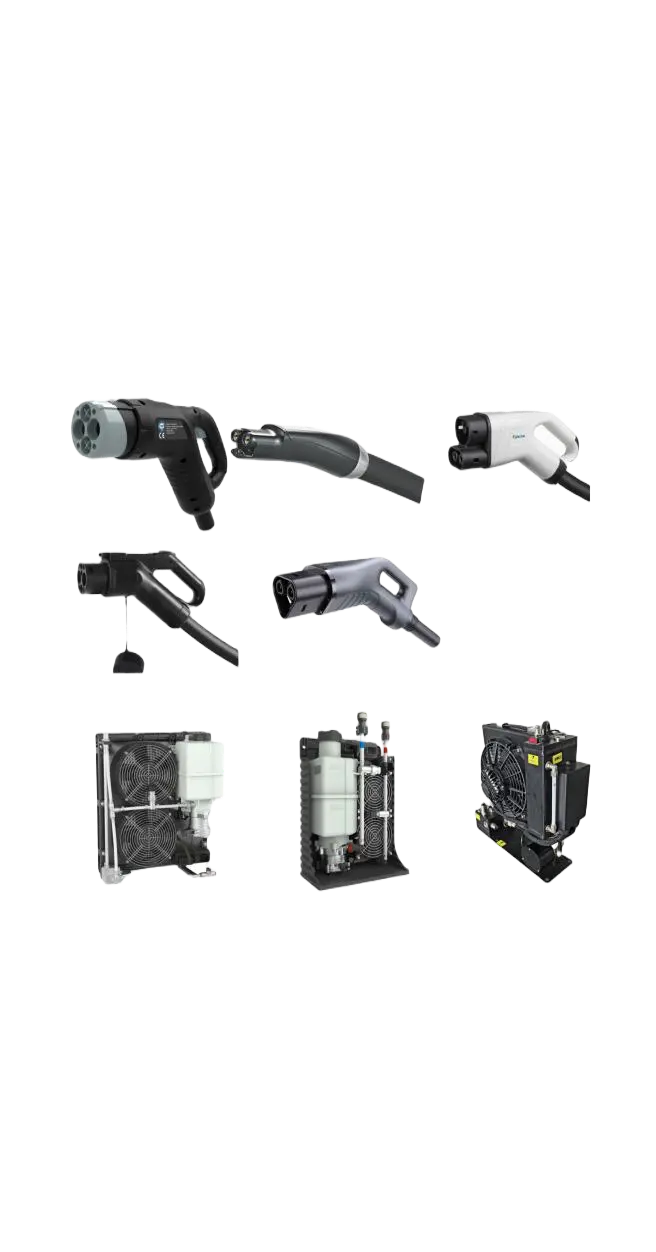
Liquid-Cooled Connections
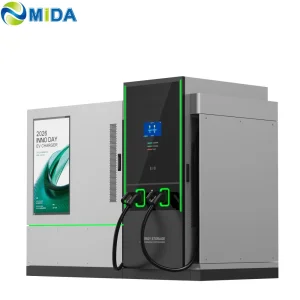
BESS Capacity Integrated
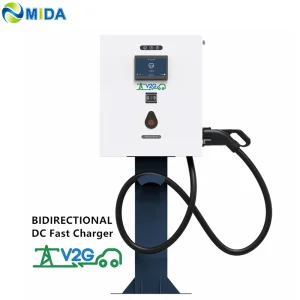
2.0.1 Protocol Support
Explore our high-power charging modules, liquid-cooled dispensers, and energy-buffered highway solutions.

A Macro Analysis of Fleet Electrification, Grid Capability Challenges, and Capital Planning.
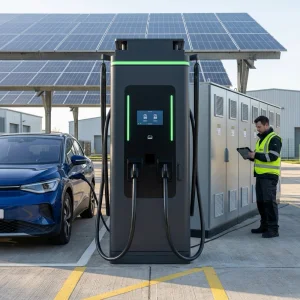
The global transition to zero-emission mobility has fundamentally transformed standard procurement cycles. Today, procurement officers at logistics companies, heavy industry hubs, and urban transit networks do not merely purchase "chargers." Instead, they procure integrated grid systems designed to withstand continuous heavy loads, optimize power distribution, and provide dynamic utility communication.
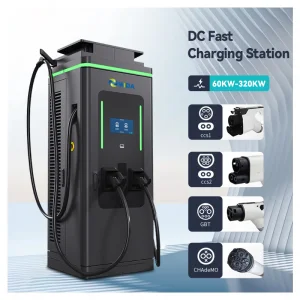
Key drivers behind industrial purchasing decisions center on minimizing Total Cost of Ownership (TCO) while ensuring 99.9% network availability. To achieve this, enterprise clients rely on manufacturer flexibility, demanding customizable power electronics, dual-standard output configurations (e.g., CCS2 alongside GBT), and interoperable backend links via OCPP 1.6J/2.0.1.
Compliance with local safety norms, highly granular remote diagnostics, automated billing system interoperability, and long-term modular scalability to protect initial infrastructure investments.
Shanghai Mida Cable Group Ltd. operates through its wholly owned subsidiaries: Shanghai Mida EV Power Co., Ltd., Shenzhen Mida EV Power Co., Ltd., and Shanghai Mida New Energy Co., Ltd.
Mida Cable manufactures a comprehensive range of EV charging cables, including 16A–80A J1772 cables, 16A–63A IEC 62196-2 Type 2 cables, and DC fast charging cables: CCS1 (80A–500A), CCS2 (125A–1000A), CHAdeMO (125A–300A), GBT (200A–1000A), and NACS connectors (250A–600A).
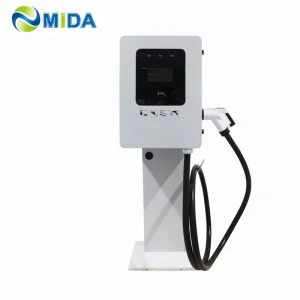
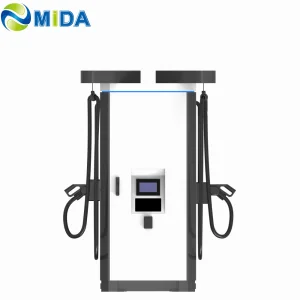
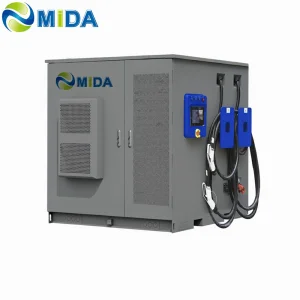
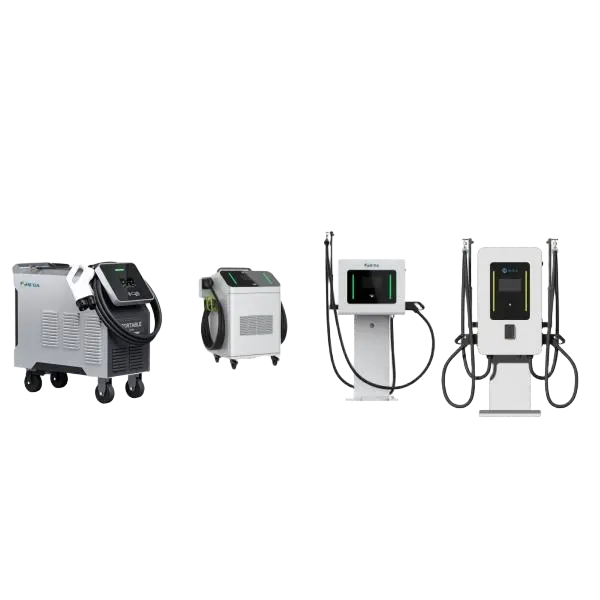
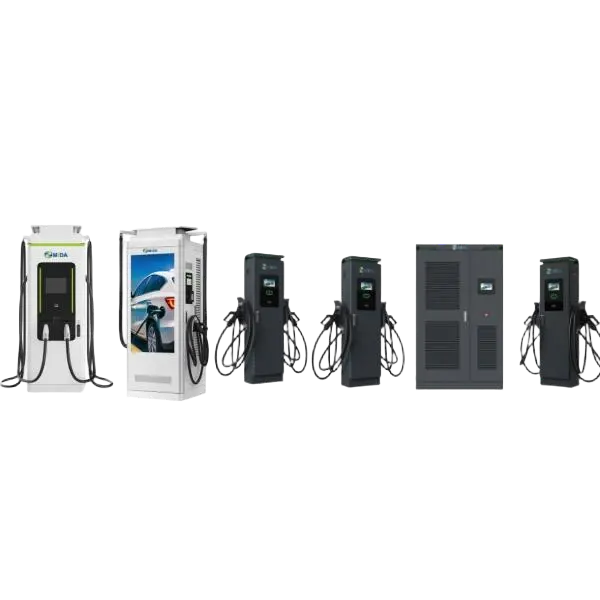
MIDA EV Power produces a full lineup of EV charging stations, such as 7kW–50kW mobile chargers, 3.6kW–7.2kW portable DC chargers, 360kW–1440kW split-type DC fast chargers, 20kW–50kW wall-mounted DC chargers, and 60kW–480kW floor-standing DC fast charging stations.
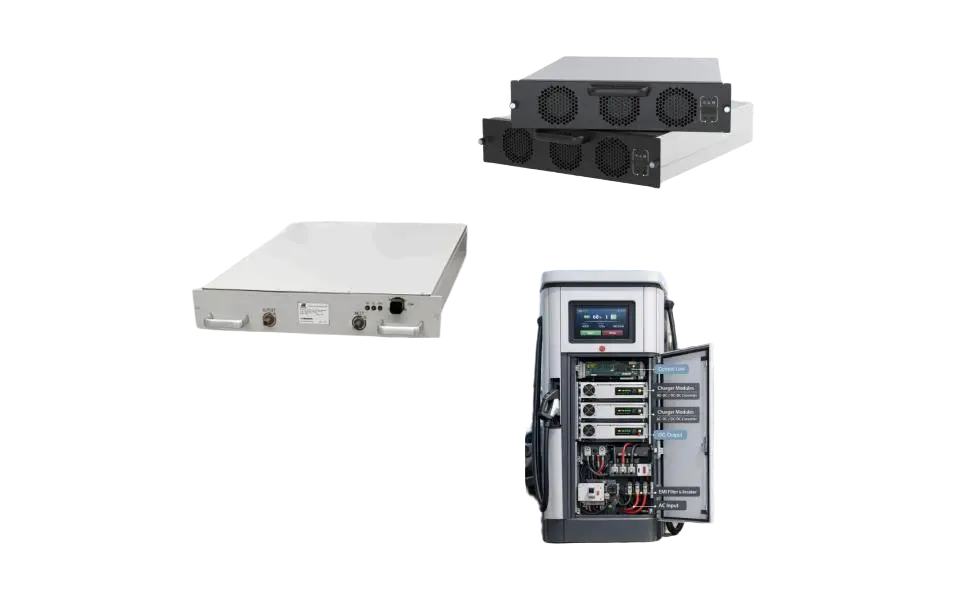
MIDA New Energy specializes in EV charger power modules, offering 20kW–60kW standard modules, 40kW–125kW liquid-cooled modules, 30kW–62.5kW bidirectional modules, and 20kW–45kW V2G charging modules.

Engineered for high efficiency, multi-climate durability, and seamless smart grid connectivity.
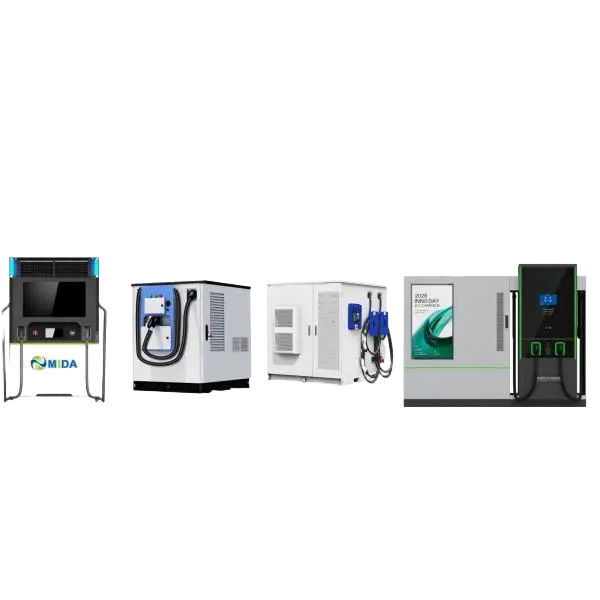
Explore our foundational technologies, including high-frequency power conversion modules, liquid-cooled cable assemblies, and energy storage integrations.
As battery chemistry shifts towards silicon-dominant anodes and solid-state matrices, charging architectures must keep pace. The industry standard is moving rapidly from traditional 150kW fast chargers to Megawatt Charging Systems (MCS) capable of delivering up to 3.75MW of continuous power. This scale is vital for long-haul shipping, maritime port electrification, and commercial aviation routes.
High-current delivery inevitably generates heat, presenting physical limits for standard copper cables. Liquid-cooled assemblies resolve this by running specialized cooling lines alongside the power conductors. This maintains the outer handle temperature at comfortable levels while allowing a lightweight, flexible cable profile to safely transmit up to 1000A.
Vehicles are no longer passive loads; they function as distributed energy storage resources. Vehicle-to-Grid (V2G) charging technology enables fleets to discharge power back to the regional grid during peak pricing windows. This provides grid-stabilizing ancillary services and creates new revenue opportunities, significantly lowering the total cost of ownership for fleet operators.
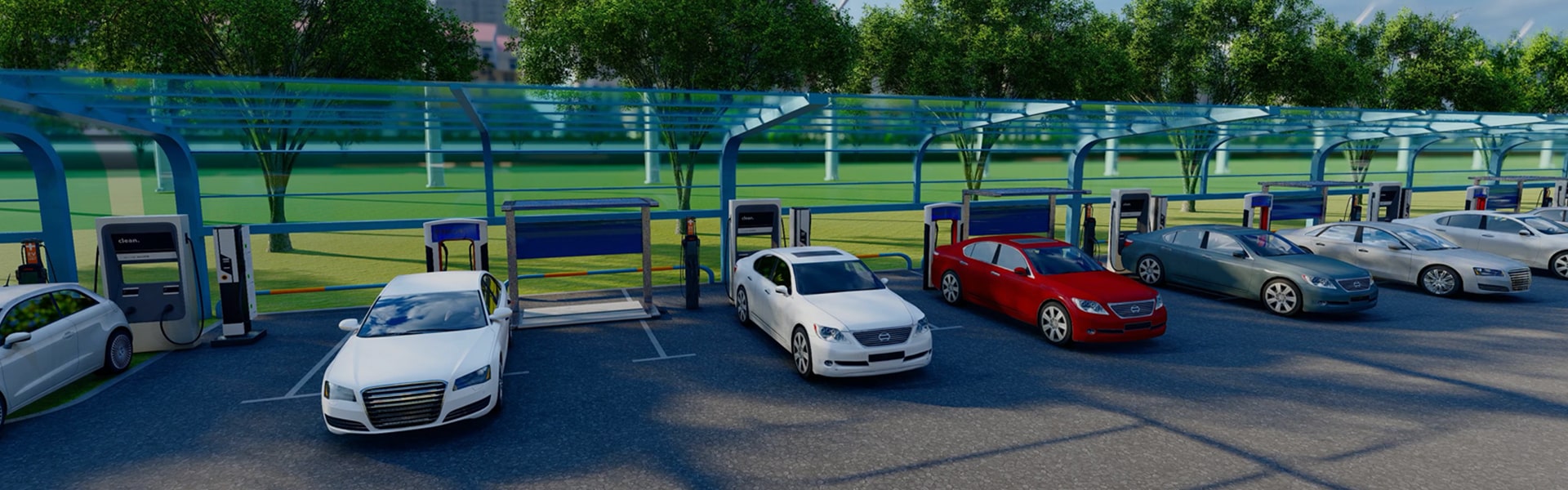
Deploying charging networks globally requires strict adherence to regional compliance certifications and local grid codes. Different markets demand specialized approvals, and failing to secure these can result in costly project delays.
Interoperability is the cornerstone of network scaling. Using open communication protocols like OCPP (Open Charge Point Protocol) allows site hosts to mix-and-match charger hardware without lock-in to proprietary backend software, facilitating smooth integrations with existing building management systems (BMS).
Keep up with the latest technological developments in e-mobility, public fleet management, and pantograph installations.
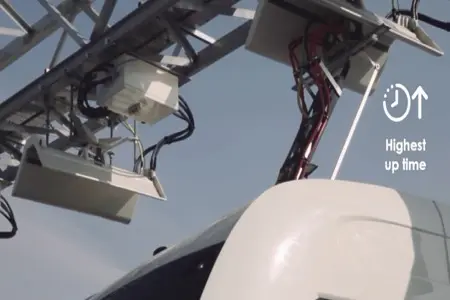
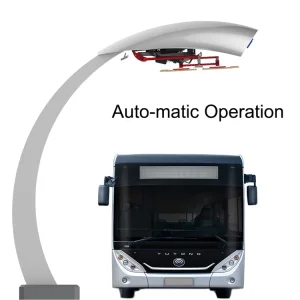
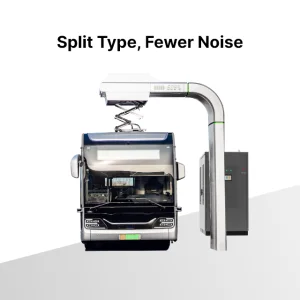
In contrast to classic plug-in charging systems, e-bus pantograph connections support automated high-power charging at regular route stops, maximizing fleet availability without driver intervention.
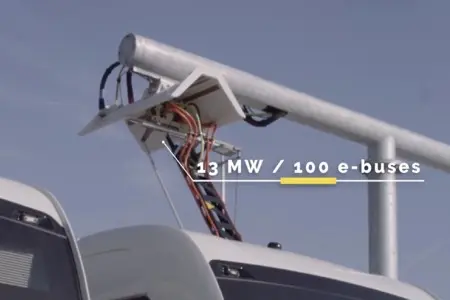
Charging times depend heavily on battery capacity and the station's configuration, with high-power systems capable of delivering top-up charges in under 10 minutes.
Installing overhead "Pantograph Up" systems requires precise alignment, mechanical design work, and coordination with local utility grids to handle the high transient loads safely.
Expert answers addressing the technical, regulatory, and design challenges of industrial charging systems.
Reliable components designed for municipal fleets, commercial hubs, and high-volume public charging networks.