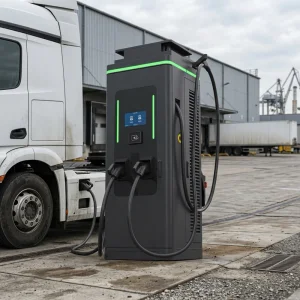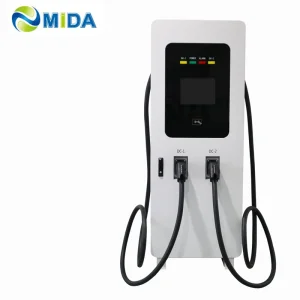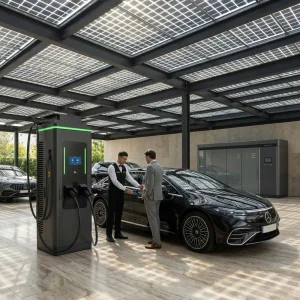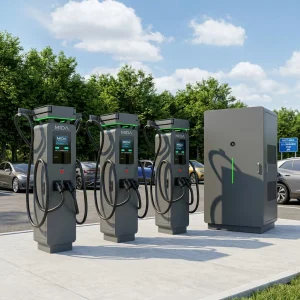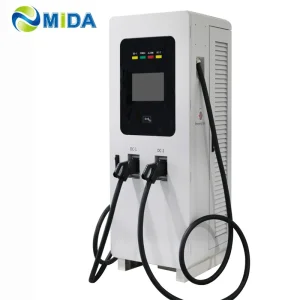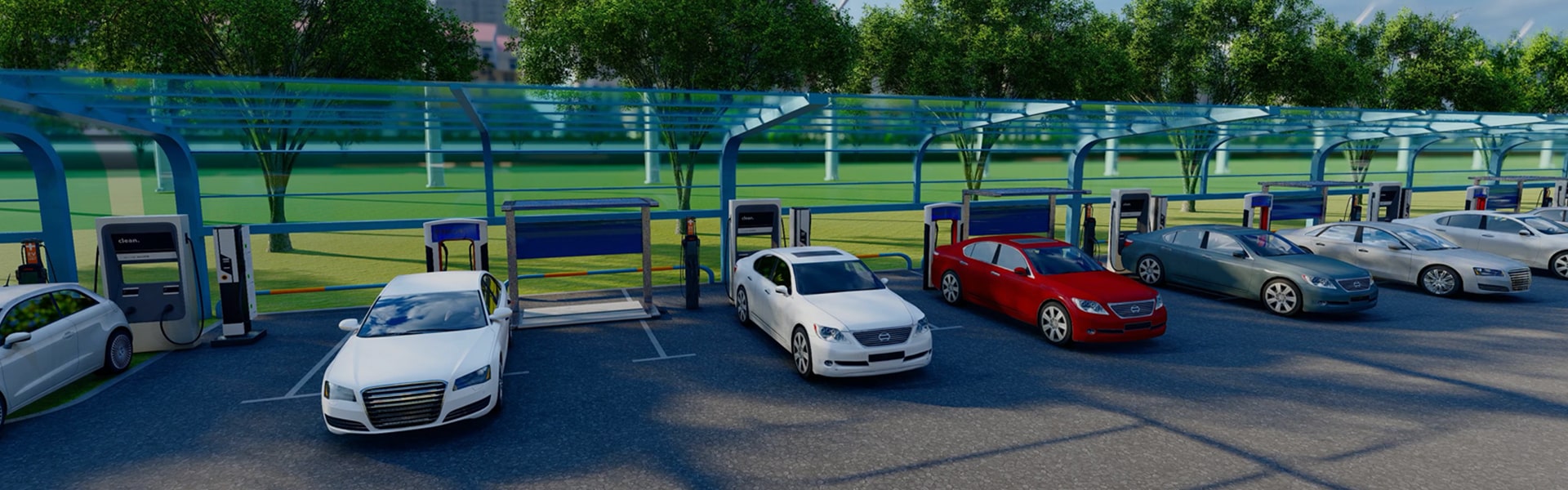
Premium infrastructure engineered for commercial operators, heavy-duty fleets, and high-density municipal hubs. Integrated with standard CCS2, GBT, and liquid-cooling solutions.
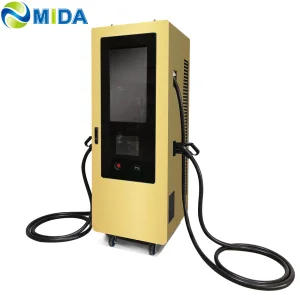
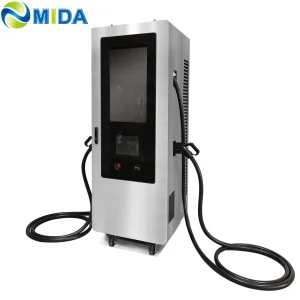
Shanghai Mida Cable Group Ltd., alongside its wholly-owned subsidiaries—Shanghai Mida EV Power Co., Ltd., Shenzhen Mida EV Power Co., Ltd., and Shanghai Mida New Energy Co., Ltd.—operates at the forefront of the global electric vehicle infrastructure revolution. As a vertically integrated enterprise, we combine extensive raw material synthesis and specialized cable design with advanced power module engineering and turnkey DC fast charging station fabrication.
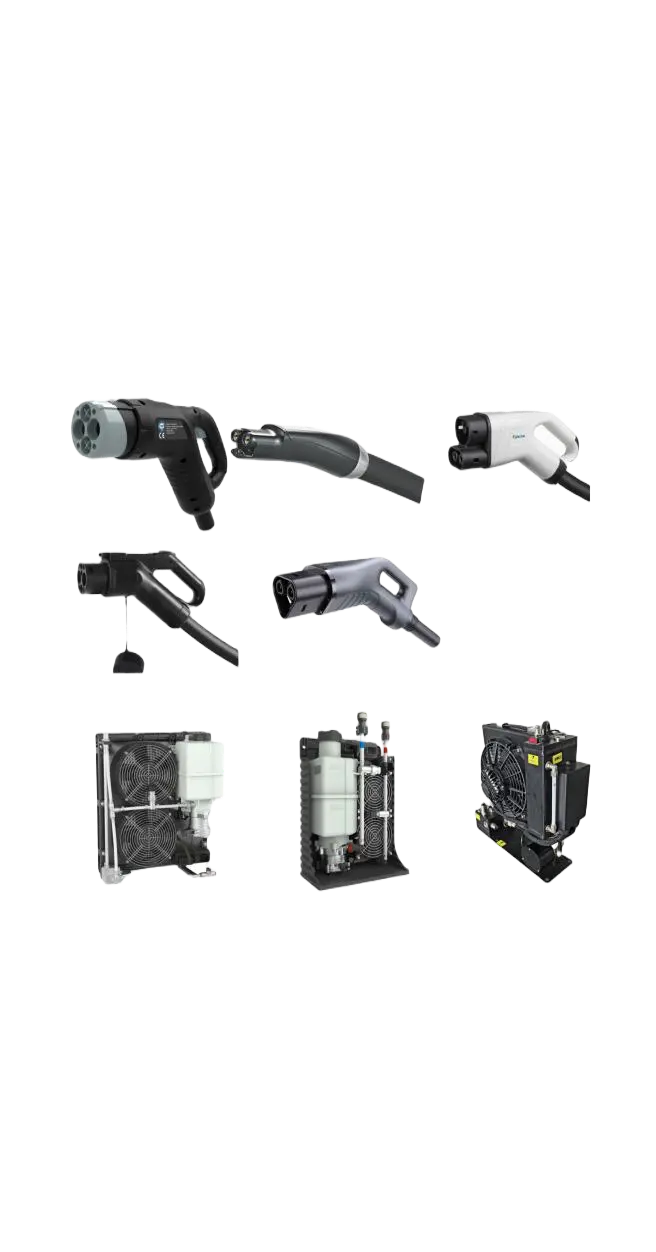
Our manufacturing ecosystem ensures precision at every level. Mida Cable delivers a massive portfolio of EV charging cables, including 16A–80A J1772 standard units, 16A–63A IEC 62196-2 Type 2 cables, and robust high-capacity DC fast charging cables supporting CCS1 (80A–500A), CCS2 (125A–1000A), CHAdeMO (125A–300A), GBT (200A–1000A), and NACS connectors (250A–600A). Through meticulous quality controls and extensive R&D, we offer unmatched electrical safety and mechanical durability.
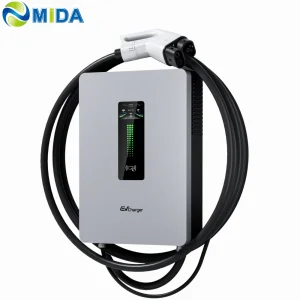
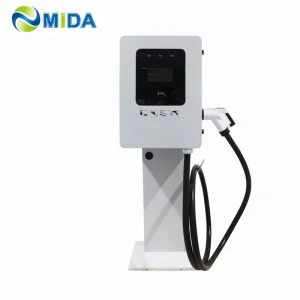
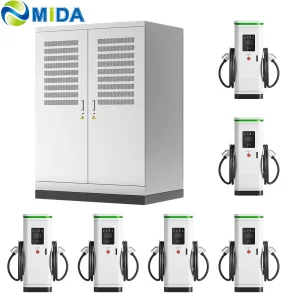
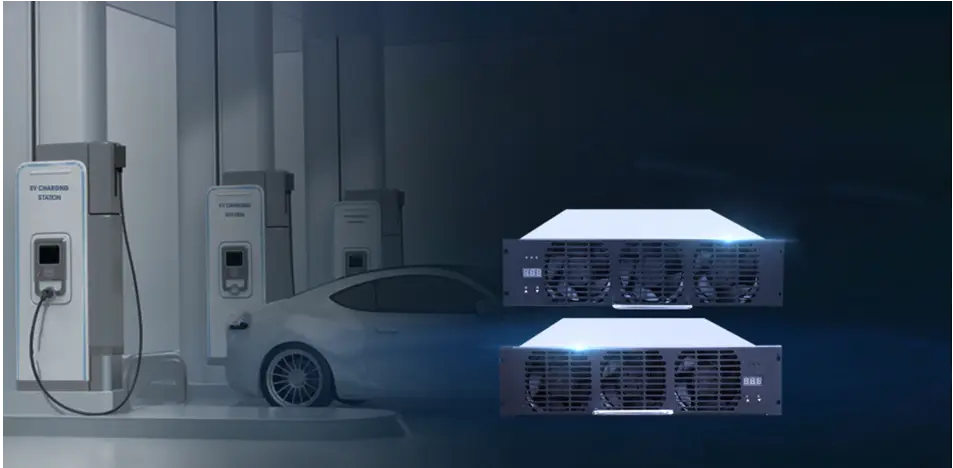
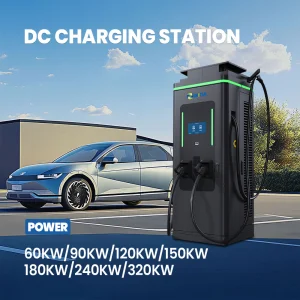
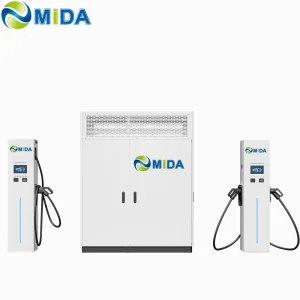
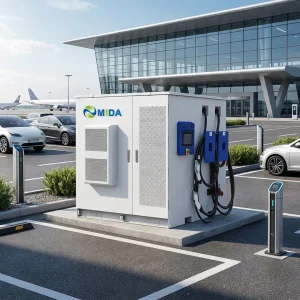
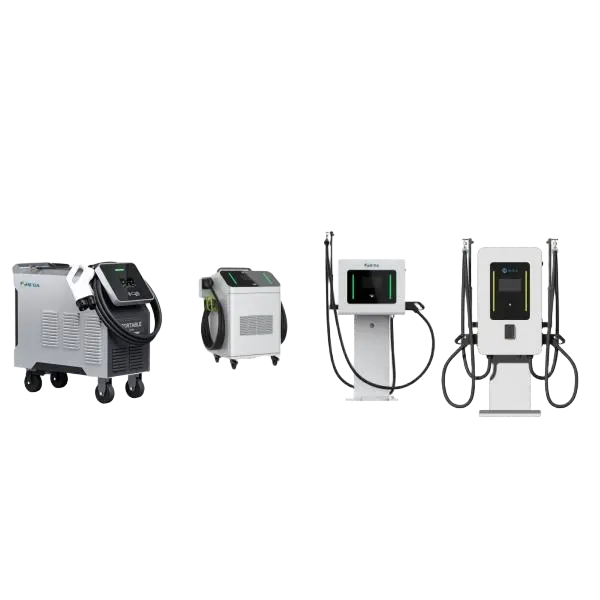
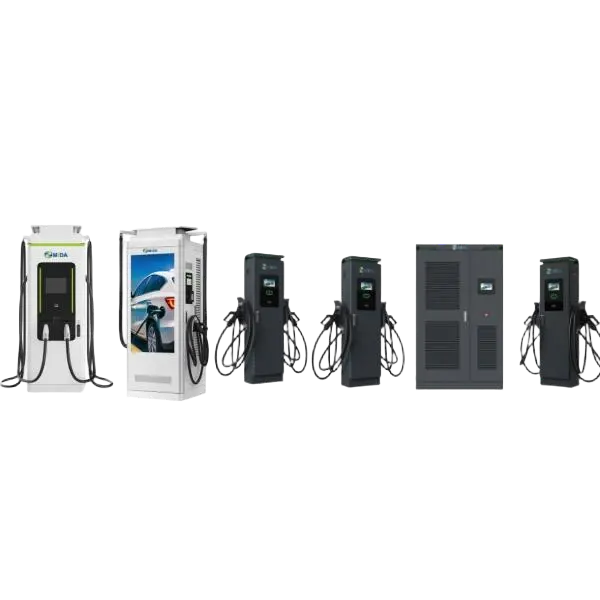
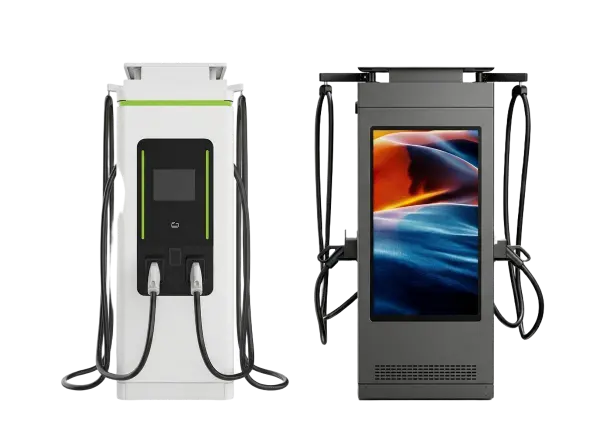
MIDA EV Power leads the infrastructure domain with commercial-grade solutions ranging from 7kW–50kW mobile chargers and 3.6kW–7.2kW portable DC chargers, up to 60kW–480kW floor-standing stations and 360kW–1440kW split-type ultra-fast DC systems. Meanwhile, MIDA New Energy develops the core electronic brains of modern chargers, specializing in 20kW–60kW power modules, 40kW–125kW liquid-cooled modules, and V2G bidirectional charging assemblies.

Discover our key business divisions driving high-efficiency energy distribution across the EV value chain.
7kW | 20kW | 30kW | 40kW | 60kW | 80kW
60kW - 480kW | 360kW - 1440kW
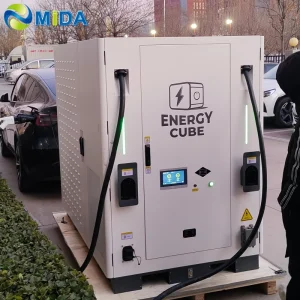
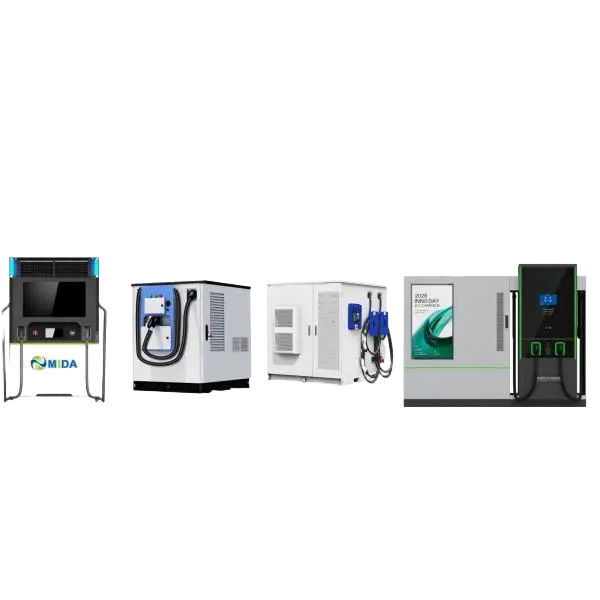
60kWh | 261kWh | 418kWh | 625kWh | 2MWh+
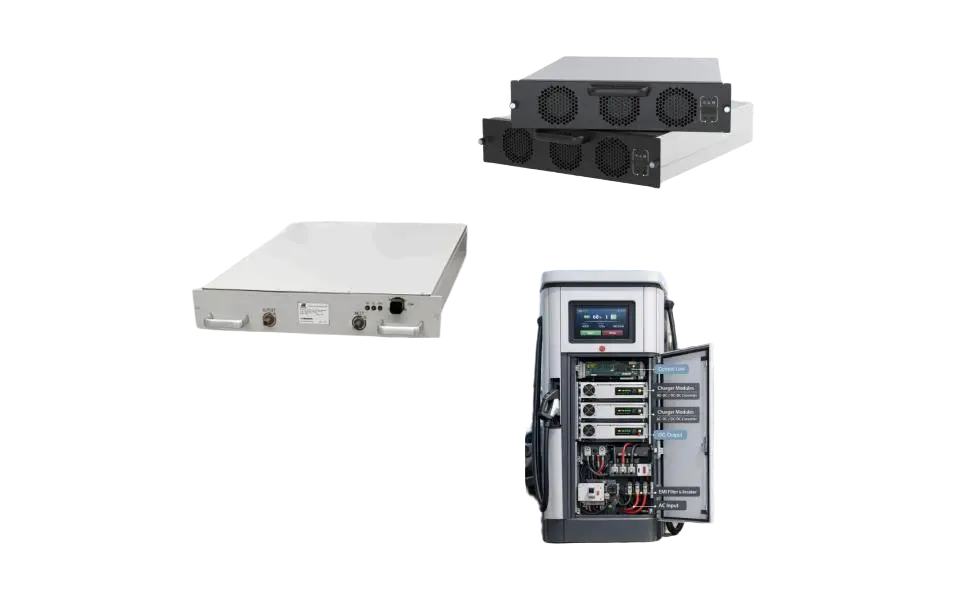
As a Tier-1 manufacturing factory, we supply key components to other charging station brands and network operators globally.
Our high-density power modules are the core technology behind our high-efficiency chargers. Features include:
Engineered for high current capability, our cables and active cooling systems prevent thermal overload at peak currents:
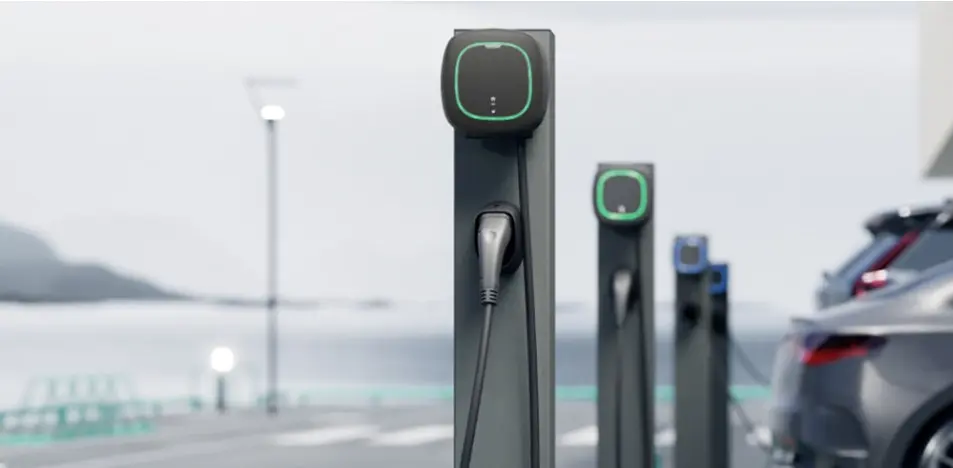
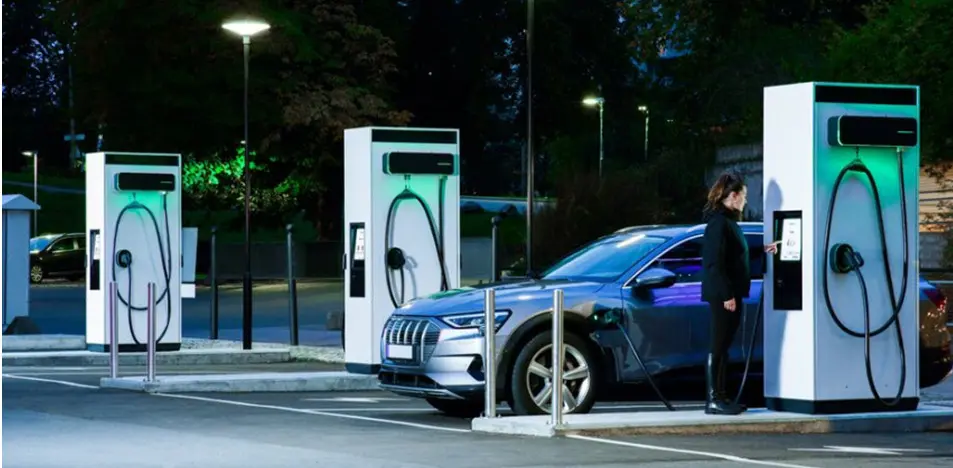
Turnkey floor-standing, wall-mounted, and battery-buffered systems for retail, commercial, and municipality networks:
Years R&D Experience
Exporting Countries
Annual Production Capacity
Certified Interoperability
In-depth market analysis on how technology transitions affect procurement and project investment returns.
As passenger EVs adapt 800V architectures and electric trucks utilize massive megawatt batteries, traditional air-cooled charging systems face thermal limits. Charging dealerships must prioritize liquid-cooled setups. By replacing heavy copper conductors with internal coolant circulation lines, liquid-cooled systems can continuously output 500A to 1000A without overheating, keeping cables light and user-friendly.
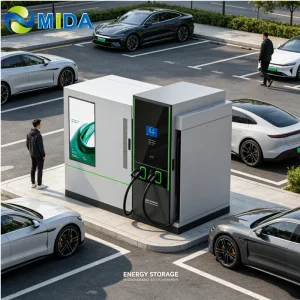
Grid bottlenecks are the biggest obstacle to fast charger deployments. Dealerships are turning to Battery Energy Storage System (BESS) chargers. By coupling local lithium-iron-phosphate (LiFePO4) storage with the charging pile, stations can draw low power from the grid during off-peak hours and output up to 480kW during peak periods, avoiding grid upgrade costs.
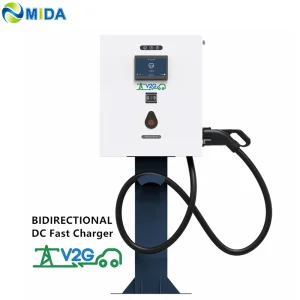
EVs are no longer just energy consumers; they are mobile power reserves. Implementing bidirectional V2G power modules (such as our 22kW to 45kW configurations) allows fleet operators and commercial parking structures to feed energy back to the grid, supporting load shaving, dynamic balancing, and generating extra revenue.
Critical benchmarks to evaluate factory capability, component sourcing, and international compliance.
A key issue for dealerships is communication failure between charging hardware and backend management software. MIDA products adhere to strict OCPP 1.6J and OCPP 2.0.1 standards, ensuring plug-and-play connectivity with global CPO (Charging Point Operator) backends. This compatibility extends to ISO 15118 protocols, enabling secure "Plug & Charge" functionality.
Deploying non-compliant systems risks legal penalties and safety hazards. Leading global distributors require certifications like CE, UL, TUV, CB, and PTB MID. Our production lines maintain strict traceability under ISO 9001 and IATF 16949 automotive standards, guaranteeing high reliability and safety across our entire catalog.
High-power DC charging stations can introduce harmonic distortion to local power grids. Our stations feature active power factor correction (PFC > 0.99) and low harmonic distortion (THD < 5%), meeting strict utility grid codes. This design protects transformer stations from electrical stress and overheating.
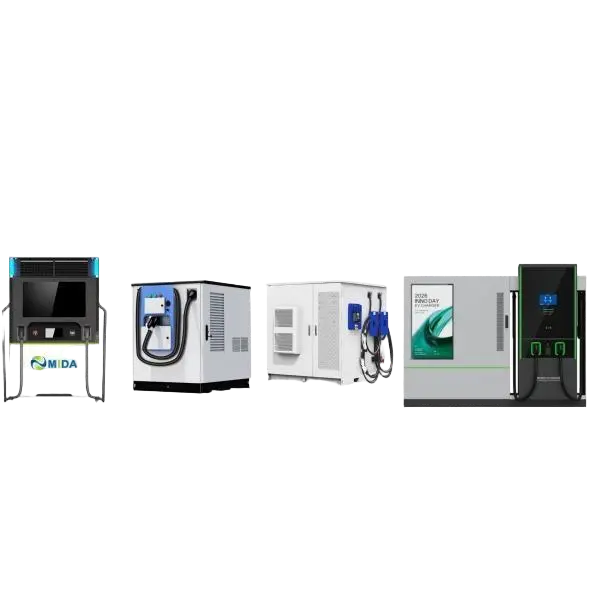
We provide end-to-end solutions for fleet electrification, commercial real estate, highway hubs, and public charging networks. Our modular approach allows dealerships to scale installations from a single 60kW cabinet to cluster-based split configurations delivering megawatts of power.
After-Sales Technical Training: We support dealerships with comprehensive training, technical manuals, on-site commissioning guides, and remote diagnostic tools. This support helps your technical team handle configuration, preventative maintenance, and module replacement quickly.
Local Grid Integration: Our engineering team designs customized configurations to match regional requirements, including European 400VAC configurations, North American split-phase grids, and specialized local protection settings (such as integrated Type B RCCB leakage protection).
Strategic technological developments driving the next generation of EV charging infrastructure.
Transitioning to modular, fully sealed liquid-cooled power modules. This design isolates components from dust, humidity, and corrosive salts, extending module life up to 10+ years in extreme environments.
Scaling smart V2G systems with AI-driven load management. This allows EV charging parks to act as virtual power plants (VPPs) that stabilize local grid demands and trade energy in real-time.
Developing high-voltage chargers compatible with solid-state batteries. These systems will support ultra-fast C-rates at voltages exceeding 1200V, utilizing advanced thermal control algorithms.
Expert answers to critical engineering, regulatory, and deployment questions from charging point operators and dealers.
Stay informed with the latest technological developments in mass transit and automated charging infrastructure.
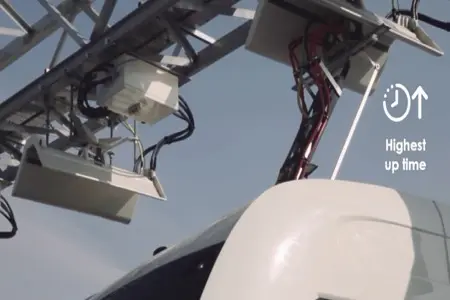
What are the advantages of an e-bus pantograph dome? In contrast to classic plug-in charging systems, e-bus pantographs enable automated overhead connection and high-power transfer, reducing depot footprint and vehicle charging times.
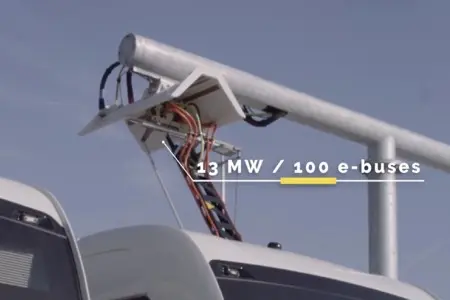
How long does it take to charge with an e-bus pantograph? Charging times depend on the battery capacity and output power. Modern pantographs operating at 450kW-600kW can charge a transit bus in 10 to 30 minutes during scheduled stops.
How to Install the Pantograph Up Charger System Dome for Electric Bus. Installing a "Pantograph Up" system requires precise positioning of structural steel domes, direct high-capacity grid drops, and safety systems for outdoor environments.
Rugged, certified wall-mounted and floor-standing charging systems engineered for dealerships and public operators.