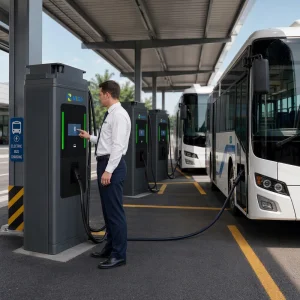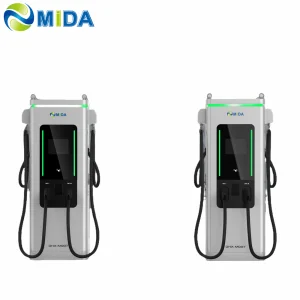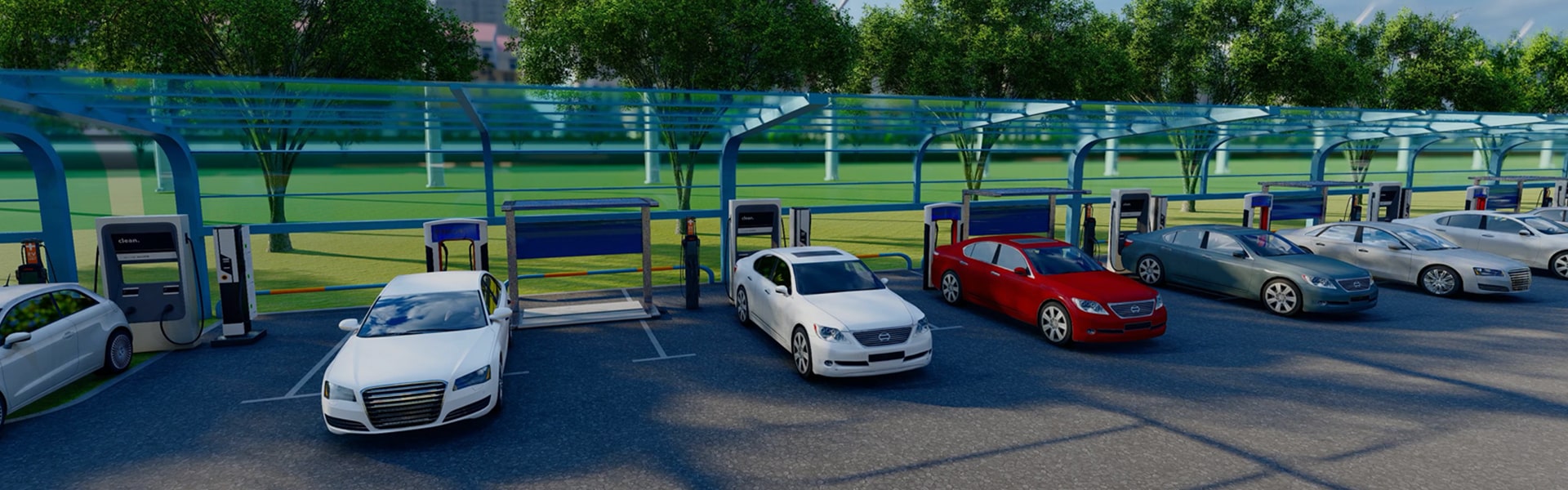
Best DC EV Charger Module Manufacturer & Manufacturers

Pioneering High-Efficiency Power Conversion Topologies, Ultra-Reliable Liquid Cooling Systems, and Modular Power Modules for Global E-Mobility Infrastructure.

Premium Electric Vehicle Charging Infrastructure

Explore our high-power DC fast chargers and superchargers designed for highways, commercial depots, and public transit fleets.
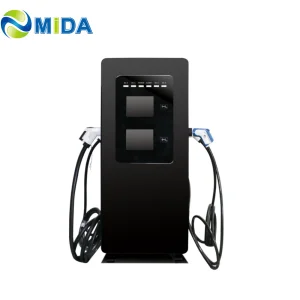
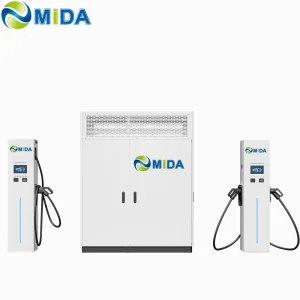
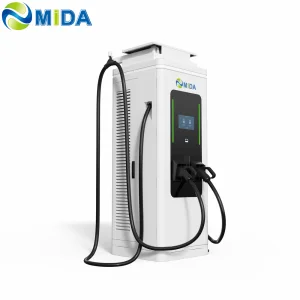
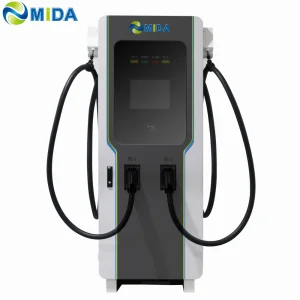
Best 300kW 400kW DC Charging Station CCS2 GB/T CHAdeMO

Best 300kW 400kW DC Charging Station CCS2 GB/T CHAdeMO EV Charger Point Factory

View Product Details
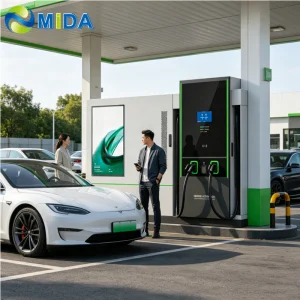
China Supercharger 600kW 720kW Liquid Cooled DC Charging Station

China Supercharger 600kW 720kW Liquid Cooled DC Charging Station for EV Truck EV Bus Supplier

View Product Details
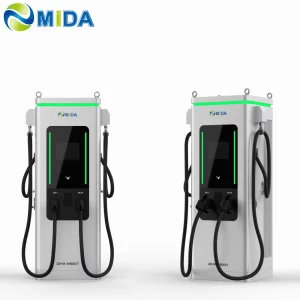
Best 300kW 350kw 400kW Fast Charger Station OCPP2.0 Dual CCS GBT

Best 300kW 350kw 400kW Fast Charger Station OCPP2.0 Dual CCS GBT EV Charging Suppliers

View Product Details
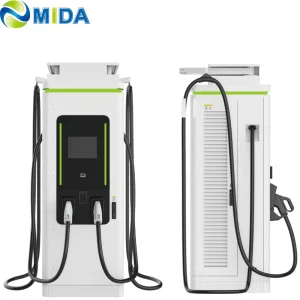
Best DC Charging 300kW 350kW Fast Charger Station

Best DC Charging 300kW 350kW Fast Charger Station Electric Vehicle Charging Station Manufacturer

View Product Details
Best 241kwh 120kw BESS EV Charger CCS NACS

Best 241kwh 120kw BESS EV Charger CCS NACS Integrated EV Charging Station Manufacturers

View Product Details
China Integrated DC Charger 120kW 240kW 360kW 400kW

China Integrated DC Charger 120kW 240kW 360kW 400kW Fast EV Charging Station Manufacturer

View Product Details
China MIDA DC EV Charger Station 120KW 160kw 180kw

China MIDA DC EV Charger Station 120KW 160kw 180kw with RFID card payment OCPP1.6J CCS2

View Product Details
China HPC CCS DC Charging Station 300kW 400kW

China HPC CCS DC Charging Station 300kW 400kW Fast Charger Station for Electric Truck Factory

View Product Details

The Technical Core of Modern DC EV Charging Modules

At the center of any high-power electric vehicle (EV) charging station is the DC EV charger power module. It is responsible for converting alternating current (AC) from the electrical grid into high-voltage direct current (DC) optimized for rapid battery charging. This critical conversion relies on complex high-frequency topologies. It requires a balance of high efficiency, thermal dissipation, low electromagnetic interference (EMI), and maximum reliability.

Silicon Carbide (SiC) Topologies & Efficiency Gains

Older generation charger modules relied on traditional Silicon (Si) MOSFETs or IGBTs. The industry has shifted significantly toward Silicon Carbide (SiC) Wide Bandgap (WBG) semiconductors. SiC technology enables switching frequencies that are three to five times higher than conventional silicon. This higher switching speed reduces the size of passive magnetic components (transformers and inductors), leading to smaller, lighter modules with power densities exceeding 45W/in³.

By employing resonant topologies like the LLC Resonant Converter and Phase-Shifted Full-Bridge (PSFB) designs, modern modules achieve Zero Voltage Switching (ZVS) and Zero Current Switching (ZCS). These soft-switching techniques minimize power losses during transition states. This results in peak efficiencies of up to 97.5%. Reduced losses lower heat dissipation requirements and lower the Total Cost of Ownership (TCO) for Charge Point Operators (CPOs).

Thermal Management: Liquid Cooling vs. Forced-Air

Effective heat dissipation directly influences the lifespan and reliability (MTBF) of a power module. Manufacturers offer two main technical pathways:

  • Forced-Air Cooling: Cost-effective and widely adopted. Advanced systems use independent airflow ducts to protect sensitive control circuitry from dust, humidity, and corrosive particulate matter.
  • Liquid Cooling: Designed for extreme conditions and ultra-fast charging (350kW to 600kW+). Liquid-cooled modules operate with zero external air ingestion, providing complete protection from environmental degradation (IP65+). This method reduces thermal resistance, keeps junction temperatures low, and runs quietly by eliminating high-rpm fans.

Bidirectional V2G Power Modules

The grid of tomorrow demands bidirectionality. Bidirectional AC/DC power modules (supporting 20kW to 62.5kW) enable vehicle-to-grid (V2G) and vehicle-to-home (V2H) functionality. These modules allow EVs to operate as mobile energy storage systems (BESS). They inject power back into the grid during peak loads and stabilize local distribution systems.

Whitepaper Highlights

  • 97.5% Peak Efficiency: Reduces operations costs and reduces cooling demands.
  • Ultra-wide Output Voltage: Supports charging from 150V DC up to 1000V DC for both legacy cars and new 800V architectures.
  • High Power Density: Compact form factors allow up to 480kW configurations in standard cabinet footprints.
  • Isolated Air Ducts: Prevents environmental dust and moisture from settling on active PCBA components.
97.5%
Peak Power Efficiency
1000V
Maximum Output Voltage
IP65
Liquid Cooled Rating
>100k
Global Modules Installed

Welcome to MIDA GROUP

Shanghai Mida Cable Group Ltd. operates through its wholly owned subsidiaries: Shanghai Mida EV Power Co., Ltd., Shenzhen Mida EV Power Co., Ltd., and Shanghai Mida New Energy Co., Ltd.

Mida Cable manufactures a comprehensive range of EV charging cables, including 16A–80A J1772 cables, 16A–63A IEC 62196-2 Type 2 cables, and DC fast charging cables: CCS1 (80A–500A), CCS2 (125A–1000A), CHAdeMO (125A–300A), GBT (200A–1000A), and NACS connectors (250A–600A).

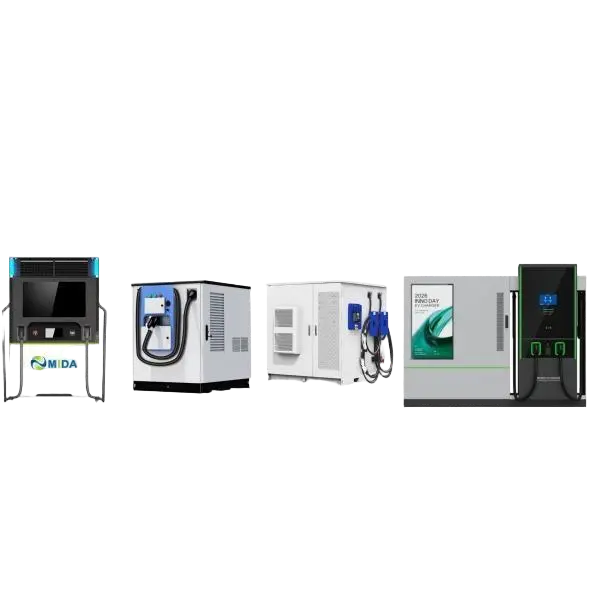
MIDA EV Power produces a full lineup of EV charging stations, such as 7kW–50kW mobile chargers, 3.6kW–7.2kW portable DC chargers, 360kW–1440kW split-type DC fast chargers, 20kW–50kW wall-mounted DC chargers, and 60kW–480kW floor-standing DC fast charging stations.

MIDA New Energy specializes in EV charger power modules, offering 20kW–60kW standard modules, 40kW–125kW liquid-cooled modules, 30kW–62.5kW bidirectional modules, and 20kW–45kW V2G charging modules.

MIDA Badge Logo

Industrial Product Ecosystem

Explore our engineering capabilities across power modules, heavy-duty connectors, DC charging units, and battery energy storage integrations.
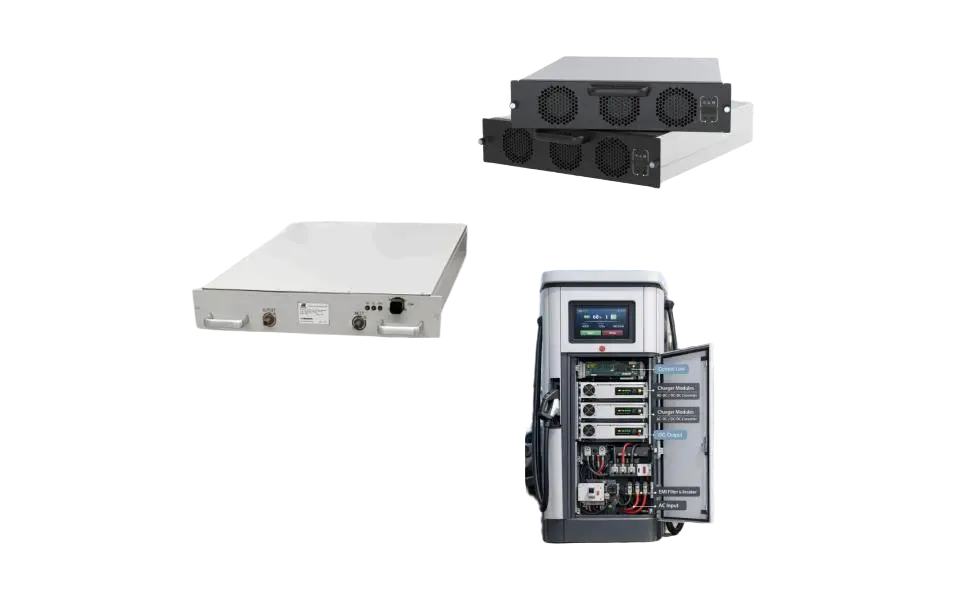
EV Charging Power Module
  • 30kW 40kW 50kW 60kW 80kW AC DC EV Charger Module
  • 30kW 40kW 50kW 60kW DC DC EV Charger Module
  • 40kW 60kW 75kW 125kW Liquid Cooled Power Module
  • 20kW 22kW 30kW 40kW 45kW V2G Power Module
  • 30kW 40kW 50kW 60kW MPPT Power Module
  • 20kW 50kW 62.5kW Bidirectional AC DC Power Module
EV Charging Power Module
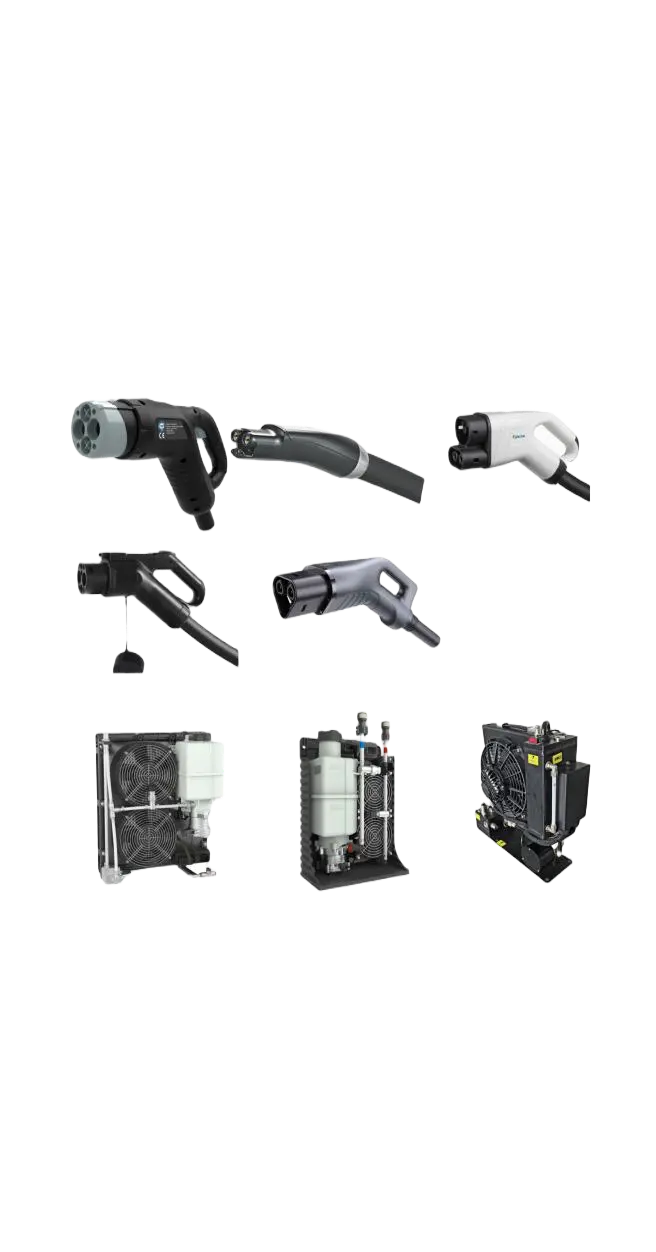
DC Connector & Cooling
  • 500A 600A CCS1 & CCS2 & GBT Connector
  • 125A 250A 300A 350A NACS & CHAdeMO Connector
  • 1500A MCS Connector & CHAOJI Connector
  • 3.5kW 4.5kW 6kW 9kW Integrated Liquid Cooling Unit
  • 2.4kW 3.5kW Split Type Cooling Unit
  • 25kW ~72kW Cooling Unit for HPC Charging
DC Charging Connector
DC Fast Charger Station
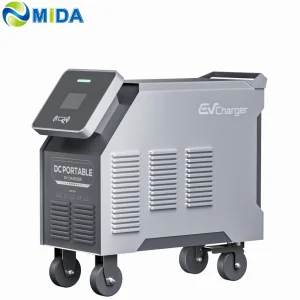
  • 7kW~ 60kW Mobile DC Charging Station
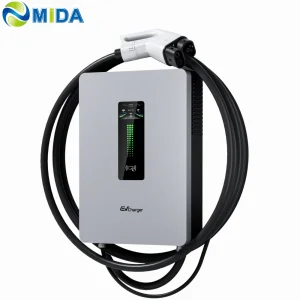
  • 20kW ~80kW Wall Mounted DC Charging Station
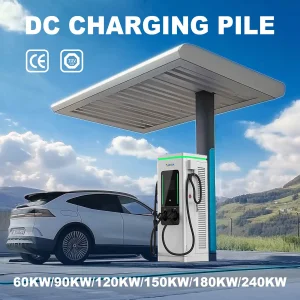
  • 60kW ~480kW Floor Mounted Charging Station
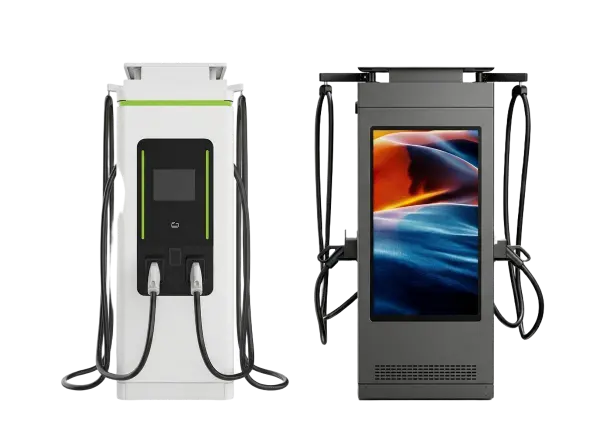
  • 60kW~240kW Advertising Charging Station (43/55 inch)
  • 600kW ~1080kW Liquid Cooled Charging Station
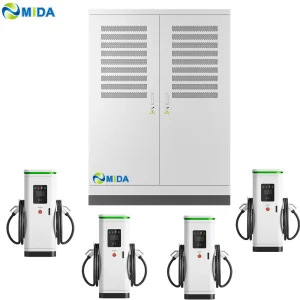
  • 360kW ~ 1680kW Split Type DC Charging Station
DC Fast Charger Station
Energy Storage Station
  • 15kW~480kW Mobile ESS Charging Station
  • 60kW ~ 400kW Integrated ESS Charging Piles
  • 65kWh~200kWh Emergency Rescue Charging Station
  • 165kwh Automatic Charging Robot
  • 800kwh~2000kwh Solar Energy Charging System
Energy Storage Charging Station

Technical Roadmap & Future Outlook

The global EV infrastructure industry is moving rapidly toward higher power nodes and smarter integration. At MIDA, our engineering roadmap focuses on key technological advancements:

Transition to 800V and 1000V Architecture

Passenger vehicles and medium/heavy-duty transport fleets are shifting toward 800V electrical architectures (such as the Porsche Taycan, Hyundai E-GMP, and commercial EV trucks). High-voltage charging reduces current requirements for the same power delivery, which allows for thinner and lighter charging cables. Our power modules support an ultra-wide voltage range from 150V to 1000V DC. This ensures compatibility with legacy 400V battery systems and high-voltage 800V/1000V platforms.

Modular Power Blocks & Scalability

Instead of deploying monolithic charging systems that are difficult to upgrade, Charge Point Operators (CPOs) prefer dynamic power allocation. Using our 30kW, 40kW, or 60kW power modules in standard rack assemblies, operators can build modular charging hubs. These systems dynamically route power to plugged-in vehicles based on real-time charge demand, optimizing operational uptime.

China Factory 4.0: Supply Chain Resilience & Quality Control

As a leading Chinese EV charger component manufacturer, we leverage advanced manufacturing systems (Factory 4.0) to deliver high quality, reliable products with short lead times:

  • Automated SMT & Component Sourcing: Our state-of-the-art Surface Mount Technology (SMT) lines place high-frequency switches and control electronics with precision. We source components directly from verified semiconductor suppliers to guarantee reliability.
  • Environmentally Sealed Processing: Conformal coating processes protect PCBs from moisture, salt spray, and atmospheric contaminants. This step is critical for modules deployed in coastal or high-humidity regions.
  • Full-Load Burn-In Testing: Every power module leaving the production line undergoes automated thermal cycling and full-load burn-in testing. This rigorous testing phase eliminates early component failures and guarantees long-term stability.

Global Procurement & Compliance Standards

Deploying charging infrastructure globally requires strict compliance with local safety standards and grid codes. MIDA Group products conform to international requirements:

Our modules and systems are certified according to CE, TUV, UL, PSE, CB, and UKCA standards. We support standard vehicle communication protocols, including DIN 70121, ISO 15118 (Plug & Charge), and backend connectivity via OCPP 1.6J and OCPP 2.0.1. This ensures seamless interoperability with commercial vehicle models and fleet management platforms.

Application Environments

  • High-speed corridor charging hubs
  • Logistics fleet depots (Electric Trucks/Buses)
  • Urban public DC fast-charging plazas
  • Industrial Microgrids & BESS integrations
  • Solar-to-EV off-grid charging stations

Compliance & Protocols

  • ISO 15118 (Plug & Charge ready)
  • DIN 70121 / CHAdeMO / GB/T compliant
  • OCPP 1.6J & 2.0.1 JSON API
  • CE, UL, TUV, & PSE Certifications

Corporate News & Industrial Insights

Stay informed with the latest updates on high-power transit charging technology and infrastructure engineering.

Pantograph up system dome
Technology Update

What are the advantages of an e-bus pantograph dome?

In contrast to classic plug-in charging systems, e-bus pantographs allow automated, high-power opportunity charging...

Read Full Article
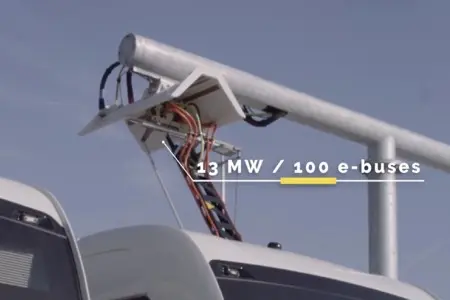
E-bus pantograph charge times
Operational Insights

How long does it take to charge with an e-bus pantograph?

The charging time depends on the battery capacity and the station output power, typically achieving top-ups in 5 to 10 minutes...

Read Full Article
Pantograph installation guide
Installation Guide

How to Install the Pantograph Up Charger System Dome for Electric Bus

Installing a "Pantograph Up" system dome requires precise structural, electrical, and mechanical alignments to ensure safety...

Read Full Article

Frequently Asked Questions & Industry Standards

Common questions concerning DC EV charger power modules, system integration, and global standards.

Why is Silicon Carbide (SiC) preferred over traditional Silicon (Si) for high-power DC charging?
SiC devices offer higher breakdown voltages, faster switching speeds, and superior thermal conductivity compared to standard silicon. This reduces switching losses, allowing charger modules to achieve higher power density, smaller footprints, and conversion efficiencies exceeding 97%.
What are the trade-offs between liquid-cooled and air-cooled power modules?
Air-cooled modules are simple and cost-effective but draw in outside air, requiring regular maintenance to prevent dust and humidity damage. Liquid-cooled modules are completely sealed (IP65+), offering superior heat dissipation and longer operational lifespans in harsh environments, though they carry a higher initial investment.
How does a bidirectional module assist in V2G (Vehicle-to-Grid) installations?
A bidirectional module converts AC grid power to DC for vehicle charging and can reverse the flow to convert DC battery power back into synchronized AC power for the grid. This capability helps balance peak loads and supports grid stabilization.
What standards govern DC EV charging cables and connectors globally?
The primary regional standards are CCS1 (North America), CCS2 (Europe), GB/T (China), CHAdeMO (Japan), and the emerging NACS (Tesla standard/SAE J3400) and MCS (Megawatt Charging System for heavy trucks).
What is the advantage of using modular power modules in a split-type charger stack?
Modular stacks dynamically allocate power modules based on the number of active charging sessions. If one module requires service, the remaining modules continue operating, preventing complete site downtime and ensuring high reliability.

Commercial & Specialty DC Fast Charging Solutions

Discover our range of solar-integrated charging piles, portable DC emergency systems, and high-power urban stacks.
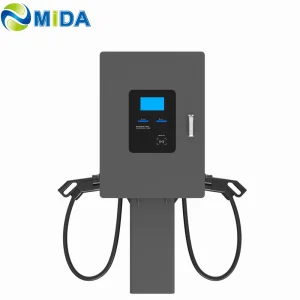
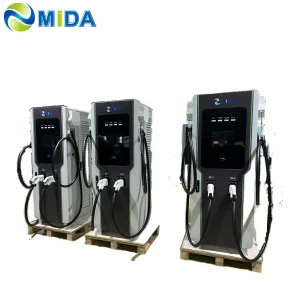
China 30kW 40kW 60KW Solar EV Charging Station

China 30kW 40kW 60KW Solar EV Charging Station with MPPT DC to DC EV Charger Station Manufacturers

View Product Details
Best Liquid Cooled Ultra 360kw Charging Station

Best Liquid Cooled Ultra 360kw Charging Station RFID OCPP POS DC Fast Charger Station Factory

View Product Details
China 30kw 40kW DC Portable Charger

China 30kw 40kW DC Portable Charger Mobile EV Charging Station CCS1 CHAdeMO Cable Manufacturers

View Product Details
China Mobile Charger 30kW 40kW DC Fast Charger

China Mobile Charger 30kW 40kW DC Fast Charger Station With CCS 2 Cable Manufacturers

View Product Details
Best DC Fast Charger 480kW 720kw Split Flexible

Best DC Fast Charger 480kW 720kw Split Flexible Charging Stack Urban Public Charging Stations

View Product Details
Best Commercial EV Charger CCS DC Charger

Best Commercial EV Charger CCS DC Charger OCPP1.6 80KW 100KW 120KW 240KW Fast Ev Charging Equipment

View Product Details
Best Japan PSE 90kW 100kw 150kW CHAdeMO Charger

Best Japan PSE 90kW 100kw 150kW CHAdeMO Charger Fast EV Charging Station Factory

View Product Details
Best 80kW 240kW 300kW Fast Charger Station

Best 80kW 240kW 300kW Fast Charger Station RS485 CCS2 GBT DC Charging Station Manufacturer

View Product Details
MIDA Engineering and Technology Banner