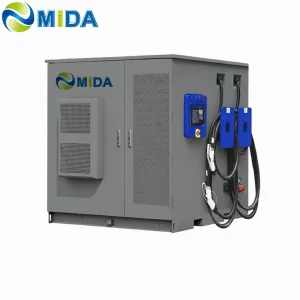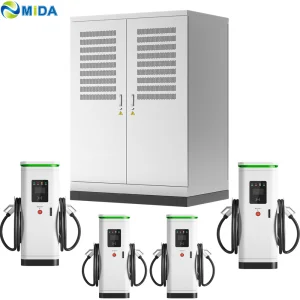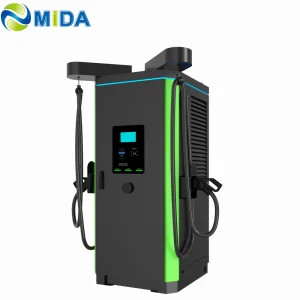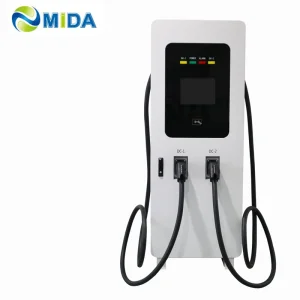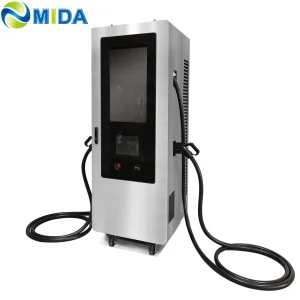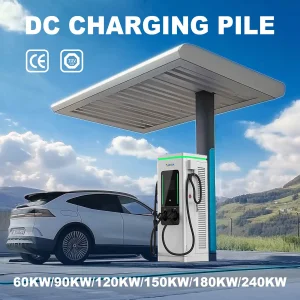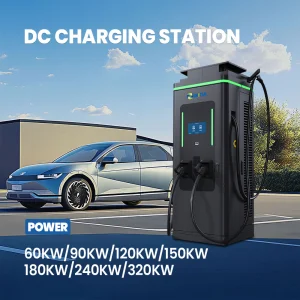
Explore our cutting-edge BESS-integrated and high-power fast charging solutions engineered for immediate home and fleet deployments.
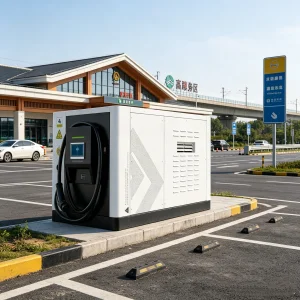
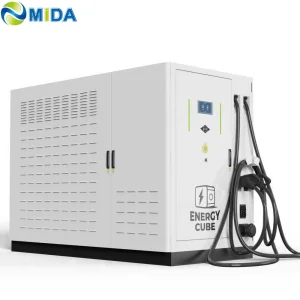
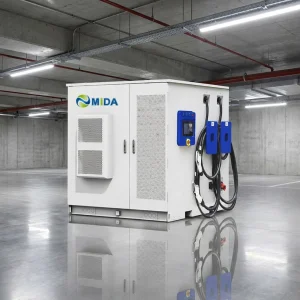
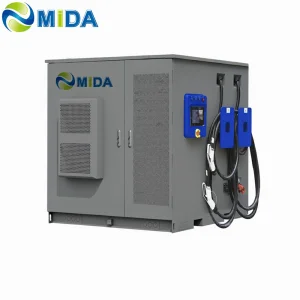
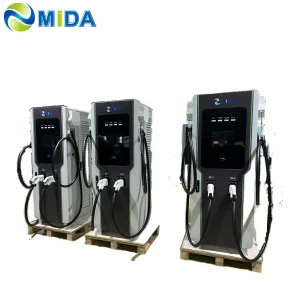
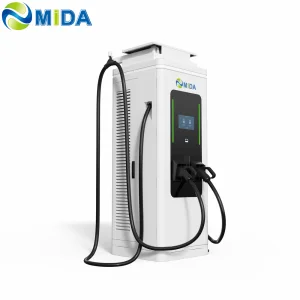
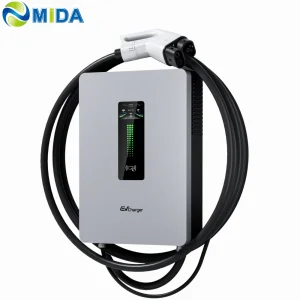
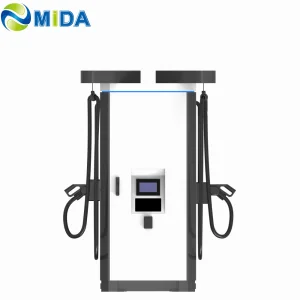
For years, residential EV charging has been dominated by Alternating Current (AC) Level 1 and Level 2 chargers. While these setups are sufficient for overnight charging, they suffer from a significant bottleneck: the vehicle's On-Board Charger (OBC). The OBC dictates the maximum speed at which an EV can process AC electricity, often capping speeds at 7.4 kW or 11 kW. Enter **Low-Power DC Charging at Home**.
By delivering Direct Current (DC) directly to the vehicle's battery pack, residential DC wallboxes bypass the OBC entirely. This allows homeowners to achieve charging speeds from 20 kW up to 60 kW safely within residential boundaries. As battery capacities grow and multi-EV households become common, B2B procurement agents are increasingly sourcing home DC chargers to meet consumer demands for faster, smarter, and bi-directional (V2H/V2G) home energy ecosystems.
B2B distributors and utility developers are noticing a massive shift in consumer expectations. Modern residential users want rapid top-ups. A 20kW or 30kW DC charging system can charge a typical 60 kWh battery from 20% to 80% in under 90 minutes. This level of responsiveness is ideal for home office fleets, executive transports, and users utilizing time-of-use (TOU) utility rates who need to capture cheap energy in narrow charging windows.
By coordinating with Battery Energy Storage Systems (BESS), home DC chargers operate seamlessly. They pull power stored during off-peak hours or generated by residential solar panels, delivering clean energy without overloading localized grid grids.
Unlike standard industrial chargers, residential units feature integrated RCD Type B earth leakage protection, PEN fault protection, overcurrent limits, and advanced flame-retardant enclosures compliant with residential zoning laws.
With built-in OCPP 1.6J and OCPP 2.0.1 smart-charging protocols, updates can be rolled out wirelessly. Homeowners and operators can monitor charging analytics, run remote diagnostic tests, and integrate smart payment gates.
Unifying Cable, Power, and New Energy Technologies to Deliver End-to-End Smart Mobility Infrastructure
Shanghai Mida Cable Group Ltd. operates through its wholly owned subsidiaries: Shanghai Mida EV Power Co., Ltd., Shenzhen Mida EV Power Co., Ltd., and Shanghai Mida New Energy Co., Ltd. This integrated operational architecture allows Mida to cover the entire EV charging ecosystem.
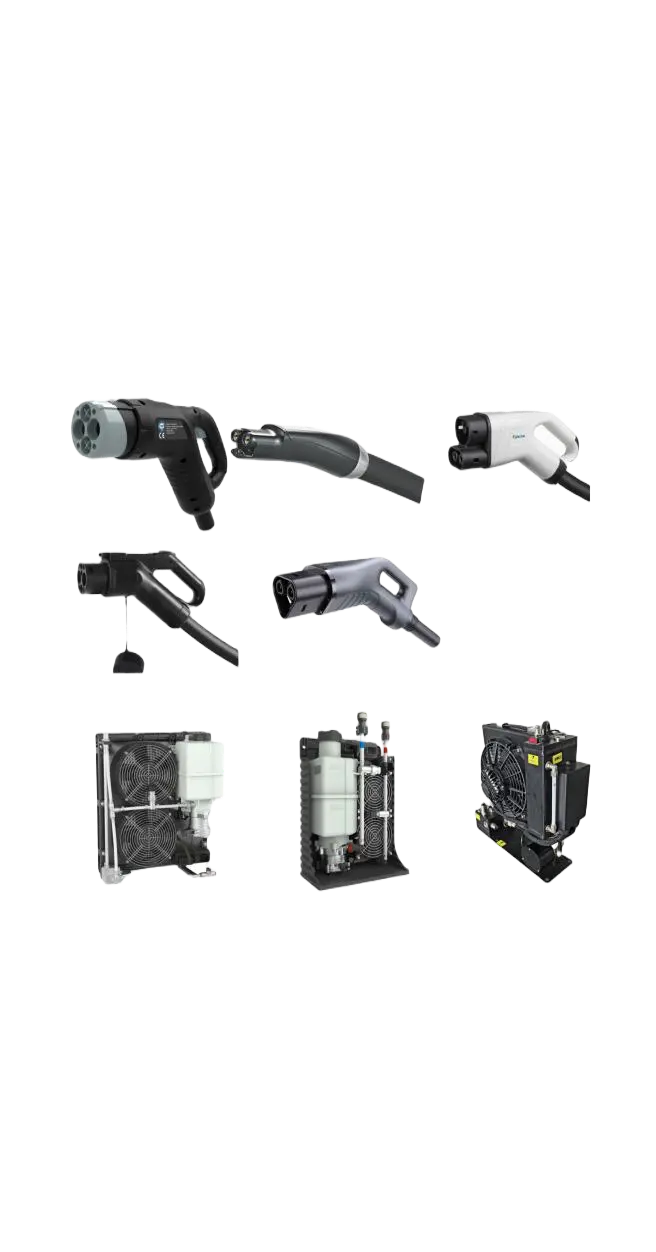
Mida Cable manufactures a comprehensive range of EV charging cables, including 16A–80A J1772 cables, 16A–63A IEC 62196-2 Type 2 cables, and heavy-duty DC fast charging cables: CCS1 (80A–500A), CCS2 (125A–1000A), CHAdeMO (125A–300A), GB/T (200A–1000A), and NACS connectors (250A–600A).
MIDA EV Power produces a full lineup of EV charging stations, such as 7kW–50kW mobile chargers, 3.6kW–7.2kW portable DC chargers, 360kW–1440kW split-type DC fast chargers, 20kW–50kW wall-mounted DC chargers, and 60kW–480kW floor-standing DC fast charging stations.
MIDA New Energy specializes in EV charger power modules, offering 20kW–60kW standard modules, 40kW–125kW liquid-cooled modules, 30kW–62.5kW bidirectional modules, and 20kW–45kW V2G charging modules.

B2B procurement departments handling real estate portfolios, fleet management, and public energy utilities require robust hardware platforms. Scaling a residential DC network demands strict design-for-manufacturing (DFM) rules. As an experienced manufacturer, MIDA aligns design with target markets, ensuring that chargers meet structural guidelines for physical environments as well as local regulatory requirements.
Universal Interoperability: Chargers must run across different car makes without error. MIDA hardware is fully pre-tested across diverse vehicles, supporting multiple global standards (NACS, CCS1, CCS2, GB/T, CHAdeMO).
OCPP Integration: Software integration can make or break a project. The OCPP standard allows third-party platforms to monitor consumption, charge customers, and schedule loads. MIDA products utilize tested OCPP stacks, avoiding local integration errors.
Thermal Performance & Enclosures: Home DC chargers must operate quietly and withstand severe weather. MIDA uses premium IP54 and IP55 rated housings with advanced fan-less cooling or ultra-quiet liquid cooling setups for maximum durability and quiet operation.
Explore Mida Group's major portfolios including high-efficiency power modules, robust liquid-cooling units, and comprehensive smart charging stations.
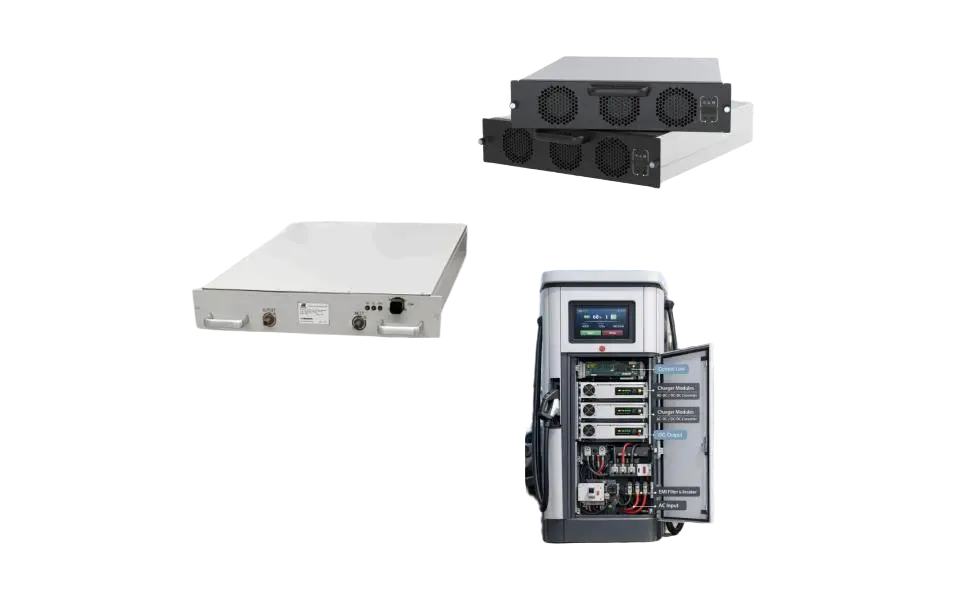
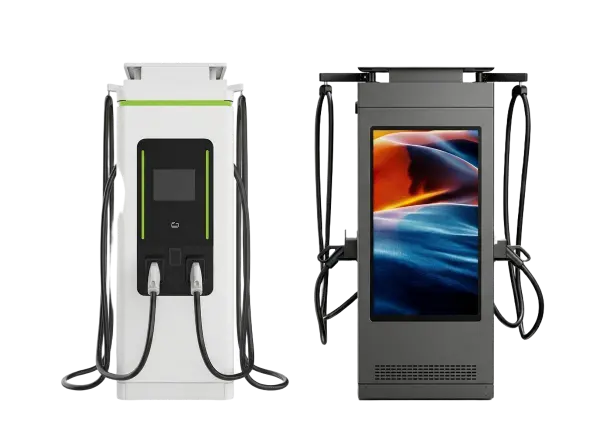
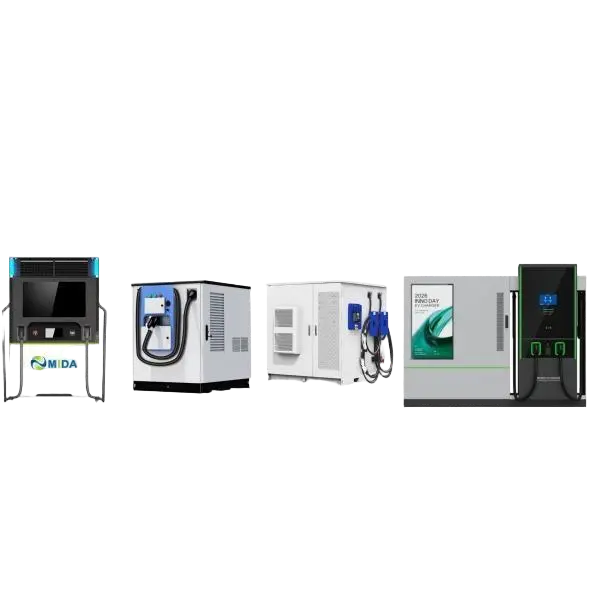
The home charging landscape is shifting from passive devices to dynamic, bidirectional energy hubs. As vehicle-to-home (V2H) and vehicle-to-grid (V2G) applications gain ground, home DC chargers will serve as the primary bridge between the car's high-capacity battery and the home electrical network.
Mida's technical roadmap prioritizes high-efficiency bidirectional silicon carbide (SiC) modules, liquid-cooled cooling loops for compact layouts, and native software support for the ISO 15118 Plug & Charge standard. By integrating bidirectional modules, homeowners can use their EVs as a backup battery during grid outages, or feedback energy into the local power grid when utility pricing spikes.
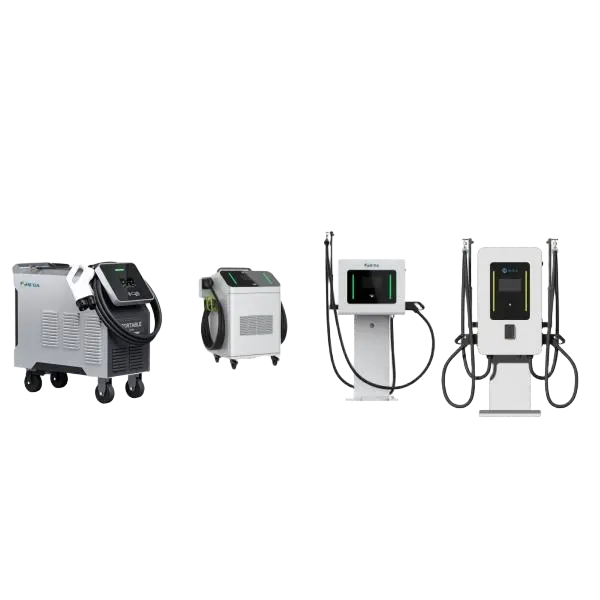
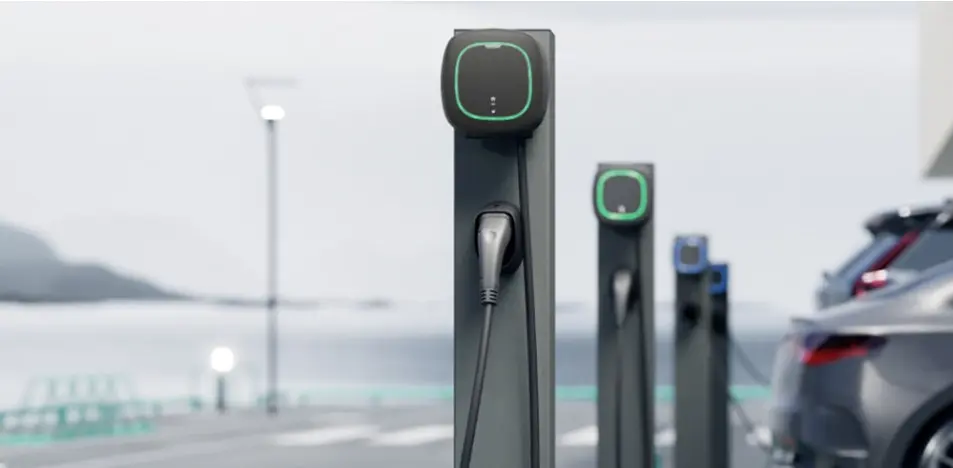
Power Span: 7kW | 20kW | 30kW | 40kW | 60kW | 80kW
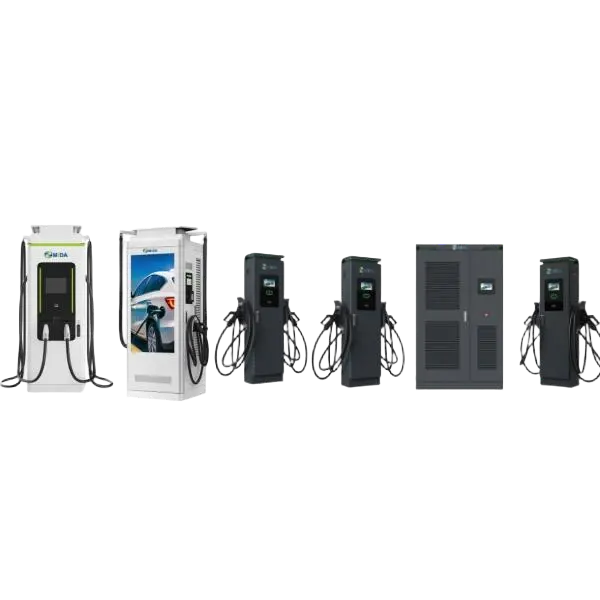
Power Span: 60kW-480kW | 360kW-1440kW
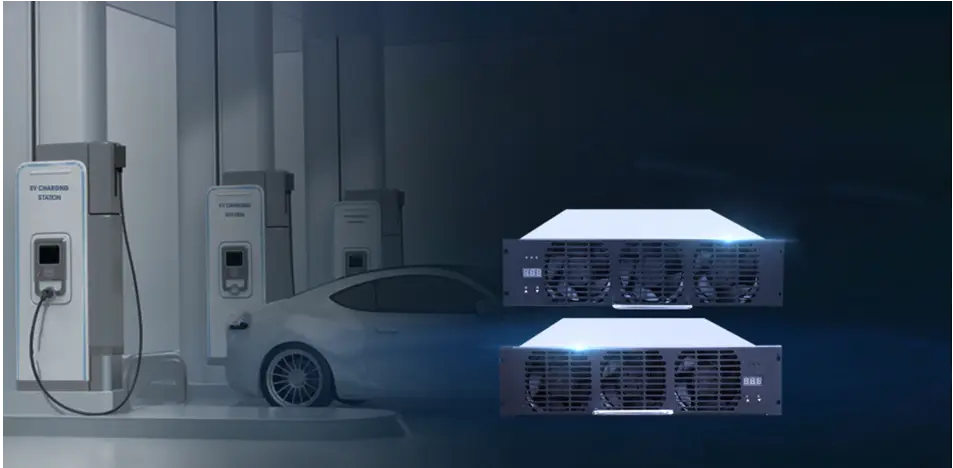
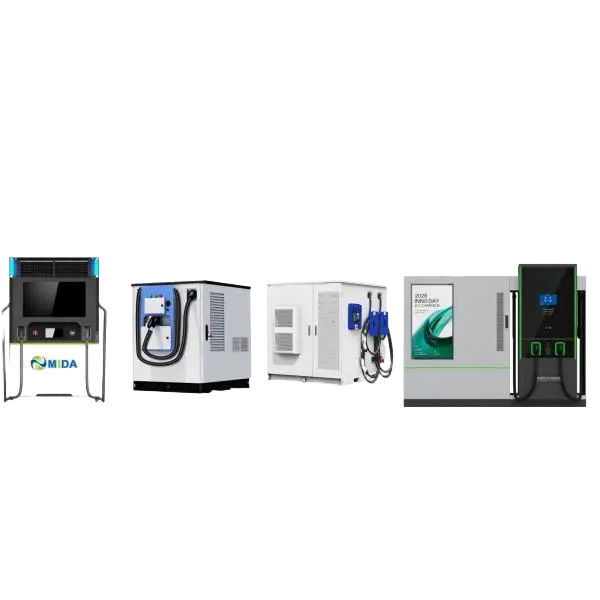
Storage Capacity: 60kWh | 261kWh | 418kWh | 625kWh | 2MkWh
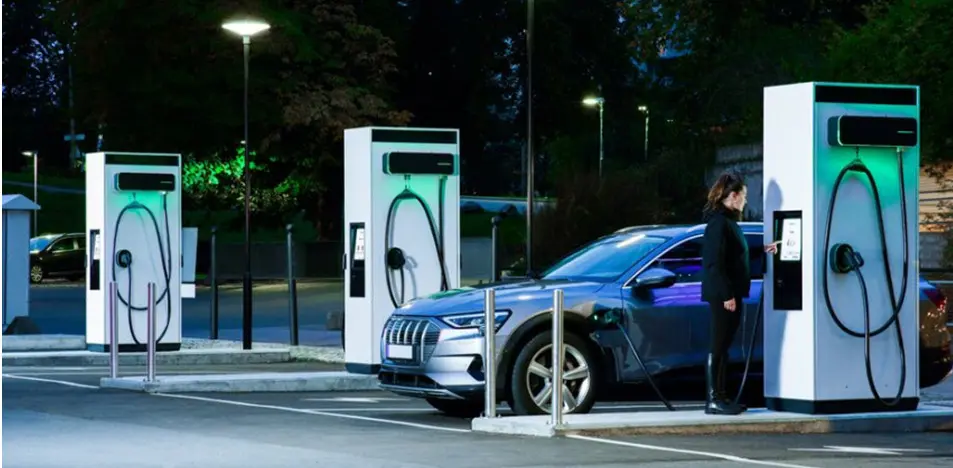
Keep track of our latest developments in heavy vehicle fast-charging, pantograph systems, and manufacturing innovations.
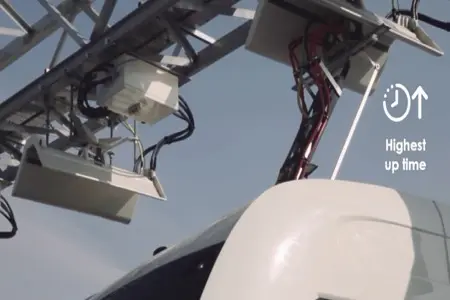
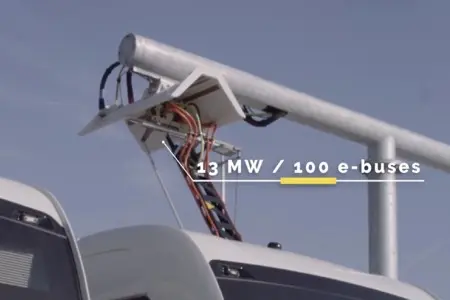
Answering major technical, utility, and installation questions about implementing residential low-power DC systems.
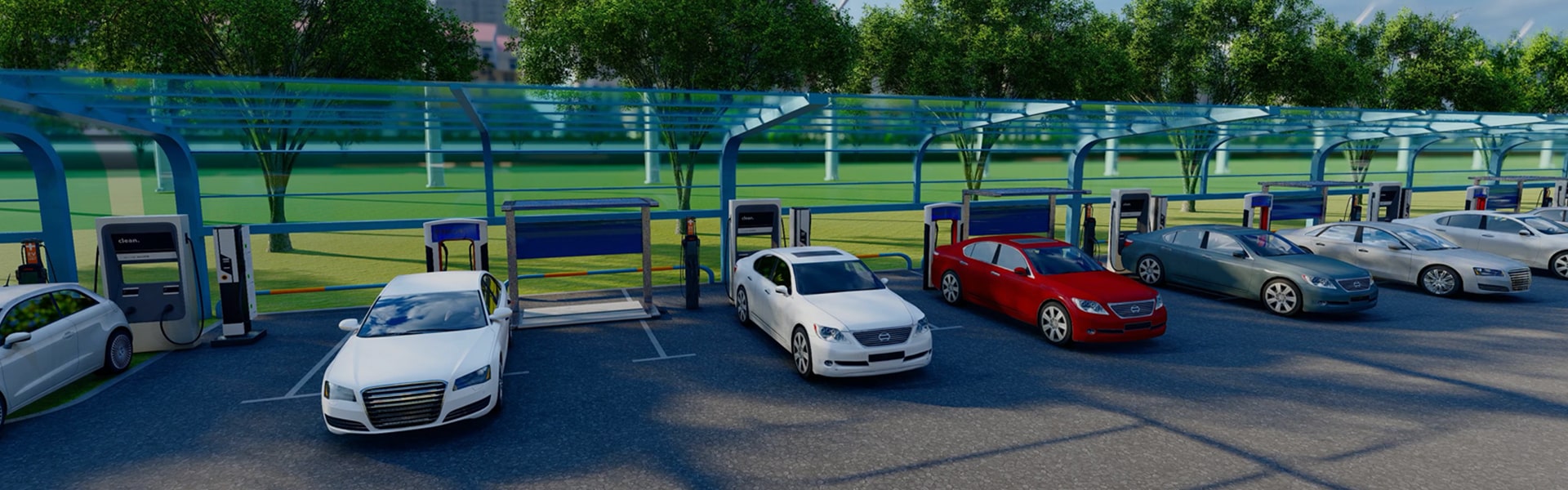
Explore our high-performance split chargers, hyperchargers, and heavy-vehicle charging stations engineered for commercial use.