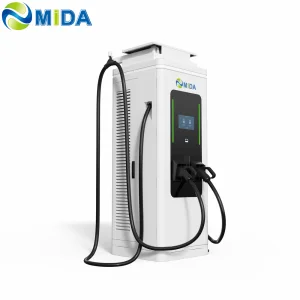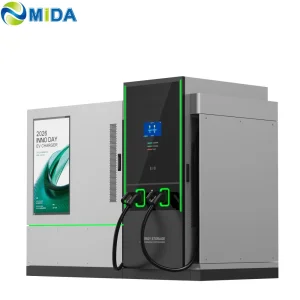
Best Battery Charging Stations Manufacturer & Suppliers

High-Power Smart EV Infrastructure: MW-Level High-Speed Infrastructure, V2G Bidirectional Charging Systems, and Dynamic Load-Balanced Grid Integration for Global Enterprise Fleets & Charge Point Operators

Premium Commercial EV Charging Stations

Explore our industrial-grade CCS, NACS, and CHAdeMO fast chargers engineered to high global standards.
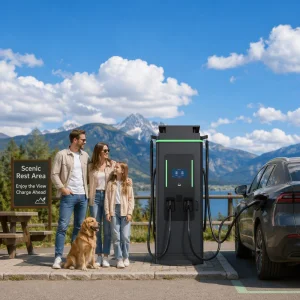
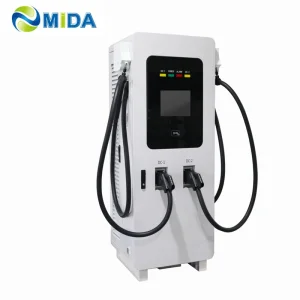
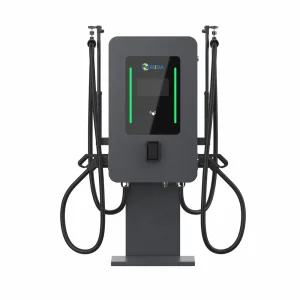
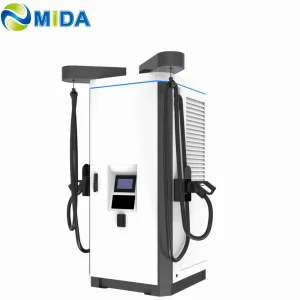
Best Commercial EV Charger CCS DC Charger OCPP1.6
Best Commercial EV Charger CCS DC Charger OCPP1.6 80KW 100KW 120KW 240KW Fast Ev Charging equipment Suppliers, Factory
View Details
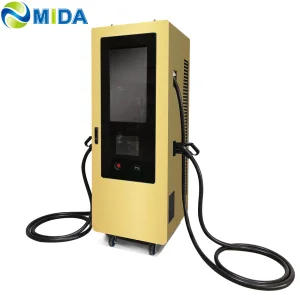
Best TUV Commercial DC Charging Point
Best TUV Commercial DC Charging Point 180kW 240kW CCS2 DC EV Charging Station Supplier, Factories
View Details
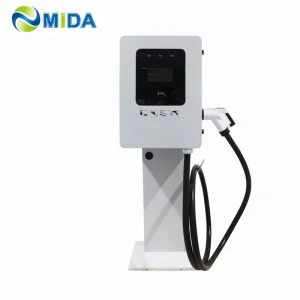
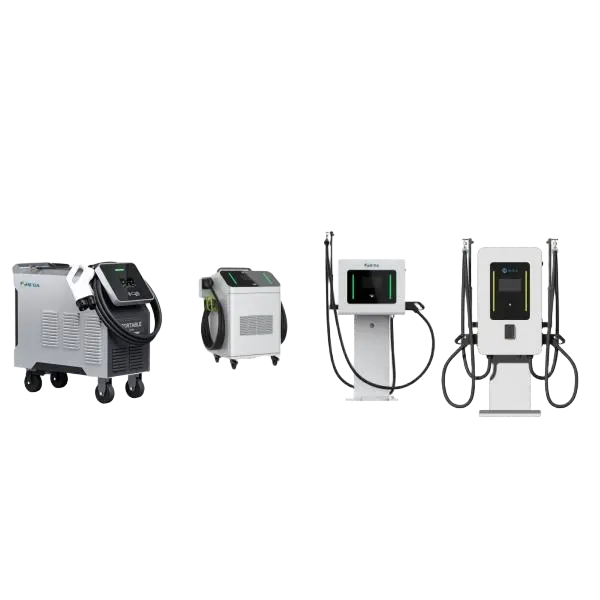
China MIDA 60kW 80kW Wall-mounted DC Fast Charger
China MIDA 60kW 80kW Wall-mounted DC Fast Charger Dual Gun EV Charging Station Suppliers, Factories
View Details
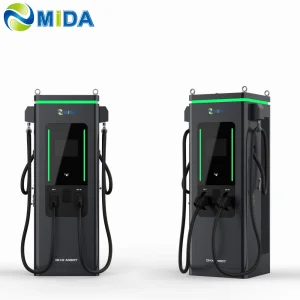
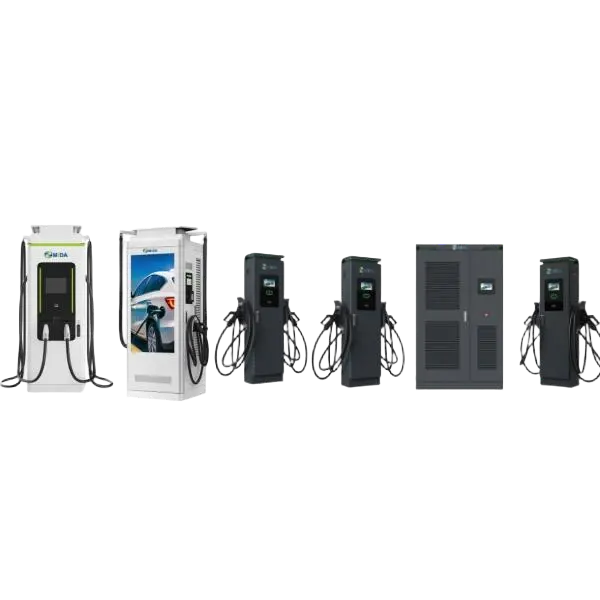
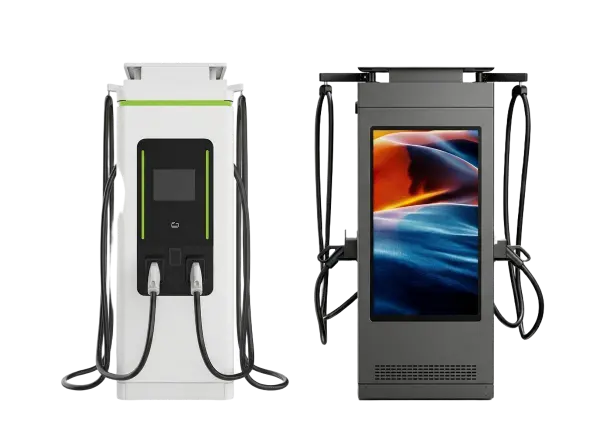
Best China Factory Fast EV Charger
Best China Factory 120KW 180kW 240kw Fast EV Charger Advertising Charging Station Suppliers, Factory
View Details
China 30kW 40kW CCS CHAdeMO Wall Mounted DC Fast Charger
China 30kW 40kW CCS CHAdeMO Wall Mounted DC Fast Charger Station Manufacturer, Suppliers
View Details
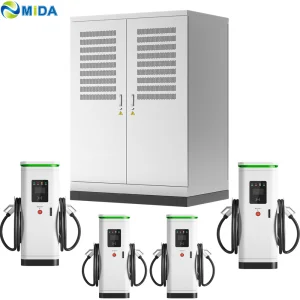
Best Level 3 DC EV Fast Charger
Best 300kW 360kW 400kW Level 3 DC EV Fast Charger & Pedestal Unit Power Cabinet Manufacturers, Factories
View Details
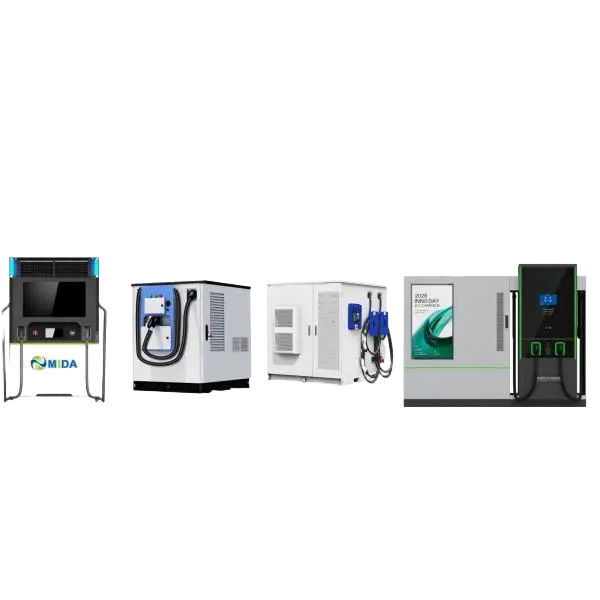
Best 150kw 180kW 240kW DC Charging Station
Best 150kw 180kW 240kW DC Charging Station CCS2 GBT Ultra Fast Charger Piles Suppliers, Factories
View Details
China CHAdeMO Ultra Fast Charging EV Charging Station
China CHAdeMO 50kW 100kW Ultra Fast Charging Rapid Quick Charger DC EV Charging Station Manufacturer, Factories
View Details

Global Electric Vehicle Infrastructure Development Trends

Analyzing key shifts in commercial, metropolitan, and logistics fleet charging demand worldwide.

High-Power Charging (HPC) & Liquid-Cooled Infrastructure

As commercial electric truck fleets and high-capacity electric buses deploy globally, there is a distinct transition towards Megawatt Charging Systems (MCS) capable of delivering above 500kW. Conventional forced-air cooled power modules struggle with heat dissipation and noise control at scale. Integrated closed-loop liquid-cooled EV charger power modules reduce thermal stress on electrical components, maintain optimal performance under continuous duty cycles, and allow ultra-fast charging without component degradation.

Microgrids & BESS-Integrated Infrastructure

Local grid congestion restricts simultaneous ultra-fast charger connections. Battery Energy Storage System (BESS) charging stations represent a practical alternative. By buffering low-voltage grid connections with high-capacity local battery storage, charge station operators can deliver high peak power without incurring high demand charges from utility companies. BESS integration supports solar energy storage, providing off-grid capability during utility failures.

Standardization & Vehicle-to-Grid (V2G) Integration

Modern procurement demands complete standard alignment across multiple regions. This includes dual-protocol dynamic switching between CCS1, CCS2, and NACS (Tesla standard), alongside software support for ISO 15118 (Plug & Charge) and OCPP 2.0.1. Additionally, bidirectionality via V2G enables commercial fleets to operate as virtual power plants (VPPs), feeding electricity back to local energy grids to offset fleet operating costs.

Diverse System Portfolios & Architectural Deployments

Explore high-voltage hardware classes for commercial fleet operators, commercial properties, and multi-tenant locations.

Wall-Mounted & Mobile EV Charger

7kW 20kW 30kW 40kW 60kW 80kW

Wall-Mounted/Mobile EV Charger Product

Compact form-factor charging systems designed for wall mounting or mobile emergency dispatch. Suitable for municipal vehicle depots, workplace parking lots, and roadside assistance fleets.

  • Low footprint designs for urban garages
  • Robust IP54/NEMA 3R outdoor enclosures
  • Modular sub-assemblies for rapid installation

DC Charger Station

60kW-480kW 360kW-1440kW

DC Charger Station Product

High-voltage direct current (HVDC) charging hubs optimized for heavy transport, depot operations, and public highway charging hubs. Supports split-power distribution matrices.

  • Dynamic real-time power allocation
  • Liquid-cooled options for rapid duty cycles
  • Multi-standard support (CCS, NACS, GBT, CHAdeMO)

BESS Charging Station

60kWh 261kWh 418kWh 625kWh 2MkWh

BESS Charging Station Product

Energy storage coupled with high-output power cabinets. Facilitates fast-charging in remote or grid-constrained environments by leveraging lithium battery storage.

  • Peak-shaving capability
  • Blackout-proof emergency backup dispatch
  • Integrates with solar PV microgrids

Global Sourcing: Key Criteria for B2B Procurement Managers

A systematic framework for evaluating uptime, certification standards, and interoperability protocols.

1. Electrical Compliance & Safety Standards

Deploying charging stations across diverse markets requires certification under major regulatory frameworks. Sourcing agents should confirm that equipment carries verified markings such as CE, TUV (EN 61851 compliance), ETL/UL 2231, and FCC. These certifications ensure that the hardware meets insulation, ground fault protection, short-circuit, and electromagnetic compatibility requirements.

2. Modular Design & Total Cost of Ownership

Maintenance overhead directly impacts charging station profitability. A modular architecture with hot-swappable charging power modules simplifies servicing. Rather than replacing entire terminal enclosures, field service technicians can swap individual modules, reducing mean time to repair (MTTR). Dual-input systems and redundant controller designs protect against single-point-of-failure shutdowns.

3. Software Interoperability

To avoid vendor lock-in, charging stations must support standard communication protocols. Open Charge Point Protocol (OCPP 1.6J and OCPP 2.0.1) integration ensures compatibility with various billing, load management, and central network management systems. Native ISO 15118 implementation provides secure cryptographic handshake features like automated payment processing and encrypted plug-and-charge functionality.

OEM / ODM Enterprise Capacity

WELCOME TO MIDA GROUP

Shanghai Mida Cable Group Ltd. operates through its wholly owned subsidiaries: Shanghai Mida EV Power Co., Ltd., Shenzhen Mida EV Power Co., Ltd., and Shanghai Mida New Energy Co., Ltd. Our corporate focus is the research, development, manufacture, and global distribution of specialized electric vehicle supply equipment (EVSE).

Mida Cable manufactures a comprehensive range of EV charging cables, including 16A–80A J1772 cables, 16A–63A IEC 62196-2 Type 2 cables, and DC fast charging cables: CCS1 (80A–500A), CCS2 (125A–1000A), CHAdeMO (125A–300A), GBT (200A–1000A), and NACS connectors (250A–600A).

MIDA EV Power produces a full lineup of EV charging stations, such as 7kW–50kW mobile chargers, 3.6kW–7.2kW portable DC chargers, 360kW–1440kW split-type DC fast chargers, 20kW–50kW wall-mounted DC chargers, and 60kW–480kW floor-standing DC fast charging stations.

MIDA New Energy specializes in EV charger power modules, offering 20kW–60kW standard modules, 40kW–125kW liquid-cooled modules, 30kW–62.5kW bidirectional modules, and 20kW–45kW V2G charging modules.

Mida Logo Seal
1000+ A
Liquid Cooled CCS Capacity
1440 kW
Split-type Max DC Output
ISO 15118
Full Standard Compliance
2M kWh
Scalable BESS Capacity

MAIN PRODUCTS

Explore Mida Group's core product catalog, featuring advanced charging components and heavy-duty system solutions.
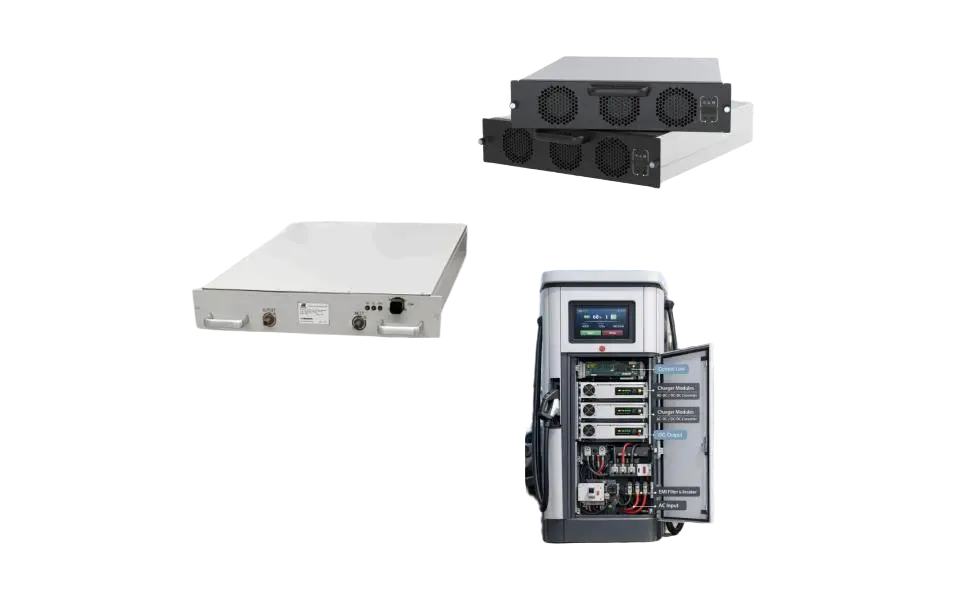
EV Charging Power Module
EV Charging Power Modules
  • 30kW-80kW AC/DC Power Modules
  • 30kW-60kW DC/DC EV Charger Modules
  • 40kW-125kW Liquid Cooled Modules
  • 20kW-45kW V2G Power Modules
  • 30kW-60kW MPPT Solar Modules
  • 20kW-62.5kW Bidirectional AC/DC Modules
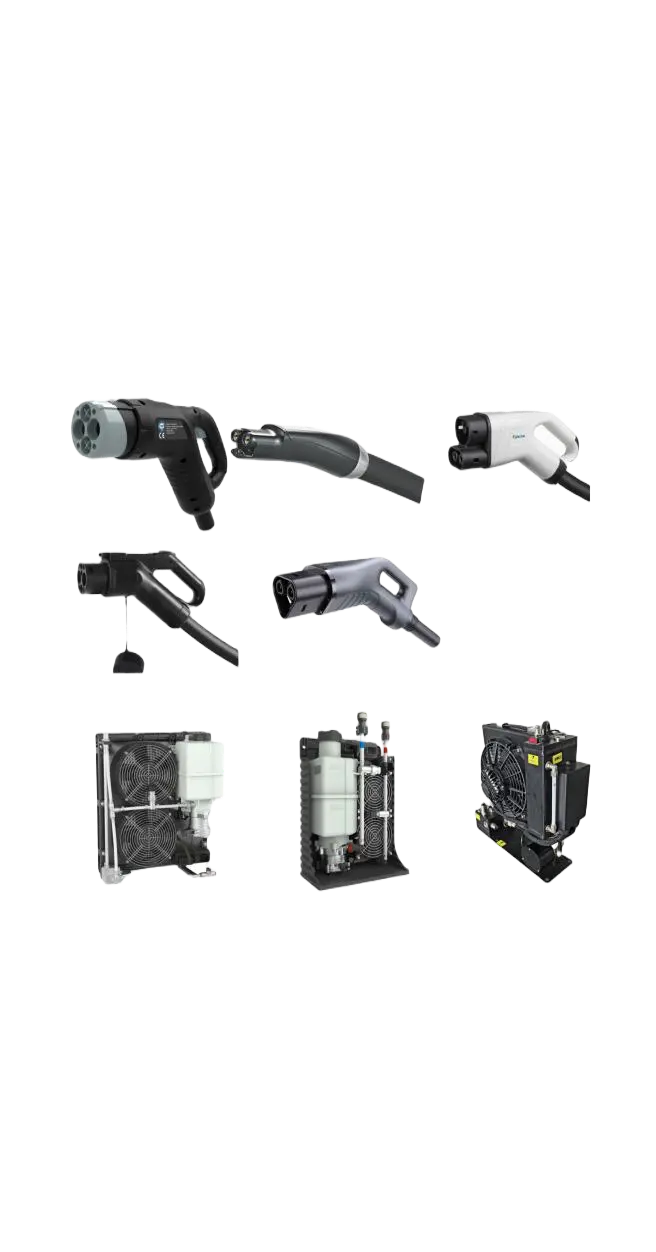
DC Charging Connector & Liquid Cooling Unit
Connectors & Cooling Units
  • 500A-600A CCS1, CCS2 & GBT Connectors
  • 125A-350A NACS & CHAdeMO Connectors
  • 1500A MCS & CHAOJI Connectors
  • 3.5kW-9kW Integrated Liquid Coolers
  • 2.4kW-3.5kW Split Type Cooling Units
  • 25kW-72kW HPC Cooling Systems
DC Fast Charger Station
DC Fast Charging Stations
  • 7kW-60kW Mobile DC Stations
  • 20kW-80kW Wall Mounted DC Chargers
  • 60kW-480kW Floor Mounted Cabinets
  • 60kW-240kW Advertising Integrated Stations
  • 600kW-1080kW Liquid Cooled Stations
  • 360kW-1680kW Split Type DC Stations
Energy Storage Charging Station
Energy Storage Stations (BESS)
  • 15kW-480kW Mobile ESS Chargers
  • 60kW-400kW Integrated ESS Charging Piles
  • 65kWh-200kWh Emergency Rescue Piles
  • 165kWh Automated Mobile Charging Robot
  • 800kWh-2000kWh Solar Smart Microgrids

Advanced Thermal Management & System Reliability

Why liquid-cooled technology is essential for next-generation charging infrastructure.

Mitigating Thermal Derating

Traditional air-cooled chargers reduce power output when ambient temperatures rise to protect internal electrical components. Liquid-cooled power cabinets mitigate this issue by maintaining stable operating temperatures. The integrated coolant loop transfers heat away from critical inductors and power transistors, enabling continuous rated power output even in hot environments.

Environmental Isolation (IP65)

Air-cooled chargers draw ambient air through filters, bringing in dust, humidity, and airborne contaminants that can degrade electronic components. Liquid-cooled power modules feature fully sealed sub-assemblies (IP65 rating) that isolate internal electronics from environmental exposure, extending equipment lifespan and reducing maintenance requirements in harsh industrial sites.

Acoustic Mitigation in Urban Zones

High-power air-cooled stations use high-RPM cooling fans, generating sound levels exceeding 70 dBA at full load. This noise is often restricted by municipal codes in residential and commercial areas. Closed-loop liquid cooling uses low-speed pumps and external heat-exchanging radiators, lowering noise levels to under 55 dBA, suitable for metropolitan installations.

Commercial Charging Infrastructure Portfolio

Discover high-power charging platforms and storage systems for commercial fleets, highways, and public networks.
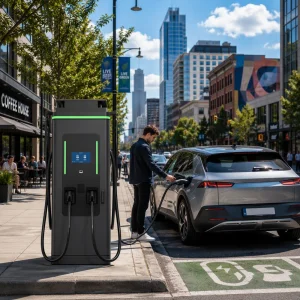
China OCPP 2.0.1 ISO15118 Ultra Charger
China OCPP 2.0.1 ISO15118 240kW 300kW 360kW 420kW Ultra Charger Fast charging station Manufacturer, Manufacturers
View Details
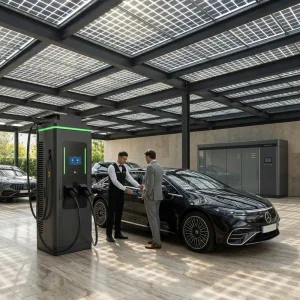
China OCPP 2.0.1 Compliant DC Fast Charger
China OCPP 2.0.1 Compliant 160kW 180kW 240kW 300kW DC Fast Charger Station With Advertising System Supplier, Suppliers
View Details
China ETL Listed DC Charging Station
China ETL Listed 60kw 90kw 120kw 150kw CCS NACS CHAdeMO OCPP1.6 UL2231 DC Charging Station Manufacturers, Factory
View Details
Best Wall mount charger Pillar Dc Charger
Best Wall mount charger Pillar Dc Charger 20kw 30kw 40kw Commercial Ev Charging Station Supplier, Factory
View Details
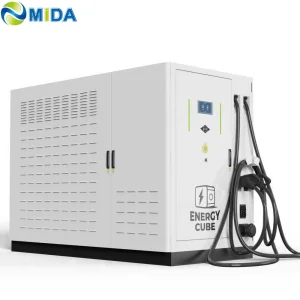
Best CCS NACS CHAdeMO BESS Charging Station
Best CCS NACS CHAdeMO 200kwh 120kw BESS Charging Station Energy Storage EV Charger Piles Supplier, Factory
View Details
Best Split DC Charging Station
Best 360kw 480kw Split DC Charging Station with CCS2 GB/T Charger Connector Supplier, Factories
View Details
Best Fast Charger Station OCPP2.0 Dual CCS GBT
Best 300kW 350kw 400kW Fast Charger Station OCPP2.0 Dual CCS GBT EV Charging Suppliers, Factory
View Details
China BESS Charger Energy Storage Charging Station
China 120kwh 60kw CCS2 GBT BESS Charger Energy Storage Charging Station Manufacturer, Supplier
View Details

Corporate News & Technical Insights

Follow developments in automated high-power mass-transit pantograph technology and electric bus fleet systems.

e-bus pantograph dome advantages

What are the advantages of an e-bus pantograph dome?

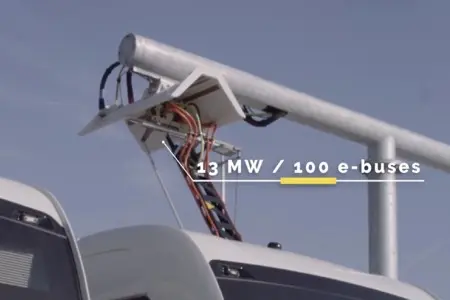
In contrast to classic plug-in charging systems, e-bus pantograph systems offer automated connection capability, reducing manual operations. Pantographs facilitate high-power charging during scheduled layovers, increasing vehicle uptime and optimizing transit schedule efficiency.
e-bus pantograph charging time

How long does it take to charge with an e-bus pantograph?

The charging time depends on the battery capacity and the station's power output. High-power pantograph configurations can supply up to 450kW-600kW, allowing transit buses to replenish up to 80% capacity in 10 to 15 minutes during route pauses.

Pantograph Up Charger System installation

How to Install the Pantograph Up Charger System Dome

Installing a "Pantograph Up" system dome requires alignment of civil infrastructure, high-power substation integration, and communication calibration. The dome must be securely mounted to structural supports to ensure reliable alignment with vehicle contact rails.

Macro-Level Fleet & Infrastructure Solutions

Custom infrastructure models designed for logistics, transit networks, and high-density public charging stations.

Logistics & Commercial Fleets

Electrifying medium and heavy-duty logistics fleets requires robust charging strategies. Split-type DC fast charging cabinets allow depots to run power lines to multiple remote dispensing posts. This enables overnight sequential charging, directing power to vehicles based on departure times and battery status, which helps reduce utility demand charges.

Public Highway Charging Plazas

For high-throughput highway plazas, maximizing turnover is key. Deploying 360kW to 480kW liquid-cooled charging stations allows vehicles to fast charge quickly. Integrating dynamic power allocation matrices routes power to where it is needed, optimizing utility capacity across multiple active dispensing units.

Urban Grid Peak Mitigation

Deploying charging networks in cities often faces power supply limits. BESS-integrated charging stations help resolve these constraints. By charging the local battery storage system during off-peak hours, the facility can support high-power fast charging during peak periods without overloading the municipal substation.

Frequently Asked Questions

Technical guidance and sourcing insights for enterprise buyers and infrastructure developers.
What is the difference between split DC charging stations and integrated DC charging stations?
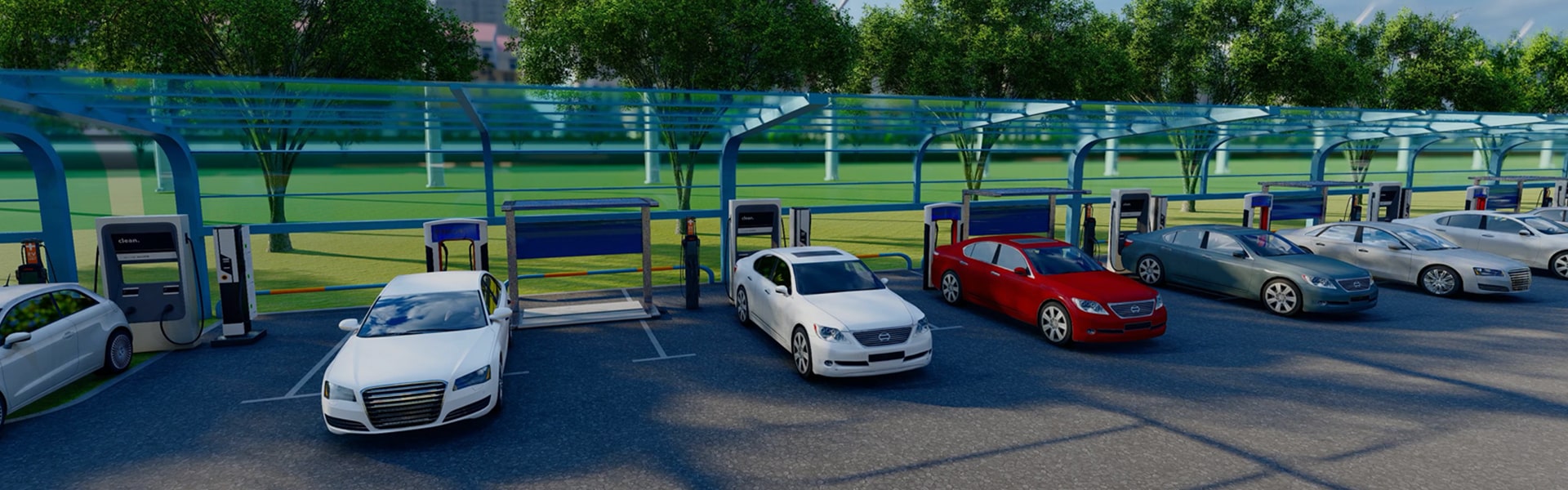
An integrated charger contains both the power modules and the user interface in a single housing, which works well when space is available near the parking stall. A split system separates the main power conversion cabinet from the dispensing posts. This layout allows the heavy power cabinet to be installed elsewhere, while saving space at the dispenser. It also makes maintenance easier and allows for dynamic power distribution.
Why is OCPP 2.0.1 compliance important for newly deployed charging hubs?
OCPP 2.0.1 offers several improvements over the older OCPP 1.6J protocol, including enhanced security via TLS encryption and direct support for client certificates. It also supports ISO 15118 features for Plug & Charge, provides detailed diagnostic messages, and handles complex smart charging profiles. This helps ensure compatibility with modern energy management systems.
How does a BESS-integrated charging system help lower operating costs?
BESS-integrated stations manage electricity costs through peak shaving and load shifting. By storing energy during low-cost, off-peak hours and discharging it during peak times, operators can avoid utility demand charges. This setup also allows the installation of fast chargers in areas with limited grid capacity without requiring expensive substation upgrades.
What are the safety differences between air-cooled and liquid-cooled systems?
Liquid-cooled systems route coolant through isolated loops to cool electrical conductors, preventing the high temperatures that cause air-cooled systems to derate. This direct thermal management reduces fire hazards and allows the charging cable to remain flexible and thin even at high currents (up to 500A-1000A).
Can Mida Group design custom charging interfaces for non-standard fleets?
Yes, Mida Group has extensive ODM and OEM capabilities. We manufacture charging systems using CCS1, CCS2, NACS, GB/T, and CHAdeMO standards. Additionally, we provide automated connection solutions, such as overhead pantographs and underbody contact systems, tailored to municipal bus fleets and specialized industrial vehicles.
How does dynamic power allocation optimize multi-cable charging cabinets?
Dynamic power allocation uses a smart control system to distribute total power capacity based on vehicle demands. If a 360kW station is charging one vehicle that can only accept 120kW, the system routes the remaining 240kW to other active cables, rather than letting it sit idle. This maximizes utility usage and speeds up charging times across the site.
Mida Production Line & Technology Center