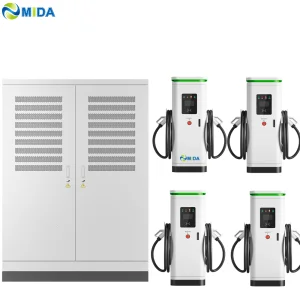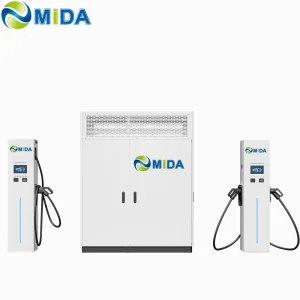
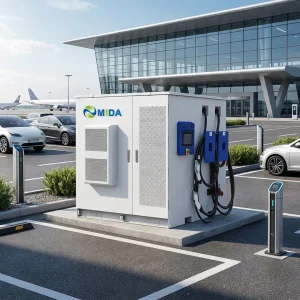
Select high-efficiency systems for commercial, fleet, and public applications. Engineered for performance and certified for international standards.
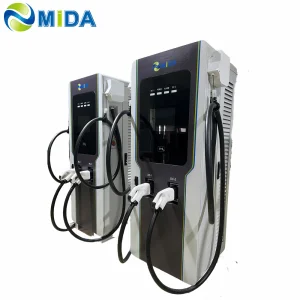
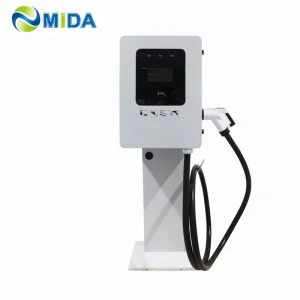
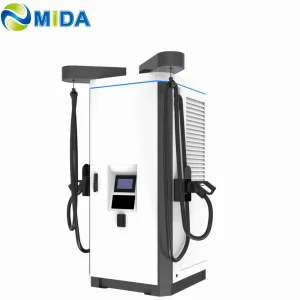
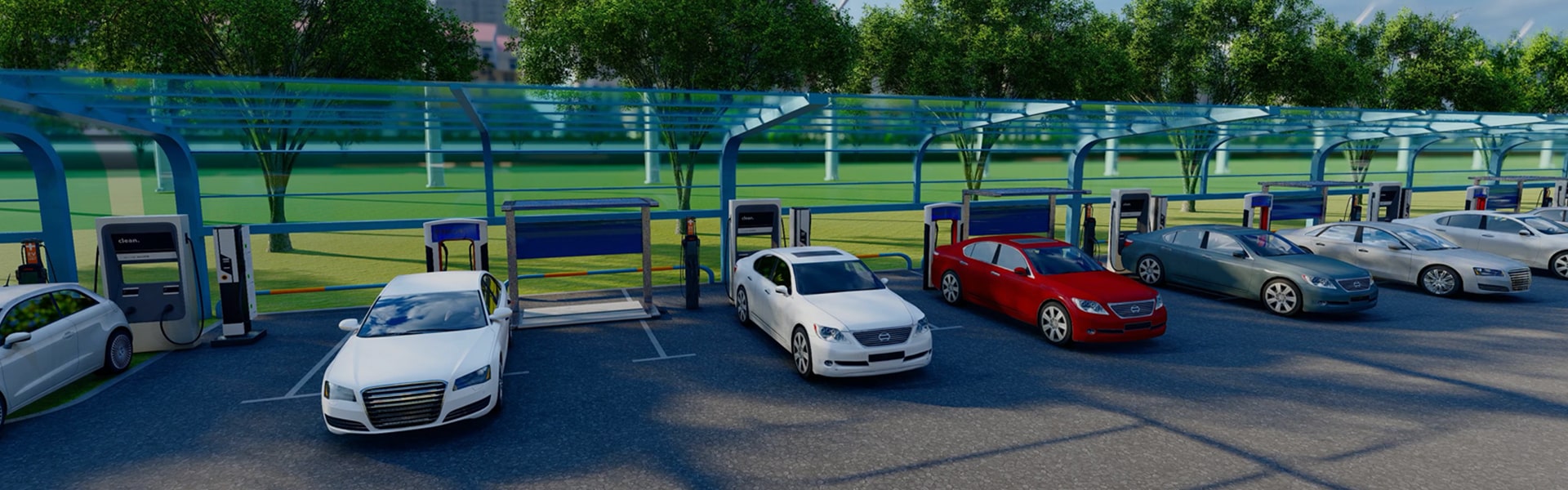
The rapid transition toward electric mobility requires highly reliable, medium-power fast-charging architecture. While ultra-fast 350kW+ chargers grab headlines, the 60kW DC charging station acts as the unsung workhorse of the global electric vehicle supply equipment (EVSE) market. Representing the ideal equilibrium between capital investment, installation complexity, and charging speed, the 60kW class is uniquely positioned to handle high-turnover vehicles without triggering the costly grid upgrade requirements of megawatt-class hardware.
Globally, charging station operators (CPOs), fleet logistics centers, workplace hubs, and multi-family residential complexes are standardizing on the 60kW DC footprint. At 60kW, most modern passenger EVs and light commercial vehicles (LCVs) can recharge from 20% to 80% State of Charge (SoC) within approximately 40 to 60 minutes. This matches average dwell times at shopping centers, dining locations, and fleet depots, maximizing operational utility and infrastructure efficiency.
Additionally, 60kW stations offer unparalleled adaptability. By deploying dual-connector configurations (CCS1, CCS2, CHAdeMO, or NACS) coupled with intelligent dynamic power allocation, a single station can charge two vehicles simultaneously at 30kW each. This maximizes utility rate structures, lowers peak demand charges, and provides an expandable technical migration path as grid configurations evolve.
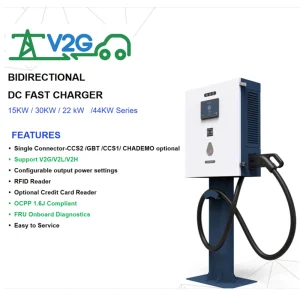
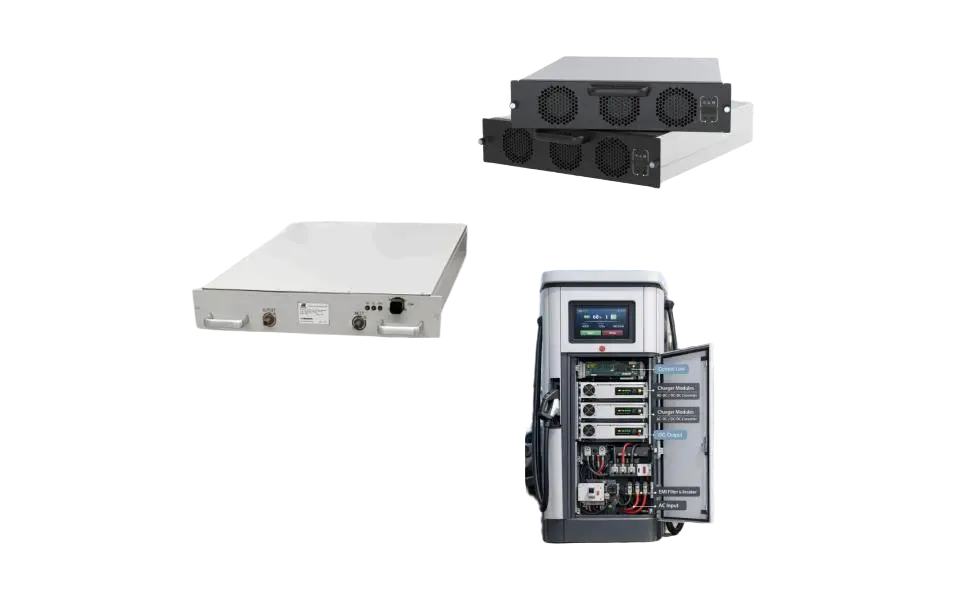
At the core of the best 60kW DC chargers are standardized sub-modules, typically configured using three 20kW power modules or two 30kW power modules. Utilizing high-frequency Silicon Carbide (SiC) MOSFET semiconductors, these modules provide superior thermal management, low electrical losses, and silent operational ranges. MIDA New Energy specializes in this technology, designing 20kW–60kW standard modules and bidirectional V2G variants that reduce total harmonic distortion (THD) and optimize reactive power.
Reliable operation in extreme weather is essential. Top factories construct charging enclosures with marine-grade aluminum or galvanized steel rated for IP54 or NEMA 3R/4 ingress protection. Advanced thermal layouts isolate the power modules in sealed compartments, using forced-air cooling with variable-speed fans to manage temperatures. This prevents derating at ambient temperatures up to 50°C and ensures consistent maximum charging output.
Modern stations rely on the Open Charge Point Protocol (OCPP) for remote diagnostics, billing integration, dynamic load management, and OTA software updates. Sourcing stations with native OCPP 1.6J and OCPP 2.0.1 compliance ensures future-proof compatibility with any backend management software. Furthermore, support for ISO 15118 (Plug & Charge) delivers seamless, secure authentication directly via the charging cable, bypassing the need for RFID cards or mobile apps.
Different markets have distinct grid architectures and standards. While North American operators require ETL-listed units compliant with UL 2231 and FCC Class A standards, European destinations mandate TUV CE certification alongside Eichrecht conformity for legal commercial energy billing. Sourcing products from a manufacturer with a certified, globally compliant lab is crucial to minimizing deployment risk.
Shanghai Mida Cable Group Ltd. operates through its wholly owned subsidiaries: Shanghai Mida EV Power Co., Ltd., Shenzhen Mida EV Power Co., Ltd., and Shanghai Mida New Energy Co., Ltd. Together, we constitute a fully integrated industrial manufacturer capable of designing, refining, and producing the entire value chain of EV charging infrastructure.
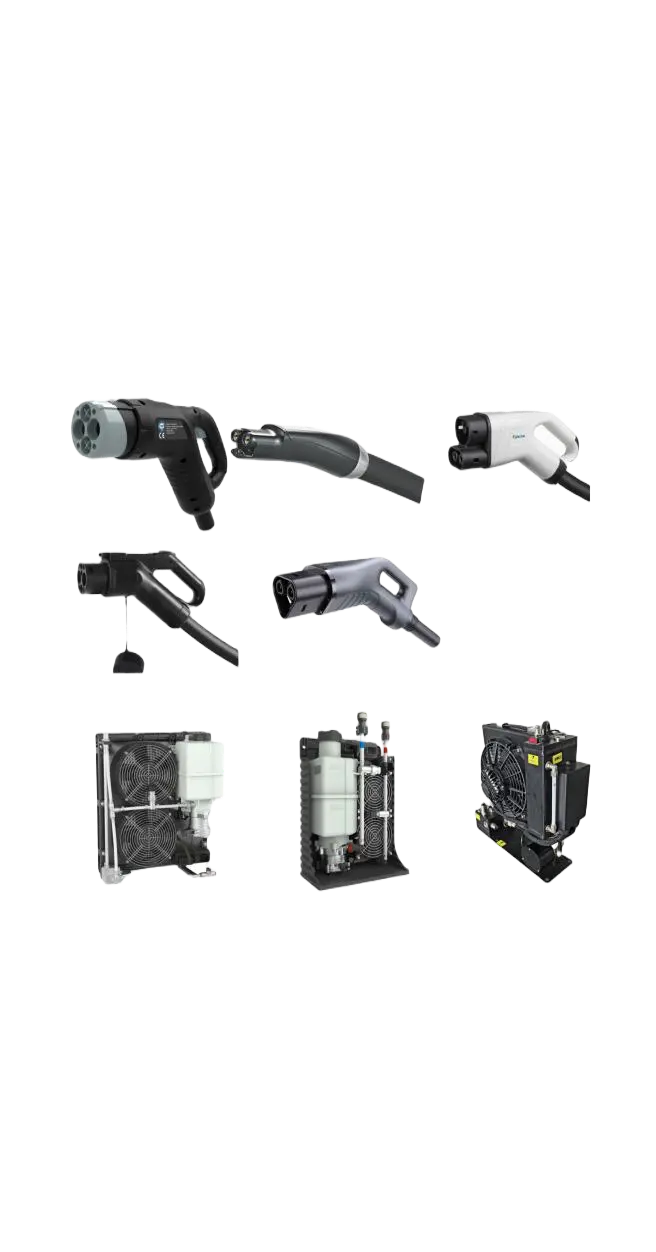
Mida Cable manufactures a comprehensive range of EV charging cables, including 16A–80A J1772 cables, 16A–63A IEC 62196-2 Type 2 cables, and high-capacity DC fast charging cables. Our product lineup includes CCS1 (80A–500A), CCS2 (125A–1000A), CHAdeMO (125A–300A), GBT (200A–1000A), and NACS connectors (250A–600A), suitable for high-power liquid-cooled stations.
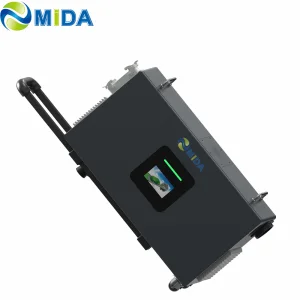
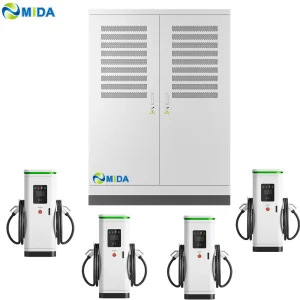
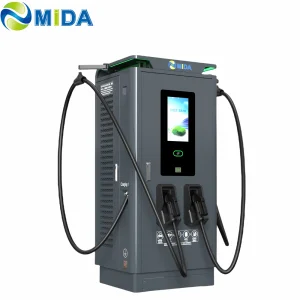
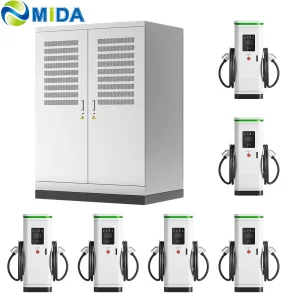
MIDA EV Power produces our lineup of finished EV charging stations. This includes 7kW–50kW mobile chargers, 3.6kW–7.2kW portable DC chargers, 360kW–1440kW split-type DC fast chargers, 20kW–50kW wall-mounted DC units, and our flagship 60kW–480kW floor-standing DC fast charging stations.
MIDA New Energy focuses on our internal component research and development, specializing in EV charger power modules. We supply 20kW–60kW standard modules, 40kW–125kW liquid-cooled modules, 30kW–62.5kW bidirectional modules, and 20kW–45kW V2G charging modules to global EVSE manufacturers.

Explore our diverse portfolio of infrastructure components, designed to scale with your EV ecosystem needs.
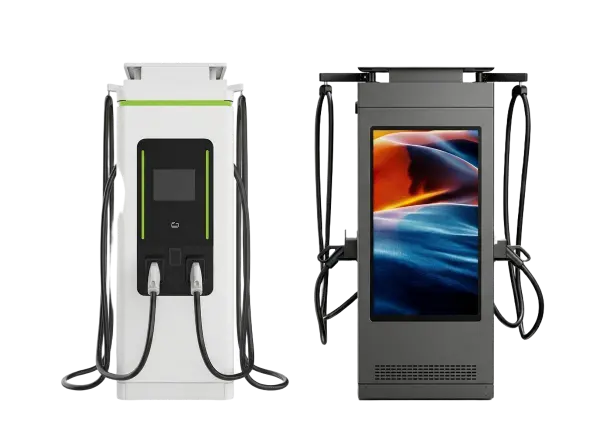
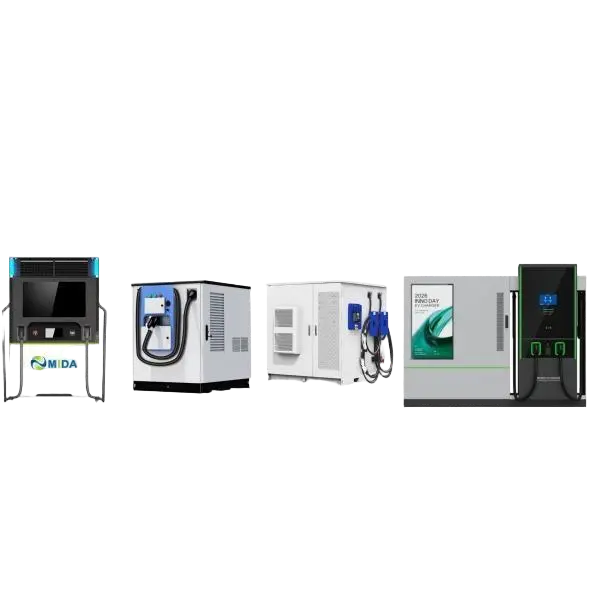
When selecting a factory or supplier for 60kW DC fast charging systems, direct comparisons on price alone can compromise long-term performance. A successful procurement program requires verifying several critical technical specifications:
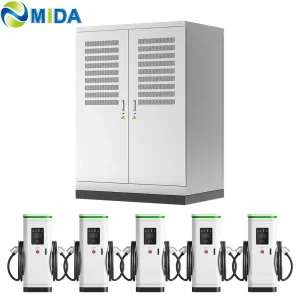
Further industrial charging systems, components, and high-power split cabinets designed for reliable operations.
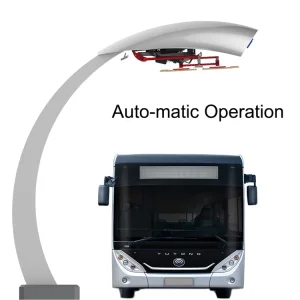
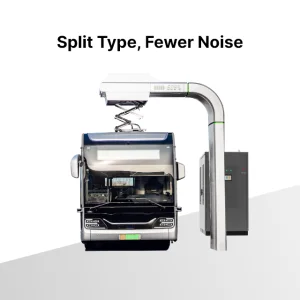
Keep updated with the latest technological shifts, pantograph developments, and fleet electrification insights.

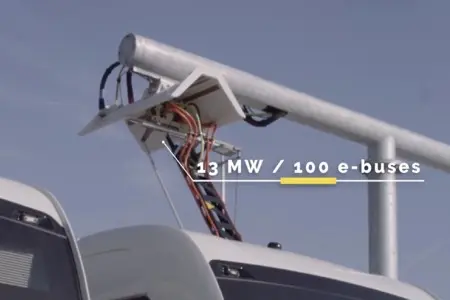
Get answers to critical technical and commercial questions about 60kW DC charging stations.