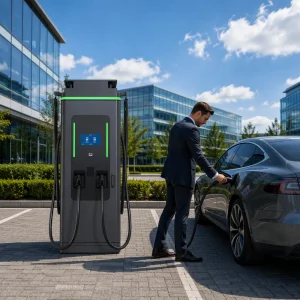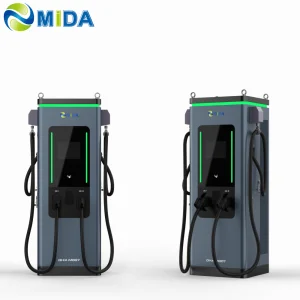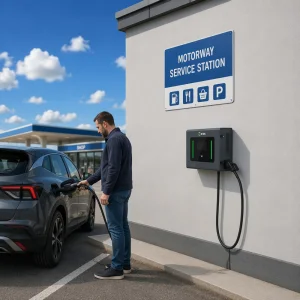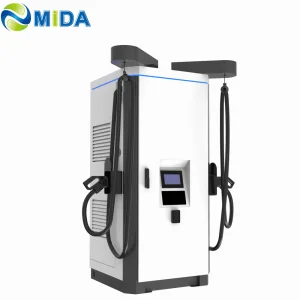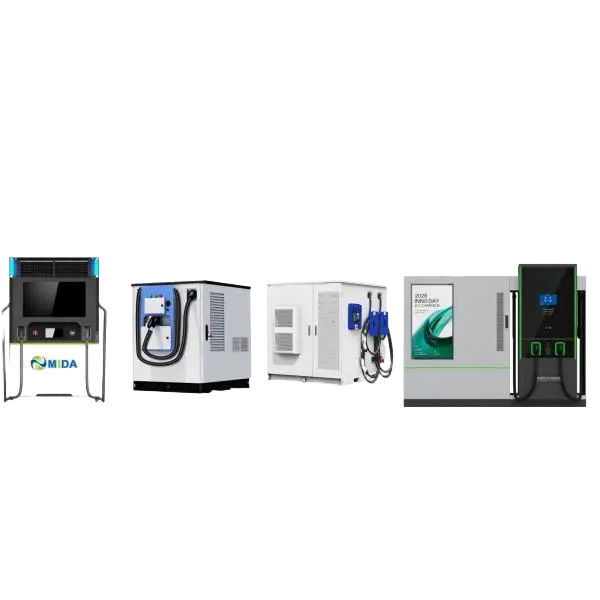
Explore our high-efficiency, multi-standard compliant power solutions optimized for commercial vehicle fleets, public depots, and smart city infrastructure.

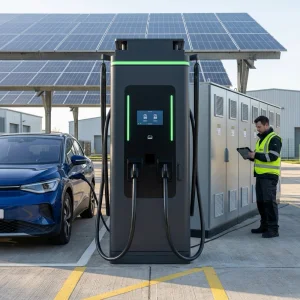
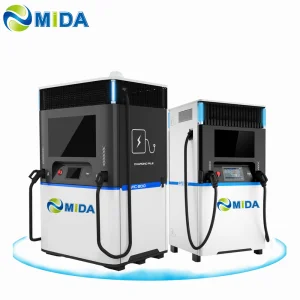
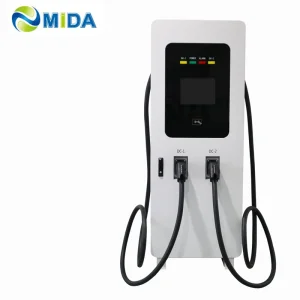
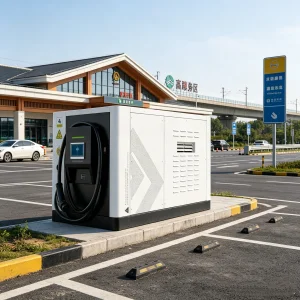
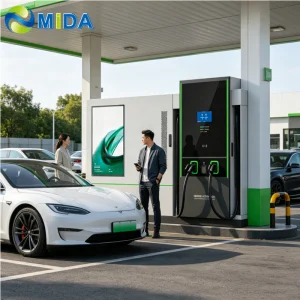
As public authorities and private entities accelerate transition timelines toward net-zero emissions, the deployment of robust charging infrastructure has emerged as a primary bottleneck. Among the spectrum of charging speeds, the 50 kW EV charging station represents the optimal transition point between prolonged AC Level 2 charging and high-overhead, ultra-fast DC systems (150kW+).
From a grid management perspective, installing ultra-fast chargers frequently necessitates substantial capital expenditures for medium-voltage grid upgrades, transformer replacements, and demand charge mitigation strategies. In contrast, 50 kW DC fast chargers run on standard low-voltage distribution networks (typically 400V 3-phase in Europe and 480V 3-phase in North America). This permits direct installation near existing building distribution panels, lowering setup cost and speeding deployment.
Globally, regional markets present highly differentiated application requirements. In the European Union, the Alternative Fuels Infrastructure Regulation (AFIR) mandates specific distances and capacities for light and heavy-duty vehicles, driving utility providers to deploy mid-range fast chargers (like 50kW to 120kW units) in rural corridors and regional shopping hubs. In North America, the National Electric Vehicle Infrastructure (NEVI) formula program establishes strict standards for charging power, directing funding toward CCS1 and NACS dual-connector fast chargers.
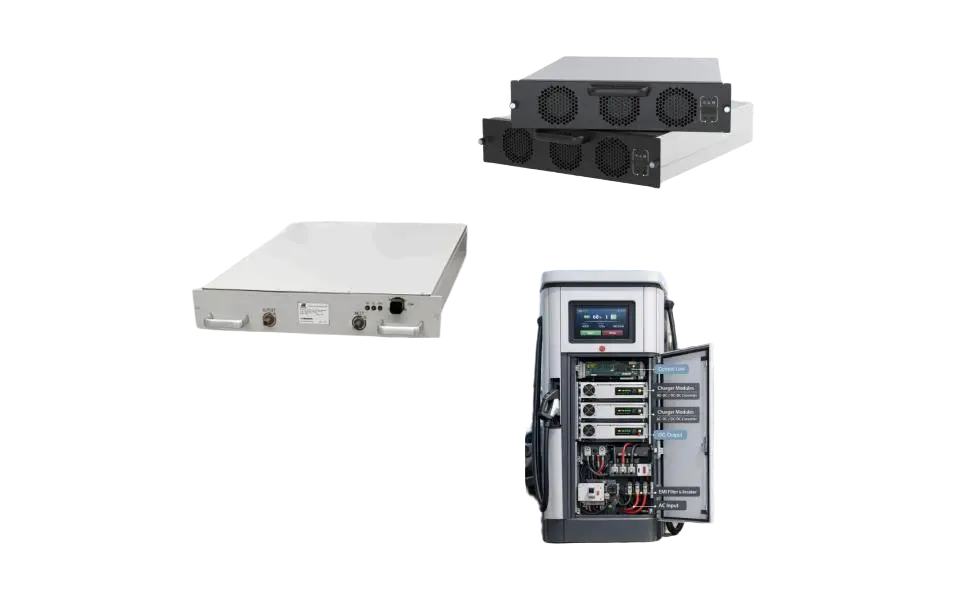
Building a reliable 50 kW EV charging station involves choosing the right power conversion components, thermal management systems, and communications architecture. The heart of any DC fast charger lies in its power module system. Modern architectures use silicon carbide (SiC) semiconductor switching, enabling higher frequency operation, lower thermal losses, and overall efficiencies exceeding 95%.
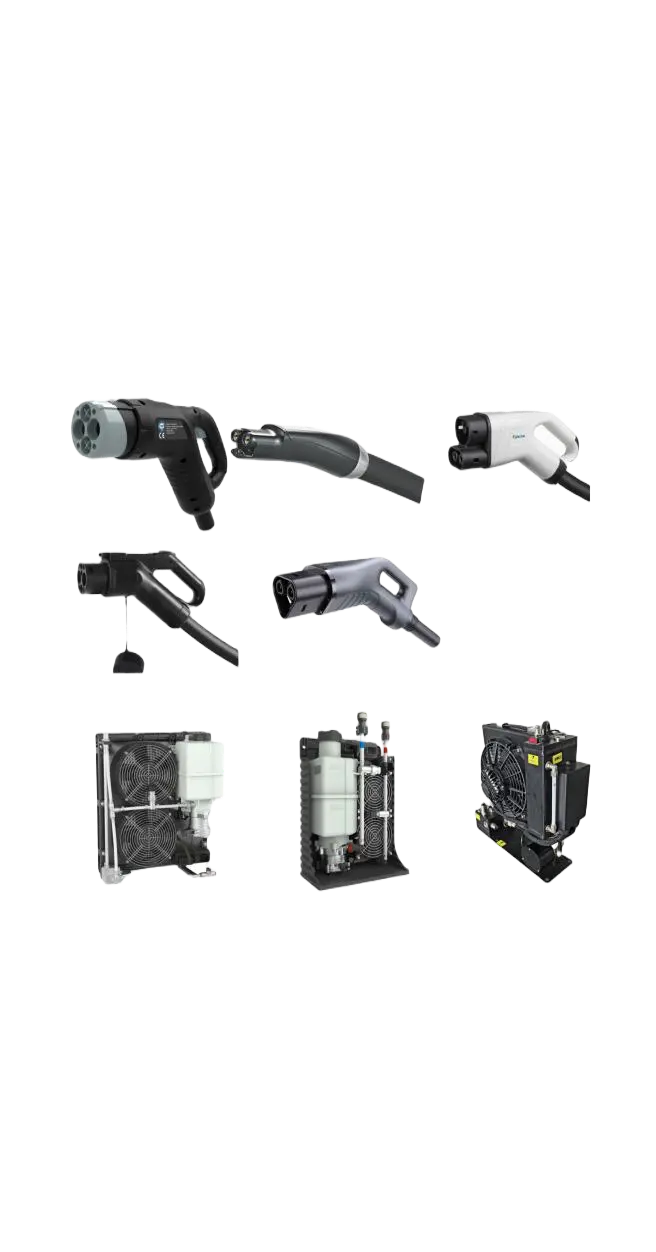
Deployments must support native multi-protocol outputs. Transitioning from legacy CCS1/CCS2 and CHAdeMO setups to NACS (SAE J3400) requires dynamic liquid or air-cooled cabling capable of delivering high currents over wide voltage ranges (200V–1000V DC) without thermal degradation.
Implementing dynamic power sharing allows a single 50kW charging post to split power into dual 25kW outputs, optimizing charging times for fleet depots where vehicles dwell for extended periods.
ISO 15118 compliance is critical. Modern chargers utilize Bidirectional AC/DC converters, enabling Vehicle-to-Grid (V2G) and Vehicle-to-Home (V2H) services, turning fleets into distributed energy resources (DERs).
50 kW charging installations are most effective where average vehicle dwell times range between 45 and 90 minutes. Identifying these high-intent local scenarios enables site operators to maximize charger utilization and achieve faster ROI.
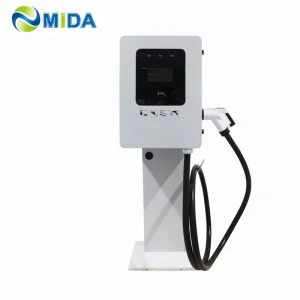
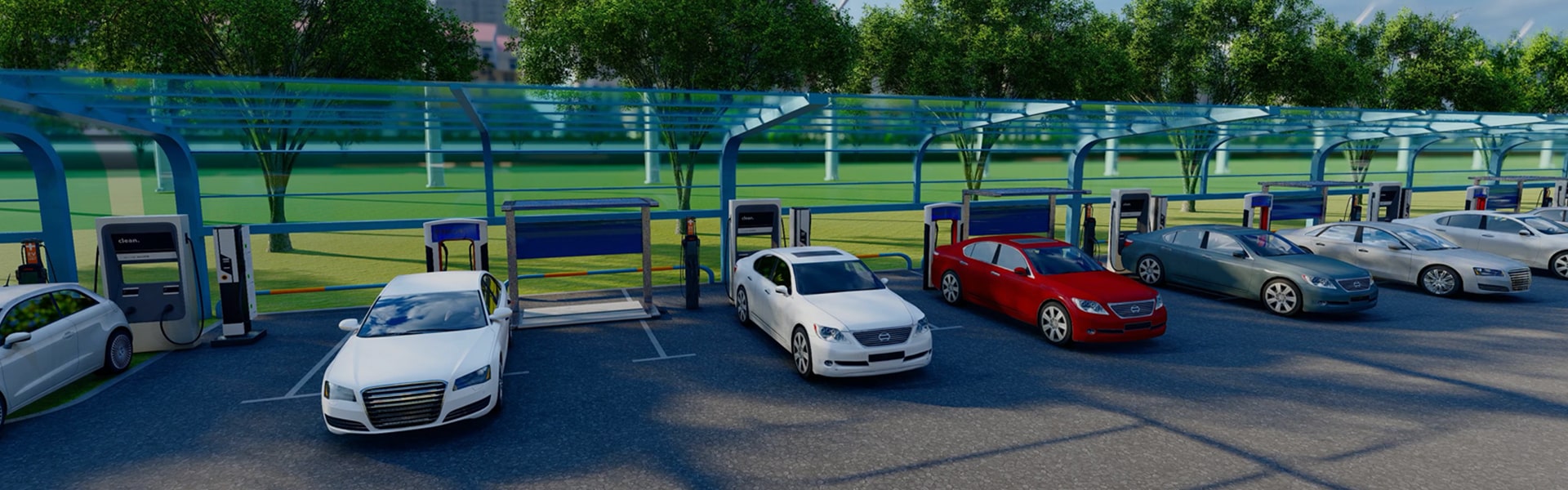
Logistics providers operating delivery vans, municipal fleets, and taxi depots rely on 50kW wall-mounted or mobile DC units. This power level provides fast top-offs during driver shift changes without putting excessive strain on the depot’s electrical infrastructure.
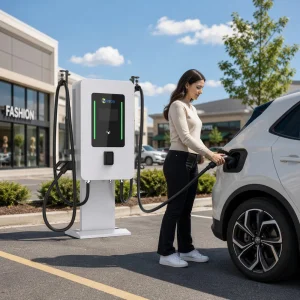
Supermarkets, retail centers, and dining locations are prime sites for 50 kW charging. Customers typically stay for about an hour, matching the time needed for a 50kW charger to replenish a typical EV battery from 20% to 80%.
For workplaces and multi-family residential complexes, 50 kW wall-mounted DC chargers provide high-speed charging without the high installation costs of ultra-fast units. They offer a reliable solution for users who lack access to private garages.
Shanghai Mida Cable Group Ltd. operates through its wholly owned subsidiaries: Shanghai Mida EV Power Co., Ltd., Shenzhen Mida EV Power Co., Ltd., and Shanghai Mida New Energy Co., Ltd.
Mida Cable manufactures a comprehensive range of EV charging cables, including 16A–80A J1772 cables, 16A–63A IEC 62196-2 Type 2 cables, and DC fast charging cables: CCS1 (80A–500A), CCS2 (125A–1000A), CHAdeMO (125A–300A), GBT (200A–1000A), and NACS connectors (250A–600A).
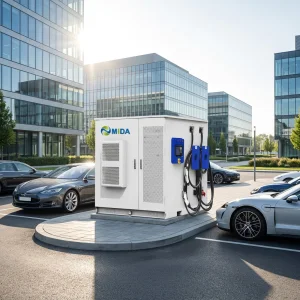
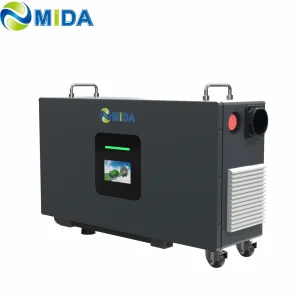
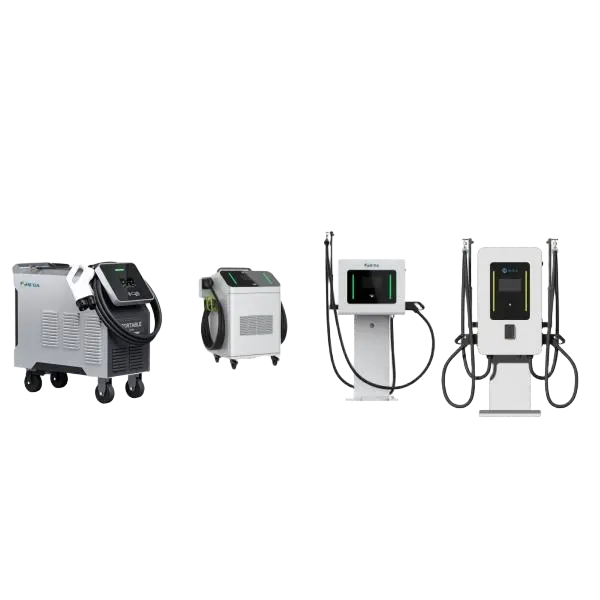
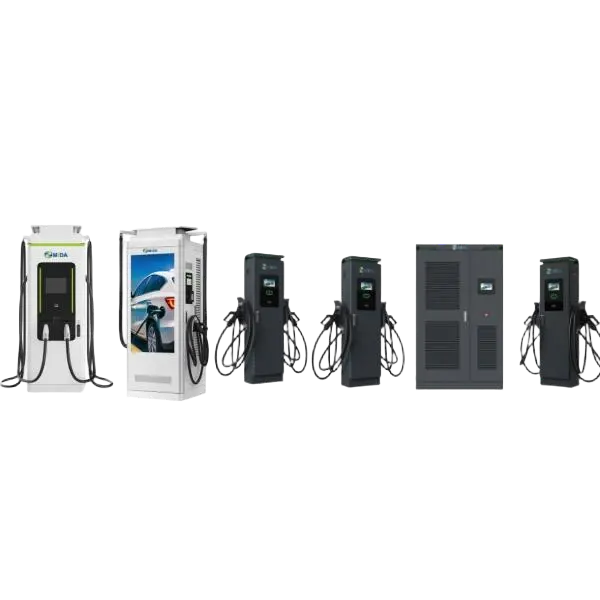
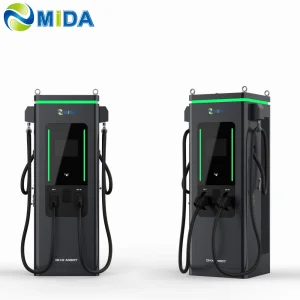
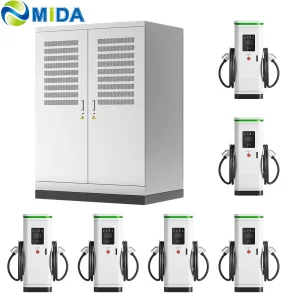
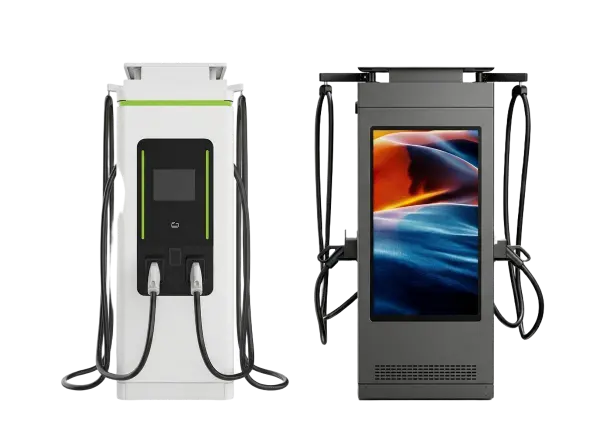
MIDA EV Power produces a full lineup of EV charging stations, such as 7kW–50kW mobile chargers, 3.6kW–7.2kW portable DC chargers, 360kW–1440kW split-type DC fast chargers, 20kW–50kW wall-mounted DC chargers, and 60kW–480kW floor-standing DC fast charging stations.
MIDA New Energy specializes in EV charger power modules, offering 20kW–60kW standard modules, 40kW–125kW liquid-cooled modules, 30kW–62.5kW bidirectional modules, and 20kW–45kW V2G charging modules.

Explore MIDA’s advanced technology catalog, designed to meet the demands of global EV infrastructure.
Our component design, cable manufacturing, and full-stack charging stations are engineered for seamless interoperability across diverse networks.
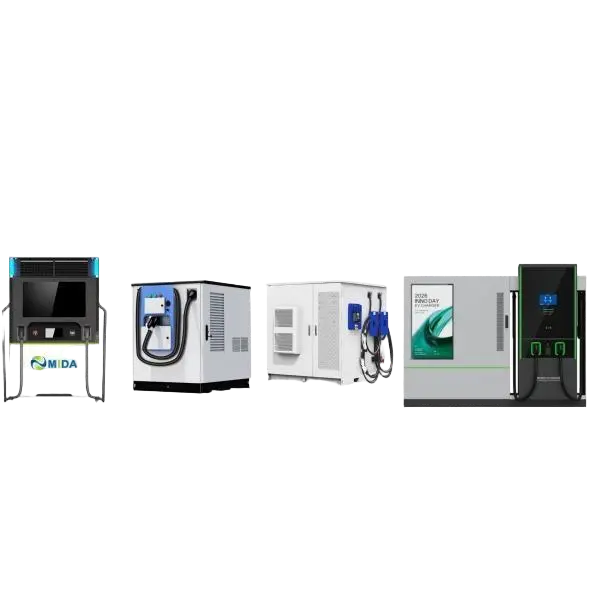
The EV charging infrastructure sector is moving away from standalone chargers toward integrated energy solutions. The combination of Solar PV, Battery Energy Storage Systems (BESS), and DC Fast Charging addresses multiple grid challenges. Installing 50 kW or higher chargers can create power peaks that strain local utility connections. Integrating a localized BESS allows site operators to store power during off-peak times and discharge it during high-demand periods. This helps reduce peak demand charges and optimizes charging costs.
Additionally, the transition to bidirectional charging protocols (V2G) enables electric vehicle fleets to act as mobile power reserves. With advanced scheduling software, a fleet of delivery vehicles plugged into 50 kW V2G charging piles can export surplus power back to the grid during peak demand hours, creating new revenue models for fleet operators.
Stay informed on our latest developments in heavy-duty transit infrastructure and commercial fleet charging innovations.

What are the advantages of an e-bus pantograph dome? In contrast to classic plug-in charging systems, e-bus pantograph networks offer high-power automated power delivery directly from overhead infrastructure...
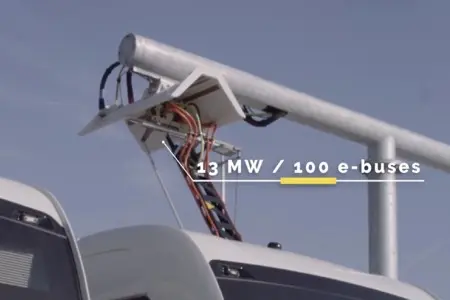
How long does it take to charge with an e-bus pantograph? The charging time depends on the battery capacity and the grid output configuration, typically offering full charges within short stopovers...
How to Install the Pantograph Up Charger System Dome for Electric Bus. Installing a “Pantograph Up” system requires specialized structural mounts, high-power distribution engineering, and compliance certifications...
Get expert insights on deploying 50 kW EV charging systems, from initial site planning to electrical integration.
Browse our range of smart wallboxes, high-voltage chargers, and integrated battery energy storage configurations.