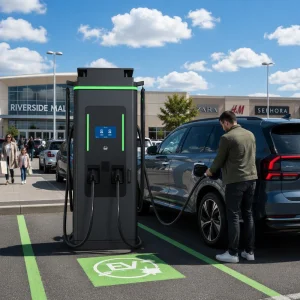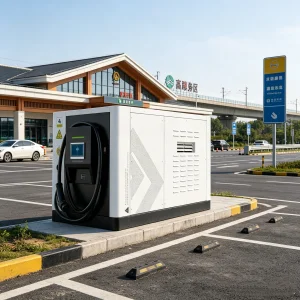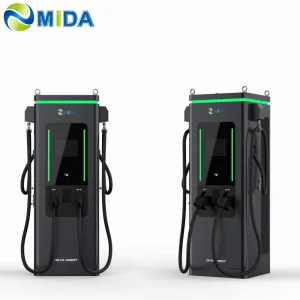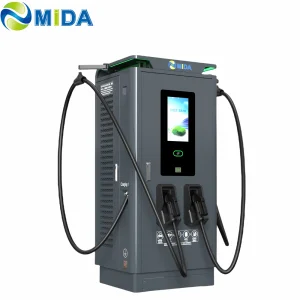
Explore our elite portfolio of high-efficiency DC chargers designed for rapid public charging, heavy fleet terminals, and industrial transit networks.
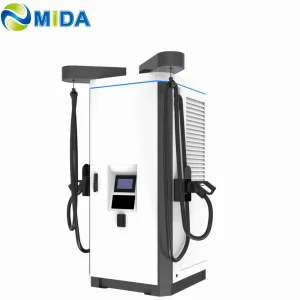
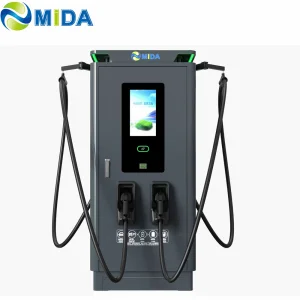
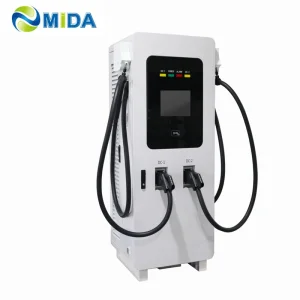
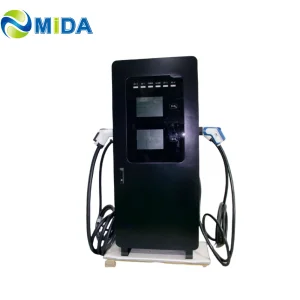
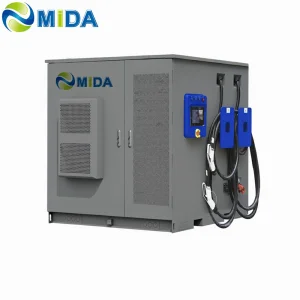
The global transition to electrification has moved past trickle charging and low-power AC setups. Commercial fleets, logistics enterprises, and high-turnover public charging stations are demanding instantaneous energy transfer. This market shift places the 350kW DC fast charger at the center of critical charging infrastructure.
By leveraging High-Power Charging (HPC) topologies, modern 350kW chargers reduce dwell time significantly. This allows passenger EVs to achieve up to 300 kilometers of range in under 10 minutes. For heavy commercial electric vehicles (Class 8 trucks, drayage fleets, and municipal transit buses), 350kW charging serves as the foundation for operational continuity, protecting uptime and ensuring steady fleet utilization.
Shanghai Mida Cable Group Ltd. operates through its wholly owned subsidiaries: Shanghai Mida EV Power Co., Ltd., Shenzhen Mida EV Power Co., Ltd., and Shanghai Mida New Energy Co., Ltd.
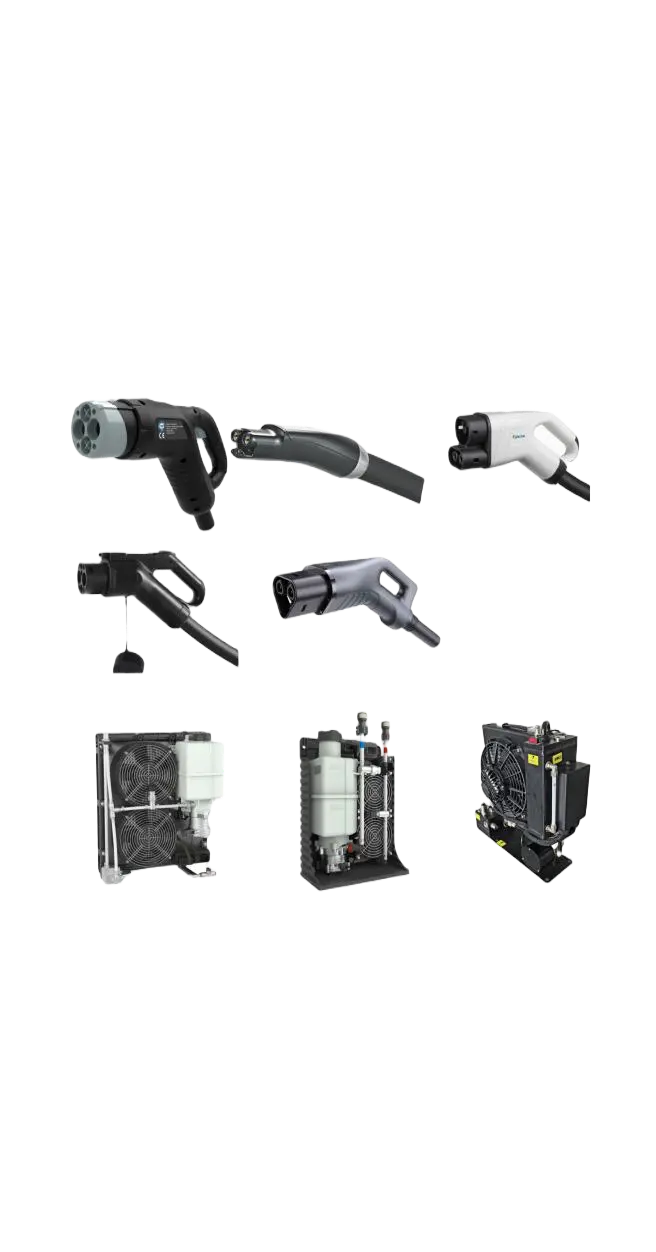
Mida Cable manufactures a comprehensive range of EV charging cables, including 16A–80A J1772 cables, 16A–63A IEC 62196-2 Type 2 cables, and DC fast charging cables: CCS1 (80A–500A), CCS2 (125A–1000A), CHAdeMO (125A–300A), GBT (200A–1000A), and NACS connectors (250A–600A).
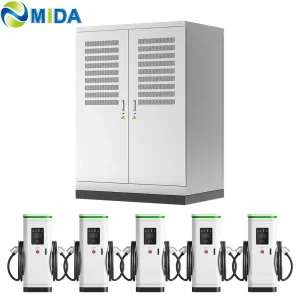
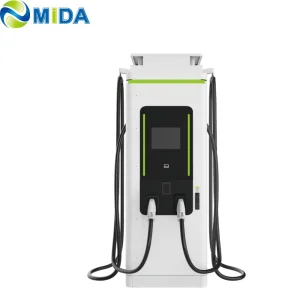
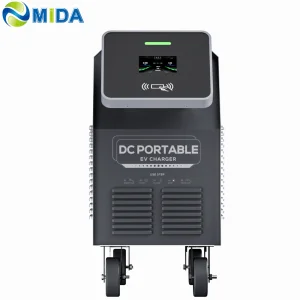
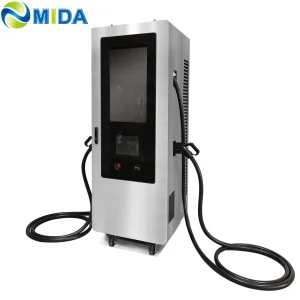
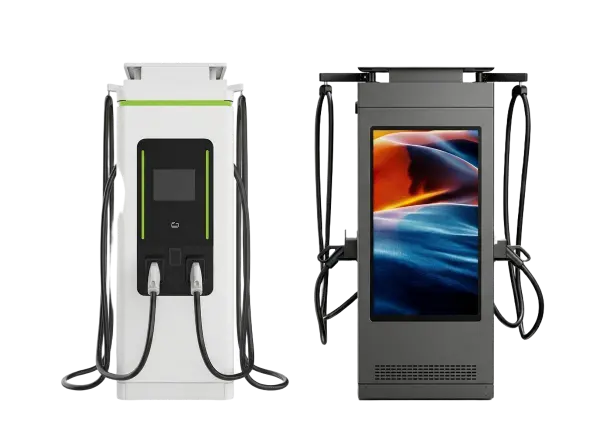
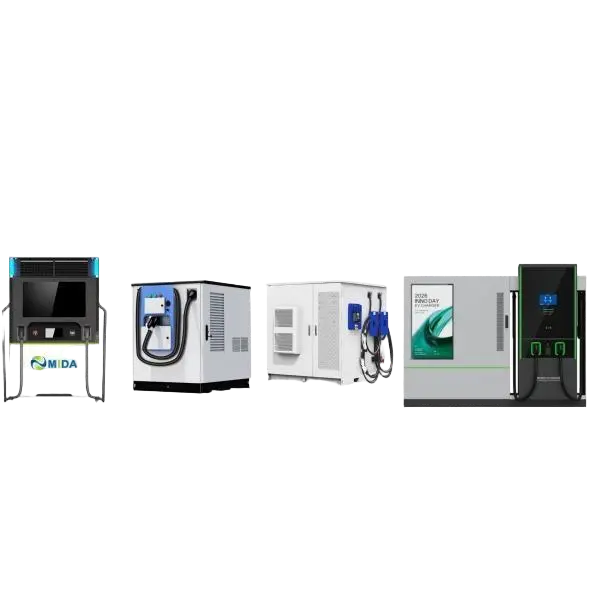
MIDA EV Power produces a full lineup of EV charging stations, such as 7kW–50kW mobile chargers, 3.6kW–7.2kW portable DC chargers, 360kW–1440kW split-type DC fast chargers, 20kW–50kW wall-mounted DC chargers, and 60kW–480kW floor-standing DC fast charging stations.
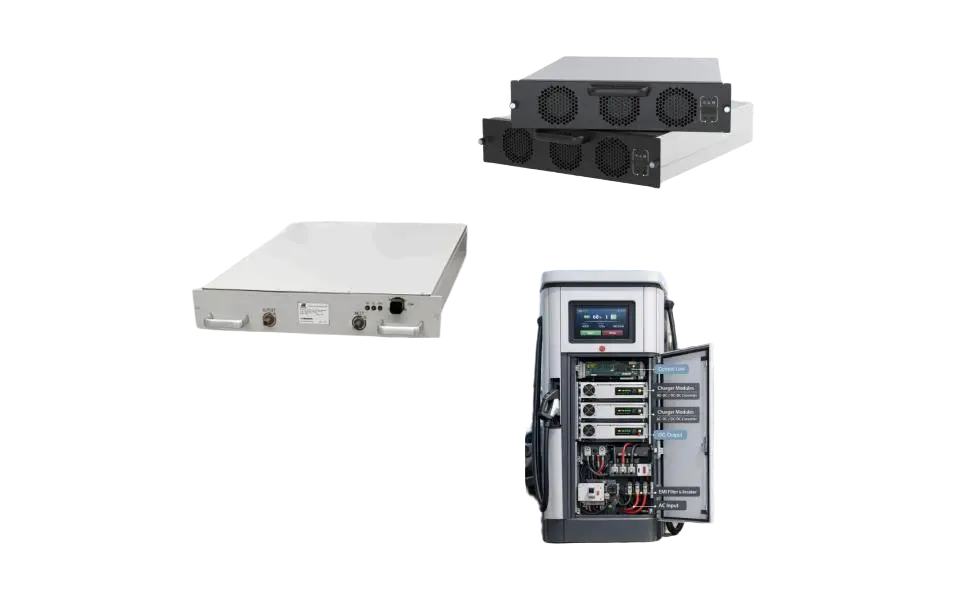
MIDA New Energy specializes in EV charger power modules, offering 20kW–60kW standard modules, 40kW–125kW liquid-cooled modules, 30kW–62.5kW bidirectional modules, and 20kW–45kW V2G charging modules.
The technological framework powering high-performance charging systems.
Operating a 350kW charger at 350A to 500A generates significant thermal energy. MIDA's integration of liquid-cooled cables and modules prevents thermal degradation. The cooling unit regulates heat efficiently, allowing continuous operation at peak current levels without throttling.
Equipped with intelligent energy routing, our systems distribute power dynamically across dual ports. When a single vehicle connects, it receives the full 350kW allocation. When multiple vehicles plug in, the charger scales power delivery based on real-time vehicle battery management system (BMS) requests.
MIDA's hardware design integrates V2G capabilities. Utilizing our 20kW-45kW V2G modules, our chargers allow fleet vehicles to act as distributed energy assets. This enables power to be fed back into the microgrid during peak hours, creating new revenue streams for operators.

MIDA Group's vertically integrated manufacturing model underpins our operations. Rather than relying on third-party suppliers for critical components, we design, engineer, and manufacture all structural elements in-house. This includes high-conductivity cables, liquid-cooled connectors, proprietary power modules, and system cabinets.
This vertical integration ensures consistency and control across our supply chain:
Review our standard and customized product classifications developed to satisfy international regulatory frameworks.
How our ultra-fast chargers adapt to diverse operational landscapes across North America, Europe, and Asia-Pacific.
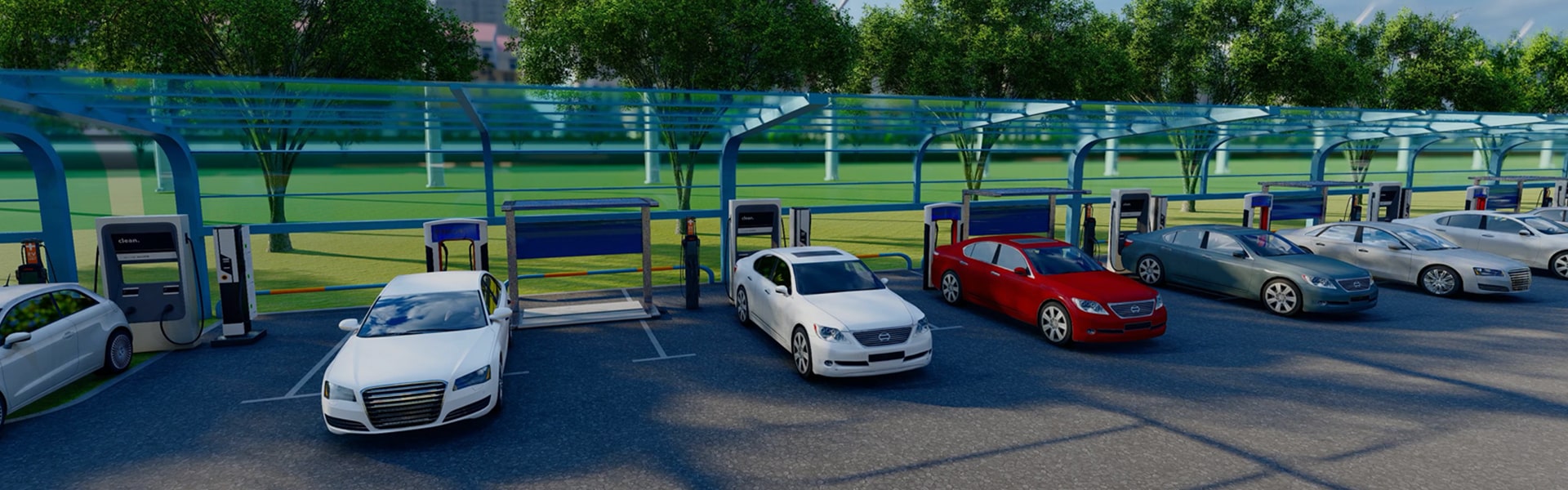
For highway rest areas, fast charging is essential to minimize wait times. Our 350kW chargers, paired with liquid-cooled cables, deliver 100km of range in just minutes. This high throughput reduces vehicle queues and supports long-distance electric transit networks.
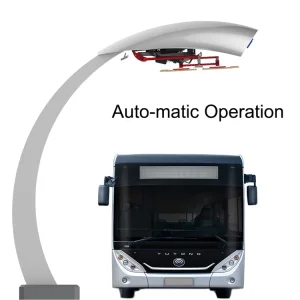
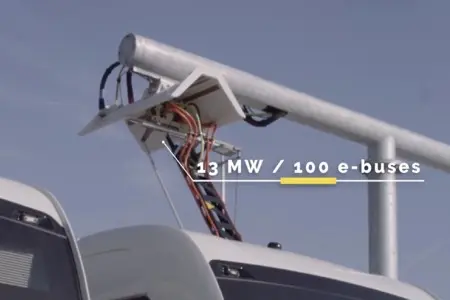
Logistics hubs operating class 8 heavy-duty vehicles require reliable charging schedules. We provide specialized pantograph and split-type high-power DC systems that integrate directly into fleet management software via OCPP, optimizing energy use and operational scheduling.
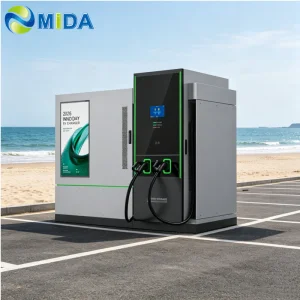
In locations with limited power grid capacity, our chargers connect directly to Battery Energy Storage Systems (BESS). These local battery buffers provide the necessary high power for 350kW output while drawing steady, low-load energy from the utility grid.
Power Conversion Efficiency
Max Output Voltage Range
Max Peak Cooling Cable Current
Countries Certified & Exported
Technical analyses regarding heavy commercial transportation charging architectures.

Deployment of high-power charging infrastructure requires strict adherence to regional safety and technical regulations. At MIDA, our engineering processes are aligned with global certification bodies to ensure interoperability and compliance across various markets.
Our hardware is certified to international standards:
We work with authorized service networks to support installation, grid connection testing, and ongoing maintenance. Remote diagnostic capabilities also enable our support teams to assist local technicians and maximize uptime.
Answers to common technical, logistics, and engineering questions from commercial buyers.
Liquid-cooled cables handle higher electrical currents (up to 500A or more) without overheating. This allows the cable to remain thin and lightweight, making it easier for users to handle while protecting the internal conductors from thermal wear.
Yes. Our chargers feature dynamic power allocation. When two vehicles are connected simultaneously, the charger distributes the total capacity (e.g., split into 175kW + 175kW or another configuration) based on each vehicle's real-time battery requirements.
Our product lineup holds certifications including CE, TUV, ETL, and UL2231 compliance. These certifications verify that our chargers meet safety and performance standards for North American, European, and global markets.
Operators can configure power limits using the OCPP backend or integrate local Battery Energy Storage Systems (BESS). These storage buffers assist in managing peak grid demand and minimizing utility demand charges.
Select from our specialized split charging systems, energy storage stations, and fleet-specific DC piles.