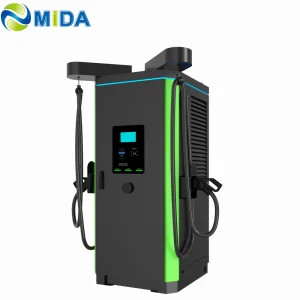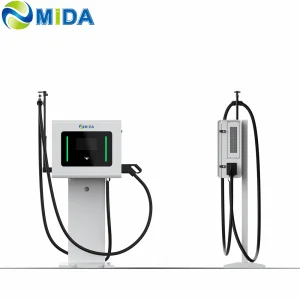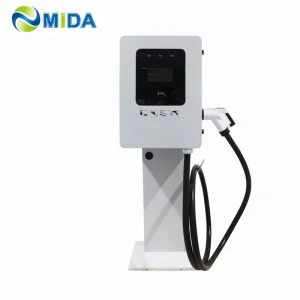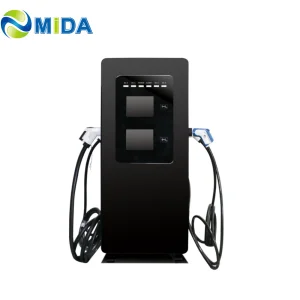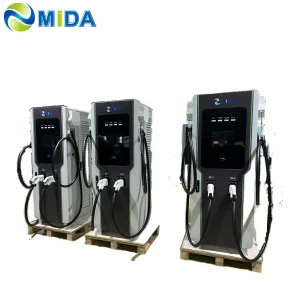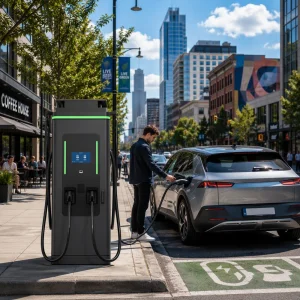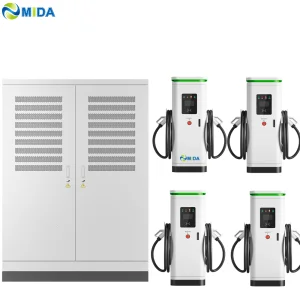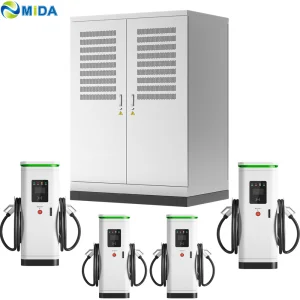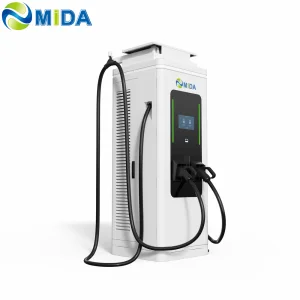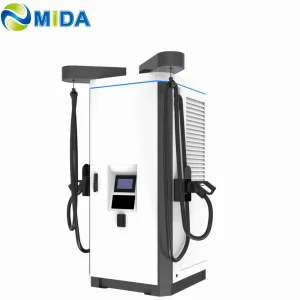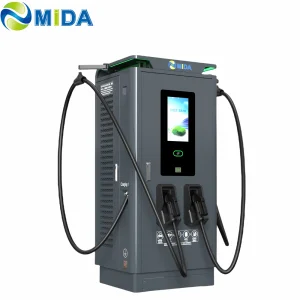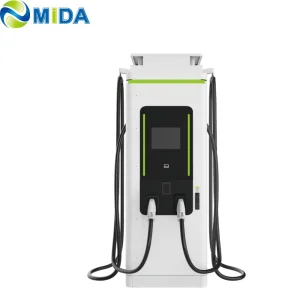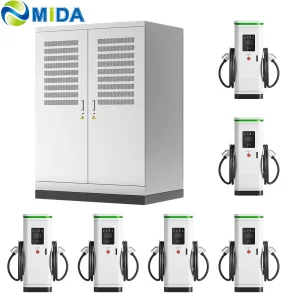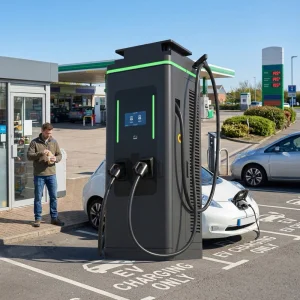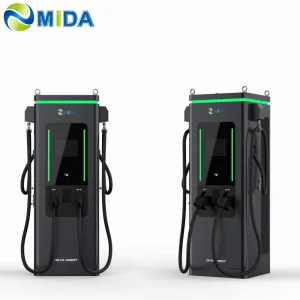
High-efficiency, network-integrated DC charging stations engineered with internal modular power structures.
Unveiling the electronic topography, thermal constraints, and efficiency metrics governing utility-scale electromobility.
As the electric vehicle (EV) ecosystem undergoes a paradigm shift toward mega-watt charging architectures, the demand for highly reliable, scalable, and thermal-efficient power conversion components has reached an all-time high. At the heart of every DC fast charging (DCFC) pile sits the EV Power Module. The 30kW EV Power Module has emerged as the definitive global standard, offering the optimal balance between power density, manufacturing yield, and modular scalability.
Historically, early DC charging systems relied on 10kW or 15kW modules. However, as battery capacities scaled past 80kWh, these legacy modules forced system designers to cluster dozens of modules in parallel, resulting in complex internal busbar configurations, higher failure rates, and complicated maintenance loops. Transitioning to a high-density 30kW modular structure reduces the cabinet complexity by half, optimizing space while enhancing thermal management.
The roadmap for MIDA's 30kW EV power modules is anchored by two fundamental industry trends: the adoption of wide bandgap (WBG) semiconductors and bidirectional power flow.
Shanghai Mida Cable Group Ltd. operates through its wholly owned subsidiaries: Shanghai Mida EV Power Co., Ltd., Shenzhen Mida EV Power Co., Ltd., and Shanghai Mida New Energy Co., Ltd.
As a vertically integrated energy supplier, our corporate mission focuses on the research, development, and mass fabrication of core vehicle-to-charger connection technologies. From the raw drawing of high-conductivity oxygen-free copper cables to the advanced programming of digital signal processors (DSPs) in our power modules, MIDA is committed to building reliable, high-performance charging infrastructures.
Our dedicated sub-divisions allow us to tackle the EV market through three distinct verticals:
Manufactures a comprehensive range of EV charging cables, including 16A–80A J1772, 16A–63A IEC 62196-2 Type 2, and high-power DC cables: CCS1, CCS2, CHAdeMO, GB/T, and NACS (up to 1000A with liquid cooling).
Produces standard-setting charging stations: 7kW–50kW mobile setups, 3.6kW–7.2kW portables, 360kW–1440kW split systems, and 60kW–480kW floor-standing stations.
Specializes in EV power modules, including standard 20kW-60kW sub-units, bidirectional V2G units, liquid-cooled blocks up to 125kW, and MPPT solar modules.

Engineered for absolute compatibility across residential, fleet, and public infrastructure systems.
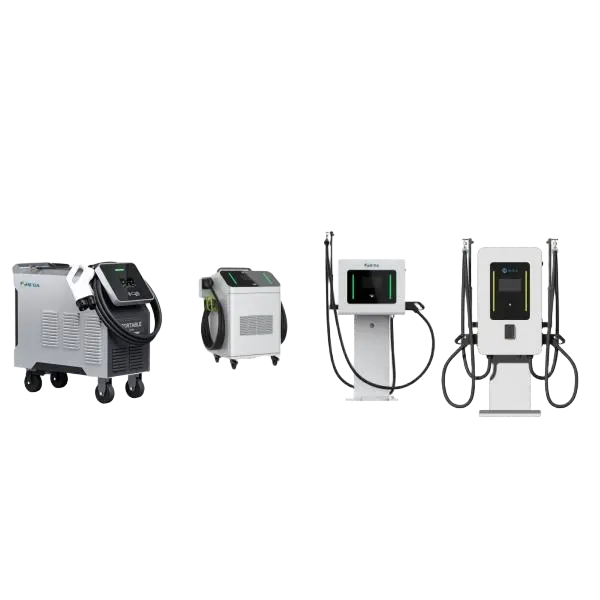
Range: 7kW, 20kW, 30kW, 40kW, 60kW, 80kW
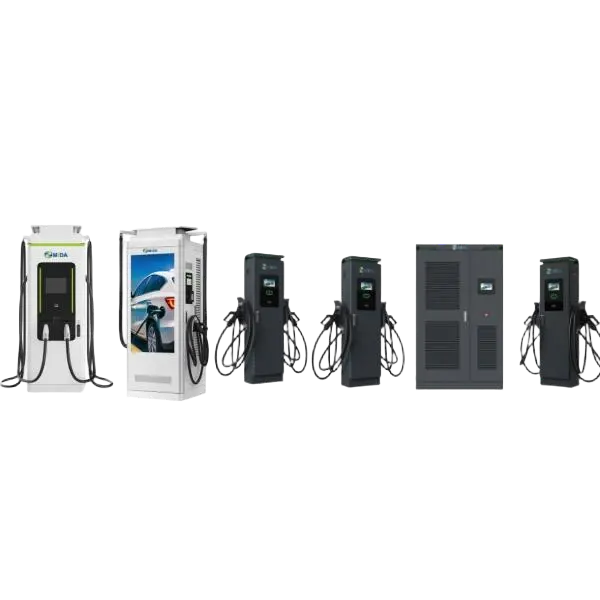
Range: 60kW-480kW to 360kW-1440kW
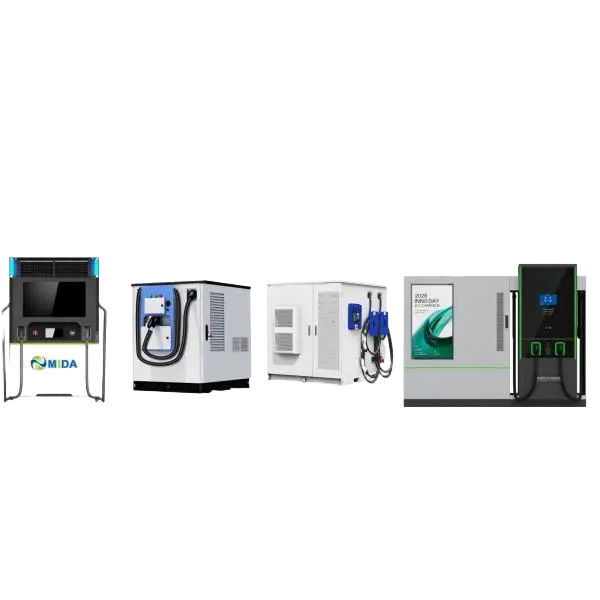
Range: 60kWh, 261kWh, 418kWh, 625kWh, 2MkWh
How our modular technology scales from highway fast chargers to microgrid configurations.
The engineering versatility of a 30kW EV Power Module allows it to serve as the building block for vastly different localized infrastructure scenarios around the world:
On transport corridors, charging stations need to deliver extreme power output. By stacking twelve 30kW modules inside a single cabinet, system developers build a 360kW hypercharger capable of replenishing commercial EVs in under 15 minutes. High voltage support up to 1000V guarantees that next-gen 800V car architectures (such as Porsche Taycan or Hyundai Ioniq 5) are charged at their maximum theoretical rates without thermal limitations.
For municipal transit networks utilizing electric buses and heavy-duty logistics trucks, power modules must supply continuous energy for 8 to 12 hours straight. The independent air duct routing of our 30kW module ensures that dust and rubber particles present in maintenance depots do not settle on circuit boards, preventing unexpected downtime and extending the lifetime of the fleet charger cabinet to 10+ years.
By pairing bidirectional 30kW V2G modules with industrial battery storage (BESS) and PV solar arrays, commercial office complexes can implement peak shaving. During periods of peak grid pricing, the chargers draw energy back from fleet vehicles or the local BESS to power the office facilities, significantly reducing demand charges from energy utility providers.
Why MIDA's centralized production infrastructure in Shanghai and Shenzhen ensures unparalleled pricing stability and technical precision.
The manufacturing ecosystem of China is uniquely structured to optimize power electronics production. MIDA’s industrial clusters benefit from immediate regional access to raw component supply lines. High-grade silicon wafers, magnetic core ferrites for high-frequency transformers, aluminum extrusion profiles, and copper wiring are sourced within a 100-mile radius of our Shanghai and Shenzhen manufacturing bases. This proximity mitigates global supply shock risks and keeps our lead times below industry averages.
Strict Testing Pipelines (ATE): Every 30kW module leaving the MIDA assembly line undergoes an automated testing sequence (ATE) consisting of optical inspections (AOI), full-load burn-in under 55°C ambient temperatures for 24 hours, and high-potential dielectric strength tests. Our automated calibration software tunes the DSP output voltage curves, ensuring module-to-module variance is kept under 0.5% for consistent parallel system performance.
Vertical Integration Efficiency: Unlike generic integrators that purchase third-party cables, connectors, and cabinets, MIDA handles production from the cable extrusion level up to the module assembly level. This allows for customized matching of thermal expansion parameters, mechanical connectors, and software communications. This design coherence translates into lower internal contact resistances and high reliability.
Explore our diverse hardware portfolio engineered to satisfy distinct grid interfaces and geographical certifications.
Safety engineering that aligns with TUV, ETL, UL, and CE specifications for seamless utility-grid connection.
Integrating modular hardware components into different global grid layouts requires strict compliance with international grid connection safety rules. MIDA's line of 30kW EV charging power modules features built-in protective layers to ensure safe operations:
Includes Input Overvoltage Protection, Output Overcurrent Limit, Output Short Circuit Protection, and Over-temperature shutoffs. Isolation monitoring circuitry continuously checks for chassis grounding leakage to ensure user safety.
Native support for ISO 15118 and DIN 70121 signaling protocols. Communication interface using High-speed Controller Area Network (CAN bus 2.0B) enables real-time interaction with the Charger Control Unit (CCU) and dynamic power adjustments.
Engineered to comply with EN 61851-21-2 EMC standards. The design minimizes harmonic feedback to the utility grid, protecting nearby telecom gear and IT networks from high-frequency emissions.
Follow our latest design breakthroughs, heavy commercial deployments, and high-power pantograph installations.

What are the advantages of an e-bus pantograph dome? In contrast to classic plug-in charging systems, e-bus pantograph setups offer rapid high-current connections. By dropping the inverted pantograph contact shoes down onto the bus dome, systems can feed energy up to 600kW instantly. The system utilizes modular power banks stacked with 30kW and 40kW DC modules to handle high power demands without overheating.
View More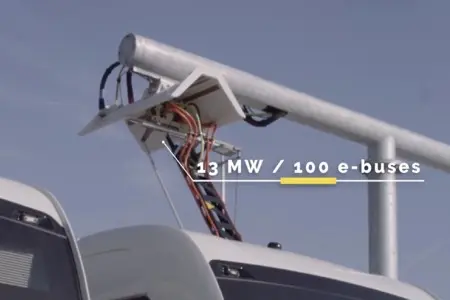
How long does it take to charge with an e-bus pantograph? The charging time depends on the battery capacity and the station's module count. High-output bus batteries (approx. 350kWh) can be charged to 80% capacity within 20 to 30 minutes. This speed allows city transit fleets to use opportunistic charging strategies during scheduled driver switchovers, maintaining continuous service routes.
View More
How to Install the Pantograph Up Charger System Dome for Electric Bus: Installing a "Pantograph Up" dome system requires precise alignment between the overhead charging mast and the bus body roof rails. Modern structures feature automated optical alignment guides. When the bus stops underneath the dock, the integrated software communicates via Wi-Fi (IEEE 802.11a/b/g/n) to lower the charging contacts, initiating power delivery in seconds.
View More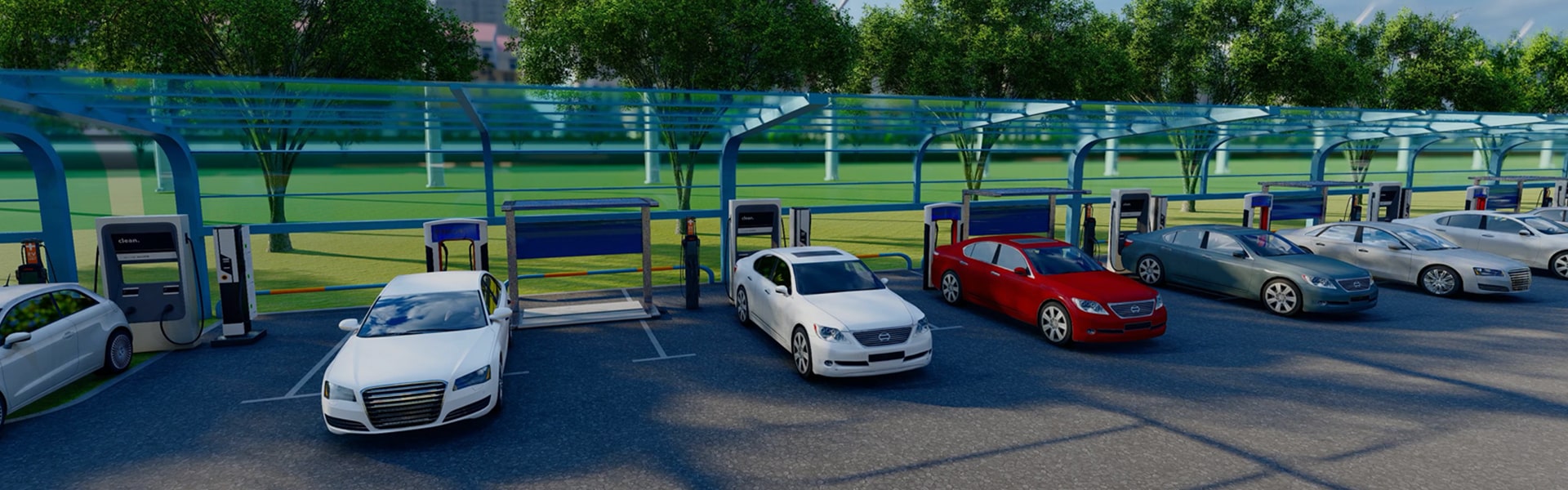
Answers to common design and integration questions from charging infrastructure engineers.
The 30kW module offers higher power density, requiring fewer components in parallel to achieve target power configurations (e.g., building a 120kW charger requires only four 30kW modules, compared to six 20kW modules). This design reduces control circuit complexity, simplifies high-power busbar systems, and decreases structural points of failure inside the charger cabinet.
A wide output voltage range ensures the module can charge both older 400V battery architectures and newer 800V premium vehicle platforms (like the Hyundai E-GMP or Porsche Taycan). The module automatically modulates output voltage and current to match the vehicle's request, operating at peak efficiency across the entire range.
For high-density highway corridors or tropical climates, forced-air cooling with isolated internal air ducts provides reliable performance. For extremely high-capacity requirements (such as 360kW+ configurations), liquid-cooled power modules (using a water-glycol coolant loop) are recommended to maintain low operating temperatures and extend component lifespans.
Yes. While OCPP typically runs on the primary Charger Control Unit (CCU), our power modules are designed with CAN bus interfaces that fully support ISO 15118 / DIN 70121 signaling. This enables smooth integration with CCU systems to support smart charging features and Plug & Charge capabilities.
Under normal operating parameters and regular filter maintenance, our modules achieve a Mean Time Between Failures (MTBF) exceeding 100,000 hours, supported by active soft-switching topologies and high-temperature capacitor selections.
Commercial-grade DC charging piles featuring high-frequency, modular architecture ready for global dispatch.