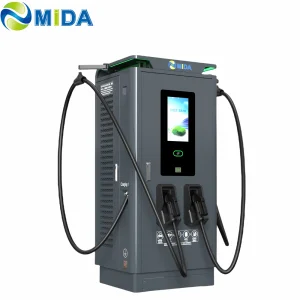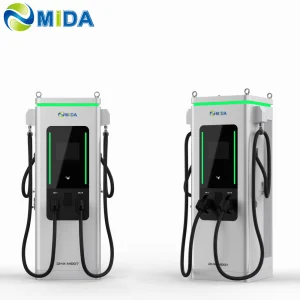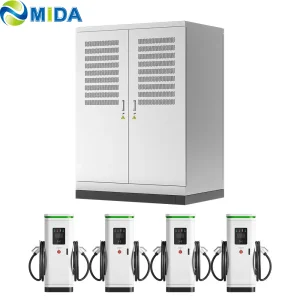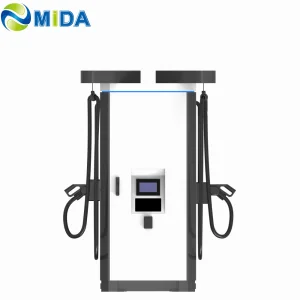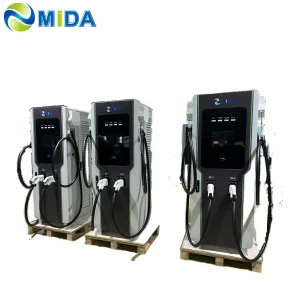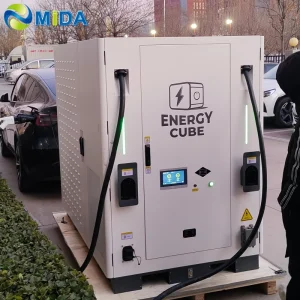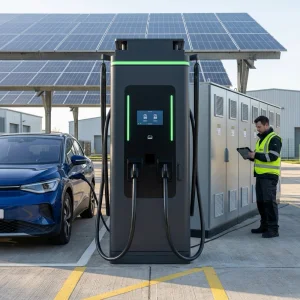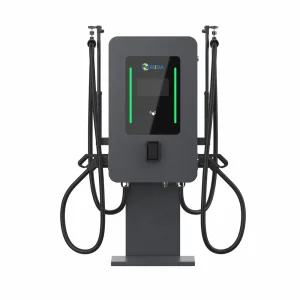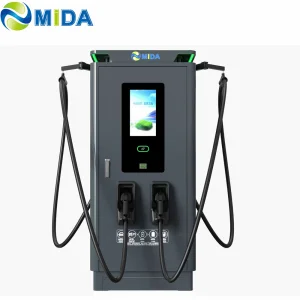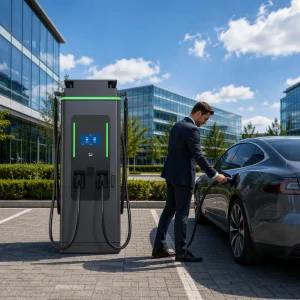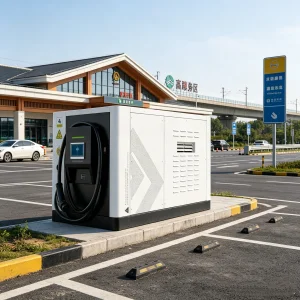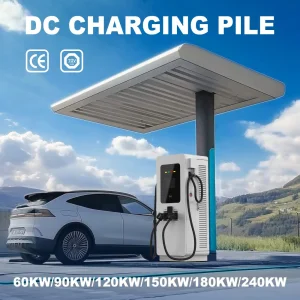
Deploy high-power EVSE built on certified components. These industrial-grade charging solutions offer exceptional thermal management and multi-protocol flexibility.
As the electrification of transportation accelerates globally, the demand for High-Power Charging (HPC) systems has transitioned from a luxury utility to an essential industrial asset. Medium and heavy-duty vehicles, regional delivery fleets, and public municipal transport networks require rapid energy replenishment to maintain operational continuity. The 300kW DC Fast Charger has emerged as the premier industry standard—the "sweet spot" balancing grid resource availability, power delivery capabilities, and initial capital expenditure (CAPEX).
Under international frameworks such as the European Alternative Fuels Infrastructure Regulation (AFIR) and the United States NEVI (National Electric Vehicle Infrastructure) formula program, grid-tied stations are mandated to deliver high-capacity power outputs. Integrating 300kW charging architecture allows Charge Point Operators (CPOs) to accommodate multiple EV protocols (CCS1, CCS2, NACS, GB/T, CHAdeMO) while offering rapid charging times under 20 minutes for passenger vehicles and under an hour for regional logistics fleets.
Standard HPC Class
Peak Module Efficiency
Next-Gen Protocol
Enclosure Rating
From an engineering perspective, achieving reliable 300kW continuous power delivery requires sophisticated power-sharing algorithms, low electromagnetic interference (EMI) design, and superior thermal management. Top-tier factories now incorporate advanced Silicon Carbide (SiC) power semiconductor switches in their module designs. This yields a marked improvement over legacy Silicon IGBTs, minimizing heat generation and ensuring optimal power conversion efficiency.
The installation, performance parameters, and regulatory conditions for 300kW EVSE vary significantly depending on geographic environments and business use cases. Sourcing decisions must align with localized operating conditions:
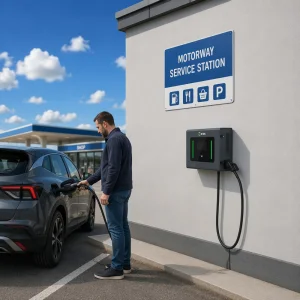
Strategically situated along arterial highways, these hubs demand maximum uptime and multi-dispenser configurations. Liquid-cooled cabling is often specified here to allow continuous delivery of 300A-500A currents without excessive heat buildup, ensuring rapid turnaround times for travelers.
Logistics operators utilize scheduled overnight and top-up charging sessions. A 300kW configuration supports dynamic load management, allowing single-plug maximum charging for large-capacity e-bus batteries, or dual-plug sequential charging to optimize energy profiles without overloading grid connections.
In regions where utility grid capacities are limited, 300kW chargers integrated with Battery Energy Storage Systems (BESS) mitigate demand spikes. These systems store power during off-peak hours and discharge at high capacities during peak sessions, bypassing expensive substation upgrades.
The high-power charging sector is rapidly evolving. Today's procurement decisions must anticipate tomorrow's technologies. Below is the projected architectural roadmap for high-power DC fast charging infrastructure:
Transitioning from silicon-based IGBT modules to SiC MOSFETs. This reduces switching losses by up to 50%, resulting in smaller module footprints, lower operating temperatures, and higher durability at 300kW+ workloads.
Implementation of ISO 15118 (Plug & Charge) protocol along with Vehicle-to-Grid (V2G) capabilities. This enables automated, credential-free payment processing and lets fleet vehicles discharge back to the grid to support grid stabilization.
Future heavy-duty charging interfaces are migrating from CCS to MCS standards, paving the way for charge rates exceeding 1MW. Future-ready 300kW stations are being built with modular matrix designs to scale directly into MCS clusters.
China is a global leader in EVSE manufacturing, owing to its deeply integrated industrial supply chain. Chinese factories leverage comprehensive raw material access, localized semiconductor packaging, and extensive manufacturing experience to produce highly reliable charging infrastructure. This vertical integration allows for rapid product customization, agile engineering modifications, and significant cost efficiencies, which are passed directly to international buyers.
By housing all core engineering processes—including cable extrusion, sheet metal fabrication, power module assembly, and firmware programming—under a single industrial canopy, Chinese manufacturers minimize delivery lead times and maintain rigorous quality control. This operational scale ensures consistent sourcing for global deployment, even during periods of global logistics volatility.
Shanghai Mida Cable Group Ltd. operates globally through its wholly owned specialized subsidiaries: Shanghai Mida EV Power Co., Ltd., Shenzhen Mida EV Power Co., Ltd., and Shanghai Mida New Energy Co., Ltd. Together, they offer a vertically integrated supply chain spanning charging components, completed charging piles, and next-generation power module technology.
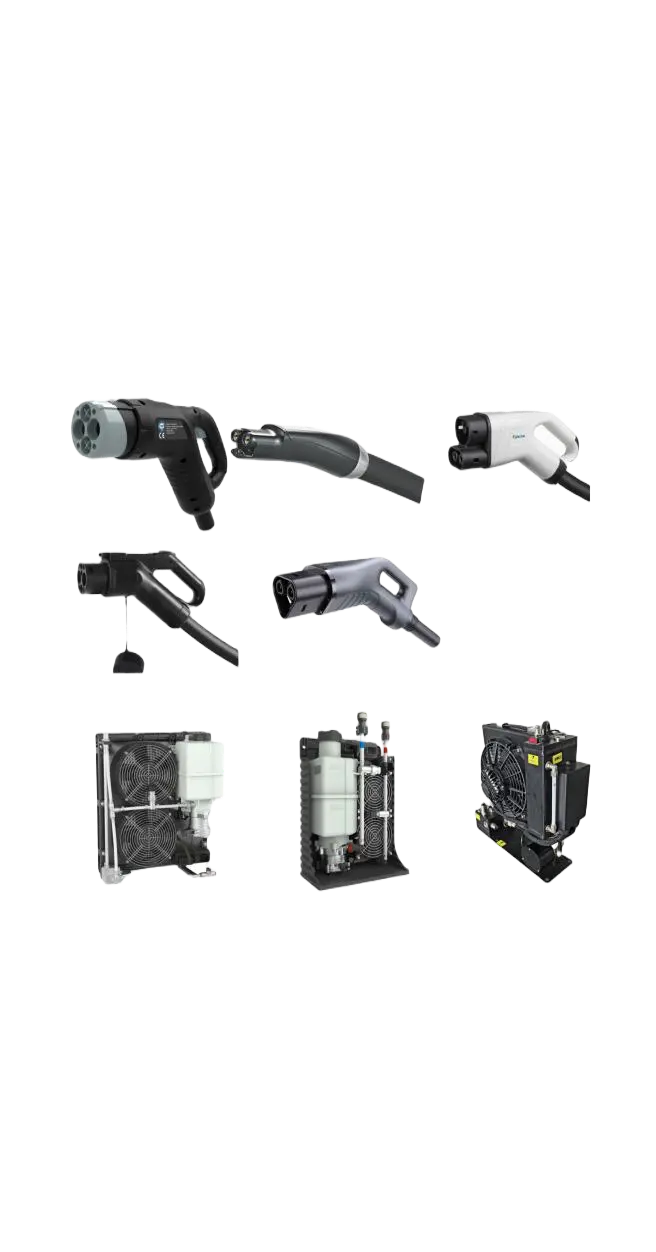
Mida Cable designs and manufactures a comprehensive portfolio of EV charging cables. This includes 16A–80A J1772 cables and 16A–63A IEC 62196-2 Type 2 cables. For high-capacity needs, they supply DC fast charging cables across multiple international standards: CCS1 (80A–500A), CCS2 (125A–1000A), CHAdeMO (125A–300A), GBT (200A–1000A), and NACS connectors (250A–600A).
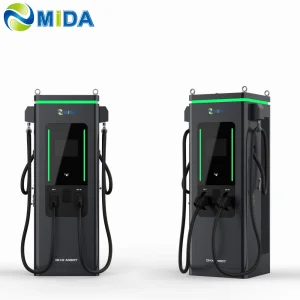
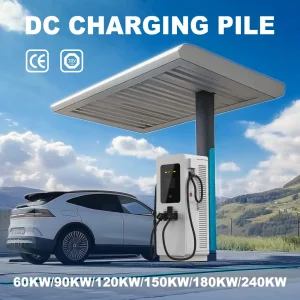
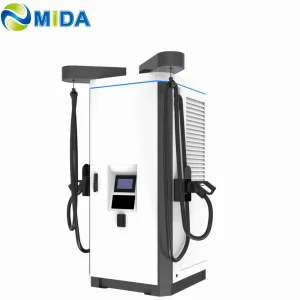
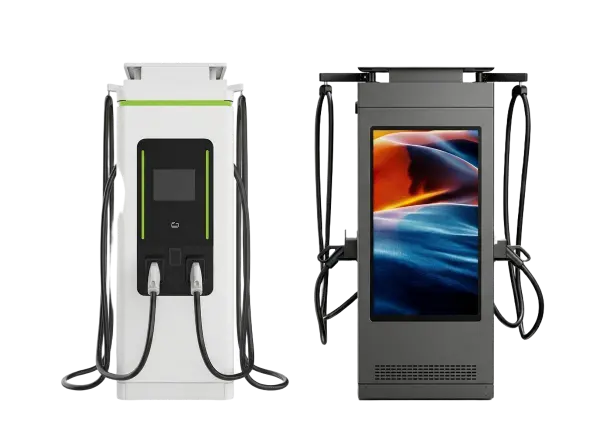
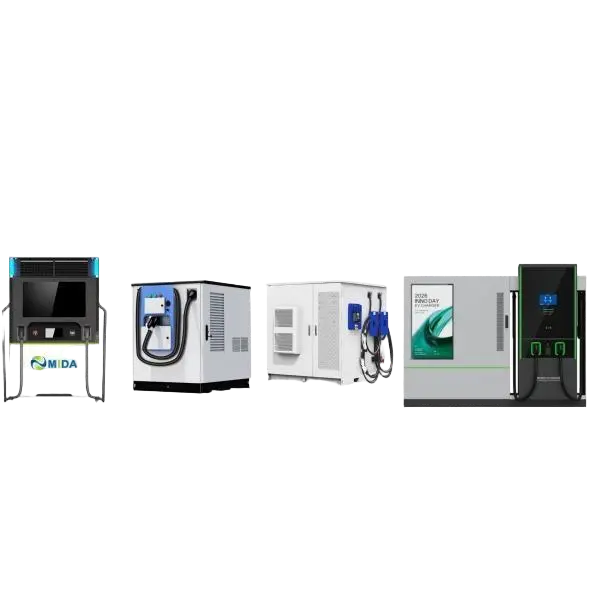
MIDA EV Power focuses on engineering complete, grid-ready charging stations. The product lineup ranges from 7kW–50kW mobile chargers and 3.6kW–7.2kW portable DC units to 20kW–50kW wall-mounted stations, 60kW–480kW floor-standing DC fast charging stations, and up to 360kW–1440kW split-type high-power DC fast charging systems.
MIDA New Energy focuses on the design of core power converters. Their product range includes 20kW–60kW standard air-cooled modules, 40kW–125kW liquid-cooled power modules, 30kW–62.5kW bidirectional modules, and 20kW–45kW V2G charging modules.

MIDA Group manufactures and supplies components for charge point developers, station assemblers, and industrial charging networks worldwide.
Flexible EVSE options configured for residential parking, corporate fleets, and mobile field services. Designed for simple installation in space-constrained facilities.
View More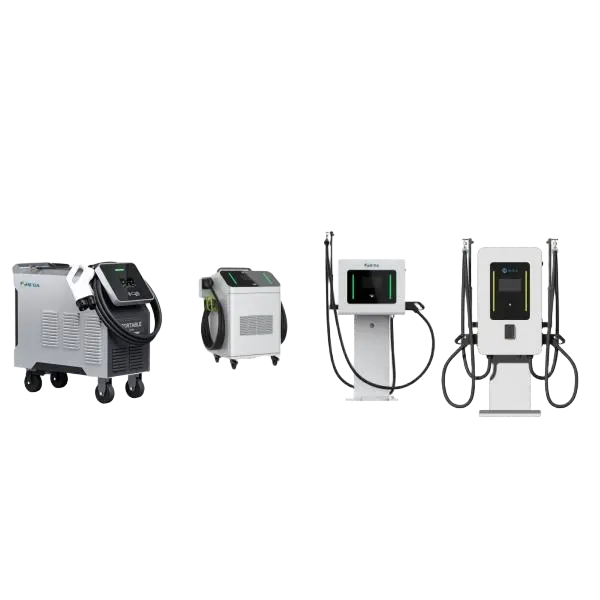
High-capacity charging stations built for heavy commercial duty cycles, depot electrification, and public charging corridors.
View More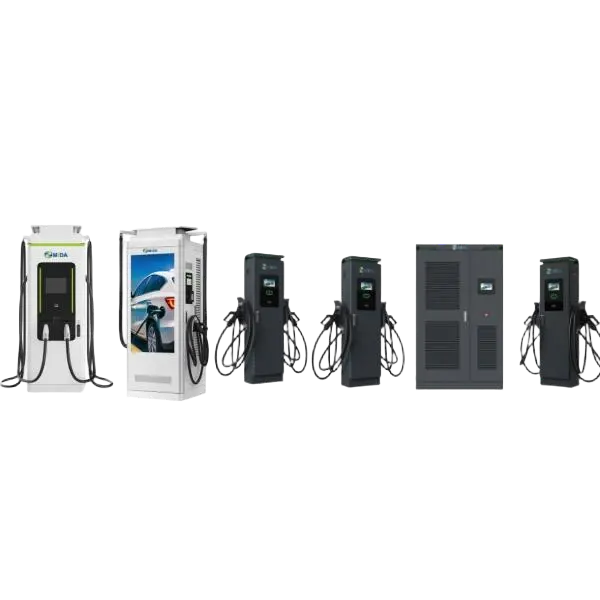
Battery-integrated charging solutions that mitigate grid strain during high-demand sessions. Ideal for microgrids and high-power applications.
View More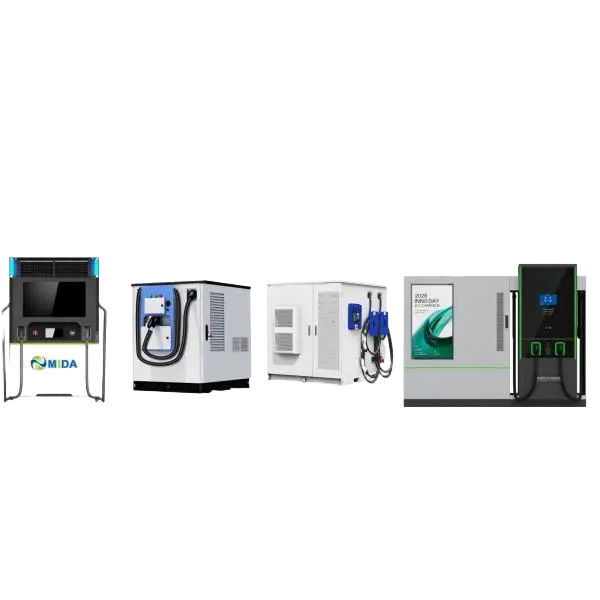
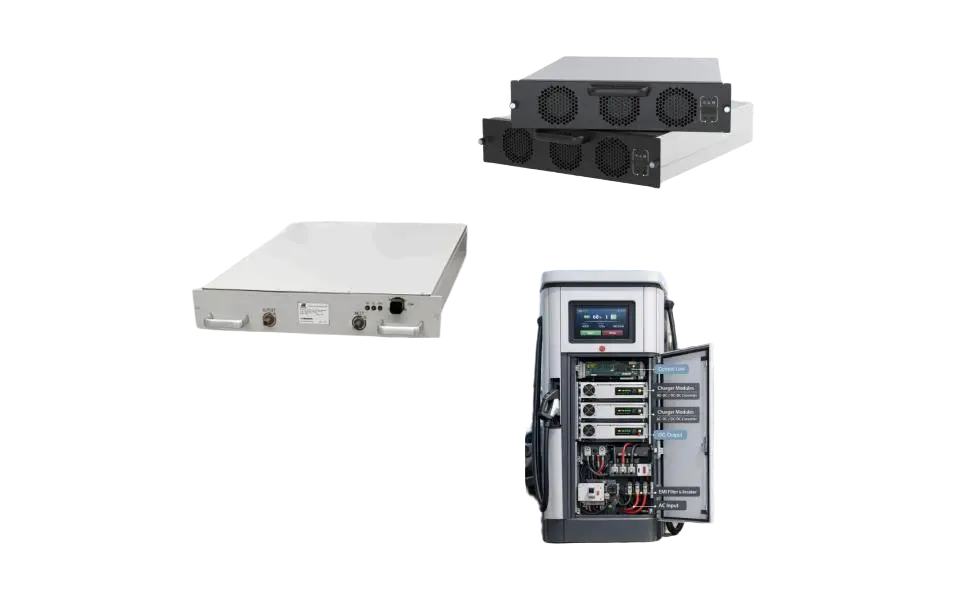
High-power charging stations must adhere to localized safety standards, grid codes, and data compliance laws. Sourcing 300kW chargers requires validating several critical elements:
1. Standards Compliance: Hardware must carry certifications matching its destination market, including TUV CE for Europe, UL/ETL listed certifications for North America, and GB/T compliance for the domestic Chinese market. These certificates confirm compliance with electrical safety, surge protection, insulation monitoring, and fire safety guidelines.
2. Interoperability & Protocol Support: Chargers must communicate seamlessly via standard protocols such as OCPP 1.6J and the newer, more secure OCPP 2.0.1. This ensures compatibility with backend management systems, billing engines, and dynamic load balancing networks. Additionally, compliance with DIN 70121 and ISO 15118 is required to support Plug & Charge and V2G architectures.
3. Electrical Grid Integration: High-power fast chargers can cause local voltage drops and harmonics on the grid. Leading suppliers integrate features like active power factor correction (PFC), soft-start controls, and real-time power capping to protect transformer assets.
Stay informed on our latest product development milestones, heavy transport trials, and transit projects.

What are the advantages of an e-bus pantograph dome? In contrast to classic plug-in charging systems, e-bus pantograph systems offer automated connection, minimized labor requirements, and ultra-high power delivery.
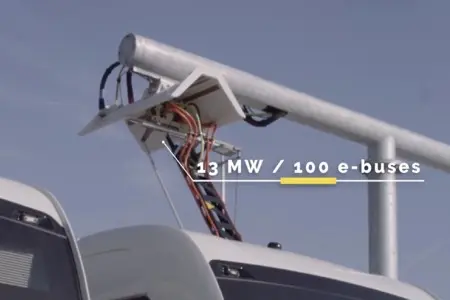
How long does it take to charge with an e-bus pantograph? The charging time depends on the battery capacity and the charging station's maximum power output. Pantographs can deliver high currents for fast turnaround times.
How to Install the Pantograph Up Charger System Dome for Electric Bus. Installing a “Pantograph Up” system involves structural alignment overhead at transit stops or depots, coupled with dedicated grid substation connections.
Browse our range of high-power charging solutions, from wallboxes to high-capacity dynamic charging hubs.
Common technical and operational questions regarding 300kW DC fast charging hardware procurement and deployment.