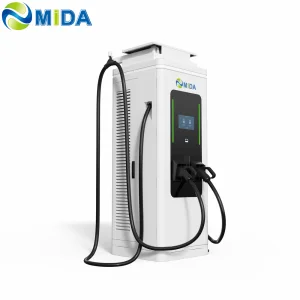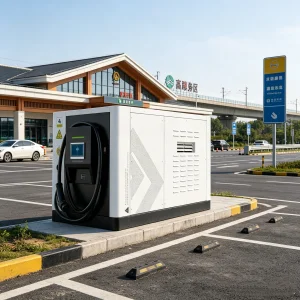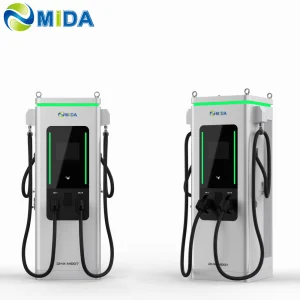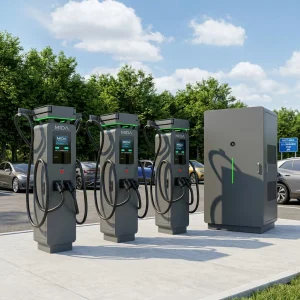
Explore our elite range of industry-leading fast charging stations and energy storage equipment engineered for peak efficiency and safety.
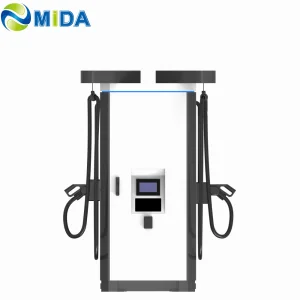
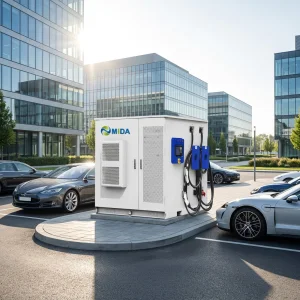
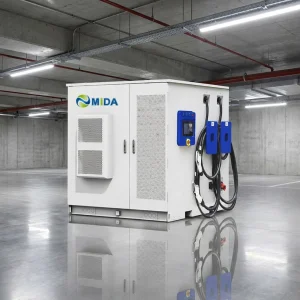
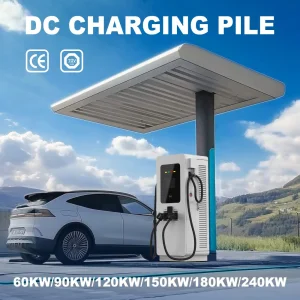
Why 240kW is the strategically vital power threshold for the next decade of heavy electric transport.
The 240kW threshold provides the ultimate balancing act between grid footprint and rapid turnaround times. Delivering up to 240 miles of range per hour, it is tailored perfectly for logistics hubs, high-throughput service centers, and municipal transit terminals.
Deploying megawatt-class charging often requires intensive substation overhauls. 240kW stations offer maximum capital utilization, allowing operators to run continuous dual-plug parallel fast charging without prohibitive utility utility upgrades.
Modern stations use power-factor correction and advanced phase-shifting algorithms to minimize harmonic distortion on municipal distribution lines. Combined with local BESS systems, 240kW setups smooth power load profiles effortlessly.
| Core Parametric Requirements | Standalone 240kW Charger System | Integrated Split-Type Architecture |
|---|---|---|
| Input AC Voltage | 3-Phase 380V / 400V / 480V AC (±15%) | 3-Phase 380V / 400V / 480V AC (±15%) |
| Power Conversion Efficiency | ≥ 96% (at peak loads) | ≥ 96.5% (Dynamic Matrix Routing) |
| Connector Combinations | Dual CCS1 / CCS2 / NACS / GBT | Up to 8 active plugs (split system) |
| Thermal Management | Forced Air Cooling / Option Liquid Cooled | Liquid Cooled Matrix Module Options |
| Communication Protocols | OCPP 1.6J / OCPP 2.0.1, ISO 15118-20 | OCPP 1.6J / OCPP 2.0.1, ISO 15118-20 |
Shanghai Mida Cable Group Ltd. operates through its wholly owned subsidiaries: Shanghai Mida EV Power Co., Ltd., Shenzhen Mida EV Power Co., Ltd., and Shanghai Mida New Energy Co., Ltd.
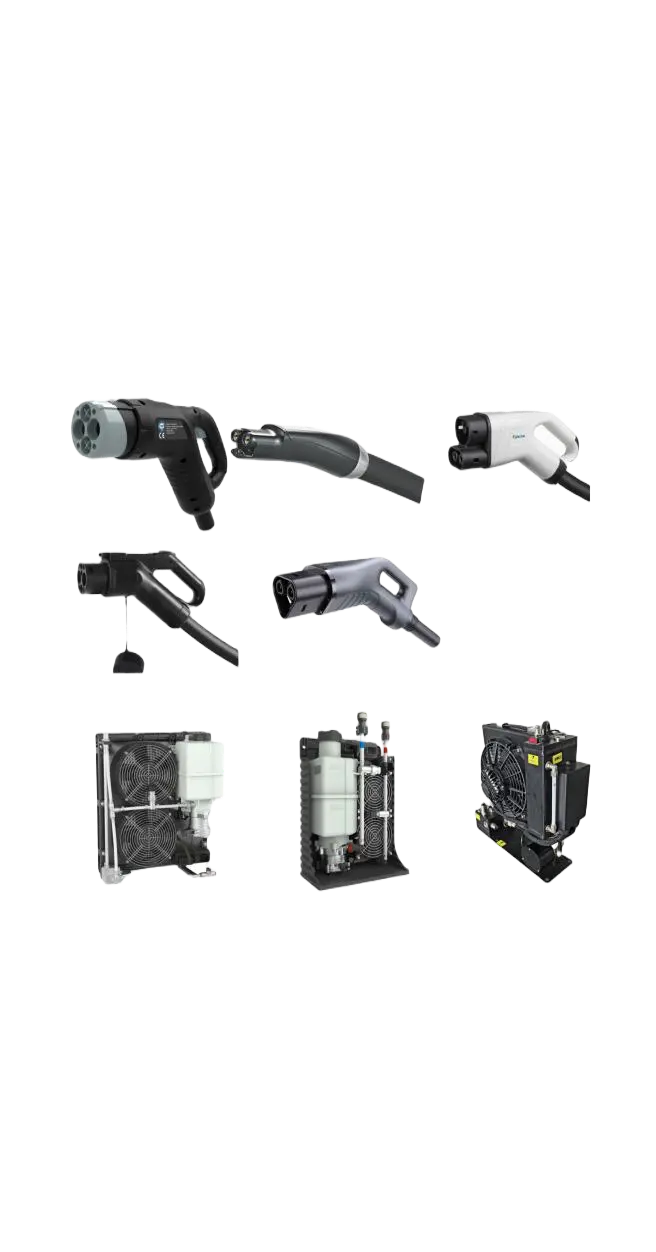
Mida Cable manufactures a comprehensive range of EV charging cables, including 16A–80A J1772 cables, 16A–63A IEC 62196-2 Type 2 cables, and DC fast charging cables: CCS1 (80A–500A), CCS2 (125A–1000A), CHAdeMO (125A–300A), GBT (200A–1000A), and NACS connectors (250A–600A).
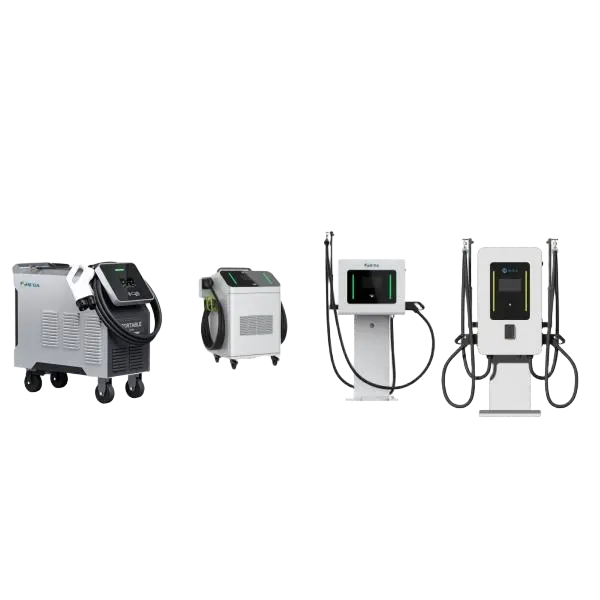
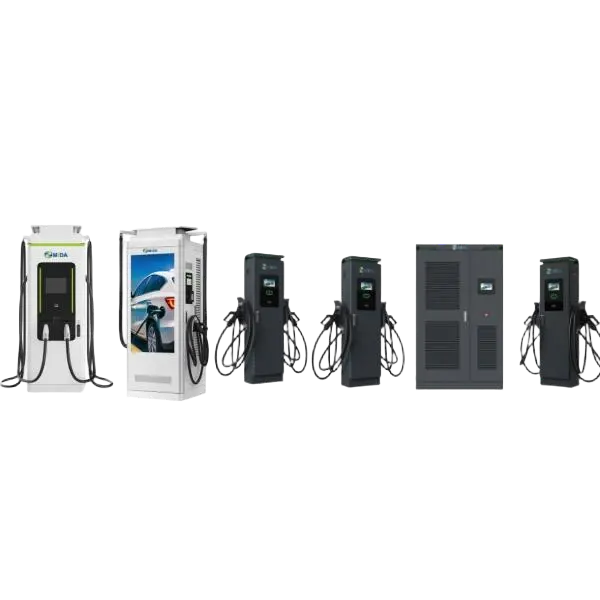
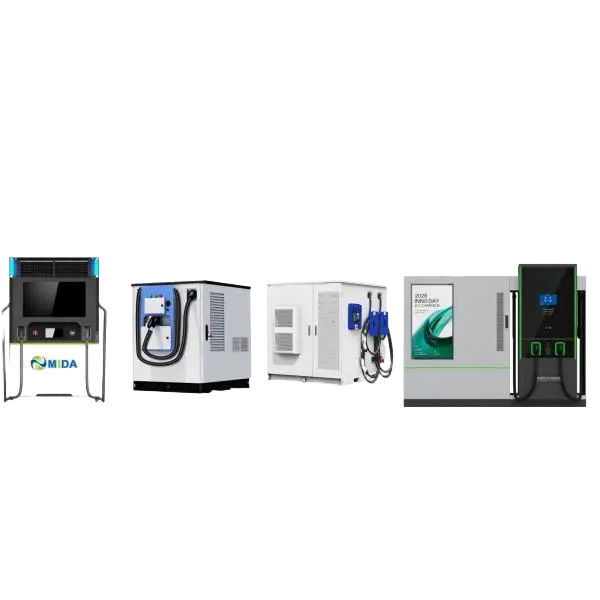
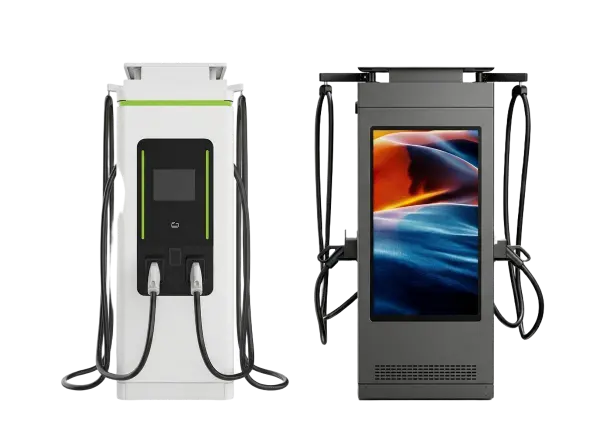
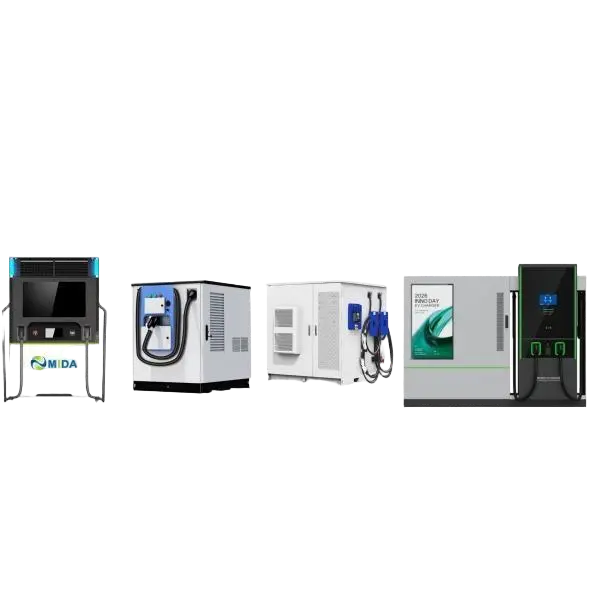
MIDA EV Power produces a full lineup of EV charging stations, such as 7kW–50kW mobile chargers, 3.6kW–7.2kW portable DC chargers, 360kW–1440kW split-type DC fast chargers, 20kW–50kW wall-mounted DC chargers, and 60kW–480kW floor-standing DC fast charging stations.
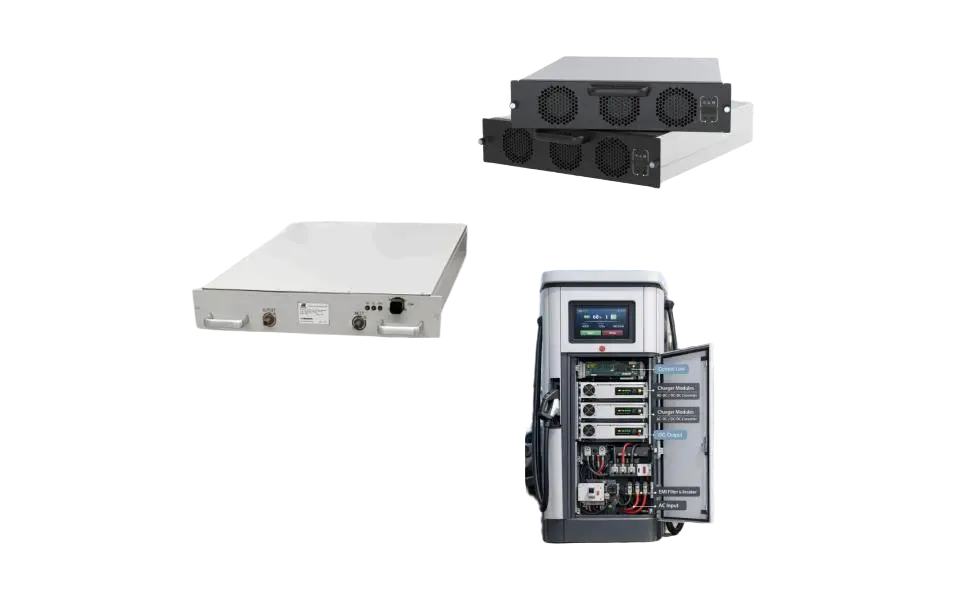
MIDA New Energy specializes in EV charger power modules, offering 20kW–60kW standard modules, 40kW–125kW liquid-cooled modules, 30kW–62.5kW bidirectional modules, and 20kW–45kW V2G charging modules.

Scalable power distribution solutions designed for varied infrastructure applications.
Combining smart EV fast-charging with grid-stabilizing local battery arrays.
View MoreMIDA's engineering blueprint spans across essential components, ultra-high-speed connectors, and complete structural power banks.
Navigating global standards, power management systems, and technical roadmaps for sustainable charging networks.
Commercial operators are shifting away from standalone setups in favor of highly scalable architectures. Dynamic allocation is the new baseline—allowing modular 240kW hardware arrays to distribute energy in real-time between dual outputs based on battery State of Charge (SoC).
Deploying high-density charging networks requires strategic grid management. By coupling solar photovoltaic (PV) generation with battery storage (BESS) and 240kW DC Fast chargers, fleet operators can dynamically manage power to bypass costly utility peak fees.
The industry is moving toward high-efficiency materials like Silicon Carbide (SiC) semiconductors, which significantly cut down thermal loss and maintain a compact modular footprint. Bidirectional charging (V2G) further allows connected fleets to function as mobile energy reserves during demand peaks.
Discover recent engineering developments and projects on automatic overhead pantographs for municipal transit systems.

In contrast to classic plug-in charging systems, e-bus pantograph connections automate high-power energy transfer securely via overhead dock configurations.
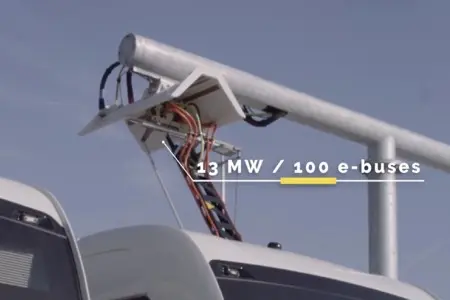
The operational cycle duration relies directly on nominal battery storage limits and maximum input voltage toleration thresholds of regional utility networks.
Installing complex overhead bus charging frames involves anchoring heavy structural steel masts and integrating high-voltage utility connection lines safely.
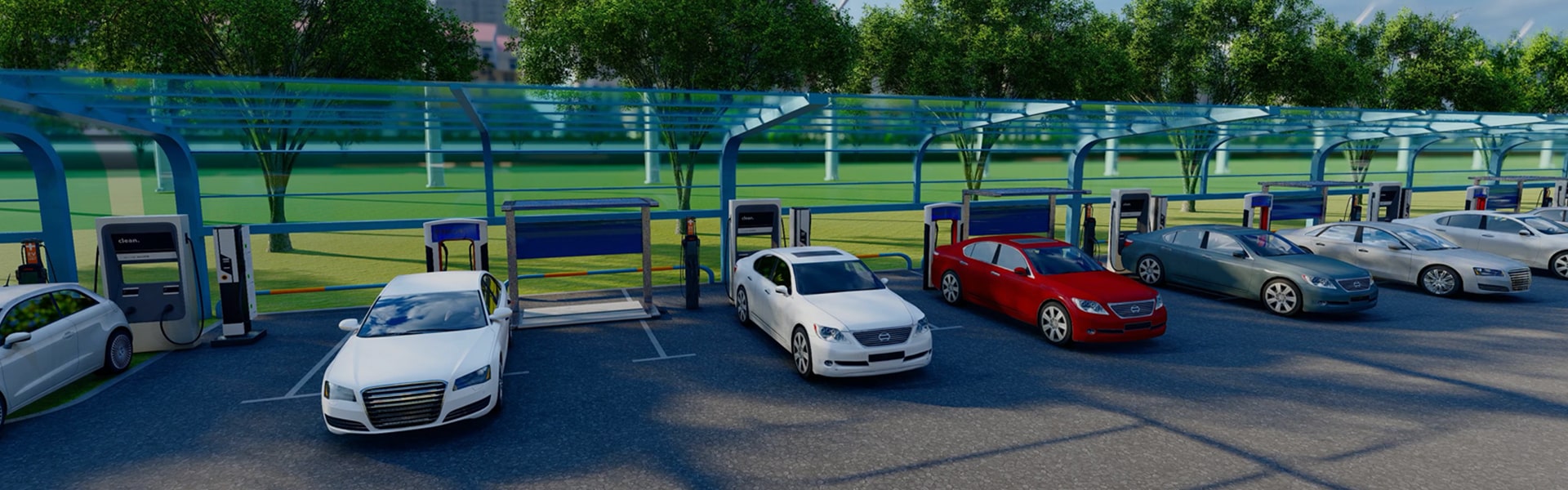
Answers to critical integration questions regarding 240kW DC fast charging systems.
Typical high-power DC systems operate at an efficiency range of 95% to 96.8%. This efficiency rating is primarily driven by conversion loss in the internal AC/DC modules and heat dissipated by charging cables. Utilizing Silicon Carbide (SiC) semiconductors helps reduce this loss rate to less than 3.2%.
Our systems utilize dynamic power allocation technology. When dual vehicles are connected, the integrated smart controller polls each vehicle's BMS. The system can split the output power in configurations like 120kW+120kW, 180kW+60kW, or channel the full 240kW to a single connector based on real-time vehicle demand.
MIDA stations feature multi-layered safety mechanisms including over-voltage, under-voltage, over-current, and short-circuit protection. The system also includes active insulation monitors (IMD), surge protection devices (SPD), emergency stop overrides, and ambient temperature sensors to prevent thermal runaway.
Yes. Our equipment complies with major international grid regulations, offering options for CE certification for Europe and UL/ETL certification for North America. Standard parameters include a Total Harmonic Distortion (THD) of less than 5% and a Power Factor above 0.99 at full loads.
Discover our comprehensive range of high-power charging platforms designed for rapid vehicle turnarounds.