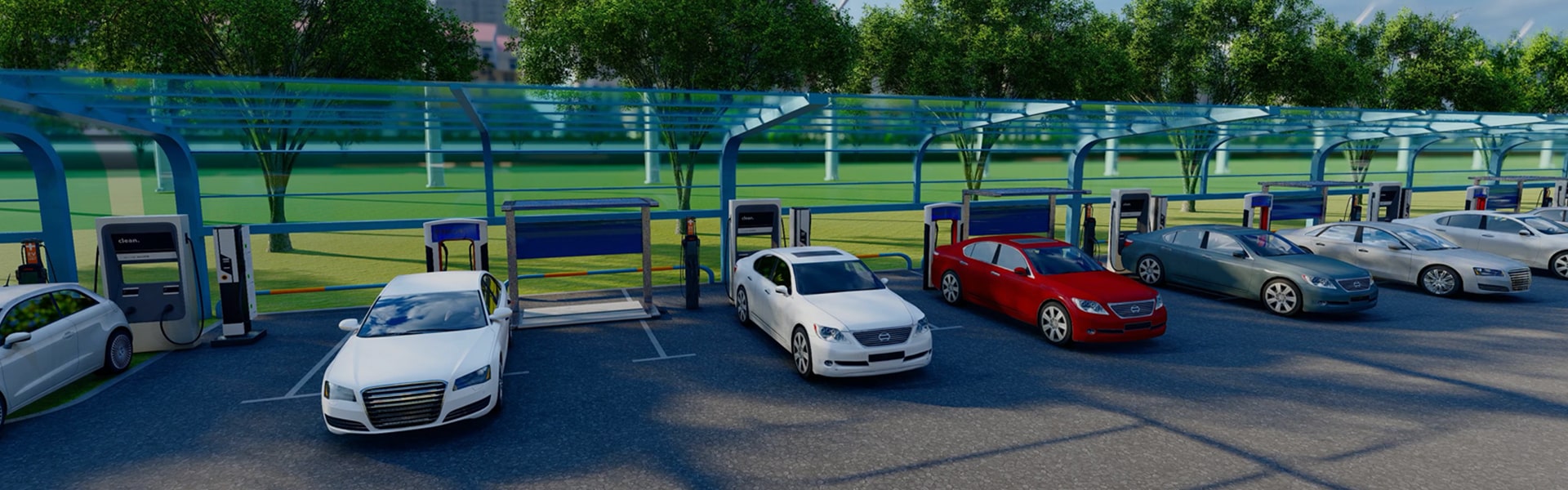
Explore our high-performance vehicle-to-grid modules, battery integrated systems, and smart DC fast charging piles developed for global commercial integration.
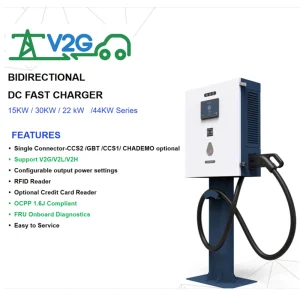
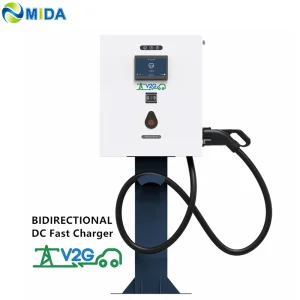
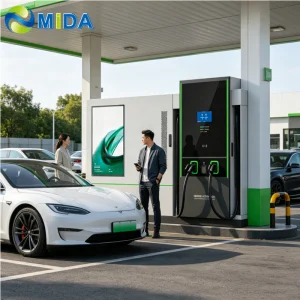
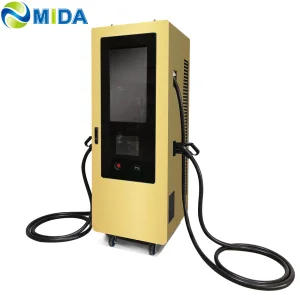
Why Tier-1 Manufacturers and Commercial Operators are Transitioning from AC Wallboxes to Destination DC Infrastructure.
In the rapidly evolving global electric vehicle (EV) charging landscape, the 20kW DC charger has emerged as a cornerstone solution for destination charging. While high-power DC fast chargers (120kW to 480kW) capture headlines with hyper-fast highway refueling, the architectural economics and grid limitations of commercial spaces have prioritized 20kW DC charging modules. This specialized classification acts as the definitive bridge between slow AC chargers and capital-intensive ultra-fast charging infrastructures.
For decades, commercial properties relied heavily on AC Level 2 chargers (ranging from 7kW to 22kW). However, AC charging speed is bottlenecked by the vehicle’s On-Board Charger (OBC). Many modern EVs are built with onboard limits of 7kW or 11kW, rendering high-capacity AC chargers inefficient. A 20kW DC charger bypasses the OBC completely, feeding electricity directly to the vehicle's battery pack. This delivers up to three times faster charging cycles without requiring costly modifications to commercial building electrical main panels.
From the perspective of Total Cost of Ownership (TCO), 20kW DC chargers are significantly easier to deploy. Unlike 150kW+ chargers, they rarely demand grid-level transformer upgrades. A standard three-phase electrical input (380V/400V/480V) easily supports multiple 20kW nodes, maximizing facility capacity and optimizing infrastructure spending.
| Feature / Parameter | Traditional 22kW AC Charger | Advanced 20kW DC Wallbox Charger |
|---|---|---|
| Charging Path | Via Vehicle On-Board Charger (OBC Limit 7-11kW) | Bypasses OBC - Direct to Battery (Fully utilizes 20kW) |
| Grid Requirement | 3-Phase 32A AC Input | 3-Phase 32A/40A AC Input (Minimal electrical footprint) |
| Vehicle Dwell Time (Optimal) | 4 - 8 Hours | 1.5 - 3 Hours |
| V2G Compatibility | Rarely Supported (requires specialized bidirectional OBC) | Highly Compatible via ISO 15118-20 V2G protocol |
| Standard Integration | Basic OCPP Control | Advanced Smart Load Balancing & Real-Time Telematics |
Across Europe, North America, and the Asia-Pacific region, commercial fleet electrification programs are expanding rapidly. Logistics hubs, light-duty commercial delivery vans, and car rental agencies face intense pressure to reduce vehicle turnaround times. In these ecosystems, 20kW DC chargers provide the optimum balance between infrastructure cost, energy usage efficiency, and vehicle downtime.
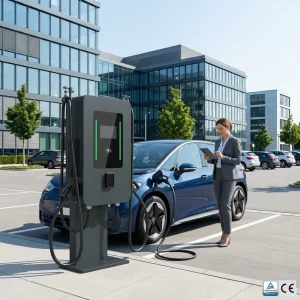
Furthermore, global real estate developers and retail chains are utilizing 20kW DC chargers as high-value amenities. A customer shopping at a retail outlet for 90 minutes can gain up to 100 miles (approx. 160 km) of range from a 20kW DC system, whereas a standard AC charger would provide less than a third of that. This turns charging infrastructure into a competitive commercial tool, driving foot traffic and boosting merchant revenues.
Mida offers high-reliability power modules, connectors, and complete charging stations tailored for the next generation of smart grids.
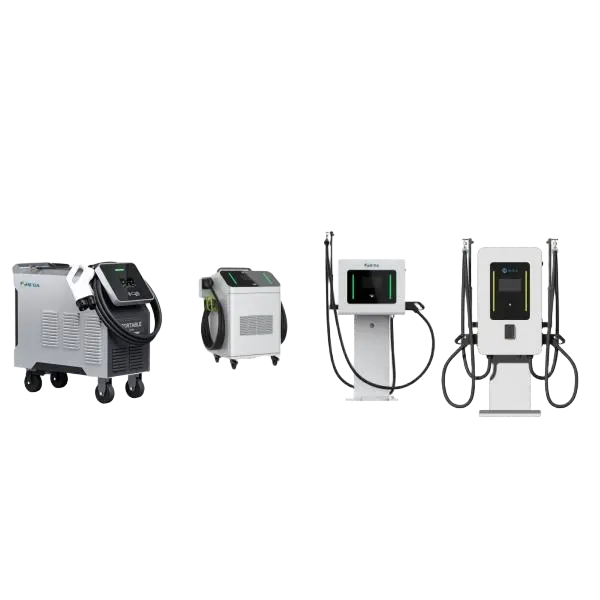
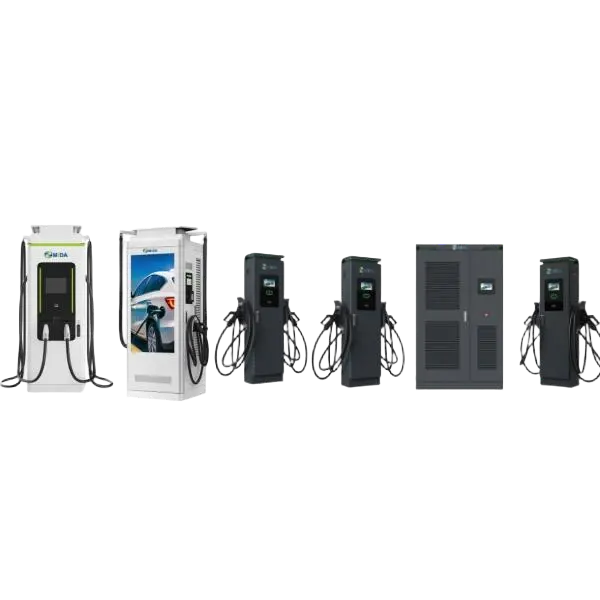
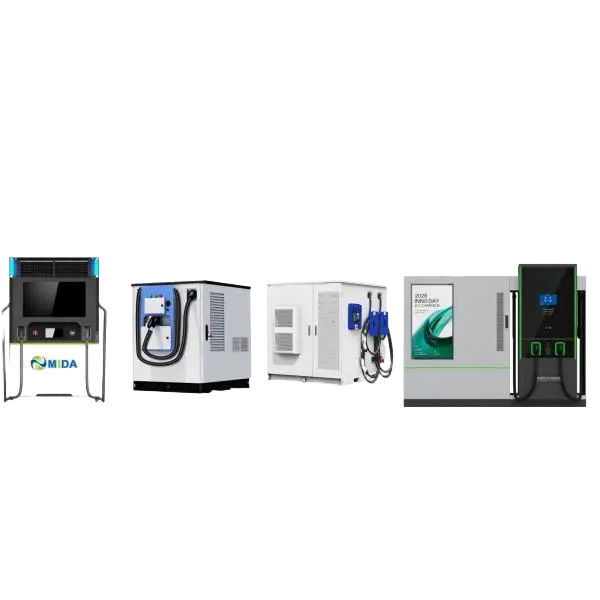
Shanghai Mida Cable Group Ltd. operates through its wholly owned subsidiaries: Shanghai Mida EV Power Co., Ltd., Shenzhen Mida EV Power Co., Ltd., and Shanghai Mida New Energy Co., Ltd.
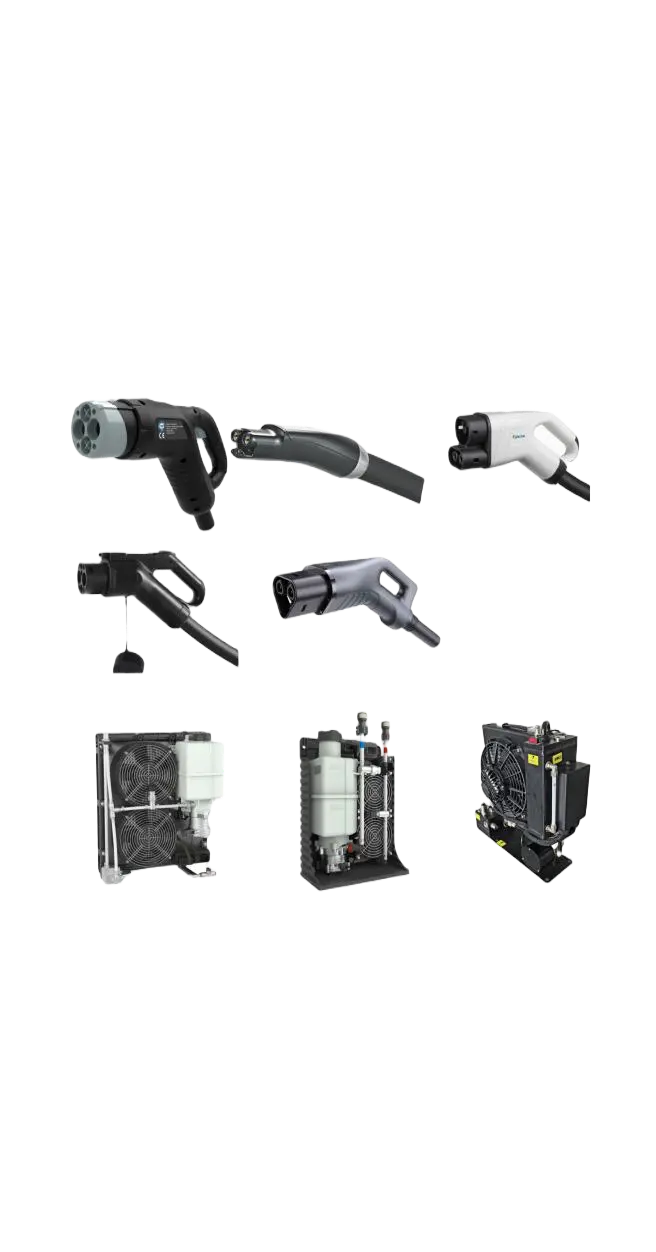
Mida Cable manufactures a comprehensive range of EV charging cables, including 16A–80A J1772 cables, 16A–63A IEC 62196-2 Type 2 cables, and DC fast charging cables: CCS1 (80A–500A), CCS2 (125A–1000A), CHAdeMO (125A–300A), GBT (200A–1000A), and NACS connectors (250A–600A).
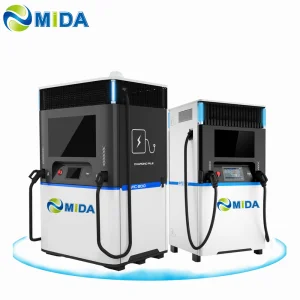
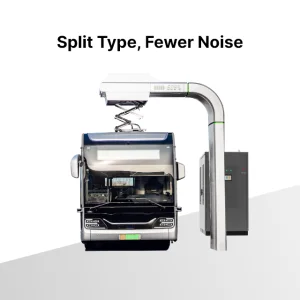
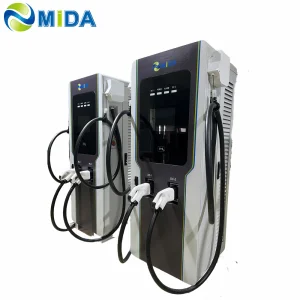
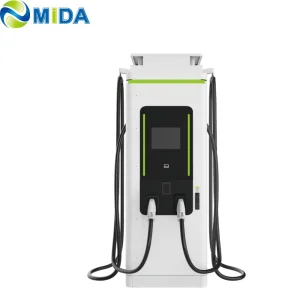
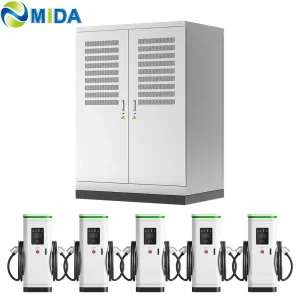
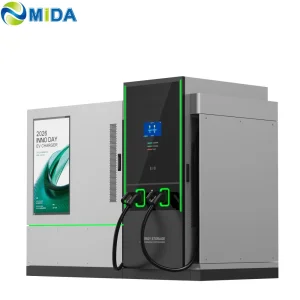
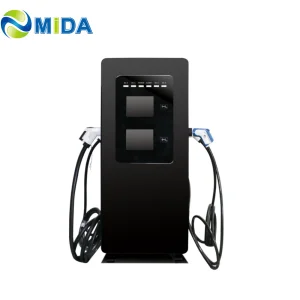
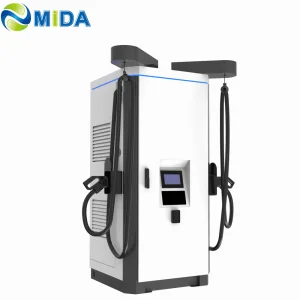
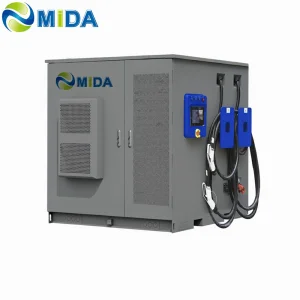
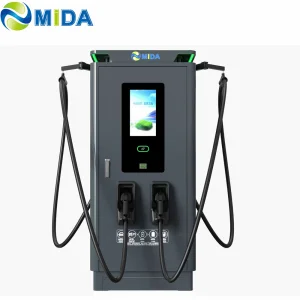
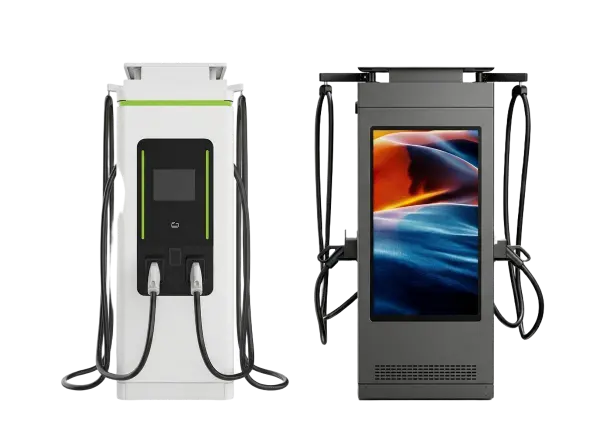
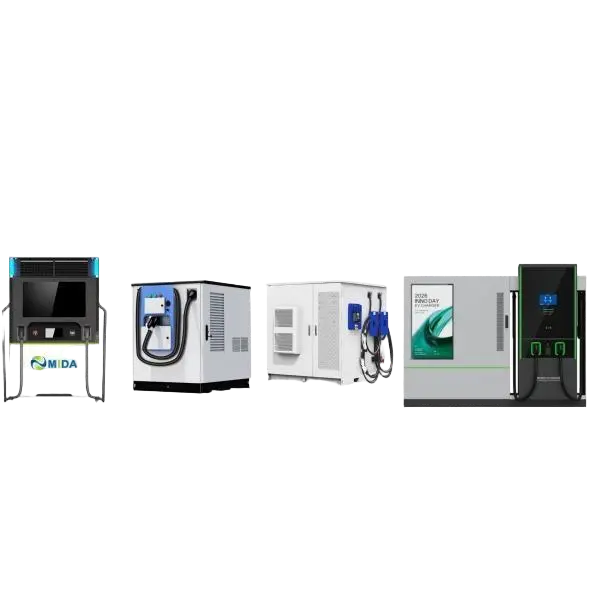
MIDA EV Power produces a full lineup of EV charging stations, such as 7kW–50kW mobile chargers, 3.6kW–7.2kW portable DC chargers, 360kW–1440kW split-type DC fast chargers, 20kW–50kW wall-mounted DC chargers, and 60kW–480kW floor-standing DC fast charging stations.
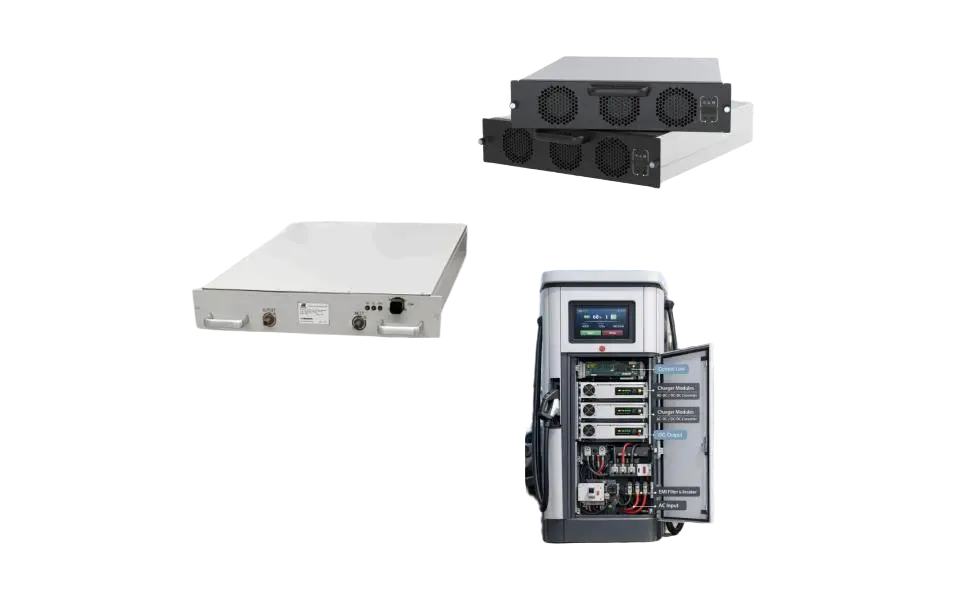
MIDA New Energy specializes in EV charger power modules, offering 20kW–60kW standard modules, 40kW–125kW liquid-cooled modules, 30kW–62.5kW bidirectional modules, and 20kW–45kW V2G charging modules.

Engineering robust sub-assemblies and complete high-power charging platforms for Tier-1 EVSE OEMs.
Navigating the complex global certifications and grid protection frameworks for reliable industrial deployment.
Deploying 20kW DC charging points requires deep compliance with national electrical guidelines. Safety standards vary between jurisdictions: North America requires UL 2202 and UL 2231 compliance, while Europe relies on IEC 61851-23 and IEC 62196 certifications. Reliable manufacturers utilize built-in residual current monitors (RCMU), over/under voltage protection, short circuit mitigation, and advanced ground fault monitors to guarantee operator safety in extreme weather.
Communication protocol compatibility is another critical factor. A standard 20kW DC charger must natively support OCPP 1.6J or OCPP 2.0.1, allowing station owners to connect with backend management networks. Advanced models also feature ISO 15118 compliance. This enables "Plug and Charge" functionality (removing the need for RFID cards or mobile apps) and bidirectional energy transfers (V2G/V2H), turning vehicles into virtual power plants.
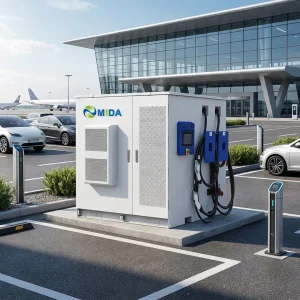
20kW DC charging systems are designed for high-density, high-efficiency environments. Key installation sites include:
In addition to standard one-way charging, advanced 20kW DC power modules are key components in vehicle-to-grid (V2G) applications. By utilizing bidirectional AC/DC power modules, these chargers allow fleet operators to supply power back to the grid during peak demand windows. This helps stabilize local distribution networks while creating new revenue streams through grid participation programs. This technology is crucial for building smart, self-healing grid systems worldwide.
Stay informed with the latest research on e-bus charging, dynamic pantographs, and automated fleet infrastructure.

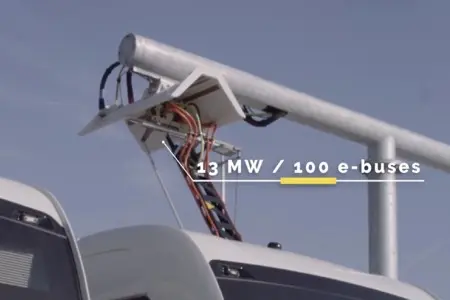
Get answers to common technical questions about 20kW DC charging stations, infrastructure planning, and electrical integration.
Explore our comprehensive range of high-power DC systems, BESS integrations, and transit-class charging platforms.