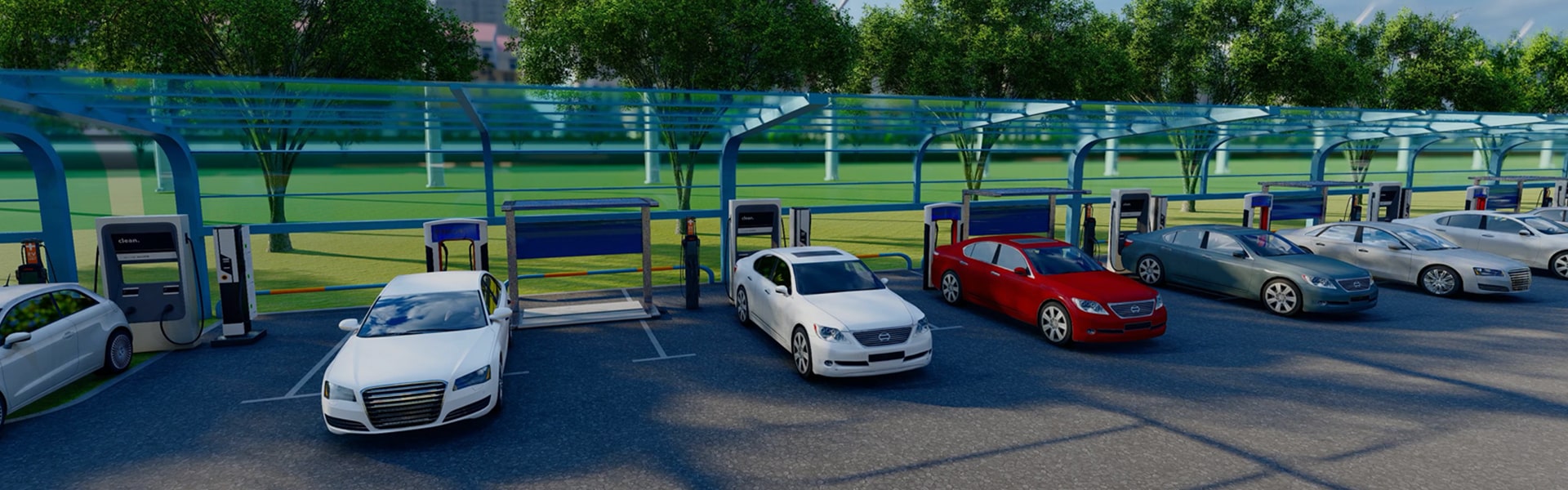
High-Performance DC Fast EV Charging Systems Tailored for Global Commercial, Fleet, and Industrial Deployments
Explore our certified DC fast chargers engineered for high durability, efficiency, and seamless multi-standard integration.
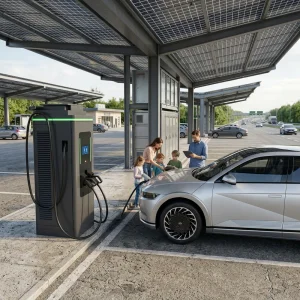
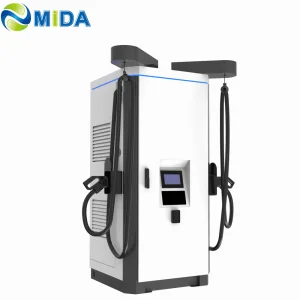
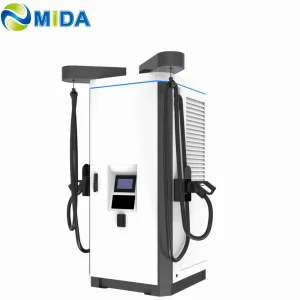
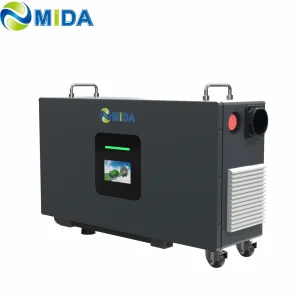
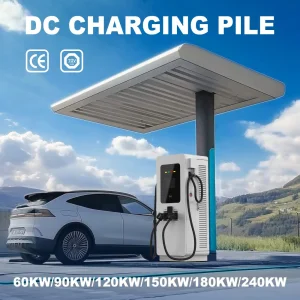
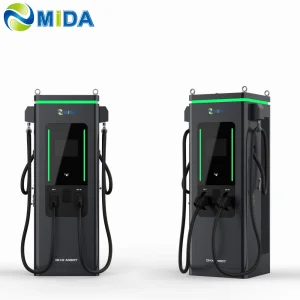
As electric vehicles transition from early adoption to mass commercialization, the demand for fast, efficient, and flexible charging infrastructure has reached an unprecedented scale. Among the various power tiers available, the 120kW DC fast charging station has emerged as the global strategic sweet spot. This power rating provides an optimal balance between fast charging speeds, installation capital expenditures (CAPEX), and grid demand limits.
For commercial fleets, highway rest stops, retail plazas, and municipal parking zones, 120kW offers a charging window of 20 to 40 minutes—perfectly matching the typical dwell times of customers and transport personnel. Unlike ultra-high-power units (such as 350kW+ chargers) which require extensive grid modifications, specialized substations, and highly complex liquid cooling hardware, a 120kW system can often be integrated into existing medium-voltage distribution systems without incurring prohibitive infrastructure upgrade fees.
In regions like Europe and North America, strict compliance regulations and clean energy directives (such as the EU's AFIR and the US NEVI program) are pushing operators to deploy high-efficiency chargers that support open standards. 120kW stations designed with modular power blocks offer scalability: operators can dynamically allocate 60kW to two vehicles simultaneously or route the full 120kW to a single EV. This flexibility minimizes vehicle downtime while maximizing the Return on Investment (ROI) for Charge Point Operators (CPOs).
China has built the world's most robust and integrated supply chain ecosystem for electric vehicle supply equipment (EVSE). When sourcing 120kW charging stations from China, global buyers benefit from advantages that extend far beyond simple labor cost savings:
From core power module R&D, copper wire drawing, and custom cable assembly to proprietary software development, leading manufacturers control every production phase. This drastically reduces unit costs and speeds up custom configurations.
Top-tier Chinese factories operate in-house testing labs accredited by international bodies. Stations undergo rigorous certification for UL, ETL, CE, TUV, CB, and RoHS, guaranteeing safe integration into grids worldwide.
Leveraging vast real-world telemetry, Chinese engineers lead in developing advanced cooling, smart load balancing algorithms, OCPP 2.0.1 implementation, and vehicle-to-grid (V2G) bidirectional charging modules.
Shanghai Mida Cable Group Ltd. operates through its wholly owned subsidiaries: Shanghai Mida EV Power Co., Ltd., Shenzhen Mida EV Power Co., Ltd., and Shanghai Mida New Energy Co., Ltd. As a vertically integrated industry pioneer, MIDA Group is uniquely positioned to deliver reliable, end-to-end hardware and software configurations for high-power DC infrastructure.
Our operational divisions specialize in different segments to achieve production excellence. Mida Cable manufactures a comprehensive range of EV charging cables, including 16A–80A J1772 cables, 16A–63A IEC 62196-2 Type 2 cables, and heavy-duty DC fast charging cables: CCS1 (80A–500A), CCS2 (125A–1000A), CHAdeMO (125A–300A), GBT (200A–1000A), and NACS connectors (250A–600A).
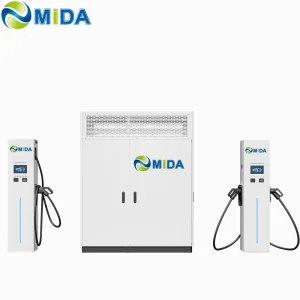
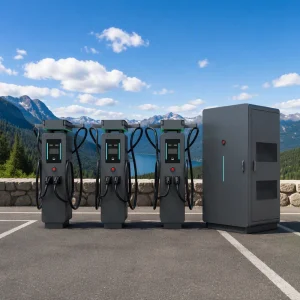
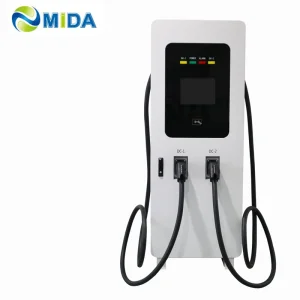
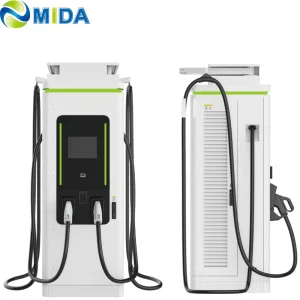
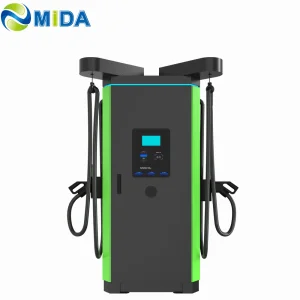
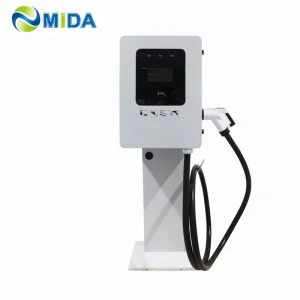
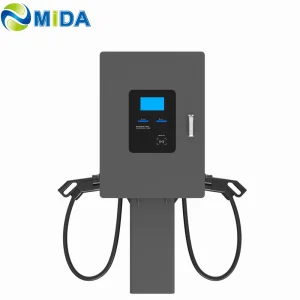
MIDA EV Power focuses on full charging systems, engineering a complete lineup of stations like 7kW–50kW mobile chargers, 3.6kW–7.2kW portable DC chargers, 360kW–1440kW split-type DC fast chargers, 20kW–50kW wall-mounted DC chargers, and 60kW–480kW floor-standing DC fast charging stations.
MIDA New Energy specializes in the heart of the station—the EV charger power modules. We supply 20kW–60kW standard modules, 40kW–125kW liquid-cooled modules, 30kW–62.5kW bidirectional modules, and 20kW–45kW V2G charging modules to CPOs and other EVSE manufacturers globally.

Innovative charging hardware engineered for diverse infrastructure requirements. Click "View More" on our product pages for full datasets.
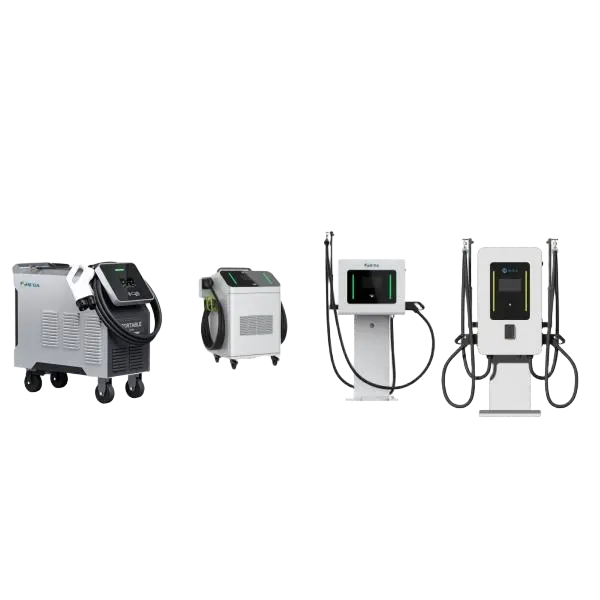
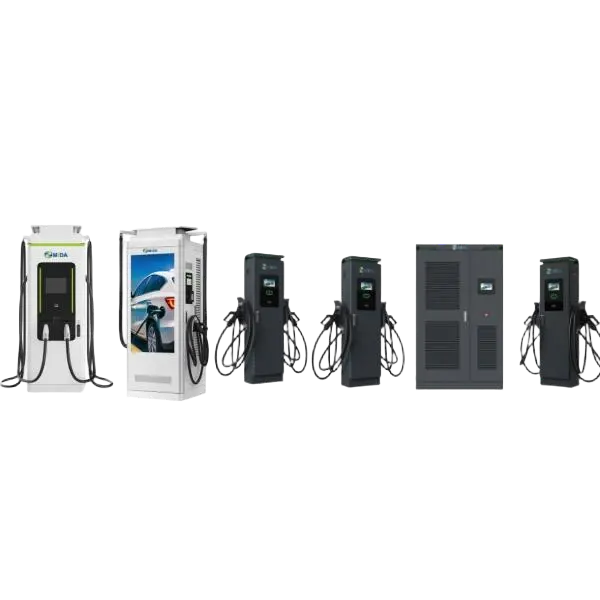
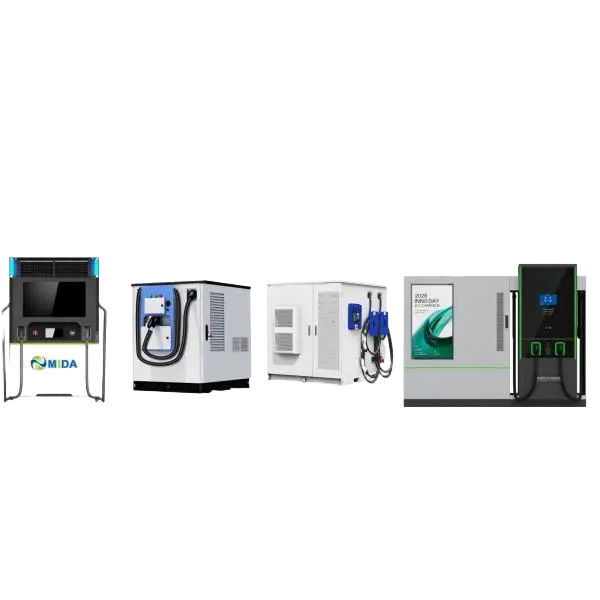
Our factories are equipped to supply components, sub-assemblies, and turnkey systems for the electric vehicle industry.
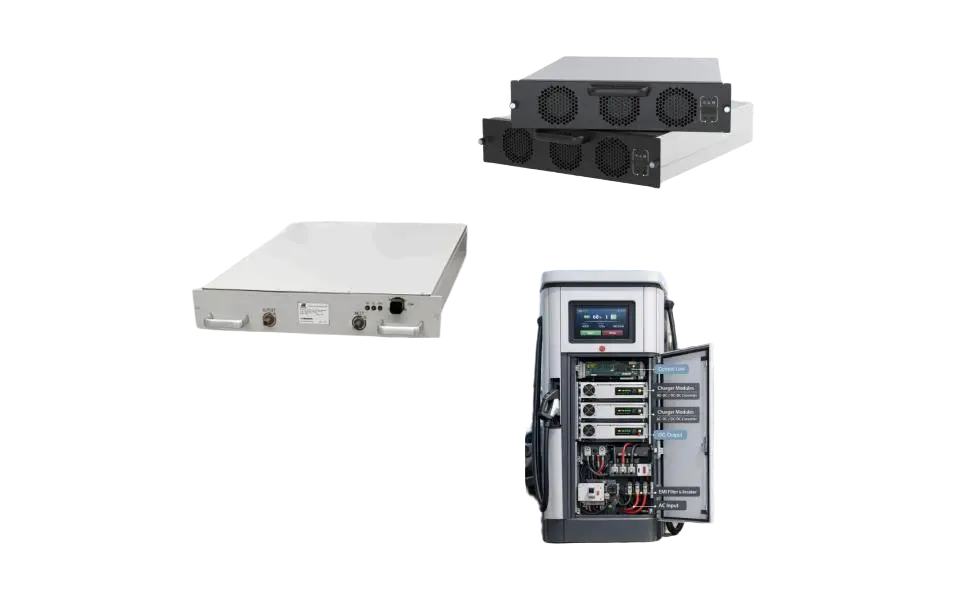
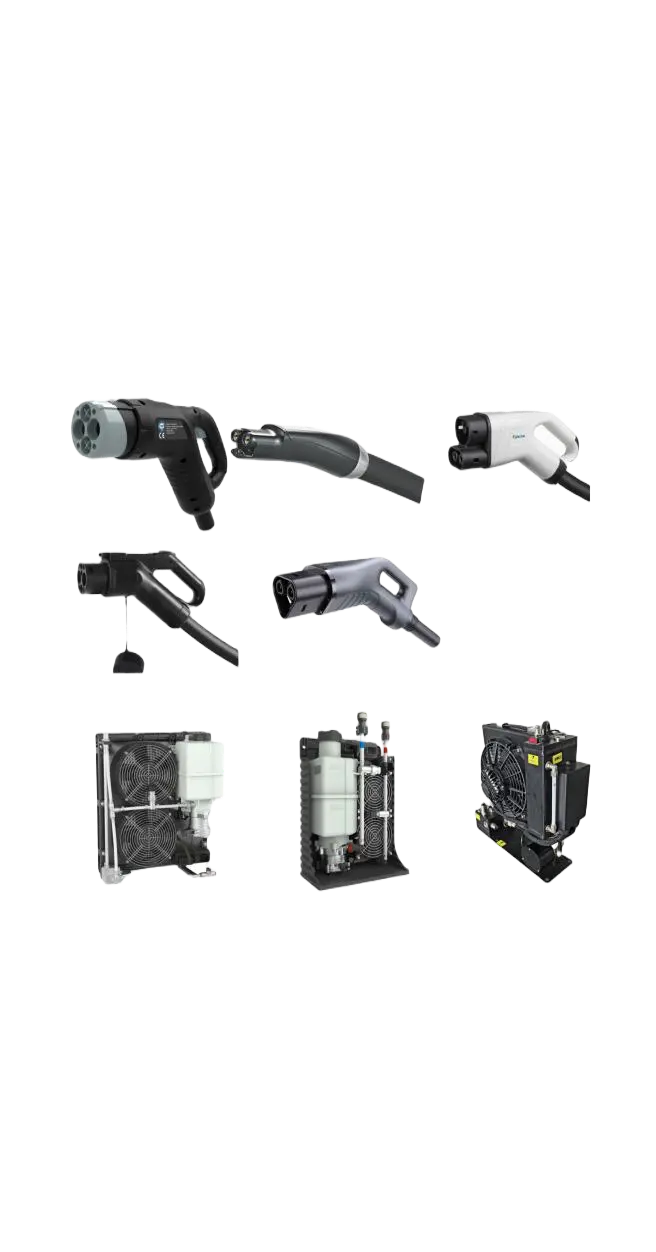
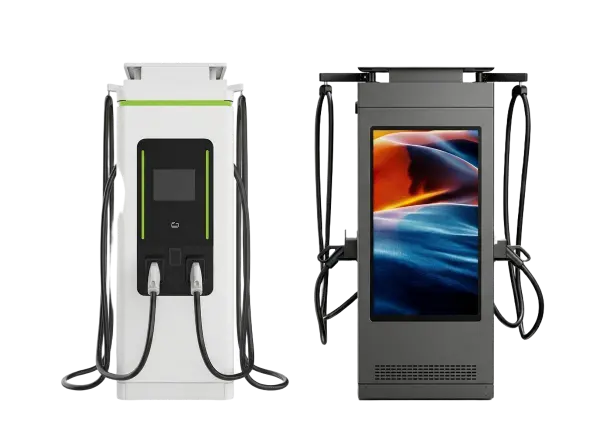
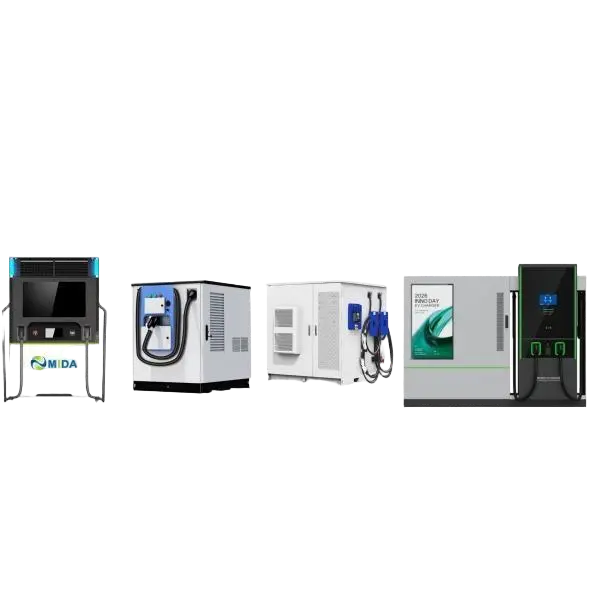
Deploying a 120kW charging station involves adapting to local site layouts, fleet structures, and power constraints. Below are the primary environments where our global clients maximize 120kW system utility:
Delivery vans and short-haul trucks operate on strict schedules. A dual-gun 120kW charger can provide a rapid charge to two vans simultaneously at 60kW each during driver shift changes, ensuring vehicles return to their routes without long delays.
Shopping centers, hotels, and restaurant hubs utilize 120kW DC chargers to attract EV drivers. The typical shopping visit lasts 30 to 60 minutes, which perfectly matches the time required to charge a modern EV battery from 20% to 80%.
For regional travel, 120kW chargers act as critical top-up points. They provide rapid charging speeds to prevent highway station bottlenecks, while keeping installation and operational energy costs manageable for CPOs.
Municipal operators use 120kW systems to support overnight bus charging. By employing sequential dynamic charging control, one cabinet can supply power to multiple buses overnight, charging them one after another to optimize power usage.
The EV charging market is evolving rapidly. Our R&D division is focused on three major industry shifts to ensure our 120kW systems remain future-proof:
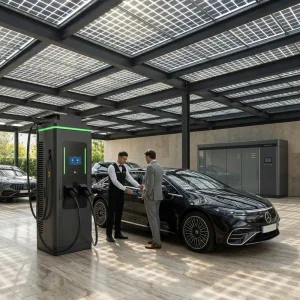
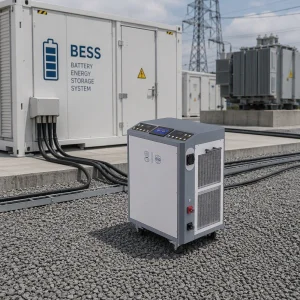
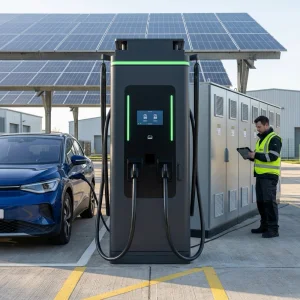
1. Solar/Storage Integration (Microgrids): Connecting EV chargers directly to Solar PV and Battery Energy Storage Systems (BESS) allows operators to avoid peak grid tariffs, capture clean energy, and run emergency charging during power outages.
2. OCPP 2.0.1 & ISO 15118 (Plug & Charge): Transitioning to advanced communication standards enables secure, card-free authorization, dynamic load management, and bidirectional communication between the EV and the charger.
3. Bidirectional V2G Power Modules: EV fleets are transitioning into mobile energy storage assets. With our 20kW-45kW V2G modules, fleet operators can feed energy back into the local grid when electricity rates peak, creating new revenue streams.
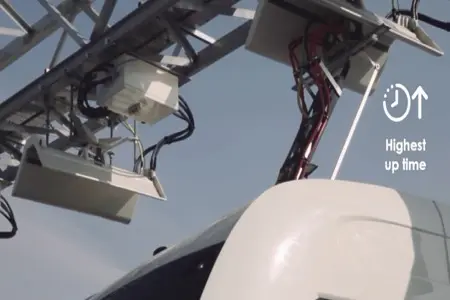
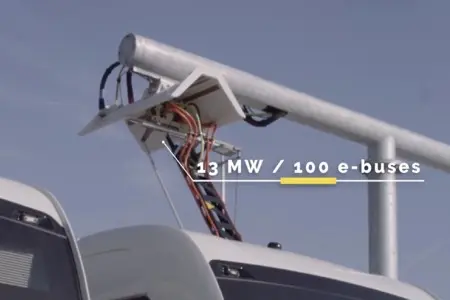
Stay informed on the latest developments in transit charging systems, pantograph designs, and high-capacity depot setups.
For CPOs, distributors, and fleet managers, selecting the right manufacturing partner is crucial. Ensure your technical requirements include the following checkpoints during the RFQ process:
Discover our high-capacity DC power units, multi-protocol systems, and dedicated diagnostic equipment designed to support large-scale EV deployments.