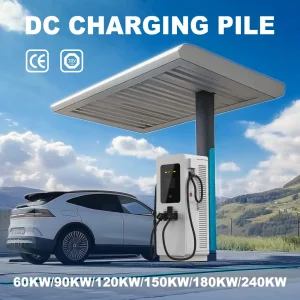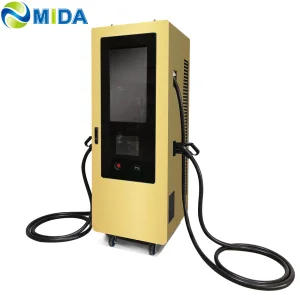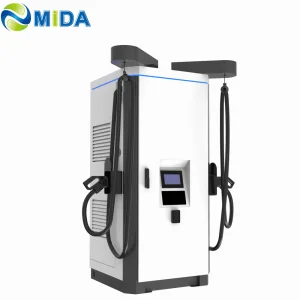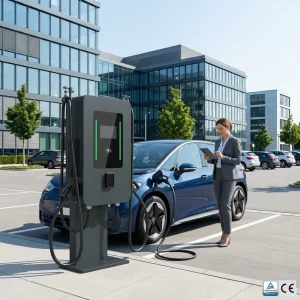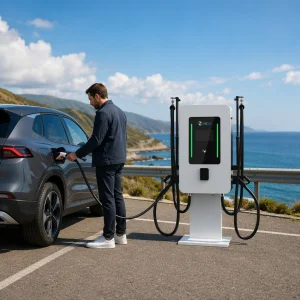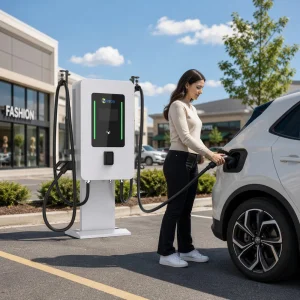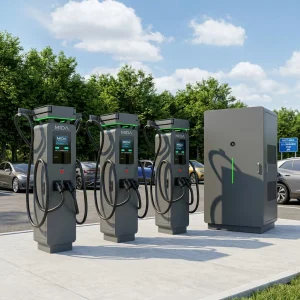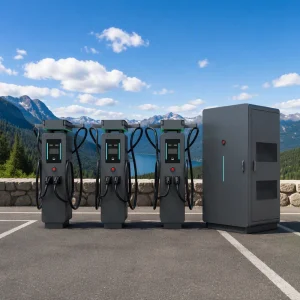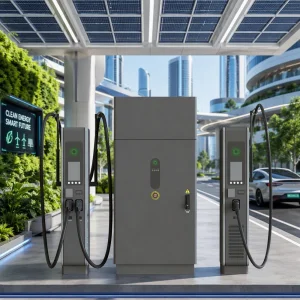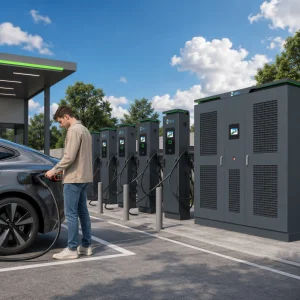
High-efficiency, grid-certified Level 3 DC fast chargers designed to support municipal, fleet, and public network expansion across Jerusalem, Tel Aviv, and the Negev region.
Navigating the unique high-temperature conditions, regulatory systems, and rapid electrification goals of the Levant region.
The state of Israel is accelerating its transition to clean transport, driven by a national mandate to phase out the sales of new internal combustion engine (ICE) vehicles by 2030. With a highly urbanized population concentrated around Tel Aviv, Haifa, and Jerusalem, and an active expansion towards the south (Beersheba and the Negev), the country faces massive demands on its distribution grid. Deploying high-power DC Charger Stations is crucial to supporting the rapid growth of battery electric vehicles (BEVs).
However, importing and implementing EV charging infrastructure in Israel presents unique challenges. The local climate features long, hot summers with ambient temperatures frequently exceeding 40°C in inland areas. Fast-charging equipment must run continuously under these conditions without significant thermal derating. Furthermore, the Israel Electric Corporation (IEC) enforces strict grid connection codes, demanding dynamic load management, reactive power control, and robust protective measures to prevent phase imbalance and voltage drops.
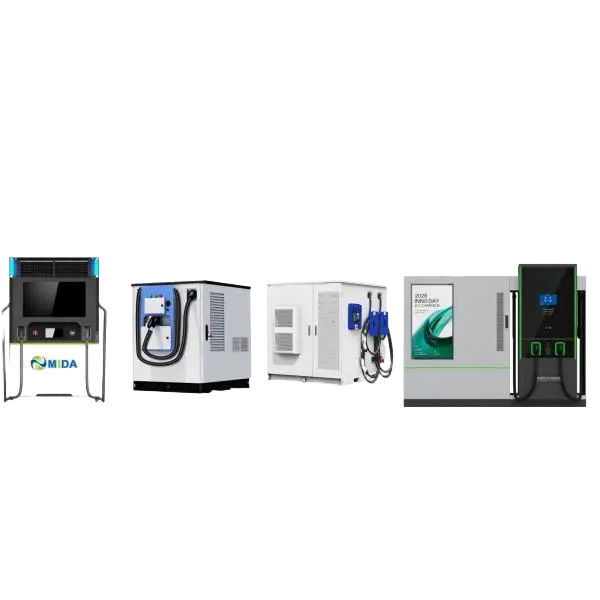
MIDA Group addresses these dynamic localized requirements with specialized engineering adjustments. Our high-power split DC charging hubs and integrated liquid-cooled charging systems are built to thrive in hot, dusty climates. They are equipped with advanced intelligent cooling algorithms, IP55/IP65 ingress protection ratings, and fully compliant OCPP 1.6J/2.0.1 integrations, ensuring seamless operations for Israeli Charge Point Operators (CPOs) and fleet administrators.
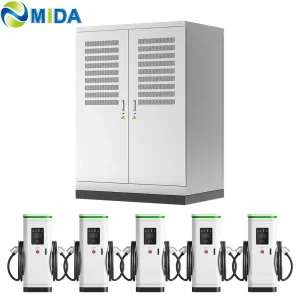
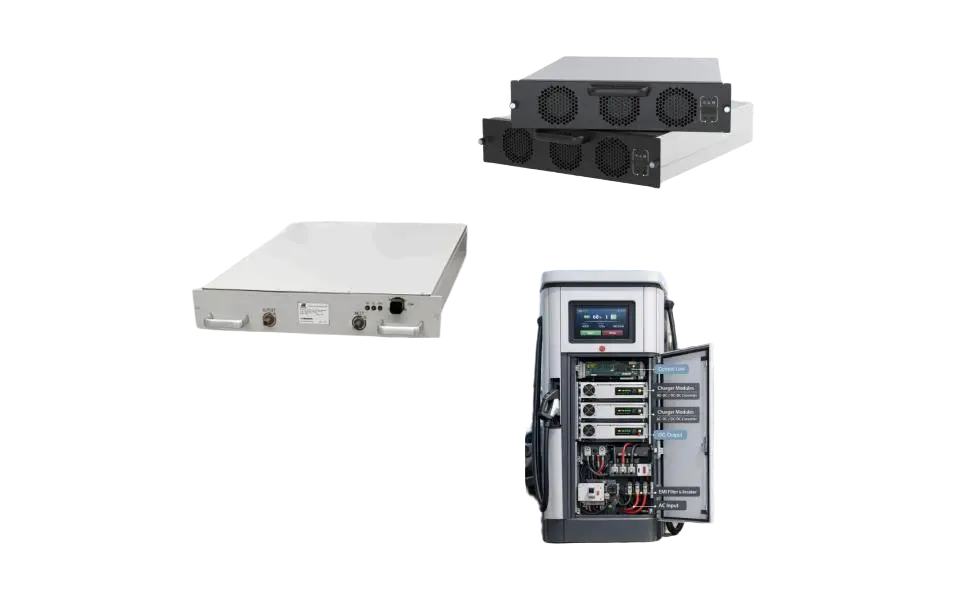
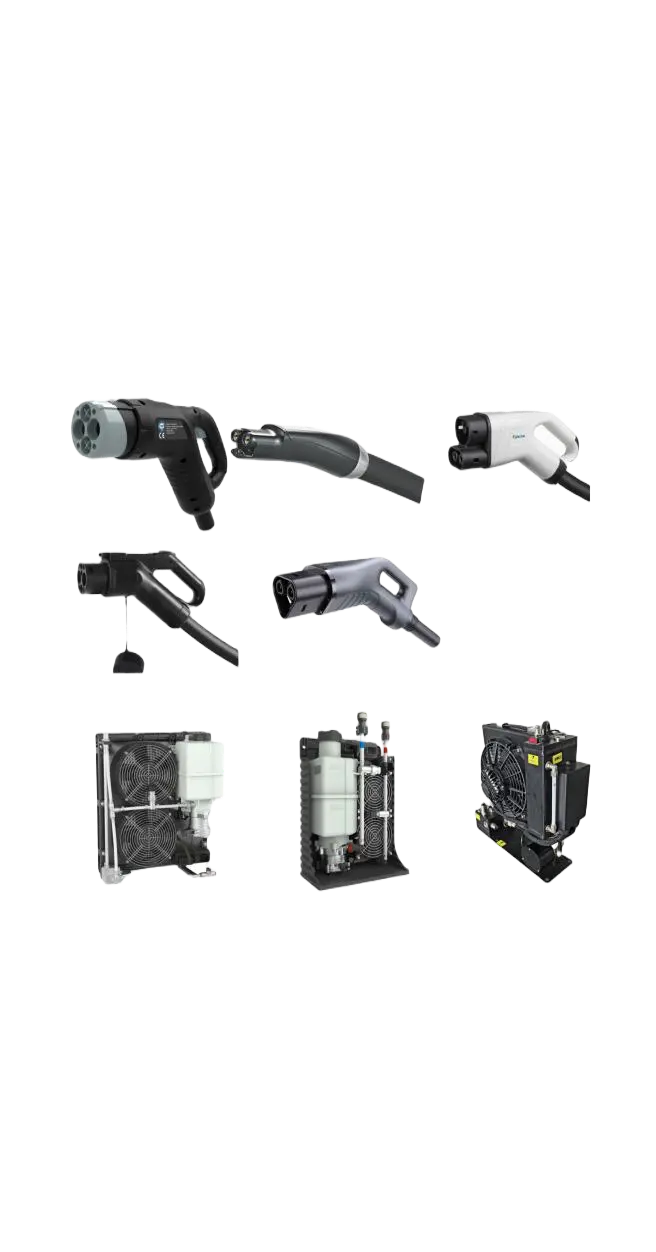
As high-power charging demands grow, single-cabinet systems must evolve into decentralized, scalable, and grid-responsive architectures. MIDA is leading this transition by incorporating advanced sub-systems:
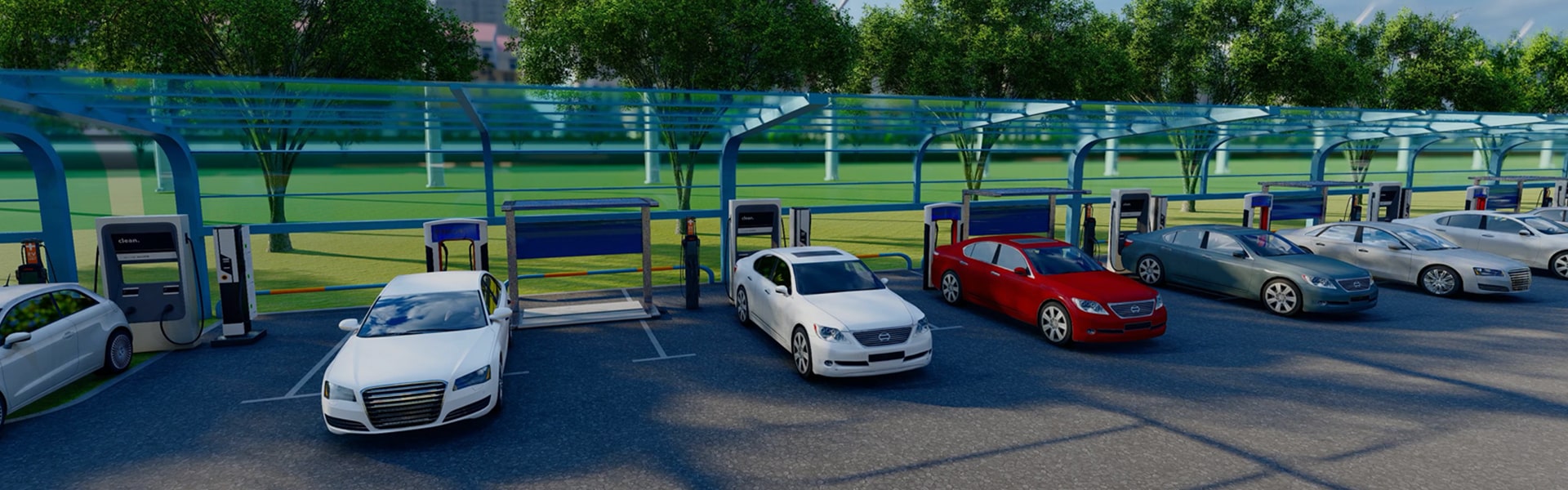
Discover our comprehensive range of high-efficiency charging systems built to meet municipal, highway, depot, and industrial requirements.
Shanghai Mida Cable Group Ltd. operates through its wholly owned subsidiaries: Shanghai Mida EV Power Co., Ltd., Shenzhen Mida EV Power Co., Ltd., and Shanghai Mida New Energy Co., Ltd.
Mida Cable manufactures a comprehensive range of EV charging cables, including 16A–80A J1772 cables, 16A–63A IEC 62196-2 Type 2 cables, and DC fast charging cables: CCS1 (80A–500A), CCS2 (125A–1000A), CHAdeMO (125A–300A), GBT (200A–1000A), and NACS connectors (250A–600A).
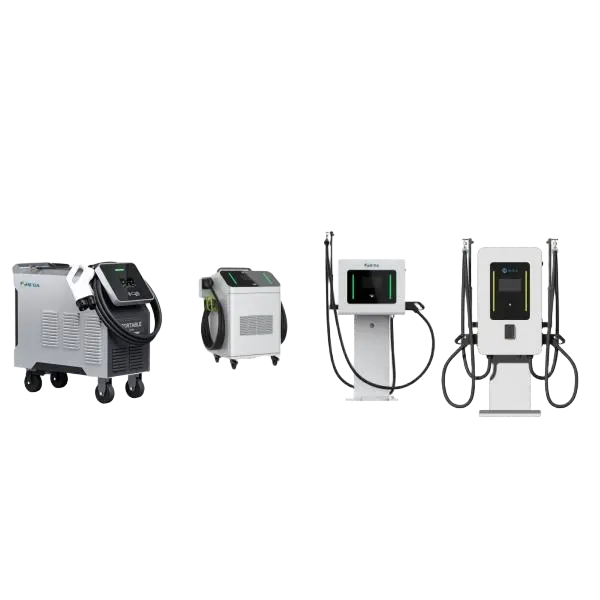
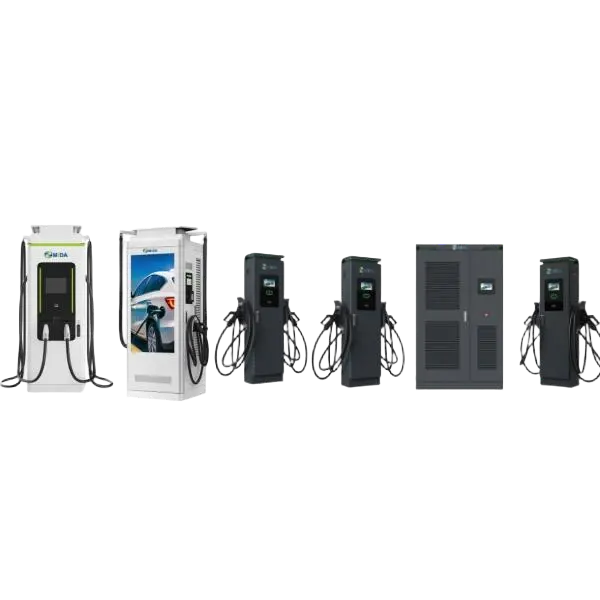
MIDA EV Power produces a full lineup of EV charging stations, such as 7kW–50kW mobile chargers, 3.6kW–7.2kW portable DC chargers, 360kW–1440kW split-type DC fast chargers, 20kW–50kW wall-mounted DC chargers, and 60kW–480kW floor-standing DC fast charging stations.
MIDA New Energy specializes in EV charger power modules, offering 20kW–60kW standard modules, 40kW–125kW liquid-cooled modules, 30kW–62.5kW bidirectional modules, and 20kW–45kW V2G charging modules.

Why MIDA's manufacturing infrastructure delivers cost-efficient, resilient, and high-performance products worldwide.
MIDA's production ecosystem operates under rigorous Industry 4.0 standards, integrating automated PCB assembly, SMT lines, automated optical inspection (AOI), and multi-stage testing processes. Our factory features state-of-the-art environmental chambers to conduct accelerated life testing and thermal profile simulations. This ensures our charging stations can withstand intense Levant heat, dust storms, and extreme coastal humidity.
By producing cables, connectors, power modules, and enclosures in-house, MIDA controls the entire supply chain. This vertical integration allows us to customize hardware configurations, offer shorter lead times, and remain cost-competitive. Rather than simply assembling components, our engineering teams design the underlying electrical topologies, thermal paths, and software protocols. This delivers unmatched reliability, easy field maintenance, and long service life for local operators.
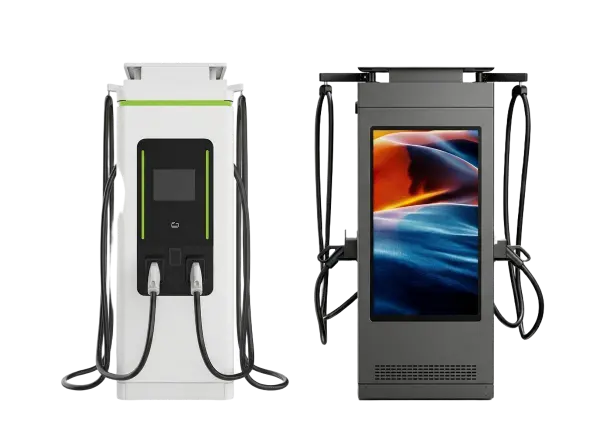
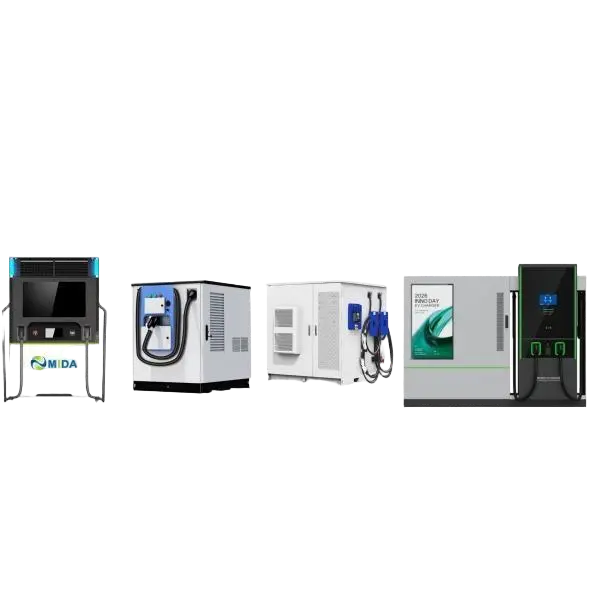
Explore our field-tested DC charging systems, ranging from space-saving 40kW wallboxes to liquid-cooled ultra-fast setups, designed for extreme durability and efficiency.
Meeting requirements from the Israel Electric Corporation (IEC), the Ministry of Energy, and local safety inspectors.
Operating charging systems in Israel requires compliance with localized standards based on European regulations but featuring specific national differences. All DC chargers imported and installed must strictly follow IEC 61851-1 and IEC 61851-23/24 standards for electrical safety and communications. In addition, certifications must comply with Israel's Electricity Law, which mandates particular grounding topologies (typically TT or TN-S systems) and strict isolation monitoring protocols.
Because Israel relies on a highly concentrated grid infrastructure, local distribution operators require active power control. MIDA's DC chargers feature built-in smart meter integrations and dynamic power factor correction (PFC > 0.99 at full load). This helps prevent network degradation and voltage drops during simultaneous fast charging sessions. Our software supports custom localization modifications, allowing seamless integration with regional CPOs using billing and reservation platforms localized for the Hebrew character set.
Stay updated with the latest technological developments and installation guidelines from MIDA's global projects.
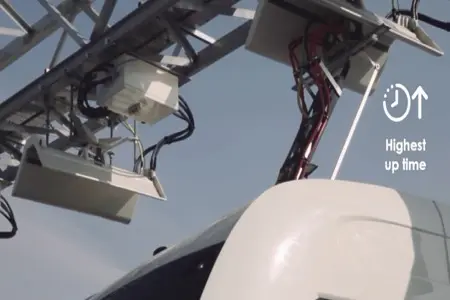
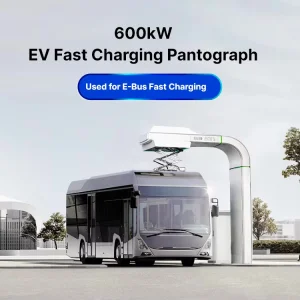
What are the advantages of an e-bus pantograph dome? In contrast to classic plug-in charging systems, e-bus pantograph charging offers automated high-power utility connections for municipal routes...
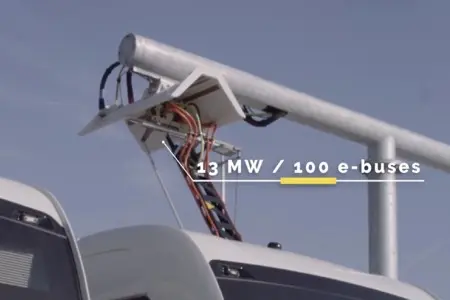
How long does it take to charge with an e-bus pantograph? The charging time depends heavily on battery capacity and the grid interface. Discover the power output analysis here...
How to Install the Pantograph Up Charger System Dome for Electric Bus: Installing an automated charging system dome requires civil construction, heavy-current integration, and safety zone calibrations...
Technical, compliance, and logistical questions answered by our engineering and procurement team.