Engineered for high efficiency, reliability, and robust performance in tropical island environments.
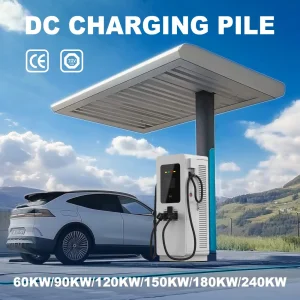
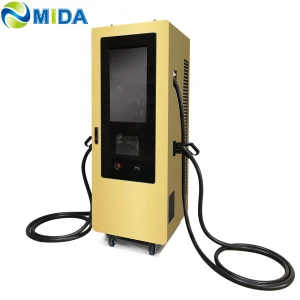
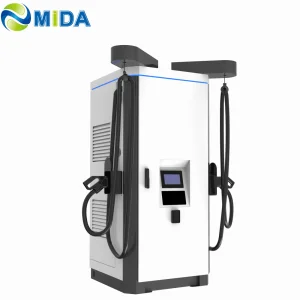
Comprehensive analysis of sustainable transport frameworks, energy integration, and heavy-duty charging infrastructure.
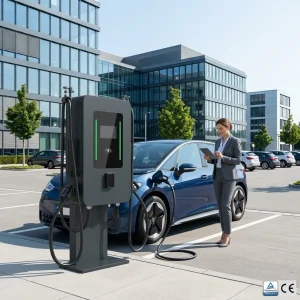
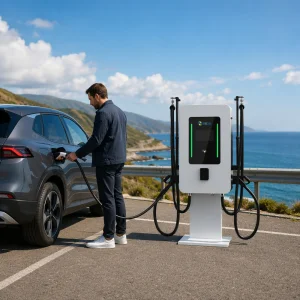
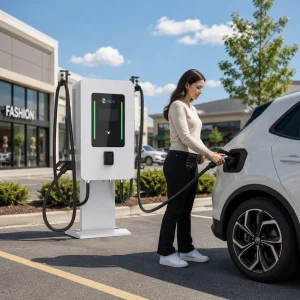
The Kingdom of Tonga is actively transitioning toward a low-carbon economy, aligning with its Nationally Determined Contributions (NDCs) under the Paris Agreement. As an island nation heavily reliant on imported fossil fuels, Tonga’s commercial and industrial sectors face rising operational costs tied to conventional diesel generation. The introduction of commercial electric fleets—ranging from urban delivery vans to municipal electric buses in Nuku'alofa—demands an advanced rollout of high-capacity DC charger stations. Integrating robust EV charging infrastructure into Tonga's commercial ecosystem not only curbs greenhouse gas emissions but also stabilizes local grid demands through smart load management systems.
Looking ahead toward 2030 and beyond, the technological trajectory for DC fast charging in Oceania focuses on ultra-high-power delivery, bidirectional vehicle-to-grid (V2G) integration, and solar-diesel-battery hybrid microgrids. As photovoltaic (PV) penetration scales across the archipelago, DC charger stations equipped with modular power architecture and dynamic power allocation will allow fleet operators to capture peak solar generation cleanly. Furthermore, the adoption of liquid-cooled supercharging architectures and ISO 15118 standards ensures seamless Plug & Charge capabilities, elevating user experience while protecting battery health under high-ambient tropical conditions.
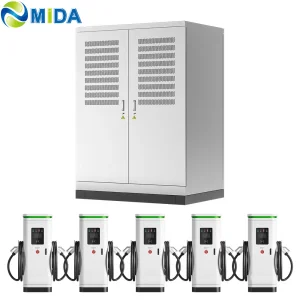
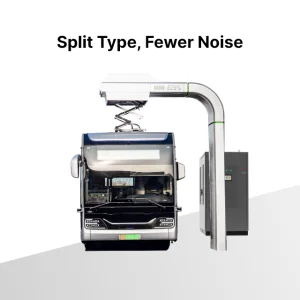
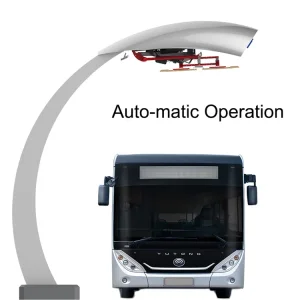
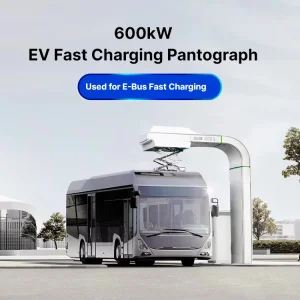
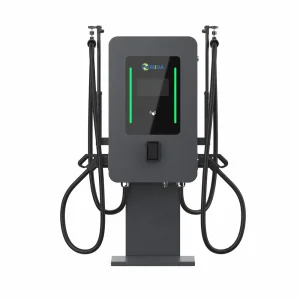
Addressing the unique topological and climatic hurdles of Pacific island nations requires comprehensive macro-level infrastructure solutions. Our engineering paradigms merge modular floor-standing DC charging stations, high-power pantograph bus chargers, and Battery Energy Storage Systems (BESS). These turnkey solutions mitigate grid fluctuations on isolated networks, providing buffering capacity during peak demand surges. By deploying scalable charging hubs outfitted with advanced remote diagnostics and automated fault isolation, industrial operators in Tonga can achieve maximum uptime and lower total cost of ownership (TCO).
Operating critical energy infrastructure in marine tropical climates demands uncompromising manufacturing standards. Our DC charger stations feature marine-grade anti-corrosion enclosures (minimum IP54/IP55 ratings), conformal-coated PCBs, and intelligent thermal management systems to withstand high humidity and saline air. We ensure full compliance with international electrical codes and regional safety benchmarks (such as CE, TUV, and ETL compliance frameworks), backed by dedicated remote firmware updates, localized spare parts inventory planning, and specialized technical training for regional engineering teams in Tonga.
As a premier manufacturer and factory headquartered in China's advanced manufacturing hubs, we harness Industry 4.0 paradigms—including automated SMT assembly lines, robotic welding cells, and rigorous AI-driven burn-in testing. This sophisticated manufacturing ecosystem guarantees supreme supply chain resilience, rapid production scaling, and strict quality control. Global procurement directors benefit from highly competitive pricing, deep engineering customization capabilities, and streamlined logistics channels optimized for international maritime shipping to Pacific destinations like Tonga.
Expert insights regarding procurement, technical specifications, and deployment of DC charger stations.
For standard commercial van and passenger electric vehicle fleets, 60kW to 120kW wall-mounted or floor-standing DC fast chargers offer an ideal balance between charging speed and grid load management. For heavy-duty public transit or high-frequency logistics hubs, split-type DC charging stations ranging from 360kW to 600kW with multi-dispenser configurations are strongly recommended.
Our equipment features heavy-duty galvanized steel cabinets treated with marine-grade powder coating, stainless steel fasteners, sealed internal electronic compartments, and optional tropicalized circuit board coatings. These design measures prevent premature corrosion and ensure long-term operational durability in island climates.
Yes. Our charging stations support standard communication protocols (such as OCPP 1.6J and OCPP 2.0.1) and can be seamlessly incorporated into microgrid setups alongside solar arrays and Battery Energy Storage Systems (BESS), maximizing renewable energy utilization and minimizing grid dependency.
Standard production lead times range from 3 to 5 weeks depending on configuration complexity and customization requirements. We coordinate closely with professional international freight forwarders to ensure secure containerized maritime transport and smooth export documentation delivery.
Partner with a trusted global manufacturer for high-performance DC fast charging stations and tailored energy solutions.
Send Inquiry NowExplore our comprehensive range of high-power charging stations, bus pantograph systems, and ultra-fast liquid-cooled solutions.