Direct from our state-of-the-art manufacturing hubs. Fully optimized for the infrastructure requirements of Algiers, Oran, Constantine, and southern desert industrial zones.
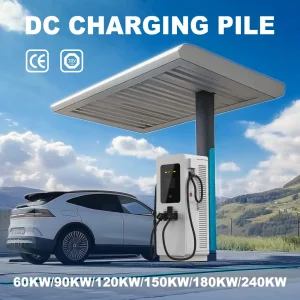
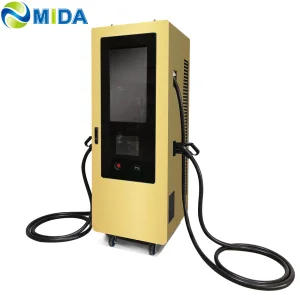
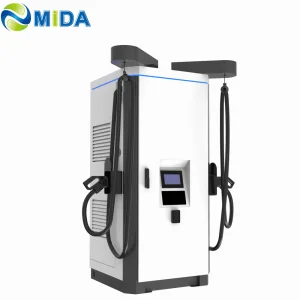
Algeria, as Africa's largest nation by area, stands at a historic crossroads in its energy infrastructure evolution. While historically anchored by its robust hydrocarbons sector, the Algerian government, spearheaded by the Ministry of Energy and Mines alongside the national utility Sonelgaz, is aggressively pivoting toward renewable energy integration. With an exceptional average solar irradiance exceeding 2,500 kWh/m² annually across the Saharan platform, the potential for solar energy is practically limitless.
However, scaling high-power EV charging networks across this vast territory poses profound technical bottlenecks. The primary challenge is the structural vulnerability of local distribution grids, particularly when subjected to the transient, high-current load demands of ultra-fast DC chargers. Sudden demands of 240kW to 600kW from electric buses or logistics trucks can induce severe voltage dips, harmonic distortion, and localized blackouts.
This is where Battery Energy Storage Systems (BESS) become indispensable. By buffering the local grid, BESS units store energy during off-peak windows or directly from localized solar PV arrays, discharging dynamically during peak EV charging sessions. This "peak-shaving" capability limits peak demand penalties, minimizes grid upgrade costs, and guarantees 100% operational uptime—even in remote desert corridors where the conventional grid is weak or non-existent.
Operating BESS-coupled charging networks in Algeria requires direct mitigation of extreme environmental elements. Average ambient temperatures in Southern industrial provinces like Hassi Messaoud routinely surpass 48°C. Without advanced thermal management, conventional lithium batteries degrade exponentially, and charging modules suffer thermal derating.
Our BESS solutions utilize industrial liquid cooling systems (as opposed to standard forced-air systems), maintaining optimal battery cell operating temperatures between 20°C and 30°C. Coupled with IP55 and IP65 dust and sand filtration ratings, these systems deliver reliable performance in the world's most demanding environments.
Power Module Efficiency
Ingress Protection Rating
Operating Temp Range
Modular Storage Capacity
Understanding user intent and application-specific engineering is vital for maximizing ROI in BESS and high-power DC infrastructure projects.
For remote oil fields in Ouargla and Illizi, logistics fleets must transition to electric. Because utility grids are distant or dedicated to extraction machinery, off-grid BESS stations combined with solar PV act as primary power hubs. These self-sustaining stations power EV utility vehicles and supply backup power to onsite facilities.
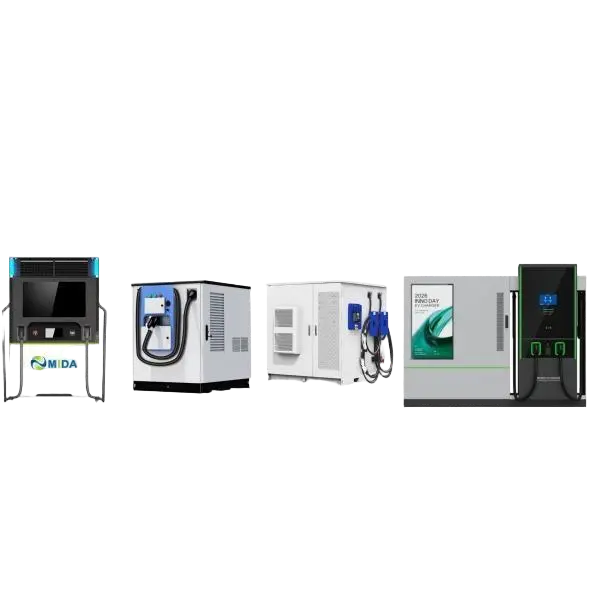
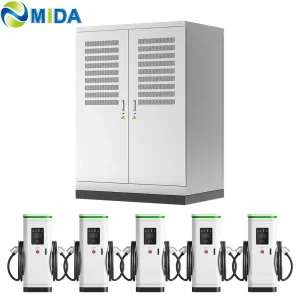
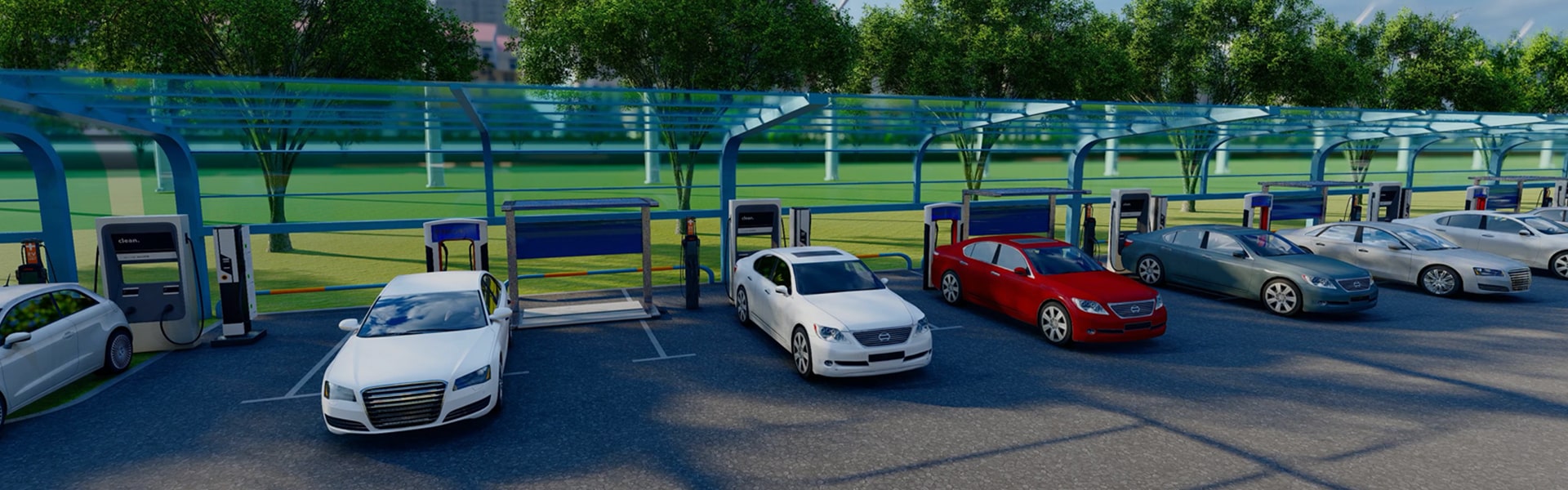
Algeria's critical East-West Highway infrastructure requires heavy-duty EV charging points. By integrating 360kW-1440kW split-type DC charging hubs with modular BESS containment, operators can deploy charging plazas at service areas without overloading local medium-voltage transmission lines.
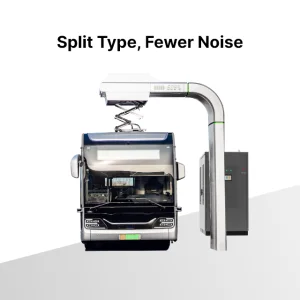
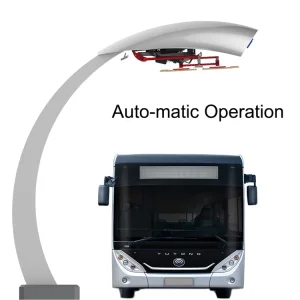
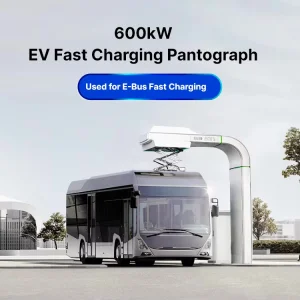
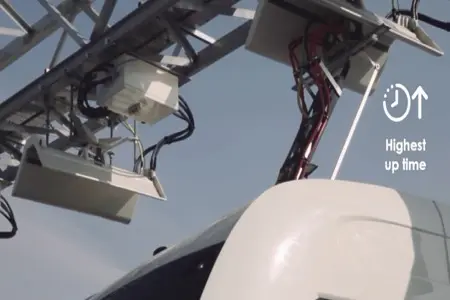
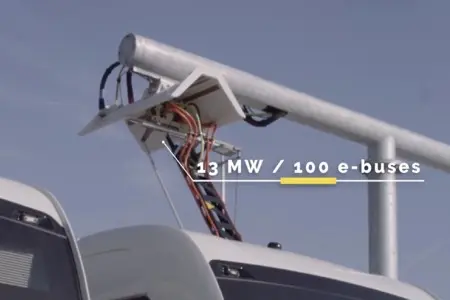
To combat urban pollution, municipal transport authorities are integrating electric buses. Our high-power pantograph charging stations (300kW-600kW) with buffer BESS units allow rapid charging during shift changes, keeping municipal bus fleets running without placing sudden, massive loads on the urban grid.
Comprehensive product divisions catering to all segments of EV charging and energy storage systems.
60kWh | 261kWh | 418kWh | 625kWh | 2MWh+ Containerized Energy Storage
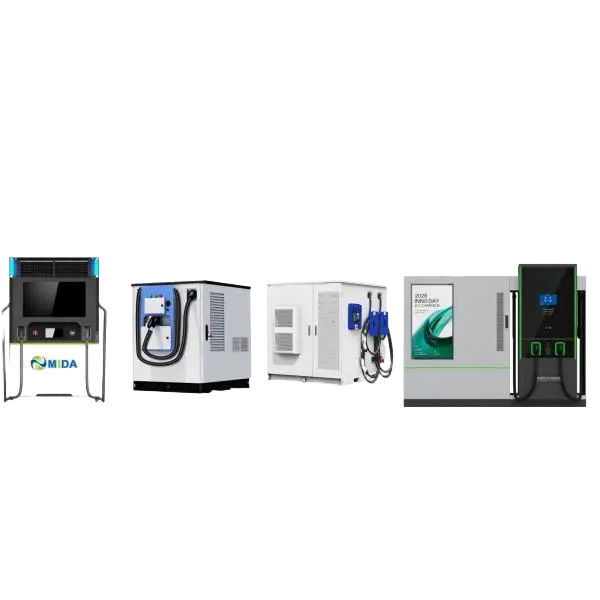
Our Battery Energy Storage Systems (BESS) combine Tier-1 LiFePO4 chemistry with smart Liquid Thermal Management. This structure allows seamless integration with heavy-duty DC charging hubs, providing high-efficiency off-grid power solutions and resilient backup power for commercial, industrial, and utility infrastructure in Algeria.
By sourcing from MIDA Group’s vertically integrated factories in China, Algerian developers gain access to cutting-edge EV technology at an optimized levelized cost of storage (LCOS). Our manufacturing lines feature fully automated PCB assembly (SMT), high-precision robotics, and automated climate chambers for stress-testing components under extreme conditions.
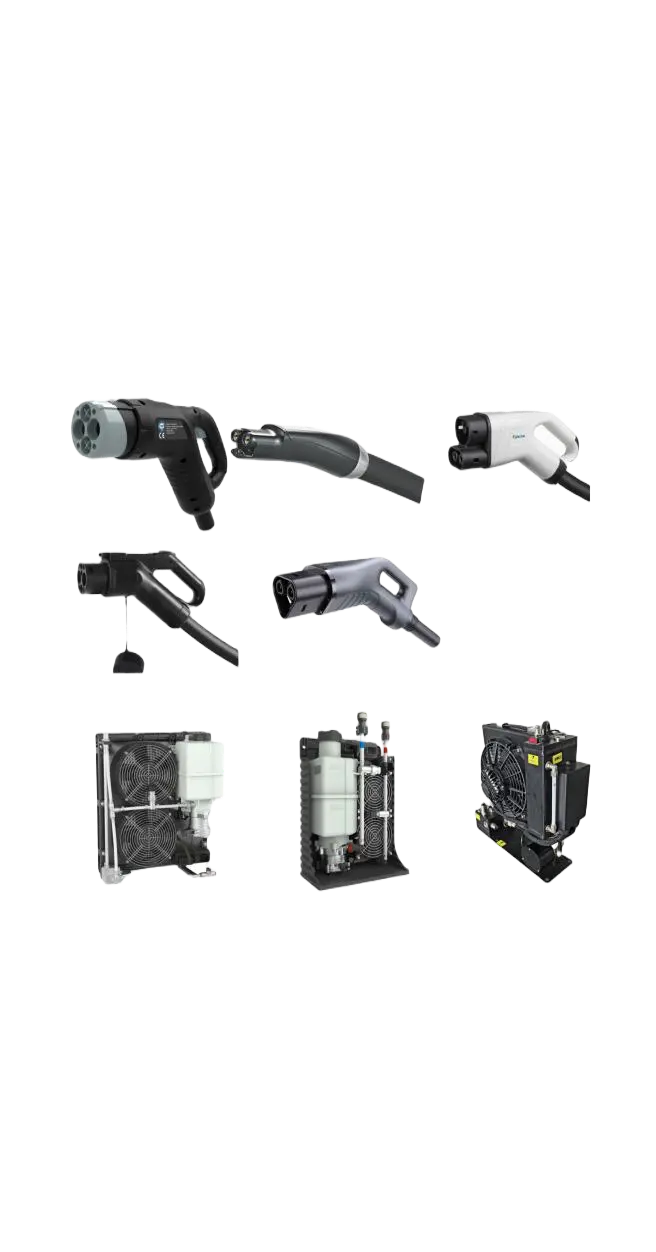
Unlike basic assembly factories, we manufacture the key subcomponents ourselves, including power modules, liquid-cooling manifolds, control boards, and standard plugs. This full integration ensures strict quality control, speeds up custom fabrication times, and ensures seamless software and hardware compatibility.
MIDA Group does not just ship equipment; we empower Algerian EPC contractors and project developers through active technology sharing. From optimizing electrical designs to conducting grid impact analysis, our engineers provide complete technical support during the planning phases. Every station includes smart energy management software with OCPP 1.6J/2.0.1 compatibility, enabling remote diagnostic sweeps from our central control hubs.
This localized partnership is essential for ensuring long-term returns on infrastructure investments in Algeria, where local technical support and replacement parts have historically been challenging to source. By using modular designs, local operators can easily swap power modules or cooling pumps without shutting down the entire station, maximizing uptime and reducing operational overhead.
Shanghai Mida Cable Group Ltd. operates through its wholly owned subsidiaries: Shanghai Mida EV Power Co., Ltd., Shenzhen Mida EV Power Co., Ltd., and Shanghai Mida New Energy Co., Ltd.
Mida Cable manufactures a comprehensive range of EV charging cables, including 16A–80A J1772 cables, 16A–63A IEC 62196-2 Type 2 cables, and DC fast charging cables: CCS1 (80A–500A), CCS2 (125A–1000A), CHAdeMO (125A–300A), GBT (200A–1000A), and NACS connectors (250A–600A).
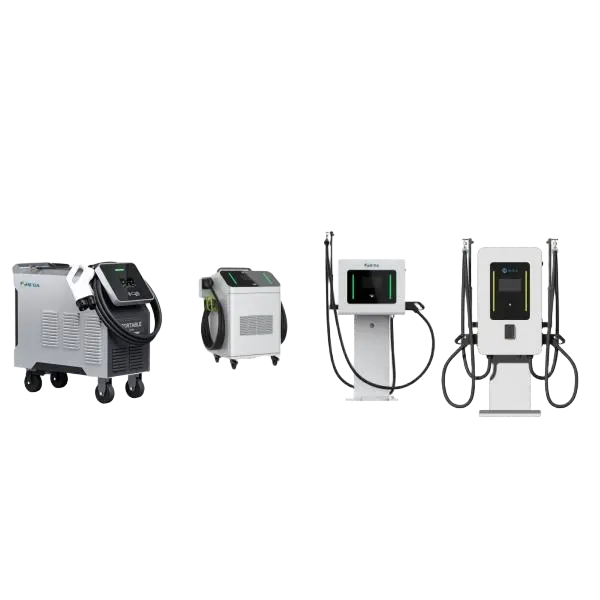
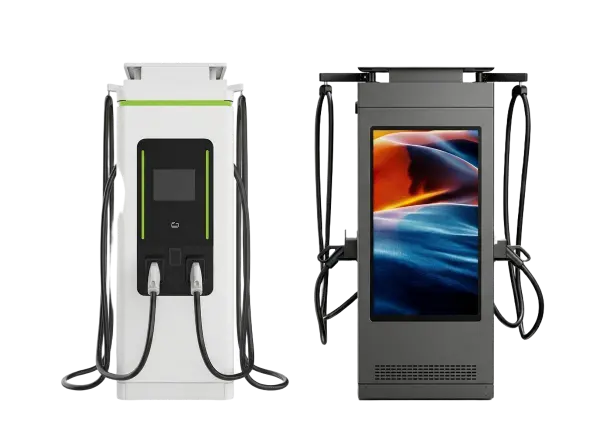
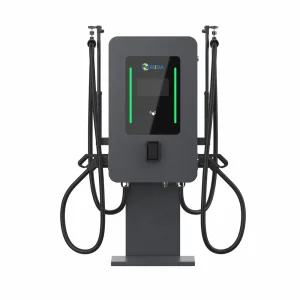
MIDA EV Power produces a full lineup of EV charging stations, such as 7kW–50kW mobile chargers, 3.6kW–7.2kW portable DC chargers, 360kW–1440kW split-type DC fast chargers, 20kW–50kW wall-mounted DC chargers, and 60kW–480kW floor-standing DC fast charging stations.
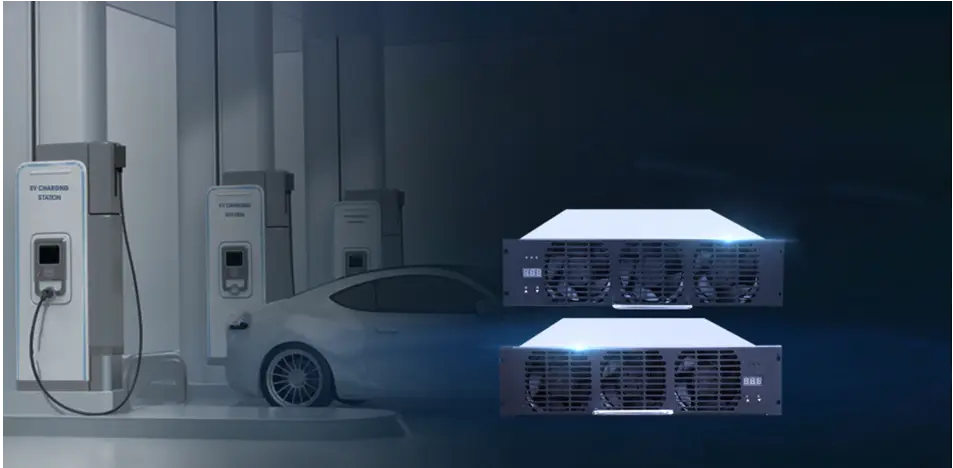
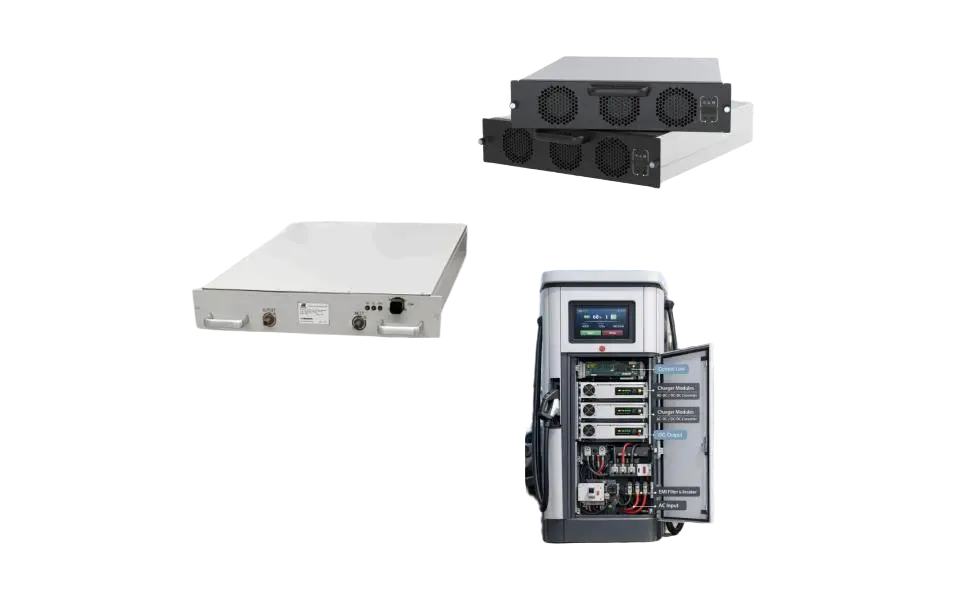
MIDA New Energy specializes in EV charger power modules, offering 20kW–60kW standard modules, 40kW–125kW liquid-cooled modules, 30kW–62.5kW bidirectional modules, and 20kW–45kW V2G charging modules.

Industrial components designed for maximum performance, grid compatibility, and long-term durability in high-demand environments.
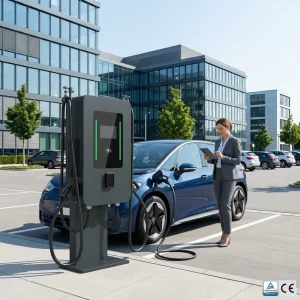
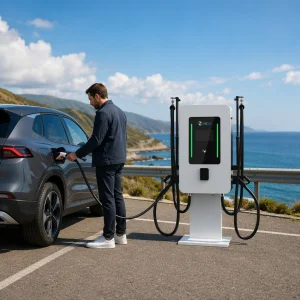
Engineered for urban transit hubs, highway Rest Areas, and industrial depot installations across Algeria.
Read about recent developments in high-capacity bus transit and heavy infrastructure charging systems.
Expert answers regarding our BESS technology and charging stations deployment in Algeria.
Partner with MIDA Group for state-of-the-art BESS storage systems and high-power DC fast charging stations designed to perform in extreme Saharan climates.
Send Inquiry Now