BESS Charging Station Manufacturer & Factory in Vietnam

Empowering Vietnam's Green Transition with Tier-1 Grid-Tied Battery Energy Storage & High-Power Intelligent DC Fast Charging Infrastructure.

Send Inquiry Now Technical Specs

Our Primary Product Matrices

Engineered for high-duty cycle industrial applications, microgrids, and commercial electric fleet deployments across Southeast Asia.
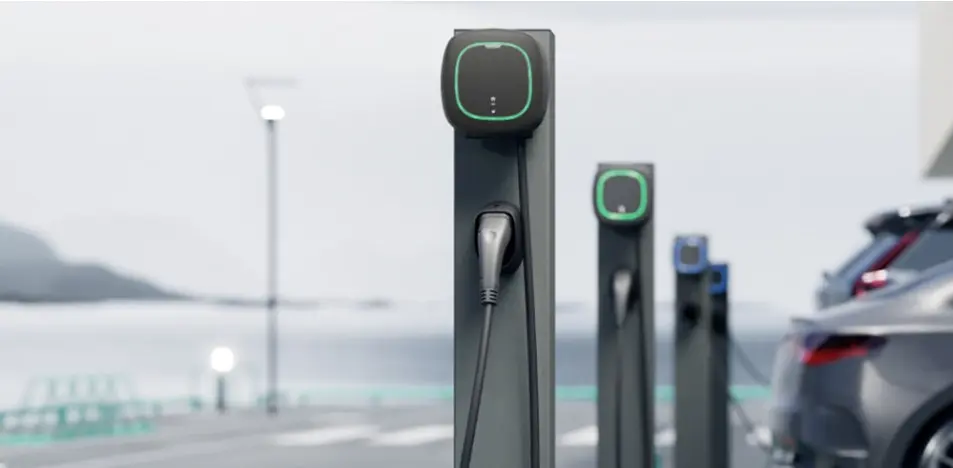
AC EV Charger

AC EV Charger

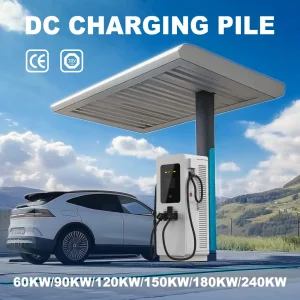
Intelligent destination charging solutions optimized for retail environments and commercial parking lots.
View More
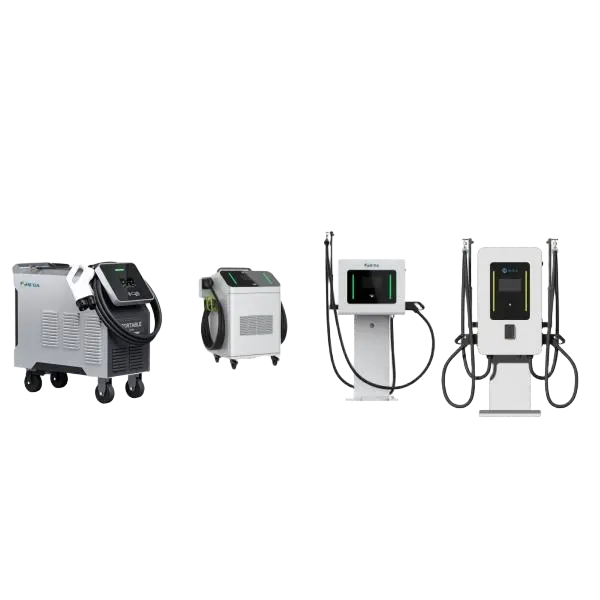
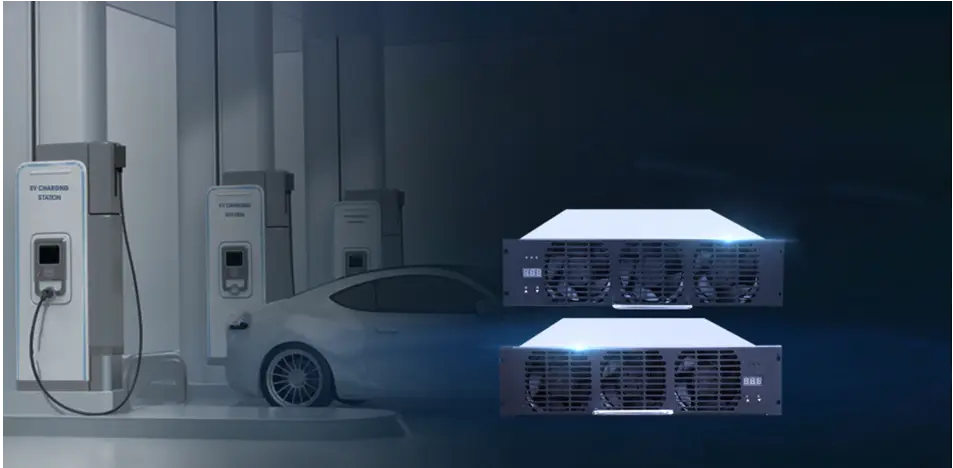
Wall-Mounted/Mobile EV Charger

Wall-Mounted & Mobile EV Charger

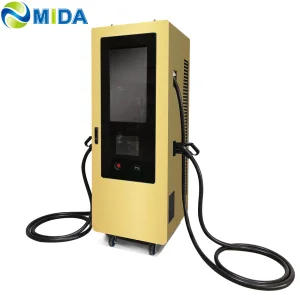
High-efficiency, space-saving charging systems spanning 7kW to 80kW configurations.
View More
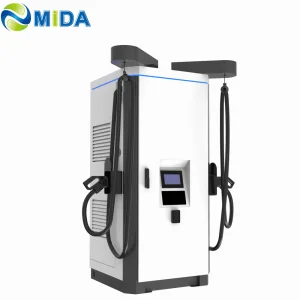
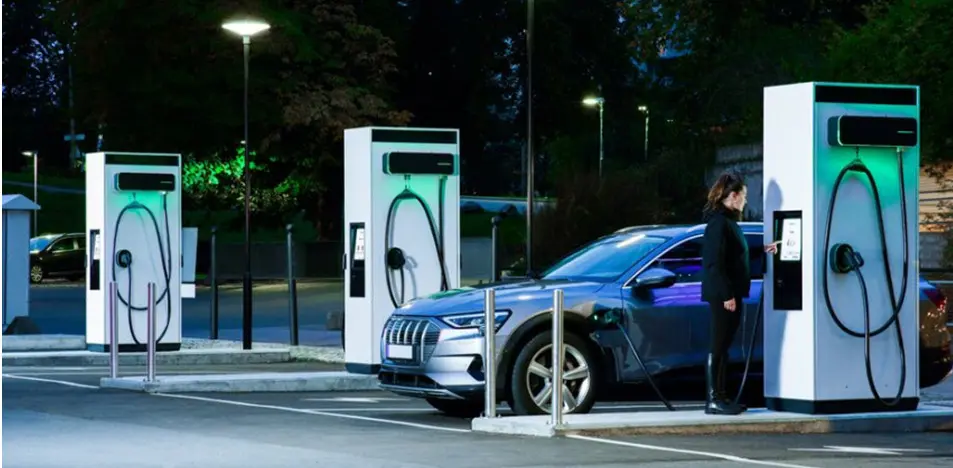
DC Charger Station

DC Charger Station

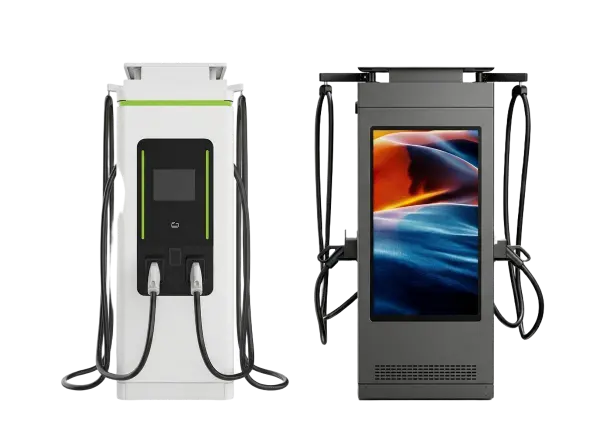
Ultra-fast DC dispensing setups operating from 60kW to 1440kW split-type configurations.
View More
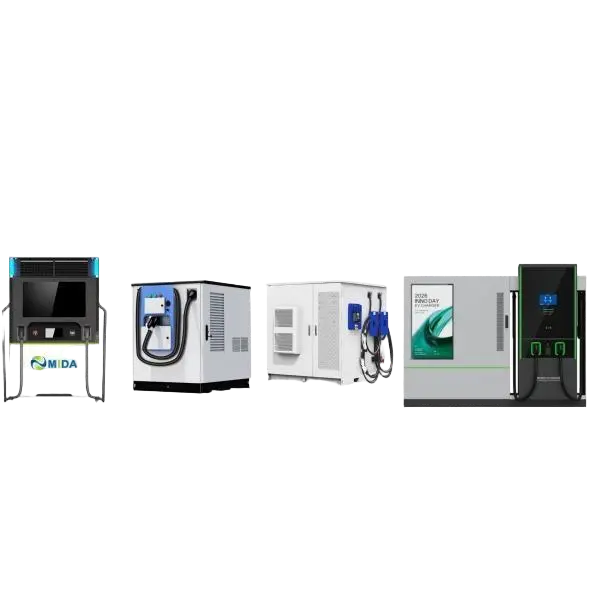
BESS Charging Station

BESS Charging Station

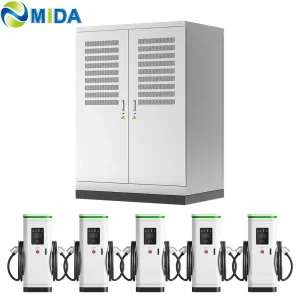
Grid-buffered battery storage energy systems from 60kWh to 2MWh scales, integrating peak shaving utility.

View More

Vietnam's E-mobility Boom & Grid Integration Challenges

Vietnam is witnessing a tectonic shift towards sustainable logistics, manufacturing, and passenger transportation. Driven by Net-Zero 2050 national policy directives and VinFast’s domestic deployment, industrial parks in Binh Duong, Bac Ninh, Hai Phong, and Dong Nai are rapidly deploying heavy electric fleets. However, high-power DC fast-charging terminals place tremendous peak-load stress on existing EVN (Electricity Vietnam) distribution networks.

MIDA Group’s Battery Energy Storage System (BESS) EV Charging Infrastructure bridges this critical gap. By storing off-peak energy and discharging during peak loading periods, our storage integrated stations prevent localized grid voltage sags, eliminate high grid-connection utility penalties, and deliver continuous high-power Level 3 DC charging even in regions with constrained electrical feeders.

Download Whitepaper

20+

Years Power Experience

1200kW

Max Output Power

50+

Exporting Countries

2MWh+

BESS Scalability

Welcome to MIDA Group

Shanghai Mida Cable Group Ltd. serves global markets through three vertically integrated engineering subsidiaries: Shanghai Mida EV Power Co., Ltd., Shenzhen Mida EV Power Co., Ltd., and Shanghai Mida New Energy Co., Ltd. This unified organizational structure ensures complete in-house control over the entire EV charging and energy storage value chain.

From precision copper and liquid-cooled alloy cable manufacturing to sophisticated bidirectional power conversion systems (PCS) and energy management software (EMS), MIDA delivers turn-key BESS-backed charging networks compliant with strict international and domestic grid-code frameworks.

Request Factory Tour

MIDA Factory and Laboratory Showcase

Technical Infrastructure & Modular Systems

Explore our deep integration of power electronics, liquid-cooled cabling systems, and battery storage modules designed for industrial operations.

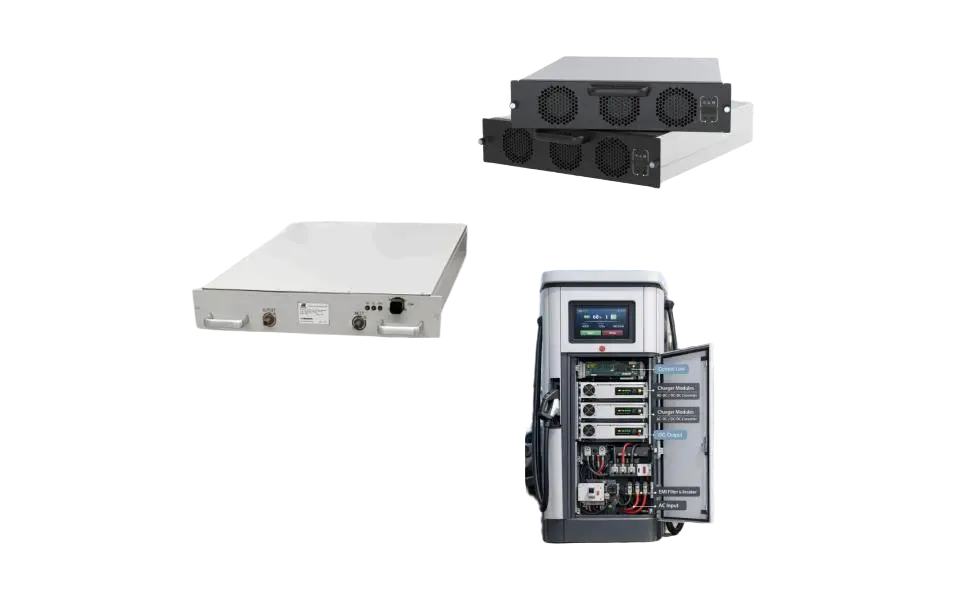
EV Charging Power Modules

  • 30kW / 40kW / 50kW / 60kW / 80kW AC-DC charging modules
  • 30kW / 40kW / 50kW / 60kW DC-DC converters for BESS integration
  • 40kW / 60kW / 75kW / 125kW Liquid-Cooled power modules
  • 20kW / 22kW / 30kW / 40kW / 45kW Bidirectional V2G modules
  • 30kW to 60kW MPPT Solar Charger Modules
  • 20kW / 50kW / 62.5kW Bidirectional AC-DC PCS units

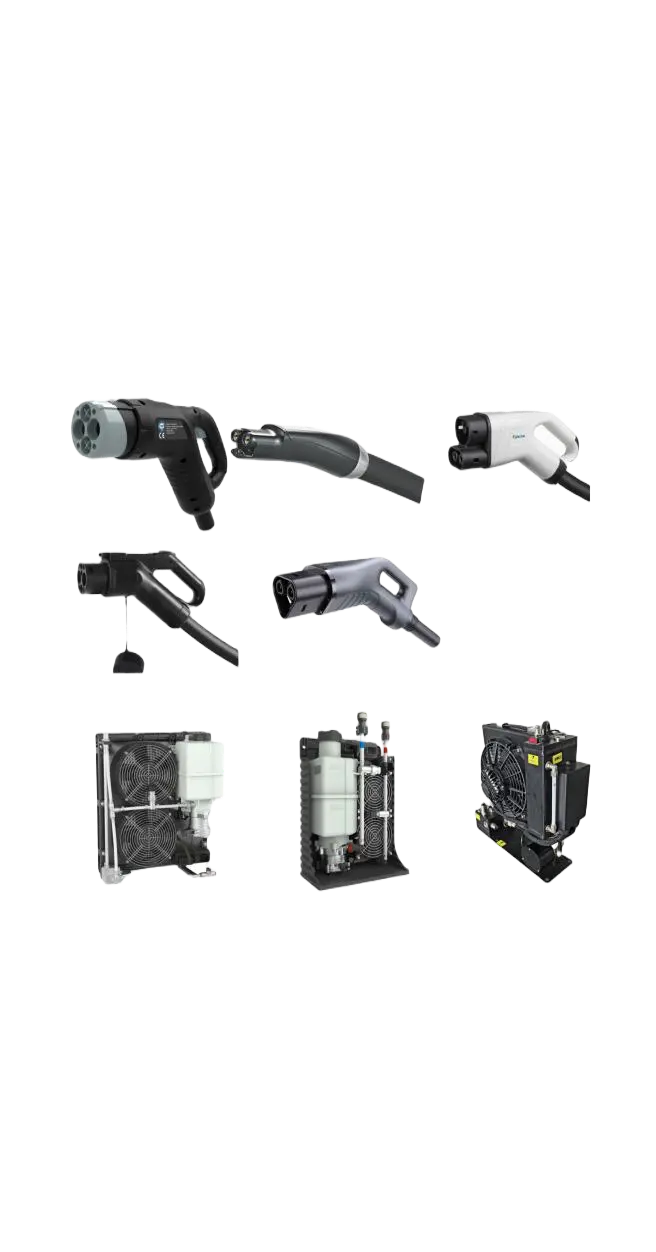
DC Connectors & Cooling Units

  • 500A / 600A CCS1 & CCS2 & GBT continuous liquid-cooled plugs
  • 125A / 250A / 300A / 350A NACS & CHAdeMO connectors
  • 1500A MCS Megawatt Connectors for high-capacity heavy fleets
  • 3.5kW / 4.5kW / 6kW / 9kW Integrated liquid cooling assemblies
  • 2.4kW / 3.5kW Split type cooling configurations
  • 25kW to 72kW Industrial chillers for HPC Dispenser stacks

Energy Storage Charging Piles

  • 15kW to 480kW Portable mobile emergency ESS chargers
  • 60kW to 400kW Integrated battery-buffered EV fast charging stations
  • 65kWh to 200kWh Skid-mounted backup rescue charging rigs
  • 165kWh Autonomous robot charging vehicles
  • 800kWh to 2000kWh MW-scale solar-to-battery charging systems
  • High cycle LFP chemistry with integrated HVAC and aerosol fire safety
EV Charging Power Module

EV Charging Power Modules

Technical Spec Sheet
DC Connector & Cooling Unit

Cabling & Cooling Blocks

Technical Spec Sheet
DC Fast Charger Station

DC Fast Chargers

Technical Spec Sheet
Energy Storage Charging Station

BESS Storage Stations

Technical Spec Sheet

BESS Integrated Charging Infrastructure: System Architecture

Deploying supercharging facilities in areas with constrained distribution transformer capacities demands a buffer layer. Integrating stationary lithium-iron-phosphate (LFP) chemistry storage banks directly into the DC bus structure of the charger allows system operators to realize multi-faceted optimizations:

1. Grid Congestion Relief

Buffer batteries store energy during typical off-peak low-tariff periods, discharging to supplement the grid when multiple EVs plug in simultaneously.

2. Capex Subsidization

Avoid upgrading sub-stations, line extensions, high-voltage equipment, and utility transformers. Run a 480kW charging dispenser stack on a standard 100kW grid drop.

3. PV Co-Generation

Direct solar integration via high-voltage DC-DC converters maximizes site efficiency, enabling true zero-emission industrial operations.

Consult an Infrastructure Engineer

Application Scenarios in Vietnam & Global Regions

How BESS-integrated supercharging systems solve grid challenges in real-world deployments.

Heavy-Duty Logistics Parks

In high-traffic zones like Binh Duong and Bac Ninh, industrial fleets require rapid replenishment. By deploying containerized BESS arrays (1MWh - 2MWh) alongside split cabinet 600kW-1000kW liquid-cooled dispensers, fleets charge in under 20 minutes without tripping local grid networks.

Highway Charging Plazas

National routes across Vietnam connect major ports to inland centers, where electrical infrastructure is often weak. Solar-BESS integrated hubs collect solar generation through PV canopies, ensuring 350kW level 3 capability is always available to transient motorists.

Urban E-Bus Depots

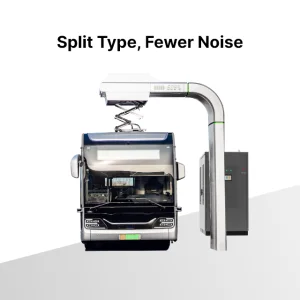
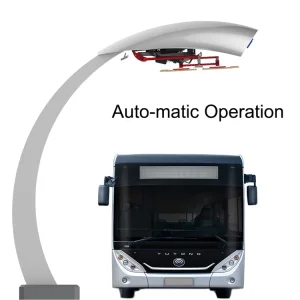
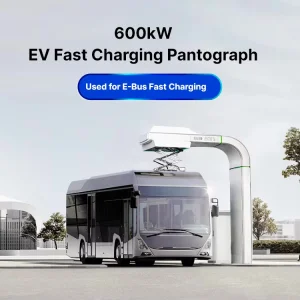
Municipal public transport depots in Hanoi and Ho Chi Minh City require simultaneous fleet charging overnight. Our 300kW-600kw high-power pantograph charging stations, coupled with peak-shaving BESS units, balance the depot's grid demand curve seamlessly.

Corporate News & Technical Insights

Stay up to date with MIDA's developments and implementation analyses for automated fleet operations.
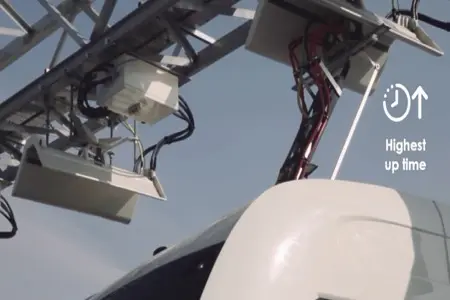
E-bus pantograph advantages

What are the advantages of an e-bus pantograph dome? In contrast to classic plug-in charging systems, e-bus pantograph setups enable automated fast charging...
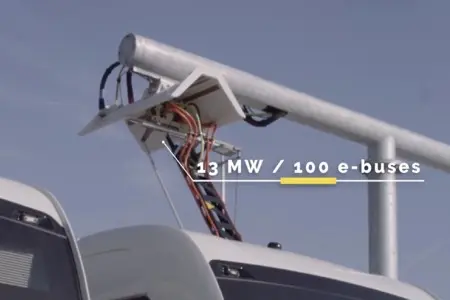
E-bus pantograph charge times

How long does it take to charge with an e-bus pantograph? The charging time depends on the battery capacity and the operating voltage, typically ranging from...

Install Pantograph Up Charger System

How to Install the Pantograph Up Charger System Dome for Electric Bus. Installing a "Pantograph Up" system requires rigorous civil work, structural engineering, and...
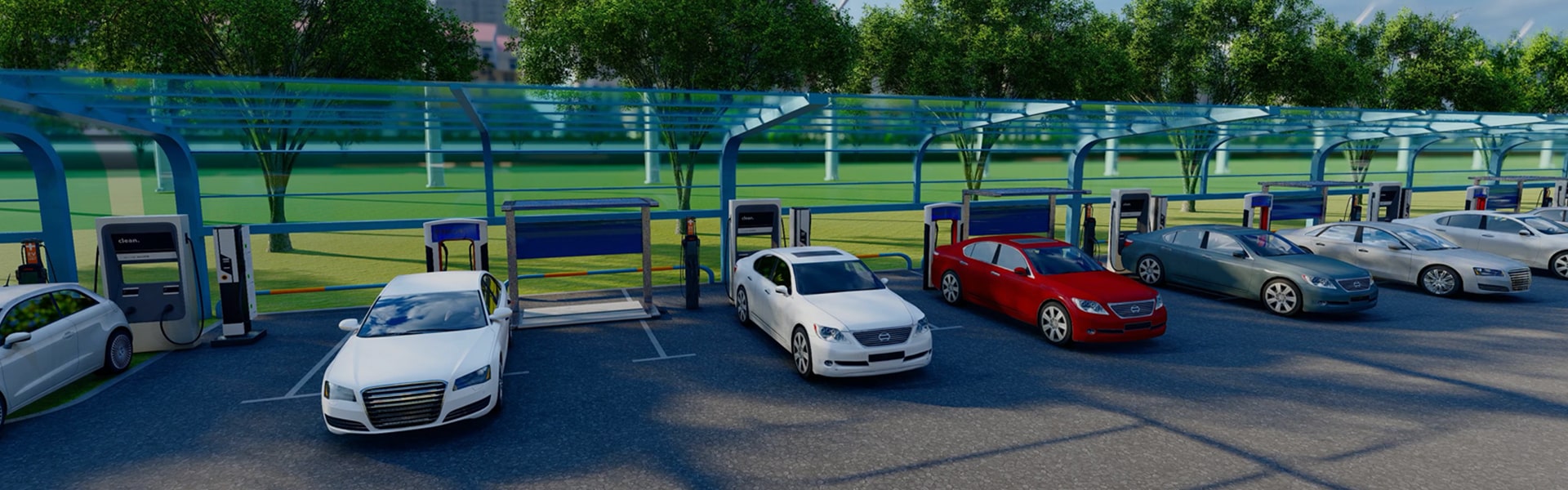
MIDA Advanced Production Line

Frequently Asked Questions

Detailed technical advice addressing the core performance, compliance, and integration of BESS EV Charging Stations in Vietnam.

1. What are the key benefits of placing a BESS next to an EV charging station in Vietnam? +
Vietnam's local grid infrastructure (EVN) often experiences load constraints in major industrial and commercial regions. Installing a Battery Energy Storage System (BESS) allows operators to accumulate off-peak power during lower electricity tariffs and release it during peak demand. This minimizes the risk of overloading local substation transformers and prevents expensive utility demand surcharges.
2. What standards and compliance protocols do MIDA charging products meet? +
MIDA charging stations and hardware are built in strict compliance with international standards, including TUV, CE, ETL, and RCM. We offer robust grid connectivity options compliant with the national standards of Vietnam and Southeast Asian regulatory requirements, including complete support for OCPP 1.6J and OCPP 2.0.1 protocols for remote management.
3. How does a liquid-cooled charging pile compare to a standard air-cooled system? +
Liquid-cooled systems (such as our 600kW to 1000kW systems) use specialized internal coolant lines that run to the charging connector. This allows the system to manage higher currents (up to 600A/1000A) without overheating. It drastically reduces cable thickness, making cables lighter and easier to handle, while offering far superior reliability under high ambient operating temperatures common in Vietnam.
4. What battery chemistries are used in MIDA BESS charging stations? +
We primarily utilize High-Cycle Lithium Iron Phosphate (LFP) chemistry for our stationary and containerized battery energy storage systems. LFP offers long cycle life (typically over 6000 cycles at 80% DOD), exceptional thermal stability, and enhanced safety profile compared to traditional ternary lithium batteries.
5. Can the system support automated heavy-fleet charging? +
Yes. For heavy-duty fleets and municipal bus transit depots, we offer high-voltage automated pantograph systems (ranging from 300kW to 600kW). These systems support automated connections with both "Pantograph Up" and "Pantograph Down" architectures, drastically reducing operational downtime.
6. How do I get a custom quote for a BESS charging station layout in Vietnam? +
You can reach out to our site planning and power systems engineering team directly by clicking on "Send Inquiry Now" or navigating to /contact/. We provide tailored configuration proposals including electrical analysis, load estimations, grid simulation, and ROI projections.

Ready to Deploy High-Power Charging Infrastructure?

Get in touch with MIDA Group’s engineering division today for customized BESS layouts, technical documentation, and pricing sheets.

Send Inquiry Now