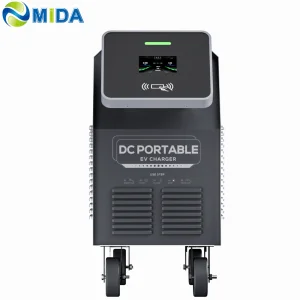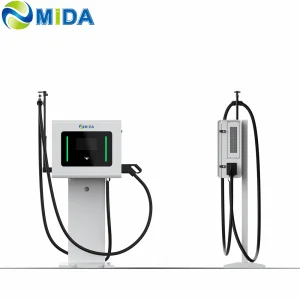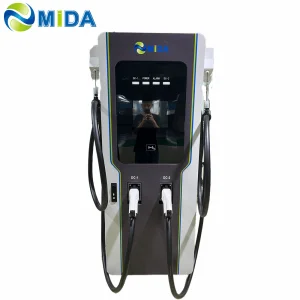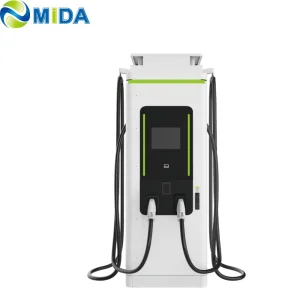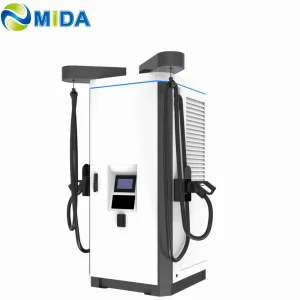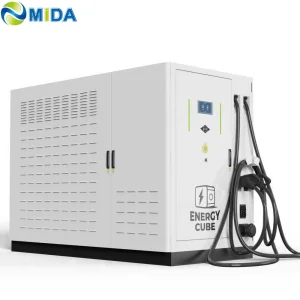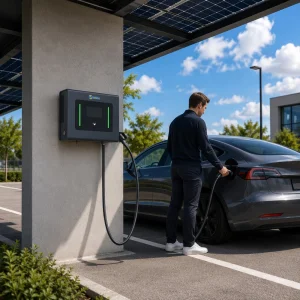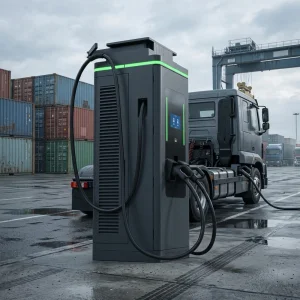
Explore our premium grade split and integrated fast charger piles, delivering rapid, highly efficient power delivery for light, medium, and heavy-duty electric vehicles.

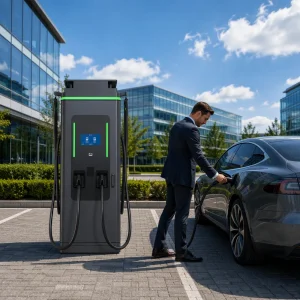
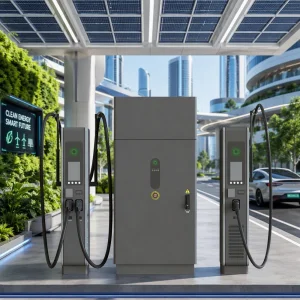
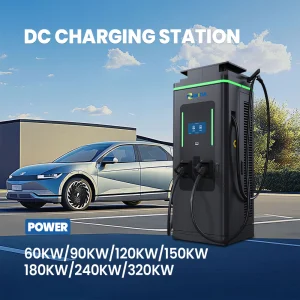
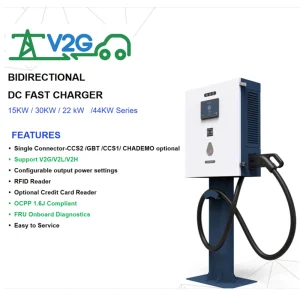
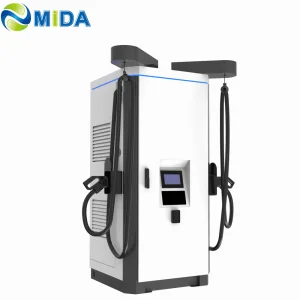
In the rapidly scaling world of electric vehicle infrastructure, the architecture of charging stations determines their longevity, cost-effectiveness, and service availability. Traditional integrated chargers housing the rectifier, controller, and dispenser in a single enclosure face critical physical constraints under high-capacity demands. To achieve ultra-fast charging outputs exceeding 360kW without compromising valuable site real estate, the transition to Split-Type (Distributed) DC Charging Architectures is imperative.
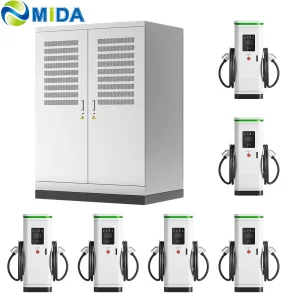
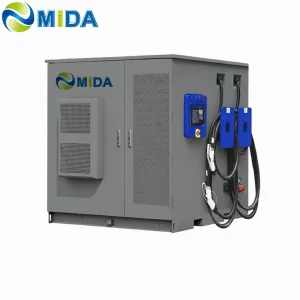
By separating the central power generation cabinet (where high-voltage AC-to-DC conversion occurs) from the compact user dispenser terminals, charge point operators (CPOs) gain unparalleled scalability. Power cabinets can be centrally located in utility rooms or secured perimeters, leaving space-constrained user dispenser blocks positioned right next to vehicle bays. This modular allocation prevents local acoustic pollution, facilitates easier thermal mitigation, and significantly drops operations & maintenance overheads.
Footprint Optimization: Space requirements at charging bays are reduced by up to 70% compared to heavy-integrated megawatt units.
Dynamic Power Allocation: Smart matrix switching routes exact power demands to individual terminals, ensuring zero wasted capacity.
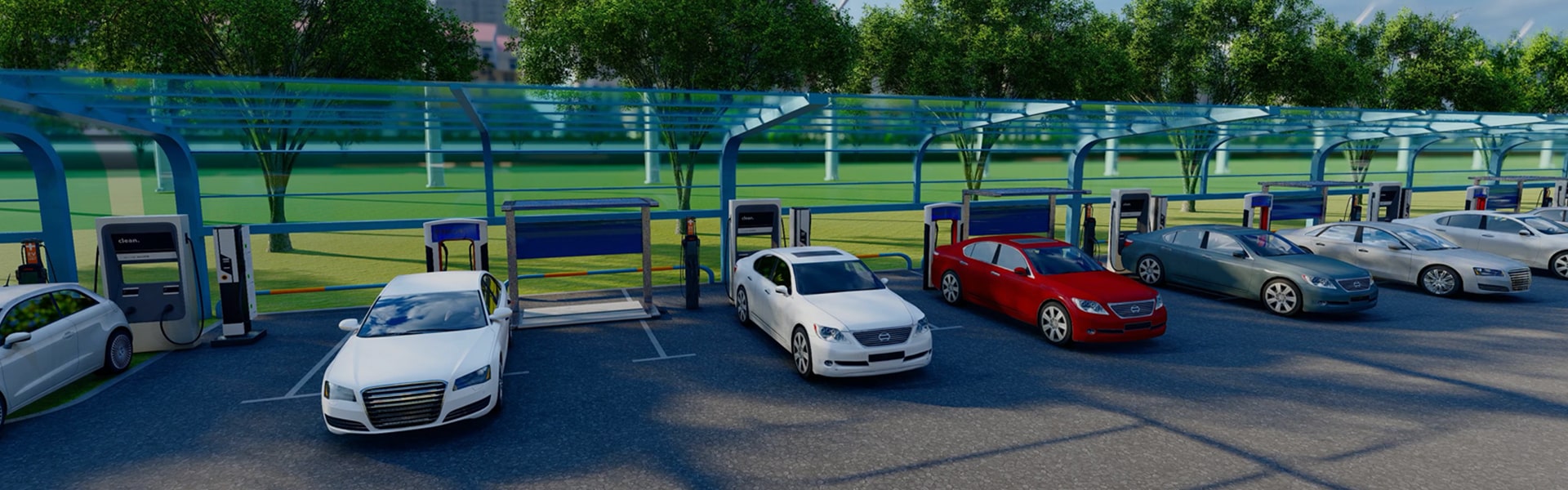
Analyzing key industrial market behaviors across North America, Europe, and the Asia-Pacific region for large-scale electric bus, heavy transport, and urban charging hubs.
| Feature Parameter | Integrated DC Fast Charger | Split-Type DC Fast Charging Stack |
|---|---|---|
| Power Range | 60kW to 240kW (Typical limits) | 360kW to 1440kW (Up to 1.6 Megawatts) |
| Power Distribution | Fixed or basic dual-port split | Dynamic flexible matrix allocation across up to 12 outlets |
| Footprint at Parking Bay | Large, heavy footprint cabinet per bay | Slim-profile satellite dispenser with compact pedestal unit |
| Thermal Control | Forced-air ventilation inside dispenser | Liquid-cooling unit centralized in power cabinet away from users |
| Scalability | Difficult; requires physical box replacement | High; power modules added inside the main cabinet over time |
Shanghai Mida Cable Group Ltd. operates through its wholly owned subsidiaries: Shanghai Mida EV Power Co., Ltd., Shenzhen Mida EV Power Co., Ltd., and Shanghai Mida New Energy Co., Ltd. Together, we form an integrated R&D, manufacturing, and supply ecosystem delivering key core components and complete high-power assemblies to Tier-1 infrastructure markets globally.
Our structural framework covers the entire EV infrastructure stack: from precision raw copper extrusion to high-voltage cable formulation, advanced dynamic power control firmware, liquid-cooled connection engineering, and integrated solar-plus-storage fast-charging ecosystems.
Solidifying reliability through component self-reliance and comprehensive compliance testing systems.
We build our chargers and components to endure demanding operations, with an emphasis on low temperature rises, high efficiency, and deep integration.
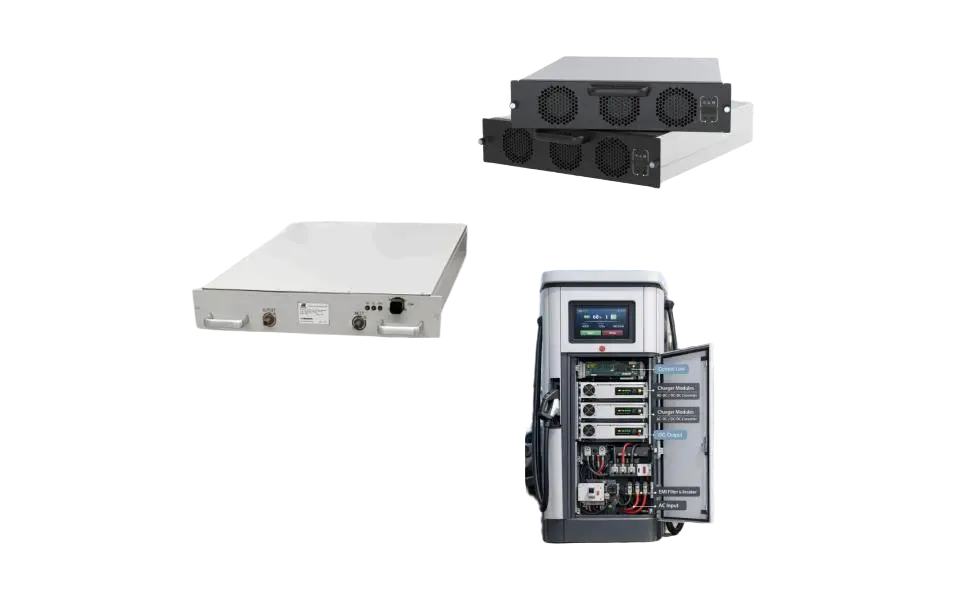
30kW-80kW AC/DC, 40kW-125kW Liquid Cooled, Bidirectional V2G, & MPPT modules.
View More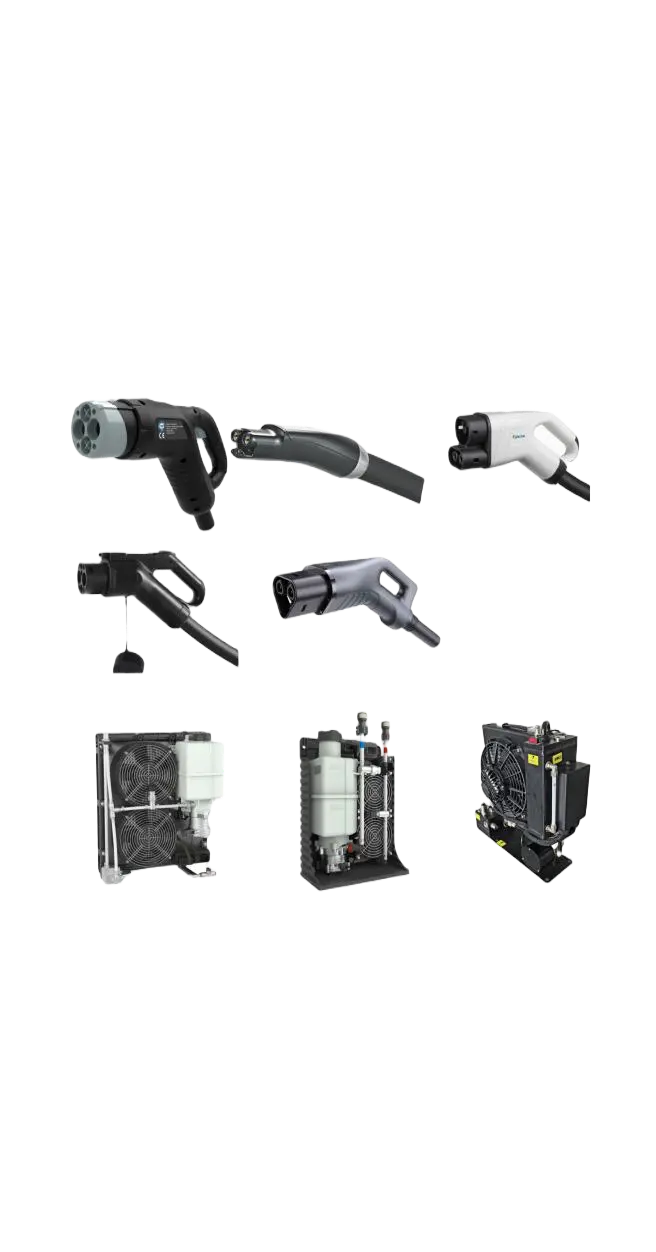
500A-600A CCS, NACS, CHAdeMO, MCS Connectors and integrated cooling units.
View More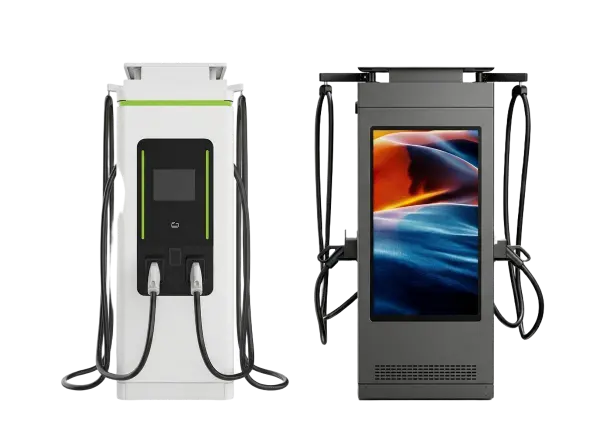
7kW-60kW mobile, 60kW-480kW floor units, and 360kW-1680kW split charging systems.
View More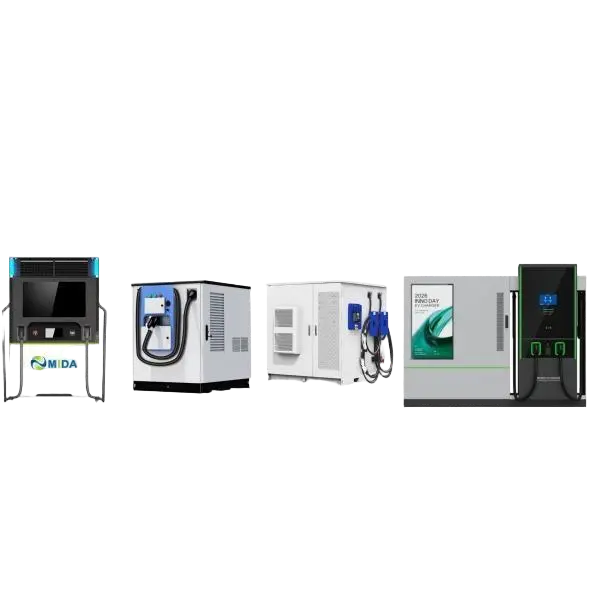
15kW-480kW Mobile ESS chargers, Integrated battery piles & Solar-storage setups.
View More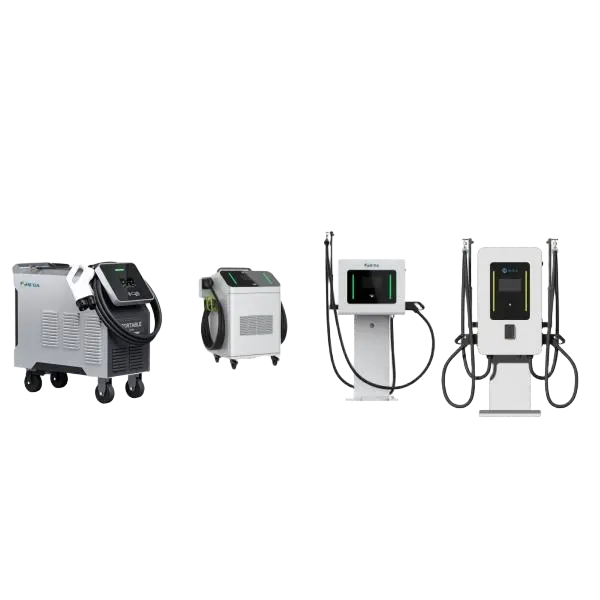
7kW 20kW 30kW 40kW 60kW 80kW
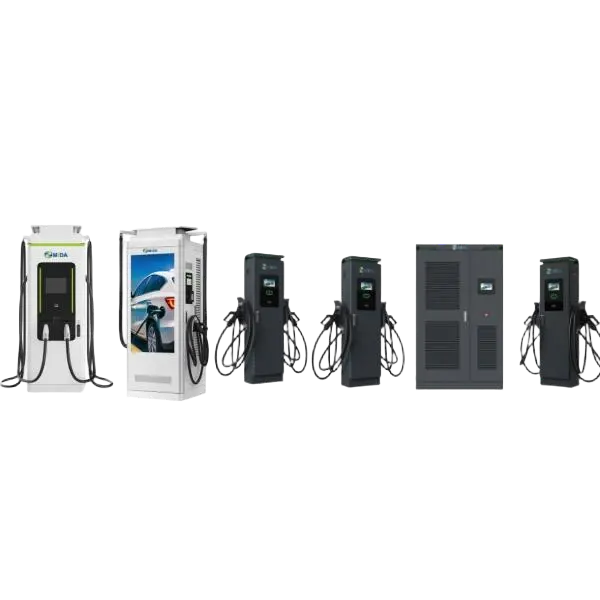
60kW-480kW 360kW-1440kW
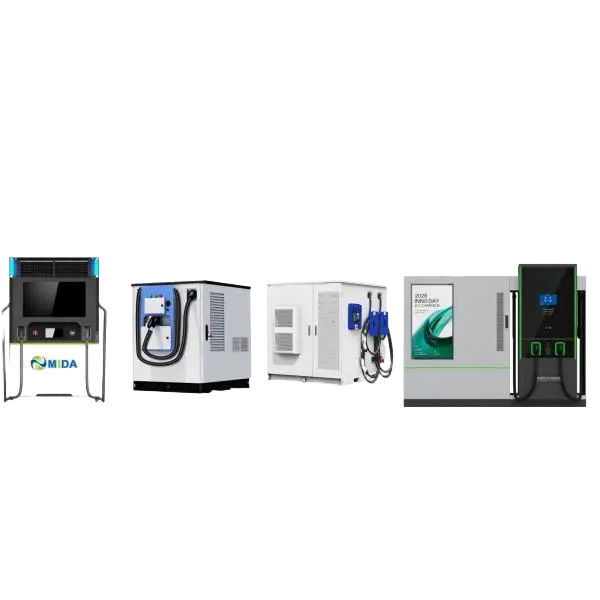
60kWh 261kWh 418kWh 625kWh 2MkWh
How MIDA is pushing the boundary of power delivery, grid interaction, and advanced thermal management.
As commercial transport and heavy hauling fleets transition to all-electric drives, traditional 150kW or 350kW systems prove insufficient for timely charging. Our roadmap centers around liquid-cooled charging stacks capable of handling 600kW to 1200kW outputs. The core challenge of these systems lies in dissipating massive heat losses inside the cable and connector during sustained periods at 500A to 1000A flows.
Through built-in liquid cooling loops in the dispenser cable, coolant is circulated directly to the pin contacts of the CCS2 and MCS connectors. This prevents terminal temperatures from exceeding standard safety limits, while minimizing cable diameter to ensure the dispenser stays lightweight and user-friendly for vehicle drivers.
Rather than assigning a fixed 120kW or 180kW to each dispenser unit, our split charging stack dynamically queries vehicle battery management systems (BMS) for real-time acceptance profiles. If one vehicle requires only 30kW during its tail-end charging curve, the surplus capacity is redirected instantly to an adjacent dispenser. This maximizes operational efficiency and limits overall utility grid peaks.
Supporting bidirectional energy flow from vehicle to grid (V2G), enabling electric bus fleets to operate as virtual power plants (VPPs) during grid peaks.
Allowing direct connection of localized photovoltaic (PV) arrays and battery energy storage systems (BESS) directly to the DC bus without multi-stage conversions.
Developing up to 1000A liquid-cooled CCS2 plug connections and 1500A MCS solutions for commercial shipping vessels, regional aviation, and logistics trucks.
Technical guidance and strategic procurement insights addressing complex engineering concerns.
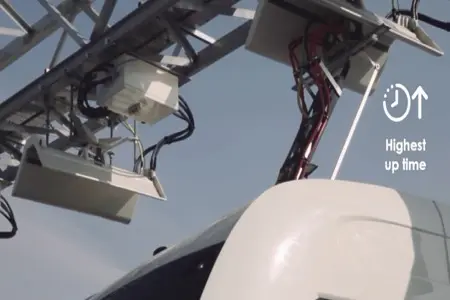
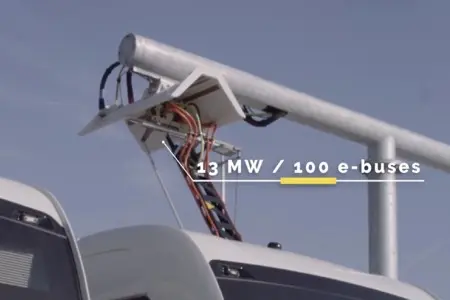
Follow the latest updates on heavy duty transit electrification, pantograph installations, and next-gen fleet charging technology.
Complete your deployment with our range of portable DC maintenance chargers, commercial grade pillars, and scalable dual-port systems.