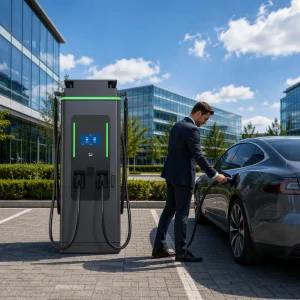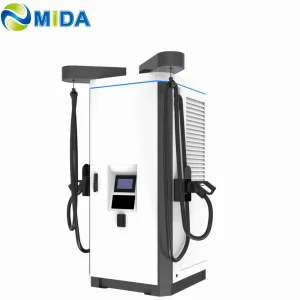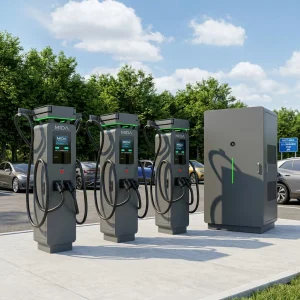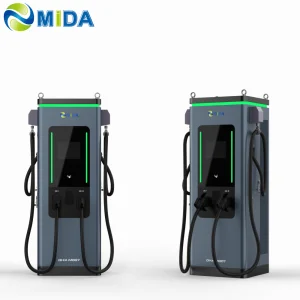
Shanghai Mida Cable Group Ltd. operates through its wholly owned subsidiaries: Shanghai Mida EV Power Co., Ltd., Shenzhen Mida EV Power Co., Ltd., and Shanghai Mida New Energy Co., Ltd. As a vertically integrated enterprise, we span across the entire design, engineering, compliance testing, and component manufacturing spectrum for modern smart grid interfaces and rapid vehicle charging networks.
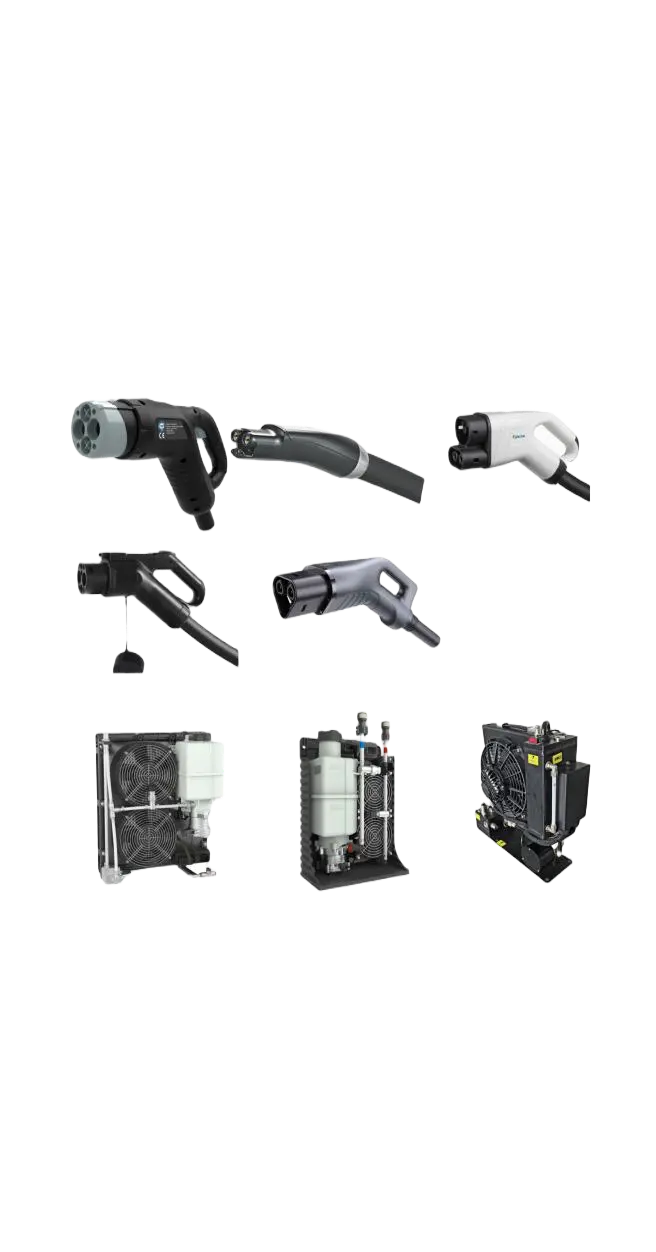
Mida Cable manufactures a comprehensive range of EV charging cables, including 16A–80A J1772 cables, 16A–63A IEC 62196-2 Type 2 cables, and heavy-duty DC fast charging cables: CCS1 (80A–500A), CCS2 (125A–1000A), CHAdeMO (125A–300A), GBT (200A–1000A), and NACS connectors (250A–600A).
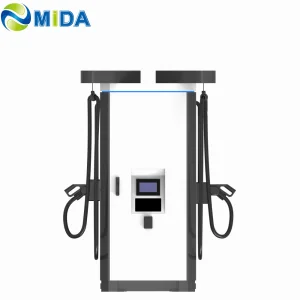
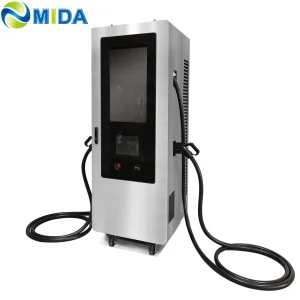
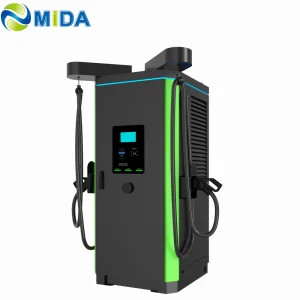
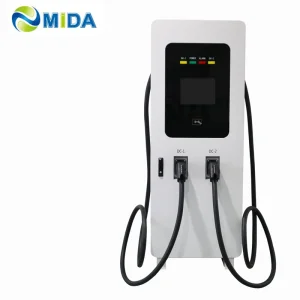
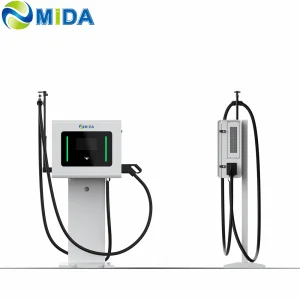
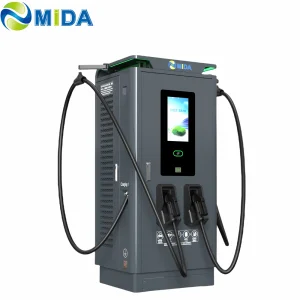
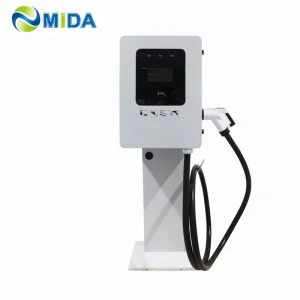
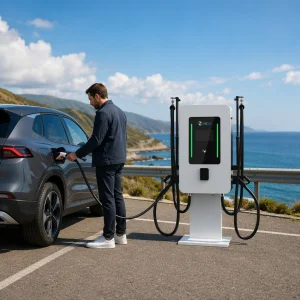
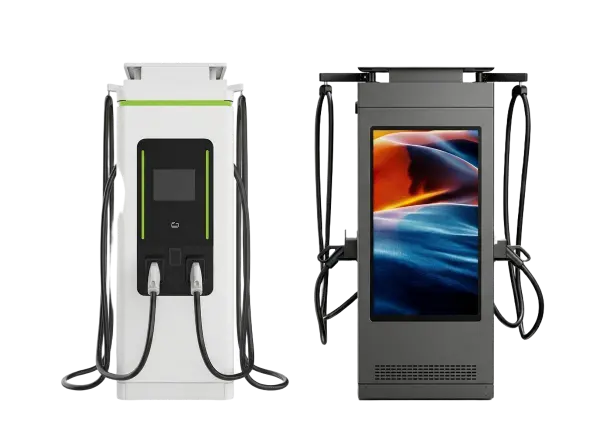
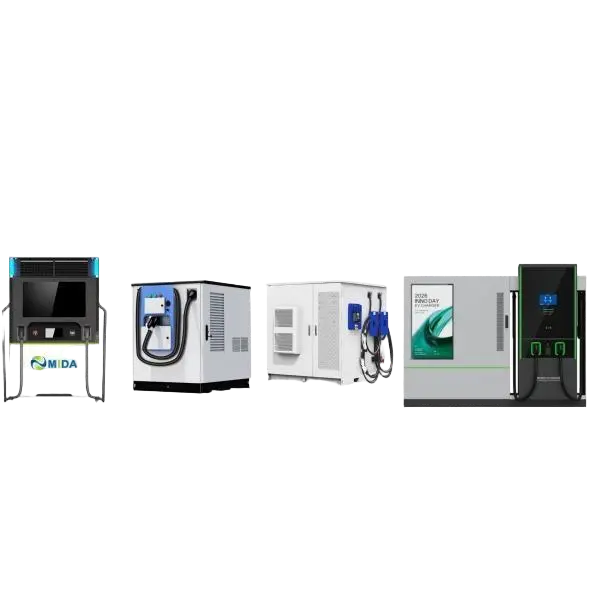
MIDA EV Power produces a full lineup of EV charging stations, such as 7kW–50kW mobile chargers, 3.6kW–7.2kW portable DC chargers, 360kW–1440kW split-type DC fast chargers, 20kW–50kW wall-mounted DC chargers, and 60kW–480kW floor-standing DC fast charging stations.
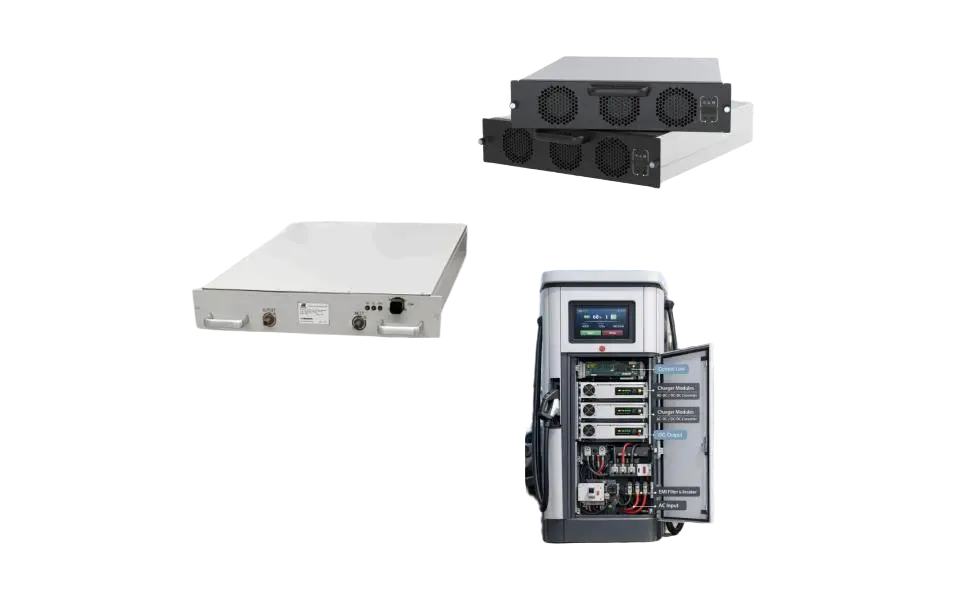
MIDA New Energy specializes in EV charger power modules, offering 20kW–60kW standard modules, 40kW–125kW liquid-cooled modules, 30kW–62.5kW bidirectional modules, and 20kW–45kW V2G charging modules.

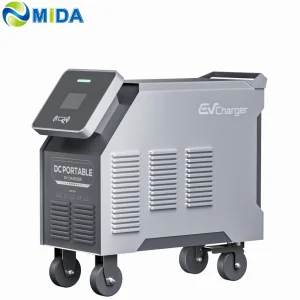
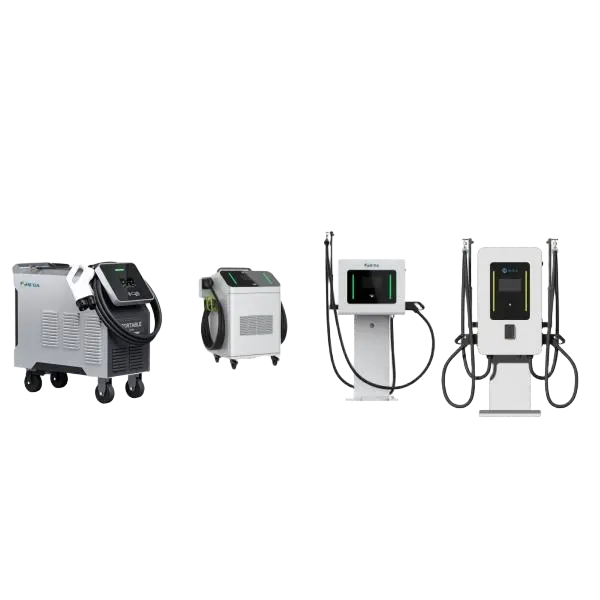
Output Range: 7kW | 20kW | 30kW | 40kW | 60kW | 80kW
Highly compact charging terminals designed for restricted layout environments, automotive workshops, fleet depots, and rapid roadside assistance services.
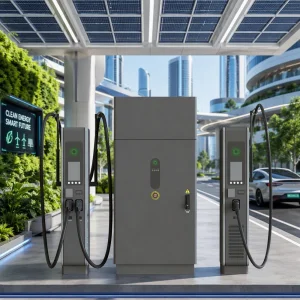
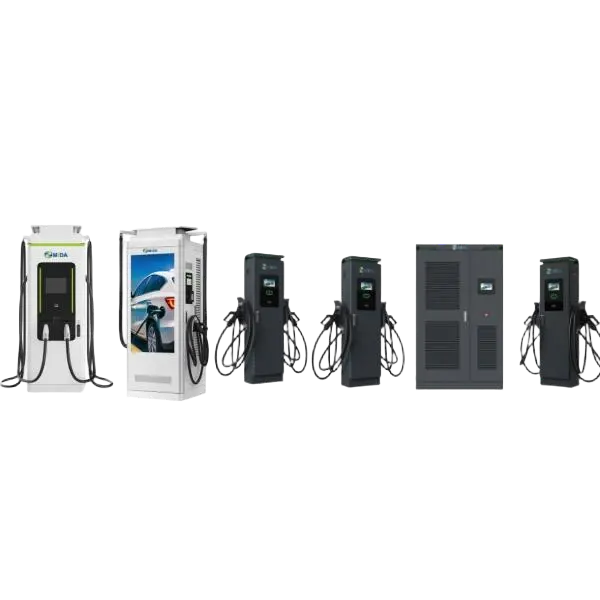
Output Range: 60kW-480kW | 360kW-1440kW
High-capacity liquid-cooled and air-cooled split charging systems for municipal corridors, commercial charging hubs, and bus rapid transit terminals.
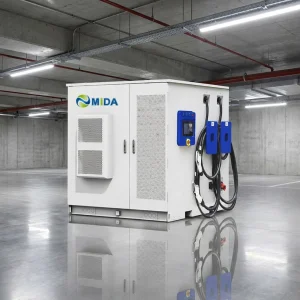
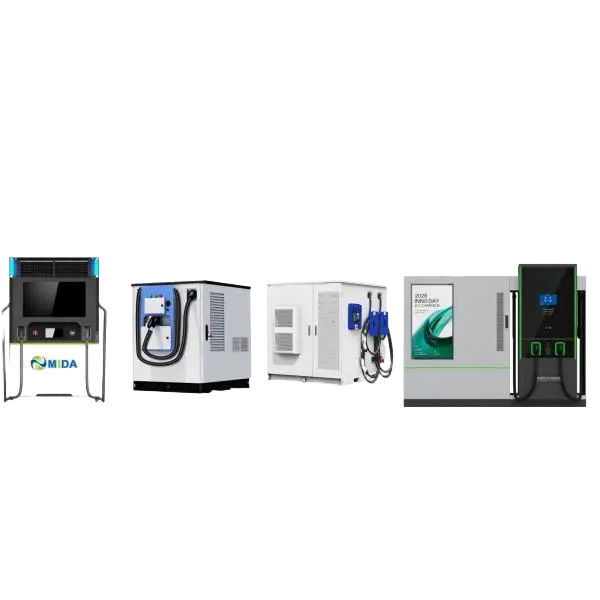
Capacity Range: 60kWh | 261kWh | 418kWh | 625kWh | 2MkWh
Integrated Battery Energy Storage Charging Stations providing peak-shaving, micro-grid autonomy, and high-current vehicle power delivery without grid upgrade penalties.
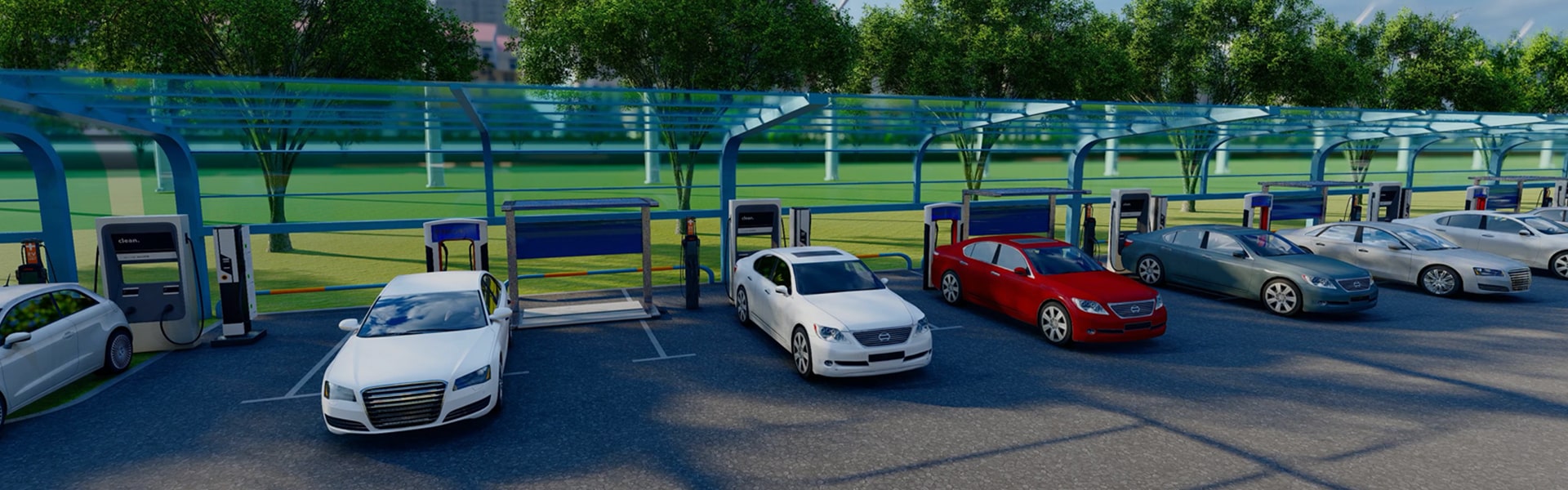
The global transition towards zero-emission transport networks requires rapid charging infrastructure capable of meeting high performance, thermal safety, and grid balancing criteria. The term "Quick Charging Stations" represents high-power DC direct-current fast chargers (DCFCs) that bypass the onboard AC limitations of electric passenger vehicles, heavy-duty utility trucks, and electric transit buses. In industrial and commercial applications, charging speeds are defined by dynamic power allocation, conversion efficiency, and high-current connectivity interfaces.
Modern commercial DC charging systems no longer rely on single monolithic output lines. High-tier quick charging station manufacturers configure multi-stack power modules that scale dynamically based on real-time Battery Management System (BMS) communications. By using high-frequency switching technology and Silicon Carbide (SiC) MOSFET semiconductors, modern DC power converter modules achieve efficiency ratios exceeding 96.5% under variable load configurations.
From a global macroeconomic perspective, regional regulatory systems dictate safety and operational protocol alignments. Quick charging infrastructure suppliers must adapt hardware setups to support the primary globally accepted connector standard paradigms: CCS1 (Common in North American commercial fleets), CCS2 (European standardized multi-phase connector), NACS (SAE J3400 standard adopted by manufacturers worldwide), GB/T (The dominant Chinese national grid protocol), and CHAdeMO (Japanese legacy and vehicle-to-grid utility systems). High-power quick charging stations designed in China now utilize unified multi-standard cabinets to allow worldwide charging network interoperability.
As charging demands shift from 50kW to high-power limits of 350kW and 600kW, standard copper cable cross-sections become too heavy and thick for user operation due to heat limits. To address this, high-power quick charging manufacturers design closed-loop liquid-cooling charging modules. Using specialized coolant mixtures circulated by integrated fluid pump units, these charging cabinets deliver up to 600A-1000A through slim, ergonomic cables, keeping connector temperatures below the 50°C safety limit.
For heavy duty fleet terminals, heavy-duty mining haulers, and zero-emission marine systems, the upcoming Megawatt Charging System (MCS) standard will extend continuous current delivery to 1500A at up to 1250V. This represents a step-change in heavy vehicle logistics, reducing charge times to under 20 minutes for high-capacity battery packs. At the same time, bidirectional AC-DC power modules enable Vehicle-to-Grid (V2G) applications, allowing EV fleets to function as distributed energy storage assets that support grid stability during high demand periods.
Explore the complete component and hardware system index engineered by MIDA Group for fast EV charging networks.
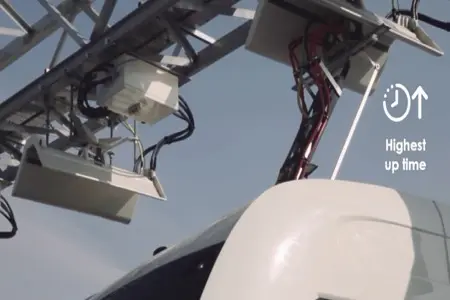
What are the advantages of an e-bus pantograph dome? In contrast to classic plug-in charging systems, e-bus pantograph charging optimizes route efficiency by delivering rapid, hands-free charging during scheduled stops.
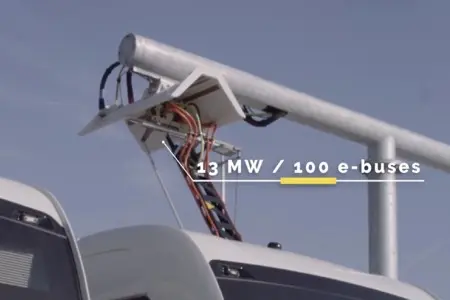
How long does it take to charge with an e-bus pantograph? The charging time depends on the battery capacity and the station's configuration. Standard pantograph systems deliver high energy boosts within 5 to 10 minutes.
How to Install the Pantograph Up Charger System Dome for Electric Bus. Installing a “Pantograph Up” system dome requires structural integration with terminal gantries, electrical grid alignment, and calibration of wireless communication protocols.
Air-cooled chargers use heat sinks and internal cooling fans to manage temperatures, suitable for power capacities up to 180kW. Liquid-cooled systems circulate coolant through the charging modules and cable connections to handle higher currents. This cooling system allows thin, lightweight cables to deliver 500A to 1000A, preventing thermal throttling during charging cycles above 360kW.
OCPP 2.0.1 offers enhanced security features (like improved certificate management), more detailed diagnostic logging, and native support for ISO 15118 (Plug & Charge). It also enables smart charging commands, allowing operators to communicate with utility grids and manage charging profiles based on grid capacity.
BESS stations buffer grid connections by storing energy during low-tariff hours and discharging it during high-current charging events. This reduces demand fees, bypasses local grid capacity limits, and allows operators to deploy ultra-fast charging capabilities in regions with limited grid connections.
Bidirectional power modules enable electric vehicles to feed energy back into the power grid (Vehicle-to-Grid, or V2G) or building systems (Vehicle-to-Building, or V2B). This turns electric fleets into mobile energy storage systems, helping grid operators balance loads during peak demand periods.
Leading manufacturers like MIDA customize DC fast charging cabinets to support multiple standard connectors (CCS1, CCS2, NACS, and GB/T). They also design systems to meet specific certifications such as CE, TUV, and UL, and configure them for compatibility with international grid voltages (like 480V in the Americas or 400V in Europe).