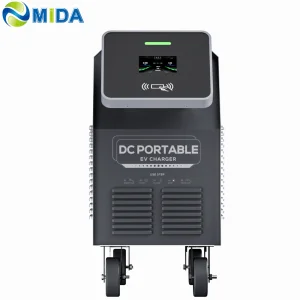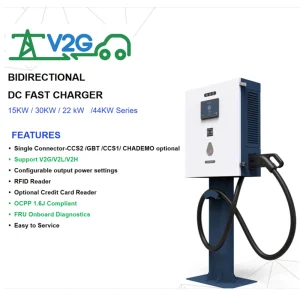
Explore our industrial-grade, certified charging station models optimized for commercial fleets, public transit, and fast-charging networks.
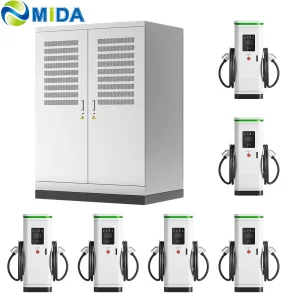
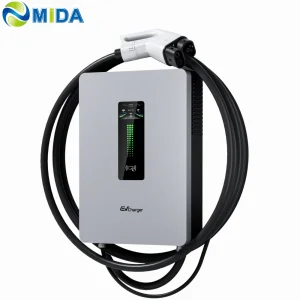
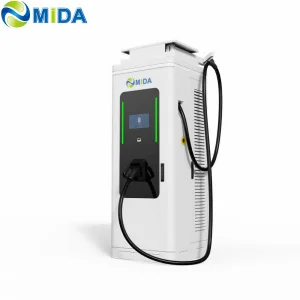
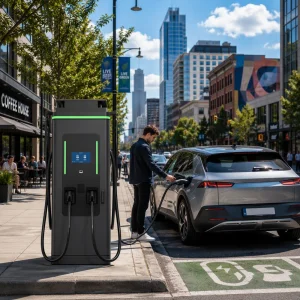
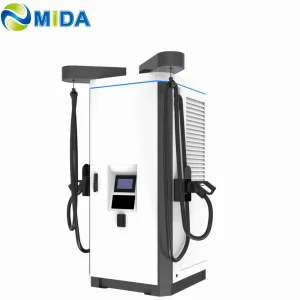
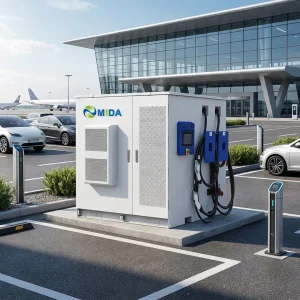
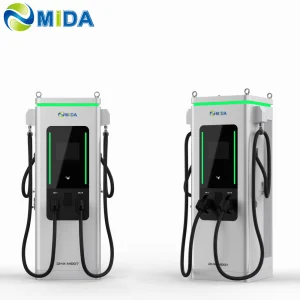
The global transition towards Sustainable E-Mobility has accelerated the convergence of Plug-In Hybrid Electric Vehicles (PHEVs) and Battery Electric Vehicles (BEVs). This unified market landscape demands versatile, smart charging infrastructure capable of managing fluctuating power demands, diverse grid connection standards, and high-frequency charging cycles. To accommodate both commuter-centric PHEV batteries and long-range high-capacity BEV drivetrains, modern charging stations must evolve from static power outlets to integrated smart energy nodes.
While early-generation hybrid infrastructure relied almost exclusively on low-output Alternating Current (AC) chargers, the contemporary landscape has transitioned to high-output Direct Current (DC) networks and battery-integrated solutions. This paradigm shift addresses the critical market need for rapid turnaround, especially for commercial operators and long-haul transport. Advanced hybrid infrastructure now incorporates intelligent load distribution, dynamic capacity management, and bidirectional grid interaction. By embedding advanced control algorithms directly into charging piles, suppliers can modulate electrical loads in real-time, preventing grid congestion while delivering optimal peak output to connected vehicles.
In addition to electrical efficiency, structural modularity has emerged as a design standard. Charging stations designed with liquid cooling capabilities, such as MIDA's megawatt-level Split DC Chargers, separate the power electronic conversion modules from the user interface dispenser. This split-architecture design protects sensitive switching devices from environmental stressors (such as temperature spikes, dust ingress, and localized moisture), thereby extending the operating life of the equipment and minimizing ongoing maintenance costs (Opex) for fleet managers and charge point operators (CPOs).
To scale vehicle charging deployment without overwhelming localized utility networks, charging architecture must transition from point-source loads to intelligent distribution hubs. Integrated macro-solutions solve major infrastructure bottlenecks by pairing utility-scale battery energy storage systems (BESS) directly with hypercharging hardware. By leveraging a local battery buffer, high-power DC fast-chargers can deliver peak energy demands of up to 1200 kW without drawing directly from mid-voltage power grids at times of grid distress.
These advanced energy integration topologies rely on bidirectional Power Modules (AC/DC & DC/DC) that support Vehicle-to-Grid (V2G) and Vehicle-to-Building (V2B) capabilities. In these setups, parked vehicles with remaining battery capacities function as distributed energy assets, returning power to local microgrids during high-cost peak periods and recharging during off-peak times. This localized leveling of load curves minimizes grid impact while presenting fleet operators with a secondary revenue stream through dynamic energy arbitrage.
Shanghai Mida Cable Group Ltd. operates through its wholly owned subsidiaries: Shanghai Mida EV Power Co., Ltd., Shenzhen Mida EV Power Co., Ltd., and Shanghai Mida New Energy Co., Ltd. We represent a fully integrated supply chain encompassing cable manufacturing, electric vehicle charging stations, power module design, and structural component engineering.
Mida Cable manufactures a comprehensive range of EV charging cables, including 16A–80A J1772 cables, 16A–63A IEC 62196-2 Type 2 cables, and heavy-duty DC fast charging cables supporting global standards: CCS1 (80A–500A), CCS2 (125A–1000A), CHAdeMO (125A–300A), GBT (200A–1000A), and NACS connectors (250A–600A).
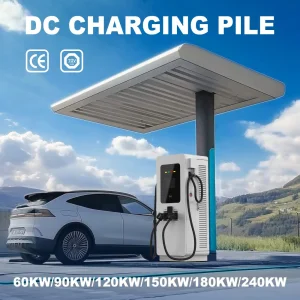
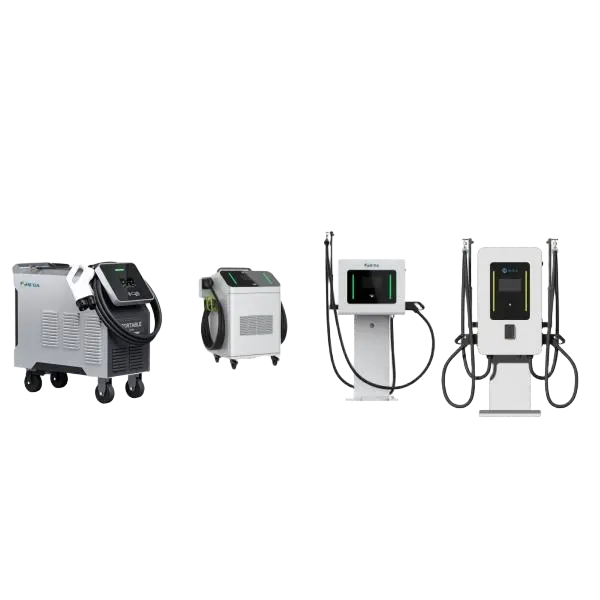
MIDA EV Power produces a full lineup of EV charging stations, such as 7kW–50kW mobile chargers, 3.6kW–7.2kW portable DC chargers, 360kW–1440kW split-type DC fast chargers, 20kW–50kW wall-mounted DC chargers, and 60kW–480kW floor-standing DC fast charging stations.
MIDA New Energy specializes in EV charger power modules, offering 20kW–60kW standard modules, 40kW–125kW liquid-cooled modules, 30kW–62.5kW bidirectional modules, and 20kW–45kW V2G charging modules.

An overview of our industrial footprint, international engineering certifications, and strategic deployment metrics.
Integrated equipment lines built for public grid infrastructure, logistics hubs, and electric vehicle fleet depots.
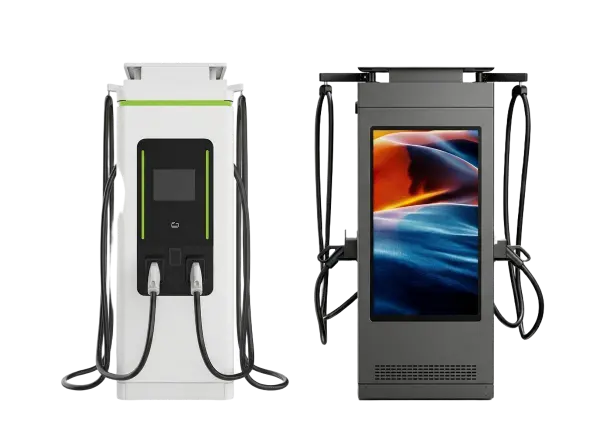
60kW-480kW & 360kW-1440kW high-speed stations
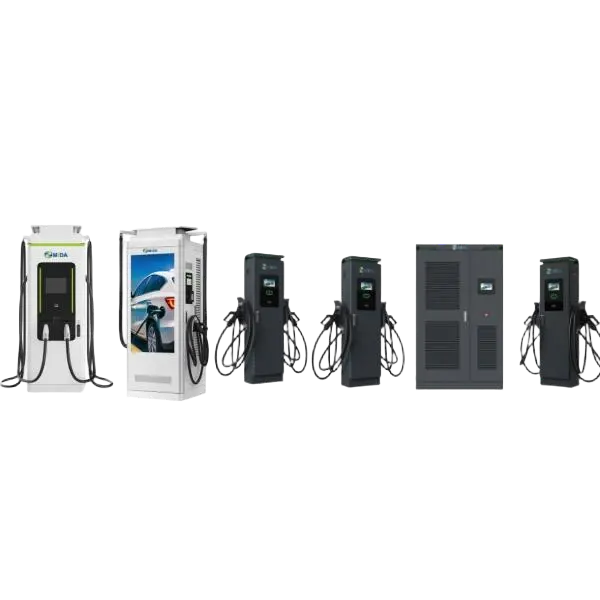
60kWh 261kWh 418kWh 625kWh 2MkWh energy storage systems
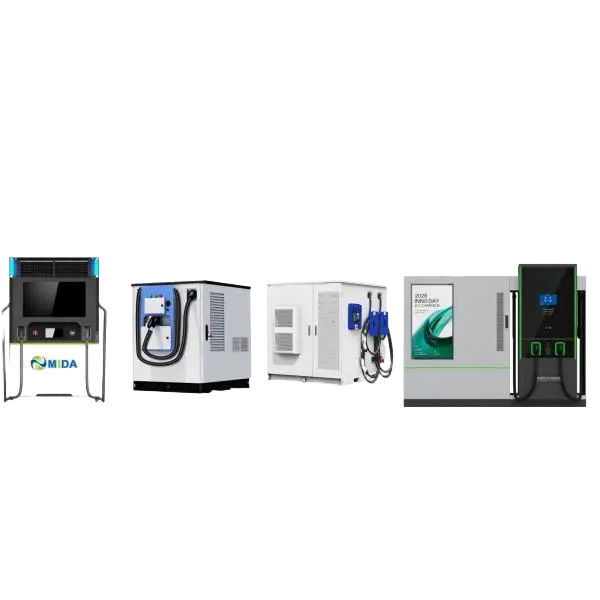
MIDA provides vertically integrated components, allowing charger OEMs to customize and configure robust field systems.
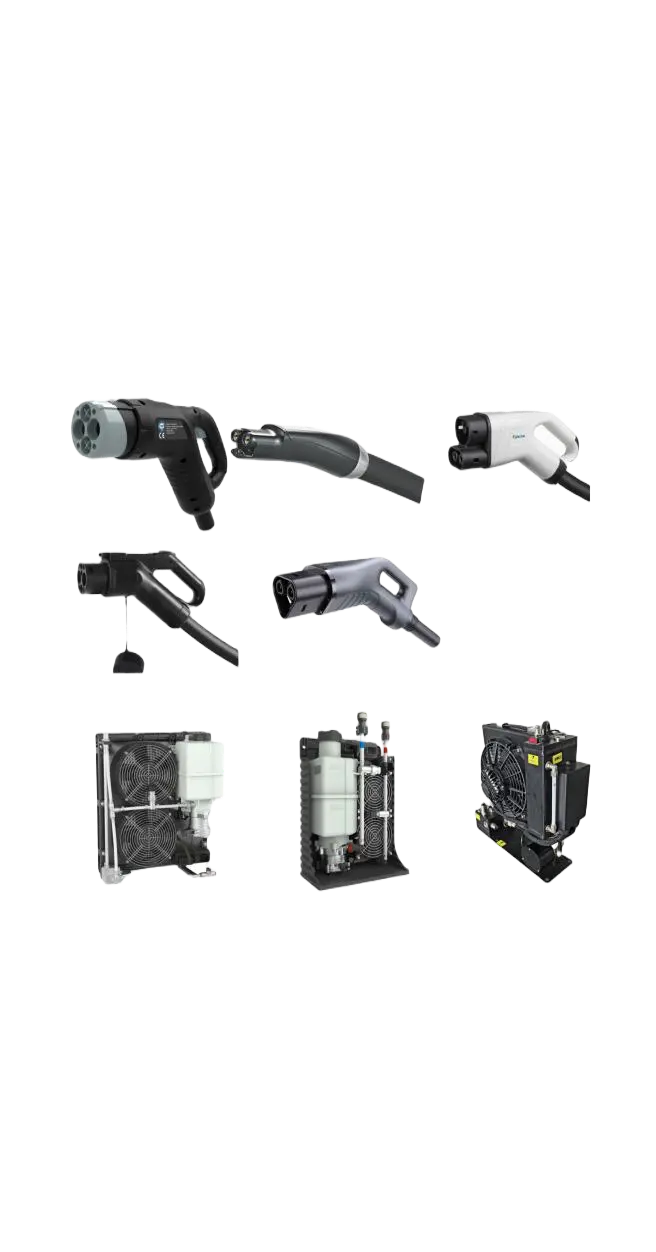
The heart of our high-voltage conversion systems, engineered for maximum energy density and low heat generation.
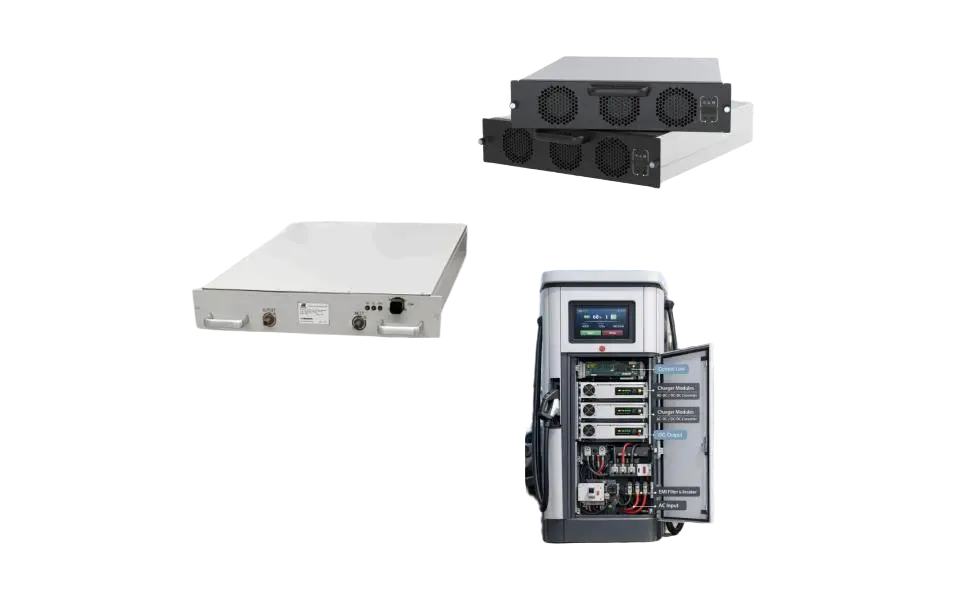
High-conductivity interfaces designed for high thermal stability and compliance with all global plug regulations.
Turnkey systems for public operators, including integrated payment networks and intelligent remote diagnostic portals.
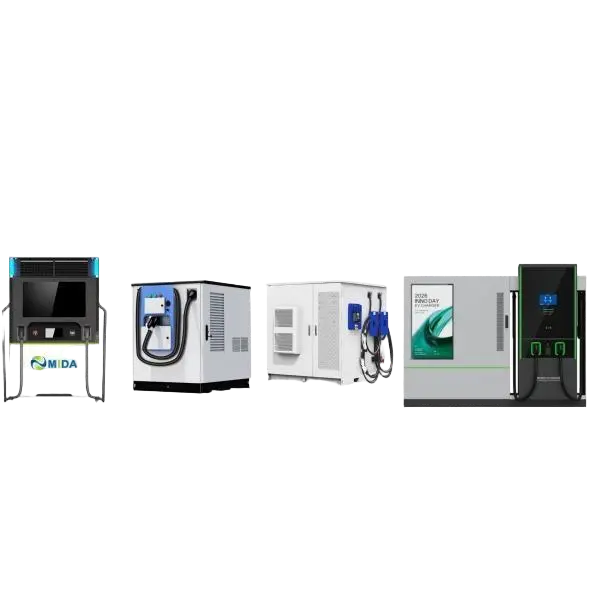
Our complete range of hybrid infrastructure solutions integrates high-capacity battery reserves with high-voltage DC chargers to offer grid stability and emergency backup systems.
MIDA's engineering roadmap aligns with the development of ultra-high-voltage vehicle architectures (800V–1000V) and next-generation smart energy networks.
Development and scaling of megawatt liquid-cooled terminals, delivering continuous charging outputs of 1000A to commercial electric vehicles and electric buses.
Implementing bidirectional AC/DC power modules (up to 62.5kW) to allow fleets of EVs to inject energy back into regional grids, offsetting energy costs.
Integrating local BESS systems with ultra-fast charging hardware, enabling fast charging stations in rural areas without expensive grid upgrades.
Stay informed about technical shifts in the global heavy electric fleet charging sector, written by our engineering team.

What are the advantages of an e-bus pantograph dome? In contrast to classic plug-in charging systems, e-bus pantograph systems offer automated, hands-free charging during brief terminal stops, accelerating transit turnaround times.
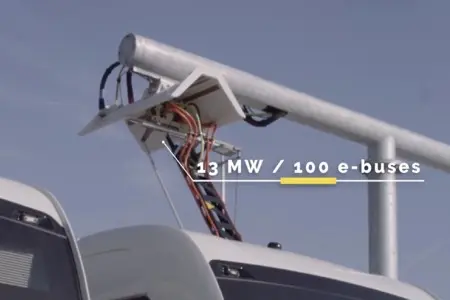
How long does it take to charge with an e-bus pantograph? Total charging duration is governed by battery capacity and maximum power output. By operating at higher voltages, pantographs supply substantial energy within 5 to 10 minutes.
How to Install the Pantograph Up Charger System Dome for Electric Bus: Comprehensive installation methodologies detailing structural positioning, grid interconnects, alignment tolerances, and safety protocol setups.
Verify compliance and specifications of our modular charging station hardware, configured for commercial deployment worldwide.
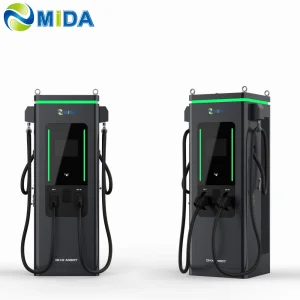
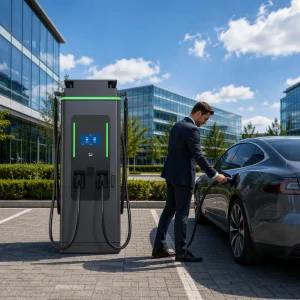
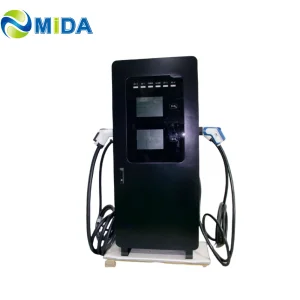
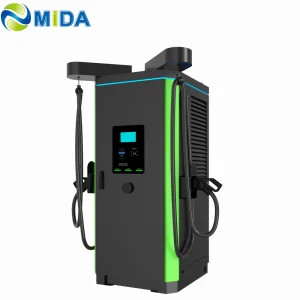
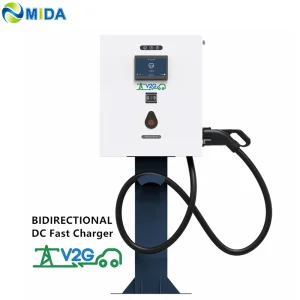
Deploying high-power charging setups at scale requires thorough attention to compliance, certification, and system integration. Standard infrastructure projects face risks regarding grid compatibility, safety protocols, and communications standards between the charging dispenser and the vehicle management software. As a vertically integrated manufacturer, MIDA implements strict testing phases for every subsystem—ranging from high-power copper cabling and advanced liquid-cooled connectors to custom bidirectional power supply units. This complete oversight reduces system integration risks and improves operating efficiency.
When selecting a Chinese factory partner, global purchasers prioritize compliance with local safety regulations. MIDA's hardware meets strict certifications, including CE, TUV, CB, and UL standards. Our charging stations also support OCPP 1.6J and the newer OCPP 2.0.1 protocols. This compliance allows for straightforward integration with charge point management systems (CPMS), enabling CPOs to monitor charging cycles, adjust power outputs dynamically, process payment cards, and perform diagnostics remotely.
High-voltage DC fast-chargers (operating above 150 kW) require advanced protection systems to handle transients, power spikes, and ground leaks. Modern setups rely on isolation transformers and precise DC leakage current monitoring (such as Type B RCDs) to protect the vehicle batteries and the distribution grid. Additionally, using isolated power modules ensures that potential grid faults do not propagate to the vehicle chassis, preventing potential damage to sensitive onboard components.
By employing intelligent matrix load switching, MIDA charging piles dynamically distribute power between multiple active dispensers. Instead of routing a static output to a single vehicle, the station's internal controllers monitor state-of-charge (SoC) signals and temperature levels from each vehicle, shifting active power modules in real-time. This dynamic allocation speeds up charging cycles, improves overall station throughput, and reduces idle times for fleet operators.
Technical guidance and sourcing advice from MIDA's engineering and logistics teams.