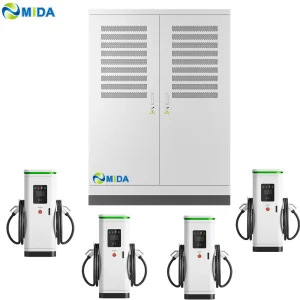
Reliable, scalable, and dynamic power distribution units tailored for heavy industrial usage and multi-protocol public networks.
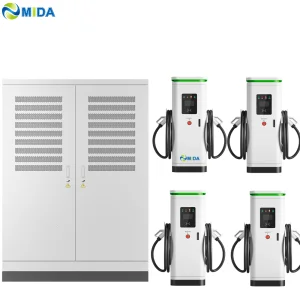
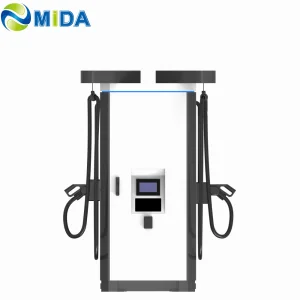
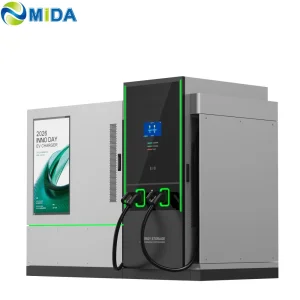
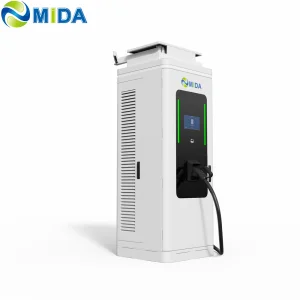
Shanghai Mida Cable Group Ltd. operates through its wholly owned specialized subsidiaries: Shanghai Mida EV Power Co., Ltd., Shenzhen Mida EV Power Co., Ltd., and Shanghai Mida New Energy Co., Ltd. This multi-tiered structural alignment allows us to deliver end-to-end component engineering and full-system integrations directly to global commercial networks.
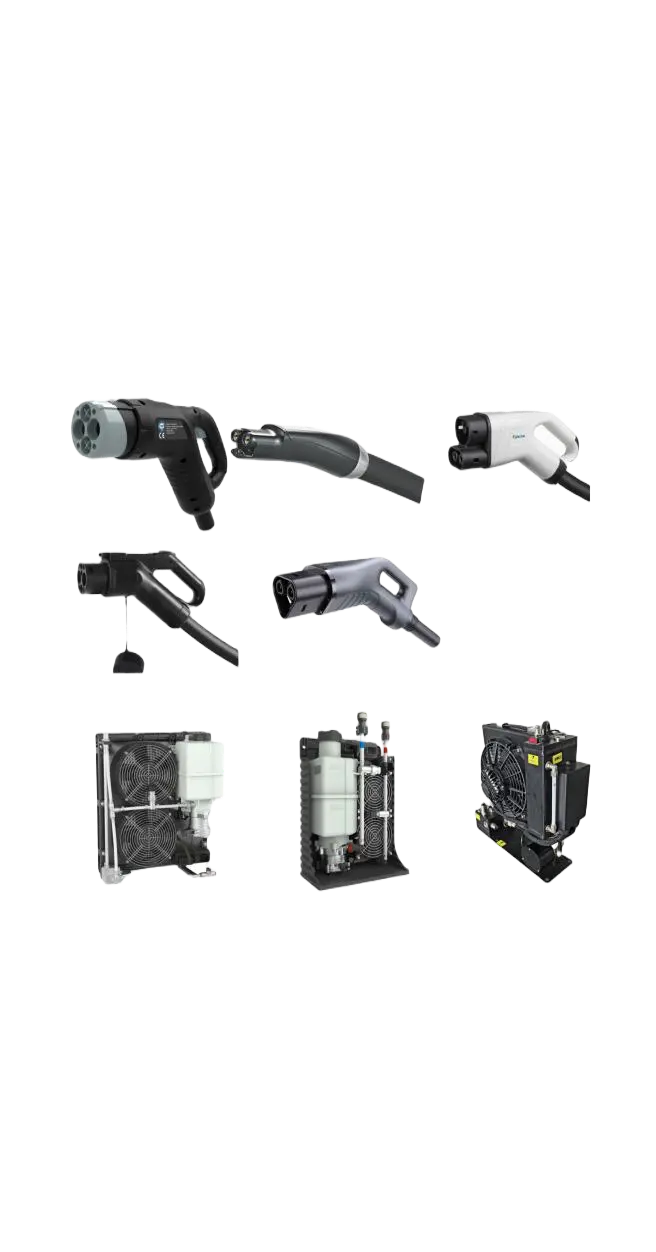
Our cable manufacturing plants fabricate a comprehensive range of EV charging cables, including 16A–80A J1772 cables, 16A–63A IEC 62196-2 Type 2 cables, and liquid-cooled ultra-high power DC charging cables: CCS1 (80A–500A), CCS2 (125A–1000A), CHAdeMO (125A–300A), GBT (200A–1000A), and NACS connectors (250A–600A).
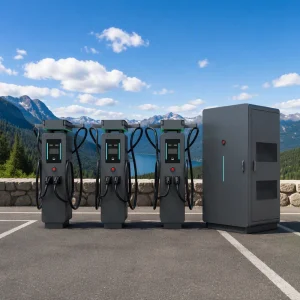
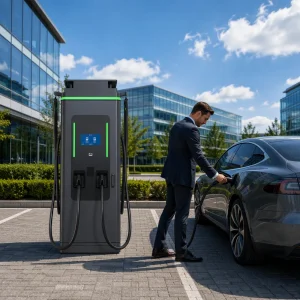
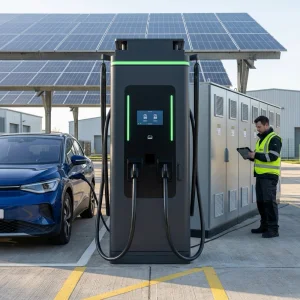
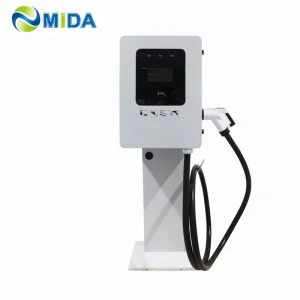
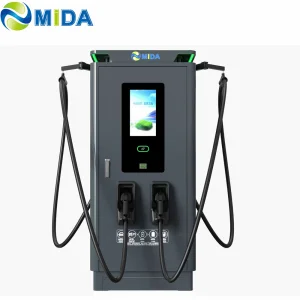
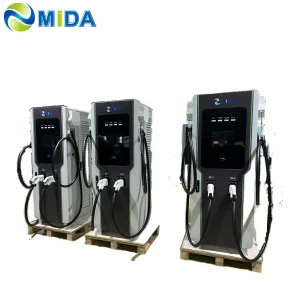
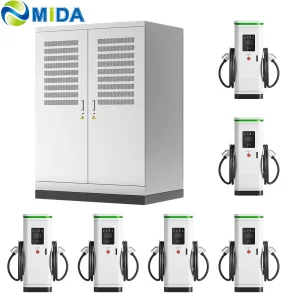
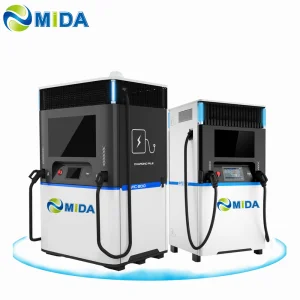
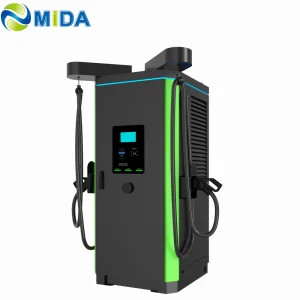
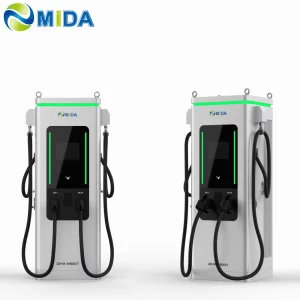
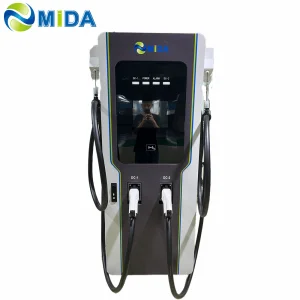
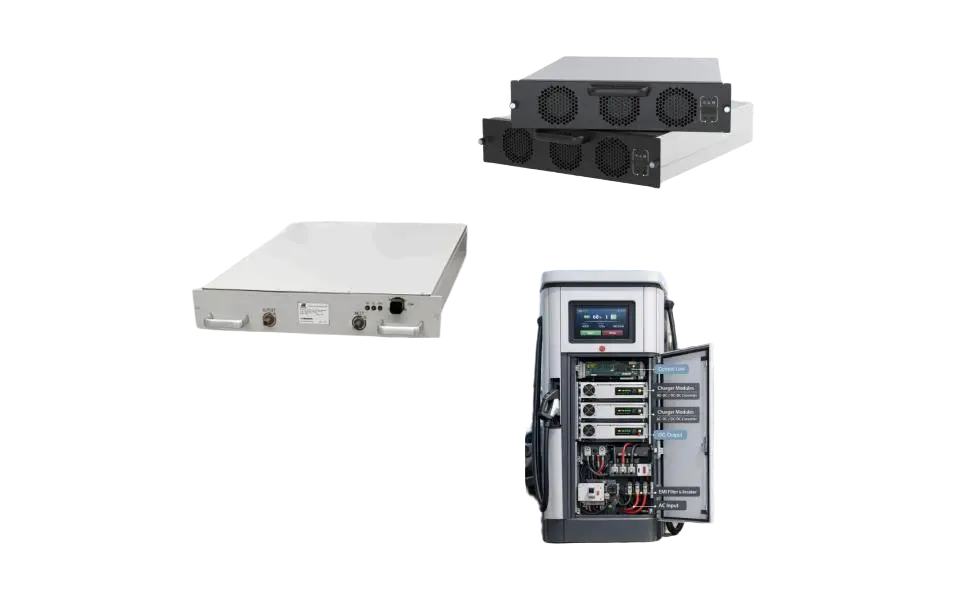
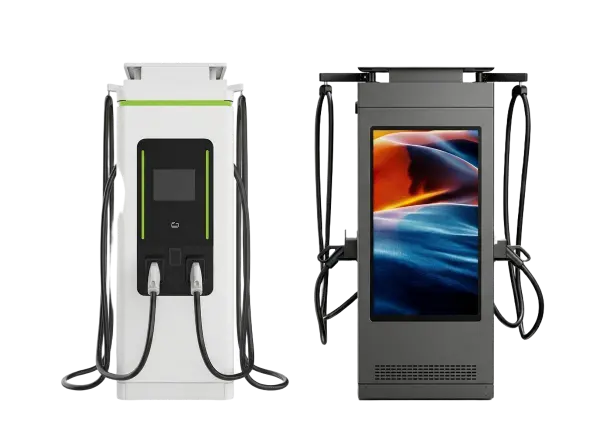
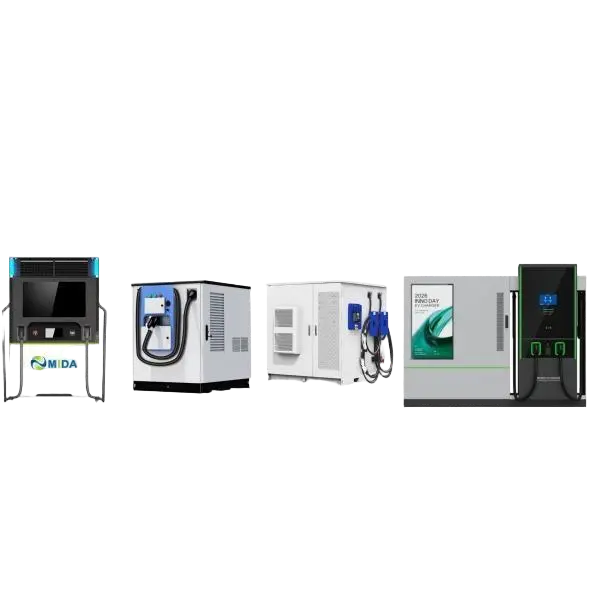
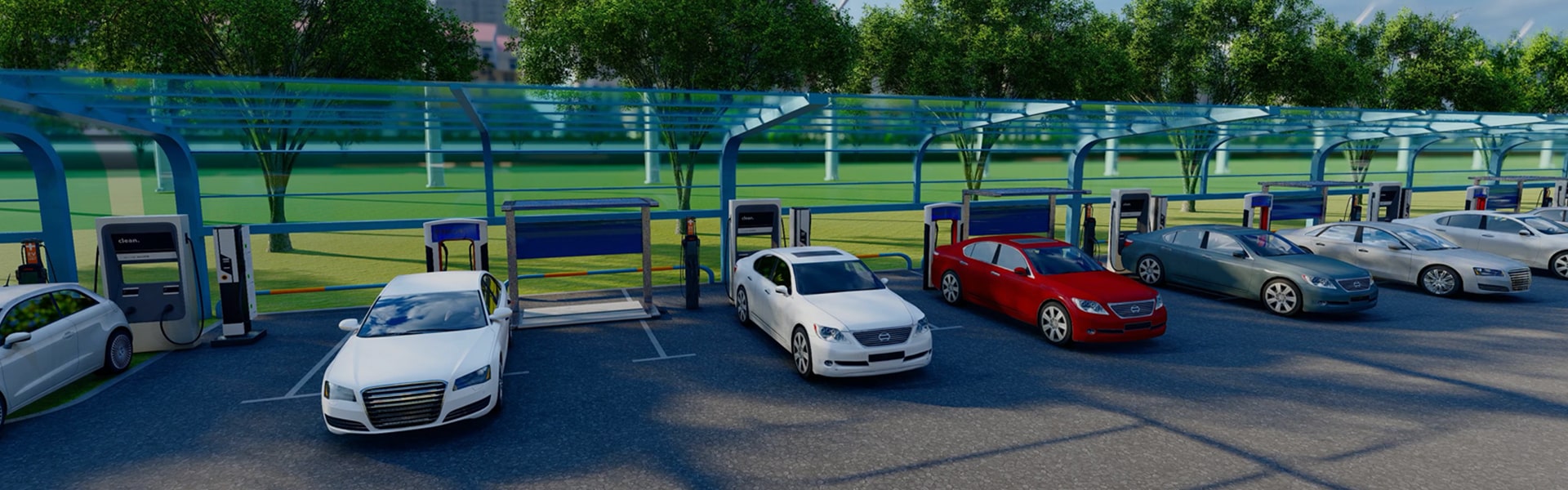
Through MIDA EV Power, we manufacture standard and custom EV charging stations, ranging from 7kW–50kW mobile chargers, 3.6kW–7.2kW portable DC chargers, up to 360kW–1440kW split-type DC fast chargers, 20kW–50kW wall-mounted DC units, and 60kW–480kW commercial floor-standing DC charging stations.

Peak CCS2 DC Connector Output
Split-Type DC Station Capacity
Liquid-Cooled Power Module
2.0.1 Compliance Ready
Vertically integrated systems engineered for resilience, efficiency, and modern power density.
Technical insights into thermal optimization, manufacturing efficiency, and global grid integration.
The global EV shift requires scaling beyond conventional 50kW and 150kW stations. Fleet charging stations demand Megawatt Charging Systems (MCS) capable of delivering over 1000kW. This power level requires customized split-type stack configurations, isolating conversion modules away from the user dispenser. These isolated topologies enable dynamic grid load allocation, scaling outputs dynamically as vehicle state-of-charge (SoC) profiles change.
To safely sustain currents above 400A through charging cables, active cooling is essential. Air cooling hits a physical bottleneck due to excessive copper cable thickness. Liquid-cooled units pumping dielectric fluid or water-glycol mixtures reduce thermal resistance, enabling thinner, more flexible cables to sustain up to 1000A continuous current. This cooling keeps connector surface temperatures well within international safety limits.
Interoperability determines the success of high-power charging networks. Global operators require native ISO 15118 standard integration to enable Plug & Charge functionality, automating secure TLS-encrypted handshakes. Through OCPP 2.0.1, MIDA charging stacks facilitate smart-charging, dynamic grid profiles, remote diagnostics, and transactions. These features are critical for managing large municipal charging depots.
European Alternative Fuels Infrastructure Regulation (AFIR) requires accessible payment options and clear pricing. MIDA's DC fast chargers integrate ad-hoc payment terminals, smart metering (MID compliance), and dynamic load profiles. This alignment ensures compliance with local laws, while keeping installation and operational expenses (CapEx and OpEx) balanced.
MIDA Group's competitive edge is built on complete vertical integration. Unlike assembly-only suppliers, we control the production of high-performance raw materials, copper wire drawings, power conversion modules, control logic boards, and final enclosures. This control shortens design cycles, minimizes manufacturing defects, and insulates global partners from supply chain disruptions.
Our plants apply automotive-grade testing standards. Power modules undergo thermal cycling and salt spray testing. Connectors endure mechanical plug tests simulating years of high-frequency use. MIDA's engineering guarantees safe, long-term operations, meeting UL, CE, ETL, TUV, and RoHS standards.
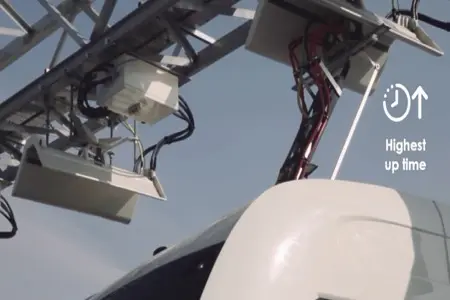
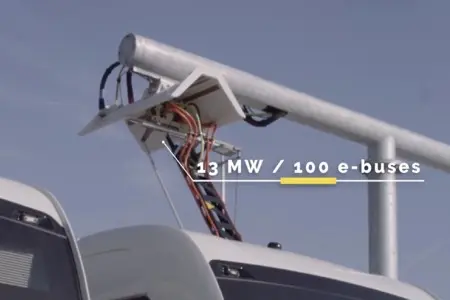
Updates on automated connection systems designed for electric buses and high-power commercial fleets.
Answering key technical questions from procurement officers and installation engineers.
From wall-mounted units to megawatt charging stacks, explore our full product range.