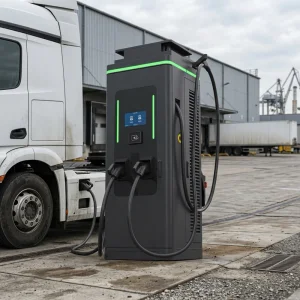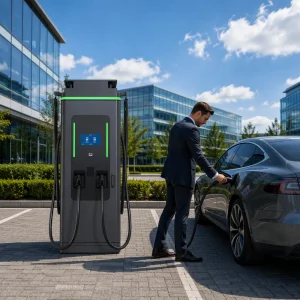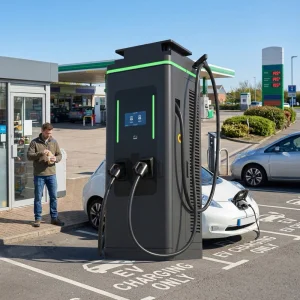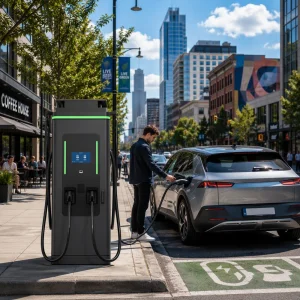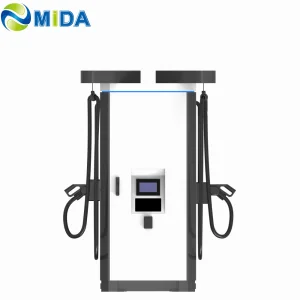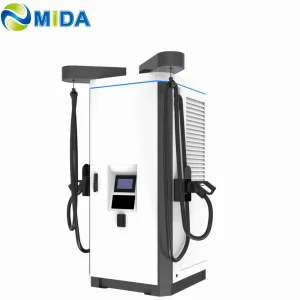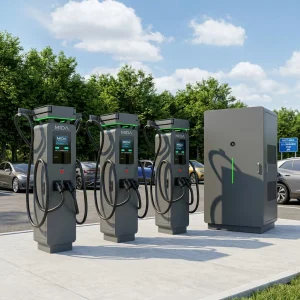
Engineered for high-throughput public plazas, commercial depots, and highway transit hubs
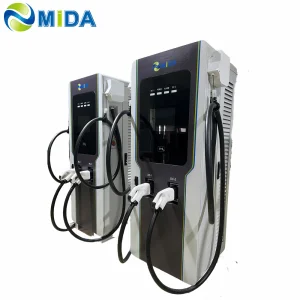
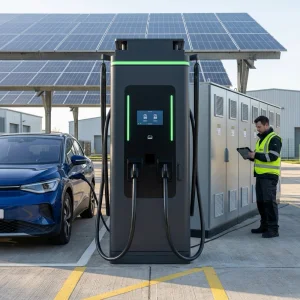
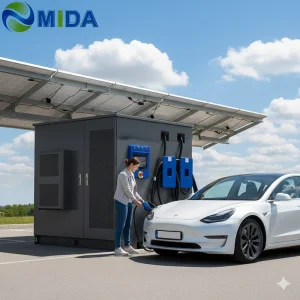
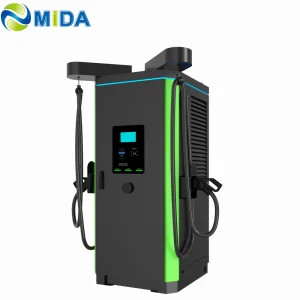
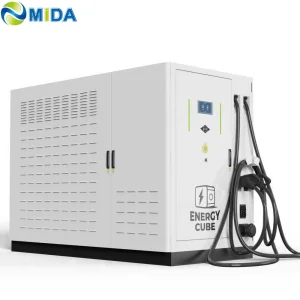
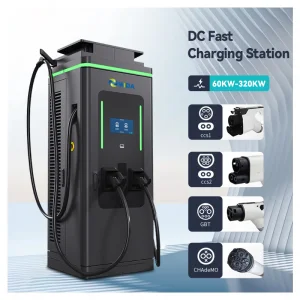
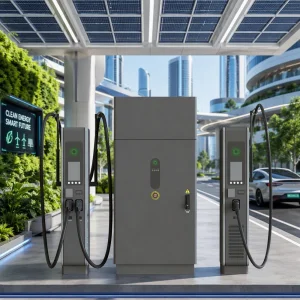
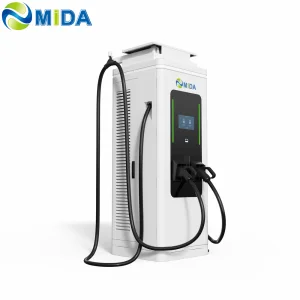
As transport electrification shifts from early adopters to mass-market fleets, the requirements for public and private DC infrastructure have fundamentally altered. Level 3 Charging Stations delivering 240kW represent the strategic sweet spot for charge point operators (CPOs) worldwide. By offering an optimal balance between thermal management, capital expenditure (CapEx), and rapid vehicle turnaround, the 240kW topology addresses the core limitations of lower-capacity chargers without inducing the massive grid upgrades associated with megawatt-class charging.
At 240kW, an electric vehicle configured with an 800V battery architecture can recover up to 100 kilometers of range in under 5 minutes, or charge from 10% to 80% State of Charge (SoC) in approximately 15 to 18 minutes. For 400V legacy battery architectures, our dynamic power routing allocates current dynamically, bypassing standard system limitations by dividing power into two independent 120kW outputs, maintaining high load factors and maximizing revenue per port.
Rather than relying on monolithic, static power supplies, modern China-made 240kW Level 3 charging units leverage modular power blocks. By deploying stacking technologies (e.g., 6 x 40kW or 8 x 30kW high-efficiency power modules), MIDA EV Power chargers dynamically route energy based on the vehicle’s real-time battery management system (BMS) requests. When a single vehicle connects, the unit delivers the full 240kW. When a second vehicle initiates a session, the system automatically redirects power modules into dual 120kW lines, ensuring seamless charging continuity.
Comprehensive ecosystem components manufactured directly by Shanghai Mida Cable Group
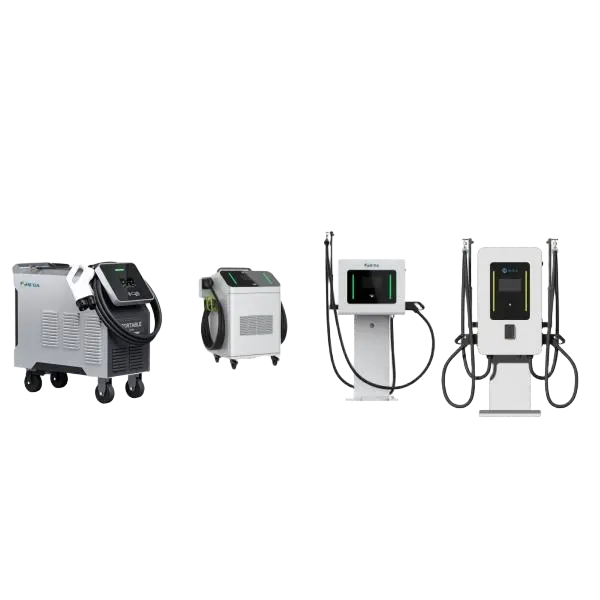
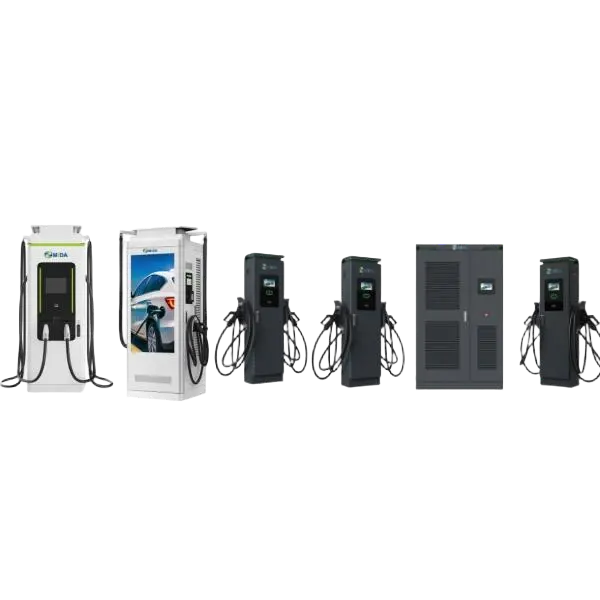
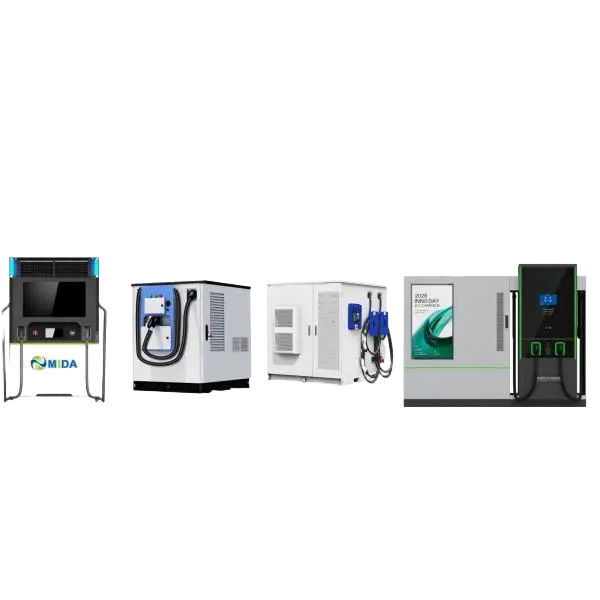
Shanghai Mida Cable Group Ltd. operates as a leading global manufacturer through its wholly owned, vertically integrated subsidiaries: Shanghai Mida EV Power Co., Ltd., Shenzhen Mida EV Power Co., Ltd., and Shanghai Mida New Energy Co., Ltd.
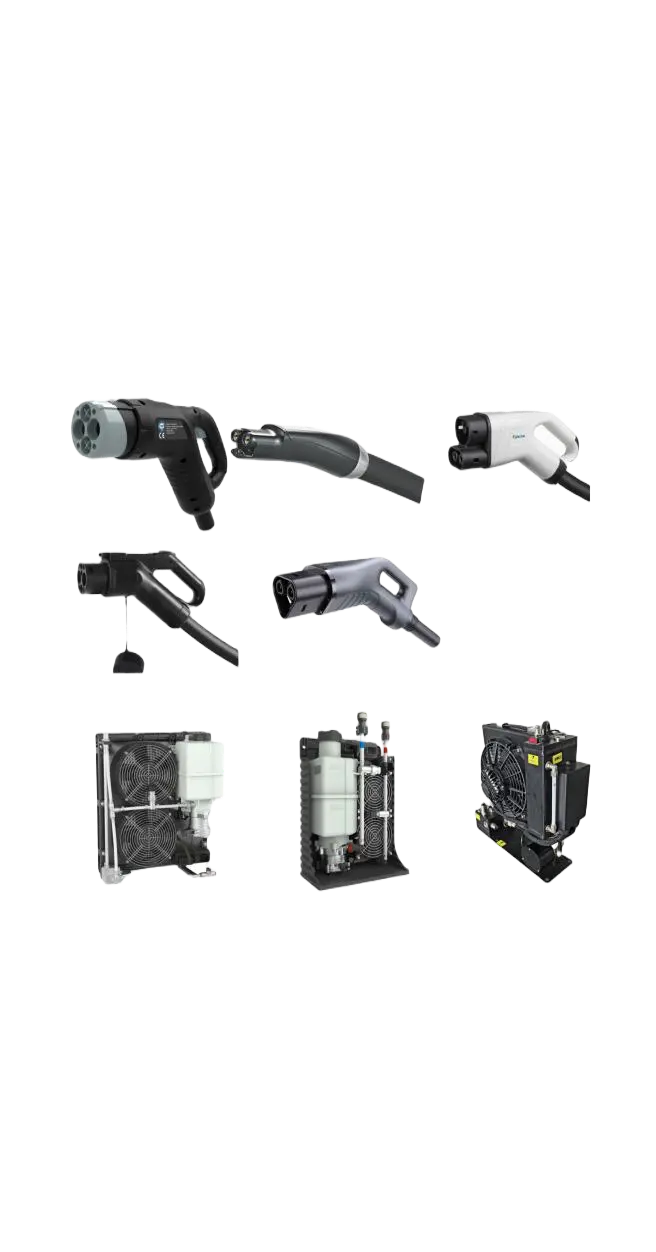
Mida Cable manufactures a comprehensive range of EV charging cables, including 16A–80A J1772 cables, 16A–63A IEC 62196-2 Type 2 cables, and DC fast charging cables: CCS1 (80A–500A), CCS2 (125A–1000A), CHAdeMO (125A–300A), GBT (200A–1000A), and NACS connectors (250A–600A).
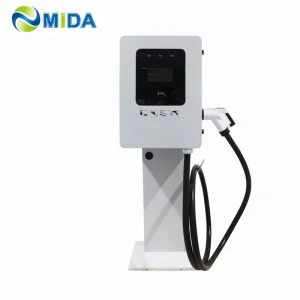
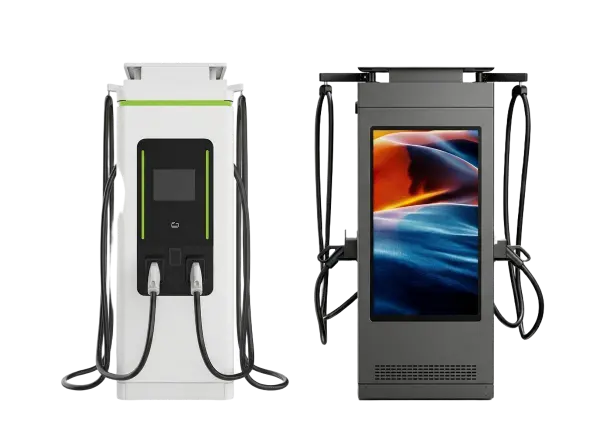
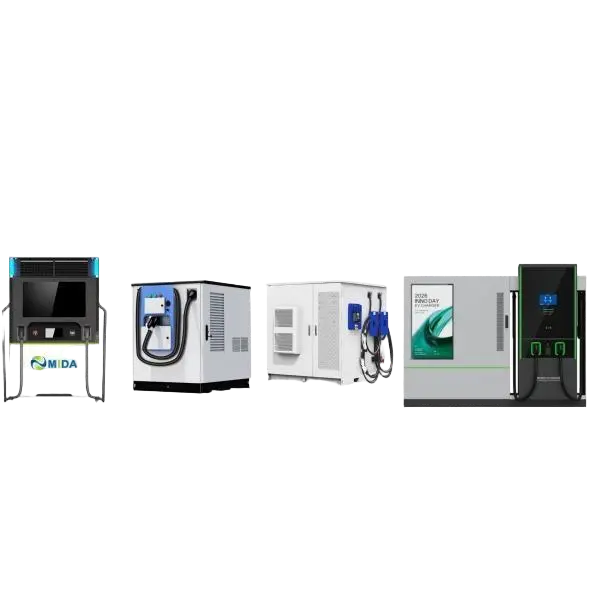
MIDA EV Power produces a full lineup of EV charging stations, such as 7kW–50kW mobile chargers, 3.6kW–7.2kW portable DC chargers, 360kW–1440kW split-type DC fast chargers, 20kW–50kW wall-mounted DC chargers, and 60kW–480kW floor-standing DC fast charging stations.
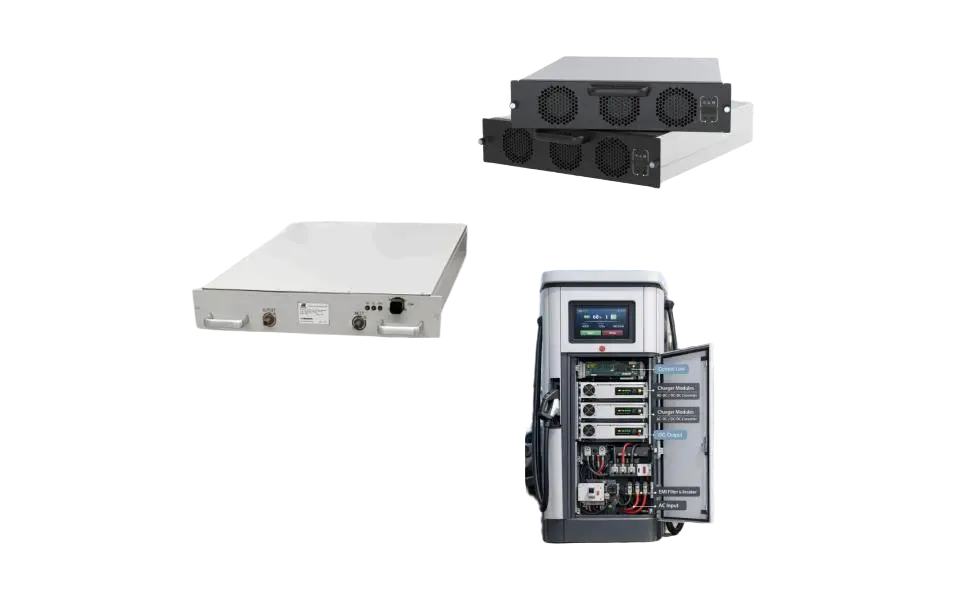
MIDA New Energy specializes in EV charger power modules, offering 20kW–60kW standard modules, 40kW–125kW liquid-cooled modules, 30kW–62.5kW bidirectional modules, and 20kW–45kW V2G charging modules.

The EV charging landscape is evolving from standard high-voltage systems to multi-megawatt platforms. MIDA Group's engineering pipeline is structured around three key technical shifts that ensure all 240kW stations purchased today remain resilient, upgradeable, and compatible with future automotive advancements.
Legacy charging systems rely heavily on Silicon (Si) IGBTs. By transitioning to Silicon Carbide (SiC) MOSFETs within our 40kW and 60kW power modules, our charging circuits achieve reduced switching losses, higher thermal conductivity, and overall power efficiency exceeding 96.5%. This reduces cabinet operating temperatures and increases module lifespans under continuous 240kW output scenarios.
The future of grid-interactive charging lies in vehicle-to-grid (V2G) applications. Our 20kW-45kW V2G power modules enable charging stations to act as active grid balancers. During peak electricity pricing, the 240kW station can draw power from fleet vehicles to offset facility operations, transforming standard infrastructure into dynamic revenue-generating assets.
To prevent thermal throttling when delivering continuous peak outputs of 500A (via CCS2 or NACS), our stations incorporate advanced liquid-cooling manifolds. By circulating dielectric coolant directly to the cable assembly and pins, we maintain lightweight cable designs that remain ergonomic for users while handling high current densities safely.
| Feature Spec | Air-Cooled 240kW Station | Liquid-Cooled 240kW / HPC Systems |
|---|---|---|
| Continuous Current | Up to 250A - 300A | 500A - 600A (Short burst up to 1000A) |
| Cable Diameter & Weight | Standard Thick TPU (Heavy) | Slim Liquid-Cooled TPU (Ergonomic, lightweight) |
| BMS Integration | ISO 15118-2 / DIN 70121 | ISO 15118-20 (Bi-directional V2G supported) |
| Acoustic Footprint | Moderate (Forced-fan exhaust) | Ultra-Low (Quiet pump + remote radiator unit) |
Deploying high-power fast-charging infrastructure at scale introduces grid capacity constraints. MIDA Group offers three tailored architectural solutions to optimize power distribution without requiring costly utility substation redesigns:
By combining our 240kW chargers with 200kWh to 418kWh Battery Energy Storage Systems (BESS), the local grid input is limited to 60kW. The battery stores off-peak energy and discharges at 240kW during EV connections, avoiding utility peak-demand surcharges.
Integrated through OCPP 2.0.1 smart charging profiles, our chargers adjust output power in real-time according to total facility building load. This prevents commercial buildings from exceeding maximum demand limits.
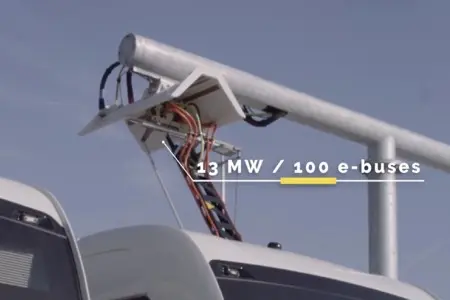
For municipal public bus operations, our "Pantograph Up" and "Pantograph Down" automated overhead interfaces deliver fast opportunity charging at termini, charging e-buses at high currents in minutes.
Manufacturing quality Level 3 charging systems requires complete control over the upstream supply chain. MIDA Group's facility operations in Shanghai and Shenzhen utilize Smart Factory 4.0 standards, which directly translate into tangible benefits for global procurers.
While many EVSE suppliers source copper cable bundles externally, Mida Cable extrudes and crimps copper cores in-house. This gives us control over current density tolerance and thermal resistance, and prevents critical supply bottlenecks.
MIDA New Energy's cleanroom operations feature robotic pick-and-place lines and AOI (Automated Optical Inspection) systems. Every 40kW module undergoes 24 hours of burn-in testing at full load before being integrated into the 240kW enclosure.
Our charging hardware features global safety certifications. Our systems are built to meet CE, UL2231, ETL, CHAdeMO 2.0, NACS, and FCC requirements. This simplifies the permitting and interconnection processes for municipal approvals worldwide.
With the migration to OCPP 2.0.1 and ISO 15118 Plug & Charge, data protection is paramount. Our terminal computers feature hardware security modules (HSM) to encrypt user credentials, payment details, and BMS telemetry.
Industrial components built for harsh environments and heavy duty charging operations
Insights from our R&D departments on high-capacity transit fleet deployments

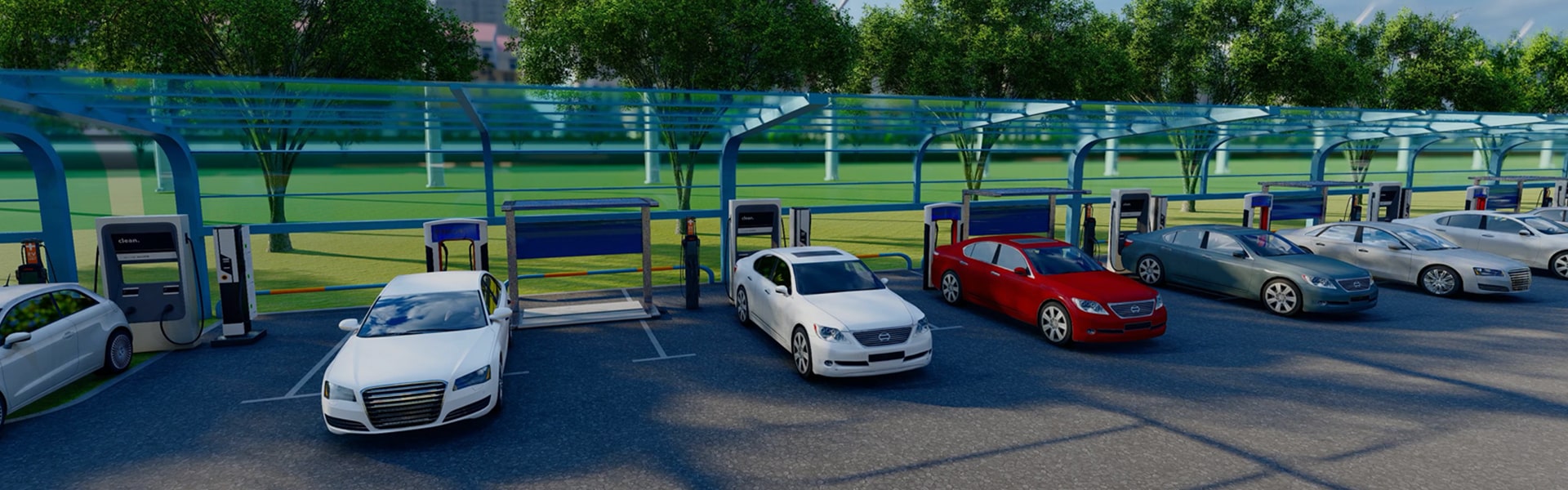
For procurement managers and utility engineers, sourcing DC fast chargers involves evaluating complex variables beyond unit purchase costs. A structured procurement framework ensures that installed assets maintain high uptime and provide a strong return on investment (ROI).
Evaluate standby power consumption, power module efficiency curves, and preventive maintenance cycles. Our SiC modules reduce yearly standby losses by 30% compared to traditional configurations.
Customize external enclosures with bespoke wrap designs, credit card payment terminals, localized billing systems, and custom UI/UX languages for specific regional requirements.
Our standard firmware enables OTA updates and remote resetting, helping operators identify and resolve up to 85% of minor firmware faults without dispatching field technicians.
Addressing engineering challenges and technical considerations for global operators
In practical terms, "Level 3 Charging" refers directly to DC fast charging systems that deliver high voltages (typically 400V to 1000V DC) directly to the vehicle's traction battery. This bypasses the vehicle's onboard AC charger, allowing for high power transfers of 240kW or more. Standard commercial DC chargers typically start at 50kW.
While 350kW systems charge vehicles slightly faster, they require liquid-cooled cables and higher grid capacities, which increases CapEx. A 150kW system, on the other hand, can create bottlenecks for high-capacity delivery vans and trucks. The 240kW system provides an optimal middle ground, allowing for dual 120kW split charging or single-port 240kW fast charging without requiring massive upgrades to local electric utilities.
We manufacture our cables in-house using custom PUR/TPU jacket compounds, which maintain flexibility at temperatures as low as -30°C and resist cracking under intense sunlight. All crimped terminals feature internal temperature sensors that trigger automated power derating if contact resistances rise, preventing thermal damage.
Yes. Our newer DC fast charging stations are equipped with embedded controllers that support ISO 15118-2 and ISO 15118-20. This allows compatible vehicles to authenticate and initiate charging automatically upon plugging in, without requiring external RFID cards, mobile apps, or manual payment interfaces.
Our software stack features secure WebSocket connections (WSS) and TLS 1.3 encryption. Enclosure access points are protected by physical intrusion switches that log unauthorized entry events to the central management system (CSMS) immediately.
Our structures feature IP55/NEMA 3R ingress ratings. R&D-designed airflow channels protect our internal power electronics from airborne dust and moisture, while anti-condensation heaters prevent humidity buildup in cold climates.
We offer customizable configurations for advertising screens (43-inch and 55-inch options), localized POS payment options (NFC, Visa, Mastercard, Apple Pay), and physical connector layouts (CCS1, CCS2, CHAdeMO, GBT, and NACS variants).
Standard configurations typically ship within 4 to 6 weeks. Bespoke ODM solutions featuring localized certifications (e.g., PTB/Eichrecht, local grid codes) generally require 8 to 12 weeks for production and quality verification.
Heavy-duty charging piles configured with dual ports, integrated storage options, and compliance kits