Commercial-grade hardware built for residential, public, and private industrial fleets.
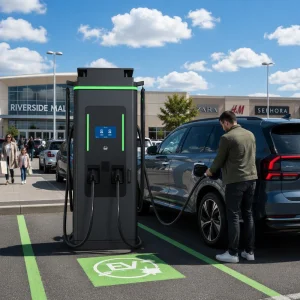
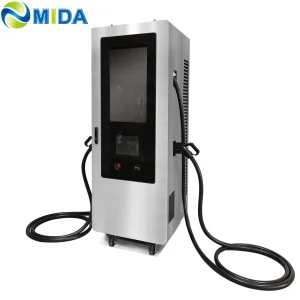
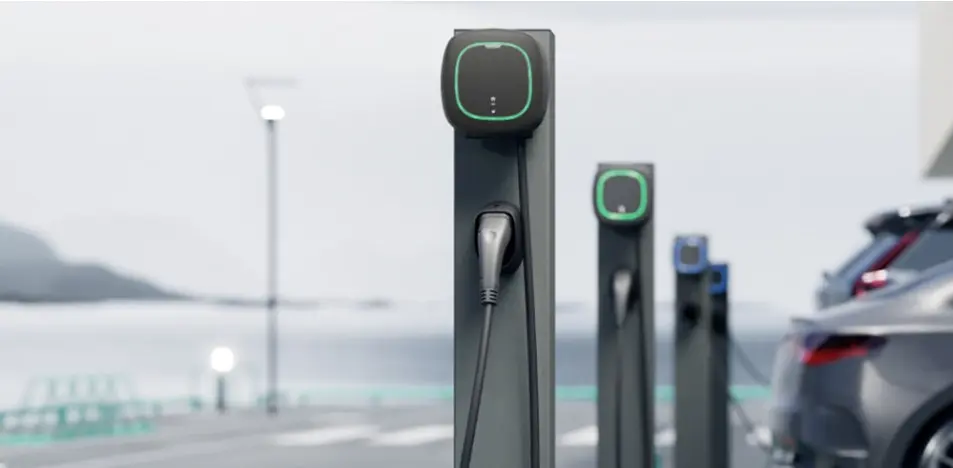
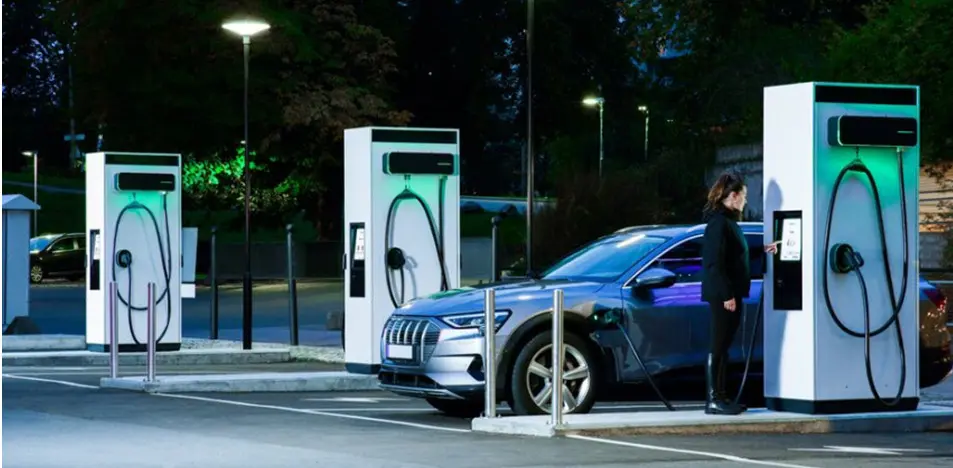
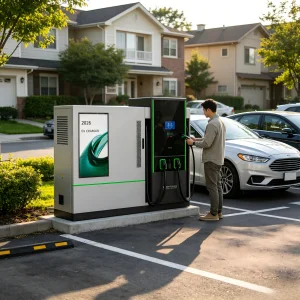
In the contemporary EV charging landscape, the boundary between residential and commercial capabilities is rapidly fading. Sourcing managers and utility scale developers are steering away from slow, basic AC chargers. Instead, they are integrating intelligent, dynamic, and high-wattage charging setups directly into residential communities, multi-family complexes, and private estates.
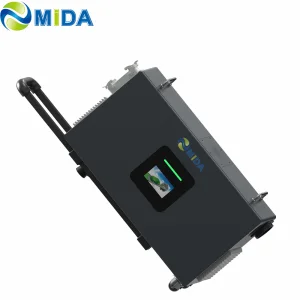
With battery sizes expanding and vehicle architectures transitioning to 800V platforms, standard Level 2 AC installations are often insufficient. Developers are prioritizing 7kW to 30kW movable and wall-mounted DC fast chargers to slash residential dwell-time charging from 8 hours down to under 45 minutes.
This migration introduces technical complexity, requiring advanced load balancing, bidirectional integration (V2H/V2G), and strict communication protocol compliance (ISO 15118 & OCPP 2.0.1). High-performance components must operate reliably under complex local grid fluctuations.
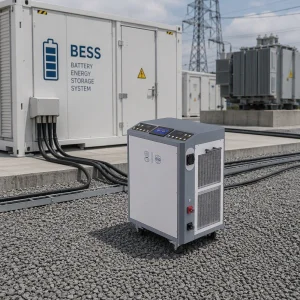
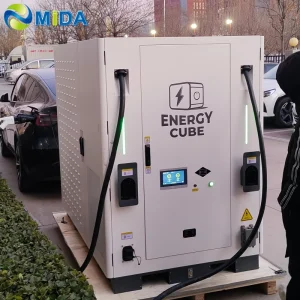
Modern home charging stations are key nodes in smart grids. By pairing high-performance power modules with local battery systems (BESS), developers protect the distribution transformer from peak-load stress while providing reliable backup power to home systems.
Understanding the critical quality benchmarks, regional compliance matrices, and functional requirements of global scale buyers.
Global procurement teams require stations that seamlessly integrate with existing networks. Compliance with OCPP 1.6J/2.0.1, DIN 70121, and ISO 15118 is essential for standard Plug-and-Charge operation, secure TLS communications, and dynamic charging sessions.
High-capacity residential charging demands local grid integration. Advanced home fast chargers must feature dynamic power sharing (DLM), allowing the charger to scale consumption back automatically if the household grid approaches its maximum thresholds.
Whether in sub-zero Scandinavian temperatures or high-humidity coastal settings in Southeast Asia, chargers require IP54/IP65 ratings, UV-resistant enclosures, and industrial thermal management, supported by premium liquid-cooled connectors.
Modern fleet deployment demands integrated transaction points. MIDA designs support built-in POS payment terminals, encrypted RFID reader interfaces, and dynamic QR generation to facilitate open customer charging operations.
Shanghai Mida Cable Group Ltd. operates through its wholly owned subsidiaries: Shanghai Mida EV Power Co., Ltd., Shenzhen Mida EV Power Co., Ltd., and Shanghai Mida New Energy Co., Ltd.
By using a highly integrated Industry 4.0 supply chain model, MIDA provides complete quality control from copper raw materials and control boards to custom housing construction and full-scale electrical safety verification.
Cable & Connector Expertise: MIDA manufactures 16A–80A J1772 cables, 16A–63A IEC 62196-2 Type 2 cables, and DC fast charging cables: CCS1 (80A–500A), CCS2 (125A–1000A), CHAdeMO (125A–300A), GBT (200A–1000A), and NACS connectors (250A–600A).
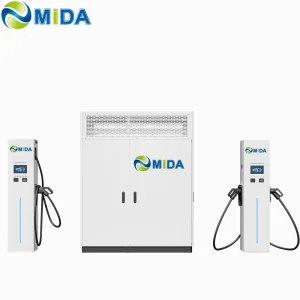
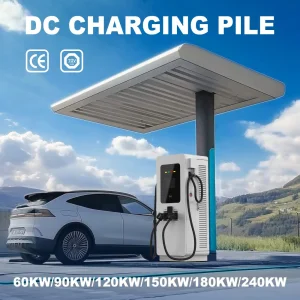
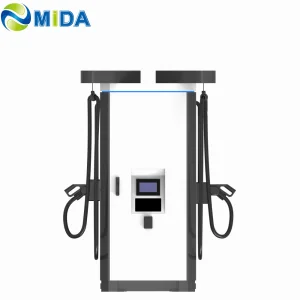
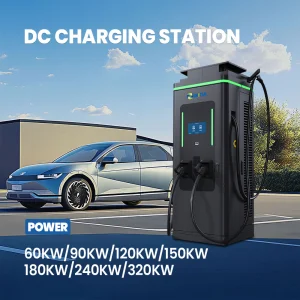
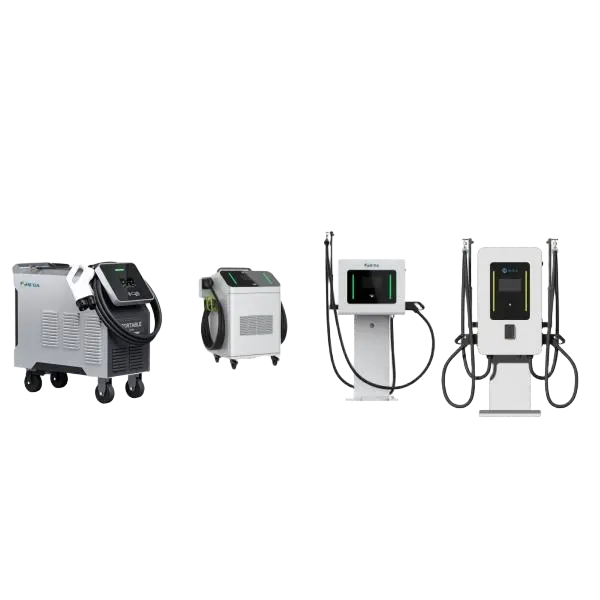
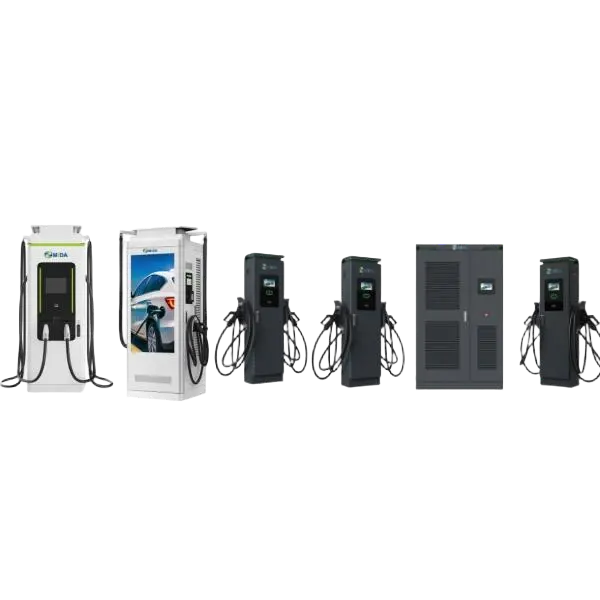
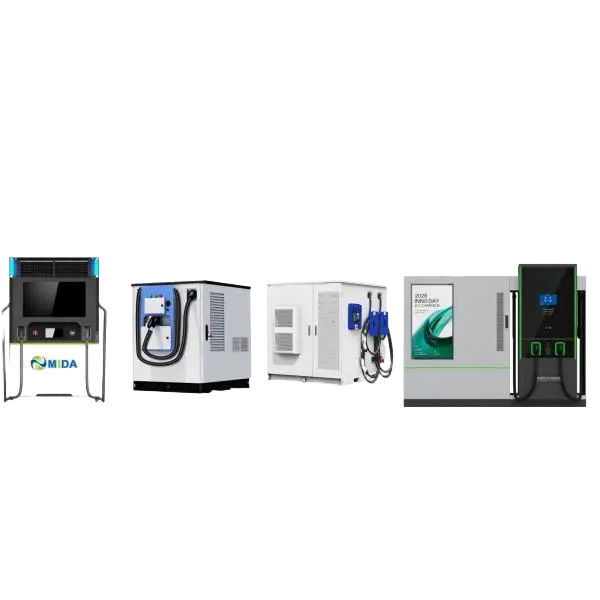
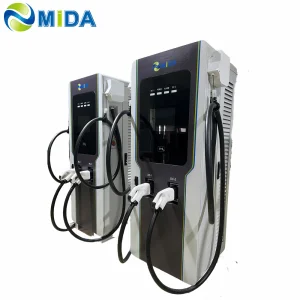
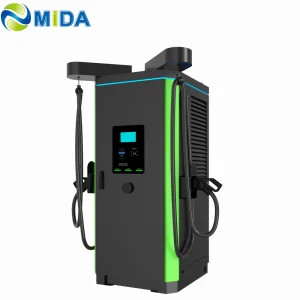
Our EV charging stations cover 7kW–50kW mobile chargers, 3.6kW–7.2kW portable DC chargers, 360kW–1440kW split-type DC fast chargers, 20kW–50kW wall-mounted DC chargers, and 60kW–480kW floor-standing DC fast charging stations.

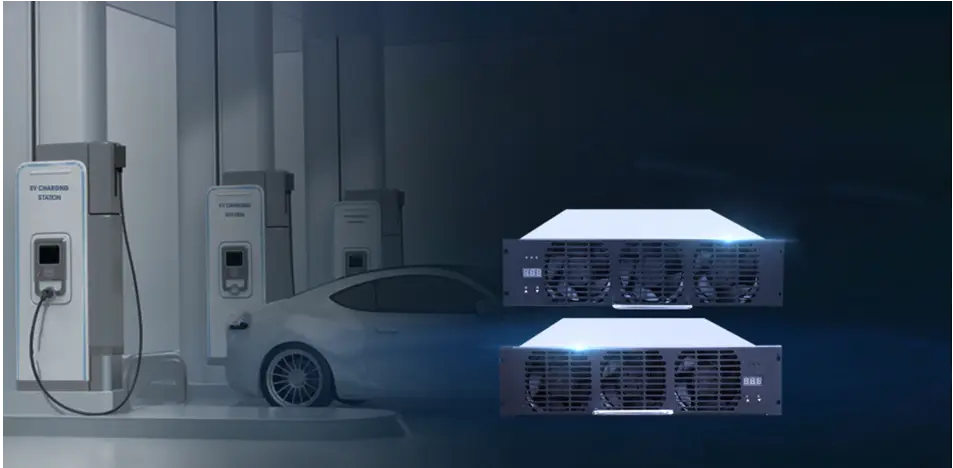
Advanced engineering solutions covering power conversion modules, liquid cooling systems, and integrated battery energy storage.
Explore our sub-assembly products, built to support complete customization of high-efficiency EV hardware networks.
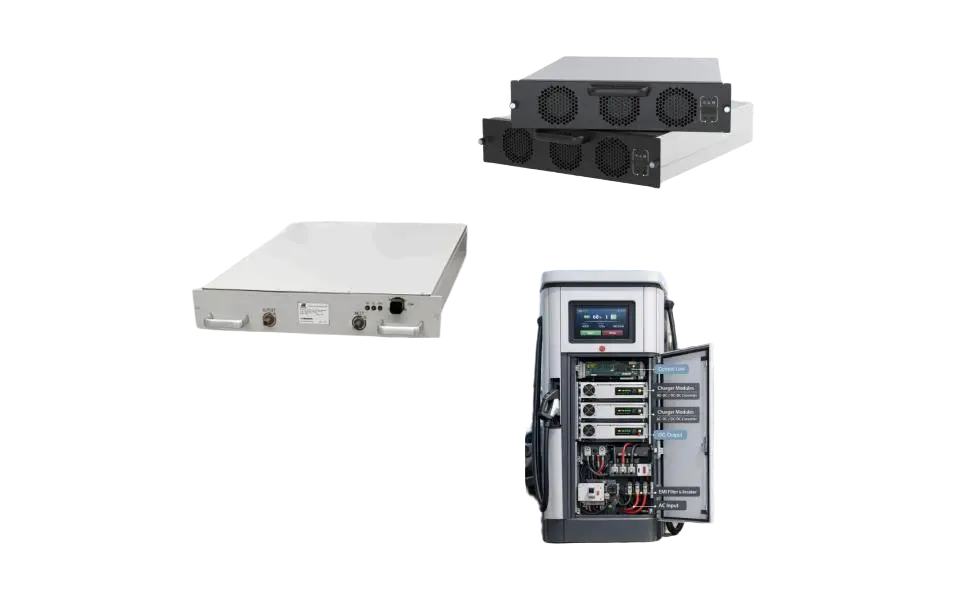
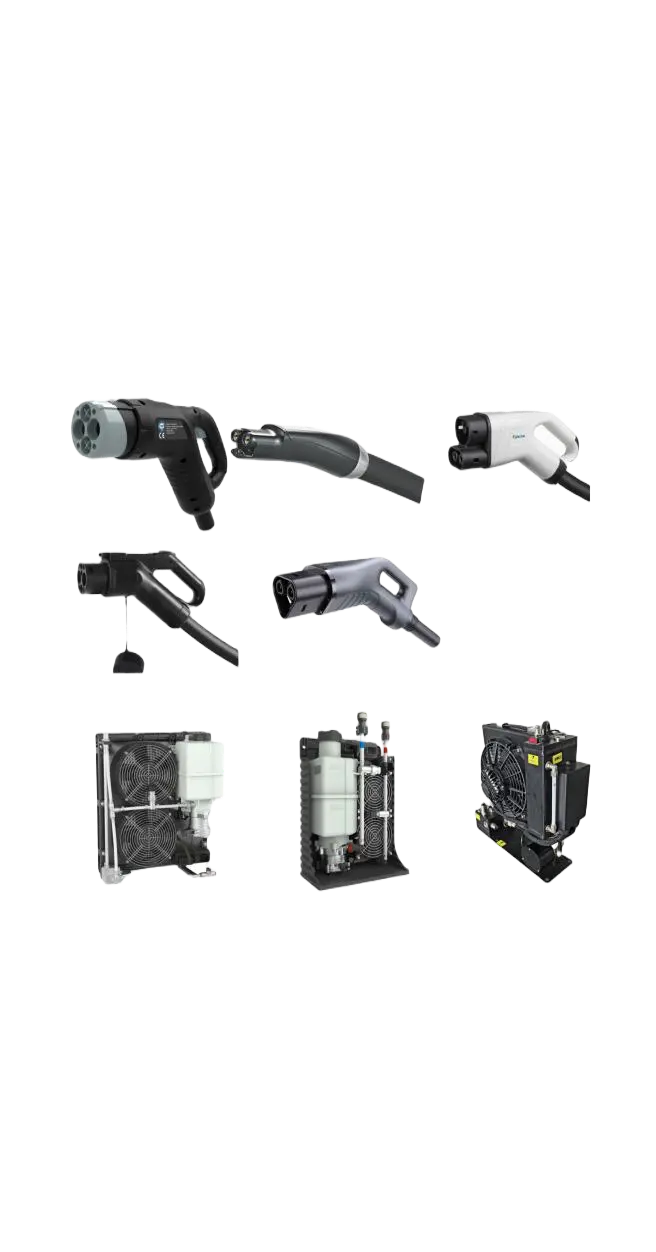
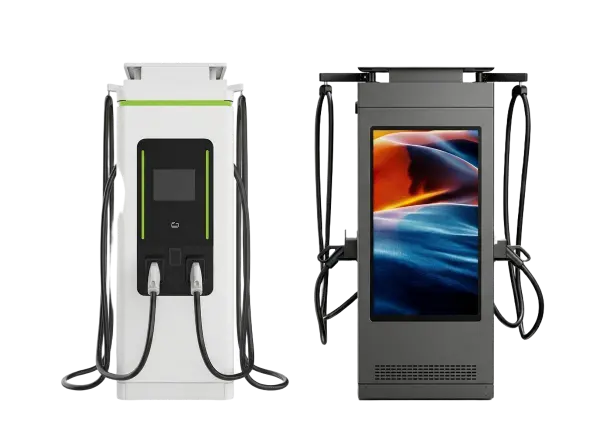
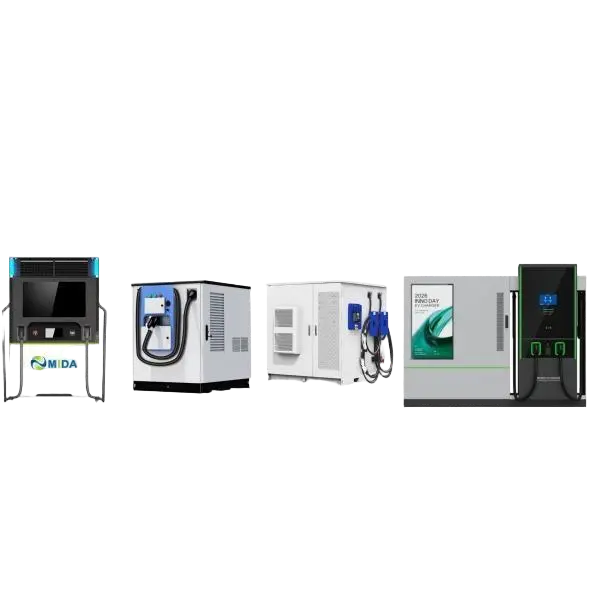
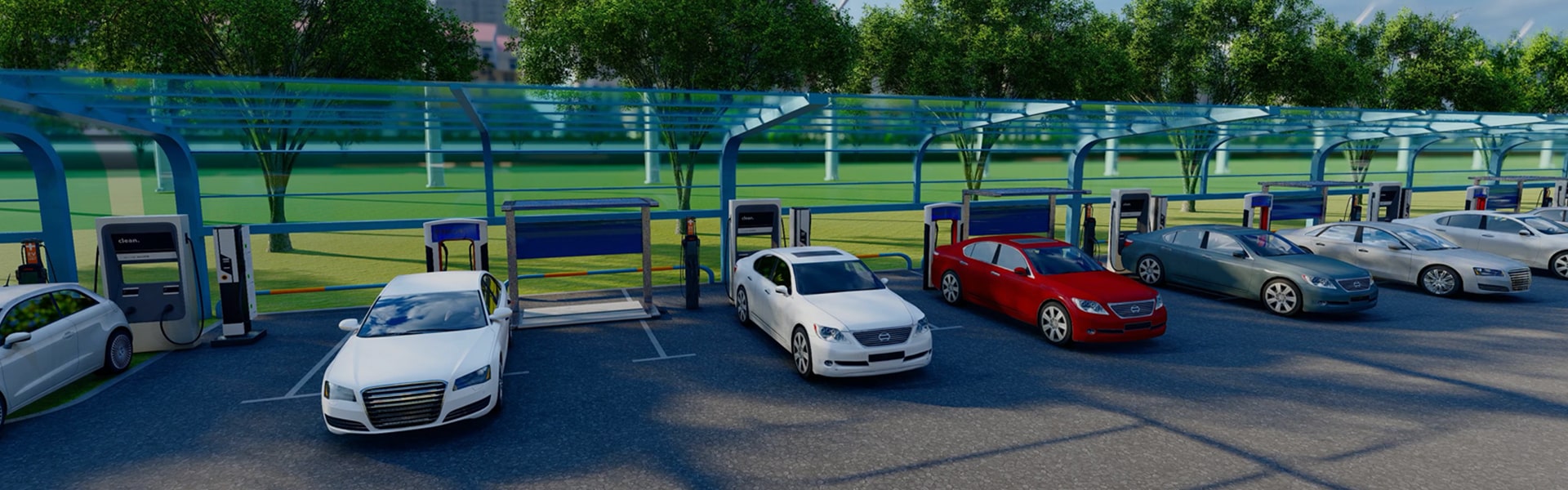
Maintaining supply chain resilience is a core requirement for large charging station deployments. MIDA Group optimizes production efficiency by manufacturing internal critical components, such as high-current cables, connectors, and power modules, in-house.
By owning key design assets from copper wire drawing to automated SMT processing, MIDA reduces points of failure, shortens engineering lead times, and maintains control over product pricing.
This localized control allows MIDA to quickly customize products for regional grids, offering custom configurations for European CE grid configurations, North American UL power distribution standards, and Japanese CHAdeMO compliance models.
Stay up to date with MIDA Group's technical innovations, industry case studies, and engineering solutions.
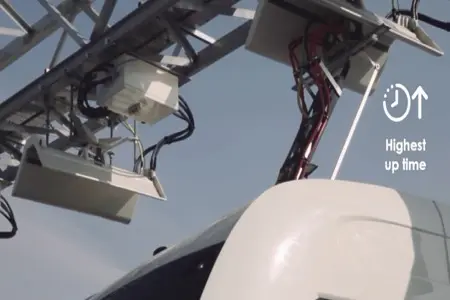
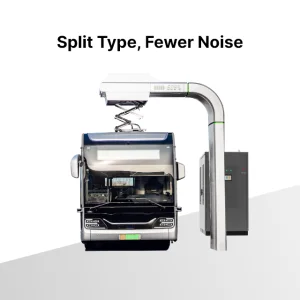
What are the advantages of an e-bus pantograph dome? In contrast to classic plug-in charging systems, e-bus pantograph systems allow fully automated charging during schedule stops, improving system uptime.
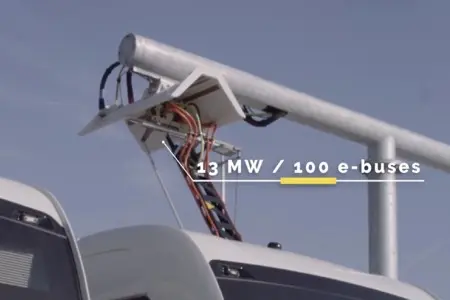
How long does it take to charge with an e-bus pantograph? Charging times vary depending on the battery capacity and output power of the pantograph, but high-current systems can restore battery levels in minutes.
How to Install the Pantograph Up Charger System Dome for Electric Bus: A technical guide to structural mounting, power routing, and overhead clearance configurations for heavy fleet depots.
Answering structural questions regarding certifications, deployment limits, and technological integrations for procurement managers.
AC Chargers supply alternating current directly to the EV, relying on the vehicle's onboard charger to convert it to DC. This conversion often limits charging speed. Movable DC Fast Chargers (such as MIDA's 7kW to 30kW models) bypass the onboard charger and feed DC power directly to the battery, allowing much faster charging speeds.
OCPP 2.0.1 improves security via TLS configurations, client-side certificates, and enhanced threat logging. It also supports complex smart charging, ISO 15118 integrations, and Plug-and-Charge handshakes, which helps simplify fleet management.
High charging currents generate heat. Liquid-cooled cables and power modules help manage this heat, allowing higher charging currents (up to 1000A) through thinner, lighter cables without overheating.
Yes. MIDA produces dedicated V2G power modules (ranging from 20kW to 45kW) and bidirectional AC/DC charging stations, enabling energy storage systems (BESS) and compatible EVs to return energy back to local building grids.
Liquid-cooled systems, testing equipment, and energy-storage-buffered EV charging stations.