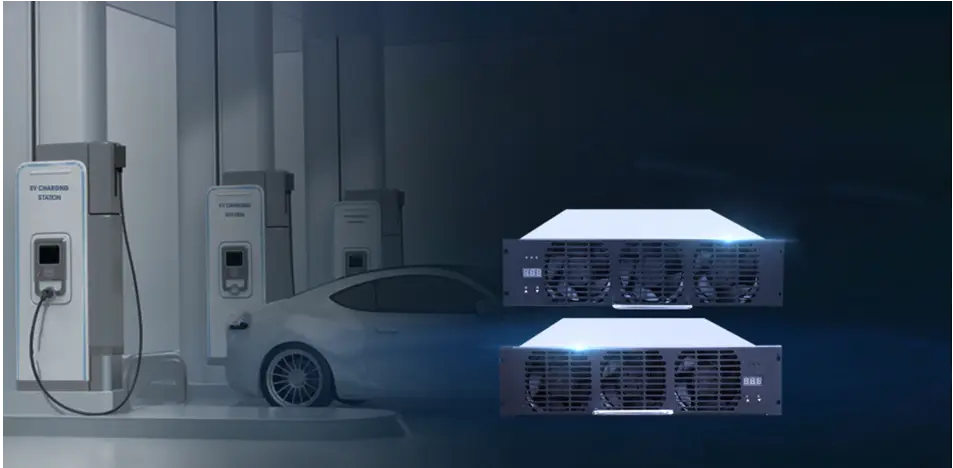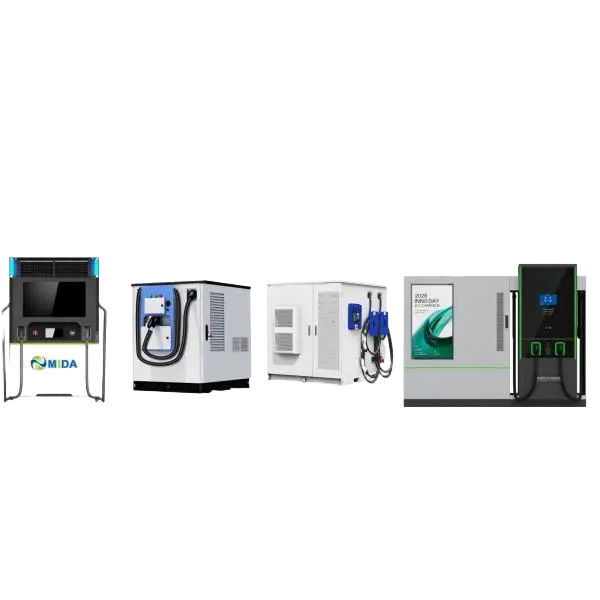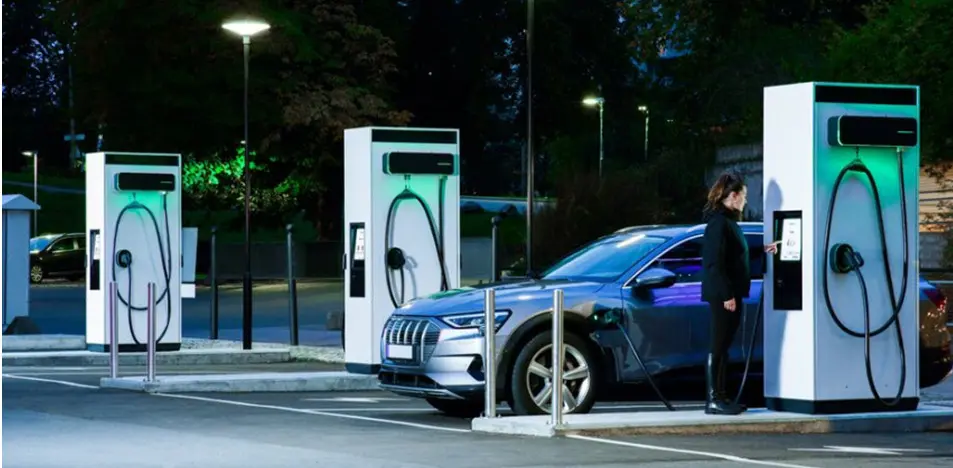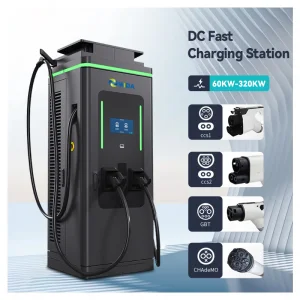
Explore our industrial-grade DC fast charging systems, built to meet worldwide certification standards (TUV, CE, ETL, UL, NACS) for public, fleet, and highway commercial hubs.

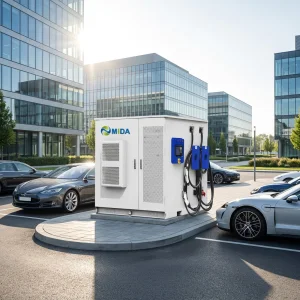
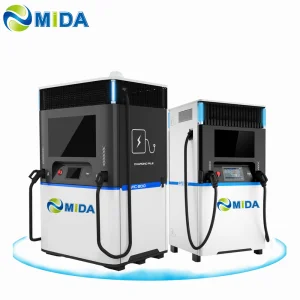
Addressing power grid integration, dynamic fleet routing, and the rapid migration to high-speed megawatt infrastructure.
The global transition to electric fleets and high-capacity logistics is rewriting the rules for electrical distribution systems. In the United States, Europe, and the APAC region, Charge Point Operators (CPOs) and fleet administrators are moving away from traditional low-power destination charging to high-voltage, high-power DC charging networks capable of matching operational workflows.
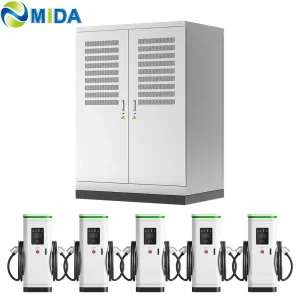
For fleet depots, public stations, and massive shipping hubs, the key challenge is peak-demand grid congestion. Integrating DC fast chargers (spanning from 180kW to 1440kW) creates immediate strain on local distribution transformers. This technical bottleneck requires B2B developers to seek vertically integrated manufacturers who offer both raw high-power output and hybrid energy buffer solutions like Battery Energy Storage Systems (BESS).
Traditional forced-air cooling methods fall short under sustained 350A+ charging profiles. To handle higher densities safely, the industry is transitioning to liquid-cooled cables and power module integration, drastically reducing thermal wear and guaranteeing a continuous charging duty cycle.
Our key categories cover everything from low-profile destination AC hardware to large-scale grid-independent battery storage stations.
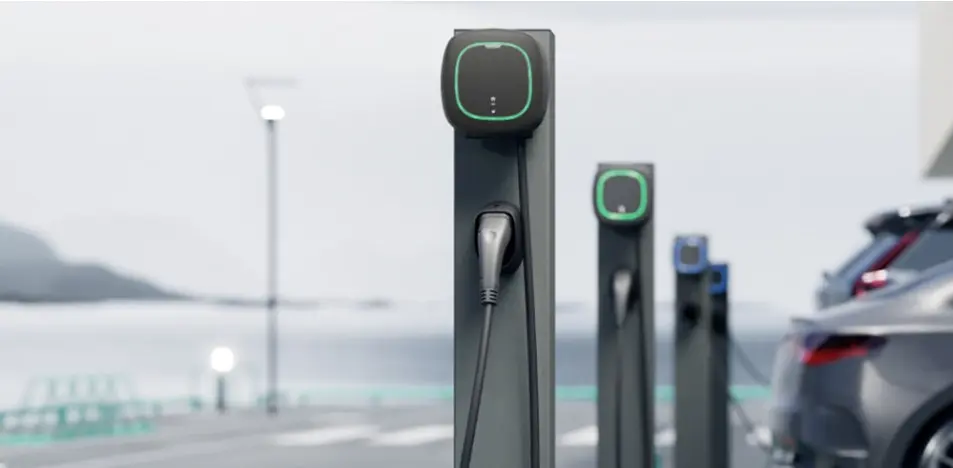
Smart, reliable AC chargers built for residential setups, hotel parking, corporate facilities, and retail zones. Supports OCPP 1.6J/2.0.1 smart load balancing.
Discover Shanghai Mida Cable Group Ltd. – A powerhouse of vertically integrated EV connection solutions, power conversion modules, and microgrid charging systems.
Shanghai Mida Cable Group Ltd. operates through its wholly owned subsidiaries: Shanghai Mida EV Power Co., Ltd., Shenzhen Mida EV Power Co., Ltd., and Shanghai Mida New Energy Co., Ltd. This unique structure gives us complete control over our design, component, and assembly supply chain.
Mida Cable manufactures a comprehensive range of EV charging cables, including 16A–80A J1772 cables, 16A–63A IEC 62196-2 Type 2 cables, and heavy-duty DC fast charging cables: CCS1 (80A–500A), CCS2 (125A–1000A), CHAdeMO (125A–300A), GBT (200A–1000A), and NACS connectors (250A–600A) to support transition trends in North America.
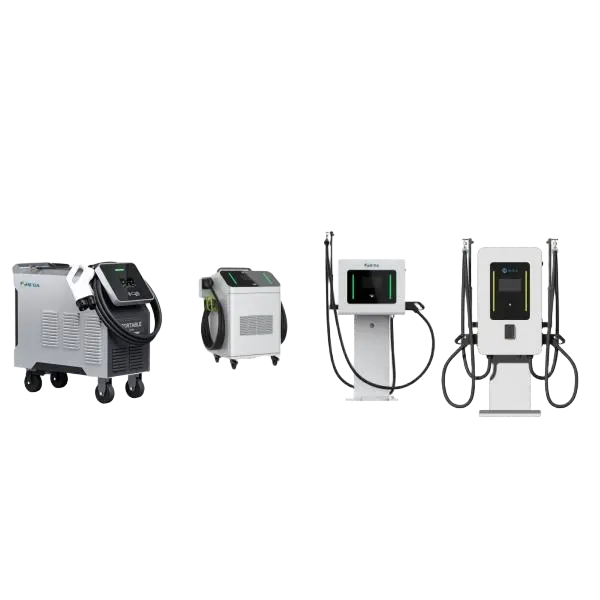
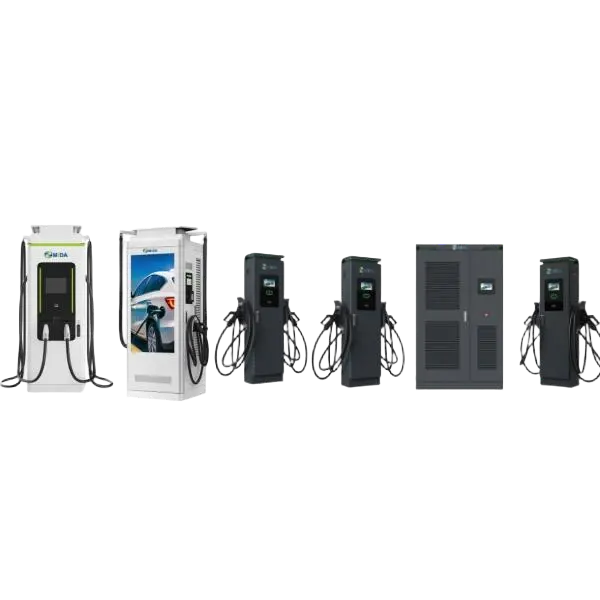
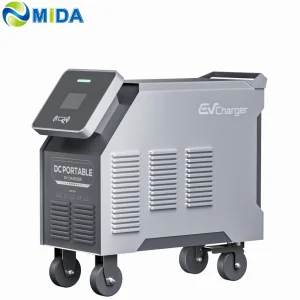
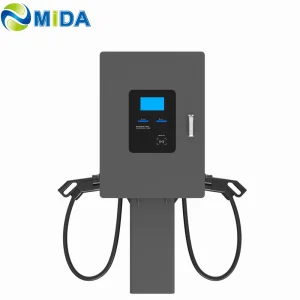
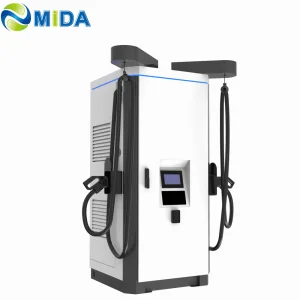
MIDA EV Power produces a full lineup of EV charging stations, such as 7kW–50kW mobile chargers, 3.6kW–7.2kW portable DC chargers, 360kW–1440kW split-type DC fast chargers, 20kW–50kW wall-mounted DC chargers, and 60kW–480kW floor-standing DC fast charging stations.
MIDA New Energy specializes in EV charger power modules, offering 20kW–60kW standard modules, 40kW–125kW liquid-cooled modules, 30kW–62.5kW bidirectional modules, and 20kW–45kW V2G charging modules.

How MIDA's internal manufacturing ecosystem ensures reliable, high-yield product delivery for worldwide buyers.
For international enterprise buyers, procuring hardware from China involves assessing quality consistency, supply chain transparency, and engineering agility. MIDA addresses these needs by maintaining deep vertical integration. Instead of sourcing cables, cooling elements, and power modules from external suppliers, MIDA designs and builds these components in-house. This internal supply chain offers significant operational advantages:
Eliminating third-party margins on essential components like liquid-cooled cables and power sub-assemblies allows us to pass structural savings directly to our buyers without compromising component quality.
Our unified engineering team aligns mechanical design and thermal management in parallel. Hardware configurations are optimized and finalized weeks faster than traditional manufacturing setups.
Every cable, PCB assembly, and liquid-cooled manifold is tested on the assembly line to meet demanding ISO 9001 and IATF 16949 standards, minimizing down-time and field service interventions.
By producing both the high-stress charging couplers (such as our 500A liquid-cooled CCS1/CCS2 connectors) and the internal power modules, we eliminate common communication mismatches between system components. This ensures seamless communication between the charger cabinet, cooling system, and vehicle, preventing localized heat build-up and preserving connector health over thousands of duty cycles.
Explore our core component categories and integrated systems designed to meet your precise technical requirements.
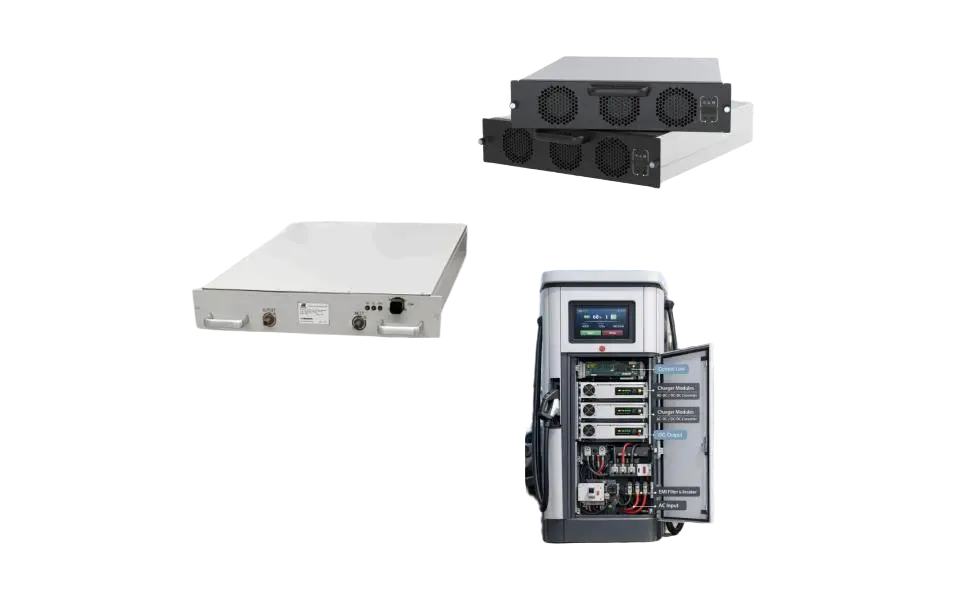
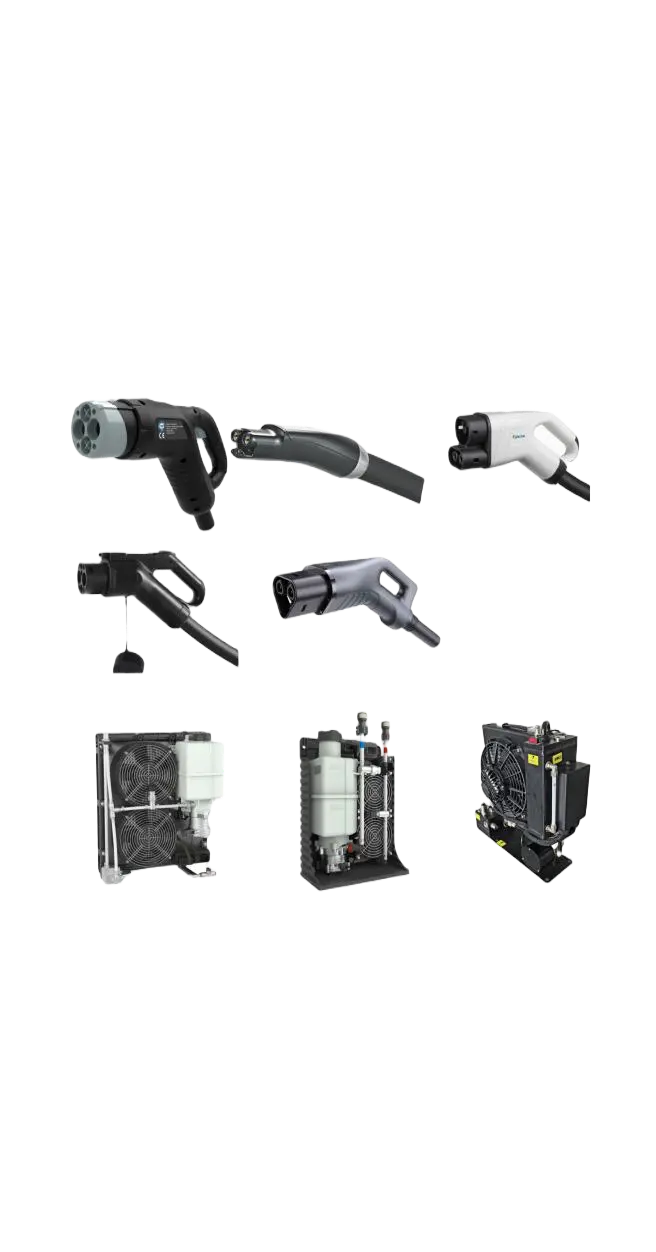
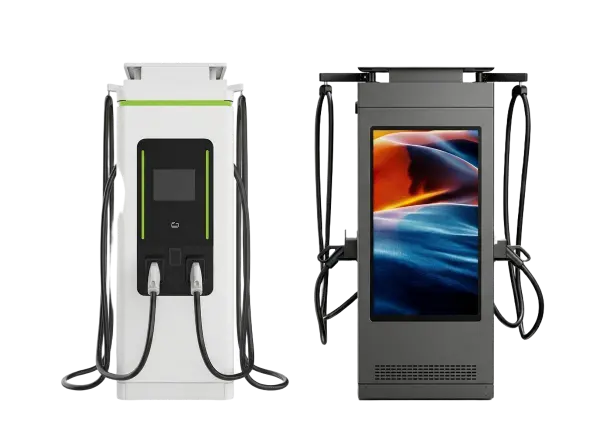
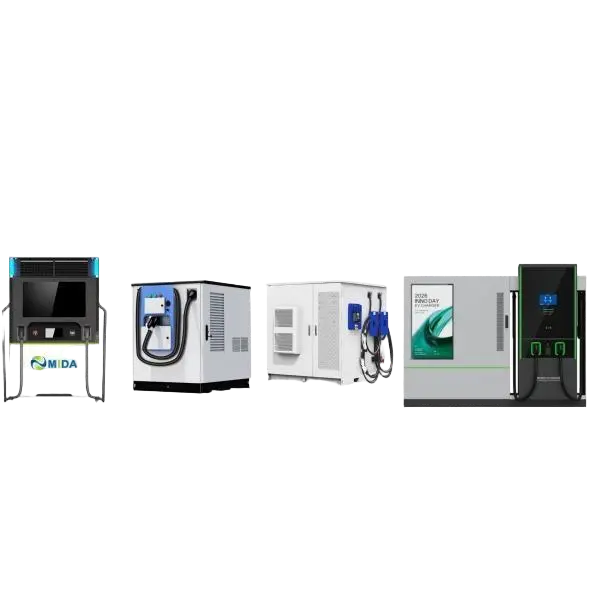
Deploying reliable charging infrastructure tailored to specific regional power regulations and unique local settings.
Modern EV deployments extend far beyond typical highway roadside spots. Diverse operating models require flexible charging hardware configuration:
Delivery operators require high-density charging during limited overnight hours. Our wall-mounted or modular 60kW to 180kW DC systems allow logistics centers to maximize parking layouts with space-saving, dual-port pedestal terminals.
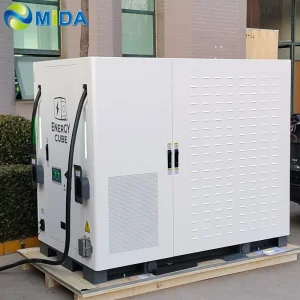
Highway service plazas face grid connection constraints. Incorporating our integrated 200kWh to 2MWh battery storage systems (BESS) allows charging hubs to draw continuous, low-draw power from the grid, storing it for rapid discharge during high-capacity vehicle arrivals.
Transit operators require fast charging during short layovers. Our Pantograph charging solutions deliver hundreds of kilowatts in minutes, providing reliable, touchless connection directly to the vehicle's roof contact system.
Additionally, regional power systems demand custom safety setups. While European deployments rely on CCS2 with CE and TUV compliance, North American operators need UL 2202 and ETL certification, combined with NACS connectivity. MIDA addresses this by offering flexible, factory-level custom builds that meet target market standards out of the box.
Stay up to date with our newest products, technical breakthroughs, and clean energy insights.
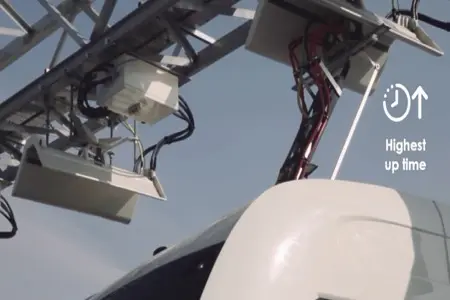
What are the advantages of an e-bus pantograph dome? In contrast to classic plug-in charging systems, e-bus pantograph systems allow automated, ultra-high power transfer...
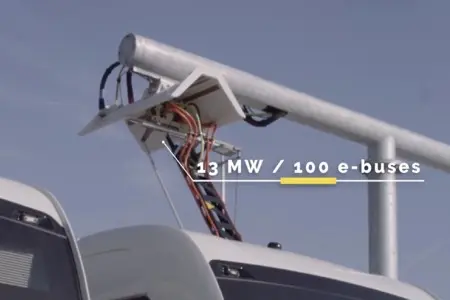
How long does it take to charge with an e-bus pantograph? The charging time depends on the battery capacity and the station's total output rate, often completed within minutes...
How to Install the Pantograph Up Charger System Dome for Electric Bus. Installing a "Pantograph Up" system requires rigorous alignment and grid coupling checks...
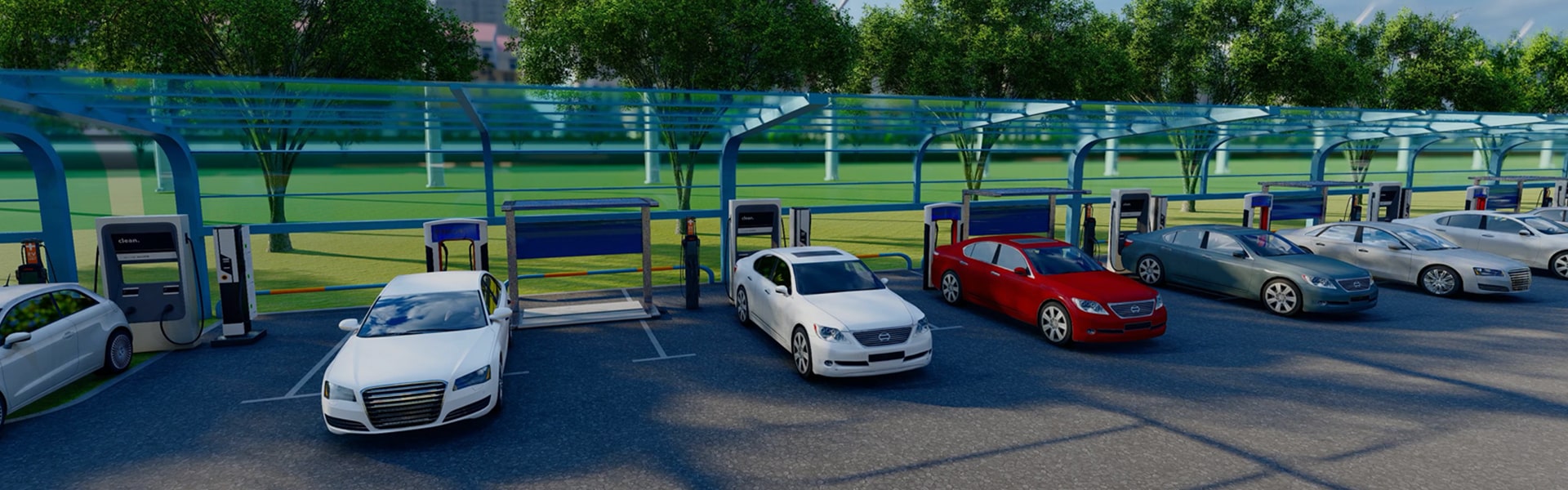
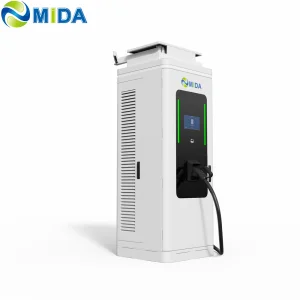
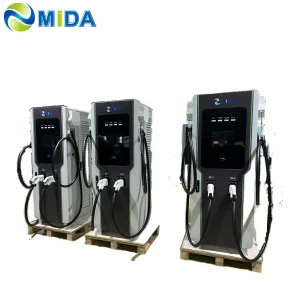
Explore our targeted selection of high-power DC fast chargers, built with advanced thermal management and robust materials for high-uptime operations.
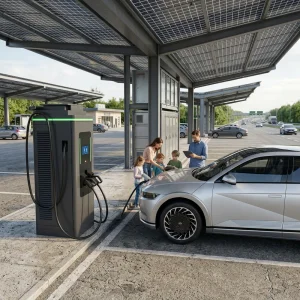
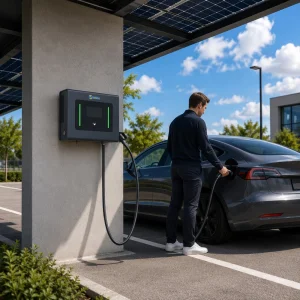
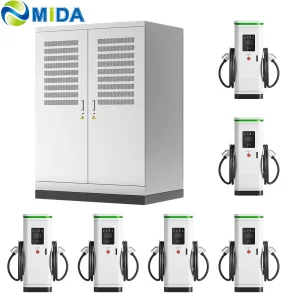
Get answers to critical technical and regulatory questions about sourcing high-power charging hardware from China.