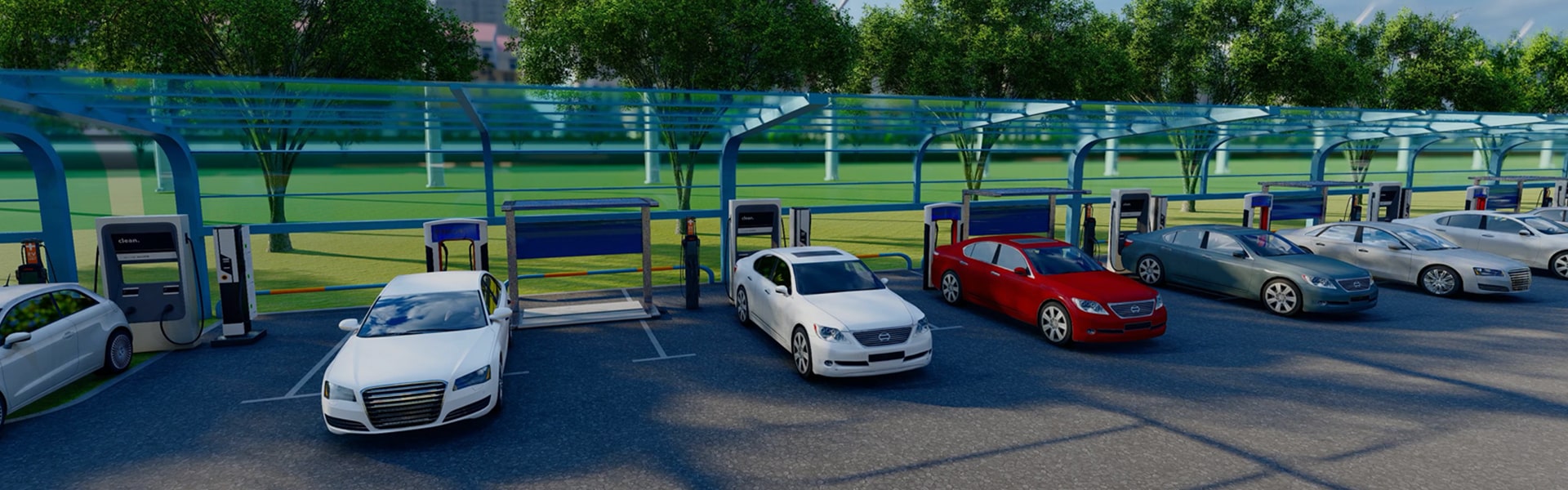
Explore our Tier-1 engineered high-power DC fast chargers and energy storage integration systems, manufactured under strict international quality guidelines.
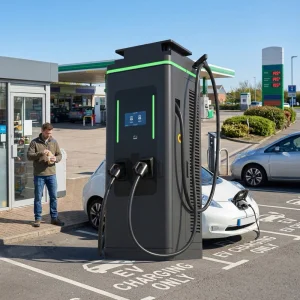
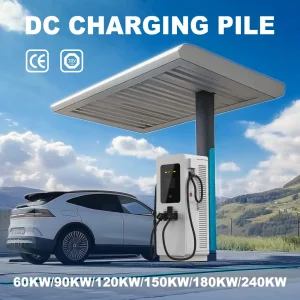
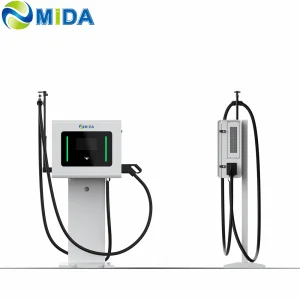
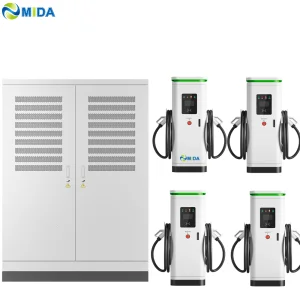
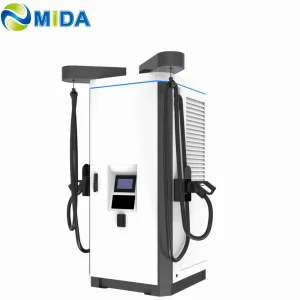
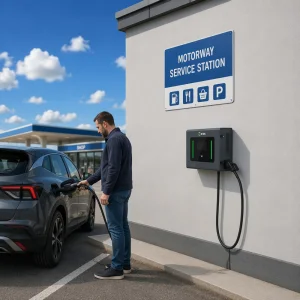
The exponential adoption of Electric Vehicles (EVs) worldwide has shifted the electric mobility paradigm. Where destination charging on alternating current (AC) once sufficed, the modern logistics corridor, transit hub, and municipal depot demand high-capacity Direct Current (DC) fast charging. However, scaling DC fast charging infrastructure presents deep technical hurdles. Rapid energization peaks trigger severe voltage fluctuations, transformer overload, and elevated utility demand charges.
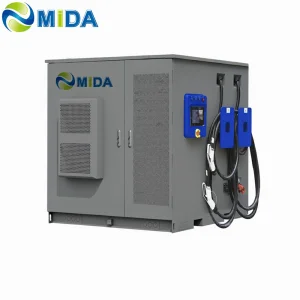
To bridge the gap between high-power demand and local grid capacities, modern infrastructure requires systemic solutions. Shanghai Mida Cable Group Ltd. designs and manufactures unified, smart charging environments. By integrating Battery Energy Storage Systems (BESS) alongside DC ultra-fast chargers, we provide grid-buffer mechanisms that mitigate localized stress. During periods of peak electricity demand, the onboard battery systems discharge to supply the requisite 120kW to 480kW charging profiles, minimizing draw from local substations. Conversely, during off-peak periods, the storage medium recovers, enabling grid operators to optimize distribution efficiency and reduce operating expenditures (OpEx).
Our macro solutions extend to smart power routing and dynamic load management. Utilizing advanced charging controllers and digital power switching, our multi-vehicle charging matrices allocate current based on real-time vehicle battery state-of-charge (SoC). This eliminates localized power spikes and ensures safe, efficient, and reliable energy distribution at scale.
The global commercial and industrial (C&I) sectors are experiencing a major transition. Major fleet operators, shipping carriers, and urban bus transit networks are systematically phasing out diesel and CNG vehicles in favor of battery-electric platforms. Consequently, demand is surging for industrial charging systems that minimize vehicle downtime. We have observed this shift firsthand in major industrial zones across Europe, North America, and the Asia-Pacific region.
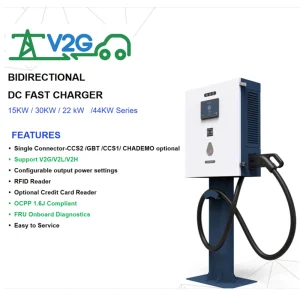
Furthermore, policy mandates are requiring commercial parking hubs to incorporate bidirectional charging capabilities. Vehicle-to-Grid (V2G) technology is no longer just a pilot concept; it is an active resource for grid ancillary services, peak-shaving, and demand-response programs. MIDA Group's line of bidirectional power modules (20kW to 62.5kW) and V2G charging piles allow fleets to act as virtual power plants. This provides fleet managers with a dual revenue stream: performing their primary logistics operations while injecting power back into the grid during peak pricing windows.
A Comprehensive Pioneer in EV Cables, Connectors, Power Modules & DC Charging Stations.
Shanghai Mida Cable Group Ltd. operates through its wholly owned subsidiaries: Shanghai Mida EV Power Co., Ltd., Shenzhen Mida EV Power Co., Ltd., and Shanghai Mida New Energy Co., Ltd. This integrated operational structure allows us to manage quality and engineering across the entire value chain—from specialized raw cables and cooling units to power conversion electronics and final enclosure assemblies.
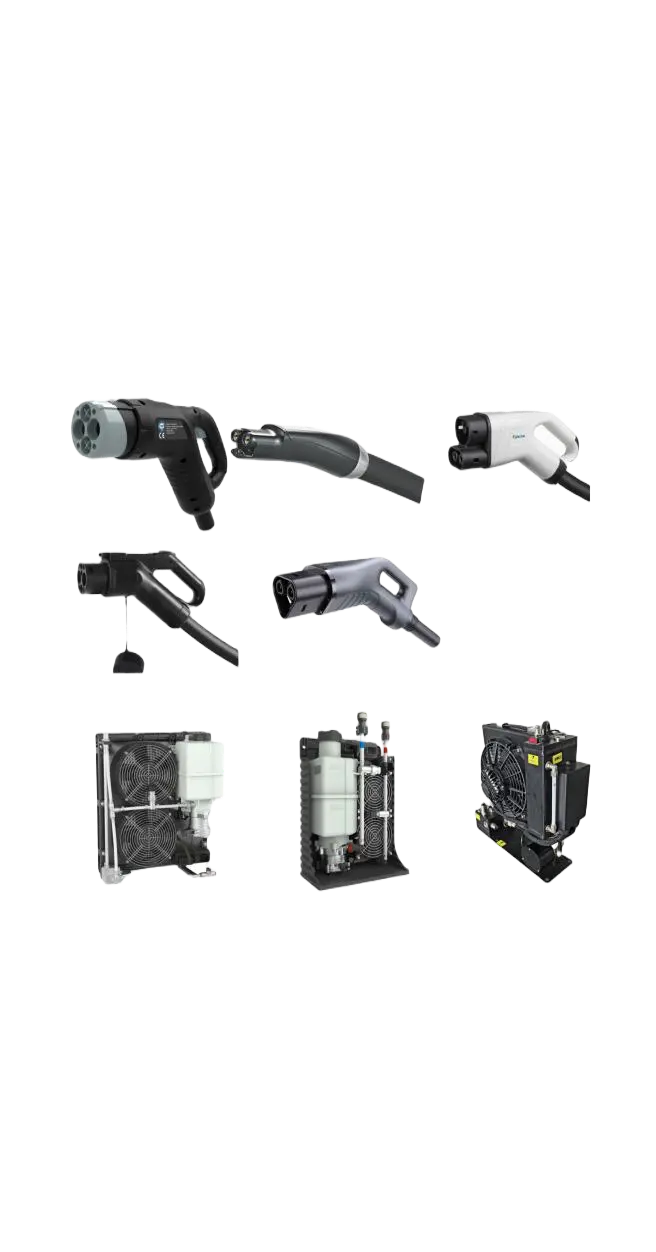
Mida Cable manufactures a comprehensive range of EV charging cables, including 16A–80A J1772 cables, 16A–63A IEC 62196-2 Type 2 cables, and heavy-duty DC fast charging cables: CCS1 (80A–500A), CCS2 (125A–1000A), CHAdeMO (125A–300A), GBT (200A–1000A), and NACS connectors (250A–600A).
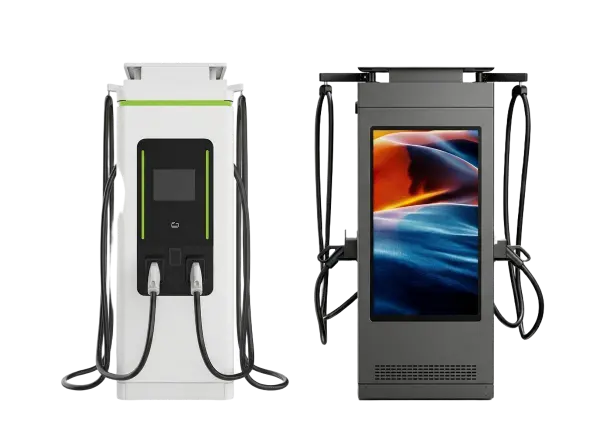
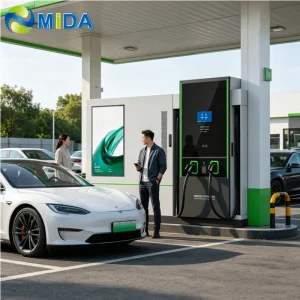
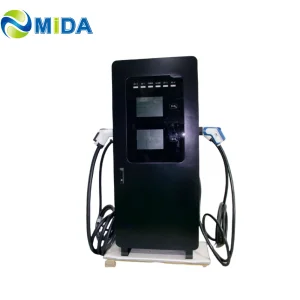
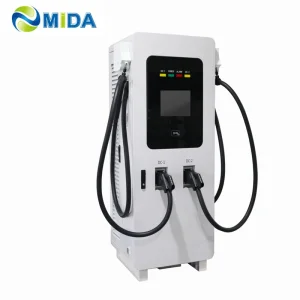
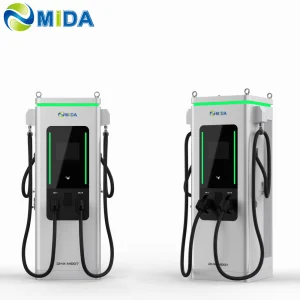
MIDA EV Power produces a full lineup of EV charging stations, such as 7kW–50kW mobile chargers, 3.6kW–7.2kW portable DC chargers, 360kW–1440kW split-type DC fast chargers, 20kW–50kW wall-mounted DC chargers, and 60kW–480kW floor-standing DC fast charging stations.
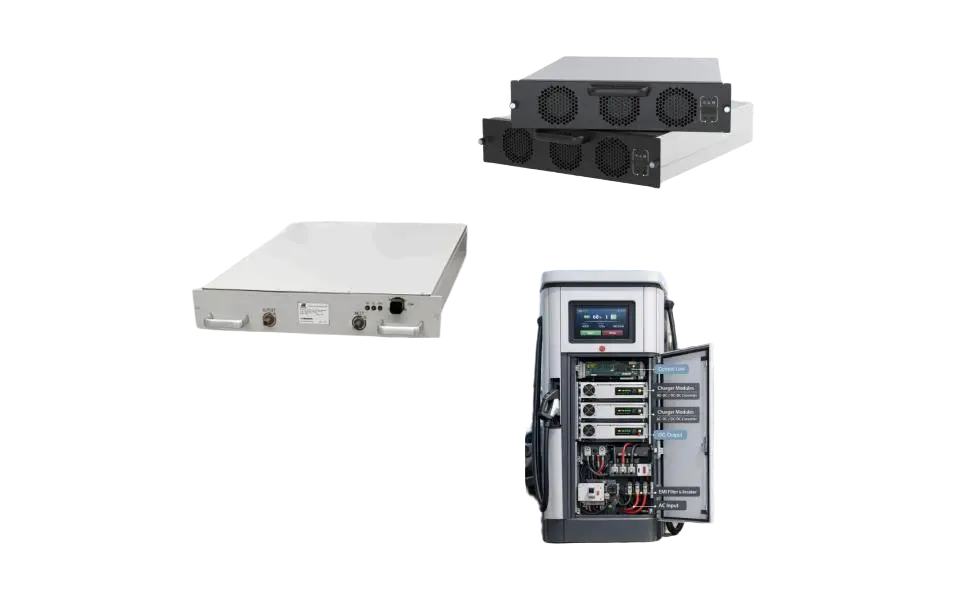
MIDA New Energy specializes in EV charger power modules, offering 20kW–60kW standard modules, 40kW–125kW liquid-cooled modules, 30kW–62.5kW bidirectional modules, and 20kW–45kW V2G charging modules.

Built for resilience, interoperability, and high thermodynamic efficiency.
AC/DC, DC/DC & Bidirectional
Liquid Cooling Units & High Amp Connectors
From Wall-mounted to Liquid-Cooled Split Systems
BESS, Solar Charging Systems & Mobile Energy Units
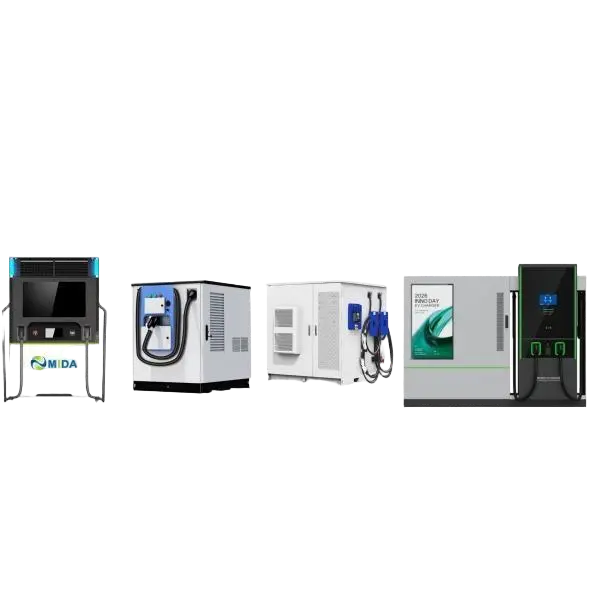
Deploying DC fast charging infrastructure globally requires strict compliance with regional regulations, safety frameworks, and certification regimes. As a global manufacturer, MIDA Group builds and tests products for various regulatory environments. We hold UL 2231-1/-2, UL 2594, ETL, and TUV marks, ensuring safety compliance in North American and European commercial applications.
For public commercial deployments in Germany, Austria, and surrounding EU regions, conformity to the German Eichrecht calibration regulation is critical. Our Eichrecht-compliant DC fast chargers feature built-in hardware that signs and encrypts energy billing records directly at the meter. This protects energy consumption values against manipulation and allows charging point operators (CPOs) to invoice end-users legally and transparently. Furthermore, MIDA incorporates PTB/MID certified direct current energy meters, ensuring measurement accuracy and billing integrity.
From a network architecture perspective, all MIDA charging stations support the OCPP 1.6J and OCPP 2.0.1 protocols. This compatibility allows integration with back-end SaaS systems, custom payment platforms, and automated grid utility dispatch. Additionally, native support for ISO 15118 (Plug & Charge) enables secure vehicle communication, auto-recognition, and direct billing authentication.
| Target Region | Key Standard Certifications | Billing & Grid Compliance | Connector Form Factor |
|---|---|---|---|
| North America | UL 2231-1/2, ETL, FCC Part 15 Class A | OCPP 1.6J / 2.0.1, CTTE, CTEP | NACS (SAE J3400), CCS Type 1 |
| European Union | CE, TUV, EN 61851-1/23/24 | Eichrecht, MID Certified DC Meters, ISO 15118 | CCS Type 2, IEC 62196 Type 2 AC |
| Asia Pacific | CQC, GBT 18487.1, GBT 20234 | OCPP 2.0.1, ISO 15118 | ChaoJi, GBT DC, CHAdeMO |
Different deployment scenarios demand distinct technological topologies. Rather than offering a one-size-fits-all product, MIDA Group tailors system architecture to match the site's environment:
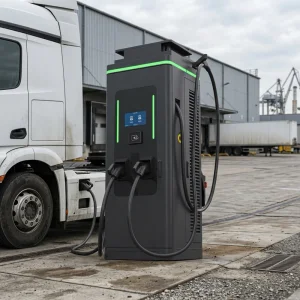
Highway Corridor Ultra-Fast Charging: To support interstate travelers, charging stations must deliver maximum throughput in under 20 minutes. MIDA’s 600kW to 1080kW Liquid-Cooled Charging Stations are designed for these corridors. Utilizing active liquid glycol circulation, the charging cable remains lightweight and flexible while continuously carrying 500A. The active cooling architecture controls cable and connector contact temperatures, preventing thermal throttle curves and maintaining high performance.
Urban Logistics & Bus Depots: Depot operations require structured, centralized power routing. Our 360kW to 1680kW Split-Type DC Charging Stations decouple the primary power converter cabinet from the user interfaces (dispensers). These primary cabinets are installed away from traffic zones, routing energy to compact dispensers or overhead pantograph units. This reduces the deployment footprint and isolates high-voltage conversion blocks within a single enclosure.
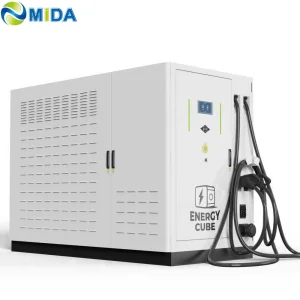
Off-Grid & Grid-Constrained Depot Deployment: For sites with limited utility capacity, MIDA's mobile charging stations with BESS integration (such as the 400kW / 625kWh BESS Charger Station) act as buffer zones. They store energy from the grid at off-peak rates or from onsite solar arrays, discharging at high power during vehicle charging cycles.
The EV charging landscape continues to advance. The integration of 800V and 1000V battery architectures in modern passenger and commercial vehicles requires charging networks to handle elevated operating voltages. MIDA Group is scaling its power modules to support 1000V DC outputs, allowing vehicles to utilize their maximum design curves.
Our development roadmap focuses on several key areas:
Wide Bandgap Semiconductors (SiC): By replacing silicon IGBTs with Silicon Carbide (SiC) MOSFETs, we achieve power module efficiencies above 97.5%. SiC components operate at higher switching frequencies and run cooler, which reduces overall cooling demands, allows for smaller enclosures, and lowers operational losses.
Megawatt Charging Systems (MCS): For heavy-duty shipping, maritime transit, and aviation, standard CCS interfaces are limited. MIDA is developing MCS and ChaoJi connectors capable of delivering up to 1250V and 3000A, scaling output levels past the 1.5MW threshold.
AI-Driven Predictive Maintenance: Leveraging internal diagnostic data from our OCPP 2.0.1 framework, MIDA chargers run predictive algorithms. These systems monitor module temperatures, insulation resistance, and liquid cooling pressure to alert operators before hardware degradation impacts user uptime.
Premium hardware options for operators, municipalities, and commercial distributors.
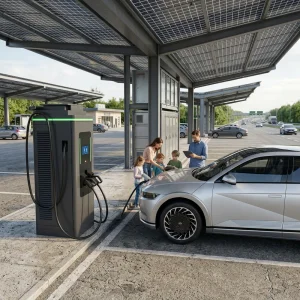
Keep up with the latest advancements in pantograph designs, charging times, and depot system installations.

What are the advantages of an e-bus pantograph dome? In contrast to classic plug-in charging systems, e-bus pantograph dome assemblies facilitate hands-free automated docking...
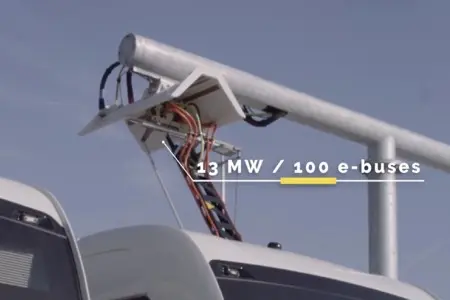
How long does it take to charge with an e-bus pantograph? The charging time depends on the battery capacity and the station's configuration, usually ranging from 5 to 10 minutes...
How to Install the Pantograph Up Charger System Dome for Electric Bus: Installing a "Pantograph Up" system requires precise positioning, robust civil foundations, and aligned power feeds...
Clear, direct technical answers to design, installation, and compliance questions.