High-power modular DC fast charging solutions engineered for global public transit fleets, commercial networks, and high-frequency charging stations.
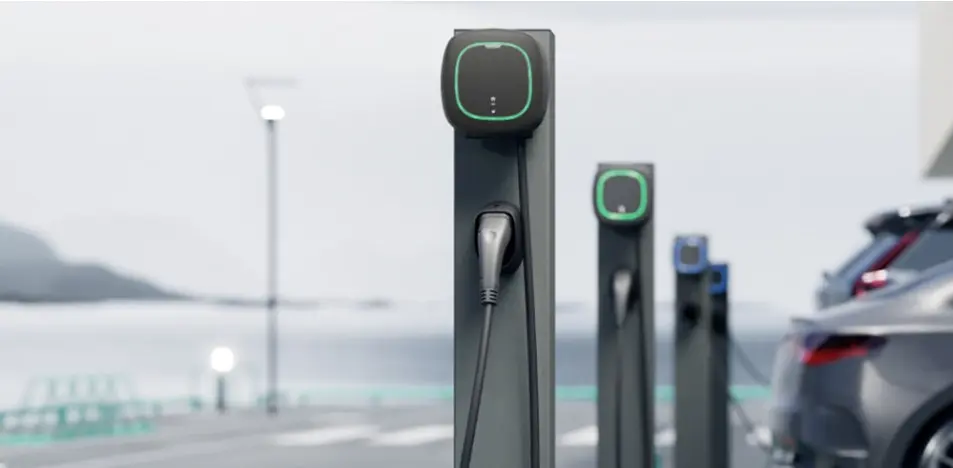
From intelligent residential AC chargers to megawatt industrial DC hubs built around high-density power modules.
 AC/DC Mobile Systems
An expert analysis of electrical architecture, thermal topologies, and grid integration for modern commercial EV networks.
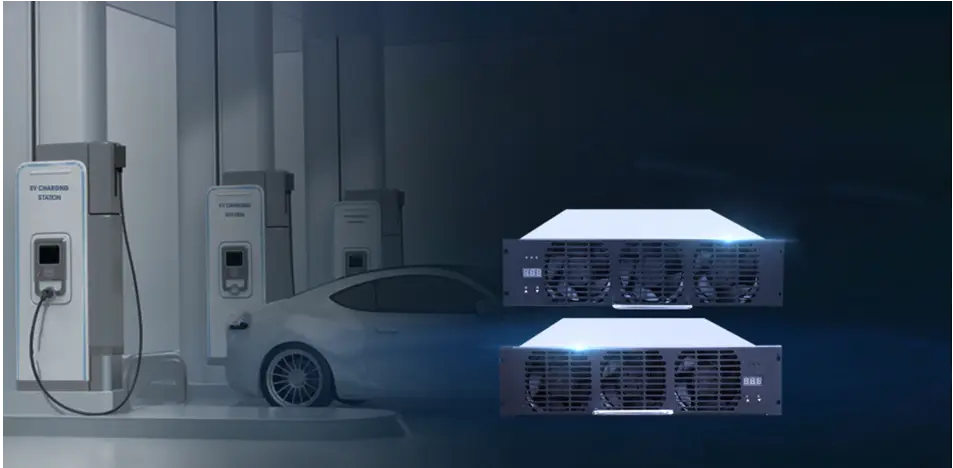
The global transition to heavy duty electromobility and public fleet electrification demands charging systems capable of high output capacity, extreme reliability, and outstanding thermal stability. At the core of every modern DC Ultra-Fast Charger (DCFC) sits the power converter module. Among various configurations, the 40kW EV charger module has emerged as the architectural benchmark for power grid scaling, system redundancy, and efficiency optimization.
Previously, DC fast chargers relied heavily on 15kW or 20kW modules. However, as vehicle battery packs migrate toward 800V and 1000V high-voltage platforms (such as Porsche Taycan, Hyundai E-GMP, and heavy-duty electric trucks), lower-power modules require complex parallel arrays that increase heat, lower efficiency, and amplify structural complexity. A 40kW power module minimizes component count inside a 120kW, 240kW, or 360kW charger housing, reducing interconnection points and substantially lowering the risk of thermal runaway or hardware faults.
Leading Chinese factories specializing in 40kW modules have transitioned from traditional Silicon IGBTs to Silicon Carbide (SiC) MOSFETs. This semiconductor evolution reduces switching losses by up to 50%, enabling higher switching frequencies (typically exceeding 60kHz). Consequently, transformers, inductors, and filter capacitors within the module are significantly downscaled. The result is a much higher power density (up to 45W/in³), lighter modules that simplify hot-swapping, and lower operational overhead for charging point operators (CPOs).
Unlike standard modules that drop in output current when voltage fluctuates, our 40kW module maintains constant full power from 300V up to 1000V DC. This ensures consistent, fast charging curves for both legacy 400V battery architectures and new 800V electric supercars.
Designed to support Vehicle-to-Grid (V2G) systems, bidirectional power modules enable commercial EV fleets (such as electric school buses or delivery vans) to act as mobile battery storage units, feeding power back into the public grid during peak demand hours.
Featuring independent wind channels that physically isolate sensitive electrical components from the cooling airflow. This prevents dust, metallic particles, and ambient moisture from settling on circuits, extending the MTBF (Mean Time Between Failures) to over 300,000 hours.
A world-class leader in EV charging technology, pioneering cable manufacturing, DC power modules, and intelligent energy storage integrations.
Shanghai Mida Cable Group Ltd. operates through its wholly owned subsidiaries: Shanghai Mida EV Power Co., Ltd., Shenzhen Mida EV Power Co., Ltd., and Shanghai Mida New Energy Co., Ltd. This strategic integration allows us to cover the entire EV ecosystem from power transmission to high-frequency conversion.
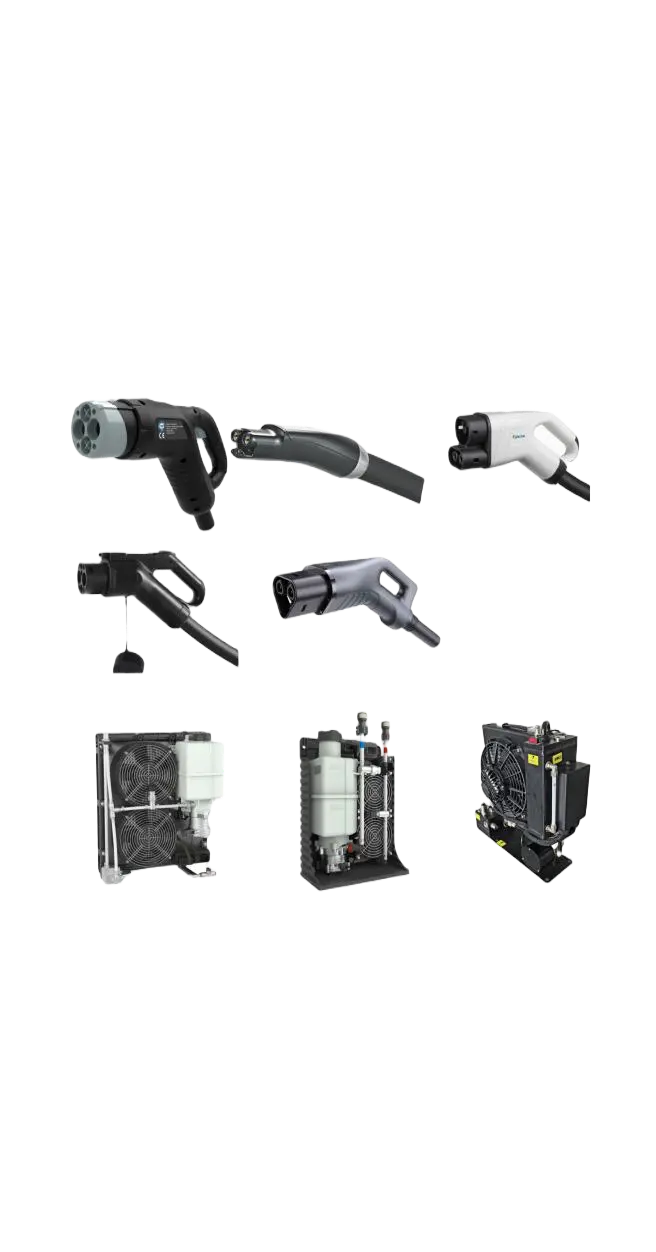
Mida Cable manufactures a comprehensive range of EV charging cables, including 16A–80A J1772 cables, 16A–63A IEC 62196-2 Type 2 cables, and heavy-duty DC fast charging cables. Our capabilities span CCS1 (80A–500A), CCS2 (125A–1000A), CHAdeMO (125A–300A), GB/T (200A–1000A), and NACS connectors (250A–600A) to match global infrastructure needs.
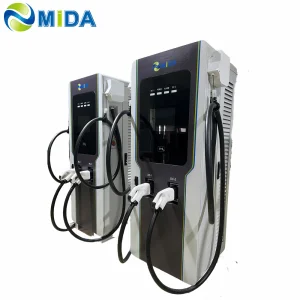
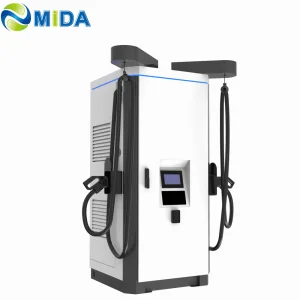
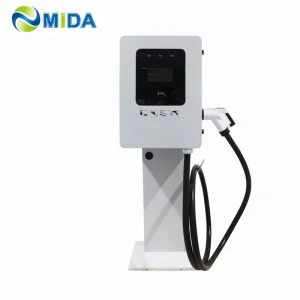
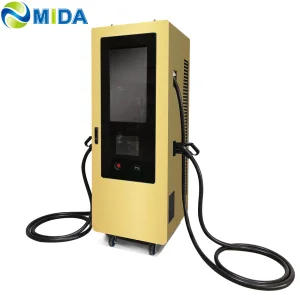
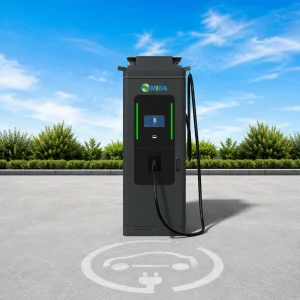
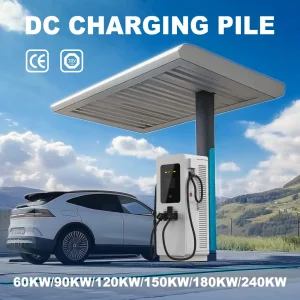
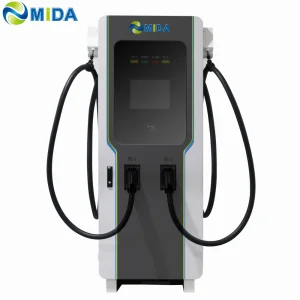
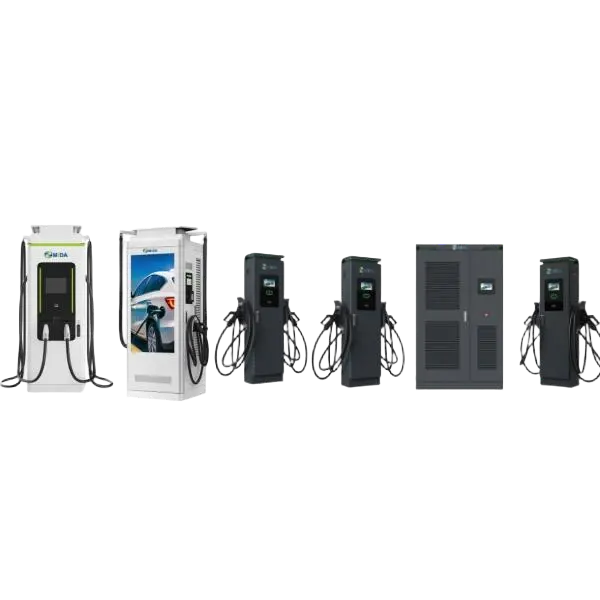
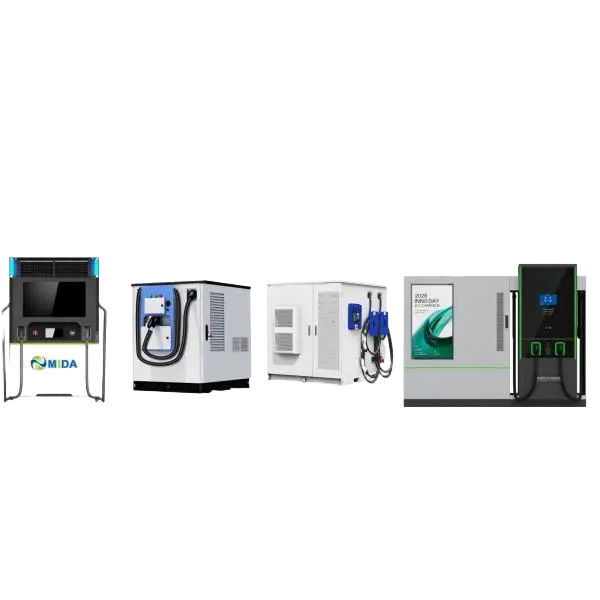
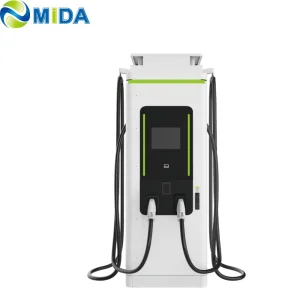
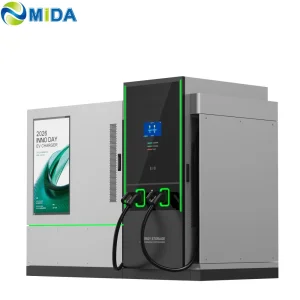
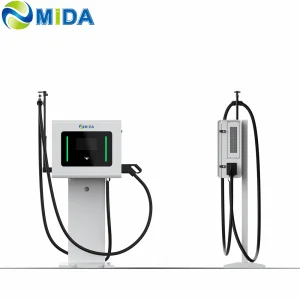
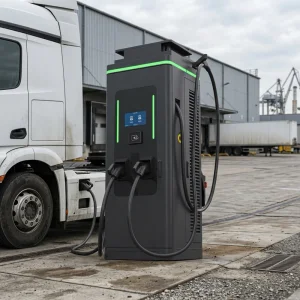
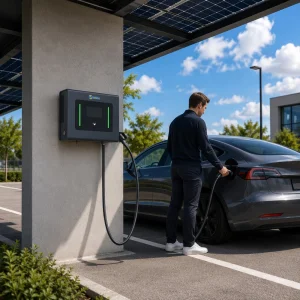
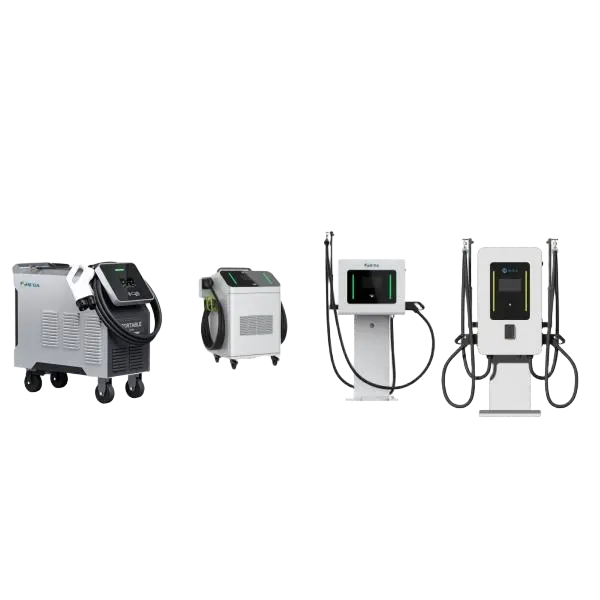
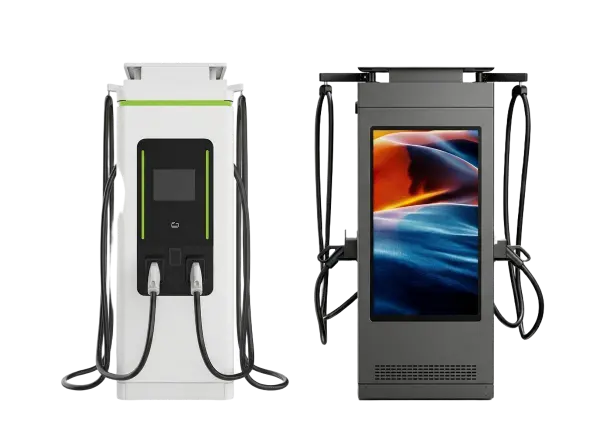
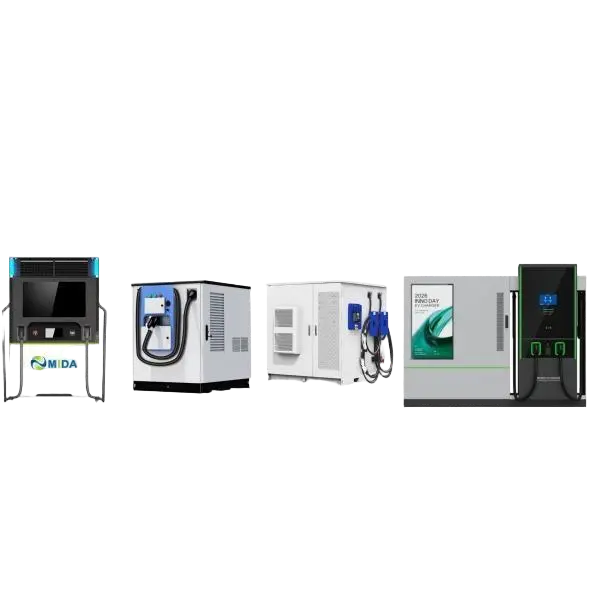
MIDA EV Power produces a full lineup of EV charging stations, such as 7kW–50kW mobile chargers, 3.6kW–7.2kW portable DC chargers, 360kW–1440kW split-type DC fast chargers, 20kW–50kW wall-mounted DC chargers, and 60kW–480kW floor-standing DC fast charging stations.
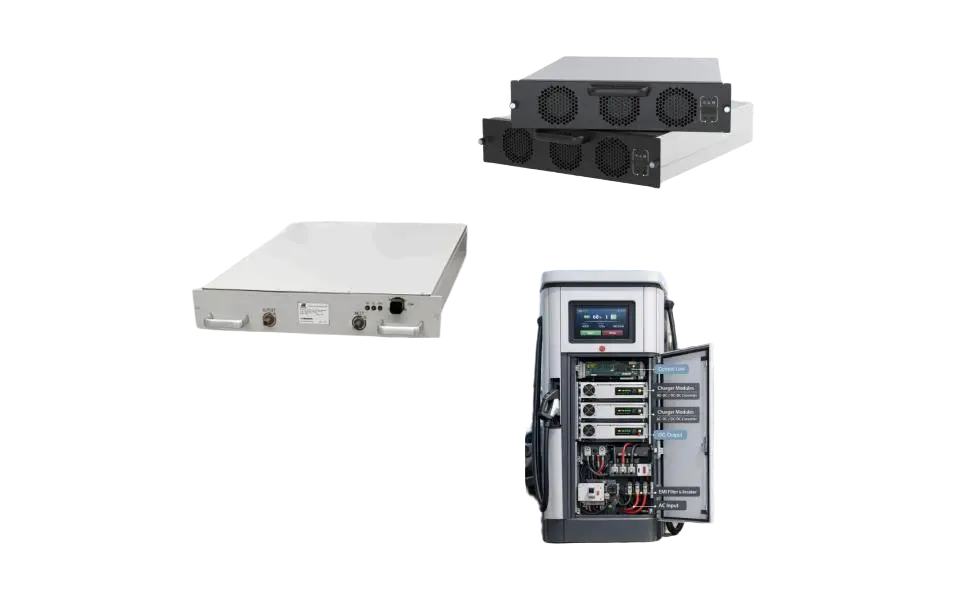
MIDA New Energy specializes in EV charger power modules, offering 20kW–60kW standard modules, 40kW–125kW liquid-cooled modules, 30kW–62.5kW bidirectional modules, and 20kW–45kW V2G charging modules designed for extreme environmental deployments.

Explore our specialized technologies built to enhance utility-scale charging depots and private networks.
How technical leads and CPOs optimize layout cost, grid impact, and electrical protection schemes.
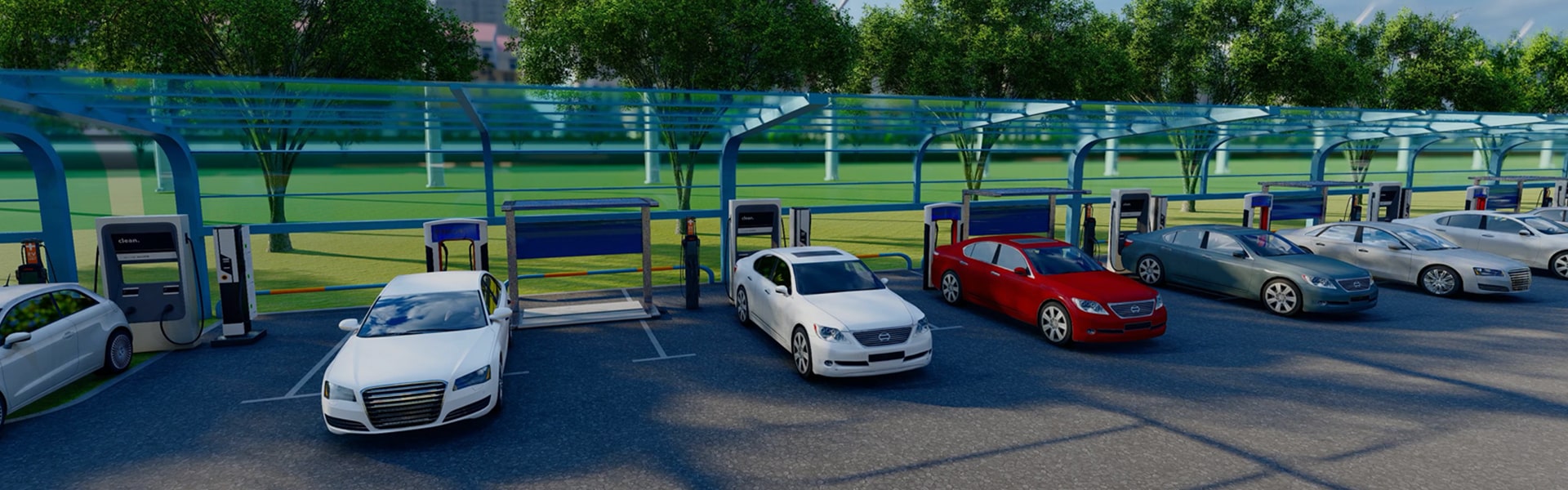
Deploying multi-megawatt public charging complexes introduces challenges to localized electrical distribution grids. By utilizing intelligent 40kW charging modules configured with dynamic power allocation firmware, operators can balance grid draw based on current vehicle occupancy. Through real-time control via OCPP 2.0.1, power can be routed dynamically, reducing peak grid demand charges and eliminating the need for expensive substation upgrades.
In highly polluted, coastal, or desert environments, typical air-cooled modules ingest particulate contaminants, salt mist, and humidity, leading to premature insulation degradation. Leading factories address this by offering 40kW and 60kW liquid-cooled power modules. Incorporating fully sealed IP65 chassis and a dedicated cooling loop, these modules maintain optimal junction temperatures on internal power devices, eliminating ambient debris risks and lowering fan noise in urban areas.
Stay updated on our latest research, project milestones, and heavy vehicle infrastructure breakthroughs.

What are the advantages of an e-bus pantograph dome? In contrast to classic plug-in charging systems, e-bus pantograph connections allow automated, megawatt-level transfer with minimum manual intervention.
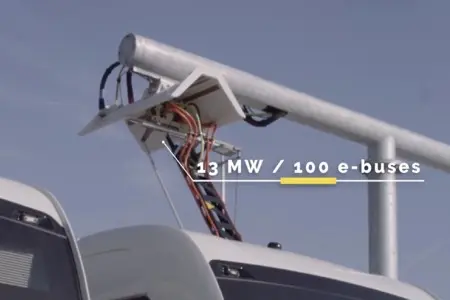
How long does it take to charge with an e-bus pantograph? The charging time depends on the battery capacity and the station's configuration, typically ranging from 5 to 15 minutes during route pauses.
How to Install the Pantograph Up Charger System Dome for Electric Bus. This guide outlines the key structural, electrical and compliance procedures required for heavy-duty depot integration.
Get answers to critical technical questions regarding the performance, compatibility, and design of 40kW DC charging modules.
Premium, factory-tested fast chargers designed for logistics yards, public highway transit corridors, and fleet operators.