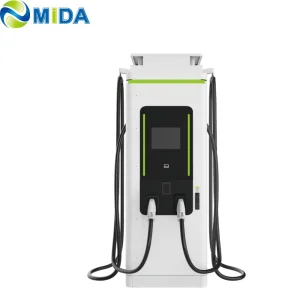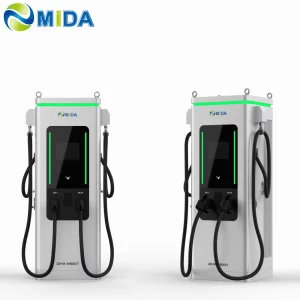
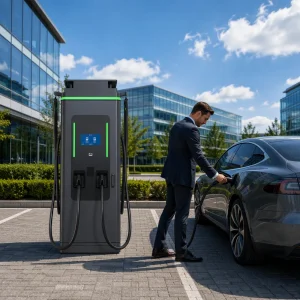
Explore our premium lineup of high-efficiency DC fast charging stations designed for utility-scale public networks, fleet depots, and highway corridors.
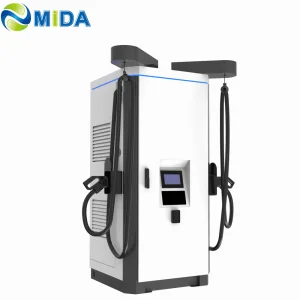
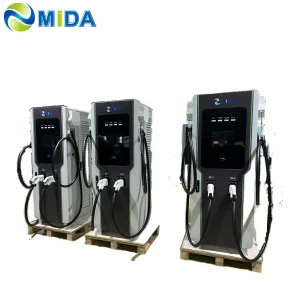
Shanghai Mida Cable Group Ltd. operates through its wholly owned subsidiaries: Shanghai Mida EV Power Co., Ltd., Shenzhen Mida EV Power Co., Ltd., and Shanghai Mida New Energy Co., Ltd.
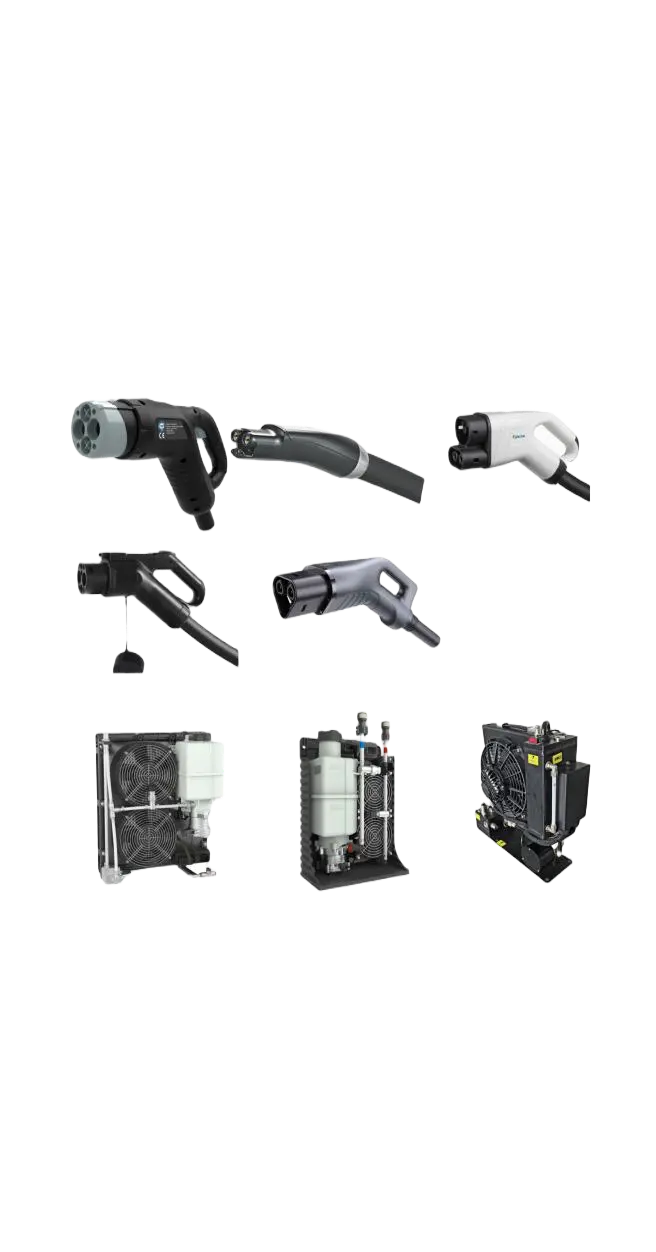
Mida Cable manufactures a comprehensive range of EV charging cables, including 16A–80A J1772 cables, 16A–63A IEC 62196-2 Type 2 cables, and DC fast charging cables: CCS1 (80A–500A), CCS2 (125A–1000A), CHAdeMO (125A–300A), GBT (200A–1000A), and NACS connectors (250A–600A).
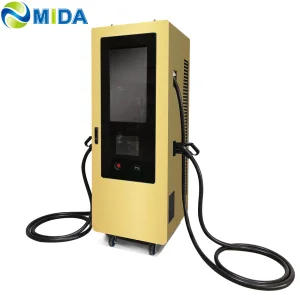
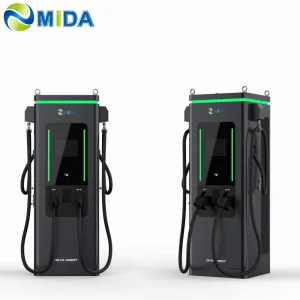
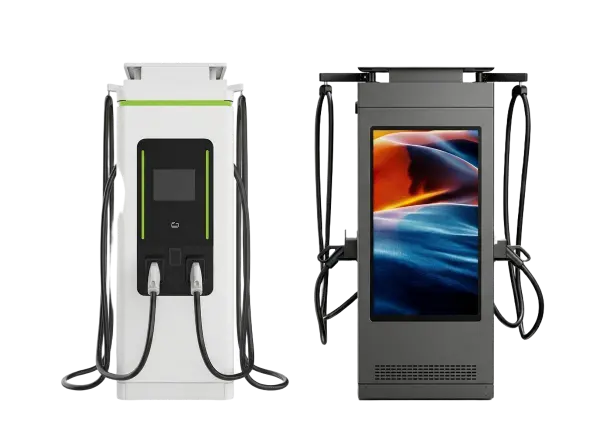
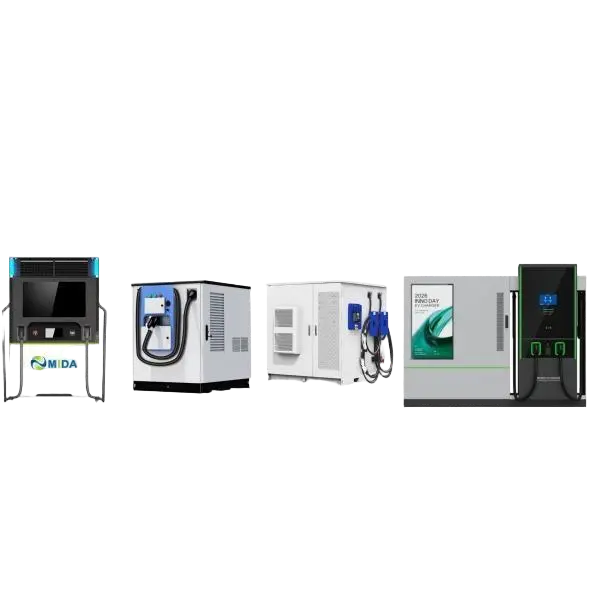
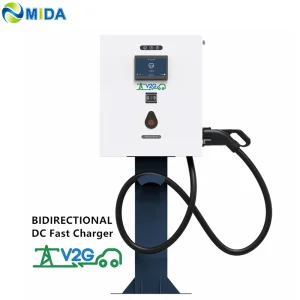
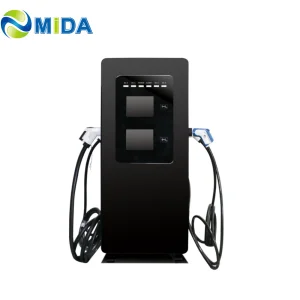
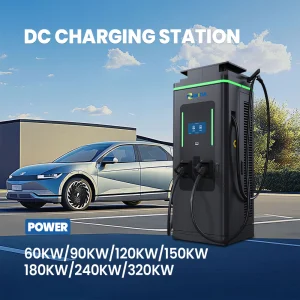
MIDA EV Power produces a full lineup of EV charging stations, such as 7kW–50kW mobile chargers, 3.6kW–7.2kW portable DC chargers, 360kW–1440kW split-type DC fast chargers, 20kW–50kW wall-mounted DC chargers, and 60kW–480kW floor-standing DC fast charging stations.
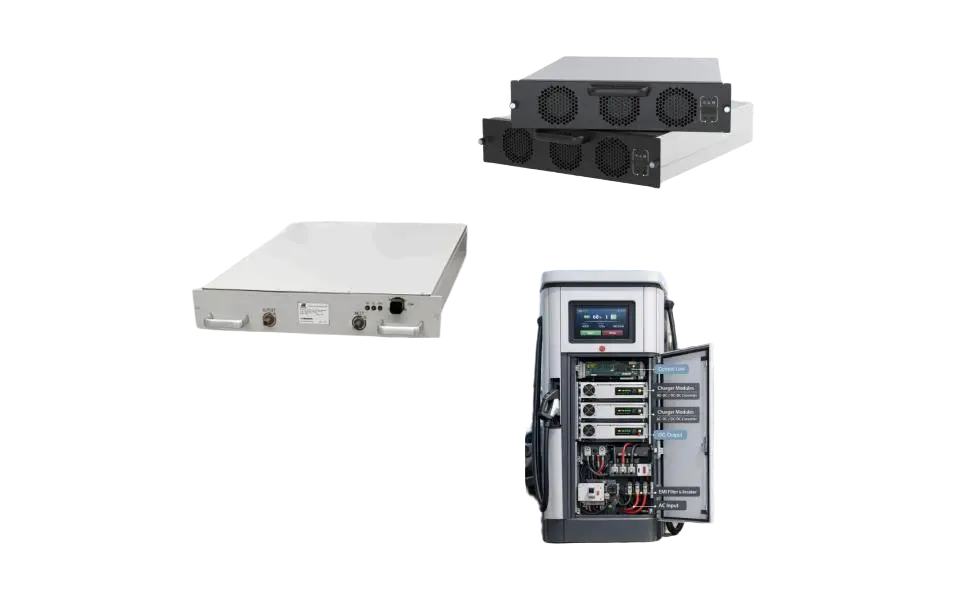
MIDA New Energy specializes in EV charger power modules, offering 20kW–60kW standard modules, 40kW–125kW liquid-cooled modules, 30kW–62.5kW bidirectional modules, and 20kW–45kW V2G charging modules.

A comprehensive analysis of technical parameters, standardization protocols, and supply chain strategies for utility operators and corporate procurement.
The global transition to zero-emission transportation necessitates a fundamental redesign of municipal, highway, and corporate charging architecture. As automotive OEMs shift vehicle platforms to 800V architectures, the demand for High-Power Charging (HPC) networks has scaled exponentially. Traditional air-cooled systems are increasingly constrained by thermal limitations, driving the industry toward active liquid-cooled solutions that support continuous 500A+ current output. These developments require power grids to handle severe load spikes, prompting the integration of Battery Energy Storage Systems (BESS) directly into charging stations. By leveraging BESS-integrated systems, operators can reduce grid congestion, store low-cost off-peak power, and deliver megawatt-level peaks without high grid connection costs.
Interoperability remains a critical success factor for global charging networks. Sourcing equipment from China requires precise alignment with regional standards:
As a Tier-1 EVSE manufacturer, MIDA Group operates a vertical supply chain strategy. By engineering and manufacturing our own power modules—the "heart" of the DC charger—alongside cables and liquid-cooling units, we eliminate component bottlenecks. This vertical integration ensures strict quality assurance at every stage, from raw copper processing for high-amp cables to the firmware integration of bidirectional power control modules. Procurement teams benefit from reduced lead times, guaranteed long-term spare parts availability, and custom hardware engineering capabilities.
Engineered to deliver high power conversion efficiency, structural durability, and intelligent cloud connectivity.
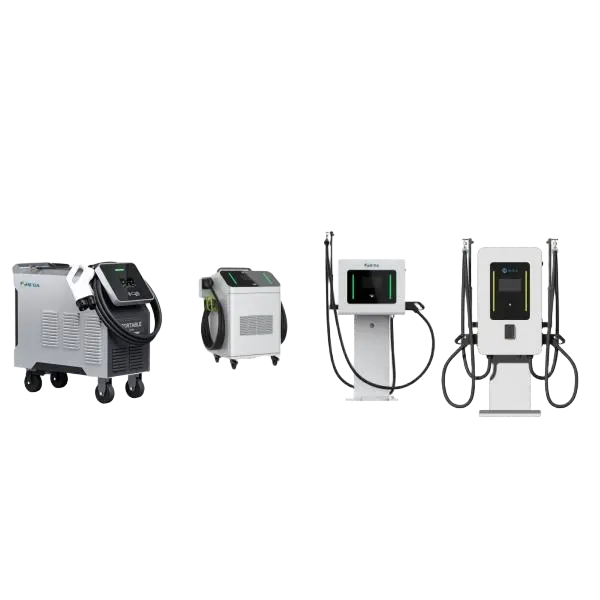
Output range: 7kW | 20kW | 30kW | 40kW | 60kW | 80kW. Ideal for light commercial fleets and dealership service bays.
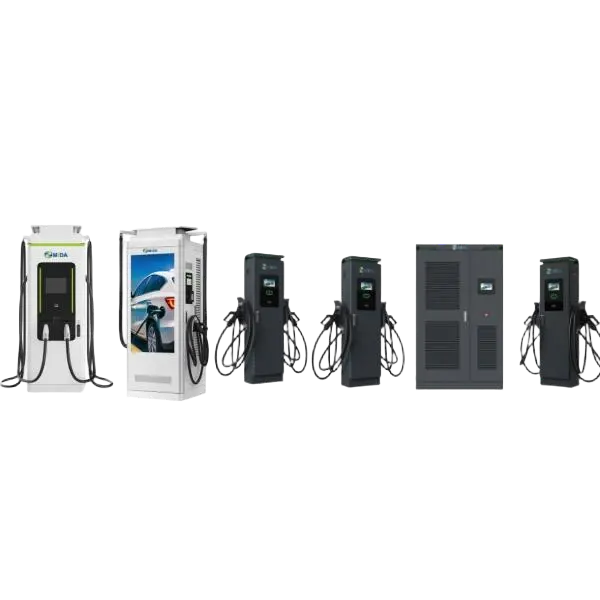
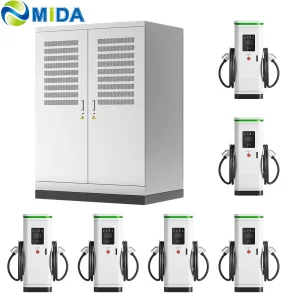
Scale from 60kW-480kW up to 360kW-1440kW split-type matrices. Perfect for public highway charging networks.
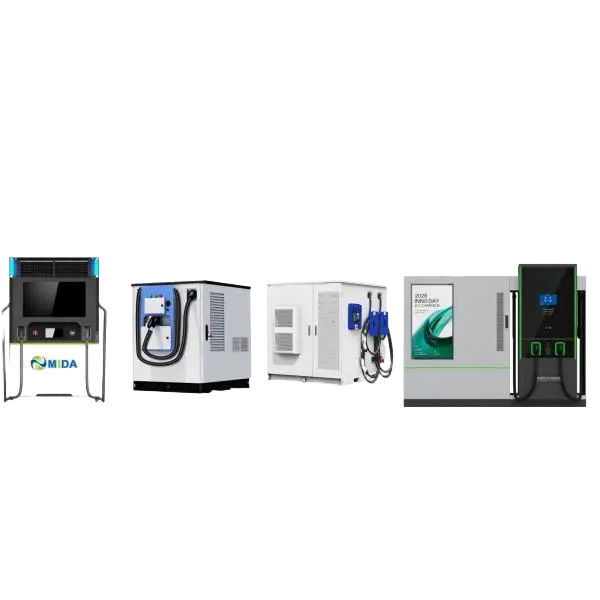
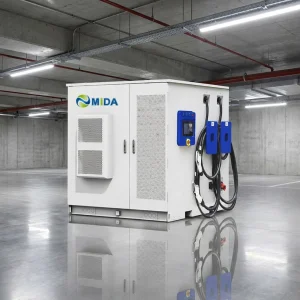
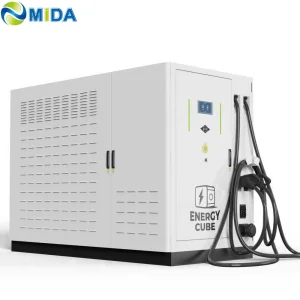
Storage capacities: 60kWh | 261kWh | 418kWh | 625kWh | 2MkWh. Integrated peak-shaving solutions.
MIDA Group supplies the components that drive reliability across the global EVSE manufacturing landscape.
Pioneering innovations designed to address high-performance thermal requirements and bidirectional grid synchronization.
To achieve output capacities exceeding 500kW without increasing cable weight, active liquid-cooling is essential. Synthetic coolant circulated through internal heat exchangers ensures safe operating temperatures for both cables and modules.
MIDA's split-type architectures distribute power based on the vehicle's state-of-charge (SoC). Instead of static power limits, our dynamic matrix routing systems allocate power in 20kW-40kW increments to match actual demand.
Equipped with high-efficiency bidirectional power modules, our charging stations act as virtual power plants. They return energy stored in vehicle batteries back to the grid, supporting grid stability and peak shaving initiatives.
Stay up to date with the latest developments in transit charging systems, e-bus integrations, and regional infrastructure rollouts.
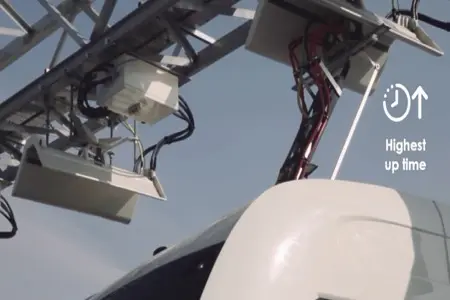
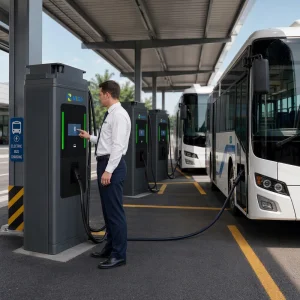
What are the advantages of an e-bus pantograph dome? In contrast to classic plug-in charging systems, e-bus pantograph setups enable autonomous high-power fast charging during scheduled route stops.
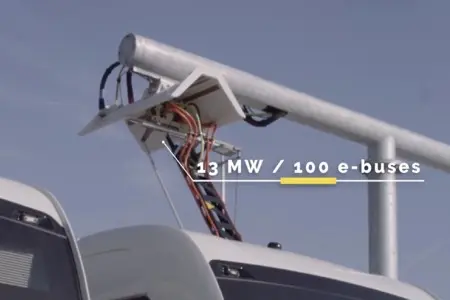
How long does it take to charge with an e-bus pantograph? The charging time depends on the battery capacity and the station's megawatt capacity, typically completing mid-route top-ups in 3 to 8 minutes.
How to Install the Pantograph Up Charger System Dome for Electric Bus: Installing a "Pantograph Up" system requires structural alignment, high-voltage integration, and precise calibration of wireless communication protocols.
Technical questions and procurement considerations for utility projects and large-scale EV charger supply chains.
MIDA products are engineered to support all major international standards, including CCS1 (North America), CCS2 (Europe), NACS (Tesla Standard), CHAdeMO (Japan), and GB/T (China). Our systems carry certifications such as UL, ETL, CE, PSE, and comply with ISO 15118 protocols for Plug & Charge functionality.
Battery Energy Storage Systems (BESS) buffer grid supply. By storing electricity during periods of low usage, a BESS-enabled charger can supply higher peak outputs (up to several hundred kW or megawatt levels) without placing high instantaneous demand on the local distribution grid.
Yes. As a vertically integrated manufacturer, MIDA New Energy designs and manufactures custom power modules (bidirectional, V2G, liquid-cooled, and standard formats) for direct integration into third-party charging enclosures and cabinet designs.
Liquid-cooling enables continuous operation at higher currents (up to 500A/600A) without thermal throttling. It reduces cable diameter and weight, improves connector durability, and isolates critical power electronics from environmental dust and humidity.
Heavy-duty, high-capacity products engineered for commercial fleets, transit systems, and long-term energy storage infrastructure.
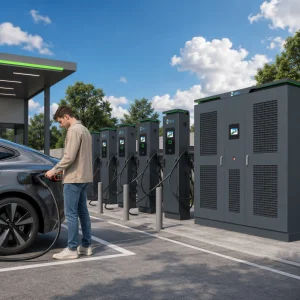
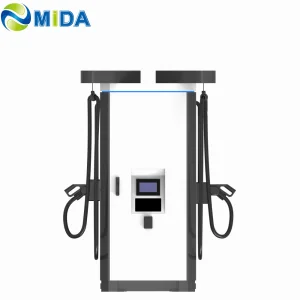
Work directly with MIDA Group for robust technical alignment, tailored OEM specifications, and reliable component supply chains.