High-capacity level 3 DC fast piles and liquid-cooled supercharging stations configured for global compliance.
An authoritative analysis of grid compliance, supercharging architectures, and structural shifts in global electrification projects.
The global electric vehicle charging landscape has shifted from localized pilot projects to critical utility-scale infrastructure. As transportation grids adapt to meet aggressive decarbonization deadlines, developers face a multi-standard challenge. High-power DC fast charging (HP-DCFC) is no longer a luxury; it is the baseline requirement. Across Europe, North America, and the Asia-Pacific region, the deployment of 150kW to 480kW superchargers and 1000kW+ Megawatt Charging Systems (MCS) has become necessary to keep pace with heavy-duty commercial vehicles and high-capacity passenger electric vehicles (EVs).
Modern Charge Point Operators (CPOs) must optimize their deployments for high uptime and compatibility. Achieving high uptime requires moving away from traditional air-cooled configurations to liquid-cooled thermal management systems. Liquid cooling allows charging cables to handle continuous currents exceeding 500A without overheating, keeping cable weights manageable for users. Additionally, integration with Battery Energy Storage Systems (BESS) is helping to manage peak demand, buffer the grid, and avoid expensive utility upgrades.
Fleet operators managing logistics networks, electric transit buses, and heavy transport equipment require rapid turnaround times. Standard charging solutions fail to meet these operational requirements. The industry is adopting multi-megawatt systems capable of delivering up to 1200kW. By using modular split-type power cubicles, operators can dynamically distribute power to multiple dispensaries. This approach ensures optimal power allocation based on the vehicle's state of charge (SoC) and battery temperature, maximizing utilization rates and reducing overall total cost of ownership (TCO).
Why vertically integrated manufacturing is critical for global supply continuity and strict quality assurance.
The key to manufacturing competitive EVSE (Electric Vehicle Supply Equipment) lies in control over the raw components, including power modules, liquid cooling systems, and specialized connectors. Chinese manufacturing hubs utilize advanced Industry 4.0 methodologies to combine assembly speed with precise, repeatable quality. Vertically integrated facilities automate core steps, such as wave soldering for PCBs, automated vacuum-filling for liquid cooling systems, and real-time functional testing on the assembly line.
For international buyers, supply chain resilience is about component traceability and adherence to global standards. Leading manufacturers secure raw materials directly and execute strict end-of-line (EOL) testing under variable load and thermal conditions. By sourcing from a vertically integrated partner, CPOs reduce their reliance on third-party suppliers, stabilizing delivery schedules and securing long-term access to critical spare parts.
Robotic pick-and-place lines and optical inspection systems ensure that every power module is assembled with high precision, minimizing manufacturing defects.
Every charging station undergoes rigorous environmental chamber testing. Hardware is tested to operate reliably in temperatures ranging from -30°C to +50°C.
Products are engineered to meet UL, ETL, CE, and TÜV standards, verifying compliance with international grid connection and safety guidelines.
Leading the development of advanced cable, power module, and supercharging station technologies globally.
Shanghai Mida Cable Group Ltd. operates through its wholly owned subsidiaries: Shanghai Mida EV Power Co., Ltd., Shenzhen Mida EV Power Co., Ltd., and Shanghai Mida New Energy Co., Ltd. This structure allows the group to align cable design, power conversion engineering, and station assembly under a single management system.
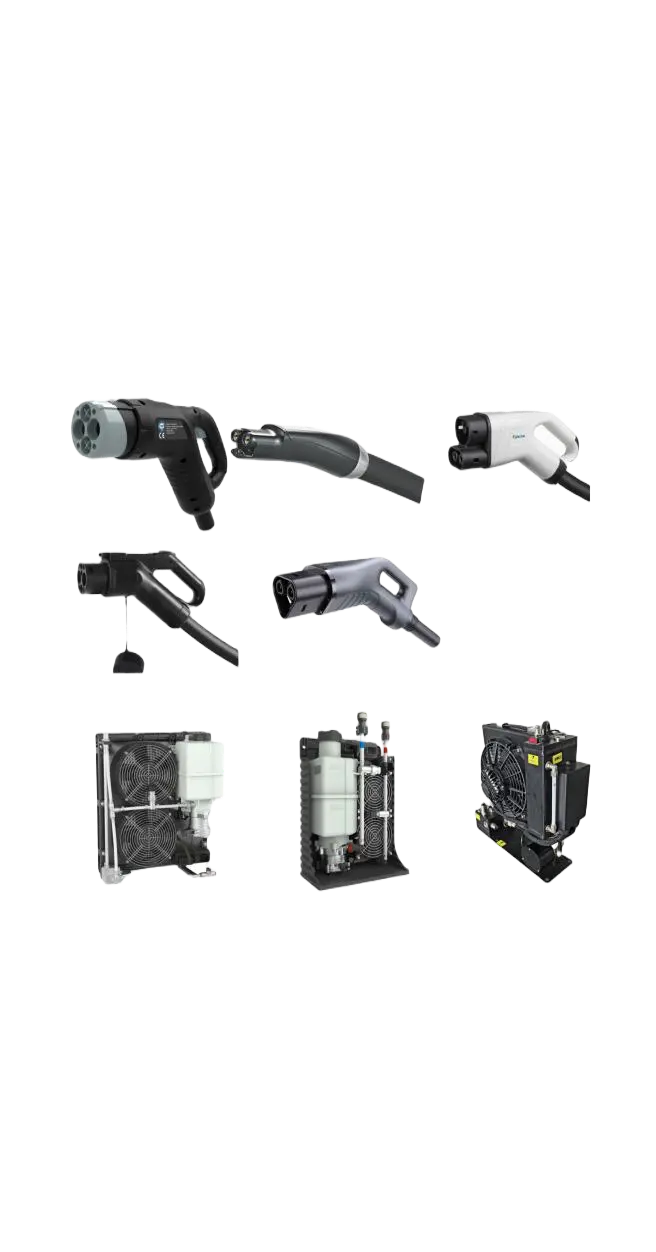
Mida Cable manufactures a comprehensive range of EV charging cables, including 16A–80A J1772 cables, 16A–63A IEC 62196-2 Type 2 cables, and high-capacity DC fast charging cables: CCS1 (80A–500A), CCS2 (125A–1000A), CHAdeMO (125A–300A), GBT (200A–1000A), and NACS connectors (250A–600A).
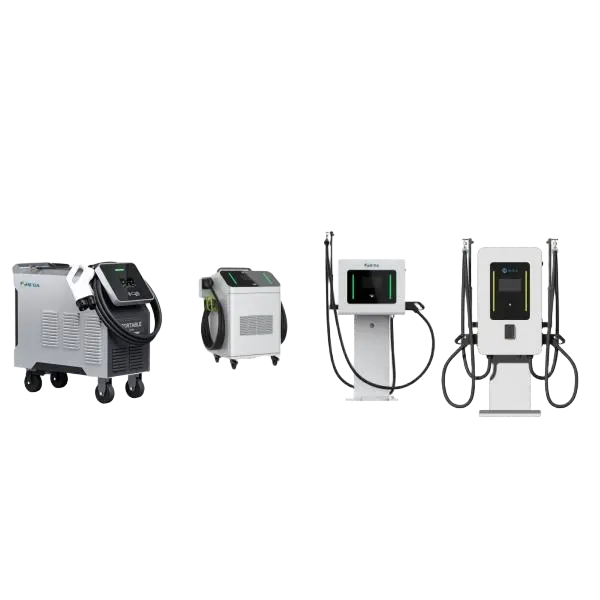
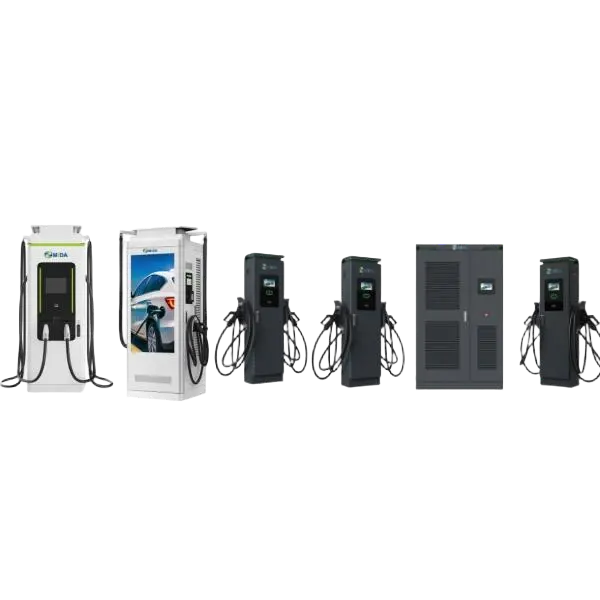
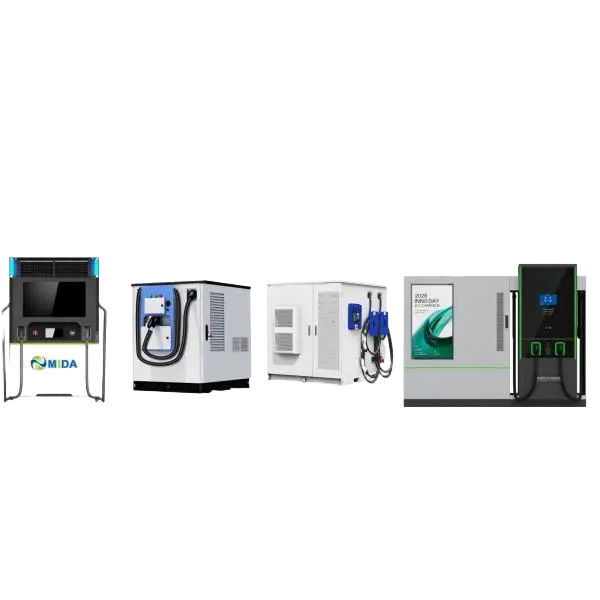
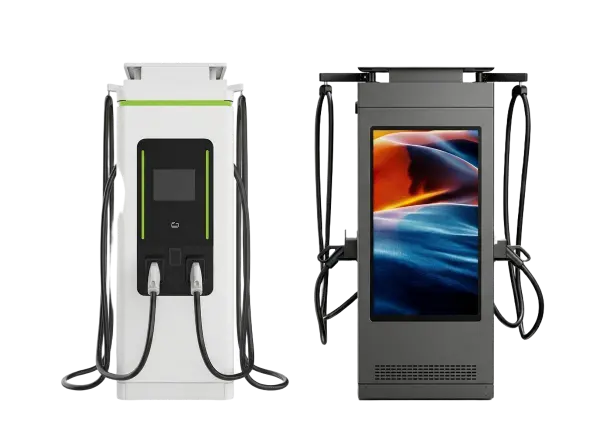
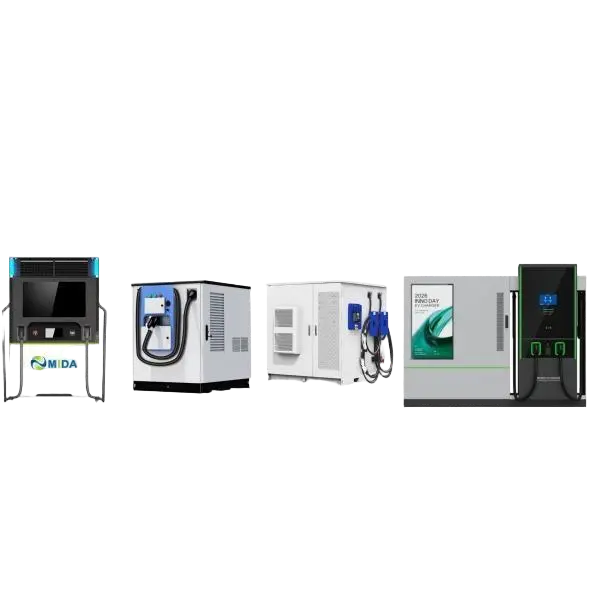
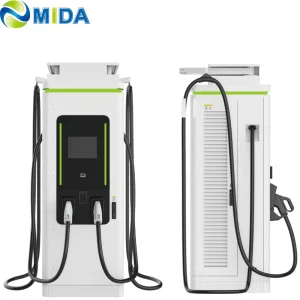
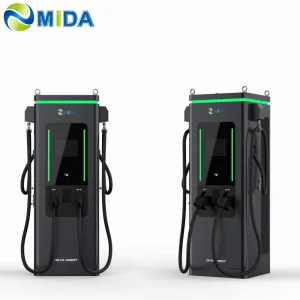
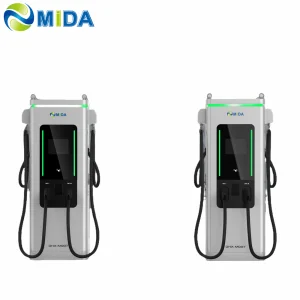
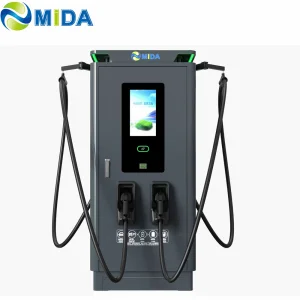
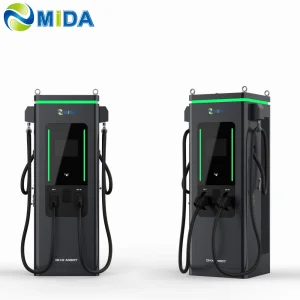
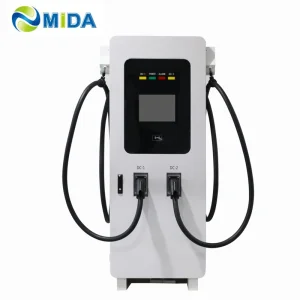
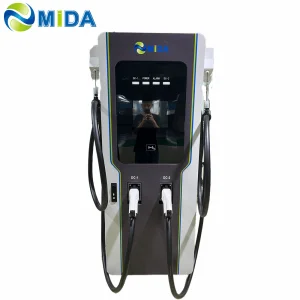
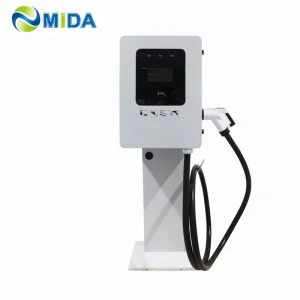
MIDA EV Power produces a full lineup of EV charging stations, such as 7kW–50kW mobile chargers, 3.6kW–7.2kW portable DC chargers, 360kW–1440kW split-type DC fast chargers, 20kW–50kW wall-mounted DC chargers, and 60kW–480kW floor-standing DC fast charging stations.
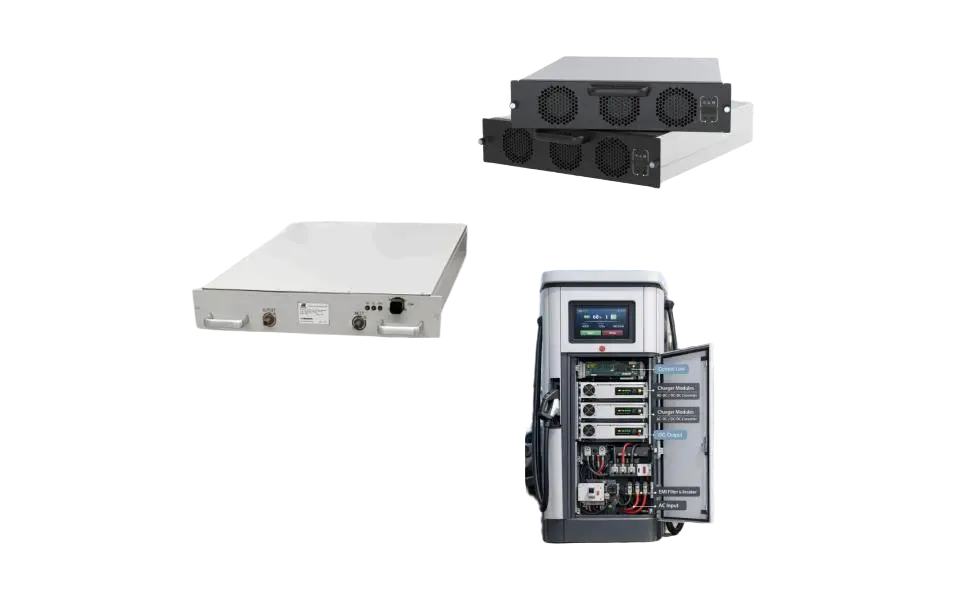
MIDA New Energy specializes in EV charger power modules, offering 20kW–60kW standard modules, 40kW–125kW liquid-cooled modules, 30kW–62.5kW bidirectional modules, and 20kW–45kW V2G charging modules.

Explore our specialized categories, designed for clean power distribution and grid integration.
Custom engineering options across power conversion modules, thermal systems, and charging connections.
How our fast-charging configurations adapt to different local environments and grid constraints.
Modern electrical infrastructure must serve a variety of deployment scenarios. CPOs, municipal planners, and real estate developers face different local constraints, requiring adaptable physical and logical charging designs.
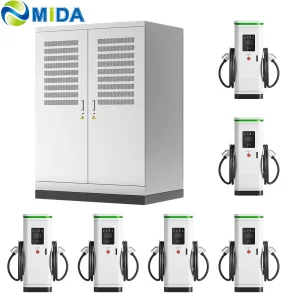
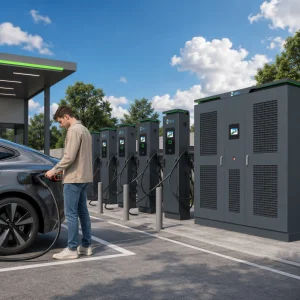
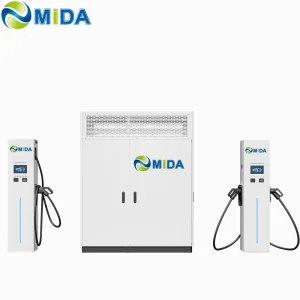
Fleet yards operate on tight schedules where downtime carries a direct cost. Large depot charging systems rely on split-type DC supercharger stacks. These configurations separate power conversion electronics into centralized utility cabinets, routing power via liquid-cooled cable connections to smaller, user-facing dispensers. This maximizes yard space while delivering up to 1000A to commercial trucks and buses.
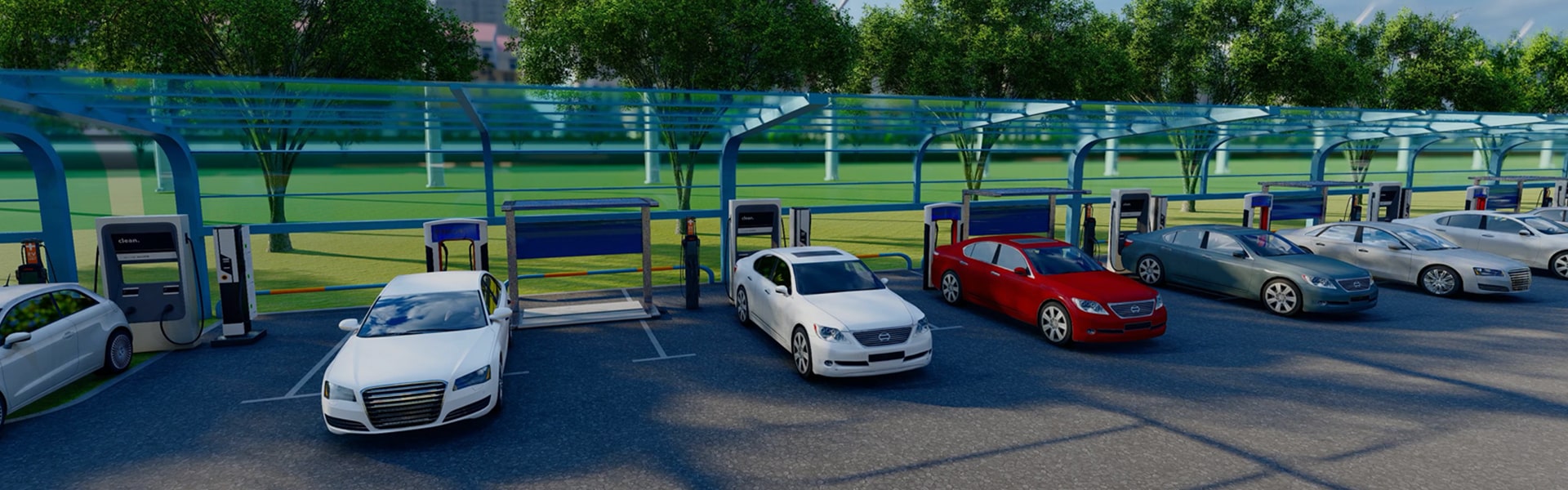
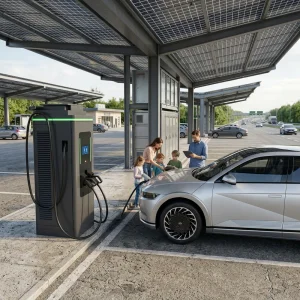
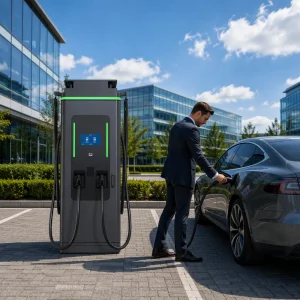
For highway travel, speed is the primary requirement. Multi-standard stations delivering 320kW to 480kW allow modern passenger EVs to recharge to 80% capacity in under 15 minutes. Adherence to ISO 15118-20 Plug & Charge protocols ensures authentication and payment occur automatically upon connecting the vehicle, streamlining the user experience.
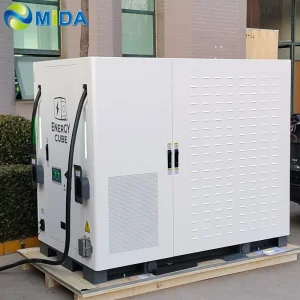
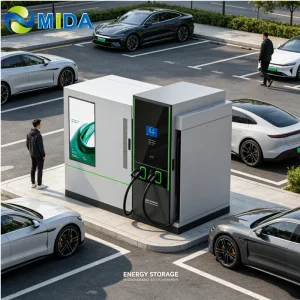
Where grid connections are power-constrained, battery-buffered charging stations offer an alternative. By combining 60kWh to 625kWh lithium-iron-phosphate (LFP) chemistry with bidirectional power modules, operators can support ultra-fast charging events without causing local grid sag or incurring high demand charges from the utility.
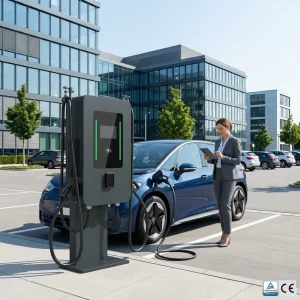
UL/ETL-certified high-power hardware designed for municipal, retail, and industrial infrastructure.
Detailed responses to common questions about engineering, grid integration, and global standards.
Stay updated on our latest research, developments, and transit infrastructure deployments worldwide.