Explore our industrial-grade CCS, NACS, and CHAdeMO charging stations, engineered for maximum uptime and superior thermal performance.
Industrial Powerhouses Driving the Future of Green Mobility
Shanghai Mida Cable Group Ltd. operates through its wholly owned subsidiaries: Shanghai Mida EV Power Co., Ltd., Shenzhen Mida EV Power Co., Ltd., and Shanghai Mida New Energy Co., Ltd.
Mida Cable manufactures a comprehensive range of EV charging cables, including 16A–80A J1772 cables, 16A–63A IEC 62196-2 Type 2 cables, and DC fast charging cables: CCS1 (80A–500A), CCS2 (125A–1000A), CHAdeMO (125A–300A), GBT (200A–1000A), and NACS connectors (250A–600A).
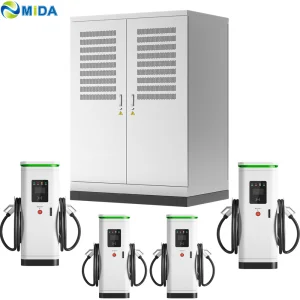
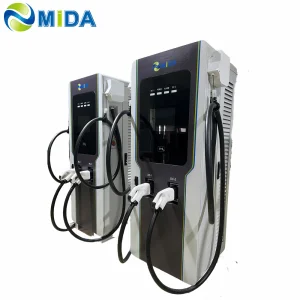
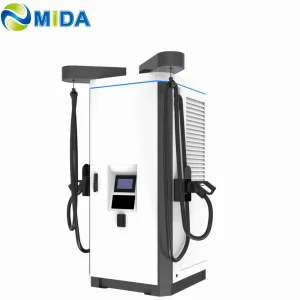
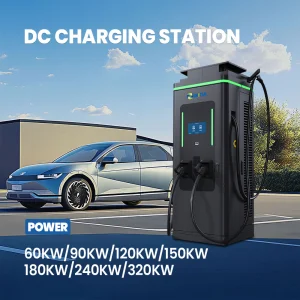
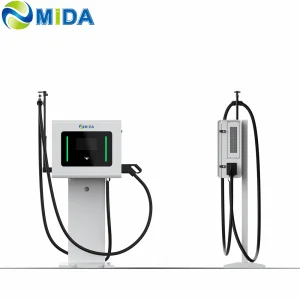
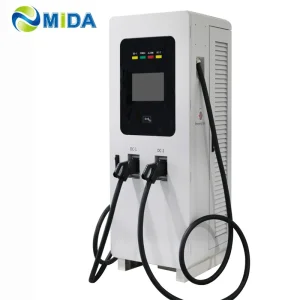
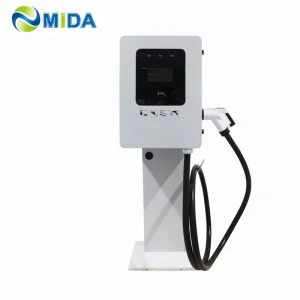
MIDA EV Power produces a full lineup of EV charging stations, such as 7kW–50kW mobile chargers, 3.6kW–7.2kW portable DC chargers, 360kW–1440kW split-type DC fast chargers, 20kW–50kW wall-mounted DC chargers, and 60kW–480kW floor-standing DC fast charging stations.
MIDA New Energy specializes in EV charger power modules, offering 20kW–60kW standard modules, 40kW–125kW liquid-cooled modules, 30kW–62.5kW bidirectional modules, and 20kW–45kW V2G charging modules.

A comprehensive industrial analysis detailing the factors influencing Capex, Opex, and standard compliance for commercial charger deployments.
Deploying commercial electric vehicle (EV) charging infrastructure is an intricate capital investment decision. The overall cost of a China electric car charging station varies depending on power output (kW), thermal management systems, and utility grid compliance. China has emerged as the manufacturing nucleus for EV supply equipment (EVSE) due to robust supply chains, advanced power module research, and massive domestic deployment scales.
For public operators, high-power DC fast charging (DCFC) installations drive the highest revenue but demand significant initial CapEx. The cost is divided among three major pillars:
To match chargers with the correct business scenario, fleet operators and commercial site hosts must carefully analyze the trade-off between station speed and capital requirements:
Exporting Chinese charging stations globally demands strict compliance with regional standards. Deploying non-certified equipment can lead to structural liability issues, grid connection rejections, and voided insurance policies.
MIDA Group guarantees strict compliance across all core markets:
As charging stations exceed 300kW, conventional air-cooling reaches its physical limits. Liquid cooling has transitioned from a premium feature to an industry standard. Liquid-cooled power cabinets and charging cables allow cables to remain slim, flexible, and capable of sustained 500A-1000A currents without overheating.
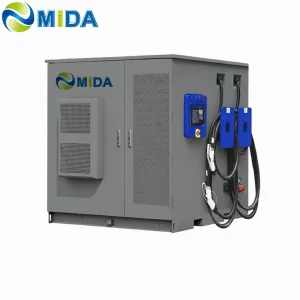
Furthermore, integration with Battery Energy Storage Systems (BESS) is transforming the economics of high-power charging. By coupling a 215kWh-1MWh battery cabinet directly to the DC bus bar, operators can deliver ultra-fast charging to vehicles even when connected to weak grid connections. This mitigates peak utility demand charges and allows integration with on-site solar systems.
Direct from the manufacturer: high-efficiency systems for commercial, industrial, and fleet applications.
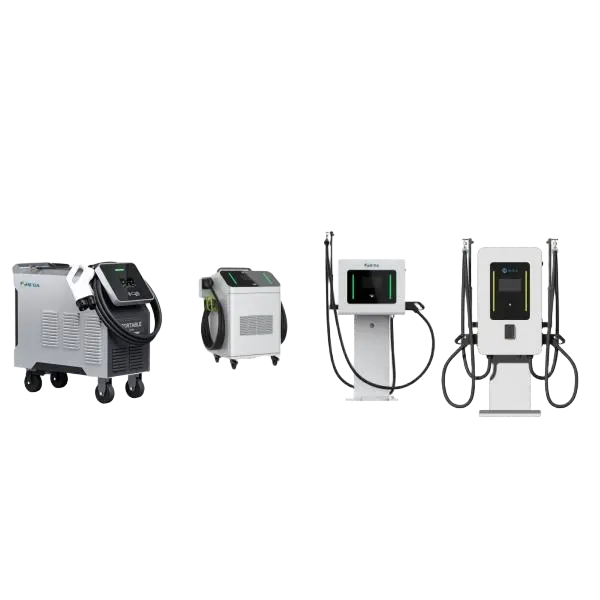
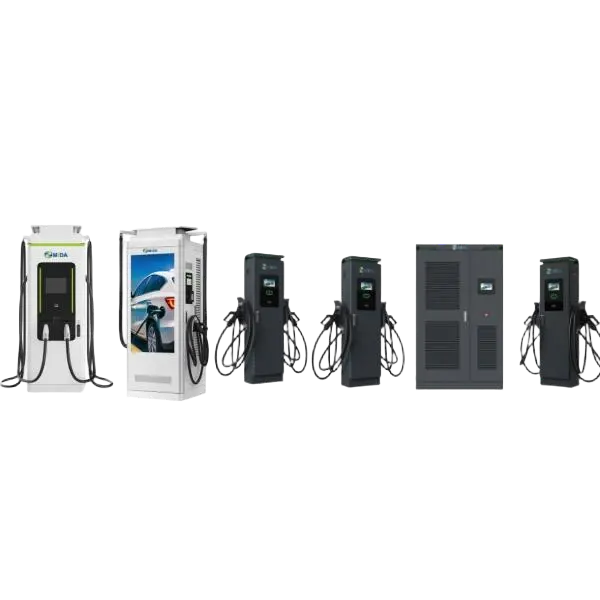
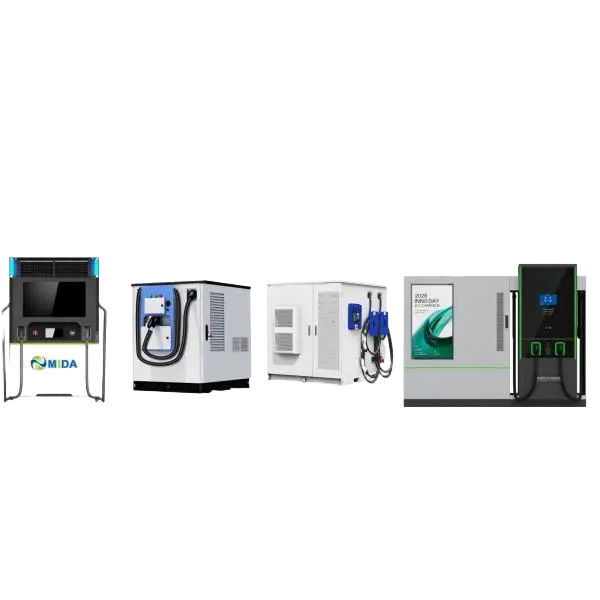
Custom OEM & ODM engineering, offering complete component integration from power modules to high-voltage cooling systems.
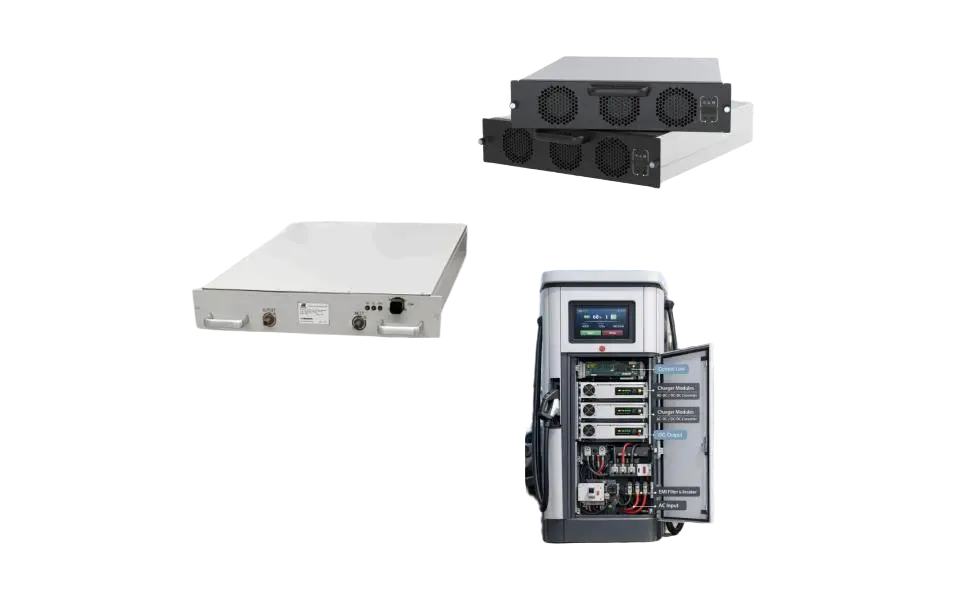
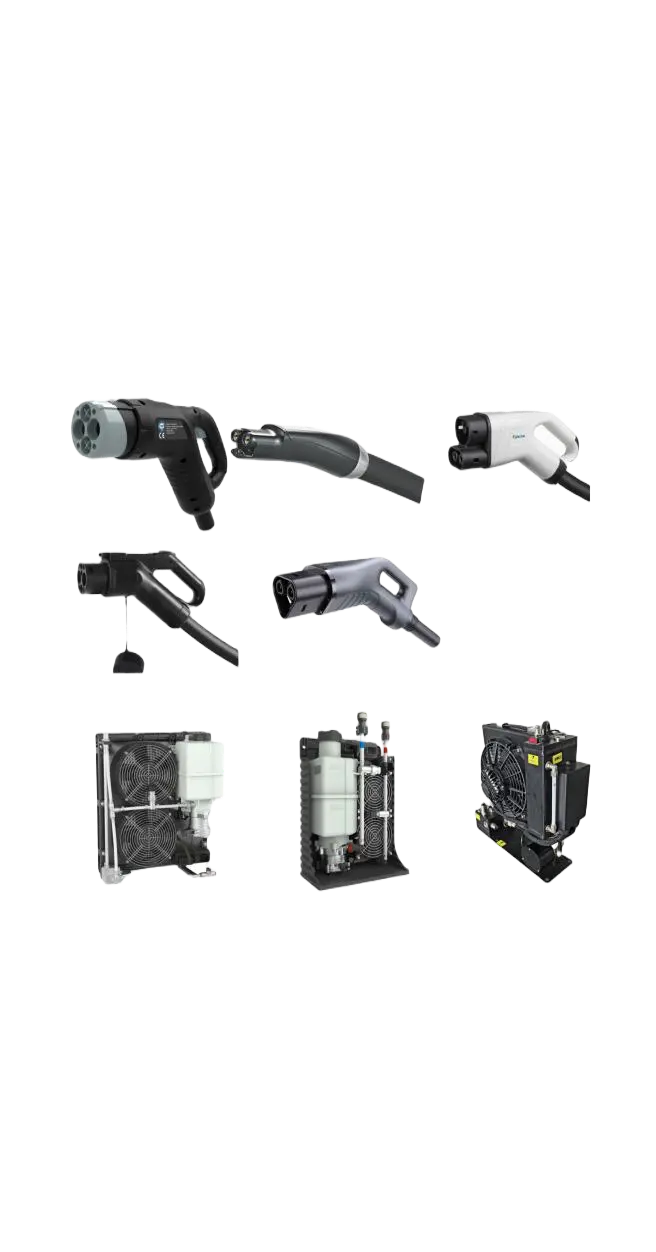
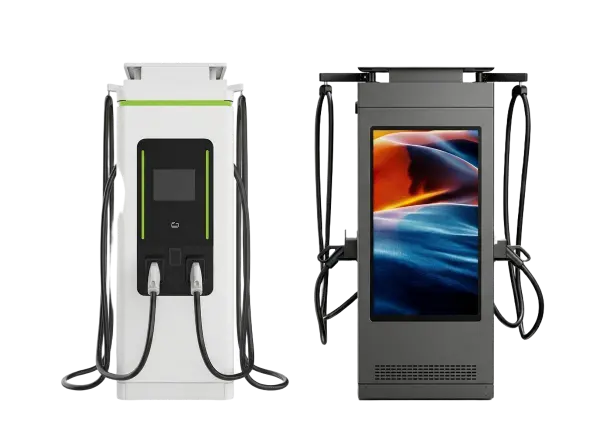
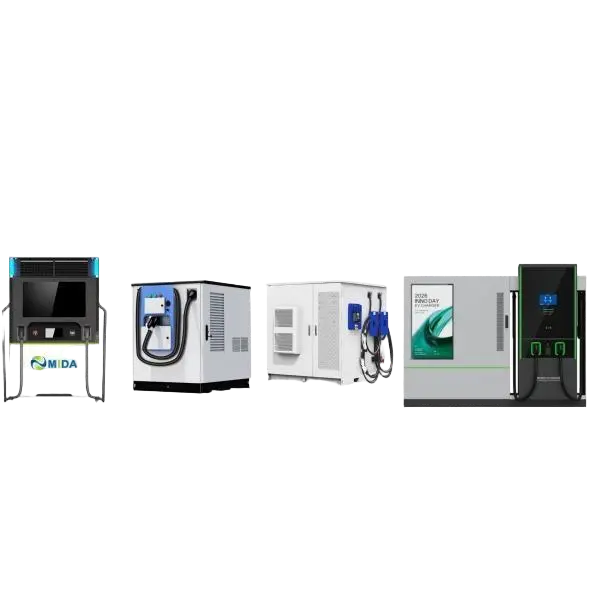
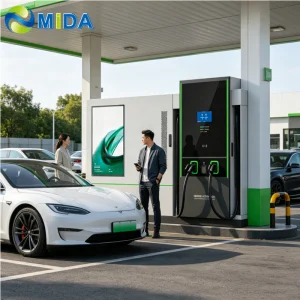
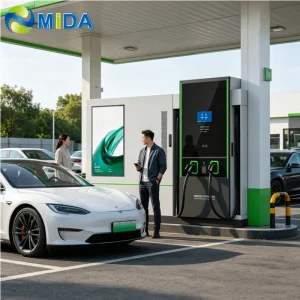
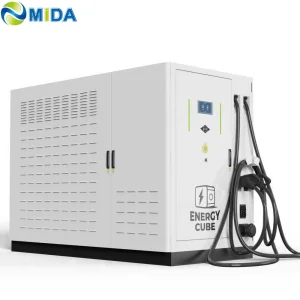
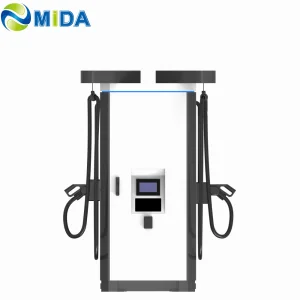
Explore our lineup of commercial EV charging hardware and battery storage systems, designed to simplify deployment and manage grid demand.
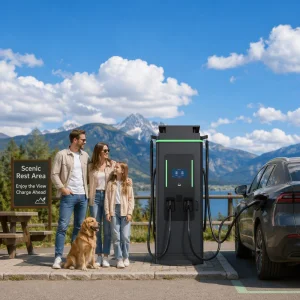

Addressing critical engineering, deployment, and financial questions for high-power EV charging networks.
Insights, technical articles, and innovations in electric bus transit charging and heavy duty transport infrastructure.