Explore our flagship high-power DC fast charging equipment built to power municipal fleets, commercial networks, and highway corridors globally.
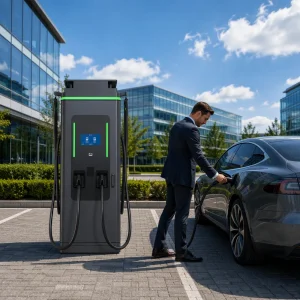
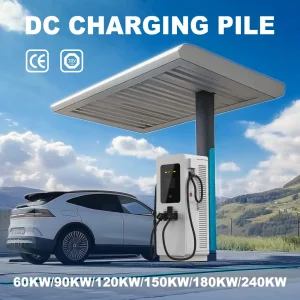
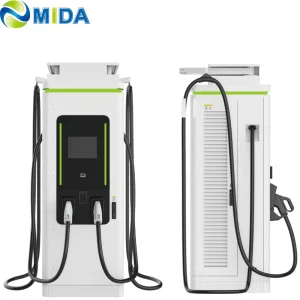
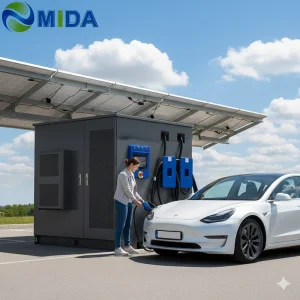
Shanghai Mida Cable Group Ltd. operates through its wholly owned subsidiaries: Shanghai Mida EV Power Co., Ltd., Shenzhen Mida EV Power Co., Ltd., and Shanghai Mida New Energy Co., Ltd. Together, we deliver turnkey manufacturing solutions that power the future of zero-emission transportation globally.
Mida Cable: Manufactures a comprehensive range of EV charging cables, including 16A–80A J1772 cables, 16A–63A IEC 62196-2 Type 2 cables, and DC fast charging cables: CCS1 (80A–500A), CCS2 (125A–1000A), CHAdeMO (125A–300A), GBT (200A–1000A), and NACS connectors (250A–600A).
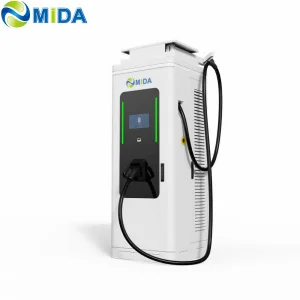
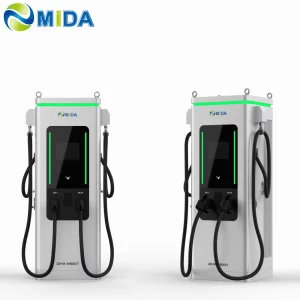
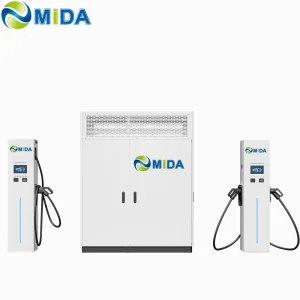
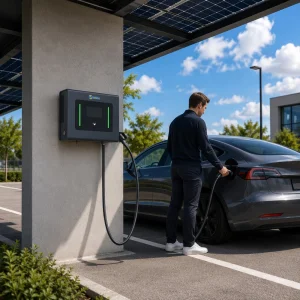
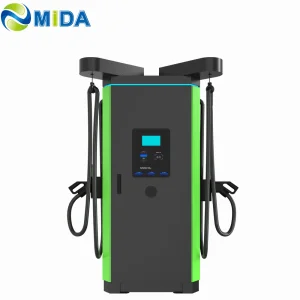
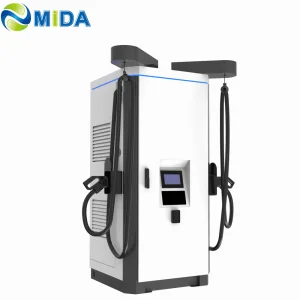
MIDA EV Power: Produces a full lineup of EV charging stations, such as 7kW–50kW mobile chargers, 3.6kW–7.2kW portable DC chargers, 360kW–1440kW split-type DC fast chargers, 20kW–50kW wall-mounted DC chargers, and 60kW–480kW floor-standing DC fast charging stations.
MIDA New Energy: Specializes in EV charger power modules, offering 20kW–60kW standard modules, 40kW–125kW liquid-cooled modules, 30kW–62.5kW bidirectional modules, and 20kW–45kW V2G charging modules.

How our vertically integrated production ecosystems lower total cost of ownership (TCO) while securing quality and output consistency.
From the raw copper extrusion for custom NACS/CCS cables to the precision SMT assembly of power module boards, our group controls the entire upstream process. This internal supply chain isolates buyers from geopolitical and macro commodity market volatility.
Our plants implement digital MES production tracing and 100% automated end-of-line electrical testing. Automated optical inspection (AOI) prevents defects in power modules, achieving a first-pass yield rate of >99.2% on essential circuit components.
By producing over 50,000 EV charger station chassis and 500,000 power modules annually, we command massive purchasing power for raw silicon carbide (SiC) MOSFETs and contactors. This allows us to pass substantial unit-cost savings down to our clients.
A deep dive into how high-power charging technology is scaling to meet the demands of commercial transportation, fleet electrification, and public networks.
To transfer power above 350kW without making charging cables excessively heavy or stiff, liquid-cooled technology is essential. By feeding coolant through specialized channels in the cable right to the plug contacts, we can continuous-deliver up to 1000A.
This technology reduces charging times for heavy-duty commercial trucks and buses to under 15 minutes. It prevents heat buildup, lowering stress on electrical parts and extending the service life of internal charging cabinets.
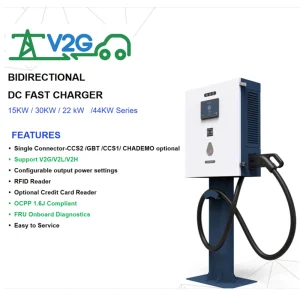
Smart grids require EV charging stations to act as active, bidirectional nodes. Our Vehicle-to-Grid (V2G) solutions enable vehicles to serve as mobile battery energy storage systems (BESS), feeding energy back to the grid during peak hours.
MIDA’s 20kW to 45kW V2G modules utilize advanced phase-shift control algorithms to secure stable bidirectional AC/DC conversion. This configuration helps commercial fleets lower peak-demand charges and generate new revenue streams.
Addressing the key considerations and pain points for charge point operators (CPOs), fleet logistics managers, and infrastructure developers.
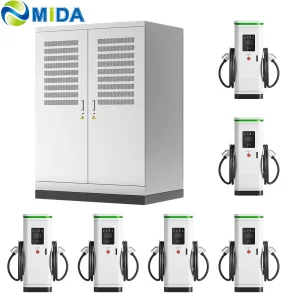
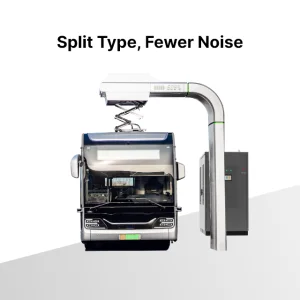
Our split-type architectures isolate sensitive charging modules from the physical dispenser unit. If a dispenser is damaged by a vehicle, the core power module cabinet remains safe, reducing critical repair costs and system downtime.
Rather than locking power to individual plugs, our matrix-controlled charging hubs shift power dynamically. Our stations route power in 30kW increments to where it's needed, maximizing throughput across all active charging lanes.
Fully supporting OCPP 1.6J and transitioning smoothly to OCPP 2.0.1, MIDA stations integrate easily with existing backends. Our equipment supports ISO 15118 for secure Plug & Charge and handles encrypted dynamic billing out of the box.
Aligning with grid regulations, environmental criteria, and strict certification frameworks worldwide.
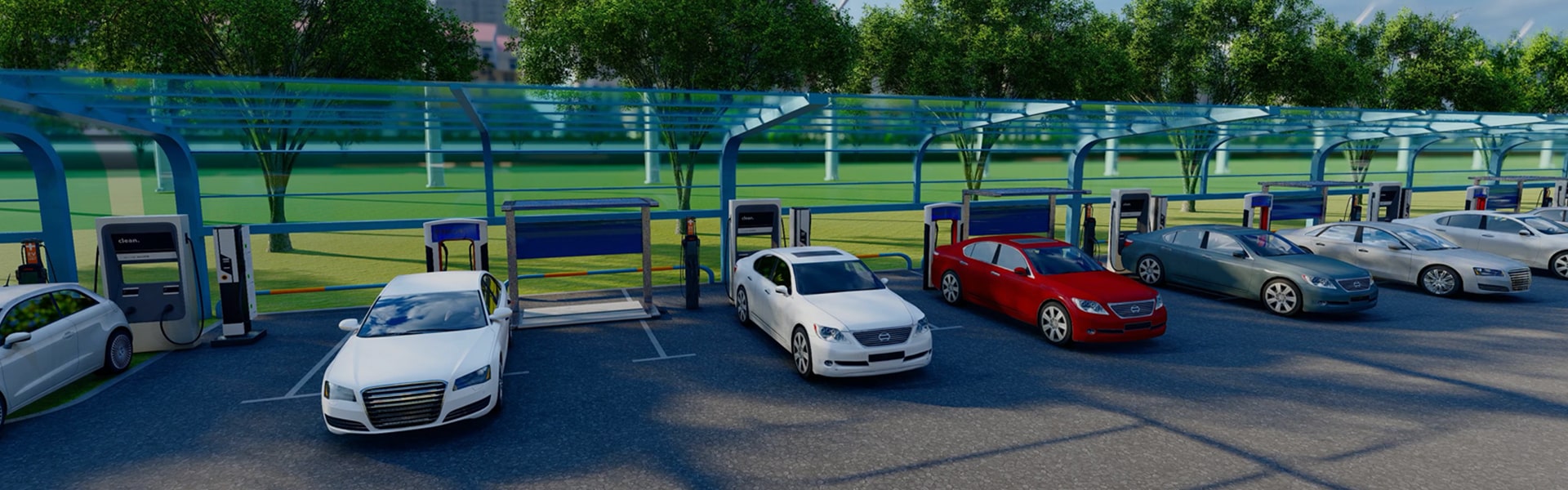
Exporting EV charging infrastructure requires strict adherence to international electrical, mechanical, and safety standards. MIDA Group coordinates testing and compliance verification to ensure quick, hassle-free grid connection and site approval.
MIDA Group's key product categories engineered to cover the entire power spectrum.
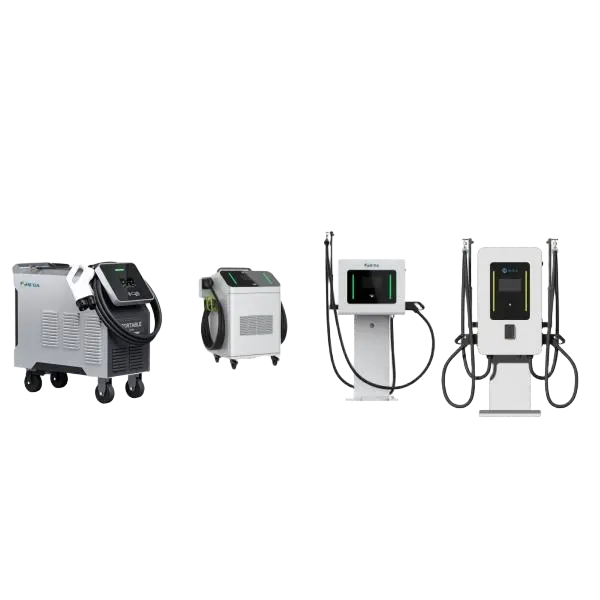
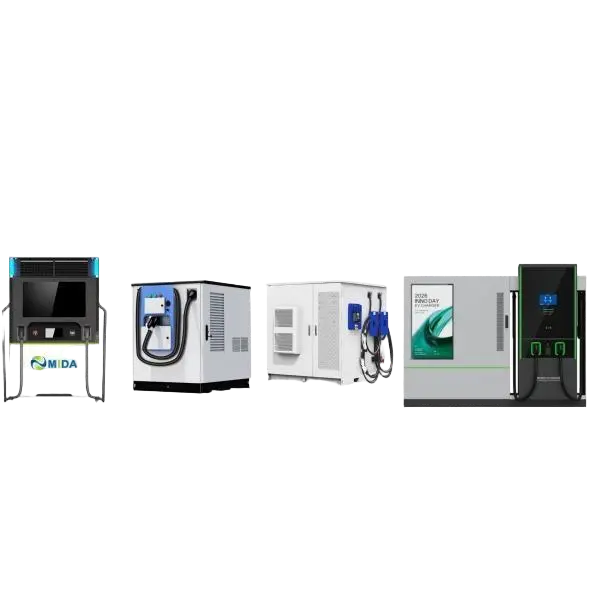
Compact, flexible high-voltage setups ideal for private depots, commercial garages, automotive workshops, and roadside assistance fleets.
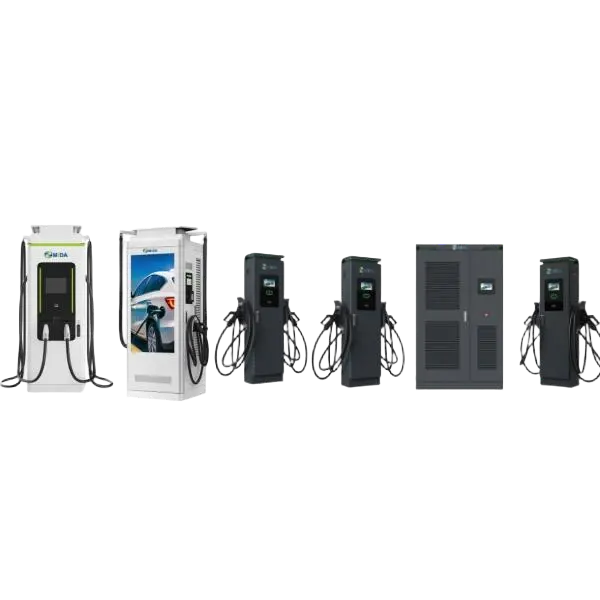
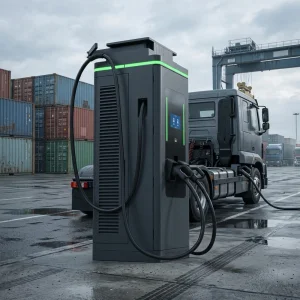
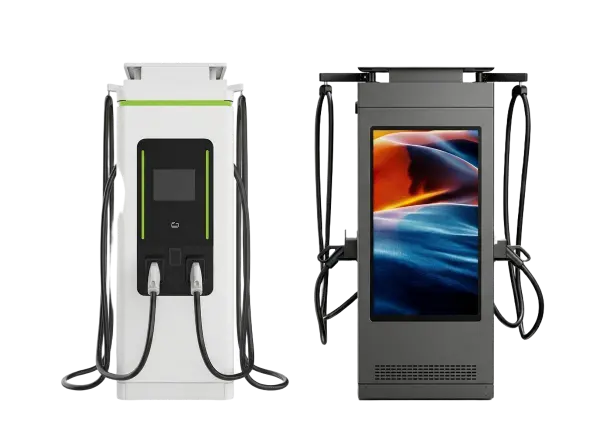
Designed for public charging hubs, highway service plazas, and heavy-duty bus and truck terminals. Built for continuous operation under tough conditions.
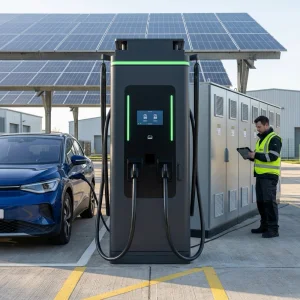
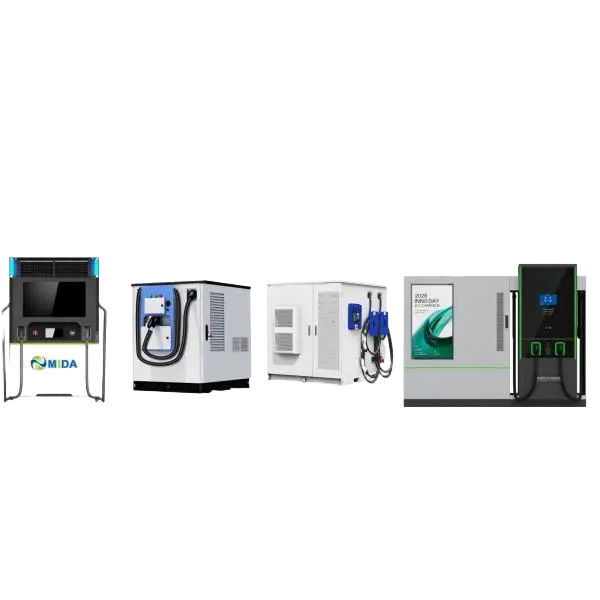
Combining high-capacity battery storage with high-power DC fast charging. Perfect for locations with grid capacity limits or for integrating solar power.
Stay up to date with MIDA Group's latest product launches, technology articles, and commercial installation updates.
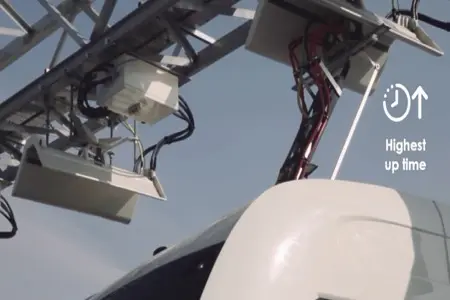
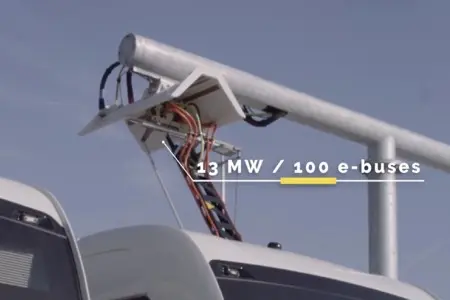
We supply individual subcomponents and modules directly to other EV charger manufacturers around the world.
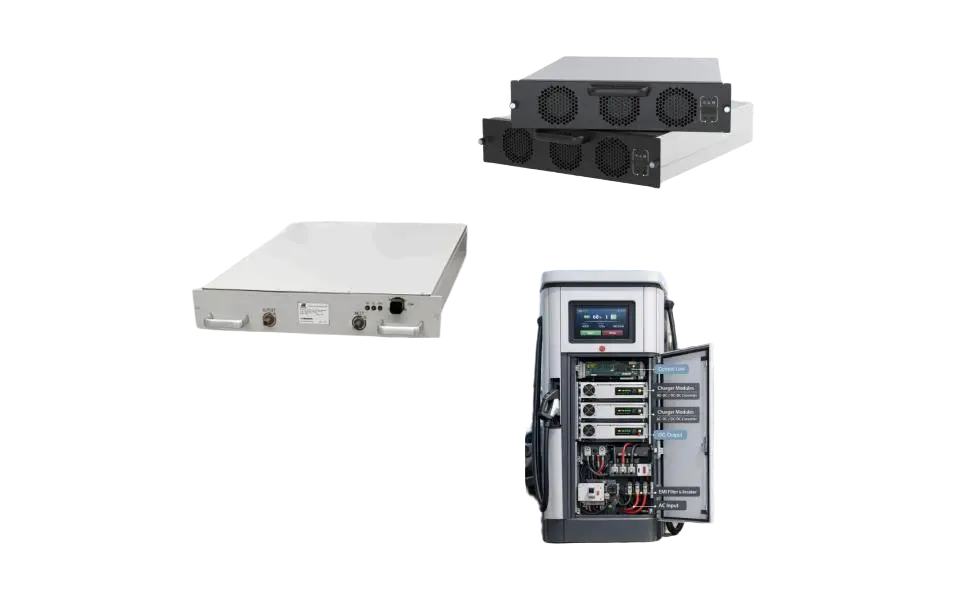
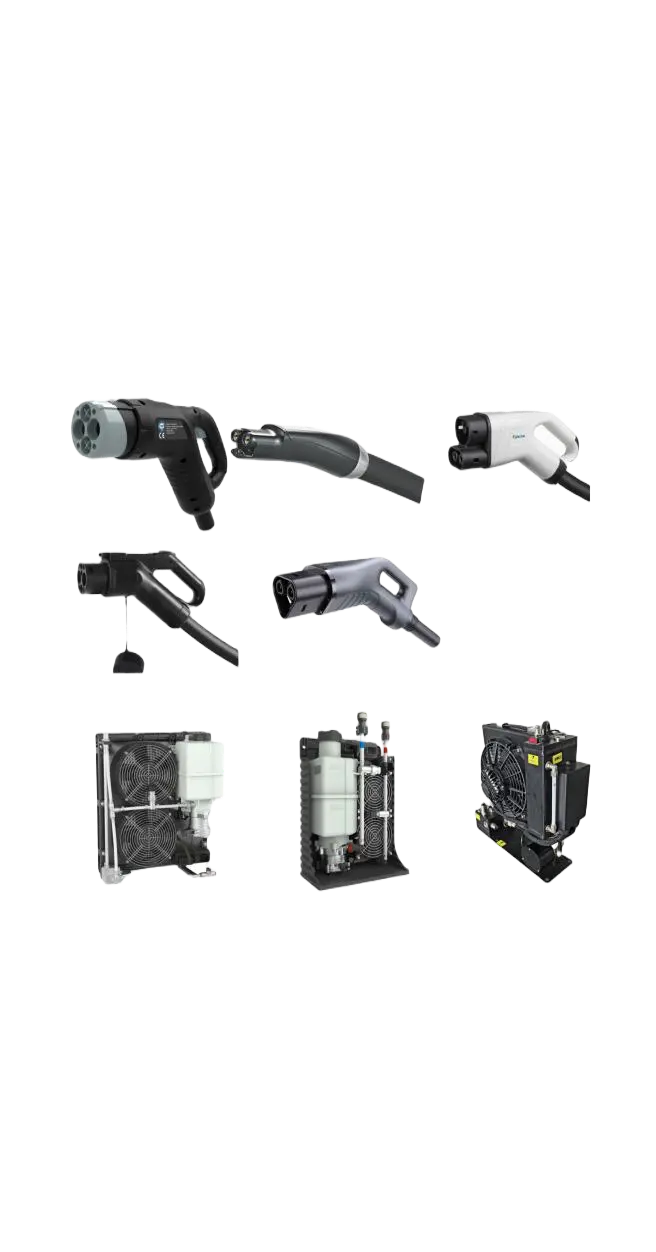
Answering key technical and integration questions for commercial charging projects.
Explore our high-capacity solutions, featuring megawatt chargers, bidirectional V2G power units, and compact wall-mounted stations.