CCS1 EV Charging Cable Connector Features
Product Introduction
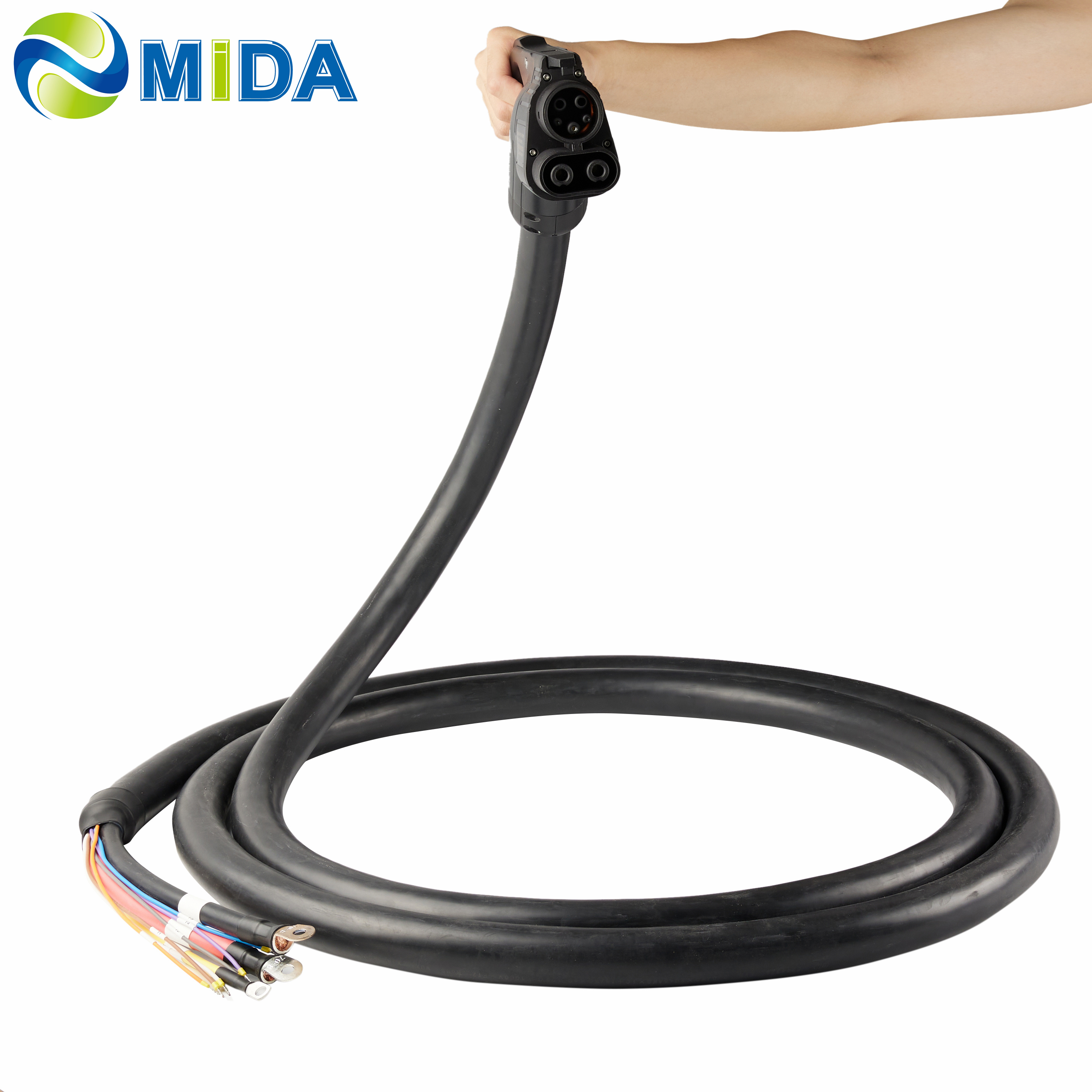
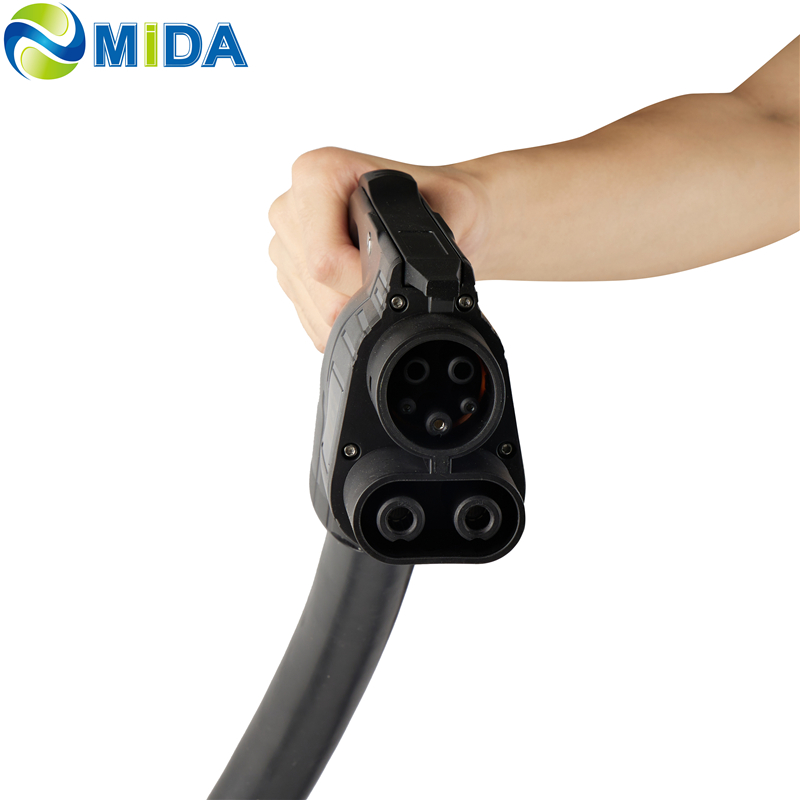
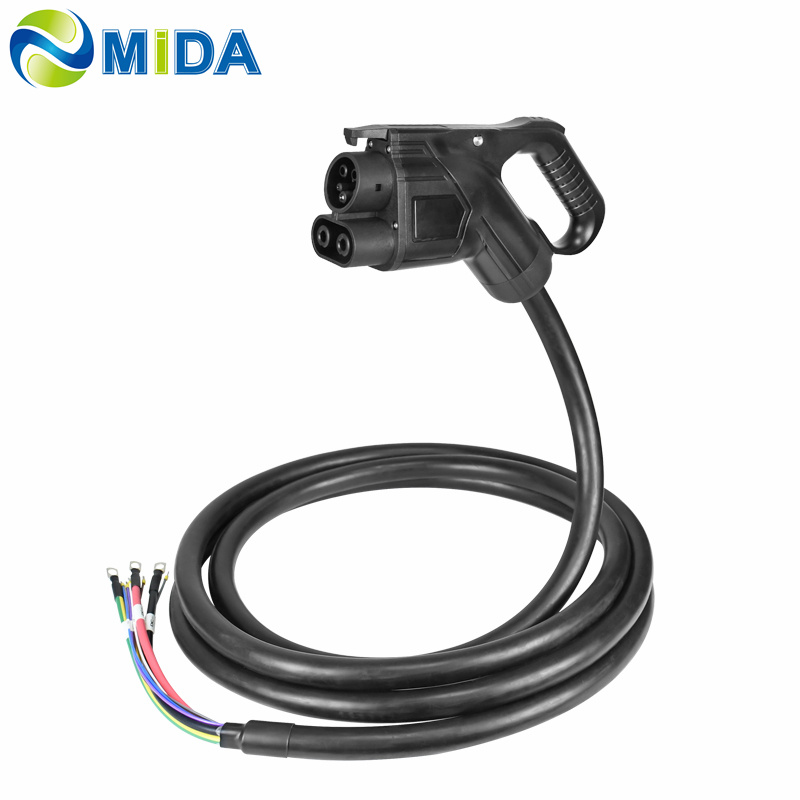
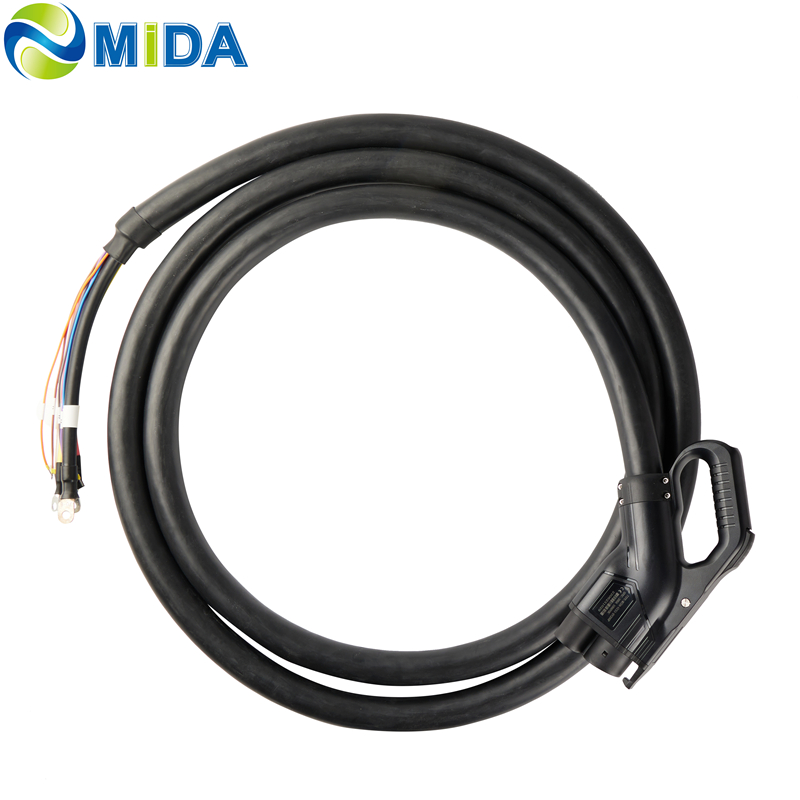
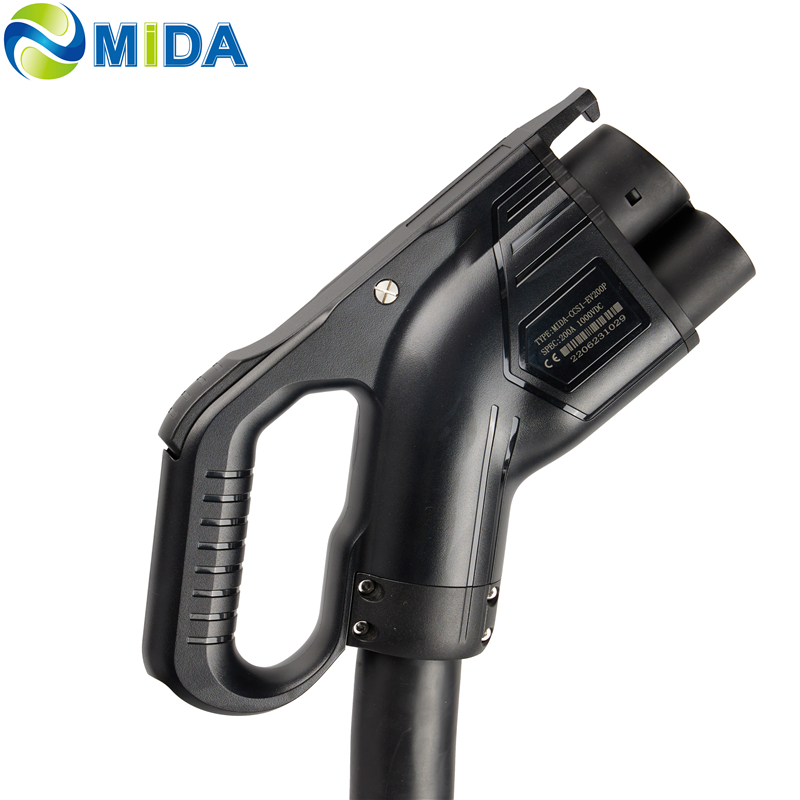
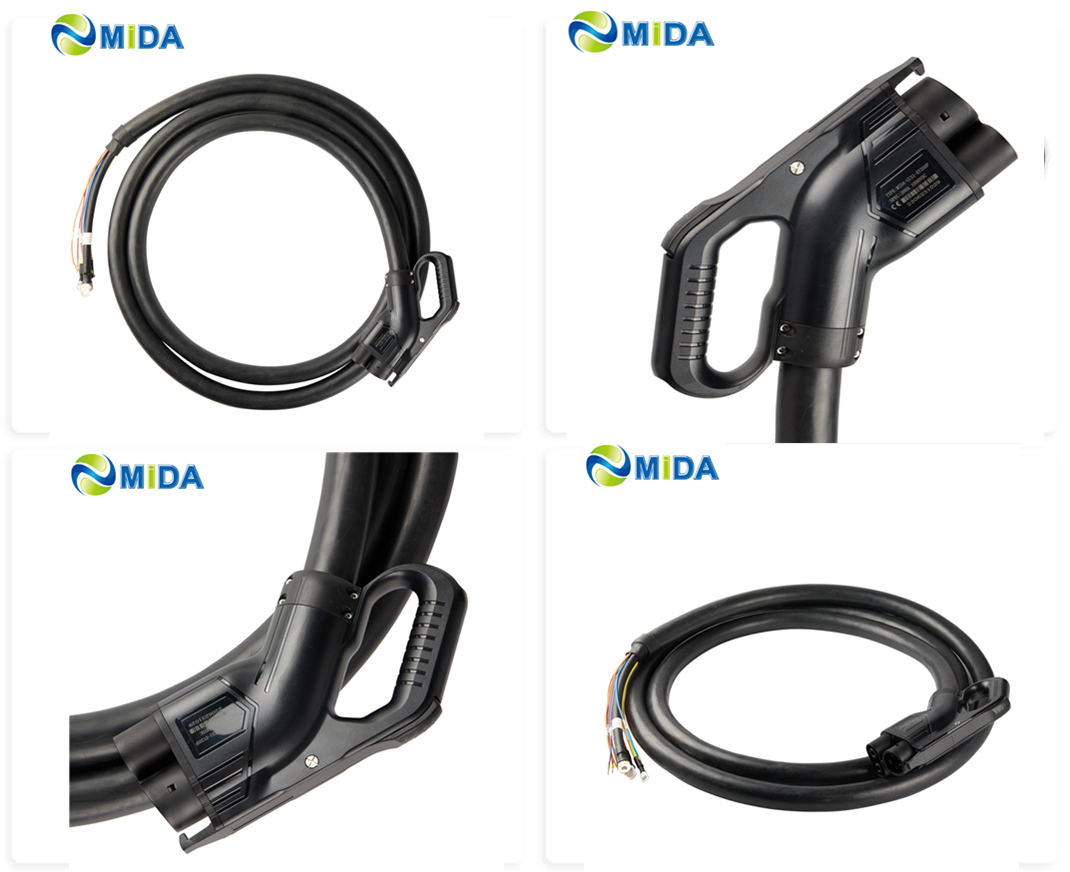
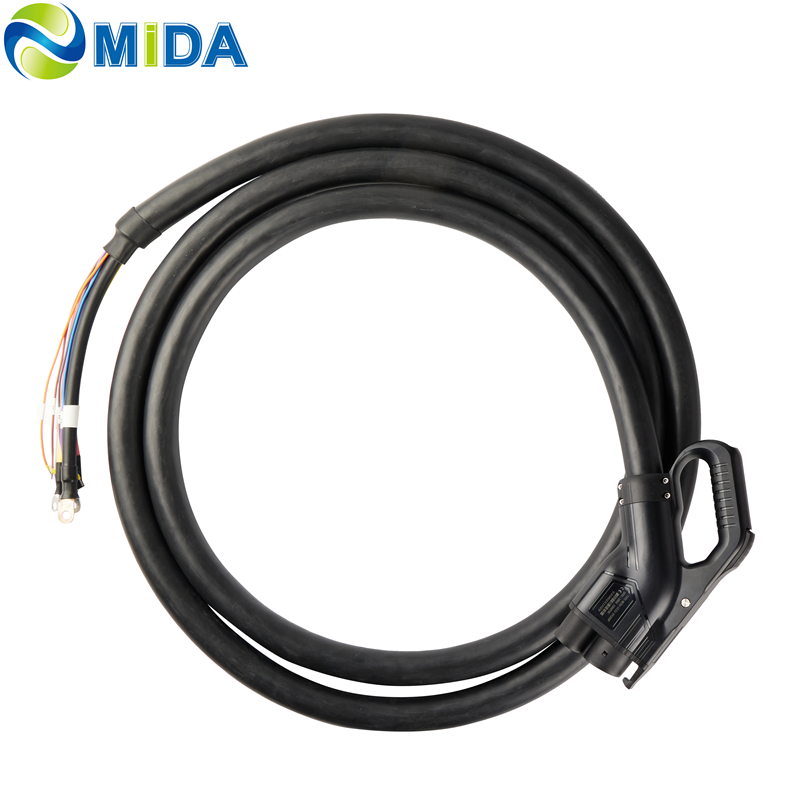
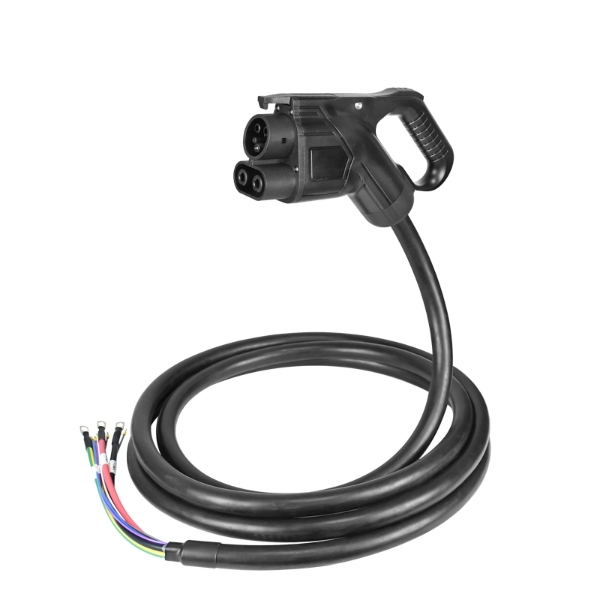
1. CCS1 EV plugs are available in 80A to 250A. They are used in DC fast charging and comply with IEC 62196-3 standards.
2. The Combined Charging System (CCS1) is based on open and universal standards for electric vehicles. Our CCS1 plug is used for direct-current charging at a maximum of 250 kW. Universally compatible, high-quality CCS1 Gun EV plugs are designed for 10,000+ charging cycles.
3. CCS1 Connector electric car charging plugs feature integrated temperature sensors (2pcs PT1000) for monitoring temperature changes at the power contacts (between DC+ and DC- terminals). Developed and produced in accordance with IATF 16949 and ISO 9001 automotive standards.
Product Key Features
Convenient Charging
Ideal for Plug-in Hybrid Electric Vehicles (PHEV) and full Electric Vehicles (EV).
High Durability
Uses proprietary silver-plated contacts for long-life durability and handles 10,000+ plug cycles.
Universal Compatibility
Supports AC & DC charging standards of North America, Asia, Australia, and growing global standards.
Quick-Change Design
250A CCS1 Gun Terminal Quick-Change DC High Power EV Charging connector, UL rated with UL EV cable.
Technical Specifications
| General Features |
1. Meet IEC 62196-3 standard |
| 2. Concise appearance, support back installation |
| 3. Back Protection class IP65 |
| 4. Max charging power: 150kW, 200KW |
| Mechanical Properties |
1. Mechanical life: no-load plug in/pull out > 10000 times |
| 2. Impact of external force: 1m drop and 2t vehicle run over pressure |
| Electrical Performance |
1. DC input: 150A/200A 1000V DC MAX |
| 2. Insulation resistance: > 2000MΩ (DC1000V) |
| 3. Terminal temperature rise: < 50K |
| 4. Withstand Voltage: 3200V |
| 5. Contact resistance: 0.5mΩ Max |
| Applied Materials |
1. Case Material: Thermoplastic, flame retardant grade UL94 V-0 |
| 2. Pin: Copper alloy, silver + thermoplastic on the top |
| Environment |
Operating temperature: -30°C to +50°C |
Physical Design & Safety
Physical design: The CCS1 DC charging connector is the industrial standard interface for fast charging of EV (Electric Vehicle) with charging stations. Complying with UL 2251, it offers a reliable and user-friendly high-power solution.
Ultrasonic Welding Technology: This technology ensures the resistance of the EV tends to zero during charging, reducing heat generation during the DC charging process.
Voltage Rating: Rated for a maximum of 1,000-volt DC, the 80A to 250A CCS1 connectors are ideal for fast and efficient charging.
Safety Features: Includes short circuit protection, ground fault detection, and temperature monitoring to protect against overvoltage and overcurrent hazards.
Frequently Asked Questions (FAQ)
Q1: What standards does the CCS1 charging connector comply with?
The connector complies with IEC 62196-3 and UL 2251 standards, and is produced following IATF 16949 and ISO 9001 quality management systems.
Q2: What is the maximum charging power and voltage rating?
The CCS1 connector supports a maximum voltage of 1,000V DC and is capable of handling charging power levels of 150kW to 200kW or more, depending on the current rating.
Q3: How does the integrated temperature sensor work?
The connector includes two PT1000 temperature sensors that monitor the temperature at the DC+ and DC- power contacts, ensuring the charging process stops or slows down if overheating is detected.
Q4: Is the CCS1 connector durable for long-term outdoor use?
Yes, it features a protection class of IP65, a mechanical life of over 10,000 plug cycles, and can withstand a 1-meter drop or 2-ton vehicle run-over pressure.
Q5: What are the benefits of Ultrasonic Welding Technology in these cables?
Ultrasonic welding reduces contact resistance to nearly zero, which minimizes heat generation during high-power DC charging and extends the product's service life.
Q6: Are customization options available for branding?
Yes, the CCS1 Gun supports OEM and ODM services, including LOGO customization as well as modifications to the appearance and specific functions.